REVIEW · KYOTO
From Osaka/Kyoto: Private Kyoto & Nara Day Trip with Pickup
Book on GetYourGuide →Operated by Japan tours International by Unemoto LLC · Bookable on GetYourGuide
One day, three temple worlds, zero planning stress. I love the hotel pickup and the fact that your English-speaking driver/host helps you with ticket line logistics and context at key stops, from Yosuke to Bong Yamaguchi, but you should expect a packed schedule with shorter time windows and plenty of road time.
You’ll cover the big hitters of Kansai—Nara Park, Todaiji, Fushimi Inari, Kinkaku-ji, and Arashiyama bamboo—in one go. It’s a strong choice when you want iconic sights without juggling trains, transfers, and crowd navigation all day. The trade-off: you’re seeing a lot, not hanging out forever at any one place.
In This Review
- Key highlights you’ll feel from the start
- How the private format changes your Kyoto and Nara day
- Nara Park and Todaiji: deer encounters and a 15-meter Great Buddha
- Fushimi Inari’s torii gates: how to enjoy the walk without getting lost
- Kinkaku-ji Golden Pavilion: a short stop with big visual payoff
- Arashiyama bamboo, Kimono Forest, and the Togetsukyo bridge plan
- Price and time: what you’re paying for (and what you’re not)
- Choosing the right host and getting more than the checklist
- Should you book this private Kyoto & Nara day trip?
- FAQ
- Where does pickup happen for this day trip?
- How long is the tour?
- Is this a private group?
- What’s included in the price?
- Are entry tickets and meals included?
- What attractions are part of the route?
- Does the host guide you inside every attraction?
- What language will the host/driver speak?
- Can I request a National Licensed Guide?
- What about port terminal pickup, like Kobe Port or Maizuru Port?
Key highlights you’ll feel from the start
- Door-to-door convenience from Osaka, Kyoto, or Kobe (with port-terminal add-ons available)
- Nara deer feeding in a park setting at the foot of Mt. Wakakusa
- Todaiji’s Daibutsuden and a 15-meter-tall bronze Buddha statue
- Fushimi Inari’s vermilion torii gates for that can’t-miss walking photo route
- Arashiyama bamboo + Togetsukyo bridge for classic Kyoto scenery and easy photo pacing
How the private format changes your Kyoto and Nara day
This isn’t a bus tour where you wait, follow, and hope you didn’t miss a sign. It’s private transportation in an air-conditioned vehicle, plus a host who guides you in English (and Tagalog). That matters in Kansai, where traffic and pedestrian flow can slow even a perfect itinerary.
Pickup is simple: you’re met at your hotel lobby about 10 minutes before the scheduled time, then you head out together. You can start in Osaka, Kyoto, or Kobe, and you’ll be dropped back at one of those three after the 10-hour loop.
One thing I like: the host role is practical. The tour doesn’t promise a fully guided walking lecture at every attraction. Instead, your host helps with the parts that usually trip people up—ticket buying and waiting in line—then provides guidance and explanation where it counts.
If you want a National Licensed Guide, you can request it, but there’s an added fee. For most people, the built-in English-speaking host support plus the time at each landmark is the right balance.
You can also read our reviews of more private tours in Kyoto

Nara Park and Todaiji: deer encounters and a 15-meter Great Buddha
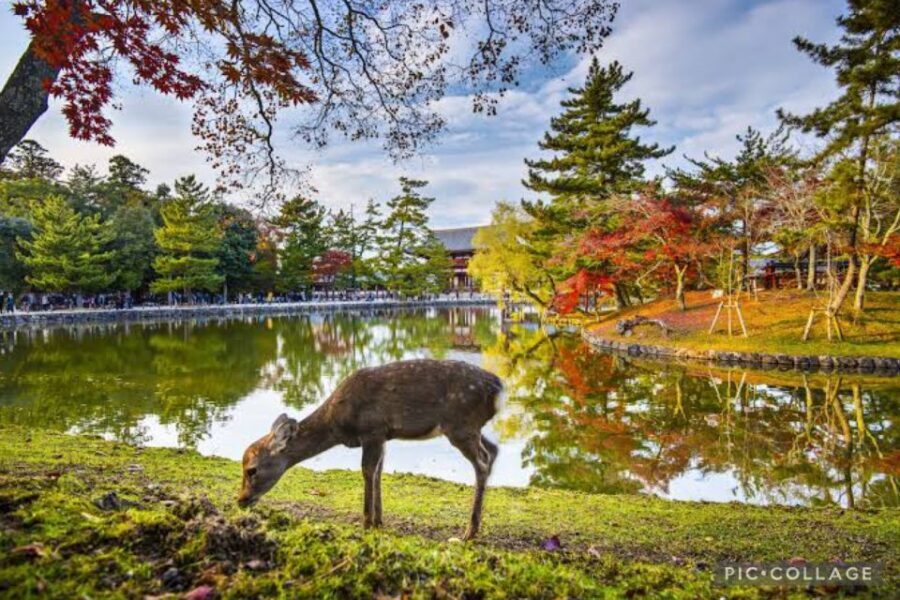
Nara is a simple morning win: you arrive at Nara Park, you see the deer right away, and you’re already in the mood for temples. The deer are freely roaming, and you can buy crackers to feed them. Yes, you’ll want to move calmly. The interaction is part cute, part chaotic, and part lesson in how to keep your hands safe while tiny faces do their best “please” impression.
From there, the tour takes you toward Todaiji, the Great Eastern Temple. This is UNESCO World Heritage territory, and the standout is the Daibutsuden (Big Buddha Hall). Inside is a massive bronze Buddha statue, described here as about 15 meters tall. Even if you’re not a “Buddhism deep dive” person, the scale lands fast. It feels less like looking at a landmark and more like entering a belief system built for time spans longer than modern travel plans.
Timing is tight but respectful: you’ll get around 30 minutes at Nara Park and about 40 minutes at Todaiji’s Daibutsuden area. That’s enough to walk, orient yourself, and see the hall and main statue without turning the visit into a sprint.
Practical tip: wear shoes you can stand in. Todaiji’s key viewing areas take footwork, and you’ll appreciate having the stamina later in the day too.
Fushimi Inari’s torii gates: how to enjoy the walk without getting lost
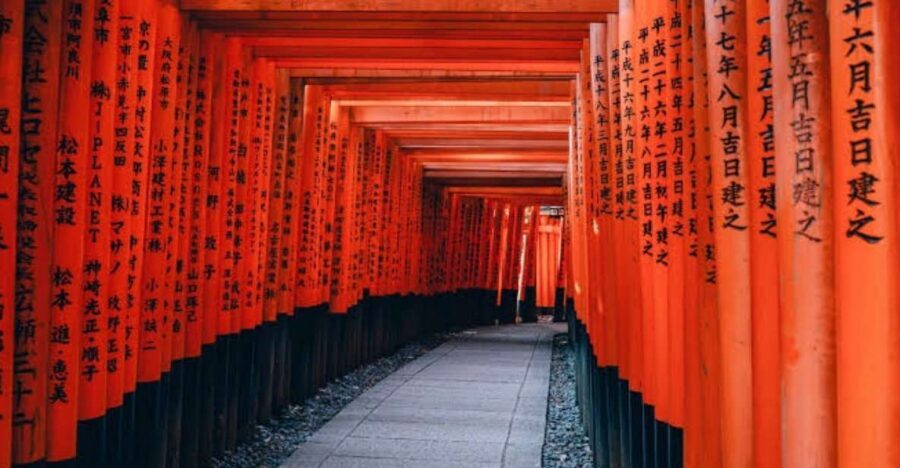
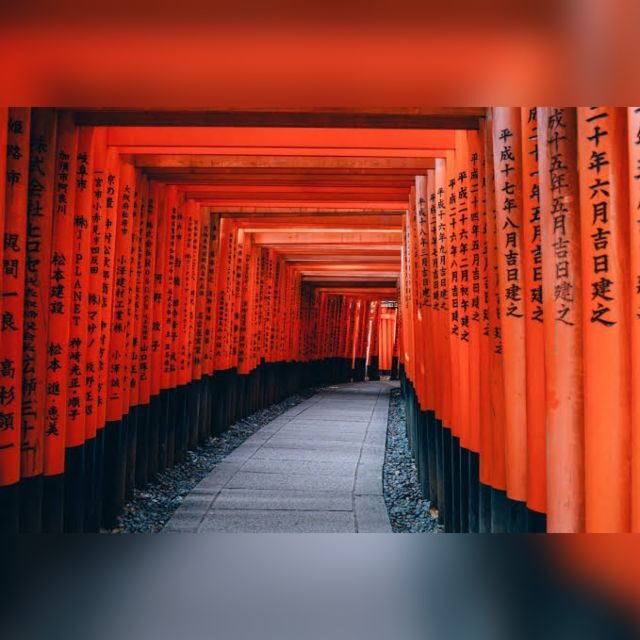
If there’s one Kyoto scene that people can recognize even on a t-shirt, it’s Fushimi Inari Taisha—the vermilion-red torii gates that seem to go on forever. Your visit includes time for walking and sightseeing (about 40 minutes) with guidance from your host.
The best part of Fushimi Inari isn’t just the entrance shot. It’s the rhythm of stepping through gate after gate and letting your eyes reset to the bright repetition. It’s also where good timing helps, because crowds can swell fast. With a host, you’re less likely to waste time at the wrong spot or in a slow-moving choke point.
What I’d do with your 40 minutes:
- Grab your main photos early, so you’re not stuck lining up when you’re already tired.
- Then use the remaining time for the gate-walk feeling—stop when something catches your eye, not when the group needs to move.
If you’re a detail person, ask your host what’s going on with the shrine symbolism as you go. Some hosts (like those praised for explanations around religion and temple meaning) will help you connect the dots so the gates feel like more than architecture.
Kinkaku-ji Golden Pavilion: a short stop with big visual payoff
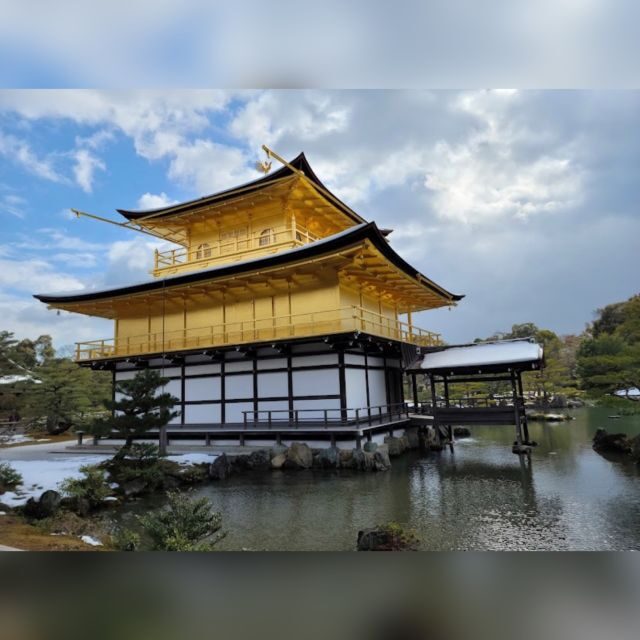
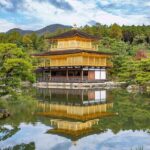
Next up is Kinkaku-ji, the Golden Pavilion. The tour includes about 40 minutes here, and the time is mostly self-guided, which I think is a good design. You get time to slow down and look at details instead of being marched like a schedule checkpoint.
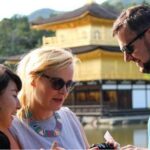
Here’s what makes Kinkaku-ji stand out even if you’ve seen photos before: it has three floors, each with its own architectural style, and the top two floors are covered in gold leaf. In daylight, that gold effect is hard to fake in pictures—it really does look like the building is lit from within.
Because your time is limited, I suggest you treat this as a “look, zoom in, look again” stop. Walk the perimeter view points you can access, then spend a few extra minutes on the angles that catch the gold finish without glare.
Arashiyama bamboo, Kimono Forest, and the Togetsukyo bridge plan
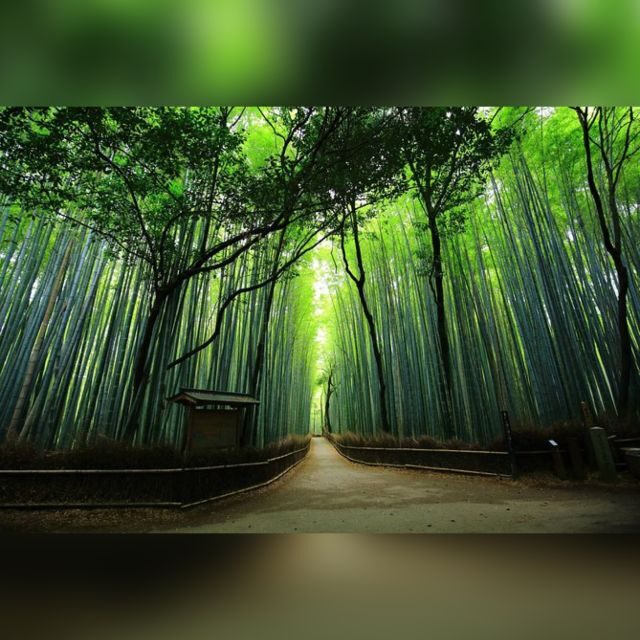
Arashiyama is the part of the day that feels like a movie set. You’ll have about 70 minutes total labeled for Arashiyama with lunch time, shopping, guided time, and sightseeing on the way. Then you’ll cross the Katsura River via Togetsukyo wood bridge (about 10 minutes), take a short Kimono Forest photo stop (about 10 minutes), and finish with the Arashiyama Bamboo Forest photo stop and walk (about 30 minutes).
Let me translate that into how it actually feels:
- Togetsukyo bridge gives you the classic river-and-wood-bridge framing, which works for couples, families, and solo travelers.
- Kimono Forest is built for photos. It’s quick, but it’s a fun break when your brain is starting to want scenery that isn’t temple stairs.
- Bamboo Forest is the main event. You’ll walk among soaring stalks, and yes, it’s crowded at peak hours—but the scale still hits.
There’s also an optional add-on mentioned in the itinerary: you can choose to ride the Sagano Romantic Train. It’s seasonal—spring is known for cherry blossom views, and fall for maple colors. The key word here is choose. Since train timing depends on the schedule and your day’s flow, treat it as a decision you make with your host once you see how crowded things are.
What to do if you want photos that don’t feel like you’re fighting the crowd: be patient for one clean angle, then keep moving. Some hosts are great at taking photos for you, so everyone can be in at least a few shots instead of handing your phone to strangers.
A few more Kyoto tours and experiences worth a look

Price and time: what you’re paying for (and what you’re not)
Price is where private day trips usually make people pause. This one is listed at about $632 per group, up to 2 people, and it runs 10 hours.
What that covers:
- Hotel pickup and drop-off from Osaka, Kyoto, or Kobe
- Private air-conditioned transportation
- An English-speaking driver/host
- Guidance for ticket purchases and line-wait handling
- Entry tickets and food are not included
That last bit matters. You’ll still pay for entry tickets where required and for meals on your own. And you should plan for at least a decent amount of walking. When you combine all that, the real value isn’t just the sights—it’s that you don’t spend your day figuring out transit timing, station confusion, and what to skip.
There’s also a pricing sensitivity point worth noting. One person felt the cost was high for a larger group relative to what was included (no lunch and no entry fees). So if you’re comparing to a group-bus option, you should decide what you value more: comfort and fewer logistics, or saving money even if it means more waiting.
I’d use this rule of thumb:
- If you want maximum landmark coverage with minimal stress, this format can feel worth it.
- If you’re happy designing your own route and you don’t mind trains and crowd navigation, you might prefer a cheaper DIY plan.
Also worth knowing: free cancellation up to 24 hours in advance is offered, which makes it easier to keep your plans flexible. For the actual day, the schedule is set around the order of major highlights.
Choosing the right host and getting more than the checklist
One reason this tour earns high satisfaction scores is how hosts handle the human details—translation help, patience, and small adjustments. Names you may see mentioned include Bong Yamaguchi, Keiko, Bill, John, Steven, Christine, and Allan, among others. Even when the core sights stay the same, the day can feel different based on how your host reads your group.
Look for these “micro-wins” that make the day feel smoother:
- Hosts help with Japanese translation and ticket purchasing when lines get confusing.
- Many guides help you choose a lunch spot. Ramen comes up more than once in the recommendations.
- Some hosts take photos so you’re not stuck being the photographer for the whole day.
- Flexibility happens. If you show interest in a specific area, some hosts can steer you toward relevant places you might not think to search for yourself.
If you have any special needs, say so early. There’s at least one mention of a handicapped couple, with Bill being praised for helping at every step. That’s not a guarantee for every guide, but it tells you the team has experience supporting guests beyond the standard pacing.
My practical advice: before you set out, share what you want most. If you’re obsessed with temples, prioritize Todaiji and Kinkaku-ji time. If you’re more into scenery and photos, make sure Arashiyama has the attention it deserves.
Also, don’t assume every attraction will be fully “guided walking.” The tour is structured to provide guidance without turning into a lecture marathon. Your host will support, but you’ll still do a lot of your own exploring within the time windows.
Should you book this private Kyoto & Nara day trip?
I’d book it if you’re visiting Kansai for the first time or you want a one-day hit list that still feels human and organized. It’s especially good if you:
- Hate planning transit and want pickup + drop-off
- Want the iconic Kyoto and Nara sights in one loop
- Prefer walking around key areas with an expert handling the tricky parts
- Like the idea of Nara deer + Todaiji scale + Fushimi Inari torii + Kinkaku-ji gold + Arashiyama bamboo in a single day
I’d think twice if you want a slow travel vibe. With 10 hours and multiple major stops, you’ll spend time in transit and you can only do so much within each site’s allotted window. Entry tickets and meals are on you, so budget for those too. And if price is your top concern, the private convenience may or may not justify the cost for your group.
If you go in with the right expectations—big sights, short windows, a helpful host to keep things moving—you’ll leave with a day that feels like you did Kyoto and Nara properly, without spending your vacation wrestling with logistics.
FAQ
Where does pickup happen for this day trip?
Pickup is offered from Kyoto, Kobe, or Osaka. You’ll be met at your hotel lobby and should wait about 10 minutes before the scheduled pickup time.
How long is the tour?
The total duration is 10 hours.
Is this a private group?
Yes. It’s a private group experience with private transportation.
What’s included in the price?
Included are hotel pickup and drop-off, private transportation in an air-conditioned vehicle, and an English-speaking driver/host. Ticket purchasing guidance is also provided.
Are entry tickets and meals included?
No. Food and drinks are not included, and entry tickets are not included.
What attractions are part of the route?
The tour includes Nara Park, Todaiji (Daibutsuden/Great Buddha Hall), Fushimi Inari Taisha, Kinkaku-ji (Golden Pavilion), and Arashiyama bamboo, plus time for Togetsukyo Bridge and a Kimono Forest photo stop.
Does the host guide you inside every attraction?
A full guided tour of each attraction is not provided. The host provides guidance, including help with buying tickets and waiting in line, and you’ll do a lot of sightseeing on your own at certain stops.
What language will the host/driver speak?
The host/greeter languages are English and Tagalog.
Can I request a National Licensed Guide?
Yes, you can request a National Licensed Guide, and it comes with an additional fee.
What about port terminal pickup, like Kobe Port or Maizuru Port?
Port terminal pickup and drop-off for Kobe Port Terminal and Maizuru Port Terminal can be added, with an additional charge.