REVIEW · KYOTO
Tour in Kyoto with a Goverment Certified Tour Guide
Book on Viator →Operated by Konnichiwa-japan · Bookable on Viator
Kyoto in one packed day. This guided plan strings together some of the city’s most memorable sights, from Fushimi Inari-taisha to Arashiyama bamboo, with a guide who adds stories so the places feel less like postcards. I like that it’s designed to keep moving while still giving you time to actually look around at each stop.
I also like the practical extras: pickup is offered, you get a mobile ticket, and the tour can be adjusted depending on your expectations and the time you have. If you’re visiting Kyoto with limited days, this structure can help you see a lot without micromanaging trains and connections.
One caution: the day can get crowded and the schedule is tight, and there have been reported issues with late starts or the tour not running as advertised for some bookings. If you’re the type who needs hotel pickup for sure, or you’re very schedule-sensitive, you should plan extra buffer time and double-check meeting details.
In This Review
- Key highlights to know before you go
- Why a one-day “mystical Kyoto” route can still feel worth it
- Price and logistics: what $110 usually turns into on the ground
- Getting picked up (and why meeting details matter more than you think)
- Stop 1: Fushimi Inari-taisha and the torii-gate rhythm
- Stop 2: Kiyomizu-dera—iconic views and temple etiquette
- Stop 3: Nijo Castle—when you pay for a different kind of Kyoto
- Stop 4: Gion—old streets, modern crowds, and cultural contrast
- Stop 5: Nishiki Market—street snacks and smart shopping time
- Stops 6 and 7: Kinkaku-ji and Ginkaku-ji—Golden vs Silver in one day
- Stop 8 and 9: Arashiyama bamboo and Tenryu-ji—nature time that breaks up the rush
- “Ritual time” beyond the daytime route: rickshaw and night lights
- What guides can change for you: patience, adaptations, and pacing
- Potential trouble spots: late starts, merged groups, and missed pickups
- Should you book this Kyoto tour?
- FAQ
- How long is the Kyoto tour?
- What does the $110 per person price include?
- Do I need to pay any admissions during the day?
- Is pickup included?
- Is this tour private?
- What if I cancel?
Key highlights to know before you go
- Government-certified guide with time-saving explanations at major stops
- Well-known Kyoto anchors plus room for customization based on your priorities
- Packed walking day that includes shrines, temples, markets, and traditional neighborhoods
- Extra admissions likely for some key sites like Ginkaku-ji
- Pickup is offered, but you may still need to be ready to reach a meeting point
- Solo/couple flexibility can mean joining other travelers on certain days
Why a one-day “mystical Kyoto” route can still feel worth it
This tour works best when you want a structured day that covers multiple Kyoto eras and vibes. You’re not just ticking off famous buildings; you’re bouncing between Shinto and Buddhist sites, then shifting to Gion streets and a food-focused market district. The guide angle matters because Kyoto’s etiquette, symbolism, and layout can be confusing if you’re going on your own.
I also like the “choose-your-own-feel” promise. The operator says you can customize depending on expectations and the time available, which is a practical way to handle Kyoto’s reality: weather, crowds, and how fast your group walks.
The drawback is simple: 6–8 hours is not a long time, and the itinerary is ambitious. You’ll get great variety, but you won’t linger for half the day in one neighborhood like you could on a slower two-day plan.
You can also read our reviews of more guided tours in Kyoto

Price and logistics: what $110 usually turns into on the ground
At $110 per person for a 6–8 hour day, you’re paying mainly for a guided itinerary and planning help, not for all transport and admissions. Your biggest “watch the fine print” items are likely: food, transit, and temple fees that aren’t included.
The tour includes the guide, and it offers a mobile ticket for smooth check-in. It also lists an extra cost for transportation of the guide (around $5–$8 USD), plus personal expenses and transportation fees that aren’t covered in the base price.
For admissions, the day is mixed. Some stops are free, while others are not included. Ginkaku-ji (Silver Pavilion) is $8 per person, and Nijo Castle and Tenryu-ji are also marked as not included. If you’re budgeting for a comfortable day, I’d set aside extra money for those admissions and for street snacks in Nishiki Market.
Getting picked up (and why meeting details matter more than you think)
Pickup is offered, and the tour notes you’ll be near public transportation. That’s good news because Kyoto is a train-and-bus city, and you won’t be stuck in the middle of nowhere if plans change.
Still, there’s enough reported inconsistency in meeting logistics to treat the start of the day seriously. Some bookings describe waiting a long time or not finding the guide at the stated place, and others describe last-minute changes that affected pickup or the number of stops. None of that means you’ll have a bad day, but it does mean you should be proactive.
My practical advice: keep your confirmation info handy, be early, and use the same communication channel you booked with. If you’re traveling solo or as a couple, keep in mind the tour may ask you to join another solo traveler or couple rather than staying strictly solo.
Stop 1: Fushimi Inari-taisha and the torii-gate rhythm
Fushimi Inari-taisha is the kind of place where you can walk in circles for an hour and still feel like you’re only scratching the surface. The shrine’s famous torii gates create a path you follow like a moving corridor, and that makes a guided stop especially helpful.
This stop is scheduled for about 1 hour and is free. In practice, that’s enough time to see the main gate areas and get your bearings before you decide whether you want to go deeper into the hillside trails.
What I like about having a guide here is context. Inari is the deity of rice, and once you understand the meaning behind the fox symbolism and shrine offerings, the whole experience clicks. You’ll also get help with how crowded areas tend to flow through the day, which matters a lot at the most photographed shrine in Kyoto.
Stop 2: Kiyomizu-dera—iconic views and temple etiquette
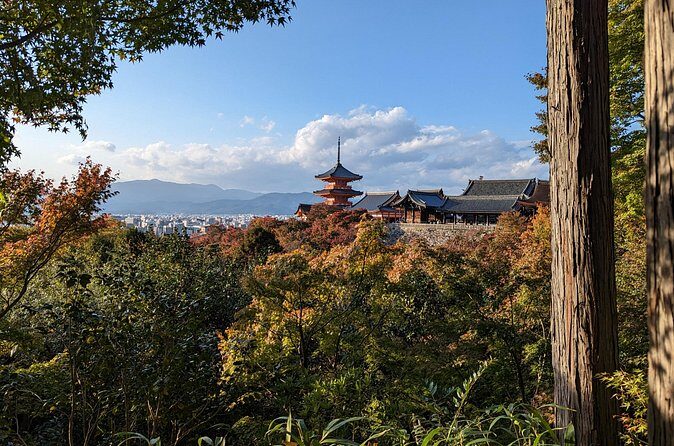
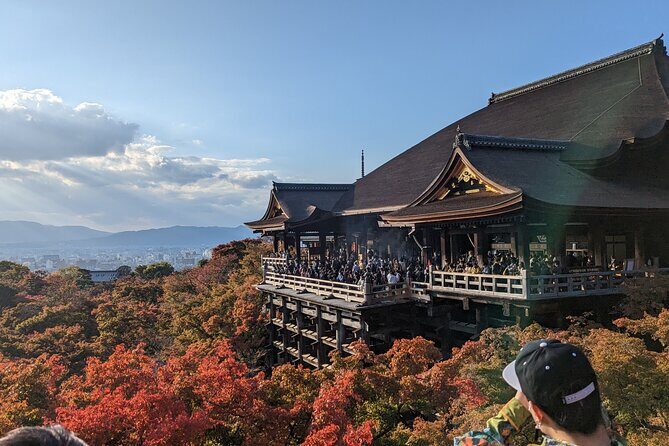
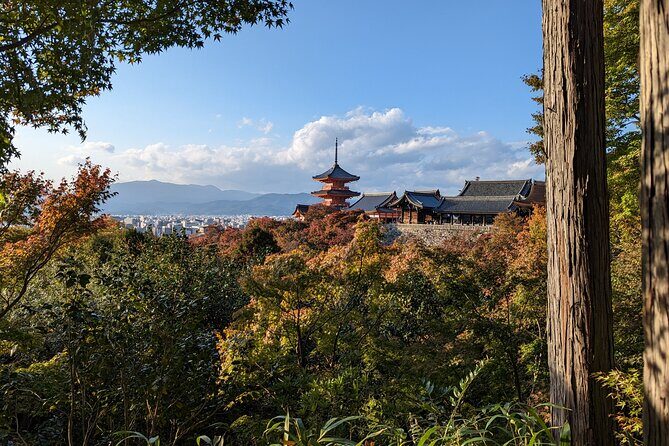
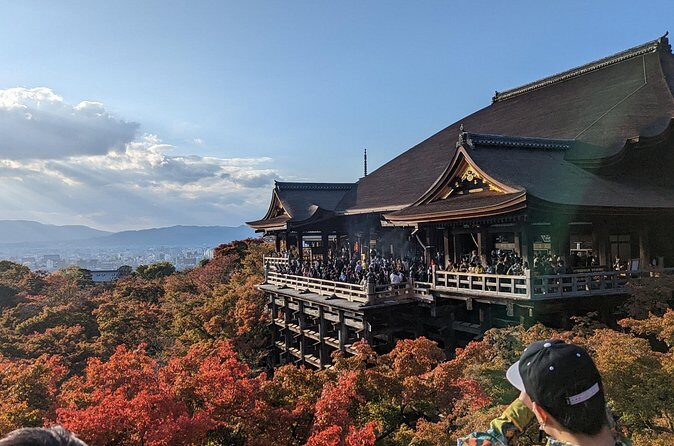
Kiyomizu-dera is a UNESCO-listed temple and one of Kyoto’s headline sights. You’re on a hillside in Higashiyama, and even when it’s busy, it feels like the city has a stage built into the terrain.
This part is planned for about 1 hour and is free. The key is managing your time on the slopes and viewing platforms so you don’t end up stuck waiting for the best angles when the crowds surge.
I find Kiyomizu-dera works best with two mindsets: first, treat it as a viewpoint stop, not just a photo stop. Second, slow down for the details—ritual spaces and architecture cues are easier to notice when someone can point them out quickly.




Stop 3: Nijo Castle—when you pay for a different kind of Kyoto
Nijo Castle shifts the vibe from religious sites to political power and architecture. It’s a 17th-century residence that functioned as a symbol of authority, so it feels different from the shrine-temple rhythm earlier in the day.
You’re allotted about 1 hour, but admission is not included. If you’re trying to keep the day simple, budget for the fee and don’t assume it’s free just because it’s on the route.
This is also a spot where guide interpretation can really matter. Castle layouts, design choices, and how spaces were meant to impress visitors are easy to miss if you’re just wandering through rooms. With a guide, you’re more likely to “get” why it’s famous instead of simply seeing a building you’ve already read about online.
Stop 4: Gion—old streets, modern crowds, and cultural contrast
Gion is Kyoto’s best-known classic district, with preserved streets and the kind of tradition people come to see in real life. The atmosphere is unique because you’re walking in an area shaped by history, even though it’s also a major tourist zone.
This stop is about 1 hour and free. That time is useful for slow strolling and people-watching, but it’s also a reality check: the streets can be crowded, and you’ll have to accept that you’re sharing the neighborhood.
I like using Gion as a “reset.” It’s not a museum-like stop; it’s a sensory neighborhood pause before food time and the temples later in the day.
Stop 5: Nishiki Market—street snacks and smart shopping time
Nishiki Market is Kyoto’s “walk-and-snack” district. Think small stalls, quick bites, and a lot of things you can sample without committing to a full meal somewhere else.
You get about 1 hour here, and it’s free to enter, but you should expect to spend on food and small purchases. This is one of the best parts of the route if you like variety—Kyoto street food tastes different than what you get in a sit-down restaurant.
A guide helps here by pointing you toward what’s worth trying and what to skip if you’re in a rush. Also, if you have dietary limits, it’s easier to ask questions in person than to guess at stall items.
Stops 6 and 7: Kinkaku-ji and Ginkaku-ji—Golden vs Silver in one day
Kyoto’s temple posters usually point you toward Kinkaku-ji (the Golden Pavilion). This stop is about 1 hour and is free.
Ginkaku-ji (the Silver Pavilion) follows as the calmer contrast. It’s scheduled for about 1 hour, and admission is not included; the listing notes $8 per person for entry. Even though it’s called the Silver Pavilion, the “silver” part is more about name and design than literal metal coverage.
What I like about pairing them is the emotional change. Kinkaku-ji hits you with visual impact, while Ginkaku-ji leans more Zen and reflective. If crowds make you feel rushed at the first one, the second one can give your eyes a breather—even in the middle of a busy day.
Stop 8 and 9: Arashiyama bamboo and Tenryu-ji—nature time that breaks up the rush
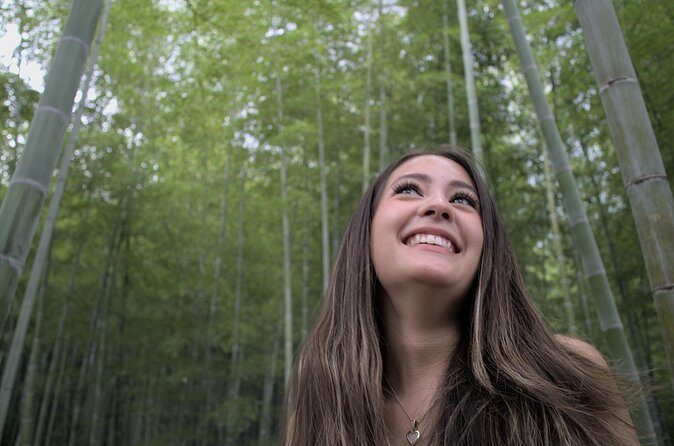
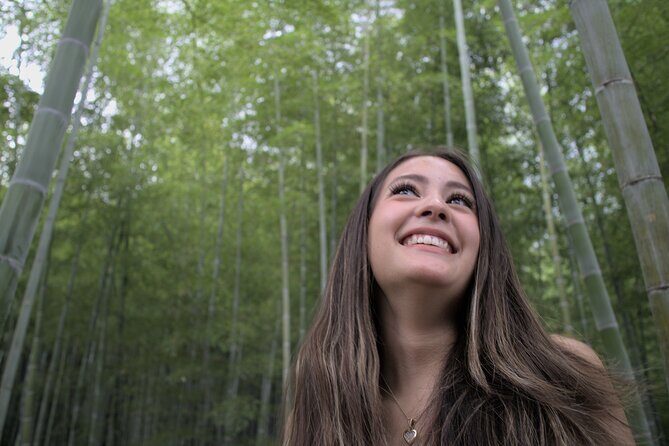
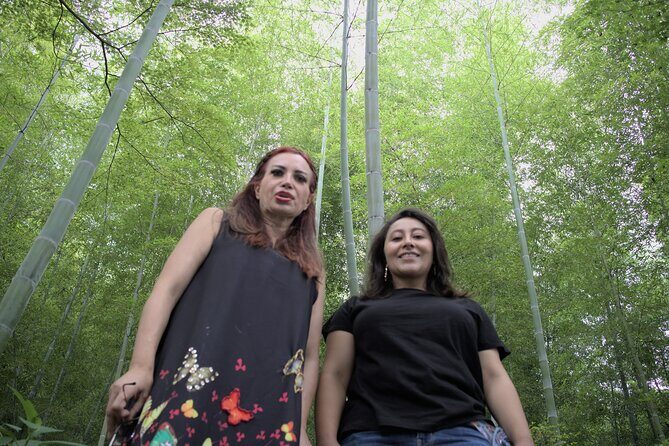
Arashiyama Forest is scheduled for about 30 minutes and is free, which is a short window but a good use of time. Bamboo areas are powerful for atmosphere, and even a brief walk can reset your energy before the day keeps tightening.
Then you head to Tenryu-ji Temple for about 30 minutes, with admission not included. Tenryu-ji being on the UNESCO list helps explain why it gets attention, but what matters for you is how the gardens and temple spaces feel after a day of gates, stairs, and shopping streets.
In some versions of Arashiyama time, guides may add extra area highlights, and at least one guide experience included the monkey park area as a favorite. If this is something you care about, ask your guide early so you don’t end up disappointed by a mismatch.
“Ritual time” beyond the daytime route: rickshaw and night lights
The tour concept is described as including cultural extras like calligraphy and kimono dressing, plus a rickshaw ride and illuminated temples at night. The catch is that your actual day depends on timing, weather, and how the group moves.
So here’s the smart move: treat those as possibilities and ask directly what’s realistic for your date. If you’re counting on night lighting, you’ll want to confirm whether the day ends early enough to make it work, because the daytime itinerary is already full.
What guides can change for you: patience, adaptations, and pacing
This kind of tour lives or dies on the guide. Some past guide experiences named Roberto and Andrea, and they were praised for tailoring the day and handling guests with specific needs, including support for disabilities. You can also look for a guide style that balances story time with movement time, so you’re not stuck standing in crowds without a plan.
English ability is another practical factor. Some guide experiences mention fluent English as a real advantage, because it affects how quickly you understand what you’re seeing and what you should watch for.
If you want the day to feel smoother, come with two or three priorities. For example: do you want more temple time, more street food, or more neighborhood walking? A guide who can adjust helps you get value out of a day that otherwise could feel rushed.
Potential trouble spots: late starts, merged groups, and missed pickups
It’s important to be honest here. While many parts of the experience sound great, there are also downside reports: late starts, situations where a private tour became a larger group, and cases where a guide didn’t show up or pickup instructions were unclear.
That’s not something to ignore if you only have one Kyoto day. I’d plan around it in three ways:
- Arrive early and verify the meeting spot before the start time
- Budget for extra time even if the schedule looks tight on paper
- Use your confirmation message thread so you can reference details quickly
If you need strict hotel pickup and zero schedule drift, I’d only book if you can confirm those points clearly in writing.
Should you book this Kyoto tour?
Book it if you want one guided day that hits the Kyoto highlights: shrine icons, temple variety, Gion street atmosphere, and market time, all wrapped into 6–8 hours with customization flexibility. It’s also a good fit if you like learning the “why” behind symbolism, because context changes how you experience places like Inari and Kiyomizu-dera.
Think twice if you need guaranteed private exclusivity with no merging, or if you’re highly dependent on pickup without any backup plan. The schedule is ambitious, and you’ll be walking in crowds—so you’ll want comfortable shoes and patience.
If you do book, send a quick message before the day starts asking for a clear meeting point and a confirmation of which admissions you’ll need to pay on arrival, especially for Ginkaku-ji. That one step alone can protect your day.
FAQ
How long is the Kyoto tour?
It runs about 6 to 8 hours.
What does the $110 per person price include?
You pay for the guide. A mobile ticket is included, and you can customize the tour depending on expectations and the time available.
Do I need to pay any admissions during the day?
Some admissions are not included. Ginkaku-ji is listed at $8 per person, and Nijo Castle and Tenryu-ji are also marked as not included. Other stops on the route are listed as free.
Is pickup included?
Pickup is offered, and the tour notes you are near public transportation. If you’re traveling solo or as a couple, you might be asked to join another solo traveler or couple.
Is this tour private?
It’s described as private, with only your group participating. However, there can be changes in practice depending on the day, so it’s smart to confirm expectations before you go.
What if I cancel?
Free cancellation is available up to 24 hours in advance for a full refund.