REVIEW · KYOTO
Kyoto: Japanese Traditional Sweets Making and Tea Ceremony
Book on GetYourGuide →Operated by B.B.Advisors Inc. AN KYOTO · Bookable on GetYourGuide
A sweet class with real Kyoto flavor. In 95 minutes, you’ll shape Nerikiri using colored bean paste and then sit down for tea with Uji matcha.
I especially like that you make Nerikiri from start to finish, including coloring the white/red bean paste and building seasonal designs.
One drawback to keep in mind: there’s no elevator, and the session timing is strict, so late arrivals can cut into your experience.
In This Review
- Key things I’d bookmark
- Nerikiri and matcha in Gojo: what you actually make
- Finding the workshop near Gojo Station (and why timing matters)
- Step one: coloring bean paste and shaping Nerikiri
- The matcha ceremony portion: Uji tea you prepare yourself
- Flavor pairing: how Kyoto bean paste balances matcha
- English support and group atmosphere in the workshop room
- Value check: what you pay for at $18
- Timing, stairs, and the small rules that affect your day
- Should you book this Kyoto sweets and matcha class?
- FAQ
- How long is the Kyoto Japanese Traditional Sweets and Tea Ceremony experience?
- Where do I meet for the class?
- What sweets will I make?
- What matcha do you use?
- Is there English support during the class?
- What’s included in the price?
- What costs extra?
- What are the operating hours?
- Is the experience wheelchair accessible?
- Can I cancel for a full refund?
Key things I’d bookmark
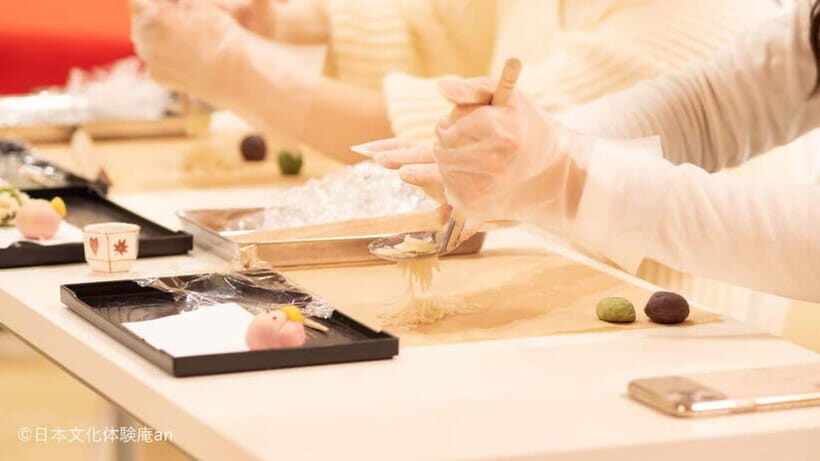
- Two seasonal sweets: you’ll craft a matched pair of wagashi designed for the time of year.
- Bean paste from Kyoto’s long-established shops: you’re not using random filling; the class highlights quality sourced locally.
- Single-origin special Uji matcha: the tea is part of the value, not just a backdrop.
- You make and drink your own matcha: the tasting connects directly to what you shaped.
- English is supported as much as possible: many instructors adjust fast when guests don’t speak Japanese.
- Small-group feel is common: sometimes it’s mixed with Japanese students, which can make it feel more authentic.
Nerikiri and matcha in Gojo: what you actually make
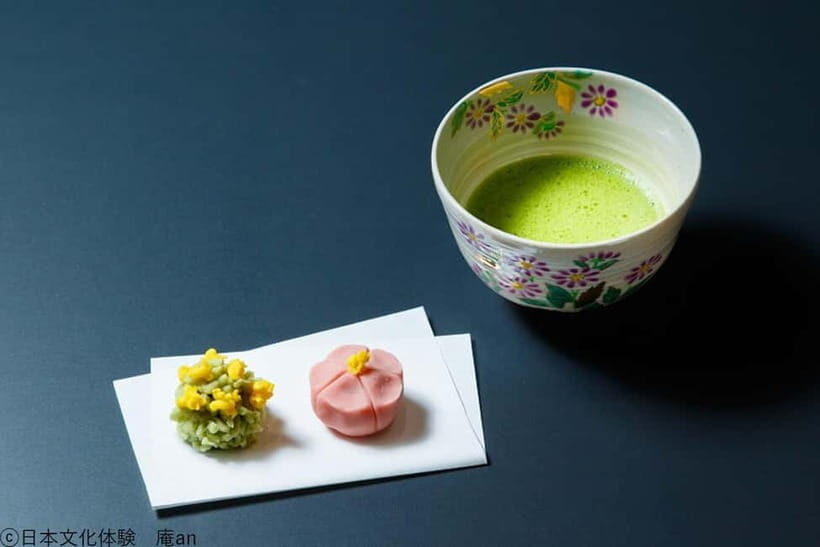
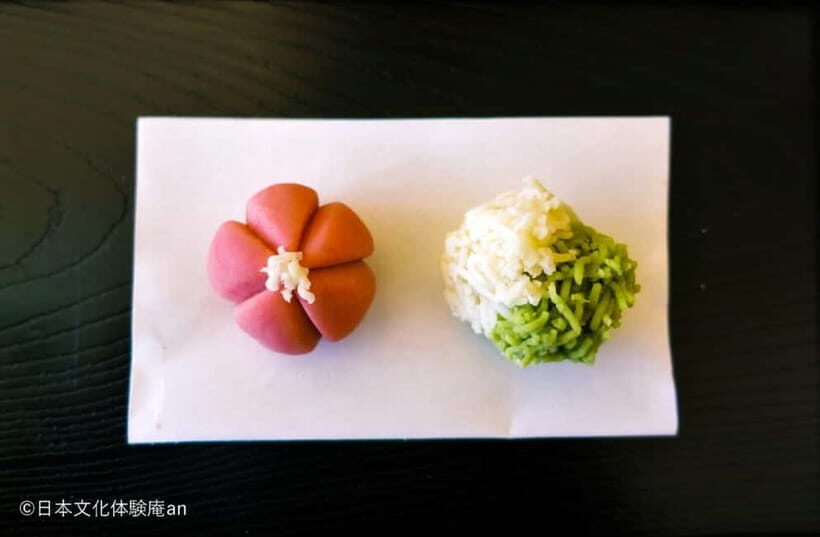
Kyoto has a way of turning food into art, and this experience is a practical taste of that. You’re not just watching a demonstration. You’ll make two traditional sweets (wagashi) that fit the season, and then you’ll drink matcha prepared by you, right alongside what you made.
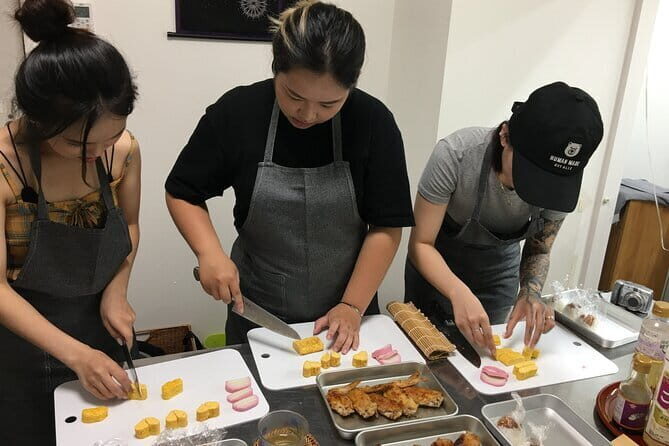
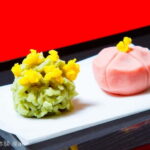
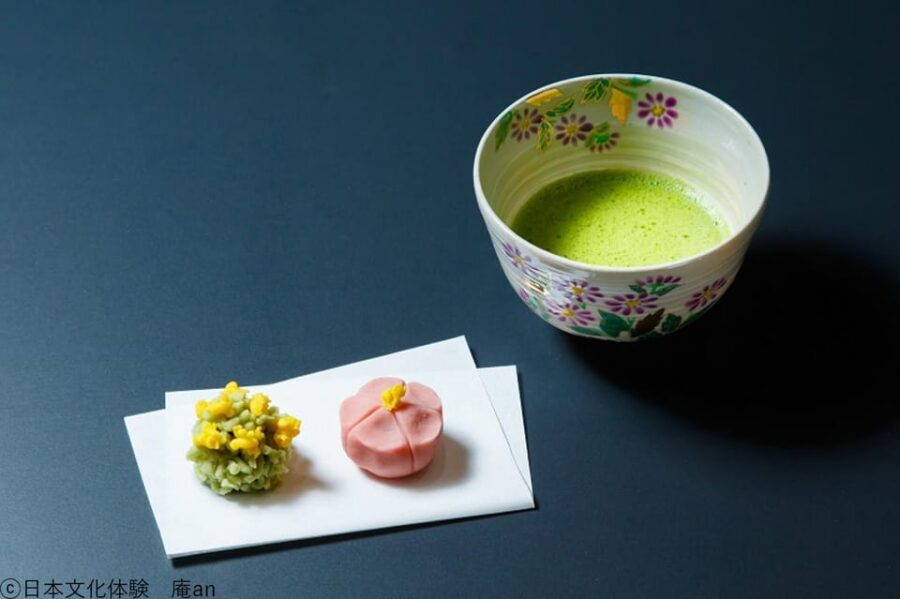
The sweet-making focuses on Nerikiri, a high-grade style of wagashi shaped into seasonal flowers and fruits. The key step is coloring the bean paste first, then crafting it into the final forms. If you like hands-on activities, this is the kind where your fingers do the work and your eyes get satisfaction from every small step.
The matcha side is equally central. The tea is Uji matcha, described as single-origin special matcha, so you’re tasting something that’s supposed to represent quality and character—not just green-colored powder in a cup.
Price-wise, at $18 for 95 minutes, you’re paying for both halves of the experience: Nerikiri making plus a matcha session. That matters, because in Kyoto it’s common to pay extra when a tea component is added later. Here, it’s built into the block of time, and you leave with a clear memory of both flavors and techniques.
A few more Kyoto tours and experiences worth a look

Finding the workshop near Gojo Station (and why timing matters)
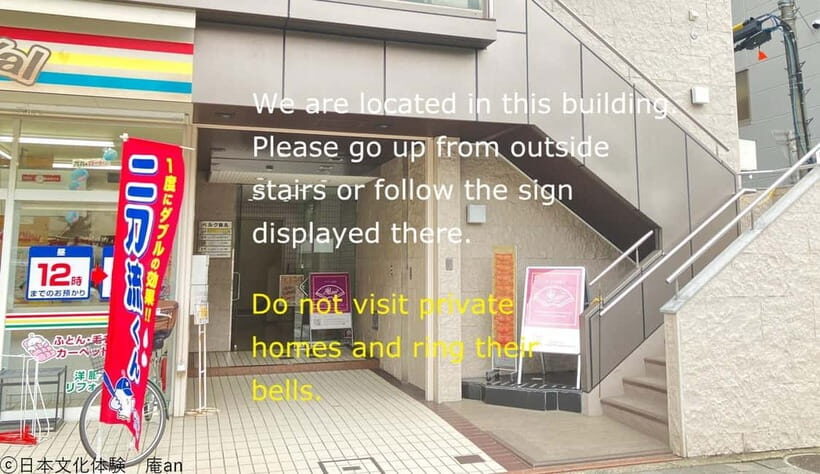
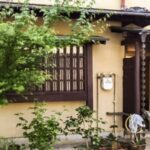
You’ll meet at a shop about a 1-minute walk from Exit 1 of the Karasuma Line Gojo Station. The entrance faces Gojo-dori (the main street), so you’re not hunting down a side alley for half an hour.
If you like using offline backup plans, you can also plug in the coordinates 34.9964743, 135.7617429 and walk from there. That’s useful in Kyoto, where streets can look similar and signage can be just different enough to trip you up.
Two practical things to note right away:
- There’s no elevator, and you’ll take stairs to reach each venue within the building.
- They won’t be able to hold the event for delays. That means if you’re late, you may lose time rather than catch up.
So this is best for people who plan a little buffer into their day. Kyoto days fill fast—temples, markets, lines for snacks. If your schedule is already tight, make sure you get there early enough to settle in.
Step one: coloring bean paste and shaping Nerikiri
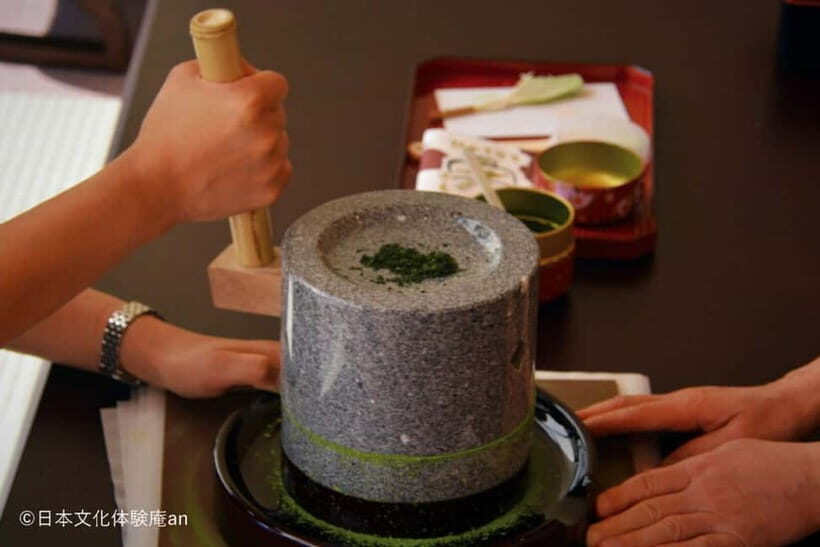
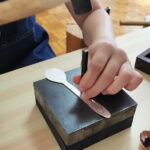
Your sweet-making starts with Nerikiri—and the first big moment is coloring the bean paste. You’ll use white/red bean paste produced by Kyoto’s long-established shops, and you’ll work from there to build the seasonal designs.
This is where the experience becomes more than “follow the steps.” Coloring bean paste is messy in a satisfying way: you’re learning how texture changes as you add color, and you’re training your hands for the shaping phase that follows. It’s also a creative release. Even if you don’t consider yourself artsy, you can still make something that looks like it belongs in Kyoto.
Then comes the shaping. Nerikiri is known for refined, high-grade forms—seasonal flowers or fruits molded into a pleasing silhouette. The class makes this achievable for visitors. You’ll create two Japanese sweets that match the season, so you’re not just doing one “practice” piece.
The best part, for value and enjoyment, is that you get to eat what you made. Many workshops end with a photo op; this one ends with a seat, a cup, and your sweets on the table.
The matcha ceremony portion: Uji tea you prepare yourself
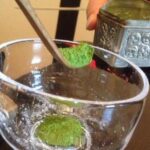
After your sweets are shaped, the focus shifts to matcha. You’ll go through a matcha experience using Uji matcha, described as single-origin special matcha.
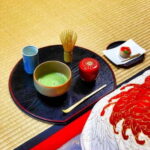
You’ll prepare your matcha, then enjoy it with the sweets you made. This pairing is the whole point. The class sets it up so you taste what you created while your matcha is still fresh and properly brewed.
Now, about the tea format: the experience is described as a tea ceremony, and you do get etiquette-style guidance. But the practical reality is that the matcha segment can feel closer to a short lesson on how to drink matcha than a full, long traditional ceremony. Some sessions run smoothly and calm; others are quick, especially if the room is sharing space with other groups.
One helpful sign from past guests: instructors often explain in Japanese first, then shift into English to help guests keep up. So if you’re nervous about tea etiquette vocabulary, don’t panic. You’re there to learn the motions and the logic, not to recite rules perfectly.
When you sit down with your cup, you’ll get the “oh, that’s why people obsess” moment. Matcha isn’t just a flavor. It’s a ritual of attention—and this format gives you real repetition: you make it, you drink it, and you connect it to the sweet you shaped.
Flavor pairing: how Kyoto bean paste balances matcha
Let’s talk taste, because the pairing is where the workshop really earns its place on a Kyoto itinerary.
The sweets use the quality white/red bean paste emphasized in the class description. That matters because the texture and sweetness of good bean paste carry the sweetness without overpowering the tea.
Then there’s matcha. Even if you’re new to it, you’ll notice matcha has more depth than plain green tea powder. It can taste grassy, creamy, and slightly bitter, depending on preparation. This is where the bean paste helps. The sweetness of the high-quality bean paste is meant to balance the matcha, so each sip changes the way each bite tastes.
One practical takeaway: if you dislike red bean paste (anko), this class might not hit the sweet spot. The whole experience is built around bean paste shaping first, then the tasting pairing. If you do like it, you’ll likely find the balance satisfying—like a friendly tug-of-war where neither side wins unfairly.
Optional extras also affect the “how you take it home.” If you want a takeaway box, there’s a 100 JPY take-out box option. If you want something official for your effort, an experience completion certificate is available for 300 JPY.

English support and group atmosphere in the workshop room
The class is led by Japanese instructors, and English translation is provided as much as possible. In practice, that means you should expect help, but not necessarily perfectly fluent, step-by-step narration every second.
The encouraging part: many guests report that the instructor adapts quickly when they notice language gaps, switching to clearer English explanations. If you’re traveling with someone who speaks little Japanese, you’re not alone. The workshop format supports watching hands, following pacing, and catching meaning through repetition.
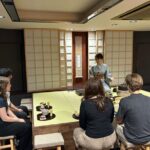
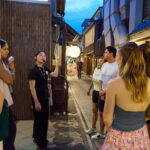
Group atmosphere can vary. Some sessions may include Japanese students alongside international guests, which can make the room feel more like a real class rather than a staged show. You might also find that rooms can get busy if another group is happening at the same time. One practical consideration from experience: if sound is shared in a busy room, you may need to focus on visual cues and not just rely on hearing every word.
What stays consistent is the pacing. Multiple guests mention instructions are clear and step breakdown keeps you from feeling lost. This is not a “test your skill” workshop. It’s designed for visitors to complete something attractive, then taste it with matcha.
Value check: what you pay for at $18
Let’s be honest: in Kyoto, cooking classes and cultural workshops can swing wildly in price. Here’s what makes the value feel solid.
For $18 per person and 95 minutes, you’re getting:
- Nerikiri making with coloring and shaping
- Making the matcha experience part of the session
- Sitting down to enjoy your sweets with your prepared matcha
What’s not included, but available:
- Take-out box: 100 JPY
- Experience completion certificate: 300 JPY
So you’re mostly paying for the experience itself and the edible payoff. You’re not paying extra just to taste what you made, and that’s a big difference between “class for the picture” and “class you remember because you ate it.”
Also, wheelchair access is listed. That said, accessibility is complicated in older Kyoto buildings. The important detail is that there’s no elevator and stairs are required to reach each venue. So if mobility is limited, this is doable only if you can handle stairs comfortably (or if you plan accordingly).
Timing, stairs, and the small rules that affect your day
Kyoto rewards good timing, and this workshop is no exception.
Operating hours are 10:00–17:00. If you reserve after 17:00, it’s processed the next day. Plan to book a slot that matches your pace, not your wishful thinking.
The session duration is 95 minutes, and they check availability for starting times. Once you’re booked, show up with breathing room. You can’t count on the event being held for delays.
A few additional rules worth knowing:
- English translation is provided as much as possible, and the instructors speak Japanese. If you need additional support, you’d have to contact them.
- Non-participants aren’t allowed in the experience area.
- Children under 2 who sit on a parent’s lap are free of charge.
- If you want something to commemorate or take home, you can add the completion certificate (300 JPY) or take-out box (100 JPY).
If you’re visiting on a rainy day or want a calmer break in the middle of sightseeing, this class can work well because it gives you a seated, structured activity with a tasty payoff. Just make sure your day still has enough buffer to arrive on time and handle the stairs.
Should you book this Kyoto sweets and matcha class?
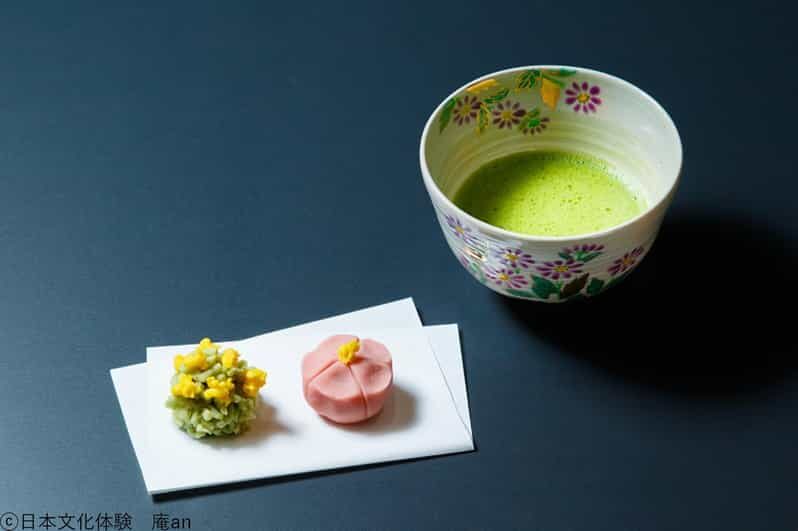
I’d book this if you want a hands-on Kyoto food experience that ends with you eating your own work and drinking matcha you prepared. It’s a great choice for couples, solo travelers, and anyone who likes learning by doing. The mix of coloring and shaping Nerikiri plus the Uji matcha session makes it feel like two connected activities, not one photo-friendly distraction.
I’d skip it or choose carefully if you’re expecting a long, fully traditional tea ceremony with deep, uninterrupted pacing. Some sessions are more like a guided matcha lesson than a long ceremony, and room sound can vary if other classes are happening nearby. Also, if you strongly dislike red bean paste, the experience centers too heavily on it.
If you want a practical Kyoto souvenir, not a plastic one, this is the kind of class that sticks—because you taste it.
FAQ
How long is the Kyoto Japanese Traditional Sweets and Tea Ceremony experience?
It lasts 95 minutes.
Where do I meet for the class?
Meet at a shop about a 1-minute walk from Exit 1 of Subway Karasuma Line Gojo Station. The entrance faces Gojo-dori.
What sweets will I make?
You will make two Japanese sweets that match the season, starting with Nerikiri. The class includes coloring the white/red bean paste and shaping the sweets.
What matcha do you use?
The tea uses Uji matcha, described as single-origin special matcha.
Is there English support during the class?
English translation is provided as much as possible. The experience is languages-wise listed as Japanese, and you can contact the provider if you’d like additional English support.
What’s included in the price?
A set of Japanese traditional sweets making and tea ceremony experiences.
What costs extra?
A sweets take-out box costs 100 JPY, and an experience completion certificate costs 300 JPY.
What are the operating hours?
The activity runs from 10:00 to 17:00.
Is the experience wheelchair accessible?
Wheelchair accessibility is listed, but there is no elevator and you need to take stairs to reach each venue.
Can I cancel for a full refund?
Yes. There is free cancellation up to 24 hours in advance for a full refund.