REVIEW · TOKYO
Manga Lesson with a Professional Japanese Manga Artist in Nakano
Book on Viator →Operated by Manga School Nakano · Bookable on Viator
A blank page suddenly feels friendly. This private Nakano class turns manga drawing into a clear, step-by-step lesson with real tools and a pro instructor like Nao at Manga School Nakano. I love that you get both technique and hands-on time, and you also walk away with a finished page you can actually keep. One thing to plan for: the meeting spot is in a busy neighborhood, and you’ll want to follow the address carefully.
The big payoff is practical: you’ll learn how manga gets built—pencil draft, ink cleanup, black areas, highlight with white ink, then screen tones for texture. I also like that all skill levels fit, from complete first-timers to people who want to tighten their inking and layout habits. The only possible drawback is that drinks aren’t included, so bring water if you tend to get dry during longer making sessions.
If you’re trying to see a real Tokyo skill, not just a photo stop, this one makes sense fast.
In This Review
- Key highlights to watch for
- Manga School Nakano: what you’re really paying for
- The 2-hour workflow: from rough pencil to screen tones
- Tools and materials: the fun part you’ll miss if you skip
- Your instructor and the pace: why people keep naming Nao
- Where it happens in Tokyo (Nakano) and how to find it
- What you’ll take home: not just a sketch, a finished page
- Who this class is best for (and who might bounce off)
- Price and value: is $67.77 a fair trade in Tokyo?
- Practical tips to get the most from your lesson
- Should you book Manga Lesson with a Professional Japanese Manga Artist in Nakano?
- FAQ
- How long is the manga lesson?
- Is this class private?
- Do I need prior drawing skills?
- What’s included in the price?
- What tools and materials will I use?
- Are drinks included?
- Where is the meeting point?
- What should I know about timing or confirmation?
Key highlights to watch for
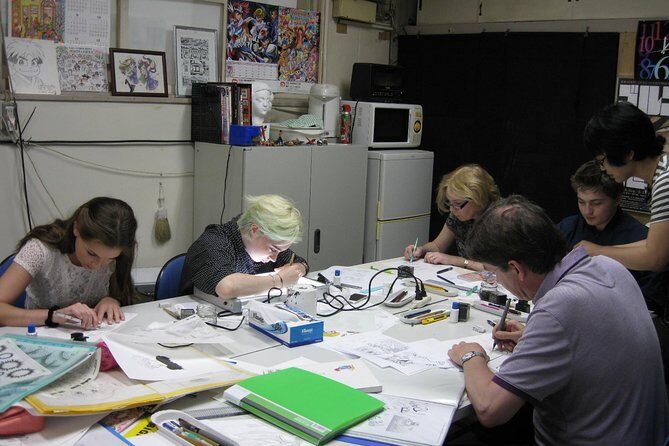
- A pro manga artist teaching one-on-one style so your pace matches your level
- Real manga tools (screen tones, inks, dip pens, and multiple pen nibs) instead of imitation supplies
- A full drawing workflow from pencil to final tones, so your page looks manga-finished
- English guidance without interpreters for clear steps and corrections
- Take-home souvenir artwork you complete during the 2 hours
Manga School Nakano: what you’re really paying for
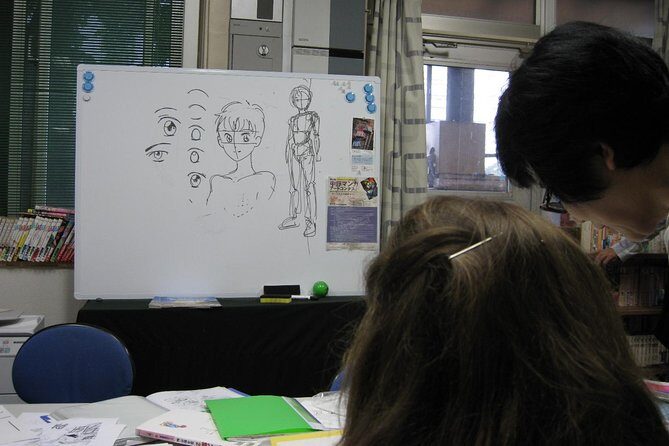
At about $67.77 per person for roughly 2 hours, this is a hands-on art class with professional instruction and all the materials. The value isn’t just that you’ll draw a manga-style character. It’s that someone who actually makes manga will guide you through the exact processes that separate an okay sketch from a finished page—pencil draft, inking cleanup, blacks, white highlights, and then screen tones.
If you’ve ever tried to copy manga panels from your own reference at home, you know the tricky part isn’t ideas. It’s execution. Screen tone placement, pen nib choice, and knowing when to correct lines are the stuff that usually takes months of practice to notice. Here, those decisions get made for you step-by-step, which is why even people with little drawing confidence leave with something they can be proud of.
The session is private to your group, and you can choose solo or small group tuition (2–4 people). That matters, because the instructor can slow down for beginners and speed up slightly for stronger artists without turning the class into a one-size-fits-all scramble.
A few more Tokyo tours and experiences worth a look


The 2-hour workflow: from rough pencil to screen tones
The class runs like a proper manga production checklist. You start by arriving, meeting your instructor, and getting a short lecture on techniques and manga history. Then you move into the part you’ll remember: turning a character idea into a real, inked page.
Here’s the flow you can expect:
Pencil drawing (draft). You begin with a preliminary sketch. This is where you map proportions, facial expression, and gesture. If you’re a beginner, you won’t be thrown into pure creativity with no scaffolding. You can choose from references to copy with help.
Inking (cleanup). Once the pencil draft looks right, you ink over the drawing. The goal is to erase all pencil lines and make your character read clearly. This is where pen pressure, line confidence, and line weight matter.
Black parts (solid work). After the inking, you add black sections. This is the stage that gives manga its punch. Even if your drawing is simple, solid blacks can make it look instantly more “finished.”
Corrections. Mistakes happen. The instructor corrects issues as you go, so you’re not stuck staring at an ink blot and wondering whether you should start over.
White highlights. You add highlights with white ink. This step is small but powerful. Highlights make eyes, hair, and key surfaces pop instead of looking flat.
Screen tones (texture and effects). The last step is screen tones—gray textures, patterns, and effects that create shading and depth. If you’ve seen manga pages and thought the shading looked like magic, this is where it becomes understandable.
What I like about this structure is that it prevents the most common beginner frustration: getting stuck at the “almost good enough” pencil stage. You’re guided through the whole finishing pipeline, so your page doesn’t feel unfinished when the timer ends.
Tools and materials: the fun part you’ll miss if you skip
One reason this class gets such strong recommendations is that it’s not just teaching style. It’s teaching the actual tools. You’ll use supplies provided by the school, including:
- Screen tone materials for grays and textures
- Manga pens and ink, plus dip pens and ink
- Three different types of specialized pen nibs
- Manga paper and reference materials
Trying these tools is a big part of the “aha” moment. Different nibs behave differently on paper, and they change how your lines feel—thin for detail, thicker for emphasis. When you’re guided through how to use each nib, you start to understand why manga lines look the way they do.
Also, screen tones can be intimidating if you only know them as a visual effect. In this class, you get a direct path to using them, including when to place them in a way that supports your drawing instead of fighting it.
One more practical point: since tools are included, you don’t have to hunt down specialty pens in Tokyo before your class. You just show up and start drawing.
Your instructor and the pace: why people keep naming Nao
Many sessions like this can feel like a generic craft workshop. This one leans more toward true skill coaching. The teacher adjusts the lesson to your level—so complete beginners can follow without panic, while people with some practice can still refine basics like line cleanup and proper inking steps.
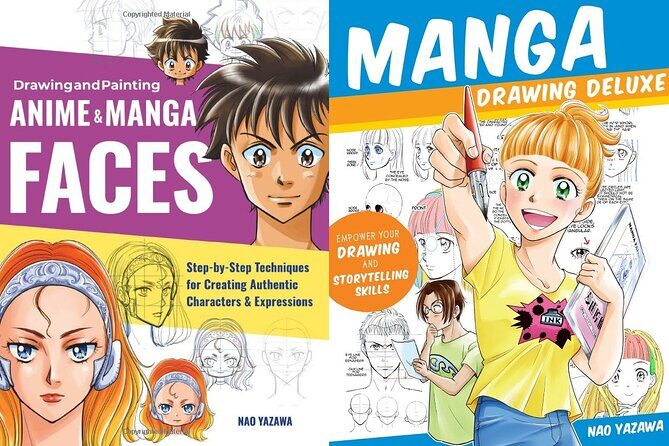
In the reviews, Nao (and in one case Nao Yazawa as the named lead) comes up again and again. The consistent theme: patience, clear step explanations, and close guidance so you don’t guess. People also mention that the class feels pressure-free, which is a big deal for adults who worry they’ll be the slowest artist in the room.
There’s also a social angle that doesn’t require you to be an expert. Some families chat about favorite series and then pick characters to draw. That turns the drawing process into something personal, not just technical practice.
Where it happens in Tokyo (Nakano) and how to find it
The workshop takes place in Nakano, starting at Japan, 165-0026 Tokyo, Nakano City, Arai, 2-chōme 7-13 南国ビル. It’s near public transportation, and the meeting point brings you to a fixed location for the lesson.
This is the one spot where you should be a little more careful than usual. One review flagged that the school location can be tricky to find and suggested better directions. So do yourself a favor: save the exact address and check your route before you leave your hotel.
Once you arrive, you’ll get confirmed activity details through messaging after booking, and you can share your preferred departure time in the Special Requirements box. If that time is already gone, you’ll be offered alternatives by the local supplier.





What you’ll take home: not just a sketch, a finished page
At the end, you walk away with your completed manga drawing as a souvenir. That sounds simple, but it’s a key part of why this works as a vacation activity.
A lot of art workshops end with something “in progress.” Here, the structure is designed to finish the page during the two hours. The last stages—white highlights and screen tones—are precisely the stuff that transforms a pencil drawing into a real manga-style result.
If you’re traveling with kids, this take-home element also matters emotionally. The whole point becomes visible: you made something real, not just a craft that disappears after the session.
Who this class is best for (and who might bounce off)
This works well if you:
- Love manga and want to understand how pages are actually built
- Want a creative activity that feels authentic to Japan
- Prefer structured guidance rather than freeform art time
- Travel as a solo adult, couple, or small group (and want private instruction)
It’s also a strong choice for families. Reviews mention multi-age groups, from kids to teens to adults, and note that the instructor can tailor the steps to different ages and levels.
Who might find it less ideal? If you’re looking for a museum-style experience with sightseeing as the main event, this class is mostly about making art inside a studio. You’ll likely get a better day if you pair it with a local walk afterward.
Also, since drinks aren’t included, plan for water—especially if you tend to drink only when you remember.
Price and value: is $67.77 a fair trade in Tokyo?
For $67.77 per person, you’re paying for four things that usually cost more when you try to piece them together:
1) Professional instruction from a working manga artist
2) Included tools and materials (pen nibs, inks, screen tones, manga paper)
3) A full two-hour process from draft to finished page
4) A take-home artwork you complete during the session
If you’ve ever tried to buy your own manga pens and supplies in Tokyo, you’ll know those items add up fast—especially specialty nibs and screen tones. So the “tools included” part isn’t a throwaway detail. It’s a real value driver.
And because the class is private to your group, you’re not splitting attention with a crowd. You get corrections and demonstrations that help you move efficiently.
On the time cost side, two hours is short enough to fit into a vacation schedule without feeling like you sacrificed a whole day. It’s a compact art experience with a tangible result.
Practical tips to get the most from your lesson
You’ll have the smoothest experience if you come in with a few small decisions ready:
Bring a character idea if you have one. If you don’t, you can usually choose references with help, but having a favorite type of character (big eyes, certain hair style, expression you like) speeds up the start.
Plan your arrival buffer. The meeting point is specific, and the neighborhood details matter. Use your saved address, and give yourself extra time to find the door.
Wear something comfortable. Inking and tone work are precise. You don’t need artist clothes, but you do need freedom to lean in and focus.
Bring water. Drinks aren’t included, so don’t wait until you feel thirsty.
Should you book Manga Lesson with a Professional Japanese Manga Artist in Nakano?
I’d book it if you want a Tokyo experience that’s hands-on, structured, and genuinely tied to manga production—not just a casual drawing activity. The strongest reasons to choose it are the complete step-by-step workflow and the fact that you’ll use real tools like screen tones and specialized pen nibs while working with a pro instructor such as Nao. The take-home finished page turns the lesson into a real memory you can display.
I’d think twice only if you strongly dislike art workshops or you want a mostly sightseeing day. This is time spent making, not touring.
If your group is small or you’re a solo traveler, the private setup makes it especially easy to get your drawing corrected and finished on schedule. Just show up prepared to follow the address carefully, bring water, and be ready to leave with an actual manga page in your hands.
FAQ
How long is the manga lesson?
The lesson runs for about 2 hours.
Is this class private?
Yes. It’s private for your group, not a public group lesson.
Do I need prior drawing skills?
No. All skill levels are welcome, and beginners can choose references to copy with guidance. The instructor adjusts the lesson to your level.
What’s included in the price?
You get a professional manga artist and the manga tools/materials. The drawing you complete is also yours to take home as a souvenir.
What tools and materials will I use?
You’ll use manga tools such as screen tones, manga pens and ink, manga paper, and specialized pen nibs. The process includes pencil drafting, inking cleanup, black areas, white-ink highlights, and adding screen tones at the end.
Are drinks included?
No. Drinks are not included.
Where is the meeting point?
Start at Japan, 165-0026 Tokyo, Nakano City, Arai, 2-chōme 7-13 南国ビル.
What should I know about timing or confirmation?
You should receive confirmation within 48 hours of booking, subject to availability. You’ll be notified of the activity times and details via message, and you can request a preferred departure time in the Special Requirements box.