REVIEW · TOKYO
Tokyo: Pvt. Tour – Edo Castle & Imperial Palace East Gardens
Book on GetYourGuide →Operated by gotcha Corporation · Bookable on GetYourGuide
Tokyo can feel loud, fast, and endless. Then you step into gardens inside the old heart of the city. This private Edo Castle and Imperial Palace East Gardens walk is a calm, story-led way to connect Japan’s shogun era to the modern imperial grounds, starting right near Tokyo Station.
What I like most is how the guide turns stones, walls, and paths into something you can actually picture, not just see. I also love the garden time: the Ninomaru Garden seasonal planting gives you a reason to visit in spring, summer, or autumn, and it feels like a breather from traffic and crowds.
One thing to keep your expectations realistic: this tour stays in the East Gardens only and does not include the Inner Palace where the Emperor resides. You’ll also want to time flower expectations carefully, since blooms depend on the season and that can change week to week.
In This Review
- Key highlights worth your time
- A 2-hour time travel loop: Edo Castle to Imperial Gardens
- Getting there: Wadakura Fountain Park and the gotcha meeting sign
- Edo Castle main gate area: gates, guardhouses, and feudal scale
- Inside the greenery: Ninomaru Garden and seasonal planning
- Imperial Palace East Gardens: what you’ll see vs. what you won’t
- Guides make the difference: pacing, explanations, and follow-up
- Price and value: is $63 per person worth it?
- Timing matters: flowers, crowds, and how to plan your day
- Who should book this tour (and who may not need it)
- My practical tips for a smoother, more satisfying walk
- Should you book this Edo Castle & East Gardens tour?
- FAQ
- How long is the Tokyo private tour of Edo Castle and Imperial Palace East Gardens?
- Where do I meet the guide for this tour?
- Is this tour private?
- Does this tour include entry to the Inner Palace where the Emperor resides?
- Will I have to go through any inspection when entering the Imperial Palace grounds?
- What parts of the area are covered during the walking tour?
- What language is the tour guide speaking?
- How much does the tour cost?
- What if I’m buying Japanese knives or similar items before the tour?
Key highlights worth your time
- Private group pace: your guide sets the rhythm so you can linger when you want
- Edo Castle ruins viewpoint: moats, stone walls, and gate details that show feudal Tokyo’s scale
- Ninomaru Garden seasonal focus: cherry blossoms, irises, or autumn leaves depending on timing
- English guidance that makes palace and garden layouts make sense
- Thoughtful handling of questions, with guides following up when they need a quick check
- A quick “get it” meeting point near Tokyo metro Otemachi (exit D2) and Tokyo Station Marunouchi
A 2-hour time travel loop: Edo Castle to Imperial Gardens
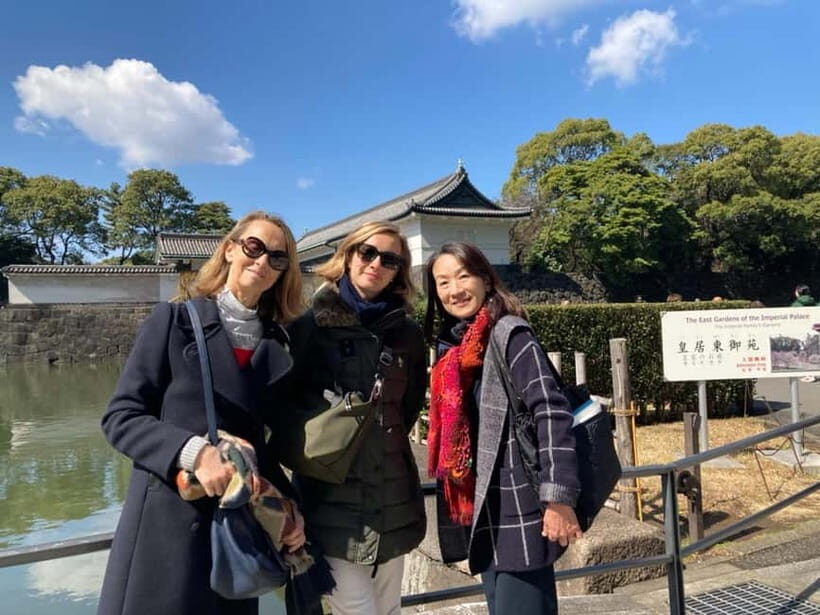
Think of this tour as a gentle historical chain. You start in the space that leads toward Edo Castle’s former grounds, then you move through what’s left—stone, gates, moats—and finally you slow down in the greenery that wraps the Imperial Palace East Gardens.
The payoff is clarity. On your own, it’s easy to see walls and gardens but miss the connections: who used this space, why certain layouts matter, and how the shogun-era world transitions into the imperial era you see around you today. With a live English-speaking guide, the path feels logical rather than random.
It also helps that the whole experience is only 2 hours. You’re not committing to a half-day of trudging. You can fit this into a Tokyo “greatest hits” itinerary without burning your legs—or your schedule.
You can also read our reviews of more tours and experiences in Tokyo.



Getting there: Wadakura Fountain Park and the gotcha meeting sign
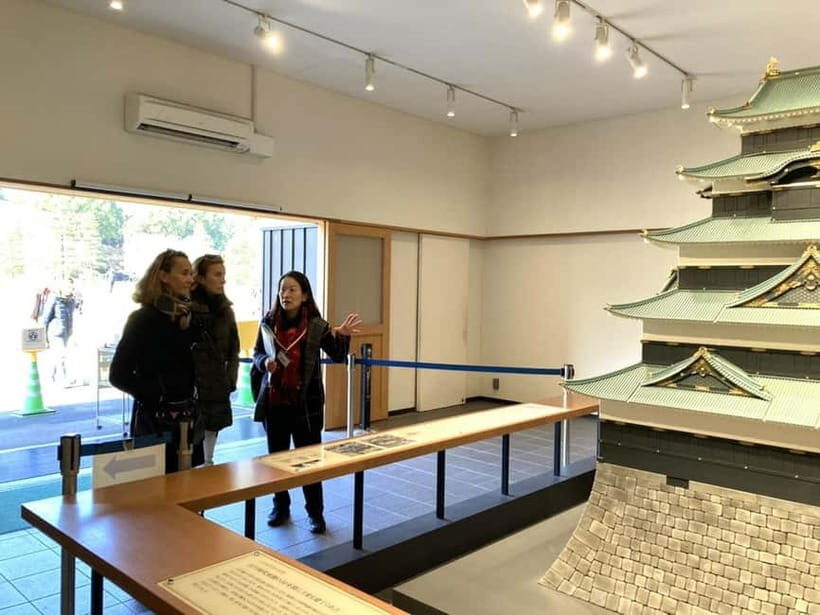
Your tour begins at 和田倉噴水公園 (Wadakura Fountain Park). The most practical detail is the meeting spot: you meet your guide in front of Starbucks there. Look for the person holding a sign board that says gotcha.
From public transit, it’s straightforward:
- About a 3-minute walk from Tokyo metro Otemachi Station exit D2
- About a 10-minute walk from Tokyo Station Marunouchi central exit
I like tours with easy landmarks, especially around Tokyo Station. If you’re already nearby, you’ll arrive calm instead of racing time.
If you’re tempted to rush straight to photos, don’t. The first few minutes matter here because the guide sets the pace for the whole walk.
Edo Castle main gate area: gates, guardhouses, and feudal scale
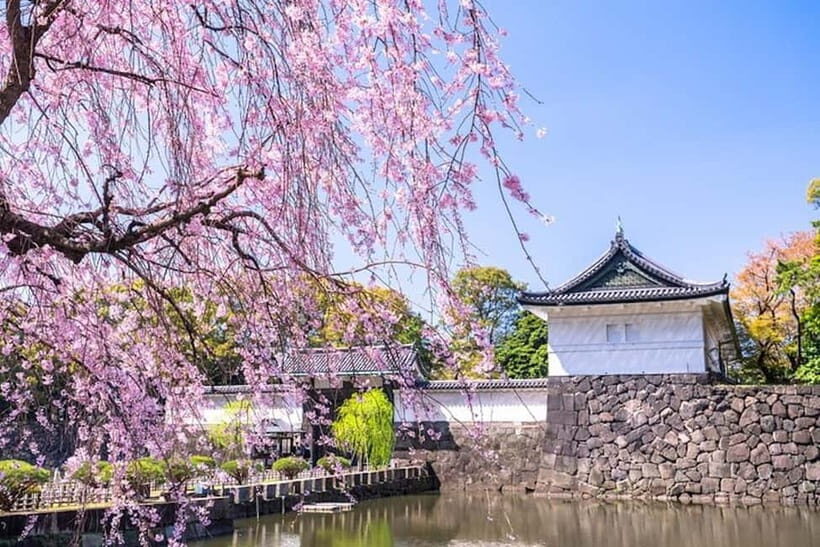
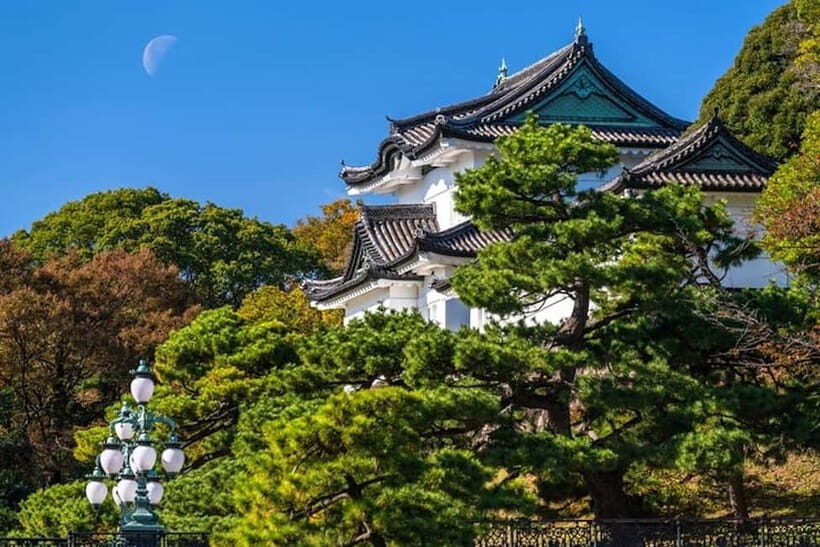
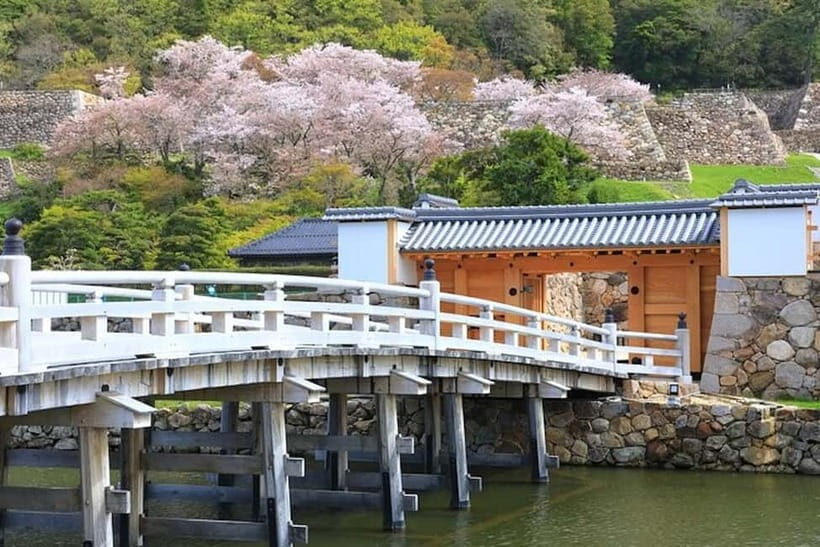
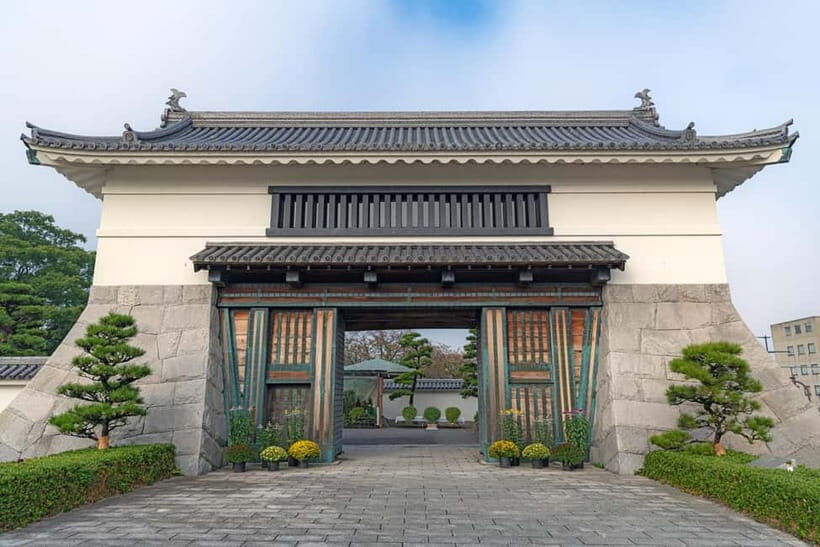
The first major theme is the Edo Castle remnants. You’ll see elements that point back to the castle’s structure, including the historic main gate area with its traditional guardhouse feel and a blend of old and newer security details.
What makes this section click is scale. The tour description emphasizes ancient stone walls and moats, plus the idea of a massive keep. Even if you can’t stand on original rooftops anymore, the surviving layout still gives you a sense of how big this system was and why controlling access mattered.
As you walk, try to notice what a castle layout really does:
- Moats aren’t just decoration; they shape movement and security.
- Walls make you think about defense and hierarchy.
- Gate positioning tells you where people were expected to pause, process, or be screened.
If you enjoy historical architecture that looks “intact” but still feels real, this part delivers. It’s also a nice warm-up before the garden calm kicks in.
Inside the greenery: Ninomaru Garden and seasonal planning
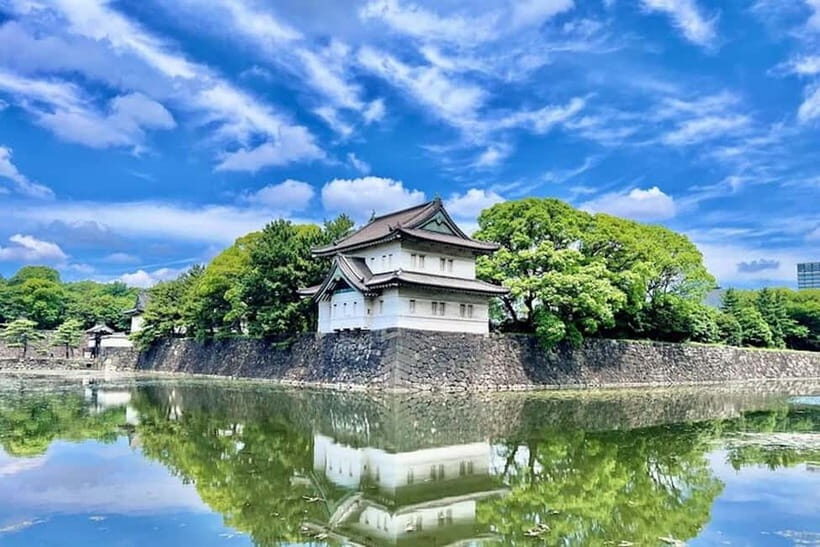
Then the tour shifts into Ninomaru Garden, a traditional Japanese garden with seasonal planting. The description is very specific about what you might see:
- Cherry blossoms in spring
- Irises in summer
- Autumn leaves in autumn
This is where you should get honest with your expectations. Flowers are not guaranteed. Even with perfect timing, blooms depend on the exact week. One guest noted disappointment when cherry blossoms were not really out yet, which is a good reminder: plan for the garden design first, flowers second.
What you’ll likely enjoy most in Ninomaru is the guided attention to how the garden is arranged. A guide can point out how the paths and views are meant to be experienced slowly. Without that, you might walk through pretty greenery but not fully understand why one bend in the path feels like a designed “pause.”
Also, because the tour is private, you don’t feel forced to keep up with a crowd. You can stop for a photo, look again, and keep going when you’re ready.
Imperial Palace East Gardens: what you’ll see vs. what you won’t
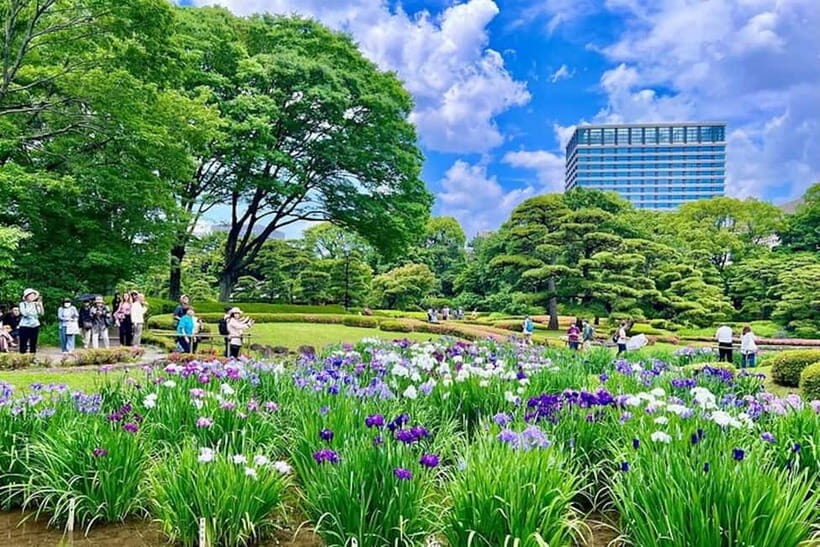
This tour focuses on the Imperial Palace East Gardens with a guided walk, but it does not take you into the Inner Palace.
That matters because it changes the kind of photos and viewpoints you can expect. You’re exploring the public-facing garden areas tied to the palace grounds, not the restricted inner spaces. If your goal is to see the Emperor’s residence up close, adjust that plan now: this tour explicitly does not include entering the palace where the Emperor resides.
One practical detail before you even start walking inside: once you enter the Imperial Palace grounds, you’ll go through baggage inspection. It’s part of the process, so keep your day smooth:
- Travel light if you can.
- Be ready to comply with inspection requirements.
- If you’re carrying items that could be considered weapons, follow the guidance to store them properly before the meeting.
There’s also a clear note about Japanese knives or other items that could be used as weapons. If you’re buying anything like that in nearby areas such as Tsukiji or Asakusa, plan to leave it in a coin locker or similar storage before you meet.
If you’re the type who wants every last historic site, this is the one limitation that can annoy you. But if you’re here for the garden experience and the Edo-to-imperial story thread, you’ll still get a satisfying walk.






Guides make the difference: pacing, explanations, and follow-up
This is a guided tour, and the guidance level is a big part of the value.
Across recent experiences with the operator, a few guide qualities show up repeatedly in what people praised: strong English, friendly communication, and a comfortable walking pace. Names that surfaced in that feedback include Hiroshito, Yoshi-san, Masahito, Mari, Ishida, Yuji, Naoko, Maru, David, and Chichiro. If those guides are available on your date, you’re likely to get solid, clear explanations.
I also appreciate the “real question” skill. One guide, Masahito, was praised for reaching out to another guide when he didn’t know an answer right away. That kind of follow-up tells you the guide isn’t winging it—at least not for long.
Pacing is another standout. Some guides were described as flexible and helpful with letting visitors move at their own speed through the gardens. For a place like this, where you might want to linger for photos or quiet views, that flexibility is not a small thing.
Price and value: is $63 per person worth it?
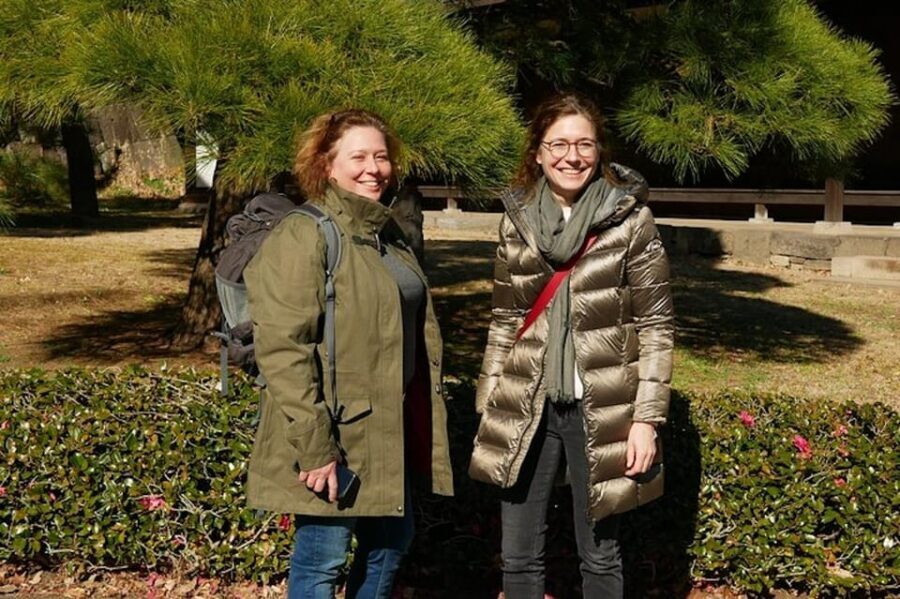
At $63 per person for a 2-hour private tour, the value comes down to what you want from your time in Tokyo.
If your plan is basically walk around, take photos, and hope you’ll understand the layout on your own, then a guide may feel unnecessary. But if you want the experience to feel “made sense of,” the guide does real work:
- Explains what you’re looking at across Edo Castle remains and the East Gardens
- Helps you connect historical purpose to today’s design
- Keeps you from skipping details that are easy to miss when you’re self-navigating
Private guides are often most worth it when you’re traveling with family, as a couple who wants a steady pace, or when you want fewer decisions during your day. This tour also avoids the stress of coordinating with a big group for timing, since it’s for your private party.
In other words: you’re paying for time and interpretation, not just access.
Timing matters: flowers, crowds, and how to plan your day
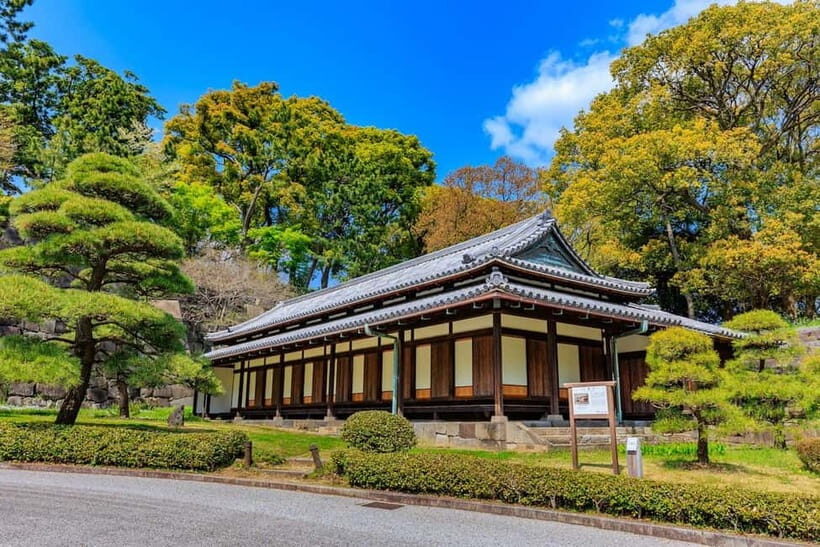
Because Ninomaru Garden has seasonal planting, your month can shape the wow factor. Spring can be about cherry blossoms; summer about irises; autumn about leaf color. But remember that bloom timing shifts.
So here’s a practical approach: treat the seasonal flowers as a bonus. The deeper value is the garden design and the historical story thread you follow from castle ruins into the palace grounds.
Also, keep your schedule breathable. The meeting point is central, and Tokyo transit is fast, but Imperial Palace grounds can mean you’ll spend a bit of time at entry checks. Plan this as a “main event” segment in your day rather than something you squeeze between two rushed reservations.
If you’re visiting with kids or anyone who doesn’t love long museum-style wandering, this tour is usually a good fit because it’s walking + explanations rather than long indoor exhibits.
Who should book this tour (and who may not need it)
This tour is a great match if you:
- Want a guided walk through Edo Castle ruins and Imperial Palace East Gardens in English
- Prefer a private group pace over squeezing into a larger tour
- Enjoy gardens where someone explains what you’re seeing
- Like history that’s connected to real spaces—walls, gates, moats, and pathways
You might skip it if you:
- Specifically want to enter the Inner Palace (this tour does not)
- Only care about palace access, not garden design and Edo-era context
- Are on a strict schedule where the baggage inspection and walking time could make your day tight
My practical tips for a smoother, more satisfying walk
- Wear comfortable shoes. You’re on foot for the full 2 hours and the garden sections reward slow movement.
- Bring a light layer. Garden areas can feel cooler or breezier depending on the day.
- Take photos, but don’t rush every view. The best moments here come from pausing at the spots the guide points out.
- If you’re arriving straight from shopping with potential knife purchases, plan storage ahead. The guidance is explicit about leaving items in a coin locker or similar before the meeting.
- If you want help after the tour, ask your guide where the easiest metro exit is for your next stop. Some guides have been praised for offering practical directions after the walk.
Should you book this Edo Castle & East Gardens tour?
Yes—if you want a calm, high-context Tokyo experience. This tour does something simple and rare: it connects big historical ideas to walkable, visible places, all within two hours. The private English guidance is the difference between seeing a site and understanding it.
Book it with realistic expectations about access. You won’t enter the Inner Palace where the Emperor resides, and flowers will depend on timing. But if your goal is to enjoy the garden grounds and learn how Edo Castle’s world influenced what came next, this is a strong use of your time.
If you want, tell me your travel month and whether you’re visiting with kids or a group. I can suggest the best way to pair this with nearby Tokyo stops so the day flows.
FAQ
How long is the Tokyo private tour of Edo Castle and Imperial Palace East Gardens?
The tour lasts 2 hours.
Where do I meet the guide for this tour?
Meet your guide in front of Starbucks at 和田倉噴水公園 (Wadakura Fountain Park). Look for a sign board that says gotcha.
Is this tour private?
Yes, it’s a private group experience.
Does this tour include entry to the Inner Palace where the Emperor resides?
No. This tour does not include the Inner Palace.
Will I have to go through any inspection when entering the Imperial Palace grounds?
Yes. Upon entering the Imperial Palace grounds, visitors are subject to baggage inspection.
What parts of the area are covered during the walking tour?
You’ll enjoy a guided walking tour of the Imperial Palace East Gardens, including areas connected to Edo Castle ruins and the Ninomaru Garden.
What language is the tour guide speaking?
The tour is guided in English.
How much does the tour cost?
The price is listed as $63 per person.
What if I’m buying Japanese knives or similar items before the tour?
The guidance says to leave Japanese knives or other items that could be used as weapons in a coin locker or similar storage before the meeting.