REVIEW · KYOTO
Kyoto: Arashiyama Bamboo Forest, Monkeys, Matcha & Temple Tour
Book on Viator →Operated by Traveling Kyoto · Bookable on Viator
Kyoto quiets down in Arashiyama. I love how this tour pairs UNESCO Tenryu-ji Zen gardens with the calm paths of the Bamboo Forest, then folds in matcha, shrines, and city views.
The trade-off is the Monkey Park Iwatayama hike: it’s short but can feel steep, and wet weather can make the climb and pathways slippery, so pack good shoes.
In This Review
- Key highlights you’ll actually feel
- Arashiyama, the smart way: temples, tea, and views in one route
- Meeting point and how you’ll move around
- Stop 1: Arashiyama Bamboo Forest walk (30 minutes)
- Stop 2: Tenryu-ji Temple gardens (30 minutes, entry included)
- Stop 3: Nonomiya Shrine (15 minutes)
- The matcha break: Uji matcha drink included
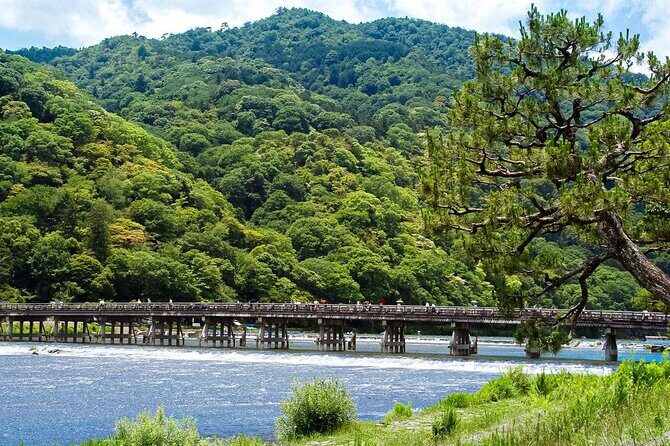
- Stop 4: Togetsukyo Bridge for river views (about 10 minutes)
- Stop 5: Monkey Park Iwatayama hike + macaques (about 1 hour, entrance included)
- Pacing, breaks, and group size (and why it matters)
- What’s included, and why the price can make sense
- What to wear and bring (so the hike doesn’t ruin your photos)
- Who this tour is best for
- Should you book the Kyoto: Arashiyama Bamboo Forest, Monkeys, Matcha & Temple Tour?
- FAQ
- How long is the tour?
- How much does the tour cost?
- Where do I meet the tour?
- What’s included in the price?
- Is there a mobile ticket?
- What are the main stops?
- Is there hiking involved?
- Is the tour suitable for most people?
- How big is the group?
- What’s the cancellation policy?
Key highlights you’ll actually feel
- Tenryu-ji Temple time that doesn’t rush the gardens
- Arashiyama Bamboo Forest at walking speed, not crowd speed
- A real Uji matcha stop to reset before the hike
- Panoramic views from Monkey Park Iwatayama
- Small group size (max 15) that keeps things flexible
- A guide-led route that strings together the main sights efficiently
Arashiyama, the smart way: temples, tea, and views in one route
Arashiyama is one of those Kyoto areas where you can easily spend your day wandering in the right place at the wrong time. This tour helps you do it in a line: temple first, bamboo next, then bridge and shrine, and finally the monkey viewpoint with Kyoto spread out below.
I like that the route mixes three different Kyoto moods. You get Zen calm at Tenryu-ji, the soft “other-world” feeling of bamboo, and then the outdoorsy payoff of Monkey Park. Plus, you’re not stuck doing every landmark alone, which matters here because the area is busy and you’re walking through multiple zones.
The tour runs about 4 to 4.5 hours, and it’s a small group (up to 15). That shorter group size is where the value lives: you’re more likely to get help with timing, photo spots, and basic navigation, without waiting forever to cross the next area.
You can also read our reviews of more tours and experiences in Kyoto.

Meeting point and how you’ll move around
You start at TULLY’S COFFEE Randen Arashiyama Station Shop 20-2 in Sagatenryūji Tsukurimichichō (Ukyo Ward). The end point is back at the same spot, so you don’t have to figure out a separate return plan.
You’ll have a mobile ticket, which keeps things simple. The tour is also described as near public transportation, so you should have an easier time building it into your Kyoto day—even if you’re bouncing between neighborhoods.
In real life, that starting point matters. Arashiyama can be a maze of stations, river crossings, and side streets. Starting in one place means you spend more time seeing and less time re-locating.
Stop 1: Arashiyama Bamboo Forest walk (30 minutes)
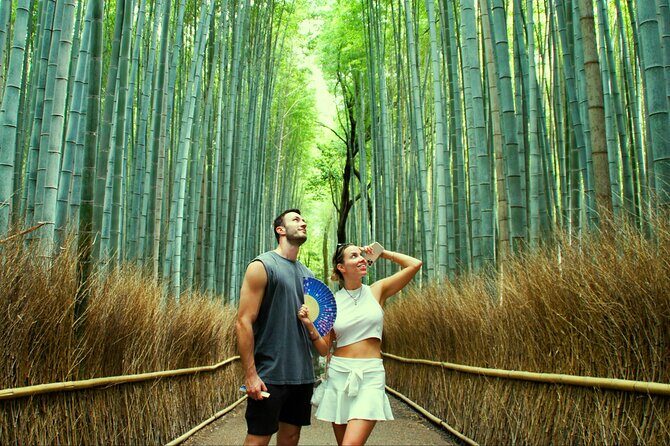
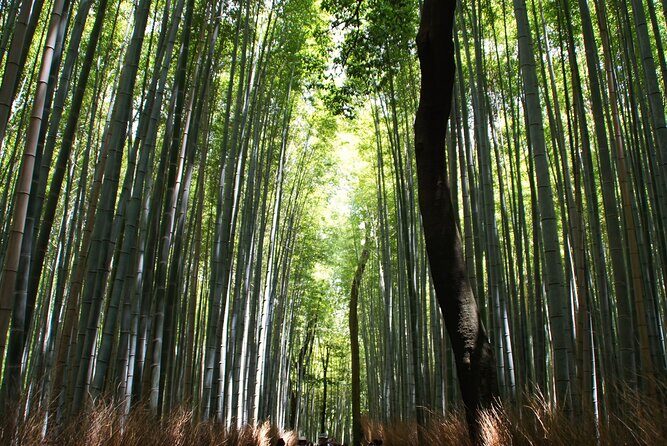
The bamboo forest is the main character, but it works best when you treat it like a walk, not a photo dash. Expect stalks towering overhead as you move along a calmer path, with that shifting shadow-and-light effect that makes the whole area feel gently cinematic.
This first stop is timed at about 30 minutes. That’s important. If you only have a quick look, you miss the gradual change in atmosphere as you go deeper. If you’re there too long without a plan, the crowd pressure can kill the vibe. This gives you enough time to slow down and actually notice the bamboo, not just snap it.
One practical tip: go in thinking you’ll want both. A few minutes for photos, sure. But also save some time just to stand still once or twice. The bamboo has a way of making silence feel normal.
Stop 2: Tenryu-ji Temple gardens (30 minutes, entry included)
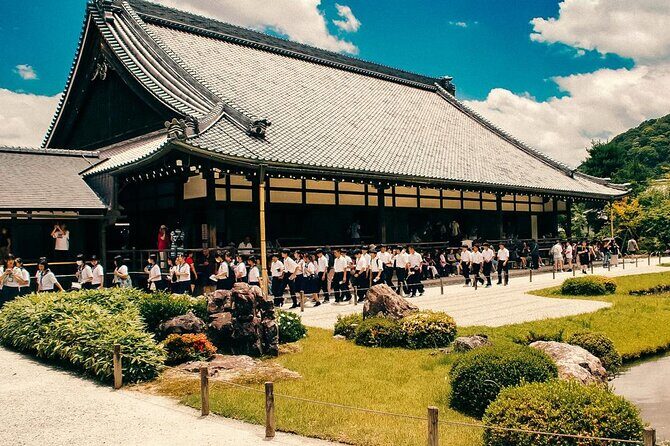
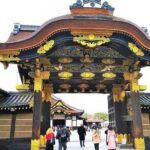
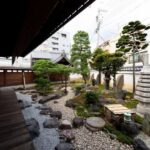
Tenryu-ji is the UNESCO anchor of this route. You’ll get access to one of Kyoto’s best-known Zen temple spaces, and the highlight here is the gardens—especially the way they’re designed to be viewed slowly, with water and seasonal color doing the talking.
The visit is around 30 minutes, and the entry fee is included. That helps the value because it’s one of the bigger “you’d otherwise pay for it” parts of the day.
If you care about atmosphere, Tenryu-ji is usually where the tour feels most restorative. Multiple guides across the tour’s history are praised for connecting symbolism and design choices to what you’re seeing in front of you, instead of just reciting facts. In one example, a guide named Sofia was noted as informative and attentive, while Gabriele (including Gabriele Cammisuli) is praised for giving clear details at each site and making sure everyone had time for questions and pictures.
Drawback to know: 30 minutes sounds fast, but Zen gardens reward calm attention. If you’re the type who likes to linger quietly, keep your expectations realistic. You’ll leave wanting more, which is not a bad thing—it’s just how this portion is paced.
Stop 3: Nonomiya Shrine (15 minutes)
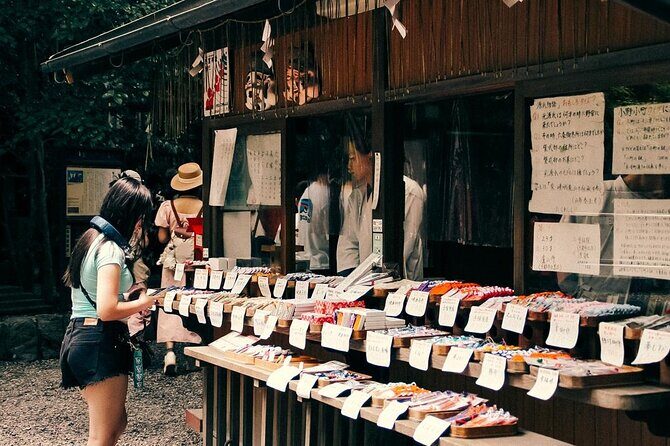
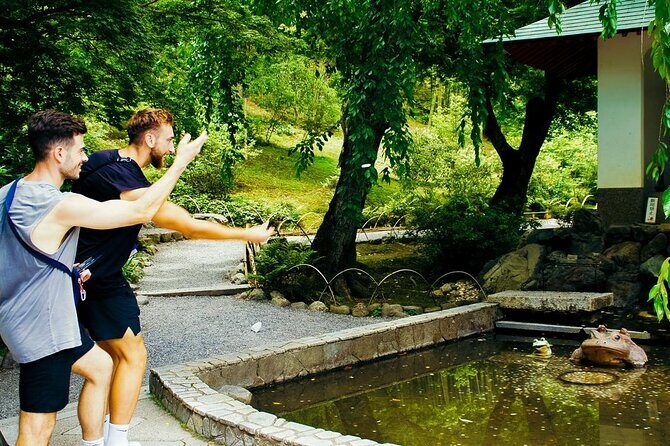
After the larger temple energy, Nonomiya Shrine is your quieter pause. It’s a Shinto shrine surrounded by mossy woods, and it’s linked to ancient purification rituals.
The time here is about 15 minutes, and admission is free. This short stop is ideal for a breather. You’ll get atmosphere, a change of scenery, and a sense that Kyoto doesn’t only do big-ticket temples—it also preserves small, specific spiritual places.
Because it’s short, you’ll want to focus on one thing: slow your pace, look at the surroundings, and let the guide’s context land. Don’t multitask this moment with nonstop walking or heavy shopping. It’s meant to reset you before the later climb.

The matcha break: Uji matcha drink included
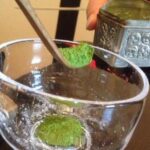
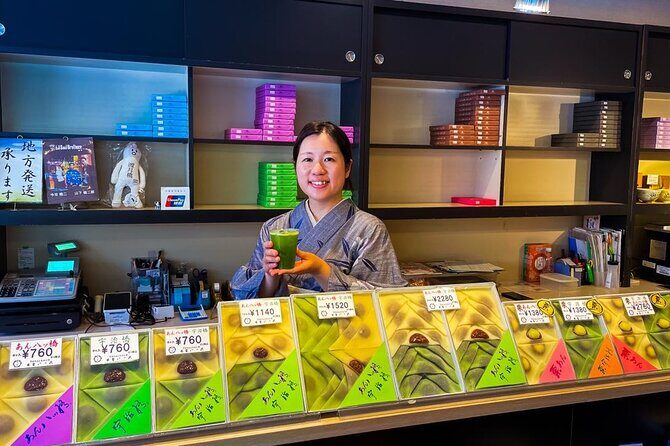
You’ll have a refreshment stop for authentic matcha, and the tour includes one Uji matcha drink. This is more than a caffeine fix. It’s also a smart timing move: you’re drinking something cultural right when you need energy for the next section.
In the feedback, people repeatedly highlight how the matcha break adds cultural context, and it helps break up the walking rhythm. One reason it feels worthwhile is that it’s placed before Monkey Park, not after. So you don’t feel like you’re “rewarding yourself later”—you’re actually fueling the climb.
If you’re picky about matcha quality, look at the cup and preparation style. Even when the tour is short, matcha is one of those things that you can taste and notice right away.
Stop 4: Togetsukyo Bridge for river views (about 10 minutes)
The Togetsukyo Bridge—also called the Moon Crossing Bridge—is a recognizable Arashiyama symbol. You’ll cross or at least spend enough time nearby to take in river and mountain views, plus the classic Arashiyama “postcard” perspective.
This part is quick (about 10 minutes). That’s intentional. You’re getting the signature view without turning your day into a slow shuffle. It’s also a great photo moment, especially if you like long lines and reflections.
Practical note: Arashiyama is popular. If you want calmer photos, wait a minute and let the flow change. Your guide can help you time that, which is one of the small-group advantages.
Stop 5: Monkey Park Iwatayama hike + macaques (about 1 hour, entrance included)
Here’s the part that decides whether you love this tour or just like it.
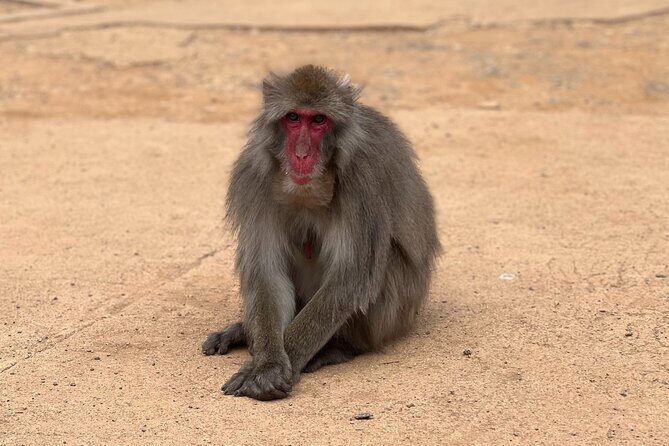
Monkey Park Iwatayama includes a short hike and the entrance fee is included. Once you reach the viewpoint area, you’re in macaque territory with wide Kyoto views from the mountaintop area.
What makes the stop so memorable is the combination: wild animals nearby and city scale underneath. The views are repeatedly described as panoramic, and people find the macaques entertaining because they’re active, playful, and social.
Important reality check: yes, they’re wild. That means you follow the park rules and keep your distance. Also, one piece of useful advice from the reviews: macaques don’t really come up to you unless you move into the feeding area. So if you want to watch without feeling like you’re in the middle of chaos, stay where you’re supposed to stay and let them do their thing.
The main consideration is physical. Some reports specifically mention that the climb can be tough for people with health limitations, even though it’s called a short hike. Even if you’re fit, it can feel steep, and in bad weather the path can be slippery.
If you plan to do Monkey Park, wear shoes you’d trust on uneven ground. This tour covers enough ground that your feet will feel it—comfort is part of the value, not an afterthought.
Pacing, breaks, and group size (and why it matters)
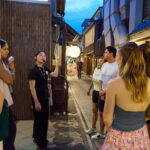
This is a walking tour, but the best thing about it is how the time is broken into chunks. People praised guides for splitting the day up well and making sure there were enough breaks and bathroom stops for a four-hour stretch. That doesn’t sound exciting, but it’s the difference between a fun day and an exhausting one.
The group size is capped at 15, and in at least one example it ran at around 12 people. In that size range, guides can actually manage the flow—helping people regroup and keeping the group from tearing itself apart.
Still, there’s one downside to acknowledge: the tour can start late if guests arrive late. If you’re the type who hates schedule slippage, aim to show up early. That simple move can protect your day.
On the human side, guide quality is a key variable. Most names showing up in the positive feedback—Tim, Nay, Pedro, Amy, Daniel, Shin, Meg, and Sofia—are tied to clear explanations and friendly energy. But one negative review described the explanation style as messy or scripted. If you care a lot about storytelling, choose the tour time when you’re feeling patient, and don’t be shy about asking questions during the stops.
What’s included, and why the price can make sense
The price is $53.06 per person for about 4 to 4.5 hours. That’s not just “a guide walks you around.” What you’re paying for includes:
- A professional English-speaking guide
- Tenryu-ji entry fee
- Monkey Park Iwatayama entrance fee
- One Uji matcha drink
That combination matters because it covers two paid attractions and a drink that you’d likely buy or pay for anyway. It also reduces friction: you don’t have to hunt ticket counters while the crowd flow is moving.
Compared to DIY, the big value is time and sequencing. Arashiyama is full of options, but doing the route by yourself can turn into backtracking. A guide helps you stay on a line that hits the major stops without you “figuring it out” mid-walk.
What to wear and bring (so the hike doesn’t ruin your photos)
This tour is mostly walking with one meaningful climb.
Do:
- Wear comfortable shoes with grip for the Monkey Park hike
- Bring a light layer, especially if you’re visiting in cooler months
- Bring water, even if the tour includes matcha
Think about timing:
- If rain is in the forecast, treat paths and steps as slick. Wet weather is mentioned as a factor that can make things treacherous.
- If it’s hot, plan to slow down. The bamboo and temple stops are calmer, but the climb is still the climb.
And one small mindset shift: for the macaques, you’re not there to “pet” anything. You’re there to observe. Stay calm, keep your space, and enjoy the show from a safe distance.
Who this tour is best for
This tour is ideal if you want a guided Arashiyama day that covers the headline sights without feeling rushed.
You’ll likely enjoy it most if you:
- Want a structured route that pairs Zen, bamboo, and viewpoints
- Like learning context as you walk, especially at Tenryu-ji
- Can handle a short climb to Monkey Park
If you’re traveling with limited mobility or you know the climb will be hard, consider whether you can skip Monkey Park. The tour data says most travelers can participate, but the reviews also suggest the uphill part can be a struggle for some.
Should you book the Kyoto: Arashiyama Bamboo Forest, Monkeys, Matcha & Temple Tour?
I’d book it if you want the Arashiyama classics in one organized half-day—Tenryu-ji, bamboo, river views, a shrine pause, plus Monkey Park—with a guide and included entry fees. The $53-ish price is easier to justify when you factor in what’s included: two attractions you’d pay for and a real matcha break.
Pass or reconsider if you hate any kind of uphill walking or if you’re very sensitive to schedule delays. Also, if you want long, slow temple time, this pace may feel short at Tenryu-ji and the bridge.
If you show up early and wear good shoes, you’re set up for a day that feels both cultural and outdoorsy—quiet Zen, then wild macaques, all within walking distance of the best Arashiyama scenery.
FAQ
How long is the tour?
It runs about 4 to 4.5 hours.
How much does the tour cost?
The price listed is $53.06 per person.
Where do I meet the tour?
The meeting point is TULLY’S COFFEE Randen Arashiyama Station Shop 20-2, in Ukyo Ward, Kyoto. The tour ends back at the meeting point.
What’s included in the price?
You get a professional English-speaking guide, Tenryu-ji entry, one Uji matcha drink, and Monkey Park Iwatayama entrance.
Is there a mobile ticket?
Yes, it’s listed as a mobile ticket experience.
What are the main stops?
You’ll visit the Arashiyama Bamboo Forest, Tenryu-ji, Monkey Park Iwatayama, Togetsukyo Bridge, and Nonomiya Shrine.
Is there hiking involved?
Yes. There’s a short hike to Monkey Park Iwatayama.
Is the tour suitable for most people?
The description says most travelers can participate, but the Monkey Park climb may be challenging for some, so comfortable shoes matter.
How big is the group?
The tour has a maximum of 15 travelers.
What’s the cancellation policy?
You can cancel for a full refund up to 24 hours in advance of the start time. Canceling less than 24 hours before start time isn’t refunded.