REVIEW · TOKYO
Japanese Pottery Class in Tokyo
Book on Viator →Operated by Uzumako ceramic art school · Bookable on Viator
Tokyo clay time beats another photo stop. This small-group pottery class in central Tokyo helps you shape your own ware with a teacher’s guidance, not just watch from the sidelines. I especially like the small-group feel (you’re not lost in a crowd) and the chance to make a real take-home souvenir plan by choosing what gets fired and what colors you want.
One consideration: the $26.73 price covers the trial class, but firing and shipping cost extra per selected work, so your final total depends on how many pieces you choose to keep.
In This Review
- Key things to know before you go
- Why this Tokyo pottery class feels different from most workshops
- Getting to Uzumako: the practical part that saves time and stress
- The 1-hour class flow: from form-filling to your first clay pieces
- Start with an application and a teacher’s sample
- Build around 2–3 pieces within the hour
- Choose what gets kept for firing—and pick your colors
- Cleaning and payment finish the session
- What happens after: the one-month timeline and the firing fee catch
- Shipping: what you can expect, plus the Brazil customs warning
- Group size and instruction style: why you’ll likely feel supported
- Price and value: what $26.73 really means for your final souvenirs
- The souvenir quality you’re aiming for (and what to expect)
- Who should book this class in Tokyo
- Should you book this Japanese pottery class?
- FAQ
- How long is the Japanese pottery class?
- How many pottery pieces will I make?
- Is the firing fee included in the $26.73 price?
- How long does it take after I make the pieces?
- Will I be able to ship the fired pottery home?
- Can I cancel for free if plans change?
Key things to know before you go
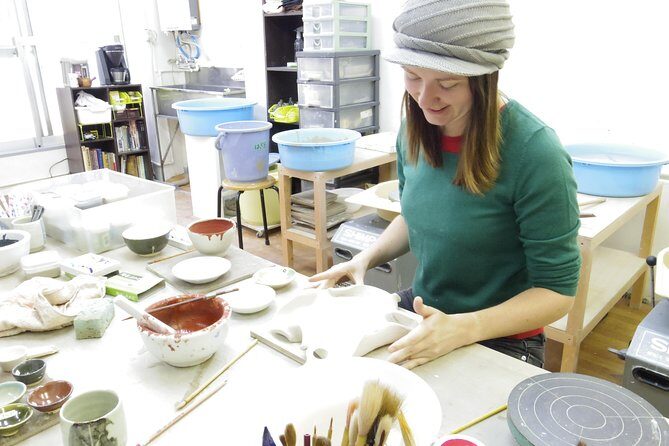
- Up to 15 in the class experience (with a broader activity cap listed at 25), so you’ll likely get hands-on attention
- You make about 2–3 works in 1 hour, then choose which ones go to firing
- Firing is not included, and it takes about 1 month after you make the pieces
- Central location near Metro, with the studio meeting point in Minato City (Shiba)
- Optional EMS shipping is available, but Brazil shipping is tricky due to customs
Why this Tokyo pottery class feels different from most workshops
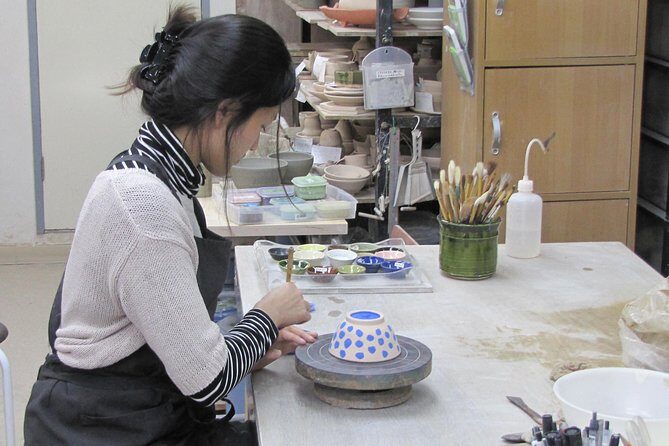
Japanese pottery sounds simple until you try to figure it out on your own. In Tokyo, it’s easy to find ceramics stores, but it’s much harder to get a calm, structured lesson that actually teaches you how the process works.
What I like is the way the class is built for first-timers without being childish. You get a teacher’s sample, you get clear steps for shaping and finishing your pieces, and you leave with a plan for what will become your final fired souvenirs.
A few more Tokyo tours and experiences worth a look


Getting to Uzumako: the practical part that saves time and stress
The meeting point is in Minato City, Shiba—at 3-chōme 29-11 清水ハウス (Tokyo 105-0014). Expect to find it on foot by using public transit and then doing a short local walk, since the tour notes it’s near public transportation and works well for independent travelers.
This matters because a pottery class is time-boxed (about 1 hour). If you arrive flustered, you lose your best chance to focus on the hands-on part of learning clay.
One more small plus: it’s a mobile ticket, so you’re not scrambling to find or print anything once you’re in the neighborhood.
The 1-hour class flow: from form-filling to your first clay pieces
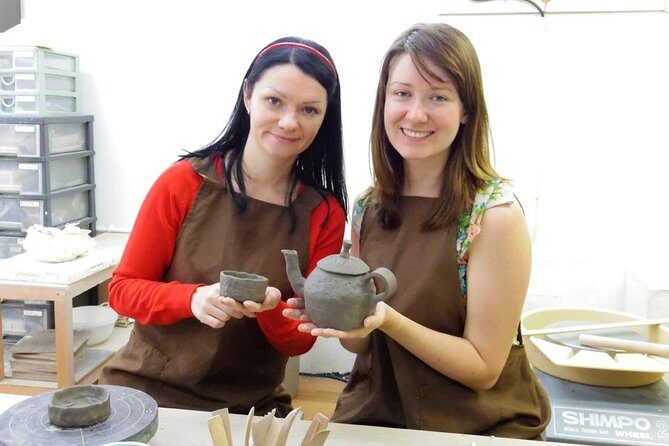
The session runs for about an hour and follows a clear sequence. Here’s what the class experience includes, in the order you’ll likely feel it:
Start with an application and a teacher’s sample
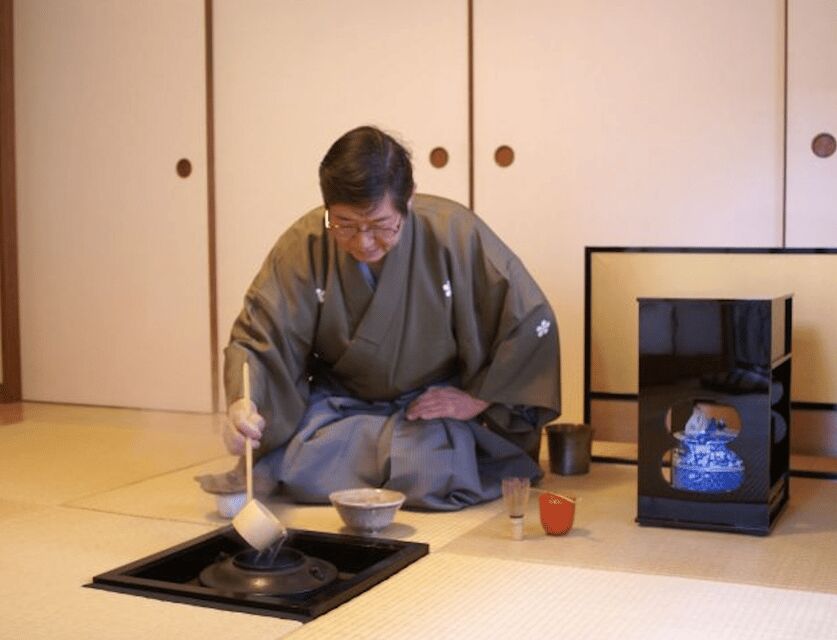
At the beginning, you’ll fill out an application form. Then the instructor makes a sample so you can see what the finished shape should feel like, not just what it looks like on a screen.
This step is underrated. A quick demo gives your hands a target, and it helps you stop guessing when the clay starts to behave differently than you expect.
Build around 2–3 pieces within the hour
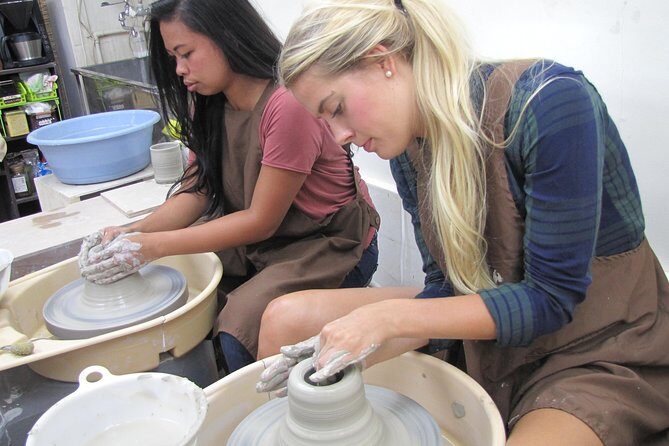
You make approximately 2–3 works during the class. Depending on your comfort level, you’ll spend more or less time shaping, but the goal is that you actually leave having worked with real clay instead of just making one tiny test piece.
You’ll also get guidance on basic techniques and how to adjust as you go. Several instructor names show up in the experience feedback—people have mentioned teachers like Ruth, Stephen, Viki/Vicki, and Mr. Hoshi—and the pattern is consistent: patient, step-by-step coaching with enough freedom to create your own version.





Choose what gets kept for firing—and pick your colors
This is the key decision point. You’ll choose the pieces you want to keep for firing, and you’ll select the colors you want applied.
Your choices here directly affect both the creative outcome and the extra fees later. It’s worth slowing down for this part, because you’re basically planning your future souvenirs in real time.
Cleaning and payment finish the session
Near the end, there’s time for cleaning, followed by payment. You’re not expected to do pottery’s full lifecycle that night; the studio handles the next stages for the pieces you select.
If you’re traveling with kids, this structure also helps. Reviews describe the setting as relaxing and friendly, and the pace is built around a quick learning cycle.
What happens after: the one-month timeline and the firing fee catch
Here’s the part people often miss when they book ceramics. The class fee covers the basic pottery trial, but the firing fee is not included for each selected work.
The studio prepares the pieces after making—plan on about 1 month to prepare the works for the next stage. That timing is actually pretty reasonable in pottery terms, but it matters if you’re hoping for a souvenir in time for a specific date.
So think of the class like this:
- You pay to learn, shape, and choose your pieces during the workshop.
- You pay separately for the kiln stage once you decide which creations you want turned into finished ware.
- You may pay again for shipping, depending on where you live.
Shipping: what you can expect, plus the Brazil customs warning
The tour info says EMS shipping is optional. That means you’re not automatically paying for delivery, but you can add it if you want the studio to send your fired pieces home.
If you’re in Brazil, there’s an explicit warning: customs restrictions make it challenging to send class-made pieces to these countries. The guidance is simple—if you’re located in Brazil, contact the provider before booking so they can discuss alternatives.
For everyone else, the practical takeaway is to treat shipping as a budgeting line item. Your final cost depends on how many pieces you select for firing and whether you want EMS delivery.
Group size and instruction style: why you’ll likely feel supported
This experience is designed for small groups. The “maximum 15” promise shows up in the tour features, while the broader activity cap is listed at 25. Either way, the intention is the same: you shouldn’t be stuck waiting for someone to look at your work.
From what’s described in the experience details and how instructors are mentioned, the teaching style seems to balance two things:
- a quick, clear demo
- then hands-on creation with help available when you ask
That’s a good combo for travelers. You get structure, but you’re still allowed to make the piece your own.
Also, language support seems strong. Reviews mention English well, including teachers who speak both English and Japanese. If you’re not fluent, you’ll still be able to follow the steps and get corrections when something goes off.
Price and value: what $26.73 really means for your final souvenirs
At $26.73 per person, the base price is affordable for a guided ceramics session in a central Tokyo studio. But the value depends on how you plan to finish your souvenirs.
What the price includes:
- the basic fee for the pottery trial class
What costs extra (and will affect your budget):
- firing fee for each work you select
- EMS shipping is optional
So the “value equation” isn’t just the sticker price. It’s the total number of selected pieces and whether you want delivery. If you choose only one piece for firing, you’ll likely keep your overall cost lower. If you select multiple works and ship them home, your final total will rise.
Still, even with those extra costs, you’re paying for a real art-making process with a teacher, not a souvenir you buy off a shelf. A lot of the satisfaction here comes from making the object yourself.
The souvenir quality you’re aiming for (and what to expect)
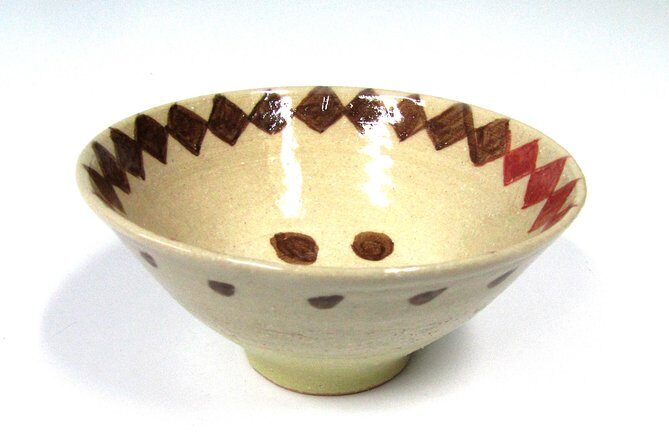
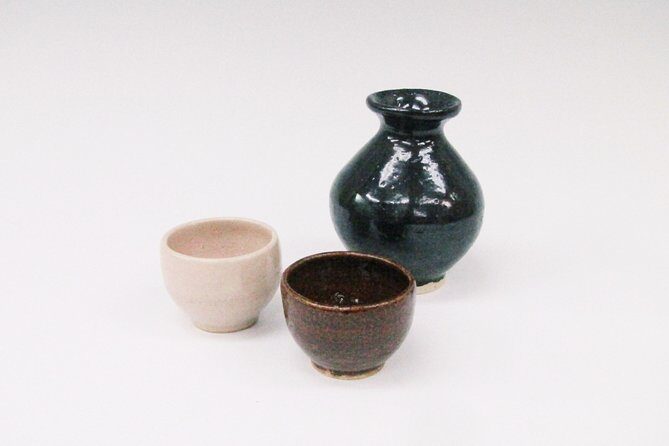
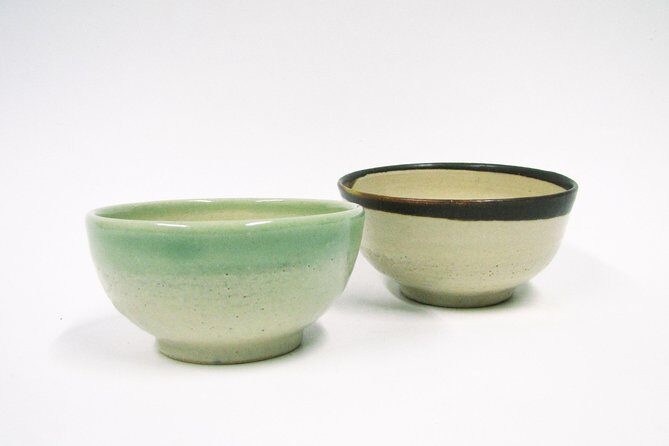
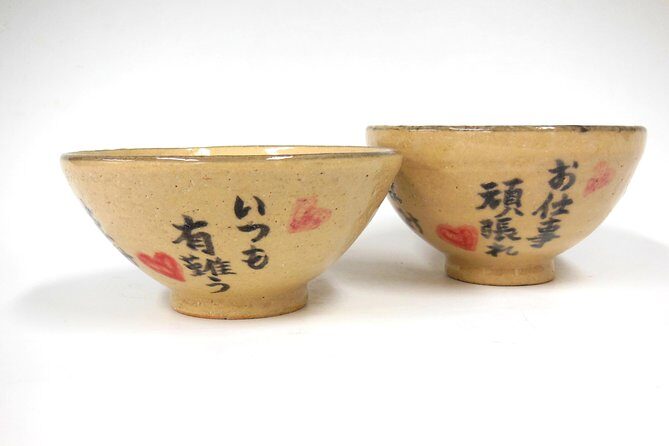
This class is built around the idea that pottery takes time. You won’t finish fired, glazed ware in one hour. You’ll shape the clay now, choose colors, and then the studio finishes the firing process afterward.
That sounds like a limitation, but it’s also what makes the souvenir meaningful. Your hands make the form; the studio completes the lifecycle.
Also, you’ll typically end up with pieces that match your choices. Many people call out the class as stress-free, with a calm environment that feels like a break from Tokyo’s pace. It’s less about performance and more about making something quietly, correctly, and with pride.
Who should book this class in Tokyo
This is a great fit if:
- you want a hands-on cultural activity in Tokyo (not just a tour of places)
- you like making practical souvenirs you actually contributed to
- you enjoy learning craft steps even if you’ve never used a pottery tool before
- you want a short session (about 1 hour) that fits a travel schedule
It may be less ideal if:
- you need instant results the same day
- you’re on a strict budget and don’t want to pay for firing and possible shipping
- you don’t want to think about future costs when booking (because the base fee is only part of the total)
Kids and families can work too, since the class pace and supportive teaching style show up as a common theme. For small children, you might find it easier if you choose a simpler approach and plan to help them with the process.
Should you book this Japanese pottery class?
If you want a meaningful, low-stress creative activity in Tokyo, I think this is a strong booking. The combination of small-group attention, clear instruction, and making 2–3 pieces in one session is exactly what you’re looking for when craft workshops are the goal.
Book it if you’re ready for pottery’s timeline: you’re paying for the learning now, and then you’ll pay extra for firing and optionally EMS shipping. Skip it if you’re hoping the $26.73 gets you a fully finished, shipped souvenir with no extra decisions.
If you’re in Brazil, do the extra step and contact the provider before booking so the shipping reality is handled upfront. If not, you’re set for a relaxing hour of clay work that turns into a real keepsake plan.
FAQ
How long is the Japanese pottery class?
It runs for about 1 hour (approx.).
How many pottery pieces will I make?
You’ll make about 2–3 works within the class time.
Is the firing fee included in the $26.73 price?
No. The firing fee is not included in the basic fee. You pay firing for each selected work.
How long does it take after I make the pieces?
It takes about 1 month to prepare the works after you make them.
Will I be able to ship the fired pottery home?
EMS shipping is optional. The info also warns that shipping to Brazil is challenging due to customs, so if you’re in Brazil, contact the provider before booking.
Can I cancel for free if plans change?
Yes, you can cancel for a full refund if you cancel at least 24 hours in advance. If you cancel less than 24 hours before, the amount paid isn’t refunded.