
REVIEW · TOKYO
Retro Shibuya Food Tour
Book on Viator →Operated by Arigato Japan KK · Bookable on Viator
Retro Shibuya is best eaten on foot. This 3-hour walking food tour takes you past the postcard spots and into older back streets where people still eat, drink, and linger, with a guide sharing Shibuya history tied to the Showa era.
I love the practical food-and-drink flow: you’re not just tasting snacks, you’re getting a full arc that includes iconic ramen plus seasonal bites and dessert. I also love that the tour includes alcoholic drinks, so you can sample local options like beer and local sake without extra planning.
The main catch: you’ll be on your feet for the whole loop, including stops that feel more like quick standing bar moments than sit-down dining, so wear comfy shoes and be ready to move.
In This Review
- Key highlights you’ll care about
- Entering Retro Shibuya: Why This Tour Feels Different
- Meeting at Shibuya Station (4:00 pm) and Getting Your Bearings
- Hachiko to Shibuya Crossing: Landmarks With Stories in Real Time
- Shibuya Center-gai: Where Snacks Become a Mini Food Education
- MEGA Don Quijote and the Shift Toward Back Alleys
- Shibuya Mark City, Shibuya 109, and the Retro Mix of Old and New
- Nonbei Yokocho: The Alley Where the Night Becomes Real
- What You’ll Actually Eat and Drink (No Guesswork)
- Price and Value: Does $221 Make Sense for 3 Hours?
- Who This Tour Fits Best (and Who Might Hesitate)
- Karaoke After Party: Optional, But It’s Part of the Vibe
- Should You Book Retro Shibuya Food Tour?
- FAQ
- FAQ
- How long is the Retro Shibuya Food Tour?
- What is the price per person?
- What time does the tour start?
- Where do I meet the guide?
- Where does the tour end?
- How many people are on the tour?
- Are drinks included?
- Is dessert included?
- Is the tour suitable for vegetarians or people who need gluten-free options?
- Is it recommended for vegans?
- Who is eligible to join?
- Is the karaoke after party included or optional?
- What if weather is bad?
- What is the cancellation window?
Key highlights you’ll care about
- Small group size (max 10): more time for questions and a smoother pace through busy streets
- 3 included drinks: beer, local sake, and other beverages, spread through the evening
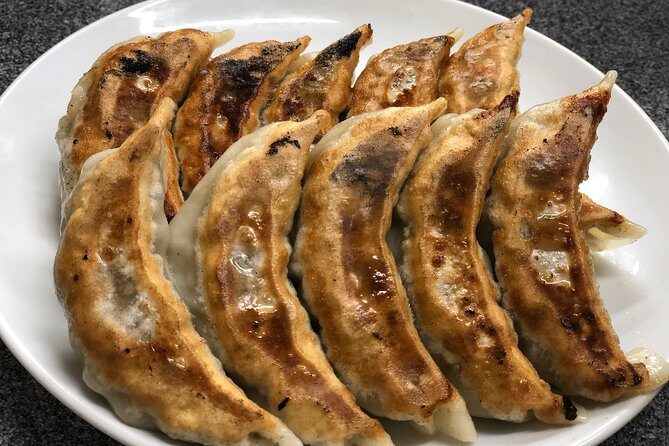
- Ramen plus multiple snack stops: you get variety, not just one meal’s worth of food
- Back streets, alleys, and “standing-only” style bars: very Shibuya, and not the usual tourist circuit
- Landmark stops that make sense in context: Hachiko, Shibuya Crossing, Center-gai, and more
- English-speaking local guide: history and culture woven in while you’re eating
Entering Retro Shibuya: Why This Tour Feels Different
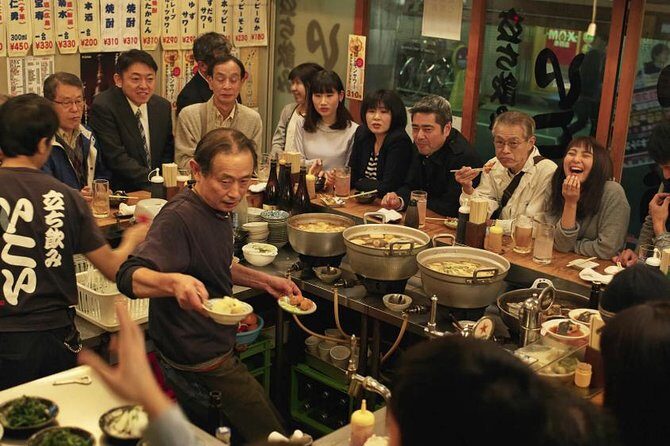
Shibuya can look like a single big neon machine from the main street. This tour slows that down. You start with the famous basics, then your guide steers you into the side streets where everyday routines show up.
What makes the experience work is the pacing. You’re walking, yes, but you’re also eating at intervals—ramen, local dishes, dessert, and drinks—so the time doesn’t feel like a long stroll with random stops. The tone is also very grounded: you’re not hunting for “fancy” meals. You’re sampling the kinds of foods and drinks people grab while they’re hanging out.
And the history angle matters. Shibuya dating back to the Showa era isn’t a lecture. It’s connected to what you can actually see around you: older shop styles, neighborhood back alleys, and the way the area still functions as a meeting place.
You can also read our reviews of more food & drink experiences in Tokyo

Meeting at Shibuya Station (4:00 pm) and Getting Your Bearings
You’ll meet at Shibuya Station (2 Chome-24, Shibuya) around 4:00 pm. For a food tour, I like this timing: it’s late enough that the neighborhood energy is building, but early enough that you’re not only eating after everything is fully packed.
Because the tour uses a mobile ticket, you don’t have to fumble around with paper vouchers. You’ll likely spend the first few minutes syncing up with the group, then you move right into the landmarks and food corridor.
One practical tip: Shibuya Station is huge. Arrive a little early so you can find the meeting point without stress. The tour ends at the Tokyu Department Store basement level under the station, which is handy—you finish near transit instead of in the middle of nowhere.
Hachiko to Shibuya Crossing: Landmarks With Stories in Real Time
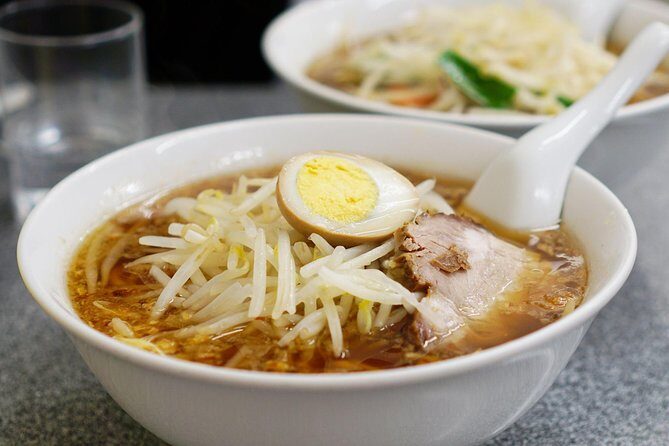
The first “big name” stop is the Hachiko Statue. It’s one of those places you recognize instantly, even if you’ve never been to Tokyo before. Here, the guide uses it as a jumping-off point for local life and cultural context.
Then you head toward Shibuya Crossing. This isn’t just a photo moment. The tour ties the crossing and surrounding area back to Shibuya’s longer neighborhood story, with the guide speaking to the Showa era backdrop. The effect is simple: the crossing becomes less about spectacle and more about why Shibuya works as a hub.
Drawback to keep in mind: these are peak landmarks. Even on a small-group tour, expect crowds. Plan to be patient and keep your walking rhythm steady.
Shibuya Center-gai: Where Snacks Become a Mini Food Education
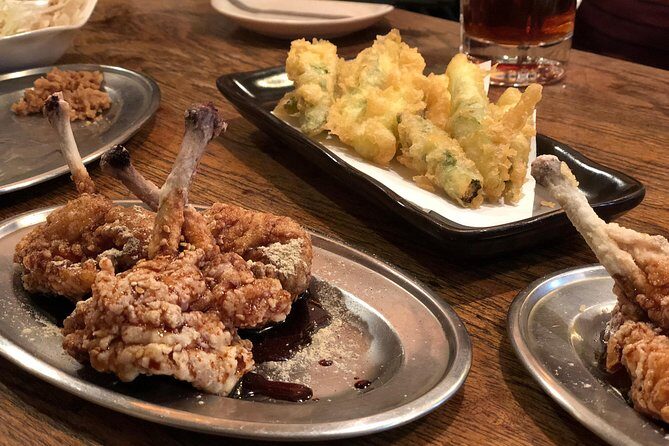
Next comes Shibuya Center-gai, where you get your first real sense of local snack variety. This is the spot where your guide shifts the tour from “watching Tokyo” to “tasting Tokyo.”
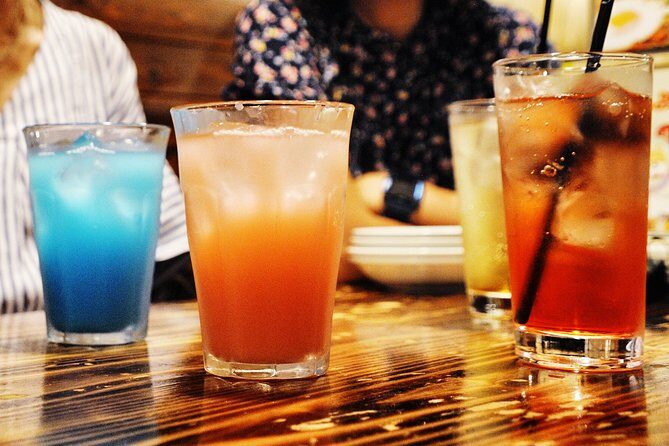
You’ll taste a range of local and seasonal dishes, plus 3 drinks total across the tour. The drinks are specifically listed as including beer and local sake (along with other beverages). That’s a big value point: you’re paying a single tour price, but you’re getting both food and alcohol.
Why I like this stop: Center-gai is a clear bridge between eras. It still feels like a neighborhood place for people to meet and graze, not just a corridor of tourist traps. It’s also a good moment to slow down your pace, eat something warm or filling, and then be ready for the next leg.
MEGA Don Quijote and the Shift Toward Back Alleys
After Center-gai, the route takes you through MEGA Don Quijote. It’s known as a souvenir and shopping stop, and your guide uses it as a practical waypoint while you transition toward a more local style of drinking and snacking.
Then the tour’s tone turns. You head toward an izakaya area described like an alley “wonderland,” the kind of place where you get the feeling locals know exactly how to move through it. The overview also points to standing-only bars, which is a key detail. You’re not going to have a big table meal the whole time.
Consider this before you book: if you’re not comfortable with standing, quick pacing, and tight alley spaces, this part might feel intense. If you’re flexible, it’s also part of the fun. It’s street-level Tokyo, not a staged dining room.
A few more Tokyo tours and experiences worth a look


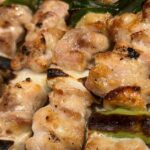

Shibuya Mark City, Shibuya 109, and the Retro Mix of Old and New
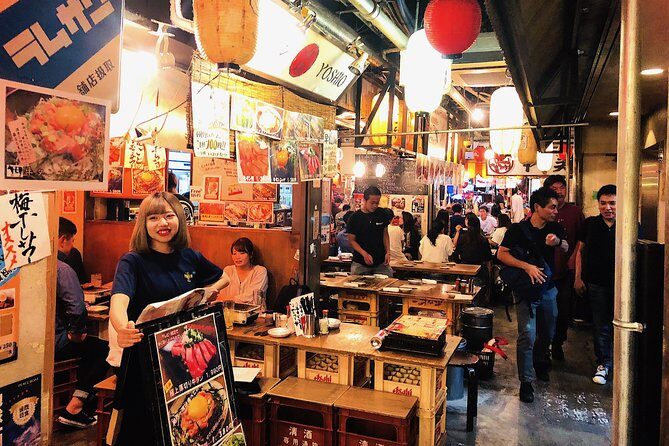
You’ll also pass by major visual landmarks like Shibuya Mark City and Shibuya 109. These places give the tour its contrast: modern youth fashion and shopping energy right next to older neighborhood behavior.
I find this contrast useful. When you’re already standing in the real area, these landmarks anchor your mental map. You start to understand that Shibuya isn’t one vibe. It’s layered—big brand fronts, then back side streets where people slow down.
You don’t need to shop. The value is orientation plus atmosphere. Your guide also helps connect what you’re seeing to the broader neighborhood story the tour is built around.
Nonbei Yokocho: The Alley Where the Night Becomes Real
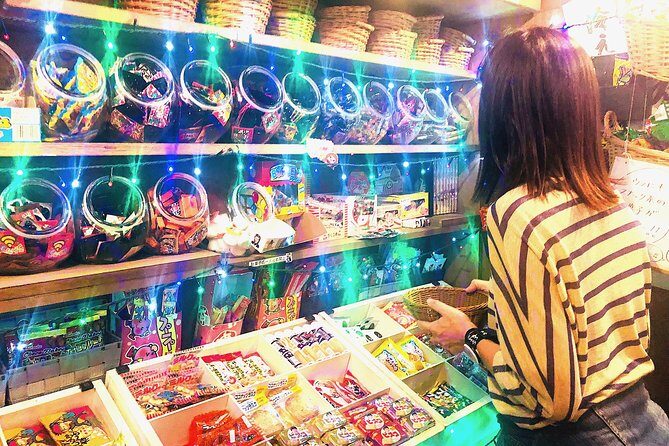
The tour’s “night shift” vibe shows up with Nonbei Yokocho—a classic alley setting for eating and drinking. This is where your walking tour starts to feel like you’re being led into an actual evening routine.
This stop fits the theme of the tour perfectly: back streets and places you’d struggle to find alone. The overview even mentions destinations like decades-old noodle shops and small social corners. Even if you don’t know what you’re walking into, the guide’s role becomes clear: they bring you to the right kind of spot at the right time.
Food-wise, you should expect more than tiny bites. The tour includes local tastings plus dessert, so you’re not just sipping your way through. And because alcohol is part of the plan, this alley stop has that natural “Tokyo night” momentum.
What You’ll Actually Eat and Drink (No Guesswork)
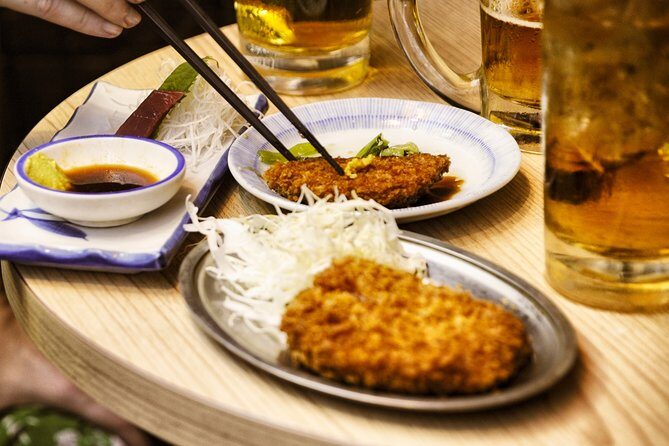
Here’s what the tour explicitly includes:
- Local food tastings
- Dessert
- Alcoholic drinks totaling 3 complimentary drinks, including beer and local sake (plus other beverages)
- A stop featuring an iconic ramen shop
You should plan on eating more than one or two small samples. This tour is designed as a full 3-hour circuit of flavors, not a “light snack tour.”
Dietary notes (important):
- The tour is vegetarian, pescetarian, and gluten-free friendly.
- It is not recommended for vegans.
If you’re gluten-free or you keep kosher/halal requirements, I’d treat this as a “ask your guide directly” situation, even though the tour says it’s friendly. With food tours, details matter, and the guide is your best checkpoint.
Also, because adults only are 20 years old and above, alcohol is part of the setup—not a questionable add-on. If you’re sensitive to alcohol, pace yourself. Three drinks can still land like a lot if you drink quickly.
Price and Value: Does $221 Make Sense for 3 Hours?
At $221 per person for about 3 hours, the price only works if the inclusions feel real—and they do here.
You’re not paying for a generic walk. You’re paying for:
- An English-speaking local guide
- Multiple tastings plus dessert
- 3 included drinks (not water, not “one drink ticket,” but actual alcoholic drink coverage as listed)
- Stops in places like Hachiko, Shibuya Crossing, Center-gai, plus alley areas like Nonbei Yokocho and the ramen stop
Also, the group limit is 10 travelers max. That usually means you’re not lost in a crowd and you can keep up with the guide’s route without falling behind every time you stop to eat.
One more value clue: it’s commonly booked about 18 days in advance on average. That doesn’t guarantee availability, but it suggests demand. If your dates are flexible, you may still be able to snag a spot later. If they’re fixed, book earlier.
Who This Tour Fits Best (and Who Might Hesitate)
This is a strong match if you want Shibuya as a lived-in neighborhood. You’ll get landmarks, but you’ll also get back streets, standing-style bar culture, and food variety that isn’t limited to one restaurant.
It’s also a good match if you’re comfortable with a walking tour that keeps moving. The tour lists a moderate physical fitness level requirement, which usually translates to steady walking plus short stops.
You might hesitate if:
- You dislike standing for parts of an evening
- You want a fully seated, slow-paced meal
- You need vegan options (the tour specifically says it’s not recommended for vegans)
If you’re a solo traveler, the tour notes you should email for assistance. That matters because small group tours can sometimes handle solo folks more smoothly with prior notice.
Karaoke After Party: Optional, But It’s Part of the Vibe
If you want to keep the night going, there’s a karaoke after party available. The listing doesn’t spell out extra costs or timing here, so I’d treat it as an optional extension and follow your guide’s directions on what’s included and how it works on the day.
Even if you skip karaoke, the tour itself ends conveniently near the station, so you can head back easily afterward.
Should You Book Retro Shibuya Food Tour?
Yes, if you want Shibuya to feel like a neighborhood instead of a theme park. The mix of ramen, local tastings, dessert, and three included drinks gives you real value for a 3-hour evening, especially with a small group and an English-speaking guide.
If you hate standing, or you’re strictly vegan, I’d look for another option. But for most people—especially those who enjoy street-level atmosphere—this is an efficient way to eat your way through Shibuya with context, not just photos.
FAQ
FAQ
How long is the Retro Shibuya Food Tour?
The tour lasts about 3 hours.
What is the price per person?
The price is $221.00 per person.
What time does the tour start?
The start time is 4:00 pm.
Where do I meet the guide?
You meet at Shibuya Station (2 Chome-24, Shibuya, Tokyo 150-0002, Japan).
Where does the tour end?
It ends at Tokyu Department Store basement level under the station.
How many people are on the tour?
The tour has a maximum of 10 travelers.
Are drinks included?
Yes. The tour includes 3 complimentary drinks, including beer, local sake, and other beverages.
Is dessert included?
Yes, dessert is included.
Is the tour suitable for vegetarians or people who need gluten-free options?
The tour is vegetarian, pescetarian, and gluten-free friendly.
Is it recommended for vegans?
It is not recommended for vegans.
Who is eligible to join?
Adults 20 years old and above only.
Is the karaoke after party included or optional?
Karaoke after party is available.
What if weather is bad?
The tour requires good weather. If canceled due to poor weather, you’ll be offered a different date or a full refund.
What is the cancellation window?
You can cancel for a full refund up to 24 hours before the experience’s start time.
![[Ishigaki]Mangrove SUP/Canoe + Blue Cave Snorkeling - Meeting at Ishigaki Port: start time and how to avoid stress](https://images.thejapantraveler.com/wp-content/uploads/ishigakimangrove-sup-canoe-blue-cave-snorkeling.jpg)




















