REVIEW · TOKYO
Tokyo: Authentic Food Tour in Ginza and Shimbashi
Book on GetYourGuide →Operated by Traveling Tokyo · Bookable on GetYourGuide
Tokyo food can feel like a maze. This tour turns it into an easy evening. I like the small-group pace (up to 10 people) and the way you get to try authentic local dishes in Ginza, Yurakucho, and Shimbashi without guessing where to go. One watch-out: it is not designed for wheelchair users, and you’ll be on your feet for much of the 3 hours.
The best part is the human side. Guides such as Doren, Reo, Ryota, and Yota bring the food to life with English explanations and practical advice for reading Tokyo’s food culture. You’ll also hear culture tidbits that help you plan your next meals and not just collect random bites.
If you’re expecting a long, sit-down dinner, this isn’t that. It’s a walking food tour with multiple stops, so come hungry, wear comfy shoes, and expect a lively pace.
In This Review
- Key highlights that make this Tokyo food tour work
- Ginza to Shimbashi in 3 hours: what you’re actually signing up for
- Finding your start point at Tokyu Plaza Ginza (and why it matters)
- Ginza stop: 50 minutes of local favorites on luxury streets
- Yurakucho stop: another 50 minutes, another Tokyo food mood
- Shimbashi stop: ending with classic neighborhood energy
- How the guide turns bites into understanding (in English)
- Walking pace and timing: what the 3-hour schedule feels like
- Food expectations: dishes plus traditional desserts
- Price and value: why $146 can make sense in Tokyo
- What to bring so the evening stays comfortable
- Who this tour is best for (and who should reconsider)
- Should you book this Ginza and Shimbashi food tour?
- FAQ
- How long is the Tokyo food tour?
- Where does the tour start?
- Where should I look for the meeting point from Ginza Station?
- What areas does the tour cover?
- Is the tour guided in English?
- Is it a small group?
- How much does it cost?
- Can I get a refund if I cancel?
- Is the tour wheelchair accessible?
- What kind of food does the tour include?
Key highlights that make this Tokyo food tour work
- Tokyu Plaza Ginza meeting point makes it simple: in front of the BOSS store near Ginza Station exits C2 or C3
- Three neighborhoods, three 50-minute rounds: Ginza, then Yurakucho, then Shinbashi
- English live guide who explains what you’re eating and why it matters
- Traditional desserts included alongside other regional favorites
- Small group capped at 10 so you can ask questions and keep moving without feeling rushed
- Guides get praised by name, including Doren, Reo, Ryota, and Yota, for making the night fun and easy
Ginza to Shimbashi in 3 hours: what you’re actually signing up for
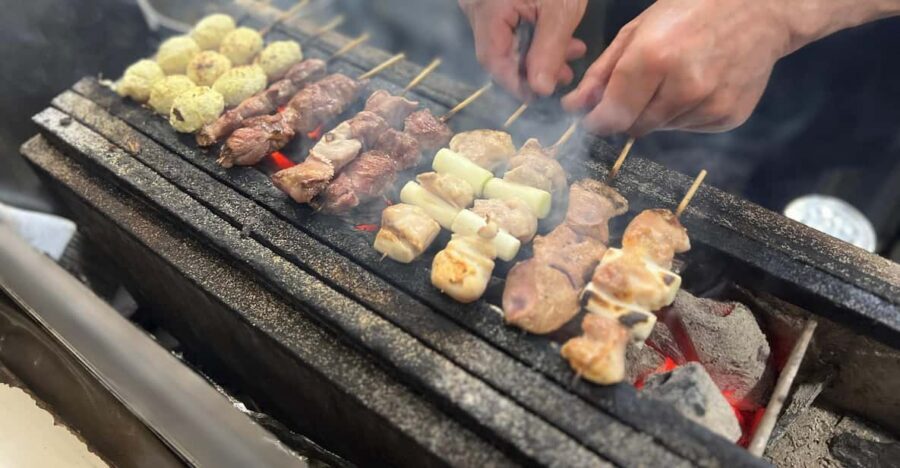
This is a classic Tokyo-style experience: you walk, you taste, you learn, and you don’t have to fight the language or the menu chaos alone. In just 3 hours, you cover three dining zones—Ginza, Yurakucho, and Shimbashi—so you get range without spending half your day in transit.
The tour also aims at the sweet spot many people miss in Tokyo: places that locals use for real eating, not just photo ops. You’ll be guided to spots most tourists overlook, and you’ll get cultural context along the way so the food makes sense, not just tastes good.
You can also read our reviews of more food & drink experiences in Tokyo
Finding your start point at Tokyu Plaza Ginza (and why it matters)
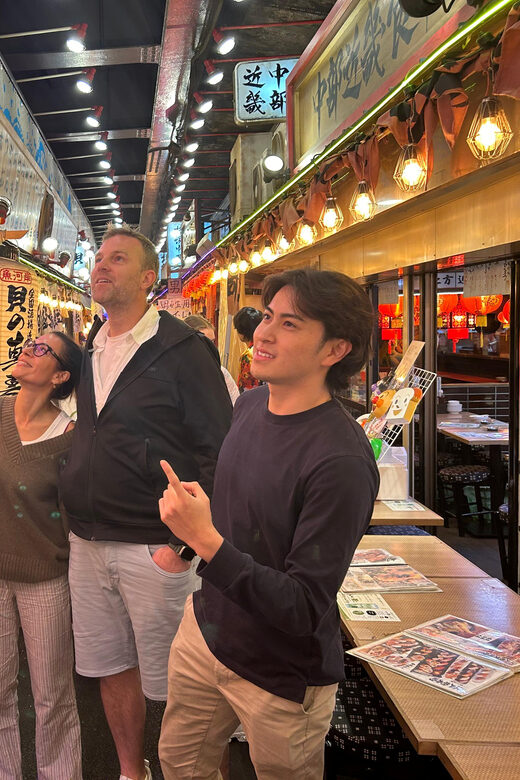
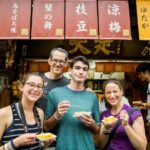
Your meeting point is Tokyu Plaza Ginza, in front of the BOSS store. The easiest approach is to go up to the ground level from Ginza Station, using exit C2 or C3, then look for the BOSS store in front of you.
That detail sounds small, but it makes a big difference in Tokyo. If you’ve ever shown up late because you took the wrong train exit, you know how quickly a food tour can feel stressful. Here, the meeting point is clear and very central.
Plan on arriving a bit early, take a quick look around the entrance area, and you’ll start relaxed instead of hunting signage.
Ginza stop: 50 minutes of local favorites on luxury streets
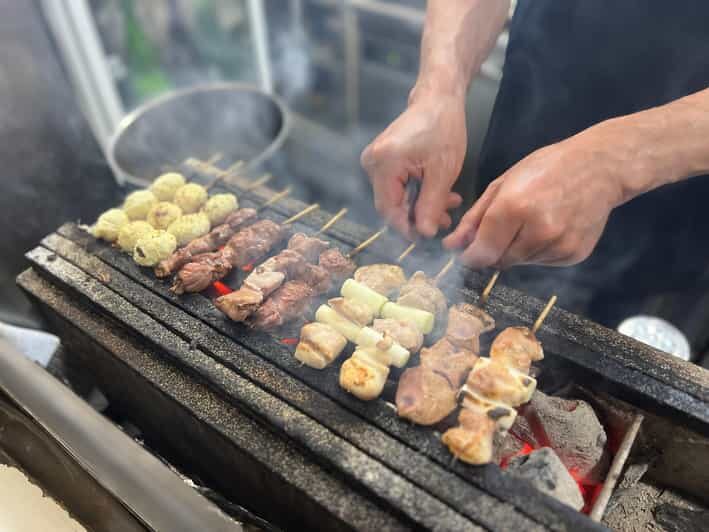
Ginza is famous for upscale shopping, wide sidewalks, and expensive everything. But food in Ginza is where you see another side of the neighborhood—one that’s not trying to impress you, just to feed people well.
On this part of the tour, you get about 50 minutes of regional foods in Ginza with an experienced guide. This is where the tour’s “why this place works” theme shows up: your guide helps connect the dish to Japanese dining habits and everyday culture, not just the ingredients.
What I like about the structure here is that you’re not only tasting. You’re learning how to spot good food patterns in a district that’s easy to overthink. And since Ginza has a lot of tightly packed storefronts, it’s exactly the kind of area where a guide saves you real time.
Yurakucho stop: another 50 minutes, another Tokyo food mood
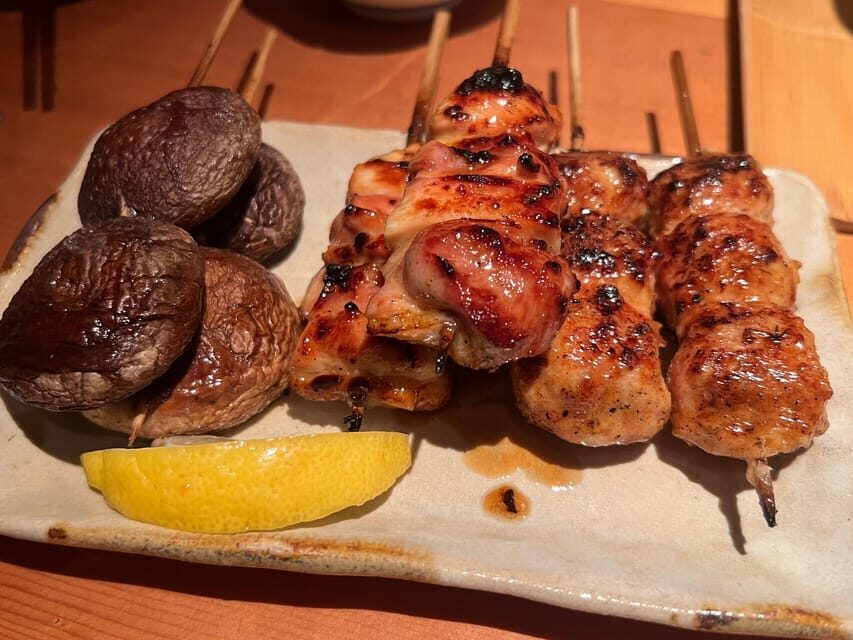
Then you shift to Yurakucho for another 50-minute section of the tour. If Ginza is polished, Yurakucho often feels like it lives closer to everyday rhythms—still very central, but with a different atmosphere for eating.
This stop is another chance to try distinct Japanese flavors and keep building your sense of Tokyo food culture. You’ll keep moving on foot, and the guide’s job is to keep the experience coherent: explain what you’re eating, how it fits local tastes, and what you should watch for next.
A practical tip: since each main area has its own timing, don’t plan to eat a big meal right before. If you show up overly full, you’ll end up feeling polite instead of satisfied.
Shimbashi stop: ending with classic neighborhood energy
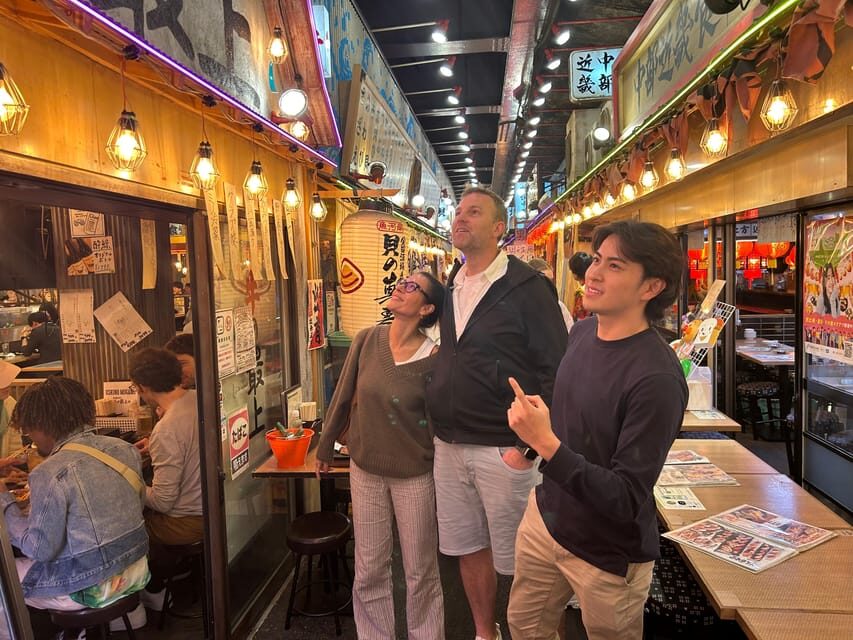
Your third major food block is Shinbashi, again 50 minutes. Shimbashi is a neighborhood that helps you understand Tokyo beyond the big-name landmarks. The vibe is more grounded, and the food tends to feel like it belongs to the people who actually work and live nearby.
On this part of the tour, you’ll continue tasting authentic dishes and traditional desserts as the evening wraps up. Ending here is smart because it gives you contrast—your last stop doesn’t mirror Ginza. It feels like Tokyo’s many faces are finally lining up in one smooth route.
Also, you’ll likely have a much easier time ordering or choosing your next meal after this. You’ve just spent hours learning how local food decisions get made, what to look for, and how to navigate the scene with confidence.
A few more Tokyo tours and experiences worth a look

How the guide turns bites into understanding (in English)
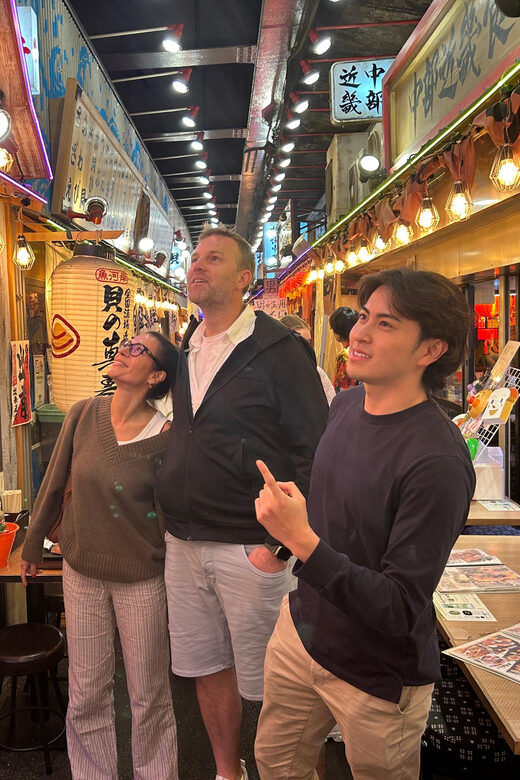
The tour’s biggest advantage is the guide. This is a live English-language experience, and the guide isn’t just walking you between restaurants. They explain Japanese culture and share insights that help you plan your itinerary afterward.
That “plan your next meals” part matters more than people expect. Tokyo can feel like information overload: menus in Japanese, customs you don’t notice until you mess up, and lots of places that look good but are hard to decode. When your guide explains what to pay attention to, you leave with a mental toolkit.
And the guide variety is a plus. People have mentioned different guides by name—Doren, Reo, Ryota, and Yota—and the consistent theme is that they keep things fun, talkative, and easy to follow. That’s exactly what you want on a walking food tour: good food plus relaxed conversation.
Walking pace and timing: what the 3-hour schedule feels like
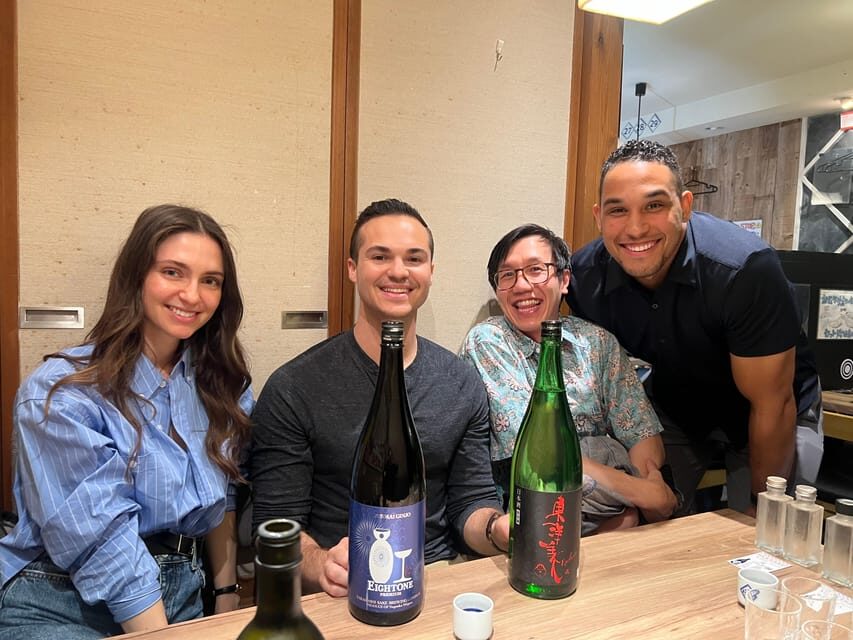
The route is straightforward: start at Tokyu Plaza Ginza, then you walk a short stretch (about 5 minutes between areas), followed by a 50-minute food block in each neighborhood. You’ll finish back at Tokyu Plaza Ginza.
Because the walking segments are short, the pace stays manageable, especially for people who don’t want to be stuck on trains or stuck in long queues. The trade-off is that you’ll be standing and moving often enough that comfy shoes matter.
One more practical note: this tour isn’t listed as wheelchair-accessible. If mobility is an issue, you’ll want to consider a different format.
Food expectations: dishes plus traditional desserts
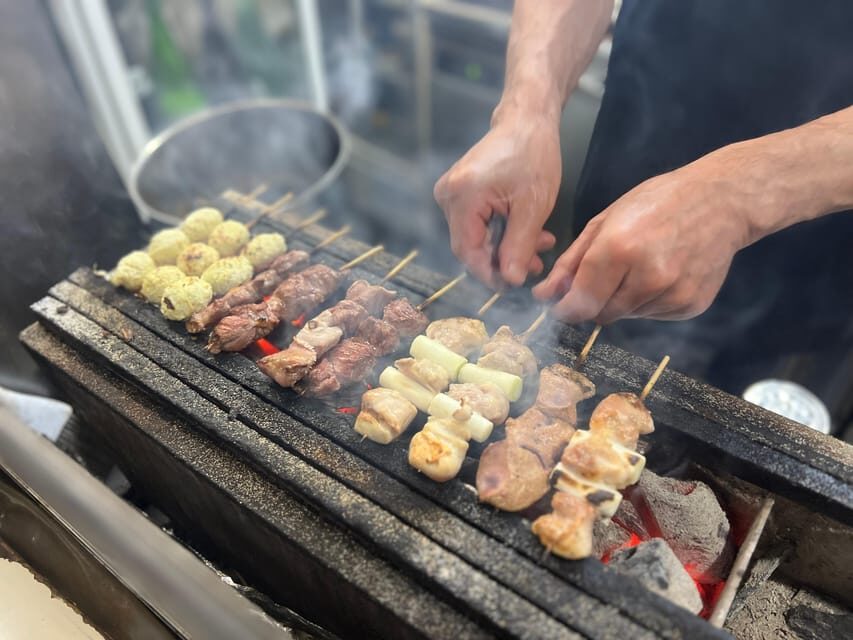
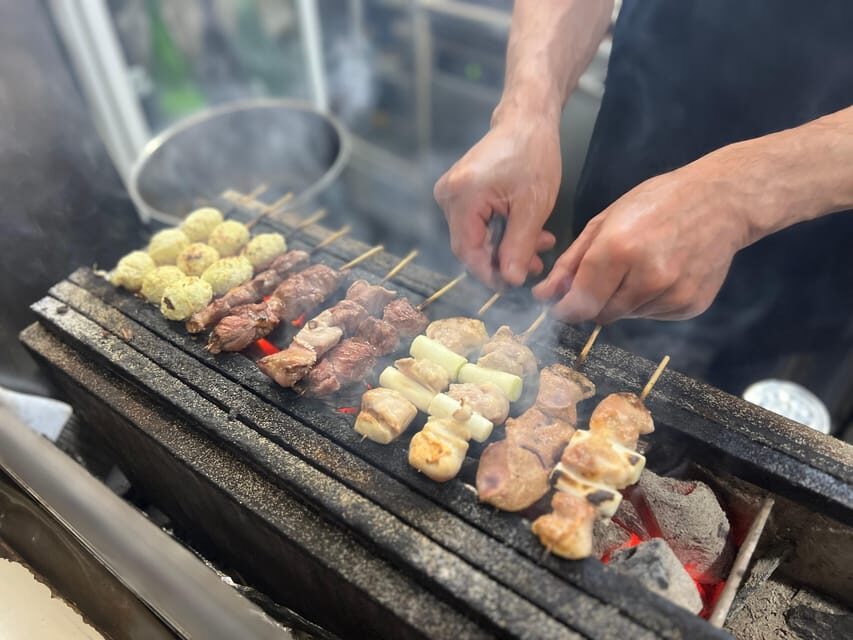
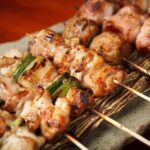
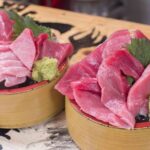
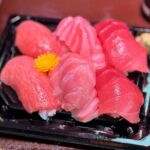
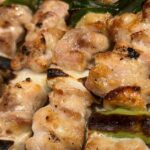
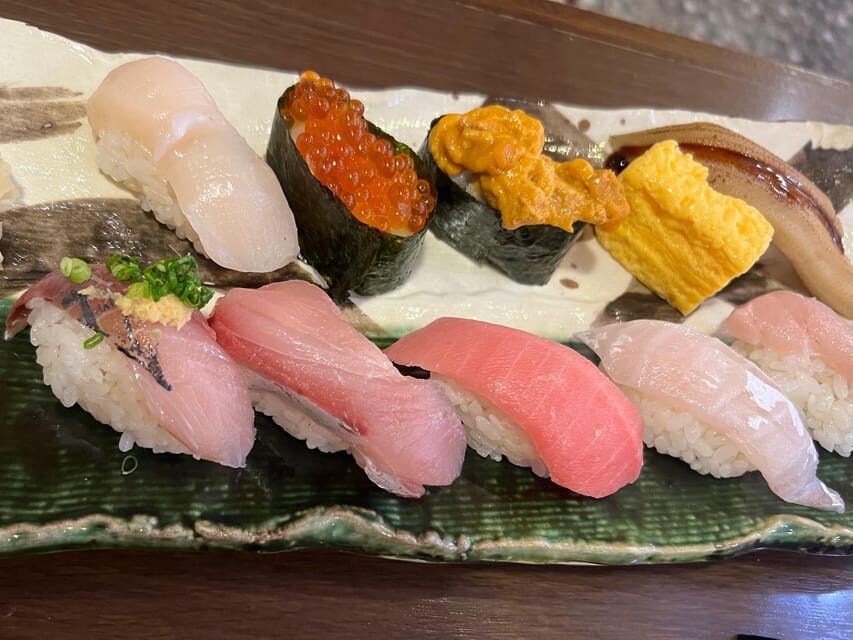
The tour is built around authentic Japanese food and includes traditional desserts. You’ll sample multiple amazing dishes across the three areas, and the goal is to hit the kind of flavors locals actually seek out.
Some people have specifically described eating at three different restaurants during the tour. That lines up with the three neighborhood blocks, so you can reasonably expect a sequence of distinct stops rather than one long meal.
Come with a flexible palate. If you love trying new things, this tour scratches that itch fast. If you have strict allergies or dietary restrictions, you’ll need to check directly with the provider before you go, since the menu details aren’t listed here.
Price and value: why $146 can make sense in Tokyo
At $146 per person for 3 hours, this isn’t a bargain basement deal. You’re paying for three things: access to local spots, a guided route that saves decision-making time, and explanations that make each bite more meaningful.
In Tokyo, the hidden cost of not having a guide is often your time and confidence. You might spend energy searching for restaurants that match your tastes, then lose time figuring out ordering. This tour compresses that work into an organized walk and turns it into food + context.
Also, the small-group limit (up to 10 people) helps the value. You’re not shouted at from across the street. You get a better chance to ask questions and keep the experience personal.
What to bring so the evening stays comfortable
Since this is a walking tour with food stops, you’ll want to plan for comfort rather than sightseeing all day. Bring:
- Comfortable shoes (you’ll be on foot throughout)
- A light jacket or layer (Tokyo temperatures can shift fast by evening)
- A payment plan for anything not included (the tour includes food and desserts, but extra drinks or add-ons may be separate)
If you’re the type who likes to keep your day flexible, this tour’s format fits well. It’s also a nice option if you want food plans without locking yourself into a restaurant reservation.
Who this tour is best for (and who should reconsider)
This tour fits best if you want:
- An easy way to eat in Ginza, Yurakucho, and Shimbashi without map fatigue
- Authentic local dining with an English guide who can explain what you’re eating
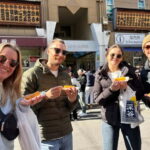
- A social, small-group evening that mixes walking and tasting
It may be less suitable if:
- You need wheelchair accessibility
- You dislike walking or prefer mostly seated experiences
- You’re only interested in one specific food style (this is a broad sampler across regions)
If you’re traveling solo, it can still feel friendly because the group is small and the guide keeps conversation moving. And if you’re traveling with someone who gets overwhelmed by menus, having English guidance can save a lot of stress.
Should you book this Ginza and Shimbashi food tour?
I’d book it if you want Tokyo food that feels practical and local, not random. The route makes sense—three areas in three 50-minute segments—and the guide component is the real payoff. You’ll walk away understanding how Tokyo dining works, not just with a full stomach.
On the other hand, if you want a fully accessible, mostly seated experience, or you’re not comfortable with walking, you should look for a different kind of tour.
If you’re flexible, hungry, and ready to learn while you eat, this one is a strong bet.
FAQ
How long is the Tokyo food tour?
The tour duration is 3 hours.
Where does the tour start?
It starts at Tokyu Plaza Ginza, in front of the BOSS store.
Where should I look for the meeting point from Ginza Station?
When you come up to the ground using exit C2 or C3 of Ginza Station, you should see the BOSS store near the Tokyu Plaza Ginza area.
What areas does the tour cover?
You’ll visit Ginza, then Yurakucho, and then Shimbashi.
Is the tour guided in English?
Yes. It’s a live tour guide in English.
Is it a small group?
Yes. The group is limited to 10 participants.
How much does it cost?
The price is $146 per person.
Can I get a refund if I cancel?
You can cancel up to 24 hours in advance for a full refund.
Is the tour wheelchair accessible?
No, it’s not suitable for wheelchair users.
What kind of food does the tour include?
You’ll enjoy authentic Japanese foods and traditional desserts across the stops.