REVIEW · KYOTO
Kyoto: Historic Higashiyama Walking Tour
Book on GetYourGuide →Operated by Pinpoint Traveler · Bookable on GetYourGuide
Four hours, and Kyoto makes sense fast. I like having a guide right beside me at Fushimi Inari Taisha, and I love the calm switch from temples and bamboo to the view from Kiyomizu-dera. The only real catch: you’ll do some uphill walking, and the tour isn’t set up for mobility needs.
What makes this one click is the way the guide shapes your experience. I’ve seen guides like Hugo who stay helpful even when plans get messy, and guides like Damian or Lito who turn stories into something you can actually picture as you walk. The group stays small (10 people max), so you’re not shouting over a crowd.
Also, it’s good value if you want structure without paying extra for temple entries. Kōdaiji and Kiyomizu-dera are covered, and there’s a short train ride included, but food and drinks are on you.
In This Review
- Key highlights worth your attention
- Starting at JR Inari Station: a simple meeting point that beats confusion
- Fushimi Inari Taisha: walking among torii gates with meaning
- The short hop toward Gion: why the train ride is part of the story
- Gion backstreets: geisha-era atmosphere with real-world context
- Kōdaiji Temple: bamboo grove calm and 17th-century atmosphere
- Higashiyama lanes: Sannenzaka and backstreets you’ll actually remember
- Kiyomizu-dera: the Otowa Waterfall ritual and a big Kyoto view
- How the 4-hour pace works (and when it won’t)
- Price and value: is $106 a good deal for this route?
- What to bring: shoes, zero-stress packing, and a food plan
- Who should book this Higashiyama walking tour?
- Should you book this tour?
- FAQ
- Where is the meeting point for the Kyoto Higashiyama walking tour?
- What’s included in the price?
- Is food and drinks included?
- How long is the tour, and how far is the walking?
- What group size and guide languages are offered?
- Is this tour suitable for people with mobility impairments?
Key highlights worth your attention
- Fushimi Inari’s torii tunnel: see the shrine plus the Senbontorii area with a guide guiding your steps.
- Kōdaiji Temple admission included: bamboo grove and garden serenity, with guided time to slow down.
- Higashiyama lanes like Sannenzaka: walk the backstreets for the classic Kyoto feel and easy souvenir-snack stops.
- Gion context, not just scenery: understand why this entertainment quarter matters today.
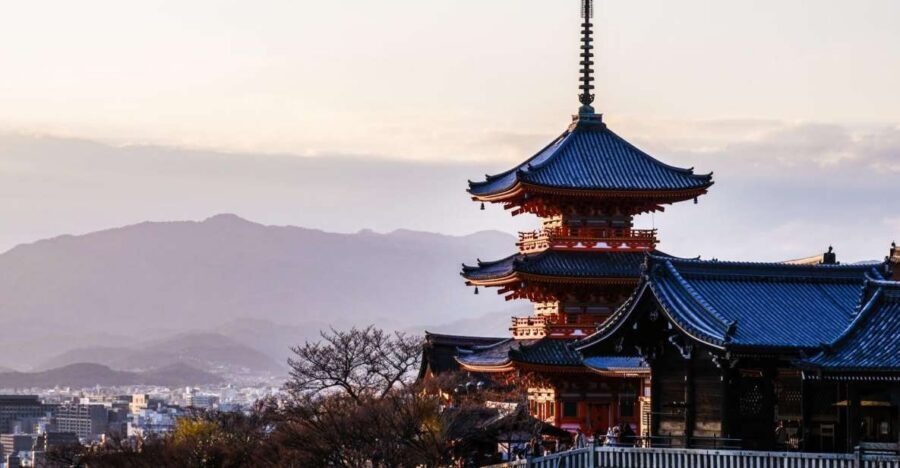
- Kiyomizu-dera and Otowa Waterfall: sample the water and learn the simple wish ritual behind the three streams.
Starting at JR Inari Station: a simple meeting point that beats confusion
You meet just outside the fare gates of JR Inari Station. If you’re coming from another part of Kyoto, you might use the Keihan line and walk a few minutes over, which is a normal way to connect here.
This matters because Higashiyama can feel like a maze if you go solo. With a clear start point and a live guide, you can spend your energy on the sights instead of tracing your route.
Also, you’ll want comfortable shoes. The walking is not described as extreme, but it does include uphill stretches, and temple areas usually come with uneven steps.
You can also read our reviews of more walking tours in Kyoto

Fushimi Inari Taisha: walking among torii gates with meaning
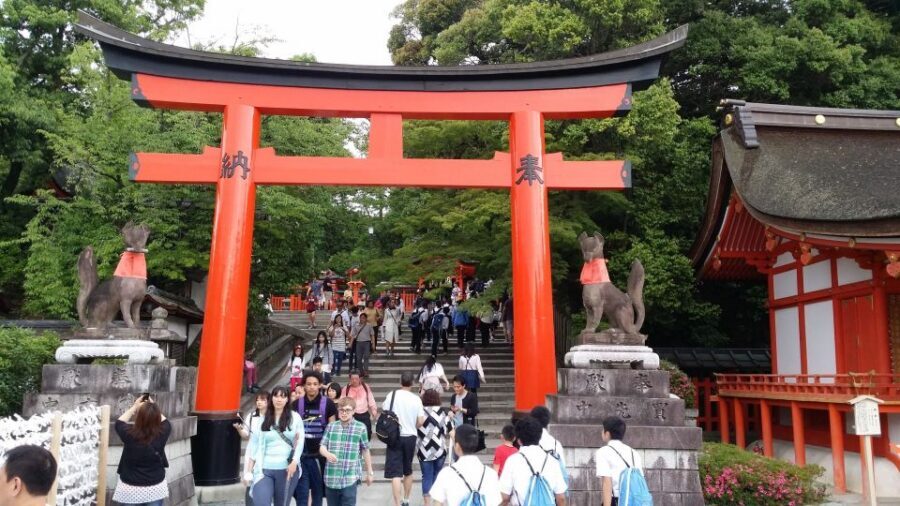
The tour starts at Fushimi Inari Taisha, a Shinto shrine tied to history and culture, in the southern part of the eastern mountain region. You begin with guided time that helps you look past the obvious red gates and understand what you’re seeing.
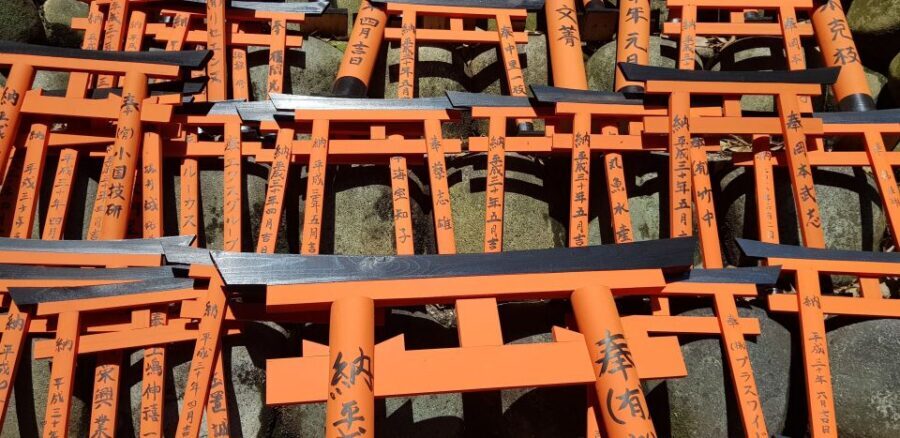
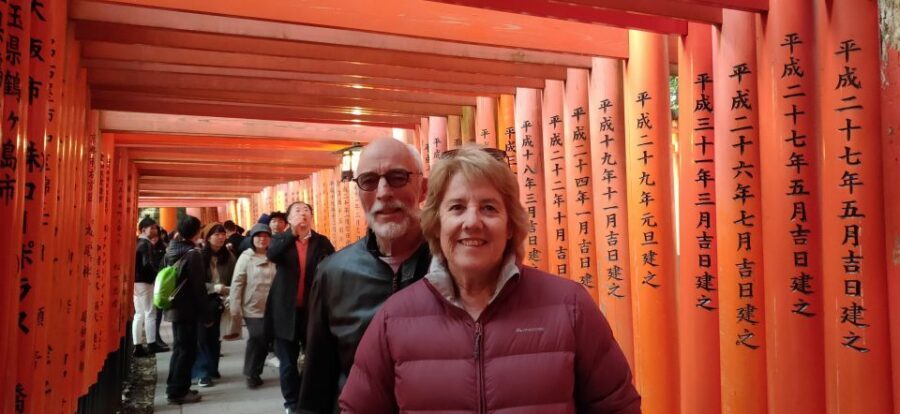
Then you move through the vermilion torii gates that snake up the mountainside—this is the signature Senbontorii experience. The guide’s role here is huge: you’re not just following steps, you’re learning what the shrine represents and why people come back again and again.
One practical tip: if you’re planning photos, bring patience. Torii photo spots look quick on paper, but the path changes constantly as you gain height and angle. A guide helps you avoid walking blindly into dead ends.
The short hop toward Gion: why the train ride is part of the story
After Fushimi Inari, you take a short train ride from Fushimi Inari to Gion. This isn’t just transportation. It’s the moment where the tour shifts from shrine landscape to neighborhood character.
As you move, the guide shares the background of Gion—the historic entertainment district and its role in modern-day culture. You get the sense that this isn’t an old postcard. It’s a living part of Kyoto’s rhythm.
For first-time visitors, this segment is valuable because it gives context. Without it, Gion can look like shops and streets; with it, it becomes a place with purpose.
Gion backstreets: geisha-era atmosphere with real-world context
You spend about 30 minutes in Gion with a guide, which is enough time to understand the neighborhood without turning it into a marathon. You’ll be shown the traditional entertainment quarter and how it fits into the city beyond tourist photos.
Gion is known for evening entertainment, and the guide’s stories help you connect what you see in the street to the larger cultural idea. Even if you don’t plan a full night out, you’ll leave with a clearer picture of how people use this area after daylight.
Look for the small details: street textures, the way lanes fold, and the shift from open temple space to narrower neighborhood streets. That contrast is what makes Higashiyama feel like Kyoto’s “slow reveal.”
Kōdaiji Temple: bamboo grove calm and 17th-century atmosphere
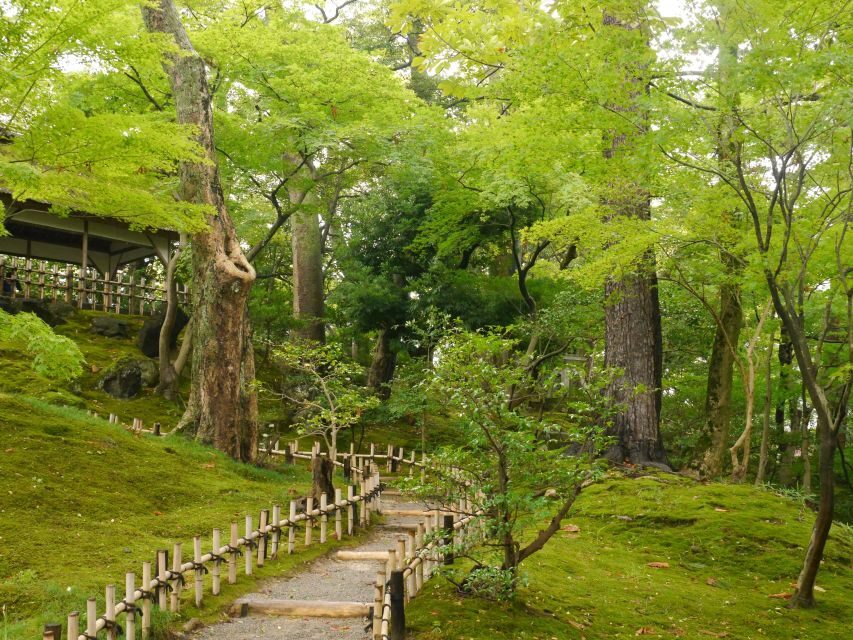
Next comes Kōdaiji Temple, with admission included and guided time of about 40 minutes. This stop is built for that Kyoto pause you didn’t know you needed.
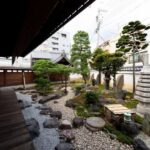
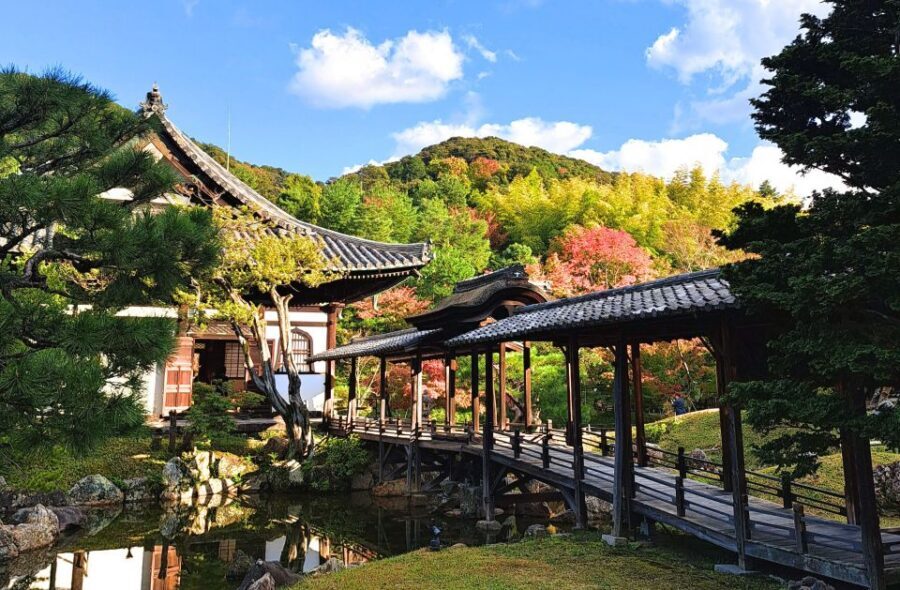
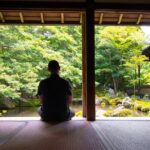
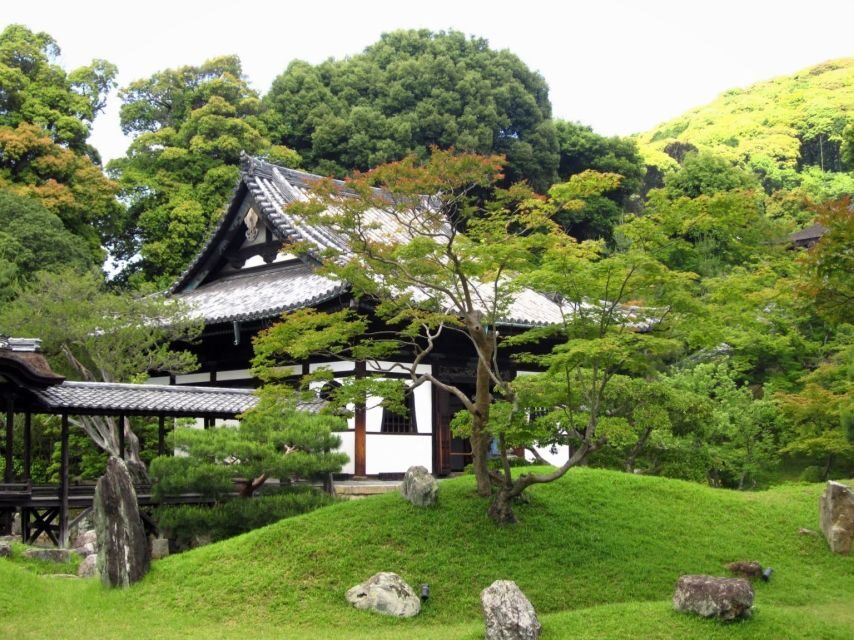
You’re led through the temple complex, including the gardens and bamboo grove. The grounds date back to the early 17th century, and the guide’s pacing helps you notice the feel of the place instead of rushing from one photo point to another.
If you’re sensitive to heat or energy dips, this is also a nice relief point. The reviews highlight that some guides adapt when conditions get tough—so if you start flagging, you’re not stuck in a rigid script.
Practical note: bamboo grove paths can mean more shade and more steps. Keep your pace steady, and don’t sprint for views. The calm here is the point.
You can also read our reviews of more historical tours in Kyoto

Higashiyama lanes: Sannenzaka and backstreets you’ll actually remember
After Kōdaiji, you shift into the walking texture that makes Higashiyama famous. You’ll explore Sannenzaka and other nearby backstreets, with time built in to grab snacks or souvenirs along the way.
Sannenzaka isn’t just a name on a map—it’s a feeling. The street layout encourages slow strolling, with lots of small storefront energy and classic Kyoto atmosphere around you. Even if you only spend part of the time window browsing, it helps break up the heavy temple sequence.
Also, this is where the uphill walking becomes more noticeable. The tour notes that it’s not exceptionally steep, but it still counts. If you’re traveling in warmer months, plan to slow down when your legs start talking.
Kiyomizu-dera: the Otowa Waterfall ritual and a big Kyoto view
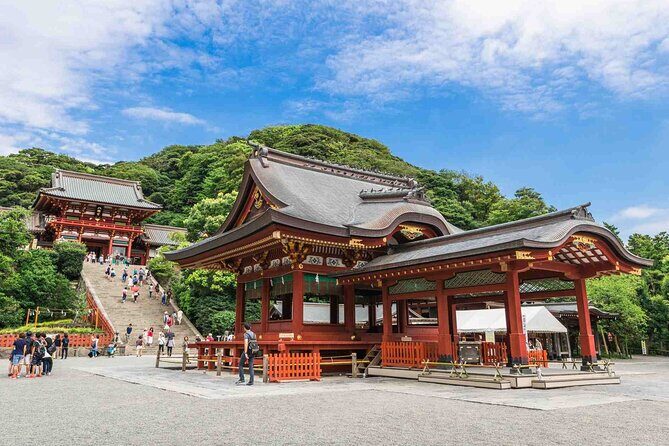
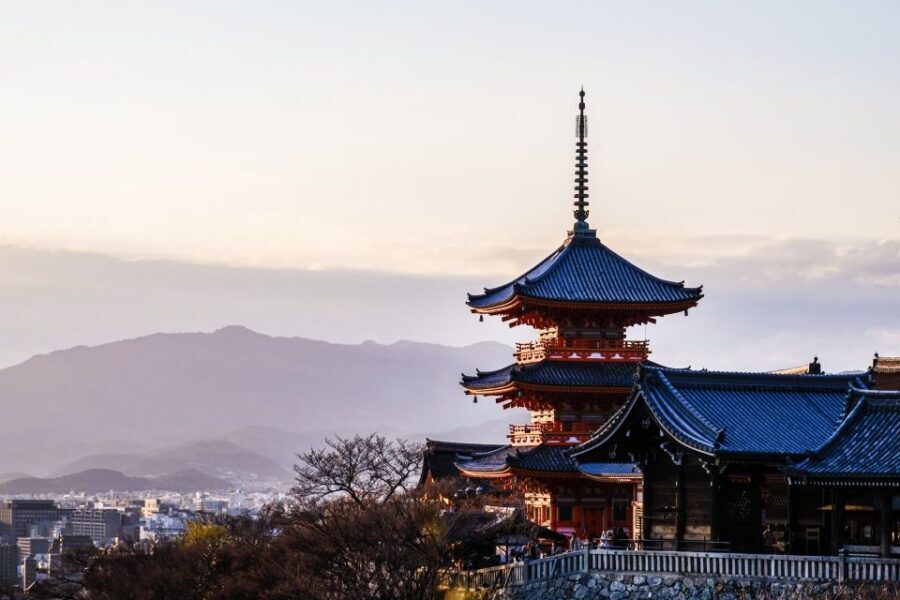
The final highlight is Kiyomizu-dera, with admission included and about 30 minutes guided. This is the stop people talk about for a reason: the temple is famous for clear water flowing from the mountains into the Otowa Waterfall.
Here’s the part you can experience: you can take the opportunity to sample the water yourself. The tradition is that the three divided streams bring different kinds of outcomes—health, wealth, or happiness. And yes, the tour information includes the warning that if you’re greedy, none of the wishes are said to come true.
Then there’s the other reason Kiyomizu-dera earns hype: the spectacular view of Kyoto. Your guide helps you orient yourself so you’re not just staring upward. You’ll understand what you’re looking at, at least enough to make the view feel meaningful.
If the day is clear, this is the moment to linger—just don’t forget you’re still on a structured timeline.
How the 4-hour pace works (and when it won’t)
A 4-hour walking tour is a sweet spot for many visitors: long enough to cover major icons, short enough to keep the energy sane. You’ll hit Fushimi Inari Taisha, Gion, Kōdaiji, and Kiyomizu-dera, plus the lane walking between.
The small-group format (up to 10 participants) helps with two things:
- You can ask questions without feeling invisible.
- The guide can adjust if someone is struggling with heat, energy, or pace.
The main downside is simple: it’s not suitable for people with mobility impairments. There’s uphill walking, and luggage or large bags aren’t allowed. If you travel light and you can handle a steady walking pace, this format is very doable.
Another consideration: food and drinks aren’t included. That’s not a deal-breaker, but you should plan a snack pause during your free time in the streets, or bring something small before you start.
Price and value: is $106 a good deal for this route?
At $106 per person for about 4 hours, you’re paying for three core things: a live guide, guided entry to two major temples, and a train ticket. For Kyoto, that’s often where the hidden costs show up if you DIY—temple admissions, transit time, and the lost hours that come from not knowing the story behind what you’re seeing.
This tour includes admission fees for Kōdaiji and Kiyomizu-dera, plus the train ride from Fushimi Inari to Gion. Those inclusions matter because they remove friction. You don’t need to hunt tickets while you’re already in motion.
What’s not included is also clear: food and drinks. So the best value is when you budget for simple street snacks along Sannenzaka or plan a meal afterward.
If you’re the kind of traveler who likes learning while walking, the price feels fair. If you mainly want to wander at your own speed with no structure, a self-guided route might be cheaper.
What to bring: shoes, zero-stress packing, and a food plan
Bring comfortable shoes. That sounds obvious, but temple areas and stone steps punish cheap soles.
Also remember the rule: no luggage or large bags. Keep your day bag compact so you can move easily through temple areas and along narrower lanes.
Since food and drinks aren’t included, decide how you want to handle the street segments. The Sannenzaka area is the perfect time for a small snack stop, and you’ll likely find places for souvenirs right there—so you don’t have to plan extra detours.
Who should book this Higashiyama walking tour?
This is a strong fit if:
- It’s your first time in Kyoto and you want a guided route that connects shrine culture to neighborhood life.
- You like history, customs, and stories you can use to interpret what you see.
- You want a small group experience instead of getting swept along.
It’s also family-friendly in the sense that the tour style is engaging. One of the guide-centered highlights in the feedback I saw was how guides kept kids involved with stories and rituals, which makes this more than a quiet adult-only walk.
It’s not a good fit if:
- You need mobility-friendly routes.
- You can’t handle uphill walking or a steady pace for about four hours.
Should you book this tour?
I’d book it if you want Higashiyama to feel like Kyoto with context, not just a checklist. The combo of Fushimi Inari’s torii path, Kōdaiji’s bamboo calm, Gion’s entertainment-district background, and Kiyomizu-dera’s Otowa Waterfall ritual and views is a smart way to cover the essentials in one go.
I’d skip it if you’re traveling ultra-slow, need step-free access, or you’d rather control every step and stop. For everyone else who can wear good walking shoes and handle a bit of incline, this is a solid, high-value way to understand Kyoto quickly.
FAQ
Where is the meeting point for the Kyoto Higashiyama walking tour?
You meet just outside the fare gates of JR Inari Station. If you’re coming from another area, it may make sense to use the Keihan train line and walk a few minutes to the JR station.
What’s included in the price?
The tour includes entry fees for Kōdaiji Temple and Kiyomizu-dera, and a train ticket from Fushimi Inari to Gion.
Is food and drinks included?
No. Food and drinks are not included, so you’ll want to plan snacks or a meal on your own, especially during the Sannenzaka area.
How long is the tour, and how far is the walking?
The duration is 4 hours. There is some uphill walking, but it’s described as not exceptionally steep or demanding.
What group size and guide languages are offered?
The tour is a small group limited to 10 participants. The live guide is available in French, Hebrew, Spanish, and English.
Is this tour suitable for people with mobility impairments?
No. It is not suitable for people with mobility impairments. It also doesn’t allow luggage or large bags.