REVIEW · KYOTO
Kyoto: Full Day Bike Tour
Book on GetYourGuide →Operated by Cycle Kyoto · Bookable on GetYourGuide
Kyoto feels made for bike rides. This full-day tour connects famous icons like Kinkaku-ji to quieter Kyoto neighborhoods, with English-speaking guides who have real long-term Japan experience. I love the mix of major sights plus backstreets, and I love how the pacing still leaves you time to feel the city instead of just collecting stamps. One thing to consider: it’s a proper cycling day, and it’s not set up for people who can’t ride a bike.
After bike fitting at Cycle Kyoto, you start at Toji (Kyoto’s oldest temple), then roll through central shopping streets and garden paths before hitting Golden Pavilion with the entry fee included. In recent groups led by guides such as Shawn, Juan, Karl, and Jay, the day has also leaned into stories and local context that make each stop click. If you’re sensitive to timing, it’s also a tour that starts 9:30 AM sharp, so plan to be there early and ready to roll.
The route aims to be low-stress in traffic with safe routing and cross bikes from brands like Giant and Trek. You can also request an e-bike if you want less effort for the hills and pacing. Finally, remember this isn’t for everyone: it’s not suitable for children under 12, pregnant women, or anyone who can’t ride confidently.
In This Review
- Key things I think you’ll care about
- How the day starts at Cycle Kyoto (and why bike fitting matters)
- Toji Temple: the “old Kyoto” opener for your bike day
- Nishihonganji: moving from a landmark to a calmer temple mood
- Sanjo Arcade, Shinsen-en gardens, and Kitano Tenmangu Shrine: the Kyoto-between-the-headlines stretch
- Golden Pavilion (Kinkaku-ji): what you get with paid entry and focused timing
- Lunch near the Imperial Palace: a break that keeps the day moving
- Kamo River to Gion: backstreets, photo stops, and respectful city wandering
- Tofukuji Temple and the Fushimi Inari finish: ending with the gates and the feeling
- Bikes, e-bikes, and comfort: who should choose what
- Price and value: what $116 buys you in real terms
- Weather, pacing, and expectations for a full-day ride
- Who this tour fits best (and who should skip it)
- Should you book the Kyoto Full Day Bike Tour?
- FAQ
- What time does the tour start?
- Where does the tour begin?
- What kind of bikes are provided?
- Can I request an e-bike?
- Are helmets included?
- What entrance fees or meals are included?
- How big is the group?
- What should I bring for the ride?
- What happens in heavy rain?
- Can I get a refund if I change plans?
- Who isn’t able to join the tour?
Key things I think you’ll care about
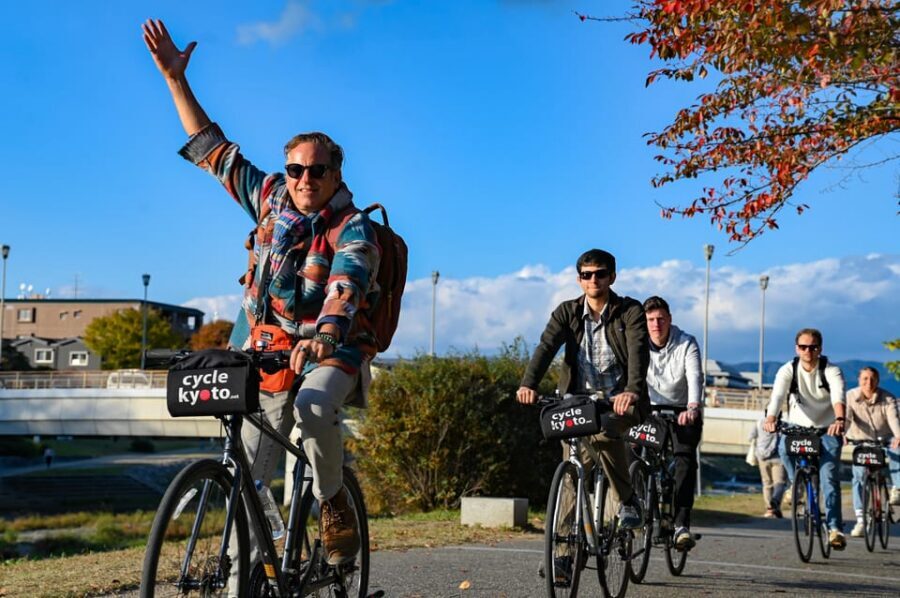
- Small group (up to 9) means more attention and easier bike management through tight streets
- Giant/Trek cross bikes, plus helmets, and e-bikes on request for those who want a lighter day
- Golden Pavilion entry included, so you don’t waste time lining up or paying separately
- Lunch is included and is typically a traditional Japanese restaurant stop
- A route that blends big-ticket sights with local neighborhoods and backstreets
- English guides who have lived in Japan for a considerable time, often adding useful, practical context
How the day starts at Cycle Kyoto (and why bike fitting matters)
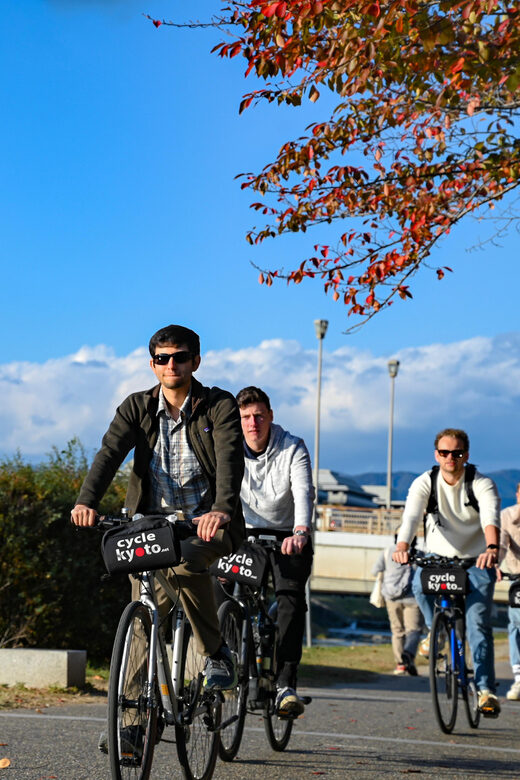
Meet at Cycle Kyoto and expect a short safety briefing right after you’re fitted to your bike. That fitting part sounds basic, but it matters in Kyoto. If your seat height and handlebar reach are off, the whole day feels tiring—especially when you’re doing stop-and-go temple visits and then remounting for another stretch.
You’ll want to show up early because the tour starts at 9:30 AM sharp. If you’re 5 or 10 minutes late, you’ll feel it immediately, since the group moves as one. I’d plan to arrive about 15 minutes early, not just to be polite, but so you can get comfortable before the ride begins.
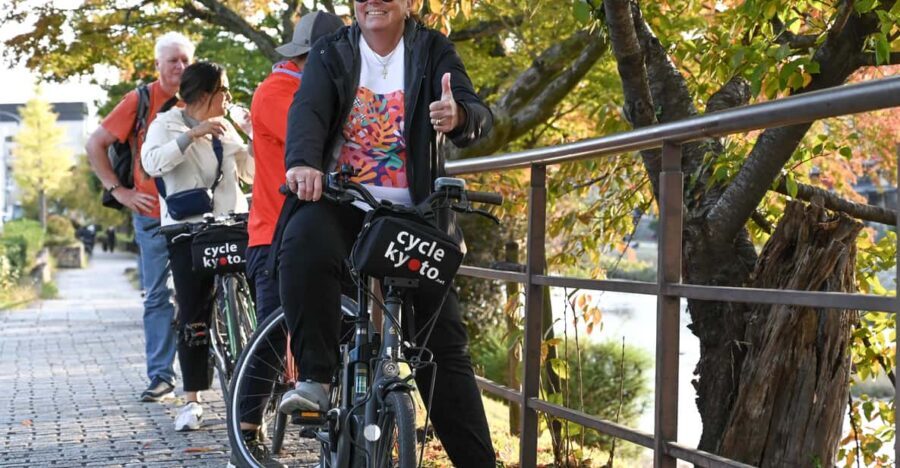
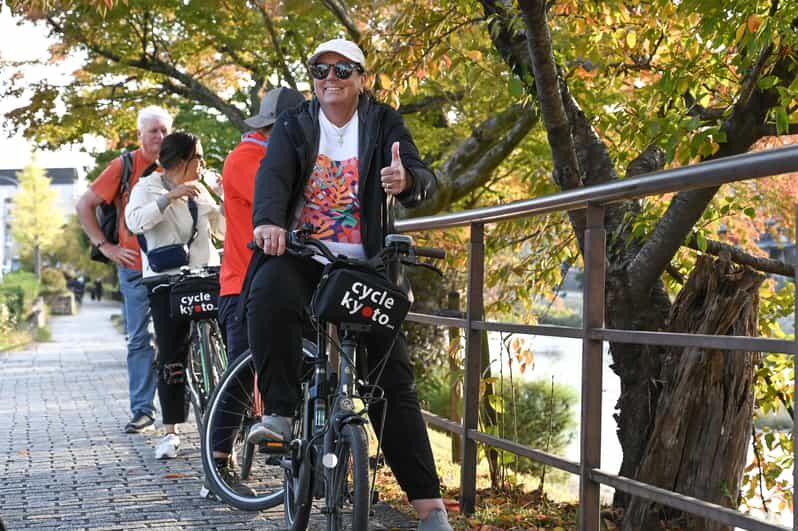
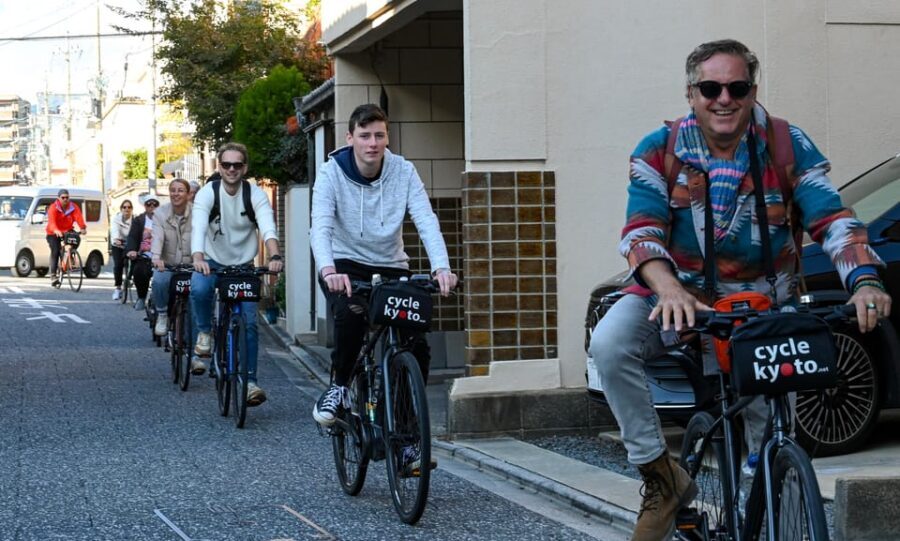
The bikes are described as well-maintained cross bikes made by Giant and Trek. Those are a smart choice for a mixed surface day: you’re on city roads, but also moving through neighborhood lanes where you need stability more than speed.
You can also read our reviews of more cycling tours in Kyoto
Toji Temple: the “old Kyoto” opener for your bike day
Your first major stop is Toji, Kyoto’s oldest temple. Even if you’ve seen lots of temples in Japan, Toji works as a reset point. It’s an early anchor that sets the tone: you’re not just cycling through pretty streets—you’re starting in the Kyoto that feels established and long-running.
You’ll have about 30 minutes to visit with a guided focus. That’s enough time to orient yourself: what the temple area is about, how the grounds are laid out, and which details are worth your camera time. The benefit of starting here is simple: your legs and attention are still fresh, so you can actually take it in.
A potential downside: because this is the first stop after fitting, you may still be getting used to your bike comfort. Keep an eye on how your wrists feel on the first ride segment so you can adjust if needed.
Nishihonganji: moving from a landmark to a calmer temple mood
After Toji, the ride to Nishi Honganji is quick—about 10 minutes—and then you get guided time (around 50 minutes). This is a good second act because it shifts your attention from the temple-as-famous-picture to the temple-as-place-with-meaning.
What I like about this pacing is that you’re not overstuffed immediately with multiple “big” stops. You get one strong opener, then another temple with a longer guide-led walkthrough.
In a city where you’ll see many religious sites, the guided structure helps you avoid the common problem: snapping photos while missing why a particular building matters.
Sanjo Arcade, Shinsen-en gardens, and Kitano Tenmangu Shrine: the Kyoto-between-the-headlines stretch
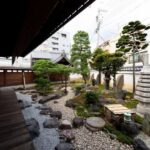
From there, you ride north through central shopping streets, including the Sanjo Shopping arcade, and then head to Shinsen-en gardens. This middle portion is where the tour earns its reputation for showing more than the obvious hits.
The Sanjo arcade experience is less about individual landmarks and more about momentum. You move through a lively, human-scale part of Kyoto where you can pick up on everyday life—small shops, street rhythm, and that feeling of being inside the city rather than touring past it.
After the gardens, you arrive at Kitano Tenmangū Shrine for about an hour. Shrines have their own logic—gates, offerings, the flow of visitors—and Kitano is a satisfying stop because it feels less like a checklist item and more like a place where Kyoto habits show up in your line of sight. The guided time also helps you slow down without feeling like you’re stuck waiting around.
Golden Pavilion (Kinkaku-ji): what you get with paid entry and focused timing
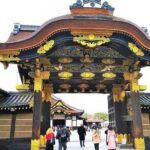
Next up is Kinkaku-ji, the Golden Pavilion, where entry is included. You’ll have about one hour total here. That matters because Kinkaku-ji is one of those places where time can disappear in lines or in the effort of trying to coordinate the day yourself.
With an included fee and guided guidance, you can focus on the experience instead of logistics. Also, the plan calls for around 25 minutes exploring with the included entry, which is a realistic window: long enough to see the pavilion angle you came for, but not so long that you fade out halfway through.
One practical consideration: this is the kind of stop where crowds can happen. The value of a structured tour is that you’re guided through the visit so you don’t get stuck trying to figure out where to go next while also competing for sight lines.
A few more Kyoto tours and experiences worth a look

Lunch near the Imperial Palace: a break that keeps the day moving
After you ride east toward the Imperial Palace, you stop for traditional Japanese lunch (included). Lunch duration is about one hour, which is generous enough to eat properly rather than grabbing something and immediately rushing off.
In past departures, people have praised lunch that feels like something you might not find on your own—one group noted ramen with a special duck broth, for example. Even when the exact restaurant varies depending on availability, the plan stays the same: traditional food and enough time to refuel without turning lunch into a second half-day.
This lunch stop matters because the afternoon in Kyoto is when legs start to feel it. A proper pause is part of why this tour works as a full-day bike option.
Kamo River to Gion: backstreets, photo stops, and respectful city wandering
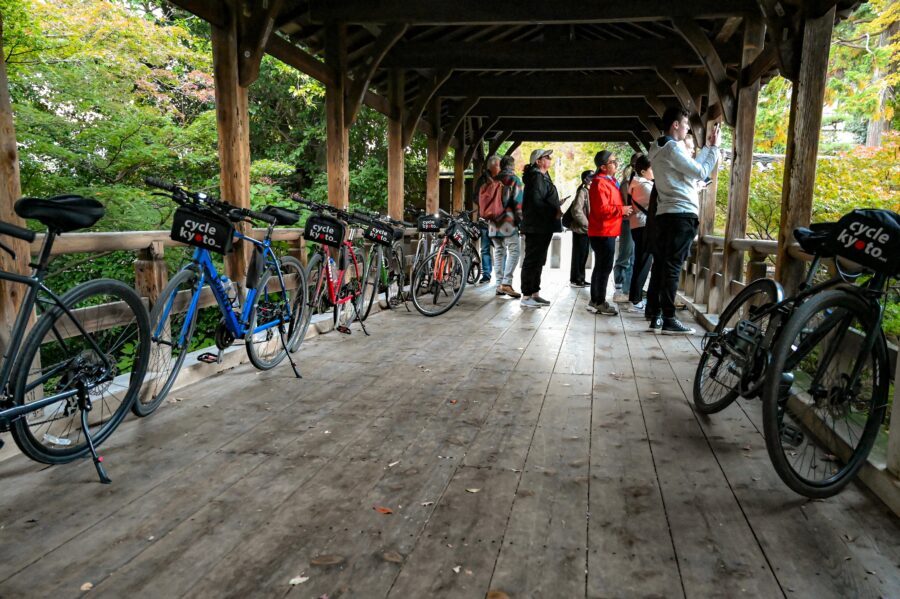
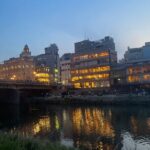
After lunch, you shift to the Kamo River, including a photo stop of around 40 minutes. This is a great mental break. Bike rides give you motion; riverside stops give you time to watch. Kyoto’s river edges often feel like a different pace from the temple blocks, and the photo stop gives you a buffer between major sights.
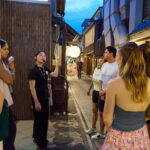
Then you head south into Gion, Kyoto’s famous geisha district, with a guided walkthrough (about one hour). Here’s what I like about this section: you’re not doing Gion as a theme park. You’re biking and walking through neighborhood lanes and backstreets, which helps you see the district as a living place rather than only a postcard corridor.
A consideration: Gion is well-known, so keep your expectations realistic. The tour’s value is the guided routing and the chance to understand what you’re seeing as you move through.
Tofukuji Temple and the Fushimi Inari finish: ending with the gates and the feeling
After Gion, you stop for Tofukuji Temple (about 30 minutes for a photo stop). This is a smart “pause” type moment: enough time to enjoy the visual atmosphere without letting the day drag.
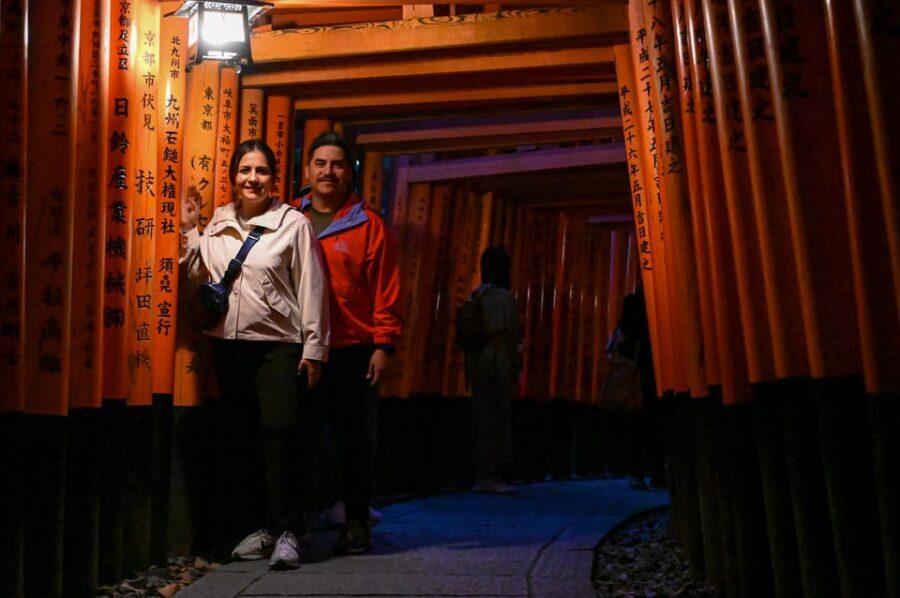
Then comes the final big emotional payoff: Fushimi Inari Taisha Shrine and the iconic Senbontorii gates. You’ll have guided time of about one hour here. This is the part of Kyoto that feels almost mythic—rows of torii gates changing the way you read the space as you move.
Why ending here works: you’re saving your most visually distinctive experience for last, when you’ll appreciate it more because you’ve built the day around movement and storytelling.
One practical note: torii gate areas can involve lots of walking even if you’re on a bike tour overall. Comfortable shoes help because you’ll be mixing bike time with walking grounds and photo stops.
Bikes, e-bikes, and comfort: who should choose what
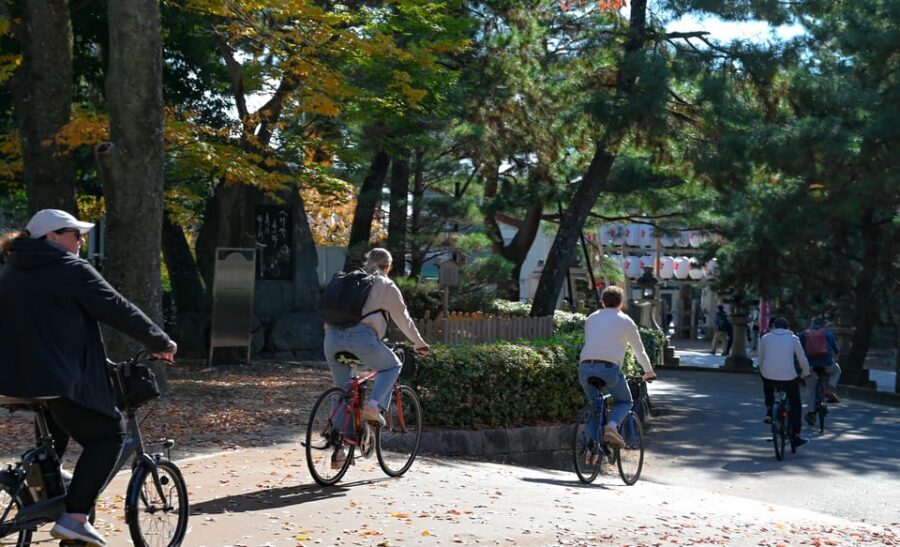
This tour uses Giant and Trek cross bikes, which are typically stable and practical for city riding. In other words: you’re not bouncing around on something designed for racing.
If you request an e-bike, you’ll likely enjoy less effort on longer stretches. Still, one review noted that even without an e-bike, the ride felt manageable because Kyoto is fairly flat in the places you’ll cycle—though that depends on how your body feels that day.
What I recommend:
- If you’re comfortable on city bikes and want to save cost, a standard bike is often fine.
- If you want to arrive at temples feeling fresh (or your bike confidence is only okay), choose an e-bike when available.
Price and value: what $116 buys you in real terms
At $116 per person for about 450 minutes (roughly 7.5 hours), the value comes from the combination:
- Bike rental and helmet
- Golden Pavilion entry (so you’re not paying out of pocket)
- Traditional lunch included
- English live guide and a guided route that connects multiple areas in one day
For Kyoto, where you can easily spend time organizing transit and timing between distant sights, this kind of route is a money-saver in disguise. You’re paying to remove decision fatigue: where to go next, how to connect neighborhoods, and how to avoid wasting the day on logistics.
Also, the small group limit of up to 9 participants adds value. You’re not squeezed into a huge herd, and bike coordination in tight streets is easier.
Weather, pacing, and expectations for a full-day ride
The tour doesn’t operate in all weather conditions. Heavy rain can trigger cancellation, and refunds are provided in those cases. That matters because cycling and temples don’t mix well with downpours—wet sidewalks and slick paths turn a fun day into a grumpy one fast.
Pacing-wise, this is a full day, not a “quick highlights” version. You’ll ride between major blocks, then spend time walking and photos at several stops. One reviewer clocked a distance of a little over 18 miles plus walking through mini sections at sites, which gives you a realistic sense of effort.
So pack for a long day:
- Comfortable shoes
- Hat, sunscreen
- Water
- Camera
- Minimal personal items (bike storage is limited)
Larger luggage can be left in the secure shop space.
Who this tour fits best (and who should skip it)
This is a strong fit if you want:
- A high-structure day that still feels like Kyoto’s neighborhoods, not just monuments
- English guidance and context at temples and shrines
- A small-group atmosphere for easier navigation
It’s less suitable if you:
- Can’t ride a bike confidently
- Are traveling with children under 12
- Are pregnant (not suitable per tour info)
If you’re short on time and high on energy, this “all-you-can-Kyoto” format is built for you. If you prefer a slow, museum-style day with long rests and no cycling, you may find it too active.
Should you book the Kyoto Full Day Bike Tour?
Yes, I’d book it if you want one day where Kyoto’s big-name sights and quieter neighborhoods are connected by a fun transport method. The included Golden Pavilion entry and traditional lunch help make the price feel fair, and the small group plus fluent English guides keep the day smooth.
I’d think twice if you’re not comfortable riding for hours or if weather volatility would stress you out. Also, show up ready: the tour starts 9:30 AM sharp, and the day only works if everyone stays on schedule.
If you do book, bring comfortable shoes, plan for a long-but-good day, and use the guide time. The best part of a bike tour is not just moving fast—it’s using that movement to understand how Kyoto connects.
FAQ
What time does the tour start?
The tour starts at 9:30 AM sharp. You’re asked to be 15 minutes early.
Where does the tour begin?
You’ll start at Cycle Kyoto.
What kind of bikes are provided?
The tour provides well-maintained cross bikes made by Giant and Trek.
Can I request an e-bike?
Yes. E-bikes are provided upon request.
Are helmets included?
Yes. The tour includes helmets.
What entrance fees or meals are included?
Entrance fee to the Golden Pavilion and a traditional Japanese lunch are included.
How big is the group?
It’s a small group, limited to 9 participants.
What should I bring for the ride?
Bring comfortable shoes, a hat, camera, sunscreen, and water.
What happens in heavy rain?
The tour doesn’t operate in all weather conditions, and in case of heavy rain it will be cancelled with refunds provided.
Can I get a refund if I change plans?
Yes. There’s free cancellation up to 24 hours in advance for a full refund.
Who isn’t able to join the tour?
The tour is not suitable for children under 12, pregnant women, or anyone who can’t ride a bike.