REVIEW · KYOTO
E-Bike Tours of the highlights of Kyoto!!!
Book on Viator →Operated by Kyoto Fun · Bookable on Viator
Kyoto by bike beats the crowd shuffle. This Kyoto highlights tour turns the map into a rideable route, so you see major stops with a guide and included e-bike rental. I like the small-group feel (max 8, and the tour style keeps it under six during the ride), which means more time for questions and fewer bottlenecks at key gardens.
One possible drawback: you’re still cycling for stretches, so it helps if you have moderate fitness and feel comfortable on city roads, even with the e-bike doing most of the work.
In This Review
- Key things to know before you ride
- Kyoto by e-bike: what you’re really buying
- Getting started at Kyoto Fun and meeting your guide
- The East Side course: Heian Shrine, Ginkaku-ji, and the Philosopher’s Walk
- East course watch-outs (small, practical)
- The West Side course: Golden Pavilion, Arashiyama Bamboo Forest, and Ryoan-ji
- West course watch-outs (small, practical)
- Riding through Kyoto streets: safety, comfort, and pacing
- A practical tip for your comfort
- What the guides add: Philippe, Kevin, and Niall’s impact
- Lunch plan: what to do since it’s not included
- Price and value: why $109.43 can make sense here
- Who should book this Kyoto e-bike highlight tour
- Should you book it? My quick verdict
- FAQ
- How long is the Kyoto e-bike highlights tour?
- What’s included in the price?
- Is lunch included?
- Which major sights are on the route?
- Are admission tickets included for temples?
- How big is the group?
- Does the tour run in any weather?
Key things to know before you ride
- Two route options (East or West course): you’ll cover signature Kyoto highlights with different temple/journey combos
- Iconic stops with time to breathe: temples and gardens get real visiting time, not just a drive-by photo stop
- Admission is partly included: some stops include entry tickets while others are free to visit
- Guide-led timing: the pacing is built around walking time, photo stops, and keeping the ride manageable
- Arashiyama + Golden Pavilion combo: you get both the Bamboo Forest and the Golden Pavilion in the West course
- Weather matters: the experience needs good conditions, or it’s rescheduled or refunded
Kyoto by e-bike: what you’re really buying
This isn’t a “race through Kyoto” kind of tour. The value is in the mix: major sights, plus the kind of route that gets you out of the easiest tourist bottleneck loops. You’re biking between neighborhoods and then slowing down at each stop to actually look, walk, and listen.
The e-bike changes the whole experience. In a city known for dense streets and maze-like lanes, the ride helps you stay oriented without spending your day in taxis or waiting for transit. And because the guide is handling the route, you don’t have to worry about missing turns and ending up somewhere charming but confusing.
You can also read our reviews of more cycling tours in Kyoto


Getting started at Kyoto Fun and meeting your guide
You meet back at Kyoto Fun E-Bike Tours & Rentals at 222-2 Koyamachō, Kita Ward, Kyoto (and you return there at the end). It’s near public transportation, which matters if you’re hopping between districts during your stay.
The tour runs roughly 3 hours 30 minutes to 6 hours, with about 5.5 hours as the typical total. The group cap is up to 8 travelers, and the tour concept is geared toward no more than six, so plan for a friendly, not-too-crowded ride.
Guides are a big part of the experience. I’ve seen names pop up often, like Philippe, Kevin, and Niall, and the recurring theme is that they’re there to connect the places to real daily life: temple rituals, local neighborhoods, and the meaning behind what you’re seeing.
The East Side course: Heian Shrine, Ginkaku-ji, and the Philosopher’s Walk
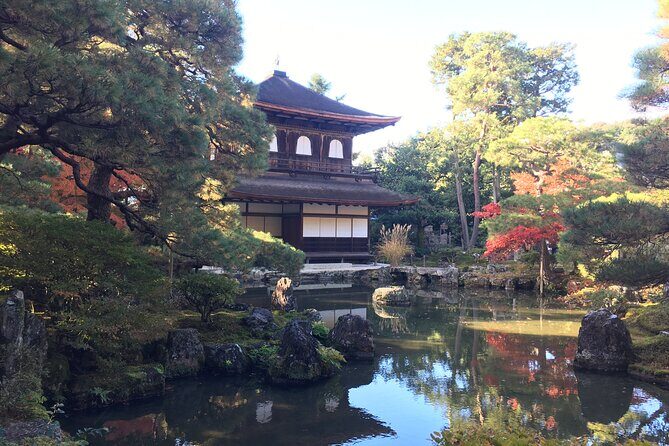
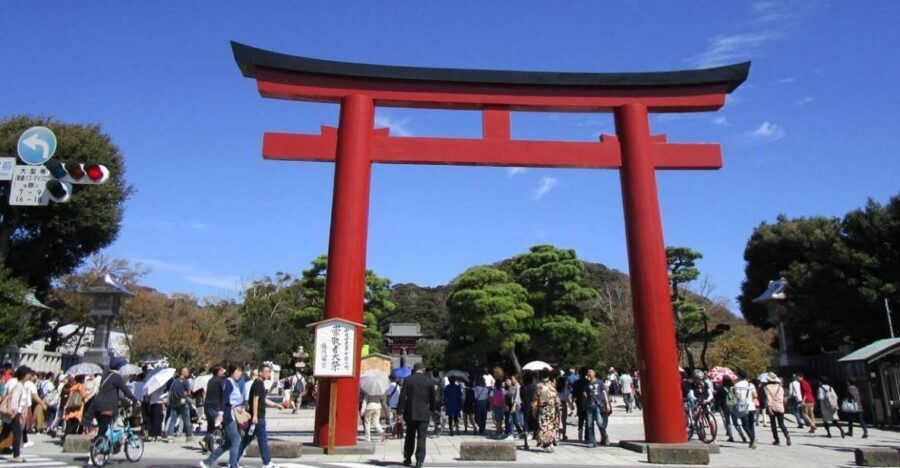
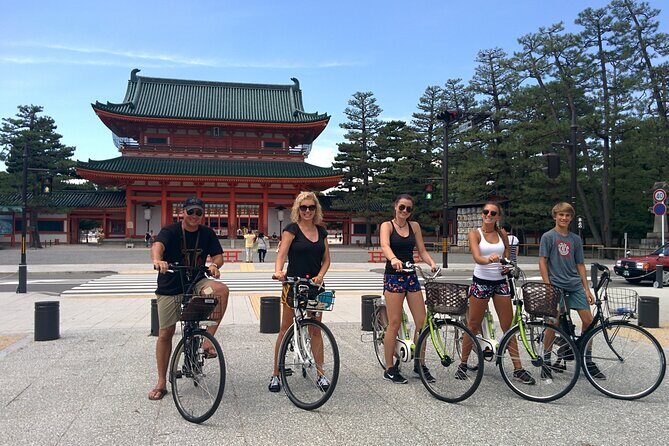
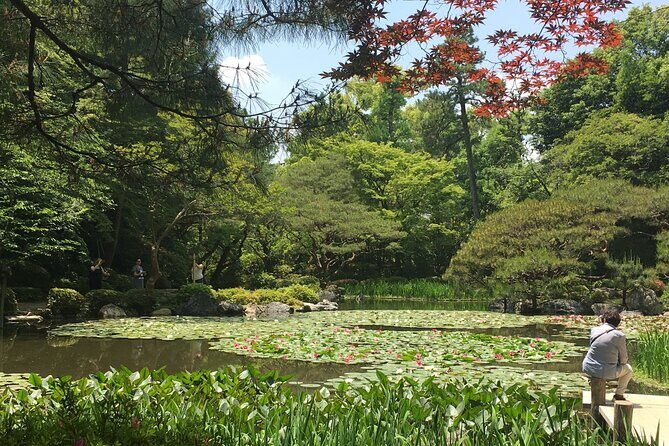
If you’re doing the East Side course, the day starts at Heian Shrine for about 1 hour. This is a shrine recreation of the old imperial capital, and one standout is the hidden garden with three big ponds. It’s a nice early break from the busiest Kyoto vibes because it’s built for strolling and quiet looking.
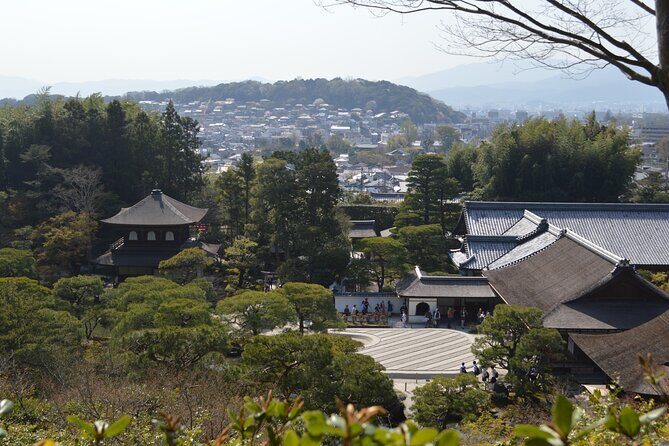
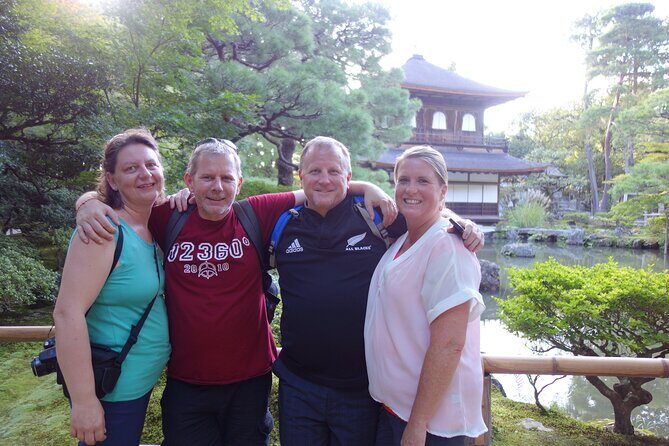
Next comes Ginkaku-ji (Silver Pavilion) for about 1 hour, with entry included. This stop is famous for its Zen garden design, and you’ll get time to see the space as a crafted landscape for contemplation rather than just a background for a selfie.
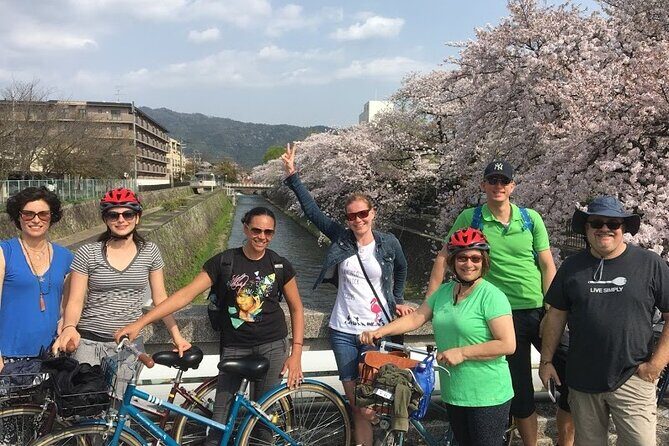
Then you move to the Path of Philosophy (Philosopher’s Walk) for about 40 minutes. This part is noted as only visited on the East Side course, and it’s a calmer stretch along a canal with green scenery. One practical note: you’ll likely do this as a mix of riding to the area and then walking, so wear shoes that are comfortable for slow strolling.
East course is a great pick if you want Kyoto’s garden-and-temple rhythm in a way that feels less rushed.
East course watch-outs (small, practical)
- Expect walking time at temples and gardens, even if you’re on an e-bike for the transfers
- If you’re sensitive to crowds, the East Side can feel calmer than the most famous central streets, but timing can still affect how busy any stop feels
The West Side course: Golden Pavilion, Arashiyama Bamboo Forest, and Ryoan-ji
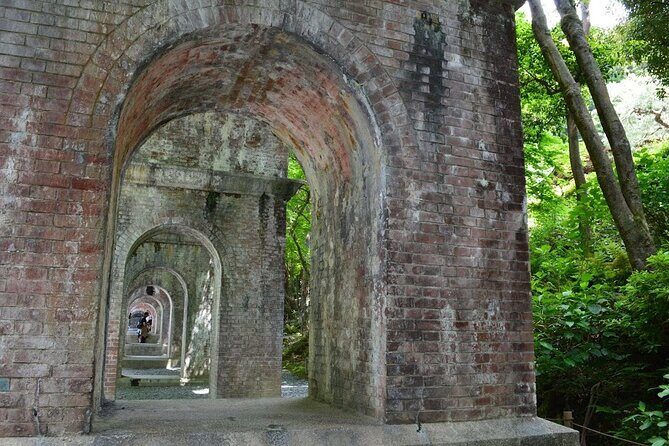
The West Side course leans hard into Kyoto’s headline scenery. You’ll start with Kinkaku-ji (Golden Pavilion) for about 45 minutes. Entry is included here, and the big draw is the pavilion covered with real gold leaf (the tour description notes over 20kg). Even if you’ve seen photos before, being there in person makes it feel less like a picture and more like a physical object with light bouncing off it.
Next is Arashiyama Bamboo Forest for about 30 minutes (free to visit on this tour). The ride and surrounding area help set context, but the time here is intentionally short, because bamboo forests can turn into crowd bottlenecks fast. You’ll want to use the guide’s timing so you don’t spend your whole visit stuck in the densest lane of people.
Then comes Ryoan-ji for about 40 minutes with admission included. This is one of the most famous sand and rock gardens in the world. The key here is what you’re guided to notice. With the guide’s explanations, the garden stops feel less like a puzzle with no answer and more like an intentional experience designed for shifting perspective.
The West course is ideal if you want the biggest “wow” hits in one day, with Kyoto’s variety in a fairly tight loop.
A few more Kyoto tours and experiences worth a look


West course watch-outs (small, practical)
- Bamboo Forest time is limited, so don’t over-plan long video takes
- Ryoan-ji rewards attention; if you’re the type who tends to rush, slow down and let the garden do its thing
Riding through Kyoto streets: safety, comfort, and pacing
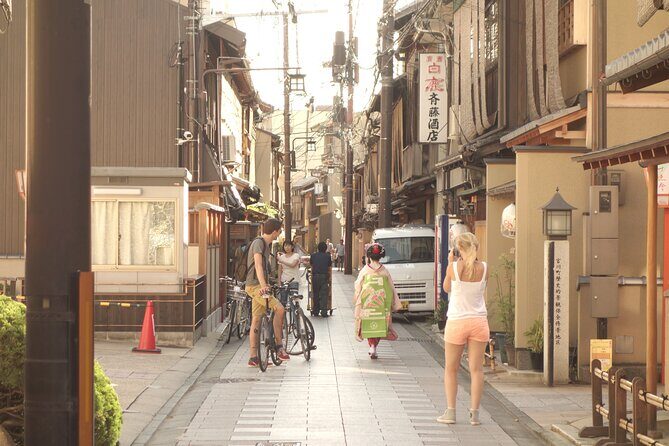
The tour route is described as designed with safety and comfort in mind. That matters because Kyoto can feel deceptively tricky: narrow streets, lots of walkers, and changing road conditions. The good news is that this is a guided ride with a small group, and the pacing is built so you’re not sprinting between stops.
A theme from guide-led bike tours here is that e-bikes help you keep a steady effort without turning the day into a workout you didn’t ask for. I’ve also seen comments highlighting that the ride is mostly flat ground, which is a big deal if you’re not training for cycling hills.
Expect a rhythm like: ride transfer → guided context → time to walk around and look → ride to the next area. That balance is why these tours work for many first-timers, even if you’ve done little city cycling before.
A practical tip for your comfort
If you’re on the fence about how physically demanding it will be, focus on the walking segments and your comfort riding in a city. The e-bike makes distance manageable, but you’ll still be spending time on your feet at shrines and temples.
What the guides add: Philippe, Kevin, and Niall’s impact
The stops are impressive on paper. What makes this tour feel worth repeating is the guide’s storytelling and timing.
Philippe is frequently mentioned for breaking down what you’re looking at in a clear, human way, with just enough context to make temple details click. There’s also a recurring idea that he guides you through quieter backstreets where the city feels less like a theme park and more like a living place.
Kevin shows up in reviews as a guide who connects the sites to daily culture, not just dates and buildings. People also mention him adjusting the route around crowd levels and road closures, which is a huge quality factor in Kyoto, where festival schedules can throw off your own self-guided plans.
Niall is mentioned for taking people along river scenes and for giving insights that connect temple history to the rhythm of life in Kyoto.
This kind of guidance matters most at the garden-and-ritual sites. A Zen garden can look like stones and sand until someone explains the logic behind the view and the way it’s meant to shift.
Lunch plan: what to do since it’s not included
Lunch is not included, so you’ll want a strategy.
In practice, many people choose a casual grab-and-go style during the day. Some guides encourage a simple grocery-store picnic approach: you pick items locally, then eat together at a calm spot during the mid-day break. If you’re the kind of traveler who hates decision fatigue on tours, this is a good way to keep momentum without turning lunch into a separate research project.
If you’d rather sit down at a restaurant, you’ll likely need to make that call around the time windows built into the schedule. So come prepared with a basic plan for where you’d want to eat if you’re not doing a picnic.
Price and value: why $109.43 can make sense here
At $109.43 per person, you’re paying for more than just transportation. What you’re getting:
- A guide
- E-bike rental
- Landing and facility fees
- Entry tickets at multiple key stops (while some stops are free)
- A route designed to prevent getting lost in busy lanes
When you break it down, the biggest value is the combination of time + navigation + admission support. If you try to do this solo, you may spend more on transit than you expect, plus you’ll waste energy figuring out the “right” order for the day.
Is it cheaper than DIY? Sometimes. Is it more convenient and less stressful? Usually, especially if you’re juggling temple tickets and travel time between distant areas like Gion-adjacent streets and Arashiyama.
Also, because it’s weather-dependent, the tour can be a smart bet if you’re flexible and your dates line up with good conditions.
Who should book this Kyoto e-bike highlight tour
This is a strong match if you want:
- A guided way to see multiple famous sites without spending your day in transit
- Comfortable pacing that mixes riding and walking
- A chance to get off the most obvious tourist routes and see calmer neighborhood streets
It may not be the best fit if:
- You dislike sharing space in small groups
- You don’t feel comfortable riding in busy city traffic, even with e-bike support
- You’re looking for a pure history lecture tour with no cycling at all (this is still a bike-based day)
Overall, it works especially well for couples and friends who want a full day that feels like more than just ticking off attractions.
Should you book it? My quick verdict
Yes, if your goal is to spend one day feeling organized while still getting that Kyoto “real place” vibe. The best part is the balance: major temples and gardens paired with time to actually enjoy them, plus the ride keeps the day from feeling like an endless queue.
Book it if you:
- Want Heian Shrine, Ginkaku-ji, and the Philosopher’s Walk vibe (East course), or Kinkaku-ji, Arashiyama Bamboo Forest, and Ryoan-ji (West course)
- Appreciate a guide who explains what you’re seeing, rather than just pointing and moving on
- Value included e-bike rental and guide-led routes for stress-free navigation
Hold off if you’re uneasy about city cycling or if rain is likely on your only Kyoto day. Kyoto is lovely, but this experience needs decent weather to run smoothly.
FAQ
How long is the Kyoto e-bike highlights tour?
It runs about 5.5 hours in practice, with the tour duration listed as roughly 3 hours 30 minutes to 6 hours (approx.).
What’s included in the price?
The price includes a guide, e-bike rental, and landing and facility fees. Some temple admissions are also included at specific stops, while other stops are free.
Is lunch included?
No, lunch is not included.
Which major sights are on the route?
The tour covers highlights like Heian Shrine, Ginkaku-ji, the Philosopher’s Walk (East course only), Kinkaku-ji (Golden Pavilion), Arashiyama Bamboo Forest (free), and Ryoan-ji.
Are admission tickets included for temples?
Yes for several stops: Heian Shrine, Ginkaku-ji, Kinkaku-ji, and Ryoan-ji list admission included. The Philosopher’s Walk and Arashiyama Bamboo Forest are listed as free for this tour.
How big is the group?
The tour is described as a small group with no more than six, and the maximum listed is 8 travelers.
Does the tour run in any weather?
It requires good weather. If canceled due to poor weather, you’re offered a different date or a full refund.