REVIEW · TOKYO
Shibuya All You Can Eat Best Food Tour The Original One in Tokyo
Book on Viator →Operated by The Washoku Club Culture and Food Tours · Bookable on Viator
Shibuya’s loud, and your plate follows. This small-group Tokyo food tour threads through Shibuya’s backstreets and big landmarks while feeding you a spread of classic Japanese favorites. What makes it interesting is the mix: you get both the off-the-beaten-path dining feel and a few skyline-level Shibuya moments.
I especially like the max 10-person group size, which keeps the pace human, and the 4 to 5 food stops model, so you’re not stuck eating the same thing over and over in one place.
One drawback: the walk includes non-food stops like Shibuya Crossing and MEGA Don Quijote, so if your only goal is pure eating time, you may wish there were fewer sightseeing breaks.
In This Review
- Key things I’d bet you’ll like
- Shibuya’s backstreets beat the usual “where should we eat?” loop
- Price and value: why $205 can make sense in Tokyo
- How the 4-hour Shibuya loop actually works
- Shibuya 109: where the shopping crowd meets casual eating
- Nonbei Yokocho: the alley night vibe you can’t really fake
- Shibuya Crossing: a fast icon moment with timing built in
- MEGA Don Quijote: 24-hour chaos and a fun last stretch
- The food lineup: sushi, yakitori, yakiniku, takoyaki, desserts
- Guides and pacing: small-group Tokyo makes a difference
- Practical tips to get the most out of your Shibuya evening
- Should you book this tour?
- FAQ
- How long is the Shibuya All You Can Eat Best Food Tour?
- What is the group size limit?
- What food is included in the tour?
- Are alcoholic beverages included?
- Where do we meet, and where does the tour end?
- What are the main stops on the route?
- Do I get a mobile ticket?
- Is gratuity included?
- Can I cancel for a full refund?
Key things I’d bet you’ll like
- Max 10 group size keeps the tour from feeling chaotic.
- 4 to 5 food stops spread flavors across multiple Japanese classics.
- Nonbei Yokocho adds that after-dark alley energy many people miss.
- Tokyo icons on the route, including Shibuya Crossing and a 24-hour Don Quijote stop.
- Drinks included: two soft drinks and water, plus desserts.
Shibuya’s backstreets beat the usual “where should we eat?” loop
Shibuya is one of the easiest places in Tokyo to get overwhelmed. You’ve got crowds, neon, and about 10 million restaurants that all look great from the outside. This tour helps you pick the right doors.
The big win here is that the experience is built around guided access. You’re not just walking around hoping a place is open, friendly, and able to serve you fast. You’re being brought into small restaurants and eating setups where ordering and timing matter, especially in a neighborhood that runs at high speed.
And yes, you still get the famous Shibuya sights. But the core value is that you’re eating more “Tokyo local” meals than tourist-friendly standbys, while your guide handles the flow.
You can also read our reviews of more food & drink experiences in Tokyo
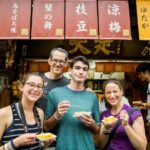
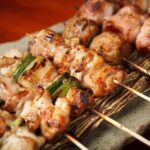
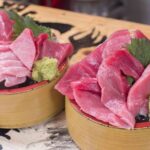
Price and value: why $205 can make sense in Tokyo
At $205 per person for about 4 hours, this isn’t a budget activity. The value comes from what’s bundled: multiple food stops plus a guide, plus drinks.
Here’s what you’re paying for in real terms:
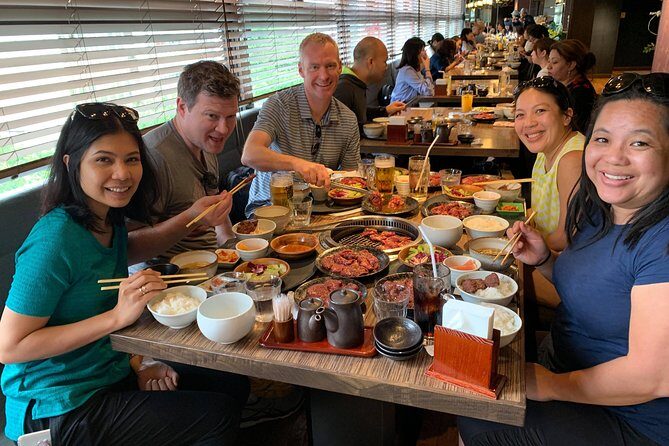
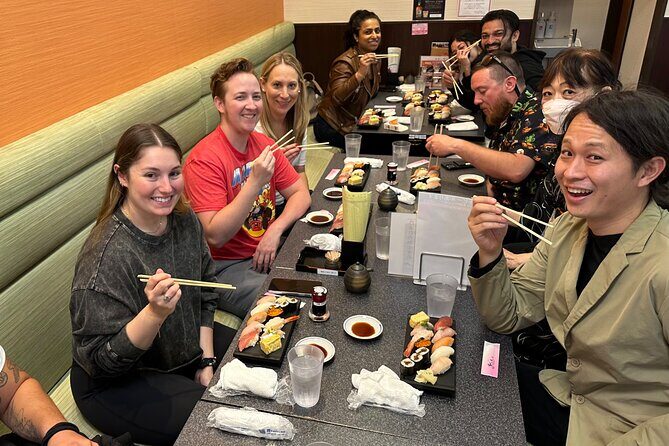
- Food variety: the included menu list covers sushi, yakitori, yakiniku, takoyaki, and desserts. That’s a lot of different textures and styles in one evening.
- Guided ordering and pacing: Japanese meals can be simple, but getting the timing right with a group is harder than it looks. A good guide is basically your shortcut through the friction.
- Coverage in one area: Shibuya is dense. Instead of spending your energy hunting, you follow a planned route that moves you between neighborhoods without the guesswork.
Could it feel expensive if you expected more time purely eating? Sure. One review flagged that the tour didn’t feel worth the price for what they expected. On the other hand, most feedback is extremely positive, with people calling it a highlight and praising the variety and quality.
My practical take: if you want a short, high-output food sampler in Shibuya, this price starts to look reasonable. If you’d rather wander freely and pick your own places, you might prefer a DIY plan.
How the 4-hour Shibuya loop actually works
The tour runs about 4 hours and uses a route that mixes:
- long enough meal stops to eat comfortably,
- quick orientation moments,
- and short landmark breaks for photos and context.
The itinerary times listed for the big stops add up to about 2 hours total: Shibuya 109 (45 minutes), Nonbei Yokocho (30 minutes), Shibuya Crossing (15 minutes), and MEGA Don Quijote (30 minutes). The rest of the time is there for the 4 to 5 food stops your guide selects, plus walking between spots.
So you should think of it as a “food-forward walking tour,” not a single sit-down dinner. If you like changing locations and sampling different styles, you’ll feel like the time flies.
Shibuya 109: where the shopping crowd meets casual eating
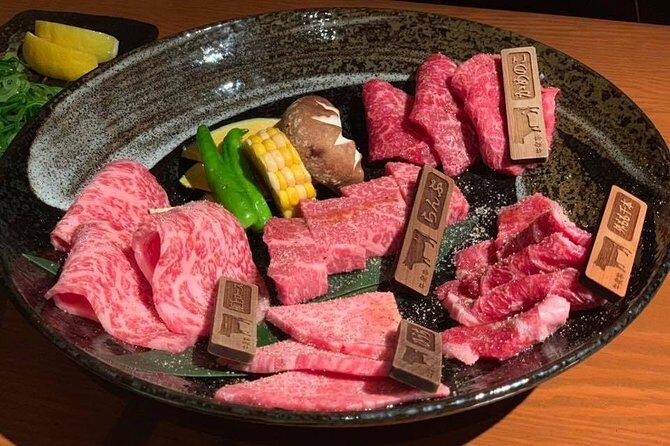
Shibuya 109 is basically a magnet for people. It’s a big, high-energy shopping zone, and it’s the kind of place where you can spot food options everywhere—especially casual izakaya-style places tucked into the flow of foot traffic.
Why this stop matters: it gives you momentum early. You’re dropped into the rhythm of Shibuya and set up for what the rest of the walk does best: moving from one local eating environment to the next without a ton of planning.
What to watch for:
- Wear comfortable shoes. You’ll be walking in a busy area.
- Don’t assume you’ll slow down here. This tour is built for steady progress.
One small consideration: if you came mainly for quiet dining, this shopping street energy might feel loud before you settle into the alley-style stops later.
Nonbei Yokocho: the alley night vibe you can’t really fake
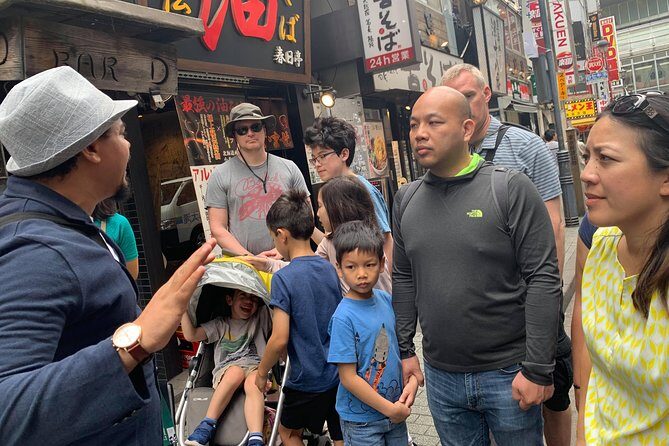
Nonbei Yokocho is a “how did I miss this?” kind of place. It’s a narrow alley packed with small spots, the kind of venue most visitors miss if they only stick to the main streets.
This is where the tour earns its off-the-beaten-track promise. You’re getting the atmosphere of how locals spend an evening: tight spaces, quick conversations, and that Japan nightlife feel where food and drinks are the reason people linger.
Practical tips for this stop:
- Come ready for smaller, close-quarters dining. That’s part of the charm.
- If you’re picky about seating or noise, it’s worth planning to stay flexible. This alley style isn’t about wide-open comfort.
Also, since the tour includes foods like yakitori and takoyaki, this is the kind of environment that fits those casual, shareable bites really well.
A few more Tokyo tours and experiences worth a look

Shibuya Crossing: a fast icon moment with timing built in
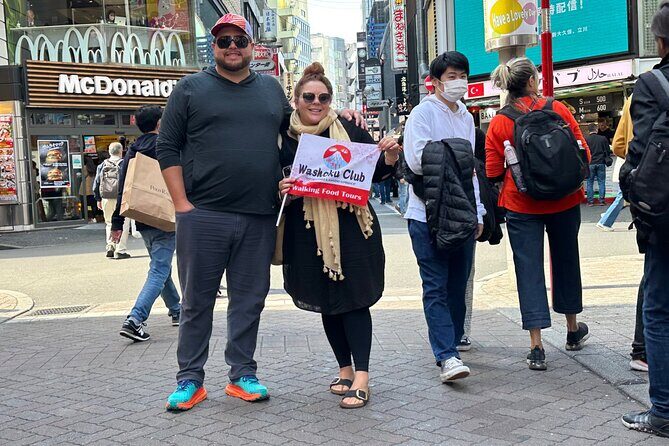
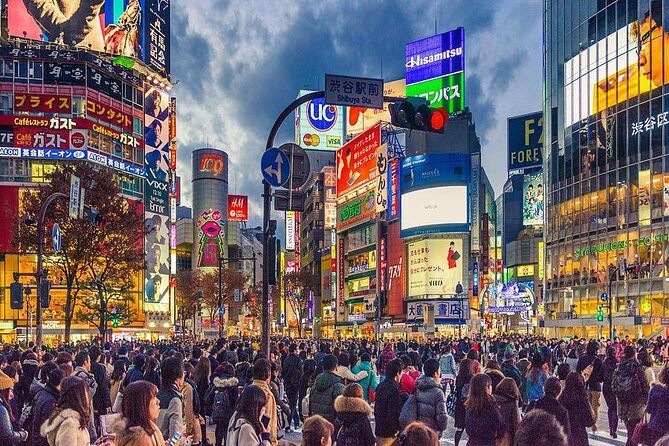
Shibuya Crossing is famous for a reason: it’s a real-life stampede of people moving at once. This stop is short—about 15 minutes—so it works like a reset button in the middle of the walk.
Why it’s included: it helps you connect the Shibuya you see in photos to the Shibuya you’re standing in. It also breaks up the rhythm so you’re not just eating and walking in a nonstop loop.
How to get more value:
- Take the quick picture, then watch the crowd flow. That alone tells you why Shibuya feels like a different planet at night.
- Don’t over-plan your angle. The point here is quick context, not a long photography session.
If you’re the type who dislikes crowds, this is the moment to mentally prepare.
MEGA Don Quijote: 24-hour chaos and a fun last stretch
MEGA Don Quijote is one of those Tokyo places that feels like it sells everything. It’s also open 24 hours, which makes it a reliable stop even if your day runs late.
This segment is about 30 minutes and leans into two things:
- browsing Tokyo’s “everything under one roof” culture,
- and keeping your evening moving after the food alley part of the tour.
If you like picking up small snacks, candy, or practical travel items, this stop is a good chance to do it while you’re already in the area. If shopping isn’t your thing, it’s still useful for absorbing the texture of modern Tokyo retail life.
The food lineup: sushi, yakitori, yakiniku, takoyaki, desserts
The included food list is the headline: sushi, yakitori, yakiniku, takoyaki, and desserts. Since the tour includes 4 to 5 food stops chosen by your guide, you’ll get a spread that hits different Japanese styles rather than repeating one dish.
Here’s what that menu means for your night:
- Sushi gives you a clean, classic baseline—good for pacing and variety.
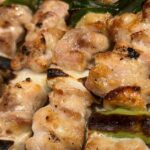
- Yakitori (grilled chicken skewers) is casual, flavorful, and made for small bites between walking segments.
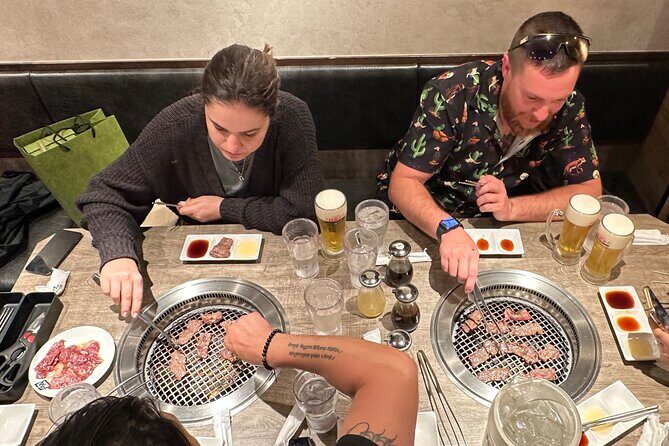
- Yakiniku gives you a cooked-at-the-table feel (or close to it), which tends to be more social and satisfying.
- Takoyaki is street-food style octopus ball energy: crispy outside, hot filling, easy to keep eating even when you’re on the move.
- Desserts make the whole experience feel complete, not just “dinner as a mission.”
Also included: two soft drinks and water. That’s a smart baseline for pacing. Alcohol is not included, but it’s available to purchase, so you can decide how you want to handle the night.
If you’re someone who likes to try things but hates getting stuck with one heavy meal, this format usually works well because the menu rotates through different bite weights.
Guides and pacing: small-group Tokyo makes a difference
This tour is capped at 10 travelers, and that affects everything: the pace, the questions you can ask, and how easily the group stays together in dense Shibuya streets.
In the feedback you can see a pattern. People often praise guides who are friendly and proactive with details, and who keep communication strong before and after. Names that come up include Kato, Hamada, Amber, Bazaraa, Samir, Tanaka, Suzuki, Islam, and Naoto Kato. Since guides vary by departure, I can’t promise you’ll meet a specific person—but you can treat those names as a good sign that this company hires people who enjoy the job.
What you should hope for from your guide, regardless of who they are:
- clear meeting points and timing,
- smooth transitions between stops,
- and guidance that helps you eat without feeling awkward.
A small number of low-score comments mention issues like the tour starting late or not matching what someone expected. That’s rare, but it’s a good reminder to build slack into your schedule and stay calm if the first handoff isn’t perfect.
Practical tips to get the most out of your Shibuya evening
You’ll have a better time if you plan for the tour’s nature: walking + short food waits + a lot of stops in one district.
- Go hungry on purpose. This tour packs multiple items and desserts, and people consistently leave full.
- Wear shoes you can walk in. Shibuya is not a sit-and-stay city.
- Keep your phone handy. The tour uses a mobile ticket, and Shibuya navigation is easiest when you can check details quickly.
- Be flexible with shopping time. MEGA Don Quijote is part of the experience. If you show up only wanting restaurants, that part may feel long.
- If you’re a light eater, plan ahead. This tour is designed for people who want to sample a lot. You don’t need to eat everything, but be ready for the format.
Best fit: first-time visitors who want an easy way to sample Shibuya food without researching five different restaurants. It’s also a solid choice for food lovers who like variety more than one “famous place” obsession.
Should you book this tour?
Book it if you want a structured way to eat your way through Shibuya in one evening, with multiple stops and classic Japanese dishes like sushi, yakitori, yakiniku, takoyaki, and desserts. The small-group size and the blend of backstreet alley energy plus a couple of major Shibuya landmarks make it a strong “high value for time” option.
Skip it or rethink it if:
- you only care about pure eating time and hate shopping or sightseeing breaks,
- you prefer planning and ordering on your own,
- or you’re extremely sensitive to crowd intensity, especially at Shibuya Crossing.
If your goal is to leave Shibuya with food memories and a feel for how nights move there, this tour is a very practical choice.
FAQ
How long is the Shibuya All You Can Eat Best Food Tour?
The tour lasts about 4 hours.
What is the group size limit?
It’s a small-group tour with a maximum of 10 travelers.
What food is included in the tour?
The tour includes sushi, yakitori, yakiniku, takoyaki, and desserts, plus two soft drinks and water.
Are alcoholic beverages included?
Alcoholic beverages are available to purchase, but they are not included.
Where do we meet, and where does the tour end?
You meet at the Hachiko Statue in Shibuya, and the tour ends back at the meeting point.
What are the main stops on the route?
The route includes Shibuya 109, Shibuya Nonbei Yokocho, Shibuya Crossing, and MEGA Don Quijote, with the listed time at each stop.
Do I get a mobile ticket?
Yes, the tour uses a mobile ticket.
Is gratuity included?
Gratuities are not included (they are optional).
Can I cancel for a full refund?
Yes. You can cancel for a full refund if you cancel at least 24 hours before the experience start time.
![[Kyoto Street Shot] Recording every wonderful moment of travel with shutter (free kimono experience) - Price and value: $235.33 per group (up to 6)](https://images.thejapantraveler.com/wp-content/uploads/kyoto-street-shot-recording-every-wonderful-moment-of-travel-with-shutter-free-kimono-experience.jpg)