REVIEW · KYOTO
Full Day Biking Tour Exploring the Best of Kyoto
Book on Viator →Operated by Cycle Kyoto · Bookable on Viator
Kyoto, but on two wheels. This full-day Kyoto bike tour is built for moving fast between the big sights without losing the feeling of a guided neighborhood walk—thanks to a small group and a route that strings together temples, shrines, and classic streets. You’ll hit major stops like Kinkaku-ji (Golden Pavilion) and Fushimi Inari-taisha, plus a quieter warm-up near Kyoto’s less-hyped religious sites.
I love that the tour provides real ride gear: a Cannondale bike, a helmet, and bottled water. I also like that lunch is included, so your day doesn’t fall apart the moment hunger hits. One thing to consider: it’s a long 7 to 8 hour active day, so you should expect sweating and tired legs by the end.
In This Review
- Quick take: what makes this Kyoto bike day work
- Why bike Kyoto: cover big sights without losing the plot
- Getting started at Cycle Kyoto: bikes, meeting point, and what to bring
- Nishi Honganji: the warm-up temple that changes the tone
- Kitano Tenmangu: shrine vibes and local rhythms
- Kinkaku-ji Golden Pavilion: the big-ticket moment, done with commentary
- The imperial-area ride section: quiet context between the hits
- Gion: geisha district time with a guide’s street-level know-how
- Tofuku-ji: quick but scenic, with a bridge viewpoint
- Fushimi Inari-taisha: torii crowd control, plus real focus time
- The day’s pace: 7 to 8 hours, moderate fitness, and how tired you’ll be
- Food, breaks, and why the included lunch is a big deal
- Price and value: what $119.38 really buys you
- Who should book this Kyoto bike tour (and who might not)
- Should you book this full-day Kyoto cycling tour?
- FAQ
- How long is the Full Day Biking Tour Exploring the Best of Kyoto?
- What is the price per person?
- How many people are in the group?
- What’s included in the tour price?
- What stops will I visit?
- Do I need a certain fitness level or bike experience?
- What age can children join?
- Is the tour dependent on weather?
- Can I cancel and get a refund?
- FAQ
- How do I get the ticket?
- Where does the tour start and end?
- Are dietary requirements handled?
- Is there an option to upgrade the bike?
- Is the ride difficult?
- Is this tour near public transportation?
- Is Kinkaku-ji admission included?
- How long is each main stop?
- What happens if the minimum number of travelers isn’t met?
Quick take: what makes this Kyoto bike day work
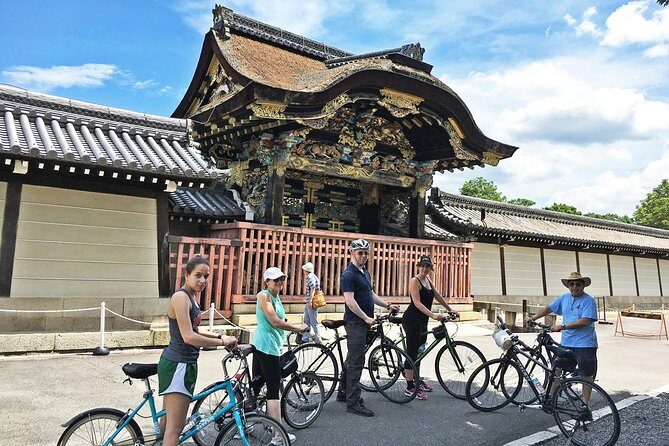
- Small group size (max 8) means you’re not herded like a herd of bikes.
- Cannondale bikes + helmets take the guesswork out of renting gear.
- Lunch and bottled water included so you can actually enjoy the temples instead of hunting food.
- Kinkaku-ji time built in gives you a real chance at the Golden Pavilion, not a quick drive-by.
- Fushimi Inari guided pacing helps you navigate the crowds instead of wrestling them.
- Mostly easy routing with backstreets and a generally flat feel makes the ride manageable.
Why bike Kyoto: cover big sights without losing the plot
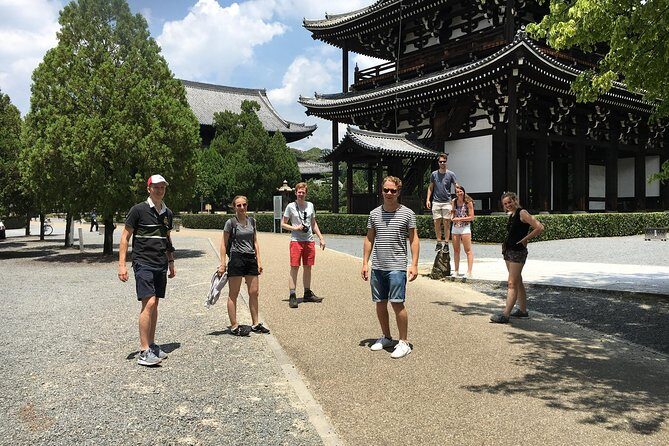
Kyoto is made for wandering, but it’s also spread out. A bike day lets you do the best of both worlds: you get to cover a lot of ground, yet the smaller streets mean the experience still feels local instead of like you’re stuck looking out a bus window.
This tour is also designed around variety. You get the famous picture stops (like the Golden Pavilion and Fushimi Inari), then you switch gears to calmer shrine and temple areas—places where you can actually hear your guide and take in details. The small group size helps here. Fewer people means more attention, and it’s easier to pause for questions, photos, and the little detours that make Kyoto feel like Kyoto.
The route also makes practical sense. You’re not trying to stitch together Kyoto’s highlights on your own, with timing problems and navigation headaches. Instead, the day is paced so you can focus on seeing.
You can also read our reviews of more cycling tours in Kyoto
Getting started at Cycle Kyoto: bikes, meeting point, and what to bring
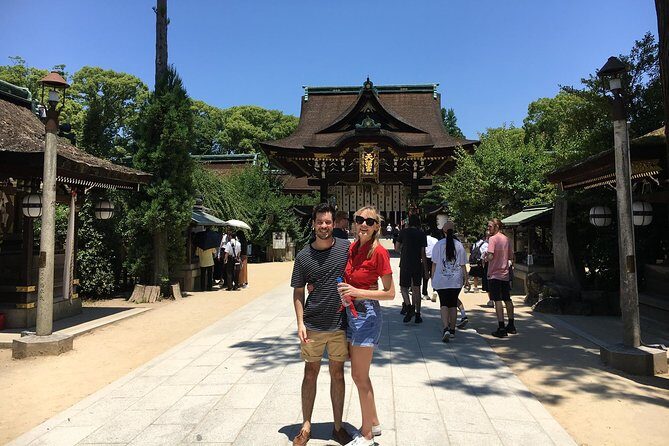
The day starts at Cycle Kyoto, where you meet your guide and the rest of the group. You’ll get your bike fitted and ready, then you roll out. The shop is near public transportation, and one rider noted it’s only about a short walk from Kyoto Station, which is handy if you’re arriving by train.
Gear is handled. You’ll use a high-quality Cannondale bike and get a helmet. Bottled water is included too. That’s not just comfort—it’s safety. Having water and a helmet-ready setup means you can concentrate on the ride and the sights instead of worrying about rental hassles.
What you should bring:
- Comfortable closed-toe shoes for the temple/shrine walking sections
- A light layer for sun and breeze (Kyoto can shift fast)
- Sunscreen and a small towel
- Your phone, but plan around limited storage
One practical note from rider feedback: the bike has only a small front pouch for essentials like a phone and wallet. If you bring a backpack, you may have to carry it during the ride. So pack light.
Nishi Honganji: the warm-up temple that changes the tone
The first proper stop after your bike setup is Nishi Honganji, one of Kyoto’s larger wooden buildings. It’s also described as among the less visited religious sites in the city, which matters on a tour like this. You start the day with a calmer feeling, so your brain is ready for the more famous sights later.
You’ll have about 15 minutes here—enough time for a quick orientation, photos, and a few key stories from your guide. If you like learning what you’re looking at (architecture, layout, the role of the site), this early stop sets a good base.
A small caution: 15 minutes is not long. If you love to linger in incense-filled quiet, you’ll want to treat this as a taste. You can always return later on your own, and you’ll know where to aim your attention.
Kitano Tenmangu: shrine vibes and local rhythms
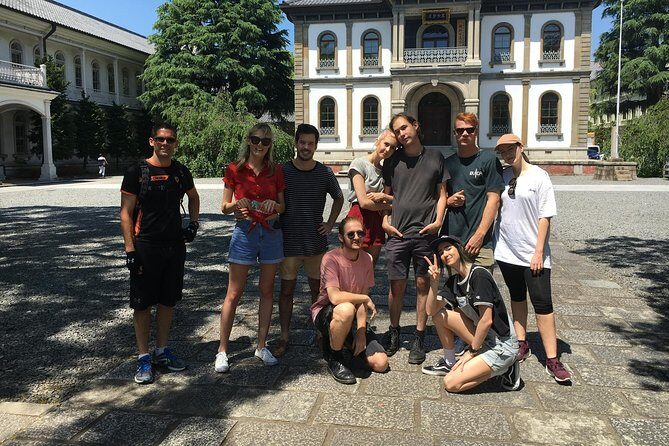
Next up is Kitano Tenmangu Shrine, where you join the atmosphere of local shrine goers. This is the kind of stop that adds texture to a bike itinerary. It’s not only about the building; it’s about the mood—people pausing, praying, chatting, buying small items, and moving at a slower pace.
You’ll get around 20 minutes here, which is a comfortable length for a shrine stop. It also works well physically: after Nishi Honganji and a bit of riding, this gives you a chance to settle and reset.
One value of this stop on a bike tour is timing. Starting your day with Kyoto’s spiritual sites before you hit the high-traffic areas later usually makes the rest of the day easier on your attention span.
Kinkaku-ji Golden Pavilion: the big-ticket moment, done with commentary
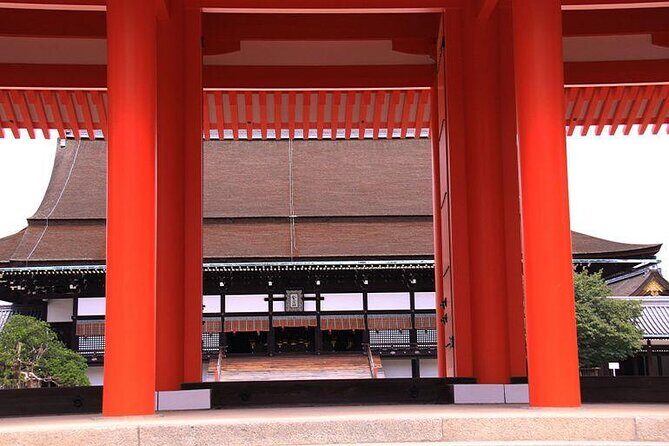
Then comes the star—Kinkaku-ji (Golden Pavilion). This is the stop most people come to see, and this tour gives it a real slot: about 30 minutes, with the entrance included and commentary along the way.
The best part here is not just seeing the pavilion. It’s having guidance that connects the scene to what you’re actually looking at—why it looks the way it does, and what makes it historically and aesthetically important. Riders also mention a chance to grab an ice cream and relax, which is smart. Kyoto is hot and humid in summer, and even in cooler months, a break keeps the day fun instead of punishing.
One consideration: 30 minutes can still feel short if you want lots of photos from multiple angles. But if you’re trying to balance Kinkaku-ji with several other major stops in a single day, this time window is a practical compromise.
A few more Kyoto tours and experiences worth a look

The imperial-area ride section: quiet context between the hits
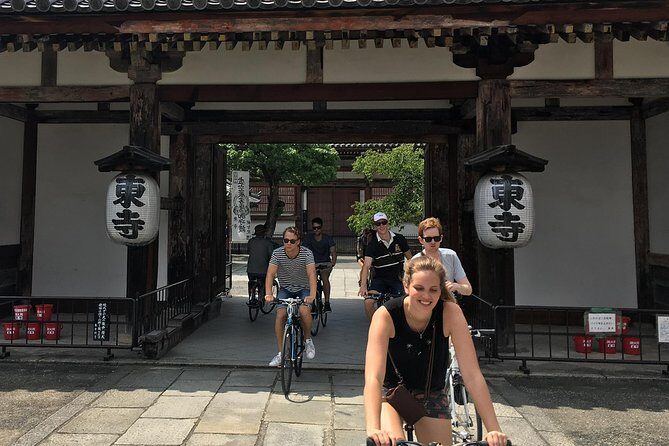
Between the Golden Pavilion and Gion, you’ll ride through grounds tied to the former seat of Japan’s imperial family. This is the kind of in-between moment that makes a bike tour feel smoother. Instead of another stop with a hard timeline, you get a moving window of context—what the area was, how it fits into Kyoto’s story, and why the city’s layout matters.
On a walking tour, you’d be stuck getting to the next place at a snail’s pace. On a bus tour, you might never notice the subtle shifts in neighborhood character. On a bike, you can feel that transition.
This section is also a mental breather: you can absorb what you just saw, then refocus for the geisha district.
Gion: geisha district time with a guide’s street-level know-how
Gion is one of those places people either rush through or overthink. This tour treats it like a short but meaningful stop—about 15 minutes—so you get the atmosphere without losing the whole day.
Your guide helps you discover the district’s secrets and you may even catch a glimpse of entertainers hidden away (not guaranteed, of course). Either way, what you’re really getting is a street-level read: where the attention goes, what details are worth noticing, and how locals move through the area day to day.
The value of Gion on this bike route is that you’re not just trying to fight crowds. You’re getting a guided moment inside a famous neighborhood, and then you move on while the day still feels energetic.
If you’re the type who wants to wander for an hour, you’ll likely want to add extra time later. This stop is designed to fit into the full-day plan, not replace a dedicated Gion evening.
Tofuku-ji: quick but scenic, with a bridge viewpoint
Next is Tofuku-ji Temple, and you get a shorter visit—about 5 minutes. That sounds brief, but it’s also why it fits. Tofuku-ji is known for spacious grounds and strong views, especially from bridges, so the tour seems to focus your time where the payoff is fastest.
For the right kind of traveler, this “blink and you’re there” timing is ideal. You get a taste of a major temple without turning the schedule into a temple marathon. If you want deeper exploration inside buildings, you can save that for later. On this tour, Tofuku-ji is more about viewpoint and atmosphere.
Fushimi Inari-taisha: torii crowd control, plus real focus time
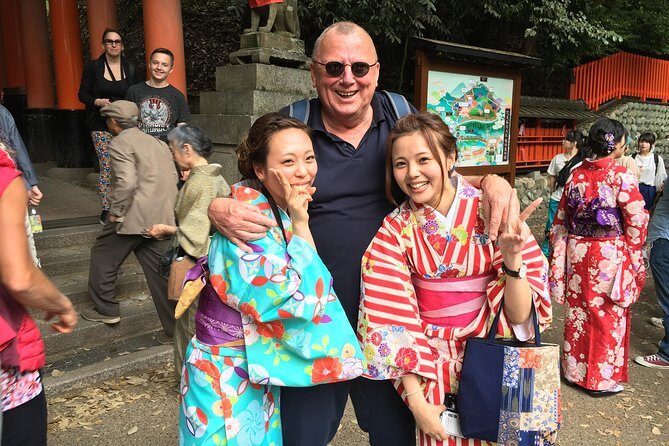
The final big highlight is Fushimi Inari-taisha Shrine, famous for the torii gates. This is the stop that can overwhelm you if you go on your own. Here, the guide helps you pick a path between crowds so you can enjoy the experience without spending half your time stuck.
You’ll have about 20 minutes, which is enough for the key sights and a solid sense of what makes this shrine so special. It also helps that the day is already set up for you—bike ride, short stops, and then a final structured finale.
One practical tip: with any torii shrine, the crowds change fast. If you’re sensitive to busy spaces, this guided pacing is a big advantage. You can still see plenty, but you’re not stuck fighting traffic on foot.
The day’s pace: 7 to 8 hours, moderate fitness, and how tired you’ll be
This is a full-day active tour, listed at about 7 to 8 hours. Even if the ride is generally flat and manageable for many people, it’s still a long day. Plan for sweat. Plan for pauses. And plan to be ready for more walking than you might expect once you reach temple and shrine grounds.
The tour is aimed at people with moderate physical fitness, and you should be comfortable riding a bike. Minimum age is 13. The biggest factor isn’t athleticism—it’s comfort with staying seated and keeping a steady effort for hours.
Rider feedback points to a ride around 18 miles plus time on foot. Some people end the day wiped out the next day too. That’s not a dealbreaker. It’s just your clue to pack smart: water is provided, but your energy habits matter. Start the day with a good breakfast and avoid showing up in brand-new shoes.
Food, breaks, and why the included lunch is a big deal
One of the strongest parts of this tour is that lunch is included, along with bottled water. That sounds basic, but it’s actually rare to get a day plan in Japan that doesn’t require you to solve the food puzzle while you’re also navigating sights.
In practical terms, included lunch helps you:
- keep the schedule smooth
- avoid long lines at the last second
- refuel so you can enjoy later stops like Gion and Fushimi Inari
Some riders specifically praised the lunch for being delicious, and one even described it as an out-of-the-way family restaurant with mostly local patrons. Whether your exact meal matches that description, the point stays the same: you’re not starving while the group moves on.
Add in small treats like ice cream near Kinkaku-ji, and you’ve got enough breaks to keep the day pleasant instead of exhausting.
Price and value: what $119.38 really buys you
At $119.38 per person, this isn’t a budget bicycle rental. But it also isn’t just a bike ride. For the price, you get:
- a high-quality bike (Cannondale) and helmet
- bottled water
- lunch
- guided visits to major Kyoto highlights (including Kinkaku-ji entrance)
- a small-group experience (max 8)
That combination is where the value comes from. Kyoto highlights are expensive and time-consuming if you’re trying to do it alone with transport, tickets, and route planning. Here, you pay for the ride, the guidance, and the logistics that would otherwise take up your whole trip brain.
You’re also paying for something hard to quantify: a route that balances famous places with quieter ones, so your day doesn’t turn into only photo spots and queue lines. If you’re the type who likes context—why something is important, what to look for—this tour is a strong fit.
The main value risk is guide variation. One piece of feedback noted the explanations weren’t clear for their group, which makes a difference on any tour. The good news: multiple named guides show up in feedback—people like Paul, Juan, Karl, Indra, Jay, and Jamie—and the overall rating is extremely high.
Who should book this Kyoto bike tour (and who might not)
Book this if:
- you want a one-day overview of Kyoto’s top icons plus lesser-known stops
- you like being active without doing long, technical climbing
- you want a guide to help with timing, crowd navigation, and site understanding
- you prefer small groups (max 8) and a more personal feel
You might skip it if:
- you’re not comfortable riding a bike for most of a day
- you don’t want a physically tiring day (this can leave you exhausted)
- you want lots of free time inside each temple or shrine
If you do book, one smart move is to come with realistic expectations: you’re seeing a lot, but you’re not doing full museum-style deep exploration. This tour is built for flow and coverage.
Should you book this full-day Kyoto cycling tour?
I’d book it if you want Kyoto at maximum efficiency, with the comfort of included food and ride gear, and you like getting stories as you go. It’s also a great choice when you’re only in Kyoto for a short window and want to return later to the places that stuck with you.
If you’re on the fence, use this test:
- If you can handle a long day on a bike and don’t mind short visits at some sites, you’ll likely love it.
- If you want a slow, quiet, no-pressure pace where you linger for hours, pick a smaller, more flexible tour or add extra independent time.
FAQ
How long is the Full Day Biking Tour Exploring the Best of Kyoto?
It runs about 7 to 8 hours.
What is the price per person?
The price is $119.38 per person.
How many people are in the group?
The tour has a maximum of 8 travelers.
What’s included in the tour price?
You get a bicycle and helmet, bottled water, and lunch. Some attractions have admissions included as listed in the itinerary.
What stops will I visit?
You’ll visit Nishi Honganji, Kitano Tenmangu Shrine, Kinkaku-ji, Gion, Tofuku-ji, and Fushimi Inari-taisha Shrine, with time for riding through the imperial-area grounds as part of the route.
Do I need a certain fitness level or bike experience?
You should have a moderate physical fitness level and be comfortable riding a bike.
What age can children join?
Riders must be at least 13 years old.
Is the tour dependent on weather?
Yes. It requires good weather. If canceled due to poor weather, you’ll be offered a different date or a full refund.
Can I cancel and get a refund?
Free cancellation is available up to 24 hours in advance for a full refund.
FAQ
How do I get the ticket?
You’ll receive a mobile ticket.
Where does the tour start and end?
It starts at Cycle Kyoto on Higashikujō Nishisannōchō in Kyoto and ends back at the meeting point.
Are dietary requirements handled?
Dietary requirements need to be known ahead of time, so you should share them before the tour.
Is there an option to upgrade the bike?
One rider noted there may be an option to upgrade to an eco bike, depending on availability.
Is the ride difficult?
The tour is described as having a generally manageable route, but it is still a long active day, so you should plan for sweat and fatigue.
Is this tour near public transportation?
Yes, it’s near public transportation.
Is Kinkaku-ji admission included?
Yes, Kinkaku-ji entrance is included as part of that stop.
How long is each main stop?
Time varies by stop, with listed durations such as 15 minutes for Nishi Honganji and Gion, 30 minutes for Kinkaku-ji, and about 20 minutes for Fushimi Inari-taisha Shrine.
What happens if the minimum number of travelers isn’t met?
If the minimum isn’t met and the tour is canceled, you’ll be offered a different date or a full refund.