REVIEW · KYOTO
Bike Tour Exploring North Kyoto plus Lunch
Book on Viator →Operated by Cycle Kyoto · Bookable on Viator
Kyoto on two wheels beats the bus. This North Kyoto bike outing mixes major sights with calmer back streets, guided start to finish so you do not spend the day second-guessing turns. You ride in a small group (max 8), which keeps the pace friendly.
I love that your Cannondale bike and the temple entrance fees are handled for you. I also love the lunch component, because it is not just a quick snack stop but a proper Japanese meal that helps you keep going.
One drawback to weigh: the tour depends on good weather, and you will be outdoors for about 5 to 6 hours, even if the ride feels pretty easy for most people.
In This Review
- Key points I’d prioritize before you book
- North Kyoto by bike: what this day is really like
- At Cycle Kyoto: bikes, fitting, and getting comfortable fast
- Stop 1: Nishi Honganji and the calm that hits before the crowds
- Stop 2: Kitano Tenmangu—local worship in a tranquil pocket
- Stop 3: Kinkakuji Golden Pavilion—and the ice cream break
- The imperial-family grounds ride: learning while you roll
- Stop 4: Gion—fast taste, and maybe a glimpse
- Lunch in Kyoto: what you’re actually paying for
- How much biking you do and how hard it feels
- Group size, guide style, and why names matter here
- Price and value: why about $106 makes sense for Kyoto
- Weather and schedule: the one planning risk to accept
- Who should book this, and who might look elsewhere
- Final verdict: should you book Cycle Kyoto North Kyoto plus Lunch?
- FAQ
- How long is the bike tour?
- Where does the tour start and end?
- What is included in the price?
- Is lunch included, and are dietary needs handled?
- What fitness level do I need?
- What are the age requirements?
Key points I’d prioritize before you book
- Max 8 people means more personal guiding and safer-feeling navigation through streets
- Cannondale bike + bottled water included takes logistics off your plate
- Temple entrance fees included so popular stops like Kinkakuji cost you less stress
- A guided loop through northern Kyoto connects Nishi Honganji, Kitano Tenmangu, Kinkakuji, then onward to Gion
- Lunch is a real sit-down break with Japanese options (and dietary needs handled if you tell them)
- Guides explain the why behind the sights with clear context on religion, shrines, and culture
North Kyoto by bike: what this day is really like
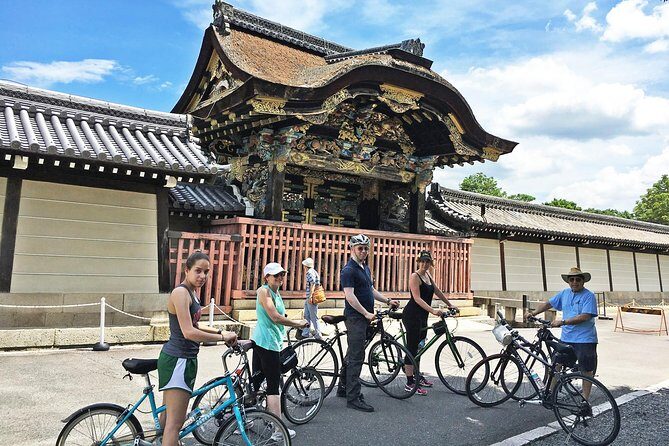
This is the kind of Kyoto tour that fits travelers who want more than photos. You get both the famous hits and the in-between streets that make Kyoto feel like Kyoto. Instead of fighting for a seat on crowded transit, you move at bike speed—slow enough to notice details, fast enough to see a lot.
The north-side route matters. Northern Kyoto has temple-and-shrine density without the same intensity you may feel around the most tour-packed central areas. And because you have a guide, you are free to focus on what you are seeing, not on plotting a route.
You can expect a relaxed rhythm: short rides between stops, frequent breaks, and commentary at the points where it helps. Guides (names you might encounter include Mayco, Julian, Indra, Jamie, Karl, Quin/Quinn, and Jay) all seem to lean into stories—how sites work, what rituals mean, and how Japan’s religious life shaped everyday culture.
You can also read our reviews of more cycling tours in Kyoto
At Cycle Kyoto: bikes, fitting, and getting comfortable fast
Your day starts at Cycle Kyoto (7 Higashikujō Nishisannōchō, Minami Ward, Kyoto, 601-8003) with a 10:00 am start. You meet your guide and the rest of the small group, then you get your bike fitted before you roll out.
A few practical details make this easier than most first-time bike days:
- A high quality Cannondale bike is provided
- Bikes are chosen and adjusted to your height
- Seat padding helps if you are worried about comfort over time
- Bottled water is included
Helmets are an option in some situations (it came up in guide feedback from previous groups), and the group rides are paced to match comfort levels. One solid theme across the day: the routes feel planned for safety, not for speed.
If you have any cycling anxiety, this matters. A guided group ride through Kyoto streets can feel intimidating at first—until you realize you are not on your own and the pace is controlled.
Stop 1: Nishi Honganji and the calm that hits before the crowds
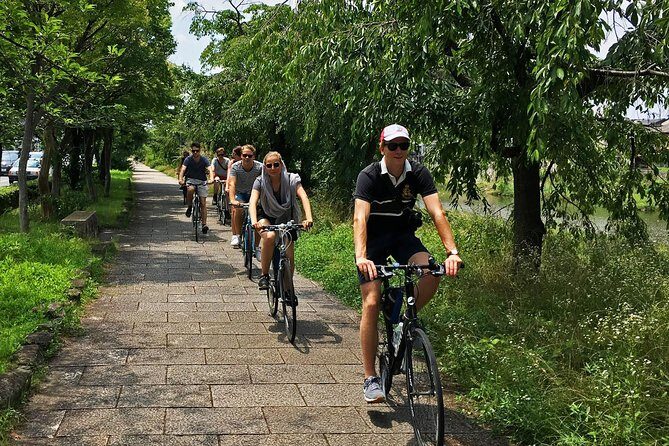
Your first major religious stop is Nishi Honganji. You spend about 15 minutes here, and the tone is different from quick temple checklists. This site is described as one of the least visited religious places in the city and also as home to one of the largest wooden buildings in Japan.
What you get from a place like this, especially with a guide, is a sense of how scale and architecture shape how people experience worship. Even if you already know the basics of Buddhism in Japan, you still learn how different sites function day to day—less about postcard views and more about how space supports practice.
It also helps that you are early in the day. You are not trying to arrive while everyone is racing for the same entrance.
Stop 2: Kitano Tenmangu—local worship in a tranquil pocket
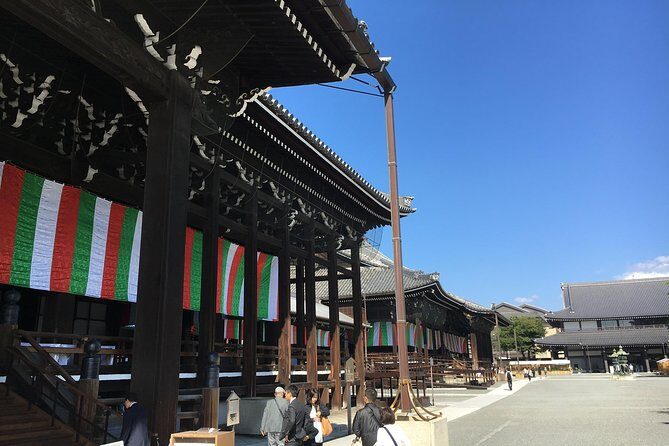
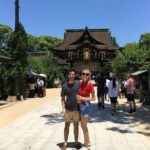
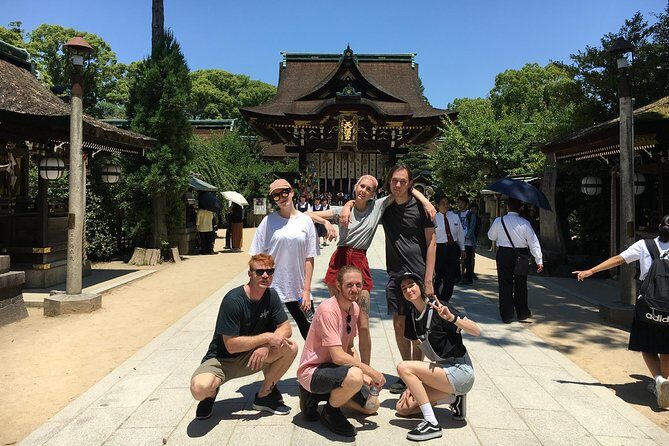
Next comes Kitano Tenmangu Shrine (about 20 minutes). This stop is built around a quieter mood. The guide brings you in to join local shrine goers, so you see the site as living religious space rather than just a tourist backdrop.
The value here is simple: you slow down for a real shrine atmosphere. You learn a bit of the shrine’s past, then you get a chance to watch how people behave—how they pray, how they move, and what the space feels like at human scale.
For many people, this is where the tour starts to feel like a Kyoto cultural day, not only a sightseeing sprint.
Stop 3: Kinkakuji Golden Pavilion—and the ice cream break
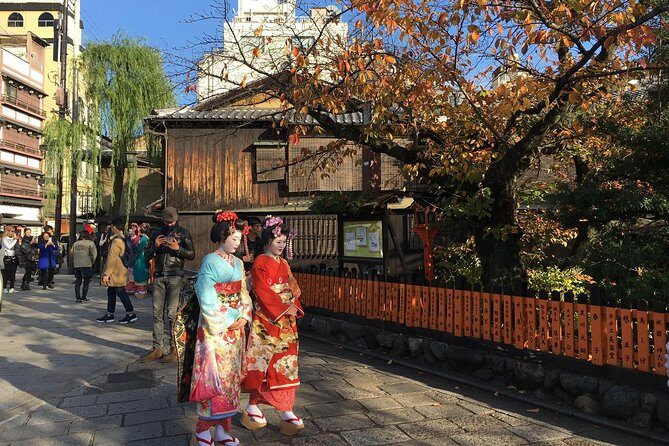
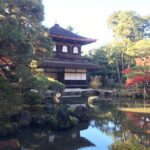
Then you hit Kinkakuji Temple, the Golden Pavilion. Plan on around 30 minutes here, with temple entrance included and guided commentary on-site. The day’s structure is helpful: you get context before you look, which makes the famous visuals feel less random.
You will also have a small break built in—there is time to grab ice cream and relax. That sounds like a throwaway detail, but for a bike day it is smart planning. Your legs keep moving later, and a short sugar-and-rest reset makes the rest of the ride easier to enjoy.
One route detail to keep in mind: there is often a slight incline getting to Kinkakuji. After that, the rhythm tends to turn easier again. That matches what many groups report: a little uphill effort followed by more relaxed cruising.
A few more Kyoto tours and experiences worth a look
The imperial-family grounds ride: learning while you roll
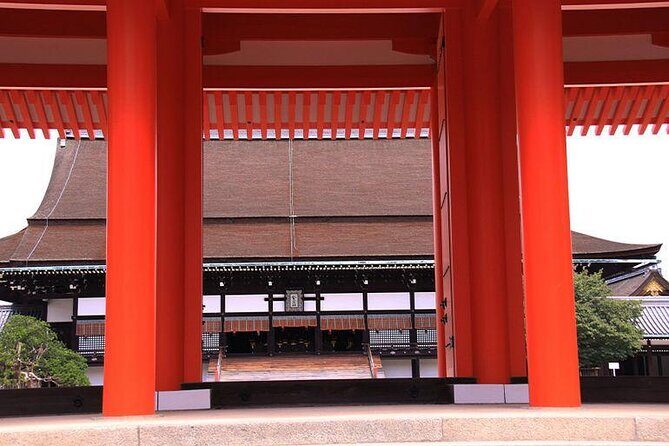
Between the big anchor stops, you also ride through the grounds connected to the former seat of Japan’s imperial family. The tour describes this as a chance to learn about that past while enjoying the ride through the area.
What I like about this portion is that it uses bike travel the way it should be used in Kyoto: you are not just hopping between ticketed locations. You are moving through place, soaking up the feel of what used to matter politically and socially, while your legs do the work and your guide keeps giving context.
This is also a good stretch to reset after a denser stop like Kinkakuji.
Stop 4: Gion—fast taste, and maybe a glimpse
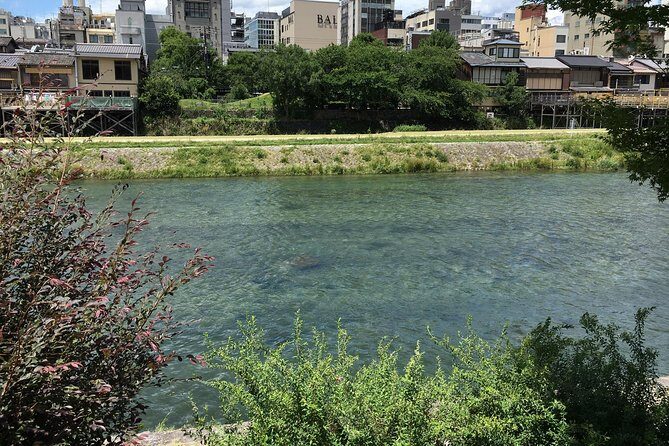
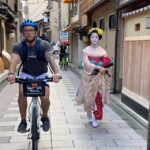
You end the main run in Gion, Kyoto’s famous geisha district. Expect about 10 minutes here with no admission ticket cost.
This is a quick stop by design. You do not come to Gion and then spend the whole day fighting for angles. Instead, you get oriented to the neighborhood vibe and the street feel, plus a guide’s explanation of what you might notice and why.
There is also the playful possibility of catching sight of entertainers around the area. Even when that does not happen, the value stays: you understand what you are looking at, so Gion feels less like a blur of souvenir shops and more like a lived cultural district.
Lunch in Kyoto: what you’re actually paying for
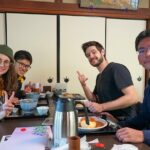
Lunch is included, and the guide handles the meal stop as part of the tour flow. In past experiences, lunch has been sushi and also traditional noodle options, and it is served as a proper sit-down break rather than a grab-and-go moment.
Two practical reasons I think this is worth prioritizing:
- A bike day taxes your energy. A real meal helps you finish the loop without feeling wrecked.
- Dietary requirements need to be known ahead of time, and the tour says you should share them in advance.
If you are choosing a first day in Kyoto, this meal component is a big advantage. It removes one of the most annoying problems: figuring out where to eat while you are trying to keep your sightseeing schedule intact.
Also, you get bottled water during the ride, which pairs well with lunch so you do not spend the day searching for drinks.
How much biking you do and how hard it feels
The listed duration is about 5 to 6 hours, but the time on the bike is far less than that. Multiple groups report that actual riding is around 2.5 hours, with the rest of the time used for sightseeing, walking short distances, and breaks.
Distance varies by group pace and route details, but reports include around 13 miles (about 24 km) across the full session. That is a helpful benchmark.
Fitness-wise, the tour says you should have moderate physical fitness, and riders must be comfortable riding a bike. In real-world terms, many groups mention:
- Not many hills overall
- A slight incline near Kinkakuji
- A pace that can be adjusted to match the group
So if you can ride a bicycle on flat ground for a while, you are probably in the right zone. If you are brand-new to cycling, it can still work if you are honest with the guide about your comfort and you start the day slowly.
Group size, guide style, and why names matter here
This tour caps at 8 people, which is a big deal on a bike day. You are not crammed into a loud bus schedule. Instead, your guide can manage your speed, make route choices, and keep explanations at the right pace for everyone.
The guide names that show up in past experiences give you a sense of what you might get from the commentary:
- Indra is associated with clear explanations of Shinto versus Buddhism and how geisha culture fits into the bigger picture of Japanese religion and daily life.
- Quinn/Quinn comes up with a priest-like perspective and careful attention to how sites work in practice.
- Mayco, Julian, Jamie, Karl, and Jay are repeatedly praised for being engaged, fun, and respectful, with route knowledge that goes beyond the obvious.
You should still expect this is a guided sightseeing ride, not a training ride. The goal is to learn as you go and to feel safe in traffic and intersections.
Price and value: why about $106 makes sense for Kyoto
At $106.12 per person, you are paying for three things that add up fast if you DIY:
- Bike rental and fitting (a Cannondale is included)
- Temple entrance fees (not just the major one, but the ones built into the route)
- Guiding plus lunch (lunch is included, and the ride supplies water)
When you compare that to the cost of renting a bike plus buying entry tickets plus paying for a guide plus finding lunch, the package looks reasonable. You also get route planning and safer movement through neighborhoods that can feel confusing if you are relying only on apps.
You can think of this as buying time and mental energy. Kyoto is dense, and a guided bike loop is a smart way to compress a lot of meaningful stops into one day without turning your vacation into a checklist.
Weather and schedule: the one planning risk to accept
This tour requires good weather, and you are told it may be canceled due to poor conditions. If that happens, you get offered another date or a full refund.
That matters because bike tours live or die by visibility, road conditions, and rider comfort. If you are flexible, the tour becomes much less stressful. If your schedule is tight and you hate uncertainty, you may want to build in a little buffer when choosing your day.
Who should book this, and who might look elsewhere
Book it if you:
- Want a first-style introduction to Kyoto that mixes big names with quieter street time
- Like learning on the move, not only standing in queues
- Are comfortable with a bike and have at least moderate fitness
- Want lunch handled for you, with dietary needs collected in advance
You might skip it if you:
- Do not feel comfortable cycling for a multi-hour window even if the pace is controlled
- Have a hard time with weather-dependent plans
If you are traveling with teens or younger adults who are bike-ready, this also tends to work well. The guide approach is described as watchful and supportive, with pace tailored to the group.
Final verdict: should you book Cycle Kyoto North Kyoto plus Lunch?
I think this is a strong pick for your first or second full day in Kyoto, especially if you want more than the usual photo stops. The combo of bike + guided route + temple fees + lunch is the main reason it feels like good value, and the small group size makes it easier to relax.
If you want a day that feels like Kyoto you can ride through, this tour is one of the better ways to do it. Just keep an eye on weather, wear cycling-friendly comfort, and you’ll get a lot more from the Golden Pavilion and the shrines than you would from rushing through them on your own.
FAQ
How long is the bike tour?
The tour runs about 5 to 6 hours.
Where does the tour start and end?
It starts at Cycle Kyoto at 7 Higashikujō Nishisannōchō, Minami Ward, Kyoto (601-8003). It ends back at the same meeting point.
What is included in the price?
All cycling equipment is included, bottled water, lunch, guidance, and temple entrance fees are included.
Is lunch included, and are dietary needs handled?
Yes, lunch is included. The tour asks that dietary requirements be known ahead of time.
What fitness level do I need?
You should have a moderate physical fitness level, and you must be comfortable riding a bike.
What are the age requirements?
Riders must be at least 13 years old.