REVIEW · KYOTO
From Kyoto: Nara History Guided Half Day Bus Tour with Lunch
Book on GetYourGuide →Operated by H.I.S. Co Ltd(TIC) · Bookable on GetYourGuide
Deer season in Nara is real. This half-day guided trip from Kyoto links the big names you came for: Tōdai-ji, Kasuga Taisha, and Nara Park—with a real English-speaking guide and a Japanese-style lunch.
I especially love the way the tour keeps you moving without the usual Kyoto-to-Nara guessing game. And I like that you get the entrance part handled for Tōdai-ji, plus lunch, so you can spend your energy on the sights (and yes, the deer).
One thing to plan around: this is a walking-heavy day, and it is not wheelchair accessible. If your legs are not happy, you will feel it.
In This Review
- Key highlights at a glance
- Kyoto Station to Nara: a guided day that actually feels efficient
- Kasuga Taisha Shrine: a sacred stop with clear limits
- Tōdai-ji and the Great Buddha: where “big” becomes physical
- Nara Park deer time: fun, fast, and worth your attention
- The routing between sacred stops (and why the timing helps)
- Lunch in Nara: included, but plan for drinks and allergies
- Who this tour suits best (and who should rethink it)
- Guides and group energy: you get education, not just movement
- Price check: is $77 good value?
- Practical tips to make the day go smoothly
- Should you book the Kyoto to Nara half-day history tour?
- FAQ
- How long is the Nara history guided half day bus tour from Kyoto?
- How much does the tour cost?
- Where do we meet in Kyoto?
- What is included in the price?
- Are beverages included with lunch?
- What parts of Kasuga Taisha are included?
- Is the tour wheelchair accessible?
- Does the tour involve a lot of walking?
- Are menu changes possible on the day of the tour?
Key highlights at a glance

- English guide-led history at each stop, not just a bus drop-off
- Kasuga Taisha Shrine with time at the main sanctuary (not extra museums)
- Tōdai-ji’s Great Buddha and the scale of the world’s largest wooden structure
- Nara Park deer time with built-in photo and wandering opportunities
- Japanese-style lunch included, plus a shop on-site for souvenirs
- Air-conditioned transport to make the travel legs easier
Kyoto Station to Nara: a guided day that actually feels efficient
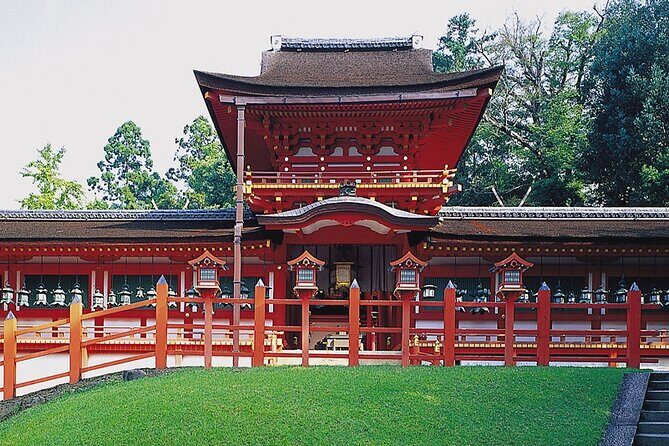
Your day starts at Kyoto Station (Hachijo Exit area), specifically the tourist bus parking by KYOTO AVANTI. That matters more than you might think: Kyoto stations are big, signage can be confusing, and meeting at a single clear pickup spot makes the whole thing less stressful before you even leave the building.
From there, you ride by air-conditioned bus/coach toward Nara. The total tour time is about 6 hours, so transport time is part of the plan, not an afterthought. You are not trying to cram Nara on your own in half a day while hunting down bus schedules and ticket lines.
The biggest advantage of a guided format here is pacing. Instead of you deciding what is “most important,” the guide structures your time around the sites that deliver the strongest Nara experience in a short window.
You can also read our reviews of more guided tours in Kyoto
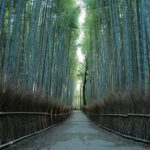

Kasuga Taisha Shrine: a sacred stop with clear limits
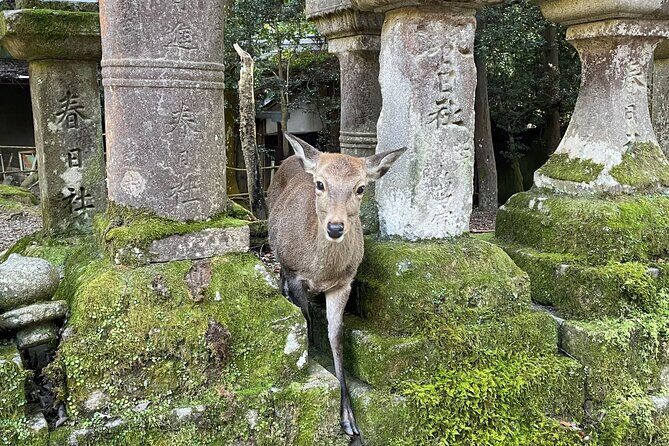
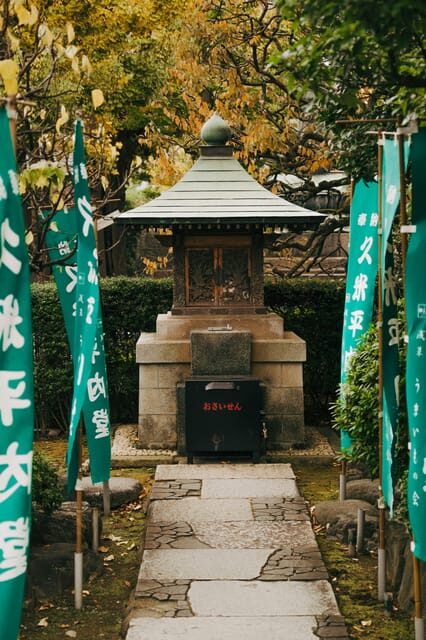
Kasuga Taisha is one of those places where you instantly feel you are in older Nara. On this tour, you get a guided visit for about 45 minutes, plus a short walk segment after. That timing is good because it gives you time to look closely and still stay on schedule.
What you get is the main sanctuary experience for general worship. What you do not get: the Kasugataisha Museum and the Botanical Garden are not included on this tour. That is not a dealbreaker, but it changes how you plan your expectations. If those extra add-ons are a priority for you, you will need separate time.
Kasuga Taisha is famous for its connection to ancient Nara, and the guide time helps you understand what you are seeing beyond the photos. If you like temple and shrine etiquette—how people move, what rituals mean, and why certain areas are treated differently—this is where the guided explanation pays off.
Tōdai-ji and the Great Buddha: where “big” becomes physical
Tōdai-ji is the headline. You get a guided visit for about 45 minutes here, which is a very realistic chunk of time for one of the most important temple complexes in Nara.
The main reason this site stops people is the Great Buddha, which is about 15 meters tall. Also, Tōdai-ji is known for having the largest wooden structure in the world. Those two facts are impressive on paper, but in person they have a different effect: your brain can’t help but recalibrate to the scale.
You also get the entrance fee for Tōdai-ji included, so you do not lose time at ticket steps or deal with partial payment confusion mid-tour. In a half-day format, small savings like that feel bigger than they should.
A practical note: some buildings or Buddha statues may appear different due to construction at certain times. Even then, the main highlights are still the center of the visit, and your guide will help you interpret what is available on the day.
Nara Park deer time: fun, fast, and worth your attention
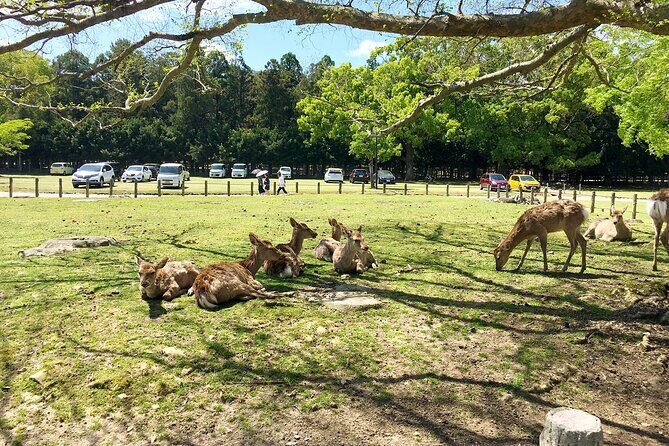
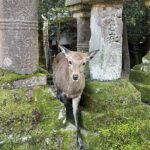
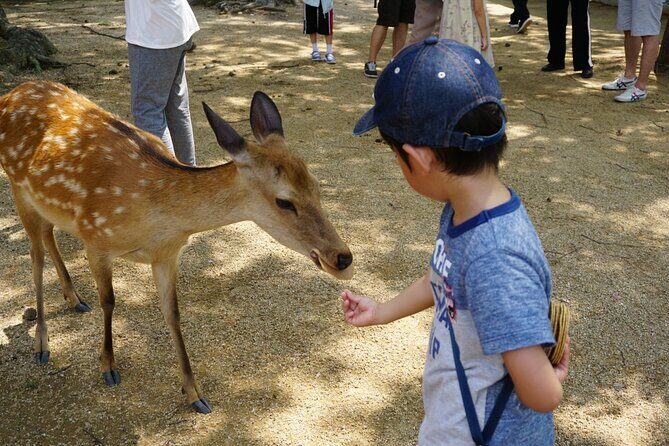
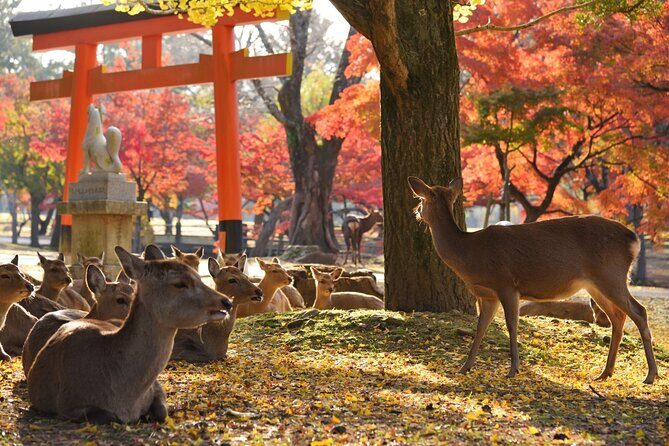
Then comes Nara Park, the part most people mention for a reason. You get roughly 30 minutes in Nara Park with guidance. It’s long enough to wander, get photos, and watch deer behavior up close without turning into an all-day slog.
Yes, the deer are friendly—and yes, they will come close if you are standing still. The best approach is to stay calm, follow the guide’s instructions, and treat the deer as living animals, not props. If you get too aggressive with feeding or blocking their path, it will slow the group down.
One tip: go into deer time with a mindset of quick moments. Plan a photo sequence fast, then enjoy the wandering vibe. This is also the segment where you tend to see the contrast between tourists trying to move in every direction and a guided group staying relatively together.
The routing between sacred stops (and why the timing helps)
Nara in a half day can feel chaotic if you do it on your own, because you are bouncing between religious sites and an active public park area. This tour solves that with a simple flow: shrine first, then temple complex, then park, then lunch, then the return ride.
You will do short walking connections between elements, including that brief on-foot segment after Kasuga Taisha and walking throughout the big temple and park areas. The tour is still a walking day, but the walking is at least in the right places, between high-value sights.
Another scheduling advantage: after the park time, you move into the lunch slot without long gaps. That keeps the day from feeling like you are spending your afternoon waiting to be able to sit down again.
If you like a steady rhythm—look, learn, walk, eat, go—you will appreciate how this itinerary keeps energy up and decision fatigue down.
You can also read our reviews of more historical tours in Kyoto
Lunch in Nara: included, but plan for drinks and allergies

Lunch is included and scheduled for about 50 minutes. You will get a Japanese-style meal, and the restaurant also has a shop where you can buy local souvenirs.
Two key practical points here. First, beverages are not included, so if you want tea, water, or anything else with your meal, plan for it. Second, the tour notes that menu changes on the day are not accommodated. If you have allergies or dietary restrictions, you need to mention them when you book.
From the guides and meal experience described in the program, this lunch is one of the parts people feel good about later—especially when they are visiting with kids, because there can be options to request alternatives ahead of time (like asking for a chicken choice rather than sashimi during booking, when applicable).
Who this tour suits best (and who should rethink it)
This Kyoto-to-Nara tour is built for people who want the big highlights with minimal logistics headaches. If you are a first-timer in Nara and you want Tōdai-ji + Kasuga Taisha + deer time in one organized package, the structure fits you well.
It can also work nicely for families, because the day is long enough to feel complete but short enough that kids are not melting down before lunch. One of the benefits of having a guide is that they can explain shrine and temple rules in a way that helps kids behave and adults relax.
Where it may not fit: wheelchair users should not book, and anyone with trouble walking is warned against joining. Even if you can walk, it is still a day with a lot of movement and standing.
Also, big luggage is not allowed. Keep your bags compact. If you travel with a heavy suitcase, it will be a problem at some point, even if you can technically lift it.
Guides and group energy: you get education, not just movement
The guide makes a huge difference on tours like this, and the program is strong in that area. You might be with guides such as Yuko, Tammy, Emiko-san, Aki, Sachi, or Kato-san, depending on the date.
What stands out across guides is that they explain what you are looking at at each stop, including shrine and temple customs—not just dates and names. That turns Nara from a checklist into something you can actually understand while you are walking.
Group size can also affect the experience. On some dates, the group may be small, and that tends to make the pacing feel more relaxed and the explanations feel more personal. It is not guaranteed, but it is a common upside when the day is quieter.
Price check: is $77 good value?
At $77 per person for about 6 hours, the price looks fair when you break down what is included. You are paying for air-conditioned transport, an English guide, Tōdai-ji entrance, and lunch. That bundle matters because the entrance fee and lunch alone can cost enough that a self-planned day starts looking less efficient.
You are not paying for beverages, and you are still paying for your own snacks if you get hungry between the structured points. But for a short, high-focus itinerary, the included parts are the right ones.
My rule for value here: if you would otherwise spend time figuring out transit and entrance steps, the tour saves you mental energy. If you are the type who likes to wander at your own pace with no schedule, you might prefer buying tickets and building your own day. But if you want a guided hit of Nara with the important sights in one afternoon, $77 is a reasonable price.
Practical tips to make the day go smoothly
Here are the things that help most people get a smooth experience:
- Wear shoes you can handle for walking and standing. This tour is not a sit-and-watch program.
- Bring light luggage. Large luggage is not allowed on the tour.
- If you have allergies or dietary restrictions, tell the operator when you book. Menu changes on the day are not accommodated.
- Expect possible construction-related differences at some buildings or statues, and let the guide help you interpret what you can see.
- Pets are not allowed, so leave them at home.
Finally, if you care about deer photos, plan your camera habits. Keep the group moving. Try not to stand in the deer’s path while you wait for the perfect shot.
Should you book the Kyoto to Nara half-day history tour?
Book it if you want a structured, English-guided afternoon that hits Kasuga Taisha, Tōdai-ji, and Nara Park deer time, with an included Japanese-style lunch and an AC ride from Kyoto. It is a strong match for first-timers who do not want to wrestle with logistics and who like getting context as they walk.
Skip it if you have limited mobility, because this is a walking-heavy day and it is not wheelchair accessible. Also skip it if you hate schedules. This tour rewards people who can follow a pace and enjoy moving from one highlight to the next.
If your goal is to see Nara’s top “musts” without wasting your day on transit stress, this is an easy choice.
FAQ
How long is the Nara history guided half day bus tour from Kyoto?
The tour lasts about 6 hours.
How much does the tour cost?
It costs $77 per person.
Where do we meet in Kyoto?
Meet at Kyoto Station, Hachijo Exit tourist bus parking area in front of KYOTO AVANTI. You may also see a listed starting option at Kyoto Station Hachijo Entrance Square Sunken Garden.
What is included in the price?
Included are an air-conditioned bus, an English guide, the entrance fee for Tōdai-ji, and lunch.
Are beverages included with lunch?
No. Beverages are not included.
What parts of Kasuga Taisha are included?
You visit the main sanctuary for general worship. Kasugataisha Museum and the Botanical Garden are not included.
Is the tour wheelchair accessible?
No. Wheelchair accessibility is not provided.
Does the tour involve a lot of walking?
Yes. The tour involves a lot of walking, and the guidance says not to book if you have trouble walking.
Are menu changes possible on the day of the tour?
No. The tour states it is unable to accommodate menu changes on the day of the tour. You should inform about allergies or dietary restrictions when booking.