REVIEW · KYOTO
Kyoto Gion Night Walk & Geisha District Guided Tour
Book on Viator →Operated by TripGuru · Bookable on Viator
Gion at night turns Kyoto into a movie set. This small-group walk keeps things personal (no more than 9 people) and sends you through the geisha district when the lanterns are on and the streets feel quieter. I like that you get a proper guided narrative, not just walking directions, and that stops include Hanamikoji Street and Yasaka Shrine (Gion Shrine), where the culture becomes tangible.
The main thing to consider is the pace: this is about 3 hours on your feet with limited breaks, and if you’re hungry or visiting in winter, the timing can run right through dinner.
In This Review
- Key Points You’ll Care About
- Gion After Dark: Why This 3-Hour Walk Feels Like Kyoto’s Main Story
- Small Groups, Real Questions: What Max 9 People Changes
- Where You Start and End at Night: Finding the Route Without Stress
- Stop 1: Gion for Two Hours—Lanterns, Teahouses, and the Geisha-District Atmosphere
- Stop 2: Hanamikoji Street for 30 Minutes—A Historic Lane You’ll Recognize
- Stop 3: Yasaka Shrine (Gion Shrine) for 30 Minutes—Customs and Architecture With Meaning
- Snack, Water, and Winter Reality: Staying Comfortable on a 3-Hour Walk
- Guides With Personal Energy: Why Names Like Naoki and Jasmine Matter
- Price and Value: Is $18 Worth It in Kyoto’s Expensive World?
- Potential Pitfalls: When the Tour Can Feel Off
- Should You Book This Gion Night Walk With a Geisha-District Guide?
- FAQ
- How long is the Kyoto Gion Night Walk & Geisha District Guided Tour?
- How many people are in each group?
- What are the main stops on the route?
- Where does the tour start and end?
- What’s included in the tour price?
- Is the tour in English?
- Are maiko or geisha sightings guaranteed?
- Do I need to worry about weather?
- What’s the cancellation policy?
- What should I bring for a night walk in Gion?
Key Points You’ll Care About
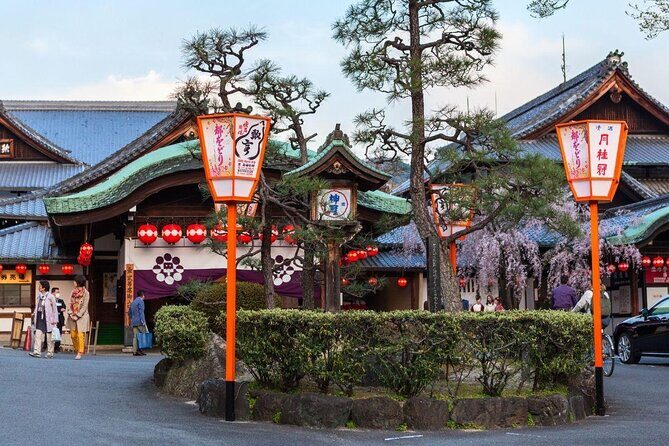
- Small groups (up to 9 per outing) for easier questions and less crowd pressure
- A true night-focused route through Gion’s illuminated streets
- Hanamikoji Street + Yasaka Shrine as built-in cultural anchors
- Good odds of spotting a maiko or geisha, but it’s never guaranteed
- English-speaking guides with strong personal storytelling (real names like Jasmine, Shingo, Naoki, and Eloise show up in reviews)
- Snack and water may be included depending on the group type
Gion After Dark: Why This 3-Hour Walk Feels Like Kyoto’s Main Story
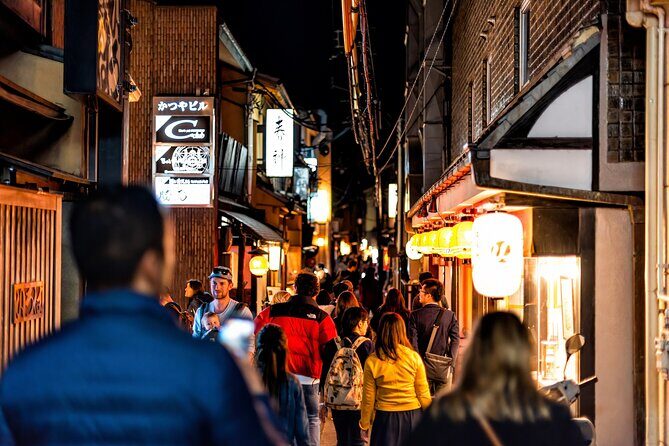
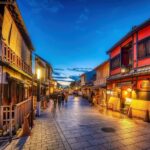
Kyoto’s Gion district is famous in daylight, but at night it changes tone. The lanes look softer, lanterns glow, and the whole area feels more like tradition than a photo backdrop. That’s the reason this tour is scheduled for the evening: you’re not just seeing places, you’re seeing mood.
This is also a practical length. Three hours is long enough to learn what you’re looking at, but short enough that you can still eat afterward (if you plan your timing). The guide helps you connect the dots—who does what in the district, what certain buildings signal, and why specific streets matter.
You can also read our reviews of more walking tours in Kyoto

Small Groups, Real Questions: What Max 9 People Changes
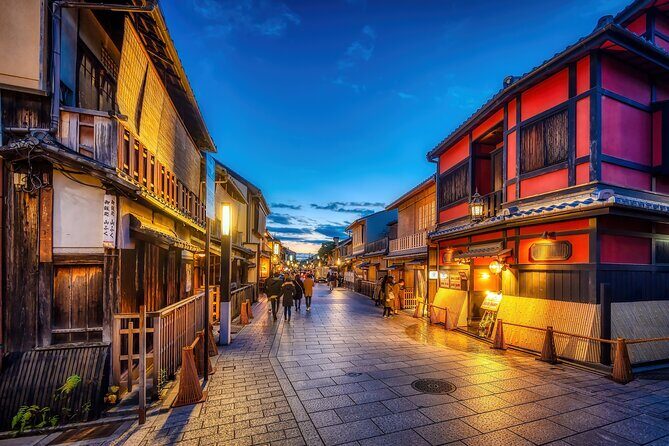
One of the biggest strengths here is the cap of no more than 9 people per outing. In a big group, you stand where the crowd stands and you absorb only half the story. With a smaller group, you can ask follow-up questions without shouting, and the guide can slow down when someone needs clarification.
You still get the structure of a guided route, but you’re not boxed into the same pace as a busload. Reviews also hint at the human side of guiding—names like Shingo, Jasmine, Naoki, and Eloise come up repeatedly for patient explanations and an easy, friendly vibe.
Where You Start and End at Night: Finding the Route Without Stress
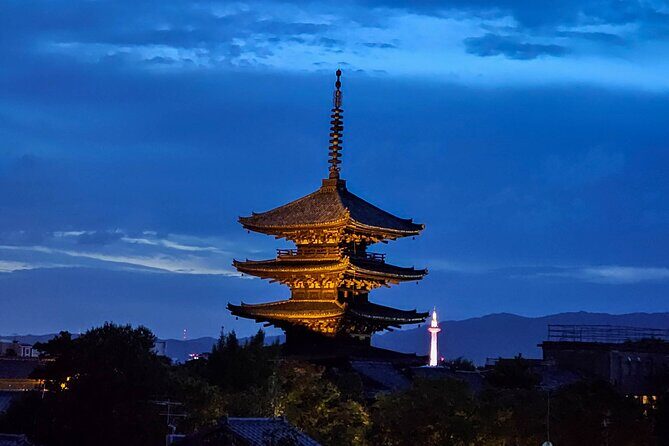
The meeting point is Kyoto Kawaramachi Garden, 68 Shinchō, Shimogyo Ward, Kyoto. The walk ends at Sanjō Ōhashi Bridge. The tour is described as being near public transportation, which matters because Gion is easy to reach but tricky to navigate on foot once it’s busy.
One small caution: Gion streets can feel crowded with other guides. If you arrive early, take a minute to locate your specific group or guide before the crowd thickens. A few reviews mention the meeting spot can be confusing when multiple tour groups are gathering on the same busy stretch.
Stop 1: Gion for Two Hours—Lanterns, Teahouses, and the Geisha-District Atmosphere
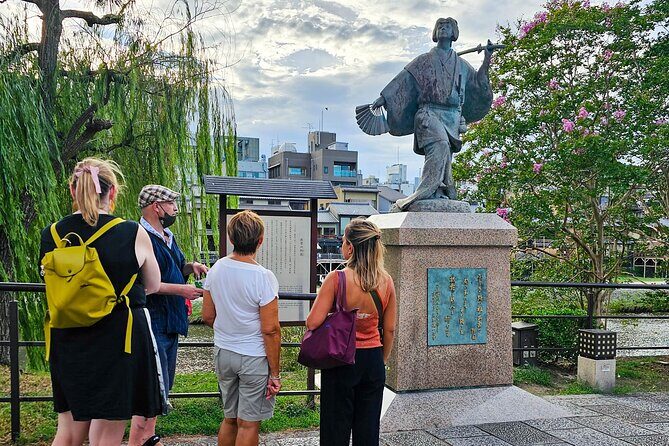
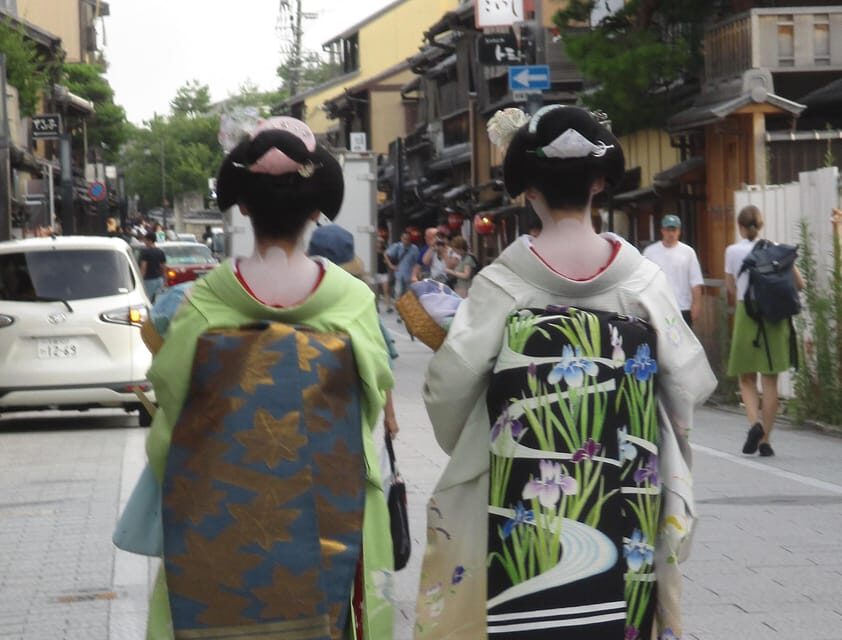
Gion is the heart of the tour, with about 2 hours devoted to the district. This is the section where the evening lighting does most of the work. You’ll walk past traditional-style restaurants, barfronts, and teahouses, and the guide’s job is to turn the scenes into context.
Here’s the reality check: you might see a maiko or geisha, but you might also just see an authentic street at work—signs, architecture, and the quiet rhythm of the neighborhood. One review notes that when the timing isn’t right, places can be closed and sightings are less likely. If seeing performers is your top goal, keep expectations flexible and treat the lantern-lit streets as the real win.
This stop is also where you’ll get practical cultural framing—what you’re looking at and what it likely means in everyday life. Some guides (like Guillaume in reviews) are described as making you feel like you’re being shown around by a friend, including restaurant recommendations to extend the evening after the walk.
Stop 2: Hanamikoji Street for 30 Minutes—A Historic Lane You’ll Recognize
Hanamikoji Street is one of the best-preserved historic lanes in Gion, and the tour gives it about 30 minutes. This is a quick hit, but it’s a good one because it’s visually distinctive: narrow, pedestrian-friendly, and built for the atmosphere you came for.
The guide’s explanations matter here. Without context, you’d just see a pretty street. With it, you start noticing patterns—street design, traditional frontage, and why Hanamikoji is a key artery for the district. It’s also the most common spot to hope for a possible sighting, so if you want to be extra alert, this is where to focus your attention.
You can also read our reviews of more guided tours in Kyoto


Stop 3: Yasaka Shrine (Gion Shrine) for 30 Minutes—Customs and Architecture With Meaning
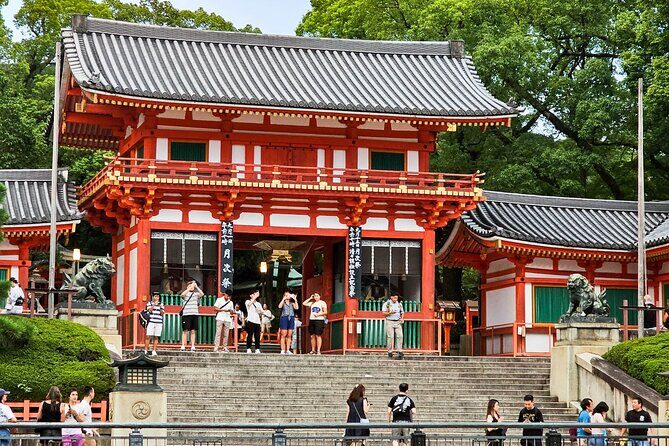
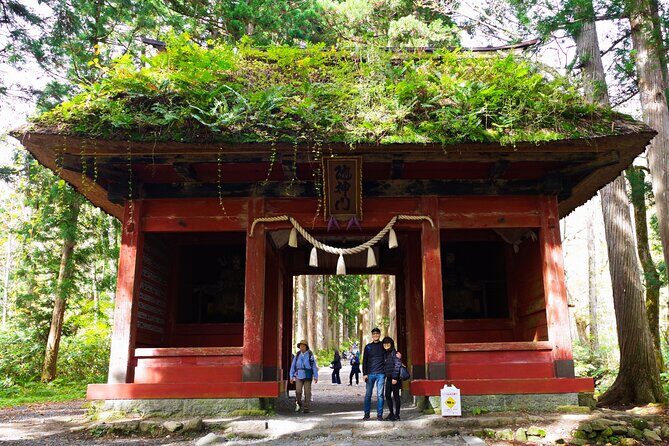
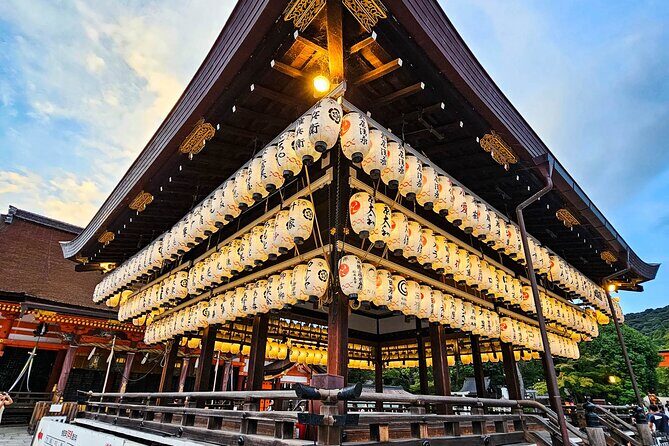
The final formal stop is Yasaka Shrine, also known as Gion Shrine, for about 30 minutes. Shrines in Kyoto are not just decorative. They reflect local beliefs, seasonal rhythms, and community history—and a good guide helps you read what you’re seeing.
In practice, this stop gives the tour balance. You start with street life, then shift into sacred space and local customs. One review highlights the guide sharing shrine details clearly, turning the walk into more than photos. You’ll likely come away able to explain at least a few key features you would otherwise pass by.
Snack, Water, and Winter Reality: Staying Comfortable on a 3-Hour Walk
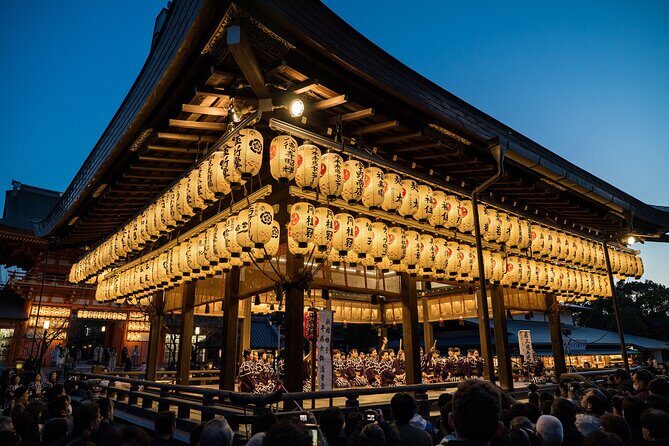
Comfort is part of the value here. The tour overview says a snack and water are included for comfort, and the included details specify snack coverage for certain tiers (Premium Group and Private Tour). So if you’re booking a standard option, confirm what’s included for your specific ticket type.
Plan for walking. Multiple reviews mention you should be ready for up-and-down street walking for about 3 hours, and that winter can make the end of the tour chilly. If you hate being cold mid-evening, bring layers you can adjust, not a single thin jacket.
Also watch dinner timing. One review points out the tour can run right through dinner hours, leaving people hungry by the end. If that sounds like you, eat a lighter early dinner, or plan a nearby meal near the end point at Sanjō Ōhashi Bridge.
Guides With Personal Energy: Why Names Like Naoki and Jasmine Matter
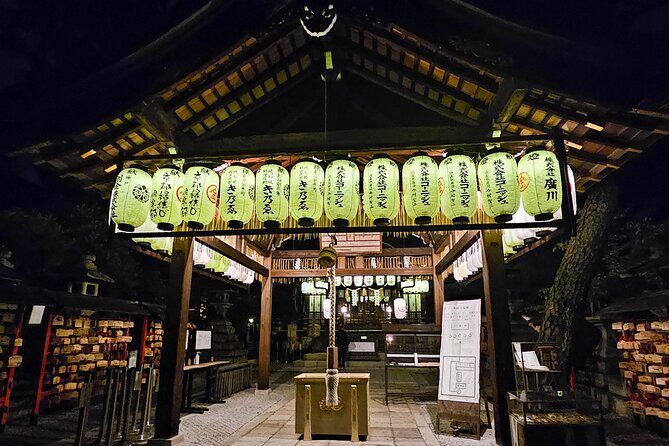
The tour lives or dies by the guide, and the reviews you provided give you real examples of guide styles. People mention Shingo speaking very good English and taking visitors to sites they wouldn’t find alone. Jasmine is repeatedly praised for patience, thorough answers, and even giving restaurant recommendations afterward.
Other names show different strengths. Naoki is described as thoughtful and insightful, while Eloise is mentioned as engaging and knowledgeable. Vincent is called out for tying together Kyoto, Japanese history, and the geisha district. And Miyake gets credit for lots of detail and patience with people who need help finding the meeting spot.
One review also mentions a side moment like crawling through a “magic rock.” That kind of detour only works if the guide keeps it respectful and safe, but it’s exactly the sort of small, human story moment that turns a walk into a memory.
Price and Value: Is $18 Worth It in Kyoto’s Expensive World?
At $18 per person for around 3 hours, this is priced like a smart add-on to your Kyoto stay—not a big splurge. The key value isn’t the low cost alone. It’s that you’re paying for interpretation: someone helps you understand what you’re seeing on lantern-lit streets.
You’re also paying for friction reduction. Navigating Gion at night is doable on your own, but harder to do well. A guide helps you hit the right streets (like Hanamikoji Street) and end at Sanjō Ōhashi Bridge without wandering in circles.
If you’re traveling as a couple, the guided structure can save time. If you’re solo, it’s a fast way to build confidence in an area that otherwise feels confusing. If you’re with older family members, one review notes a guide’s helpful approach—just remember you’ll still be walking.
Potential Pitfalls: When the Tour Can Feel Off
No tour is perfect, and a couple of issues show up in the feedback. The biggest practical risk is expectation mismatch: if you expect guaranteed geisha or maiko sightings, you can be disappointed. The tour is built around the district’s evening life, not a staged performance.
Another risk is pacing and the feeling of limited breaks. One review says the tour is long with limited breaks. If you’re someone who needs frequent stops, plan to carry a small snack and consider asking the guide if there’s a comfortable place to pause briefly.
Meeting spot confusion can also throw you. If you show up at peak gathering time, you might spot multiple groups and feel unsure which one is yours. I’d rather arrive 10–15 minutes early than try to solve the puzzle mid-tour.
Finally, there’s a cultural etiquette angle. One review mentions a teahouse stop that turned out to be a private place and felt uncomfortable. You can reduce this risk by staying flexible: if a place is not clearly open to visitors, you can choose not to enter and simply continue with the group. Your comfort matters more than checking a box.
Should You Book This Gion Night Walk With a Geisha-District Guide?
I think you should book this if you want your first Gion experience to be guided and night-focused, especially with a small group. It’s a great way to understand the district’s layout and customs quickly, without spending an entire evening wandering with no plan.
Book it if you enjoy asking questions and want a guide who connects streets and shrines into a story. Names like Shingo, Jasmine, Naoki, Eloise, and Guillaume show up in the feedback for a reason: these guides seem to make the walk feel personal, not robotic.
Skip—or at least go in with softer expectations—if you want minimal walking, guaranteed geisha sightings, or a night that neatly wraps around dinner. This tour is at its best when you treat it as a stroll through Kyoto’s atmosphere, with context added along the way.
FAQ
How long is the Kyoto Gion Night Walk & Geisha District Guided Tour?
It runs for about 3 hours.
How many people are in each group?
The tour avoids crowds and has no more than 9 people per outing, with a maximum of 25 travelers overall.
What are the main stops on the route?
You’ll spend time in Gion, then walk Hanamikoji Street, and finish at Yasaka Shrine (also known as Gion Shrine).
Where does the tour start and end?
The meeting point is Kyoto Kawaramachi Garden (68 Shinchō, Shimogyo Ward). The tour ends at Sanjō Ōhashi Bridge (Ohashicho, Nakagyo Ward).
What’s included in the tour price?
You get an English-speaking tour guide and a guided walking tour. A snack is included for Premium Group and Private Tour options.
Is the tour in English?
Yes, the guide is English-speaking.
Are maiko or geisha sightings guaranteed?
No. The tour shares the chance to see a maiko or geisha, but sightings aren’t guaranteed.
Do I need to worry about weather?
Yes. The experience requires good weather. If it’s canceled for poor weather, you’ll be offered a different date or a full refund.
What’s the cancellation policy?
Free cancellation is available up to 24 hours in advance for a full refund.
What should I bring for a night walk in Gion?
Wear shoes made for walking and dress for winter if you’re traveling then, since the walk can run close to dinner hours and the end can feel cold.