REVIEW · KYOTO
Pedal Adventure Kyoto’s iconic landmarks on an e-bike tour
Book on Viator →Operated by Pedal Adventure Kyoto · Bookable on Viator
Kyoto is best seen on two wheels. This 4-hour e-bike tour steers you through Kyoto’s back streets toward the iconic Fushimi Inari shrine gates, with stops that mix culture and great views. I like that the pace is built for seeing more than just one famous spot.
One thing I really appreciate is the small group size (up to 8) and an English-speaking route coordinator who ties together what you’re seeing with Shinto, Buddhism, and even samurai-era context. You also get bottled water and snacks, so you’re not scrambling for basics mid-ride.
One possible drawback: lunch isn’t included, and you are still out for about four hours. If the weather is rough, the tour is dependent on good conditions, so plan your day with that in mind.
In This Review
- Key highlights worth planning around
- Why an E-Bike Works So Well for Kyoto’s Temple Sweep
- The Meeting Point, Bikes, and What’s Actually Included
- Stop 1: Gion in Ten Minutes and a Crash Course on Geisha Culture
- Stop 2: Higashiyama Ward Temple Time, Hidden Secrets, and a Snack Break
- Stop 3: Fushimi Inari-taisha Shrine Gates (and How to See Them Without Stress)
- Stop 4: Tōfuku-ji Temple and the Kamogawa River Ride Home
- Price and Value: Is $86.22 Worth It?
- Who This Tour Fits Best (And Who Might Prefer Something Else)
- What to Expect From the Guide Style (Safety, Humor, and Real Context)
- What to Bring: Simple Stuff That Makes a Big Difference
- Should You Book Pedal Adventure Kyoto’s Iconic Landmarks E-Bike Tour?
- FAQ
- How long is the e-bike tour?
- What is the price per person?
- Where does the tour start and end?
- What stops are included on the tour?
- What’s included in the tour price?
- Is lunch included?
- How many people are in a group?
- What is the cancellation and weather policy?
Key highlights worth planning around
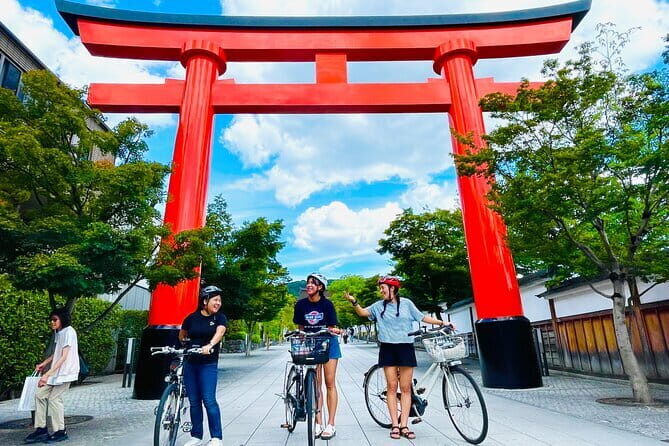
- E-assist e-bikes plus baskets for an easier ride and practical carry space
- A mix of classic Kyoto and quieter lanes, not just one crowded landmark loop
- Four major stops with free admission entries: Gion, Higashiyama temple time, Fushimi Inari, and Tōfuku-ji
- Snack and bottled water included, plus a guide who watches pacing
- Kamogawa River ride at the end, giving you a calmer finish after shrine gates and temples
- English-speaking coordination that helps you understand what you’re looking at, not just where to go
Why an E-Bike Works So Well for Kyoto’s Temple Sweep
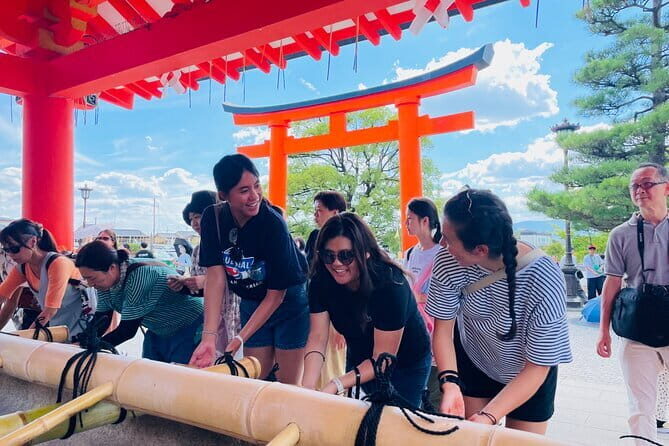
Kyoto has a way of making you feel like you’re constantly walking uphill or crossing from one “must-see” cluster to the next. An e-bike changes that. With pedal assist doing most of the work, you can focus on the neighborhoods, the shrine details, and the story of each place without arriving completely wiped out.
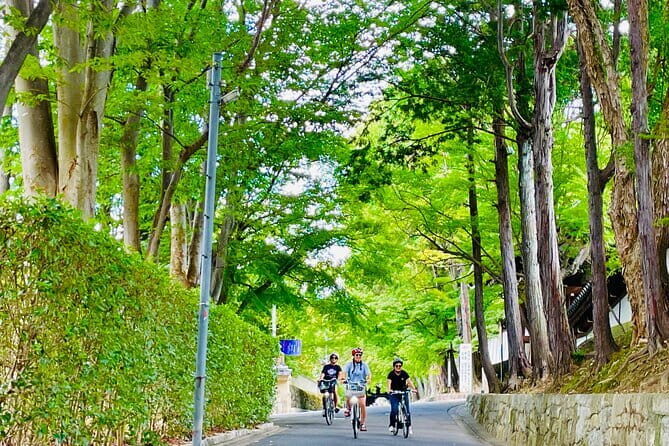
This route is also smartly timed for variety. You’re not only riding between famous sites—you’re also spending time on side streets and scenic paths. That matters, because Kyoto feels different when you’re not stuck in a single lane of tourist traffic.
And you’ll notice the guide’s priorities fast: safety first, then pacing, then explanation. Helmets, guided turns, and clear hand signals help you stay relaxed, even when paths get narrow.
You can also read our reviews of more cycling tours in Kyoto


The Meeting Point, Bikes, and What’s Actually Included
You start at 19 Shōgoin Higashimachi, Sakyo Ward, Kyoto. The tour ends back at the same place, so you don’t have to solve your own transit puzzle after a four-hour cultural ride.
Here’s what you can expect to be provided:
- an e-bike and helmet
- bottled water and snacks
- an English-speaking route coordinator
- free admission for the stops listed on the itinerary
- a mobile ticket
From the way people describe the bikes, the setup is practical. The e-bikes come with baskets that make a difference if you’re carrying a small daypack, a light jacket, or your camera. People also call out that the bikes feel comfortable and well maintained—exactly what you want when the “fun” part is the ride, not fighting your equipment.
What’s not included is also important: lunch. You’ll have a quick snack during the Higashiyama segment, but if you come hungry, you’ll want to eat before you go—or plan something after.
Stop 1: Gion in Ten Minutes and a Crash Course on Geisha Culture
Gion is the kind of place where even ten minutes feels like stepping into a mood. After a short orientation on the bikes (you’ll get geared up and then cycle for about ten minutes), you arrive in Gion and the guide brings the area to life.
This isn’t a deep “stand-and-watch” photo tour. It’s a quick introduction that helps you recognize what makes Gion culturally significant—especially the Geisha culture people associate with the district. The value here is context: you’re not just looking at old streets. You’re learning what these traditions mean and how they show up in everyday Kyoto life.
Drawback to know: because this is short, you won’t have time to wander far off route. If your dream is to spend an hour here on your own, you should treat this stop as the “get your bearings fast” moment.
Stop 2: Higashiyama Ward Temple Time, Hidden Secrets, and a Snack Break
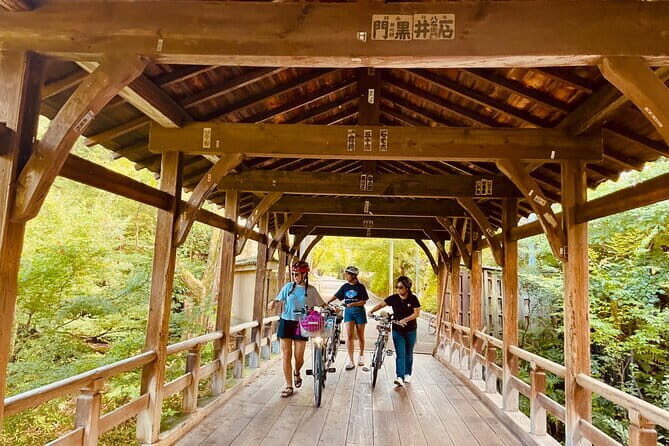
After Gion, you ride roughly fifteen minutes toward the Higashiyama area. Then the tour slows down. You’ll spend about 50 minutes at a temple stop where the guide highlights details that you’d likely miss if you just arrived on your own.
The phrasing people use is consistent: it’s not only the obvious features. You’ll learn the small cultural cues—things related to how religious spaces are used and what visitors often overlook. This segment also includes a quick snack, which is a big deal for a tour that runs about four hours total.
Why this stop matters: it’s where the tour turns from “pretty Kyoto scenery” into “I understand what I’m seeing.” The guide also weaves in cultural background on Shinto and Buddhism, so when you reach later shrines and gates, they don’t feel random.
One consideration: temple areas can be busy, and narrow access points can make slow moments happen. The upside is that you’re on an organized route, so you’re not stuck trying to figure out where your group should be at each stage.
Stop 3: Fushimi Inari-taisha Shrine Gates (and How to See Them Without Stress)
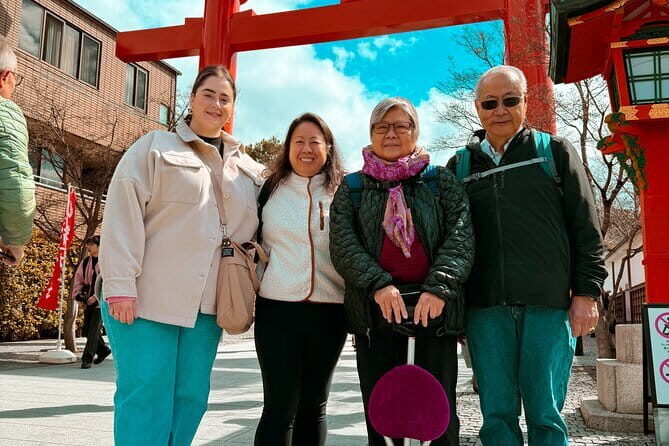
Then comes the moment everyone plans around: Fushimi Inari-taisha Shrine. You’ll spend about 40 minutes here. The focus is the shrine gates, the iconic walk-through feel, and the cultural meaning behind the site.
The e-bike helps you get to the area efficiently, and the time feels designed to let you look without turning it into an all-day march. It’s long enough for photos and for reading what you can, short enough that you’re not exhausted before the last part of the loop.
How to make this stop work for you:
- Take your time early, before you start rushing for the best angles.
- Look for the small signage or details the guide points out, because that’s where the meaning lands.
- If you’re curious about extra shrine traditions, keep an open mind. People mention that the guide may include small cultural activities at shrines, depending on timing.
The only real “watch out” is energy. If you treat this stop like a stamp-collecting checklist, you’ll miss the cultural context. If you treat it like a guided walk with explanation, the 40 minutes feels like it pays off.
A few more Kyoto tours and experiences worth a look

Stop 4: Tōfuku-ji Temple and the Kamogawa River Ride Home
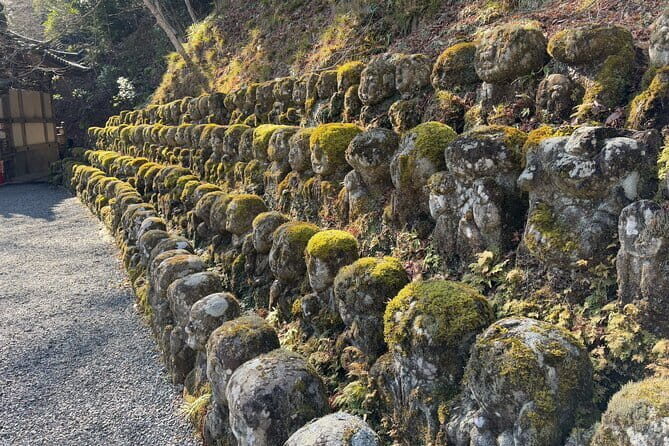
After Fushimi Inari, you cycle about ten minutes to the Tōfuku-ji temple complex. You’ll spend about 20 minutes there, then you follow the Kamogawa River back toward the start.
This is one of the smartest parts of the itinerary because it resets you. A shrine-gates stop is intense in a good way, but it also asks a lot of attention. The river ride is visually calming and physically lighter, so you end the tour feeling like you enjoyed Kyoto—not like you survived it.
Tōfuku-ji gives you another temple perspective right before the finish. The guide’s storytelling helps you connect the spiritual ideas across stops instead of treating each place as an isolated “photo op.”
If you care about atmosphere, this river segment is where the tour feels most local. You’re riding past everyday Kyoto life and getting that “we’re moving through the city” perspective that walking tours usually can’t match.
Price and Value: Is $86.22 Worth It?
At $86.22 per person, this isn’t a bargain like a city bus ride. But value-wise, it hits several smart points at once:
- You get an e-bike, helmet, bottled water, and snacks.
- You get free admission for each listed stop.
- You get an English-speaking coordinator who explains Shinto, Buddhism, and related cultural context.
- You see a cluster of major landmarks plus backstreet riding in about four hours.
The biggest value isn’t just the transportation. It’s the reduced friction. In Kyoto, getting from one area to another can waste time. Here, e-assist and a planned route help you spend your energy on the sites themselves.
Who should consider this price most strongly:
- You want to see multiple iconic places but you don’t want a full-day walking pace.
- You like guided cultural context, not just wandering.
- You want a mix of famous stops and quieter streets.
Who might hesitate:
- If you already know the basic temple/shrine background and just want pure independence, this may feel more structured than you prefer.
- If you’re looking for a long sit-down lunch day, remember lunch isn’t included.
Who This Tour Fits Best (And Who Might Prefer Something Else)
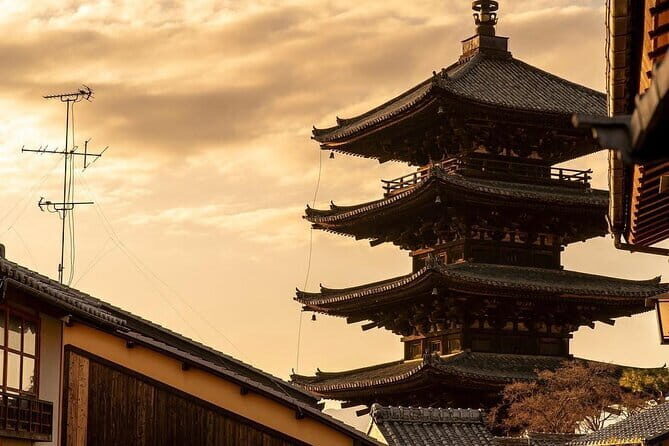
This tour works well for most people. It’s designed around an easy, guided ride, with e-assist making the effort manageable. The group size tops out at 8, which usually keeps things organized and less chaotic than larger groups.
It’s especially a good match if you:
- want an approachable way to see Kyoto’s big-name stops like Fushimi Inari
- enjoy side streets and neighborhoods, not only major streets
- travel with family or mixed-experience group members who need an easy rhythm
- like when a guide connects culture to what’s in front of you
If you’re the type who wants deep time at one site (like lingering for an hour-plus in a single temple hall), this four-stop format might feel a bit fast. You can still enjoy it—you’ll just likely want to come back later for more unhurried time.
What to Expect From the Guide Style (Safety, Humor, and Real Context)
One theme shows up repeatedly in how people describe the experience: guides bring energy, humor, and a real sense of place. Names that appear in comments include Maki and Mika, and both are described as thoughtful, safety-focused, and strong in English.
What you should look forward to in practice:
- hand signals and clear coordination while biking
- pacing that takes the weather into account when conditions shift
- explanations that connect religion and tradition to daily observations
- time for questions, so you’re not left with blank looks after the gate photos
There are also practical touches mentioned in comments, like extra water support during hotter months and guidance on handling rough weather by finding shelter when needed. Even though the tour requires good conditions, the guide approach suggests you’re not left stranded.
What to Bring: Simple Stuff That Makes a Big Difference
This is a short-to-medium ride, but Kyoto weather can change quickly, and the tour runs for about four hours.
Bring:
- a reusable water bottle if you like, even though bottled water is included
- sunscreen and a hat for sunny days
- a light rain layer you can handle on and off the bike (since weather matters here)
- comfortable closed-toe shoes
- any small snack you might want after the included snacks, since lunch isn’t included
In hotter months, it’s smart to plan around hydration. Some people mention stopping for electrolyte drinks during their trip, so if you sweat easily, consider having a plan for that before the tour ends.
Should You Book Pedal Adventure Kyoto’s Iconic Landmarks E-Bike Tour?
Book it if you want Kyoto in one organized, low-effort loop that still feels personal. The mix of Gion, Higashiyama, Fushimi Inari, and Tōfuku-ji, plus the ride along the Kamogawa River, is a strong combo for first-time visitors and returning travelers alike.
Don’t book it if:
- you need a lunch included day, not a light snack setup
- you hate the idea of a timed itinerary (you’ll want more free roaming)
- you’re booking for a day with uncertain weather, since the experience requires good conditions
One more reason to lean yes: if you’re the kind of traveler who likes being told what things mean, this tour spends real time on that. A good ride is fun. A good ride that also teaches you what you’re seeing is the one you remember.
FAQ
How long is the e-bike tour?
The tour runs for about 4 hours.
What is the price per person?
The price is $86.22 per person.
Where does the tour start and end?
It starts at 19 Shōgoin Higashimachi, Sakyo Ward, Kyoto, and ends back at the same meeting point.
What stops are included on the tour?
You visit Gion, Higashiyama Ward (a temple stop), Fushimi Inari-taisha Shrine, and Tōfuku-ji Temple.
What’s included in the tour price?
Included are use of the bicycle, helmet, bottled water, snacks, and an English-speaking route coordinator.
Is lunch included?
No, lunch is not included.
How many people are in a group?
The tour has a maximum of 8 travelers.
What is the cancellation and weather policy?
You can cancel for a full refund up to 24 hours in advance. The tour requires good weather, and if it’s canceled due to poor weather, you’ll be offered a different date or a full refund.