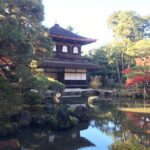
Kyoto gets easier on two wheels. This tour mixes e-bike cruising with a local guide so you can chat as you move and see Kyoto from angles you miss on foot. You’ll head out from the Gojo area and start with Ginkaku-ji, while the route is planned to avoid the heaviest crowds.
I also love that it feels social and personal, not just sightseeing. With Aska (or sometimes another young Japanese guide who has lived abroad), you’ll make at least one Japanese friend and get context along the way, plus a fun moment crossing the stones on the Kamogawa River. The only real consideration: you need to be a reasonably confident cyclist since you’ll share streets and get threaded around pedestrians at times.
In This Review
- Key takeaways before you book
- Kyoto e-bike tour with Aska: what this experience really feels like
- Meeting in the Gojo area: the easiest way to start
- The route starts at Ginkaku-ji, with a riverside warm-up on Kamogawa
- Philosopher’s Path by bike: quiet walking energy without the walking
- Nanzen-ji and its big views: why this stop is worth slowing down
- Heian Jingu Shrine to finish: a calm ending to a moving day
- Your guide (Aska, Natsuki, Tai, and more) and the English you’ll actually use
- E-bikes in Kyoto: how hard is it really?
- Small-group pacing: why 3.5 hours feels generous
- Price and value at about $75: what you’re really paying for
- Weather, safety, and what to do if plans get messy
- Should you book this Kyoto e-bike tour?
- FAQ
- How long is the Kyoto Hidden Gems E-Bike Tour?
- Where do we meet the guide?
- What stops are included on the tour?
- Is the tour guide available in English?
- What group size should I expect?
- What’s included in the $75 price?
- What should I wear or bring?
- Is water or food included?
- Do I need to know how to ride a bike?
- What happens if it rains?
Key takeaways before you book
- Small group size (up to 8) keeps the pace calm and conversation easy
- Aska leads often and brings an international perspective from time living in North Carolina and London
- Kamogawa River stepping-stone moment is a standout that feels Kyoto, not checklist
- Not the busiest sights means more chatting time and less standing around
- Route includes river paths plus roads so comfort on a bike matters
- E-bikes do the heavy lifting for mild effort and easier temple access
Kyoto e-bike tour with Aska: what this experience really feels like
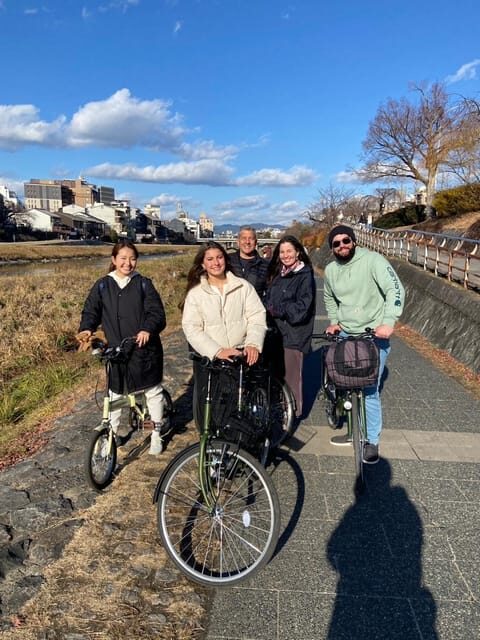
This is a Kyoto tour built for moving. In about 3 to 3.5 hours, you’ll cover several major areas without spending your whole day walking between them. The e-bike helps you keep momentum, so you’re more likely to enjoy the views and the street life around temples instead of saving your energy for later.
What makes it work is the balance. You’re not riding in a straight line from one photo spot to the next. The guide slows things down when it makes sense for questions and conversation, and you’re encouraged to move at your own pace at stops.
The other big win is how it handles crowds. You’ll see famous places like Ginkaku-ji, Nanzen-ji, and Heian Jingu Shrine, but you won’t be glued to the most jammed routes. That gives you room to breathe, shop a little, and ask why something matters without feeling rushed.
You can also read our reviews of more cycling tours in Kyoto

Meeting in the Gojo area: the easiest way to start
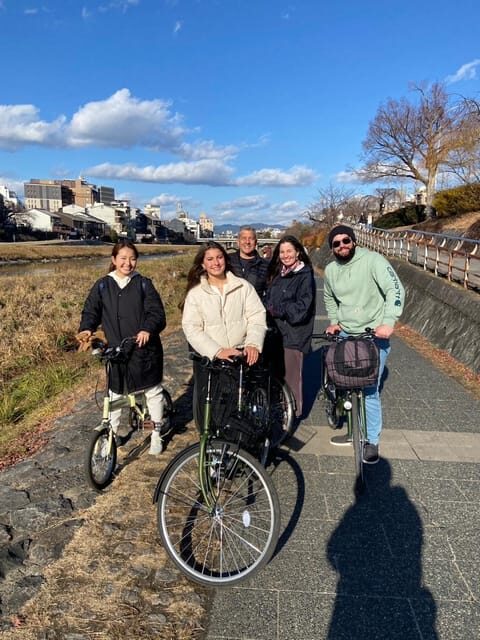
You meet at a rental cycling shop in the Gojo area. It’s about 6 minutes from Kyoto Station by train and around 20 minutes on foot, so you’re not trapped in a complicated neighborhood transfer.
Once you arrive, you’ll handle the practical stuff quickly: pick up the e-bike and helmet, get comfortable with the controls, and fall in line with the group. Many people like that the tour starts right away after equipment setup, so you’re not spending your morning hunting bikes and paperwork.
Important small note for your planning: this is not a hotel pickup and drop-off tour. If you want it to feel effortless, build in a little walking buffer for getting to the shop and back at the end.
The route starts at Ginkaku-ji, with a riverside warm-up on Kamogawa
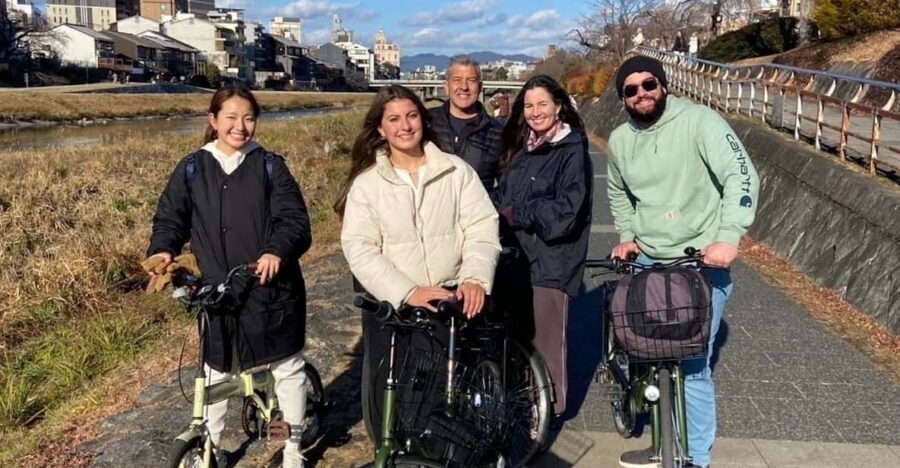
Your first major destination is Ginkaku-ji temple. Before you even arrive, the tour gives you a Kyoto warm-up by bike along the Kamogawa River.
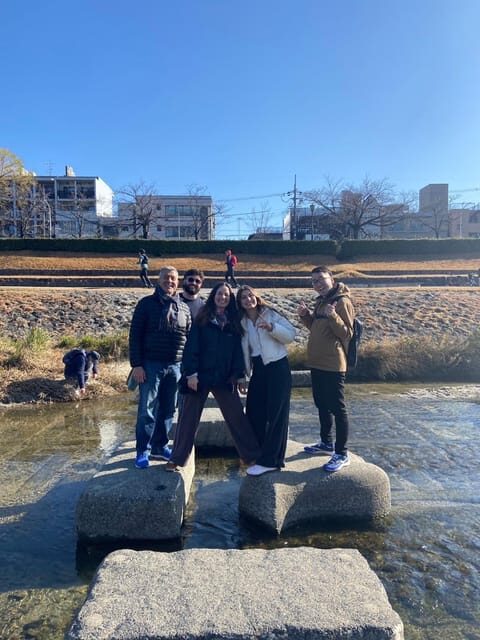
This is where you get one of the most fun moments on the whole itinerary: crossing the river using the stones. The experience is playful and low-pressure, and it’s exactly the kind of street-level Kyoto moment you don’t usually plan for. It also sets the tone for the tour: you’re not just consuming landmarks; you’re moving through the city like a local.
When you reach Ginkaku-ji, you’ll have time to explore at an easy pace. There’s also a shopping street nearby where you can browse souvenirs and grab things like coffee and matcha crepes. That small “free time” chunk matters. It turns a sightseeing tour into a morning you can shape a little.
Philosopher’s Path by bike: quiet walking energy without the walking
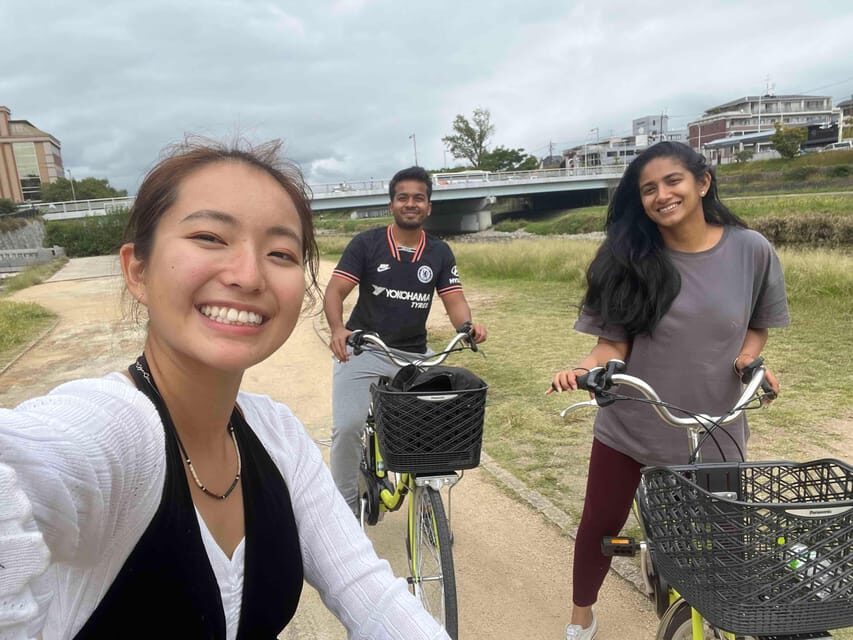
After Ginkaku-ji, you’ll pedal toward the Philosopher’s Path. Even though you’re biking, the vibe is still that slow, contemplative Kyoto feeling people associate with this corridor—just without the bottleneck problem that comes with foot traffic.
On the bike, the path becomes a connector: you’re using it to shift neighborhoods and pick up the next temple area while still enjoying the scenery from a moving vantage point. It also keeps the day from turning into long transfers.
One practical benefit I like: you’re not forced to choose between seeing the sights and keeping your legs fresh. The e-bike makes it possible to enjoy the route even if you’re not trying to train for a cycling event.
Nanzen-ji and its big views: why this stop is worth slowing down
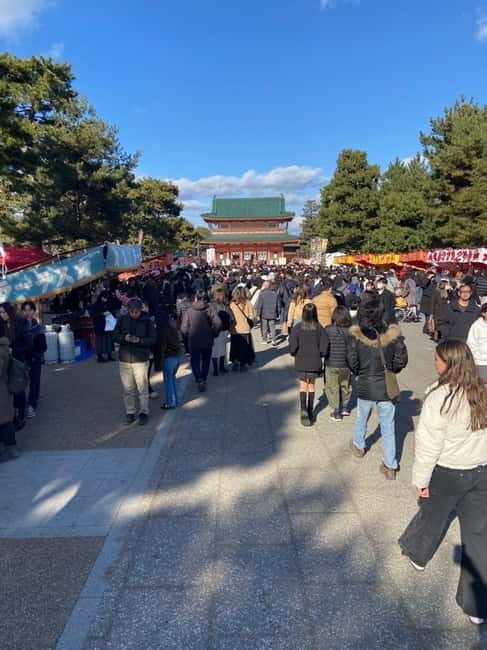
Next up is Nanzen-ji temple, and the tour specifically calls out the chance to enjoy the big views from there. This is one of those stops where the sightseeing feels like it’s doing double duty: you see structures, and you also get a sense of the area’s scale.
It’s also a good point in the tour to catch your breath. After time on the bike, being able to stand, look, and take a calmer pace improves the whole flow of the morning.
If you’re someone who doesn’t love being overwhelmed by crowds, this stop fits the tour’s overall strategy. It’s included because it’s beautiful and significant, but the day is planned so you can spend time there without feeling stuck in the busiest crush.
You can also read our reviews of more guided tours in Kyoto

Heian Jingu Shrine to finish: a calm ending to a moving day
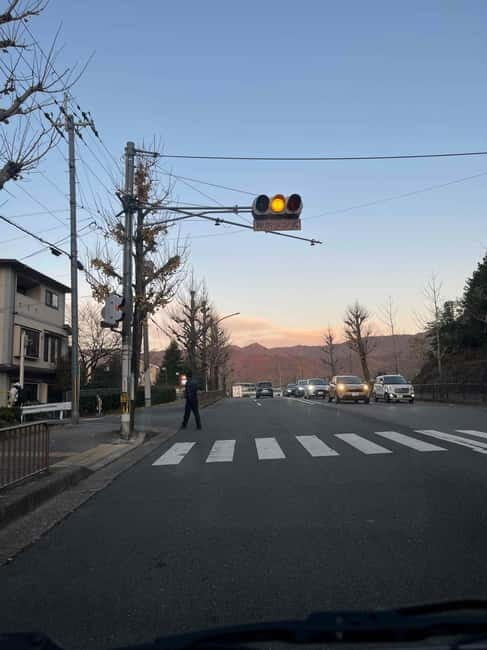
The last temple stop is Heian Jingu Shrine. By the time you arrive, the tour has already done the hard work of getting you from area to area, so this section tends to feel like a natural landing—time to absorb the shrine atmosphere and wrap up your Kyoto loop.
Finishing with a shrine is a good choice for a biking tour. It’s easier to slow down after you’ve already covered the route, and you’re not racing to fit in one more “must-see” before the ride ends.
When the tour concludes, it ends back at the rental bike shop. If you want to keep going, the provider can help arrange continued rental—useful if you want to extend the day to another temple area on your own pace.
Your guide (Aska, Natsuki, Tai, and more) and the English you’ll actually use
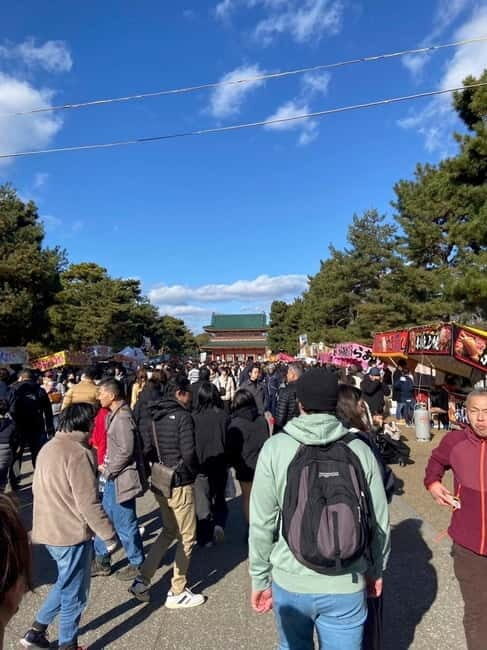
This tour is guided in English, and the guide experience is a big reason people rate it so highly. Aska is the founder, and she’s lived abroad herself, including time in North Carolina and London as a student. She studies sociology and international relations, and she’s interested in social issues like global warming and poverty.
What that turns into in the real world: you get explanations that connect the sights to people and culture, not just facts. The pace of the talk stays friendly. And because the group is small, you can ask questions instead of listening to a monologue.
Sometimes your guide may be a different young Japanese guide instead of Aska. Names that have shown up include Natsuki and Tai, and the common thread is that they’ve lived abroad and are comfortable with visitors. Either way, the tone stays welcoming and practical.
E-bikes in Kyoto: how hard is it really?
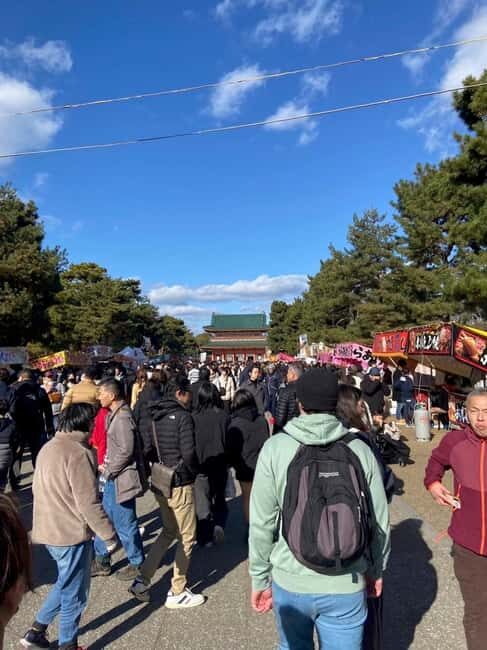
Cycling is the point here, and the rules are clear: this is for people who can ride a bike. If you’re unsure about your balance or you wobble, take that seriously. The route mixes quiet river riding with stretches that are more moderately trafficked and pedestrian-heavy, which means you need to feel in control.
The e-bike helps a lot. The motor support is strong enough that many riders describe it as needing only gentle pedaling, including on mild uphill sections. Still, you’re not gliding like a car. You’ll be working your legs some, and you’ll be steering and braking in a city environment.
A few practical tips that will make your ride smoother:
- Wear comfortable shoes you can walk in at temple stops
- Keep an eye on pedestrians in shared space, not just other cyclists
- Avoid high heels and large bags, since they’re not allowed on the ride
Also, helmets are included, which is exactly what you want in a place where bikes and crowds intersect.
Small-group pacing: why 3.5 hours feels generous
Group size is capped at 8 participants, and that changes the whole experience. You’ll get more time at each stop, and the guide can adjust for your pace without slowing everyone down.
Another quiet advantage: because you’re not bouncing between back-to-back highlight spots, you can actually enjoy the ride between them. People also mention the tour has a calm vibe—more chill conversation than strict command-by-the-guide.
There’s also some flexibility. If you want a little extra time at a stop for shopping or photos, the guide can often work that in. That’s not guaranteed for every request, but the overall structure clearly supports it.
Price and value at about $75: what you’re really paying for
At $75 per person for about 210 minutes, you’re buying a bundle: electric bike rental and helmet, a tour guide, entry tickets, and parking fees. You’re also paying for route planning that avoids traffic and crowded paths.
Is it cheaper than renting a bike and going solo? Sometimes. But this price often feels fair because you’re not just getting wheels. You’re getting guidance, pacing, English explanations, and access to the specific temple stops included in the tour.
What’s not included is also important. Water and food aren’t part of the price, and there’s no hotel pickup or drop-off. You should also plan that tips are not included.
For me, the best value angle is simple: if you want a Kyoto day where you’re not guessing which streets to take and you still want human conversation while you ride, this price can make sense fast.
Weather, safety, and what to do if plans get messy
This tour works in rain in a practical way. If it rains, the guide can provide raincoats or you can reschedule. That’s the kind of built-in flexibility that helps on Japan trips where weather can shift quickly.
Safety is covered with common-sense expectations. The provider notes they can’t take responsibility for injuries or accidents, so ride carefully. Also, make sure you know how to bike before you show up.
If you’re carrying anything bulky, you’ll want to travel light. High-heeled shoes and oversize luggage (large bags, luggage) aren’t allowed on the tour.
Should you book this Kyoto e-bike tour?
Book it if you want Kyoto in a way that feels active but not exhausting. This is ideal if you’re comfortable riding a bike and you like the idea of skipping the busiest paths to spend more time chatting, shopping a little, and soaking up the riverside vibe.
Skip it if cycling stresses you out, if you can’t ride confidently in city conditions, or if you fall into the tour’s clear non-suitability categories (like children under 12, wheelchair users, and people who can’t ride a bike). Also, plan to bring your own water and wear shoes made for both biking and walking.
If you’re chasing a Kyoto morning that mixes temples with real neighborhood texture, and you want a guide you can talk to—this is a smart way to do it.
FAQ
How long is the Kyoto Hidden Gems E-Bike Tour?
The tour lasts about 210 minutes, which is roughly 3 to 3.5 hours.
Where do we meet the guide?
You meet at a rental cycling shop in the Gojo area. It’s about 6 minutes from Kyoto Station by train or 20 minutes on foot.
What stops are included on the tour?
The tour includes Ginkaku-ji temple, biking along Kamogawa River, Philosopher’s Path, Nanzen-ji temple, and Heian Jingu Shrine.
Is the tour guide available in English?
Yes. The live tour guide speaks English.
What group size should I expect?
The group is limited to up to 8 participants, so it stays small.
What’s included in the $75 price?
Included items are electric bike rental and a helmet, a tour guide, entering tickets, and parking fees.
What should I wear or bring?
Bring comfortable shoes and comfortable clothes.
Is water or food included?
No. Water and food are not included.
Do I need to know how to ride a bike?
Yes. The activity says you must make sure you know how to ride a bike, and people who can’t ride a bike are not suitable.
What happens if it rains?
If it rains, the tour can provide raincoats or you can reschedule.