REVIEW · KYOTO
Kyoto Geisha District Walking Tour in Gion
Book on Viator →Operated by Japan Wonder Travel · Bookable on Viator
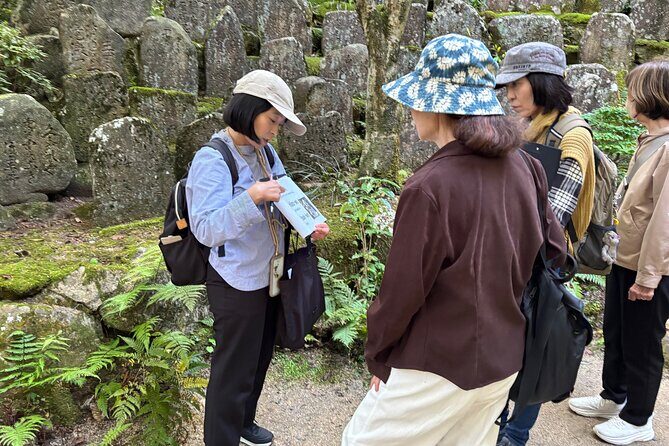
Lantern-lit Gion moves faster with a guide. This tour strings together Yasaka Shrine and Gion’s back lanes with live commentary on geisha culture and Shinto practice, so you’re not just wandering. I especially love the way guides like Takuma (and others, such as Yuko or Tom) explain what you’re seeing in plain language, and I love the photo-friendly stops along shrines and waterways. One drawback to keep in mind: English and pacing can vary a bit by guide, and the experience may feel more photo-forward on some runs.
You’ll cover the classic Gion layout in about 2 hours with a small group capped at 10, which makes it easier to ask questions and move at a human speed. You’ll also get a mobile ticket and a set route that helps you avoid getting turned around in the maze of narrow streets.
In This Review
- Key things I’d watch for
- Entering Gion the smart way: your guide does the heavy lifting
- Starting at Gion Kōbu Kaburenjō: find the group, then relax
- Yasaka Shrine: the Shinto anchor before Gion’s geisha streets
- Gion’s core streets: how geisha district design shapes what you see
- Tatsumi Daimyojin Shrine: a quick stop with a traveler mindset
- Tatsumi Bridge: the quiet photo corner that feels like a scene
- Shirakawa Canal (Gion Shirakawa): where the walk turns calm
- Hanamikoji Street: the famous stretch where tradition becomes obvious
- Gion Corner: a quick cultural bridge to traditional arts
- Price and value: what $29.85 buys you in real life
- How to get better odds of seeing geiko or maiko (without chasing)
- The kimono option: what you must remember
- Who should book, and who might not love it
- Should you book the Kyoto Geisha District Walking Tour in Gion?
- FAQ
- How long is the Gion geisha district walking tour?
- What’s the group size?
- Where do we meet for the tour?
- Are there tickets or paid entry fees at the stops?
- What should I wear?
- Is the tour suitable for guests with mobility limitations?
- If I choose the kimono plan, what do I need to do?
Key things I’d watch for
- Small group (max 10) means you can actually hear the guide and ask questions without shouting over strangers
- Yasaka Shrine + Gion lanes give you Shinto context before you hit the geisha district streets
- Shirakawa Canal and Tatsumi Bridge are the quiet, scenic corners for calmer photos
- Hanamikoji Street is where the district’s traditional storefronts and tea-house vibe show up fast
- Gion’s timing can matter: with the lantern atmosphere and active street flow, you might catch geiko or maiko in the wild
- Rain or shine so you can plan without stressing over the weather
Entering Gion the smart way: your guide does the heavy lifting
Gion is easy to romanticize and hard to navigate. The streets are narrow, the turns come fast, and a lot of the interesting stuff sits just a little off the main drag. That’s where this walking tour helps: you get a plan and a guide who knows where to stand, when to look, and what details actually mean.
The best part for me is that the commentary doesn’t stay stuck in vague folklore. You get stories tied to real places—shrines first, then the district—so geisha culture doesn’t feel like a theme park overlay. Guides mentioned in past groups, like Takuma, Yuko, Yuji, Hide, Eric, Harry, and Tom, are repeatedly described as friendly, funny, and focused on history and customs rather than lecturing from a distance.
The only caution is simple: if you’re picky about English level or want super-deep detail at every stop, you’ll want to be flexible. One unhappy experience in the set of comments highlights how tough a guide’s English can feel when it’s not strong—so don’t assume every run will land at the same level.
You can also read our reviews of more walking tours in Kyoto


Starting at Gion Kōbu Kaburenjō: find the group, then relax
Your meeting point is Gion Kōbu Kaburenjō, 570-2 Gionmachi Minamigawa, Higashiyama Ward, Kyoto (605-0074). It’s in the heart of the action, and the tour notes that you’ll be near public transportation, which helps if you’re juggling trains and walking.
Because it’s capped at 10, the group stays tight. That matters in Gion. When you’re in a large pack, you block sidewalks, you miss quiet street angles, and the guide can’t steer everyone quickly. With this small group setup, you’ll likely spend less time waiting and more time actually looking.
Also, bring practical expectations: this is a walking tour on uneven streets. The tour recommends comfortable shoes, and it’s not suitable for people who can’t go up and down stairs. If that affects you, you’ll want to consider a different option.
Yasaka Shrine: the Shinto anchor before Gion’s geisha streets
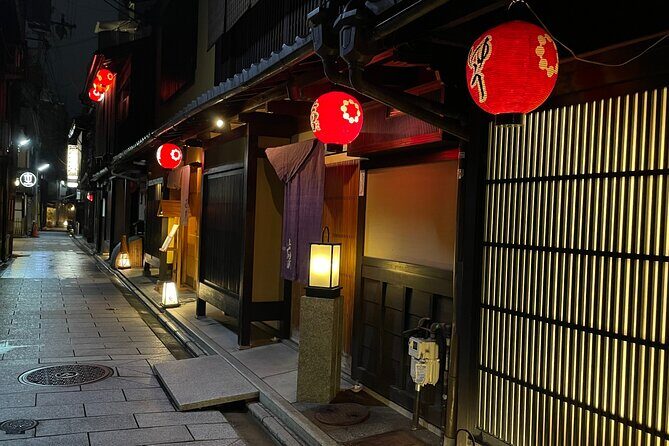
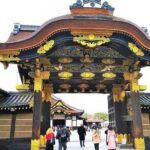
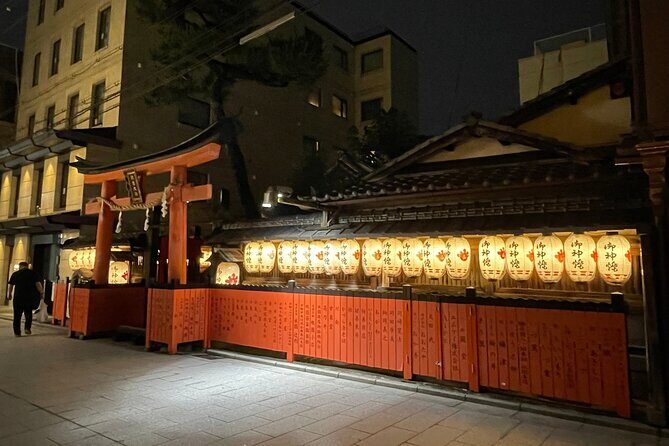
You begin at Yasaka Shrine, and you get a longer stop here—about 40 minutes—for a reason. This is one of Kyoto’s best-known Shinto shrines in the Gion area, and it sets the cultural tone. Lanterns, classic shrine architecture, and that calm, slightly hushed atmosphere around the grounds help you understand why Kyoto’s traditions aren’t just costumes.
Why this stop works: it gives you a framework. When you later hear about geisha culture and the roles of shrines and tradition in daily life, you’re not starting from zero. You’re walking with context, which makes every street detail feel more connected.
Photo-wise, Yasaka is generous. You can frame lanterns, catch the shrine buildings from angles that show depth in the street layout, and still have time to step back and observe the flow of people without rushing.
The only real drawback at this stop is crowding. It’s famous for a reason, so you’ll want to keep your camera handy but your patience longer than you expect.
Gion’s core streets: how geisha district design shapes what you see
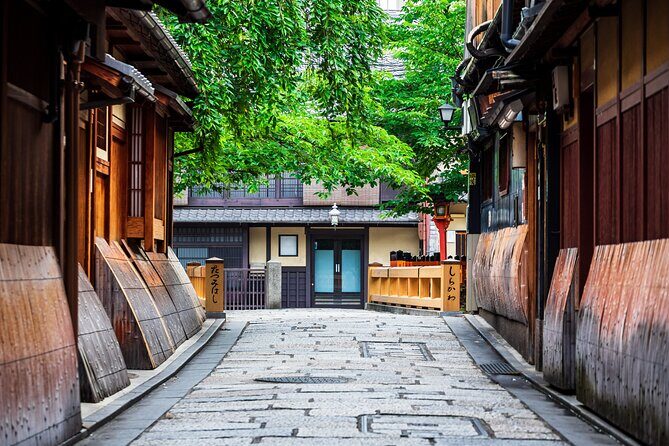
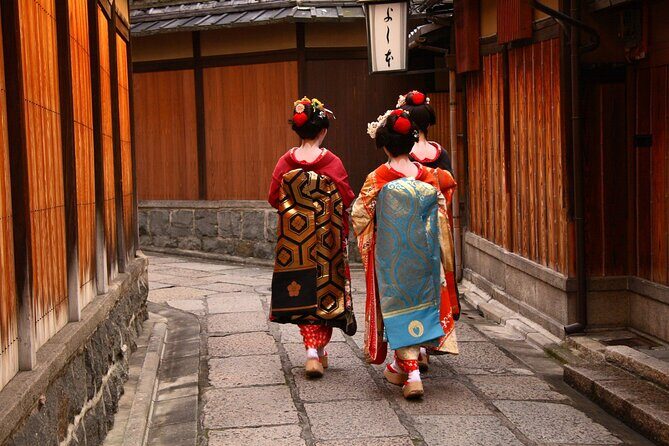
Next you move into Gion, with about 20 minutes here. This is where the district identity hits: traditional wooden machiya houses, narrow streets, and the feeling that you’re walking in a film set even when the reality is everyday city life.
The tour’s commentary focus makes a difference on this segment. You’re not just looking at pretty buildings; you’re learning how geisha culture connects with place. And if your timing includes the later daylight—when paper lantern lights start to dim—you get that signature atmosphere people talk about.
Practical tip: Gion can trick your sense of distance. Turns look small on a map but feel long when you’re walking in tight lanes. A guide helps you “read” the street pattern so you can anticipate what’s coming instead of constantly backtracking.
And yes, this is where you may get lucky. Several guide-led experiences note sightings of geiko or maiko during the walk. Nobody can guarantee it, but the odds improve when you’re moving with someone who understands where activity tends to gather.
Tatsumi Daimyojin Shrine: a quick stop with a traveler mindset
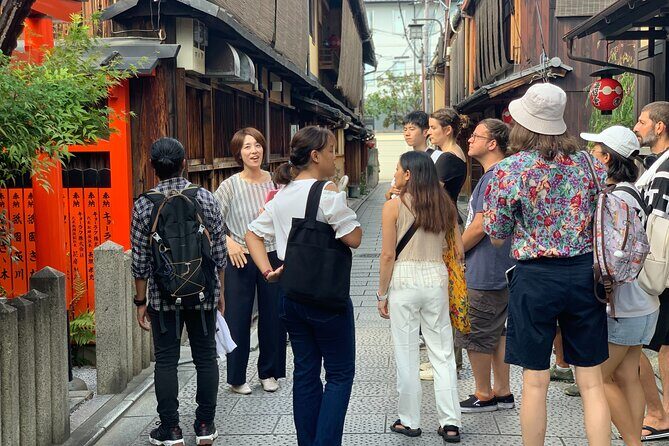
You then visit Tatsumi Daimyojin Shrine for a shorter pause—about 5 minutes. The key value here is the story. The shrine is dedicated to a deity associated with protection, good fortune, and safety, especially for travelers and those going on journeys or work that matters.
This stop is brief, but it’s useful because it keeps tying tradition to everyday life. It also breaks the walk up so you’re not just moving through streets for the entire two hours.
If you like meaning behind small details, you’ll appreciate how the shrine focus complements the geisha district theme. You’re seeing how Kyoto blends “visit the sights” with “learn what people hoped for when they lived here.”

Tatsumi Bridge: the quiet photo corner that feels like a scene
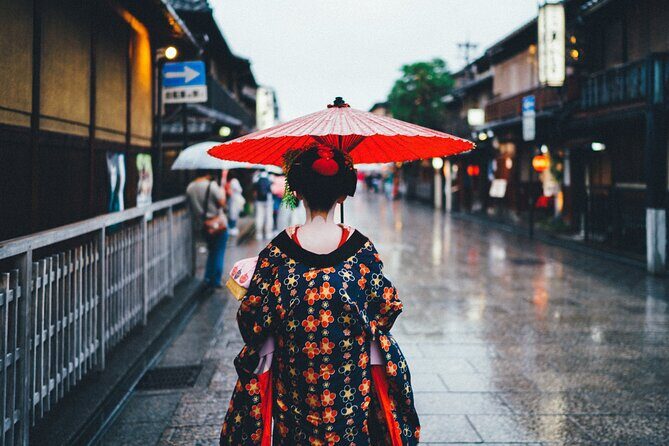
After that, you reach Tatsumi Bridge, about 10 minutes. It’s a small traditional bridge tucked into a corner of Gion, and the area around it has that classic Kyoto look: machiya houses, narrow edges of the street, and a sense of stepping away from the main flow.
Why this stop is worth it: it’s not just for pictures. The bridge and its surroundings help you understand the district’s layout in a way that flat street-level sightseeing can’t. It’s like a visual bookmark in the middle of the walk.
If you’re traveling with a camera (or a phone with a serious lens habit), aim to use this spot to slow down. You’ll get a better shot when you’re not rushing to the next landmark.
Shirakawa Canal (Gion Shirakawa): where the walk turns calm
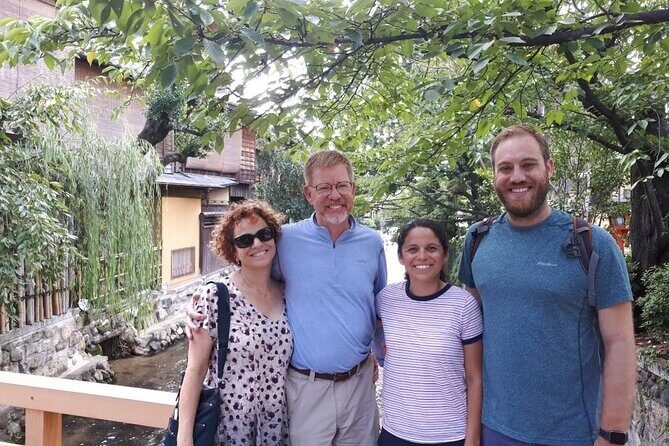
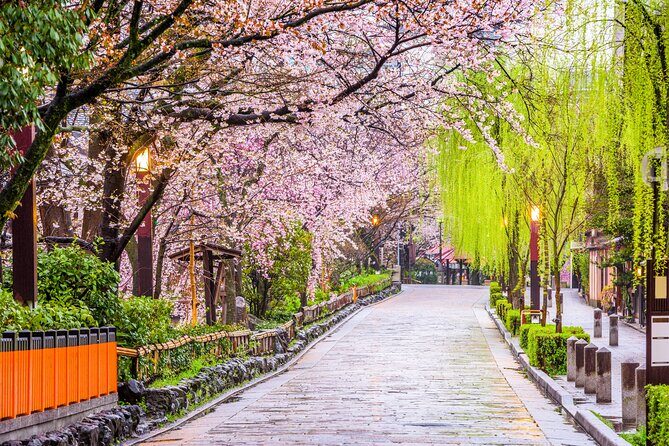
One of the most soothing stops comes next: Gion Shirakawa, also called Shirakawa Canal. The tour frames this as tranquil and scenic, lined with preserved traditional machiya houses and weeping cherry trees.
Even outside cherry blossom season, this is the kind of place where you can hear your own footsteps more than traffic. That quiet contrast matters because Gion is often packed near the main roads. Here, you get a chance to breathe and take in how the district feels when it’s not full-on performance mode.
This is also a strong photo stop, but keep it respectful. Canal-side viewing often means people live their lives right next to the views you want. Move slowly, avoid blocking narrow edges, and let others pass.
Hanamikoji Street: the famous stretch where tradition becomes obvious
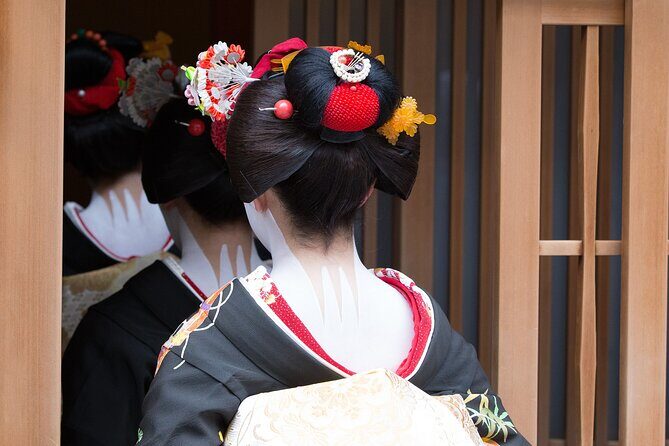
You’ll then spend about 10 minutes on Hanamikoji Street, Gion’s main street. This is where the “old-world elegance” vibe is easiest to spot: rows of traditional machiya, tea houses, shops, and restaurants. Even if you’ve seen Gion photos before, this is still one of the best places to see how narrow streets and wooden facades create that Kyoto rhythm.
If you’re hoping for a geisha glimpse, this is the kind of place where it can happen. But again, it’s about probability, not guarantees. The streets here have foot traffic and activity, so you might see people stepping out, moving between appointments, or simply walking through the district.
Potential consideration: Hanamikoji can feel busy depending on time of day. The guide’s job is to steer you through it without losing the quieter story threads you learned earlier at the shrines and canal.
Gion Corner: a quick cultural bridge to traditional arts
The tour also includes a stop at Gion Corner, described as a cultural venue that showcases traditional art performances and introduces Kyoto’s cultural heritage. The practical value isn’t just that it sounds interesting—it’s that it helps you connect the dots after walking through districts and shrines.
If you’re the type who likes learning what’s behind the visuals, Gion Corner can help you leave the streets with a bigger picture. The tour doesn’t give detailed timing here, so just expect it as a cultural punctuation mark before you head out.
Price and value: what $29.85 buys you in real life
At $29.85 per person for about 2 hours, this isn’t an expensive Kyoto add-on—and it’s also not “just a walk.” You’re paying for three things that matter:
1) Directional intelligence: a guide helps you avoid confusion in Gion’s maze of streets.
2) Context: commentary on geisha culture and Shinto practice turns landmarks into learning.
3) Group size: a cap at 10 makes the experience feel more personal and less chaotic.
Admission is free for the shrine stops listed (Yasaka Shrine and the other shrine visits are ticket-free). That means your money mostly goes into the guide and the structure, not site fees.
One more quiet value point: the tour uses a mobile ticket and includes a walking route that’s meant to keep you moving without constant map-checking. In Kyoto, that saves mental energy, and you’ll enjoy the walk more.
How to get better odds of seeing geiko or maiko (without chasing)
Let’s be honest: a lot of people book this tour hoping for a glimpse of geiko or maiko. You can’t control sightings, but you can stack the odds in a respectful way.
Here’s what helps:
- Stay with your group and don’t sprint ahead for photos.
- Pay attention when the guide points out likely activity lanes—guides like Takuma and Yuji are repeatedly praised for knowing where to be at the right time.
- Keep your camera ready, but keep your body calm. Quick movements draw attention.
You’ll also learn from the street commentary. Even if you don’t see a geiko, the explanation of customs and the district layout often makes Gion feel more real. One theme across the positive experiences: the tour helps you understand why the district works the way it does, not just that it looks good in photos.
The kimono option: what you must remember
If you select the kimono plan, the rules are clear:
- After changing into kimono, you go on your own to the Japan Kanji Museum & Library, about a 5-minute walk from the kimono rental store.
- After finishing the tour, you need to return the kimono by 5:30pm.
So if you’re considering kimono, don’t book it and then assume you’ll have time to wander freely. Plan your day around that return deadline. Also, since you’re on foot, think about comfort and how the outfit affects your walking pace.
Who should book, and who might not love it
This tour is a great match if you want:
- Small-group sightseeing with a guide who explains culture and customs
- A route that covers key Gion areas without you getting lost
- A mix of shrine context plus district atmosphere
It may not be ideal if:
- You’re very sensitive to English clarity and need heavy detail at every stop (one experience flagged that as an issue)
- You dislike photo-focused moments. Some feedback mentioned guides spending time on group photos and selfie moments. That doesn’t happen in every run, but it’s worth knowing if you’d prefer a quieter, purely interpretive walk.
- You can’t handle stairs, since the tour includes stairs at times and is noted as not suitable for some mobility needs.
Should you book the Kyoto Geisha District Walking Tour in Gion?
If your goal is to understand Gion while seeing the main places in a tight timeline, I’d say yes. The route makes sense: start with Yasaka Shrine for context, then walk into Gion’s streets, add the quieter stops like Tatsumi Bridge and Shirakawa Canal, and finish with Hanamikoji Street and a cultural stop at Gion Corner. For $29.85, that combination is good value—especially with a small group size capped at 10.
I’d book it with one mindset: enjoy the stories, stay flexible about language differences by guide, and don’t expect geiko or maiko sightings on demand. If you show up ready to learn and walk, you’ll leave with Gion that feels more than just a photo stop.
FAQ
How long is the Gion geisha district walking tour?
The tour lasts about 2 hours.
What’s the group size?
The tour is capped at a maximum of 10 travelers.
Where do we meet for the tour?
You meet at Gion Kōbu Kaburenjō, 570-2 Gionmachi Minamigawa, Higashiyama Ward, Kyoto 605-0074.
Are there tickets or paid entry fees at the stops?
The tour notes free admission for Yasaka Shrine and the listed shrine stops (ticket-free). Other costs are not described in the provided details.
What should I wear?
Wear comfortable walking shoes, and remember it takes place rain or shine.
Is the tour suitable for guests with mobility limitations?
It is not suitable for people with disability to go up and down stairs.
If I choose the kimono plan, what do I need to do?
After changing into kimono, you go on your own to the Japan Kanji Museum & Library (about a 5-minute walk). After the tour, you must return the kimono by 5:30pm.