REVIEW · TOKYO
Full Tokyo: Meiji Shrine, Imperial Palace, Asakusa & Skytree
Book on Viator →Operated by Amigo Tours Japan · Bookable on Viator
Tokyo snaps into focus fast. In one day, you’ll cover Shibuya Crossing, Meiji Jingu, Asakusa, and end at Tokyo Skytree, with a guide keeping you moving and explaining what you’re seeing. The route is set up so you’re not spending your first morning hunting trains, maps, or landmarks.
I like that the tour saves real planning time: you get a structured flow, train tickets between stops, and a mobile ticket so you’re not scrambling. I also like the guide setup, with bilingual Spanish and English support and standout storytelling on Japanese spirituality and history (I’ve heard examples from guides named Francisco and Jorge). The main drawback to consider is the pace: this is a walking tour with train rides, and your day will involve enough walking that you should plan footwear and energy.
In This Review
- Key points before you go
- Getting your bearings fast: what this tour is built for
- Price and value: why $39 can make sense
- Meeting at Hachiko and the Shibuya Crossing kickoff
- Meiji Jingu Shrine: a real pause in the middle of Tokyo
- Imperial Palace exterior: photos, not inside access
- Akihabara: electronics and pop-culture streets between temples
- Asakusa and Senso-ji: the old-meets-new core
- Tokyo Skytree: the finish line with city views
- Group size, pace, and what to wear
- Who this tour suits best (and who should rethink it)
- Should you book this Tokyo highlights day?
- FAQ
- What time does the tour start?
- Where do I meet the guide?
- When does the tour end?
- How long is the experience?
- Is the guide bilingual?
- Are train tickets included for the transfers?
- Is Tokyo Skytree admission included?
- Are there any meals included?
- Will I enter the Imperial Palace?
- Can I cancel for a full refund?
Key points before you go
- Small group (max 20) helps you stay oriented and ask questions
- Bilingual guide in Spanish and English keeps the day clear, not confusing
- Train tickets included between stops means fewer logistics headaches
- Skip-the-decisions day: key landmarks are covered in one route
- Skytree entrance included, so your final views are already taken care of
Getting your bearings fast: what this tour is built for
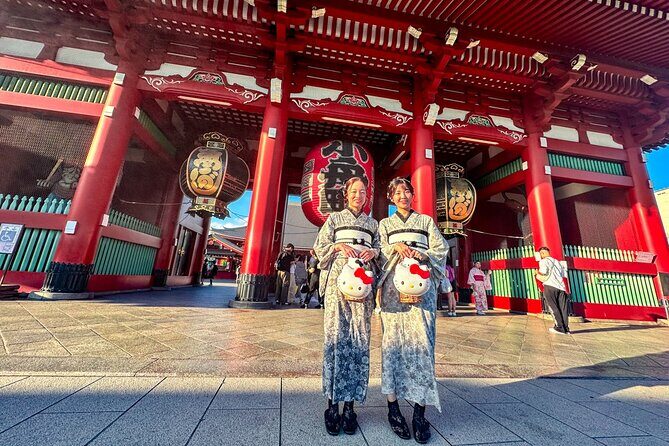
This is a classic Tokyo “get oriented” day. You start at the Hachiko statue in Shibuya, then work your way through some of the most recognizable areas in the city: Shibuya Crossing, Meiji Jingu, the Imperial Palace exterior, Akihabara, Asakusa, and finally Tokyo Skytree. If your trip is short, this kind of route can be the difference between seeing icons and missing them.
The guiding philosophy here is simple: reduce decision fatigue. You’ll follow an itinerary that organizes time, transit, and stop lengths. That matters in Tokyo, where moving across neighborhoods can feel easy on paper and still take mental effort in real life.
You also get a helpful boundary on expectations. You’re not doing museum-style touring or waiting for long indoor exhibits. Most of your day is outdoors or in major sightseeing zones—so it’s a great fit for travelers who want the big visual hits plus cultural context, without overcomplicating the day.
You can also read our reviews of more tours and experiences in Tokyo.



Price and value: why $39 can make sense
At $39 per person for about 7 hours, the headline value is not just the sightseeing—it’s what’s wrapped into the ticket. Train transfers between itinerary points are included, Tokyo Skytree admission is included, and the guide handles navigation so you’re not spending your day solving the subway puzzle.
That’s a strong deal if you’re the type of traveler who wants to spend your limited time actually looking around, not figuring out how to connect lines. It also helps if you’re traveling with someone who prefers a guided day: you’re paying once for structure.
Two cost notes to keep you comfortable:
- Drinks aren’t included, so bring a plan for water (and snacks if you tend to get hungry).
- A meal option exists, but it’s only included if you choose it ahead of time, not automatically.
Meeting at Hachiko and the Shibuya Crossing kickoff
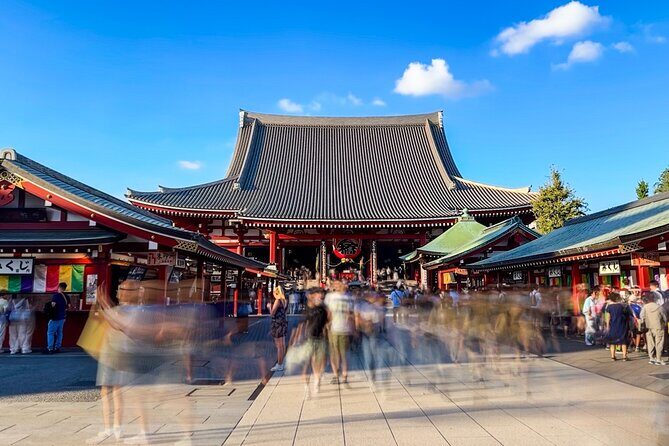
You meet at the Hachiko Statue (2 Chome-1 Dogenzaka, Shibuya). It’s a smart starting point because Hachiko is a landmark you can find even if you’re jet-lagged. The tour starts at 8:00 am, so you’ll hit Shibuya earlier than the later crowds.
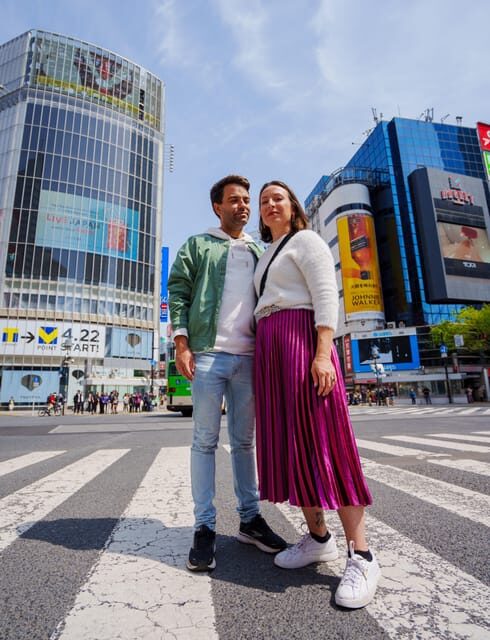
From there, the day includes Shibuya Crossing before you head toward Meiji Jingu. You’ll ride transit for about 40 minutes to get to the shrine area. This sequence is practical: you see Shibuya’s energy first, then you move to a calmer setting.
Even if you’ve seen photos of Shibuya Crossing, the value of doing it with a guide is the small stuff: where to stand, how to read what you’re looking at, and what to notice as you cross. It sets the tone for the rest of the day.
Meiji Jingu Shrine: a real pause in the middle of Tokyo
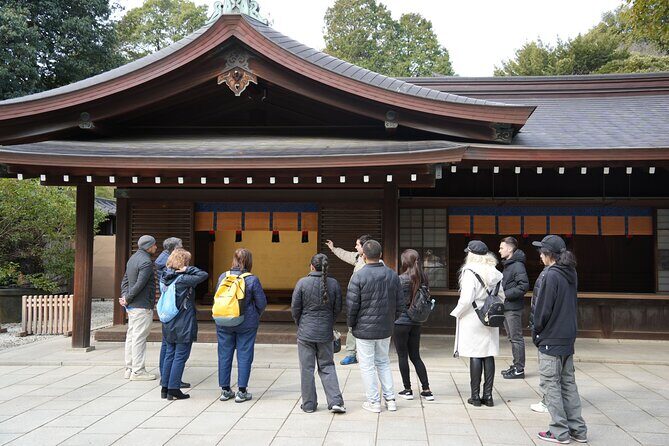
Stop 1 is Meiji Jingu Shrine, with 1 hour 10 minutes on-site and admission free. The tour’s promise here is a peaceful shift from the city. You’ll step into the forested surroundings of the shrine, which is where Tokyo slows down.
This is one of those places where having a guide pays off. You don’t just walk through; you learn how Shinto spirituality connects to space, ritual, and everyday meaning. In the most positive guide stories I’ve heard (from guides like Francisco), the strongest moments come from explaining Japanese religion and spirituality in plain terms—why certain spaces feel the way they do, and what people do there.
What to watch for:
- The atmosphere changes quickly once you’re inside the shrine grounds.
- You’ll want time for photos, quiet moments, and simple observation, not just ticking a box.
Possible drawback: because it’s a peaceful area, you may want to keep expectations realistic about noise and crowds. It’s still Tokyo, so mornings vary.
Imperial Palace exterior: photos, not inside access
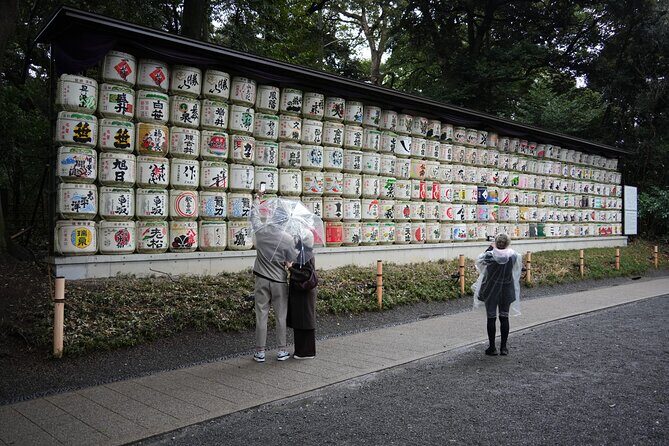
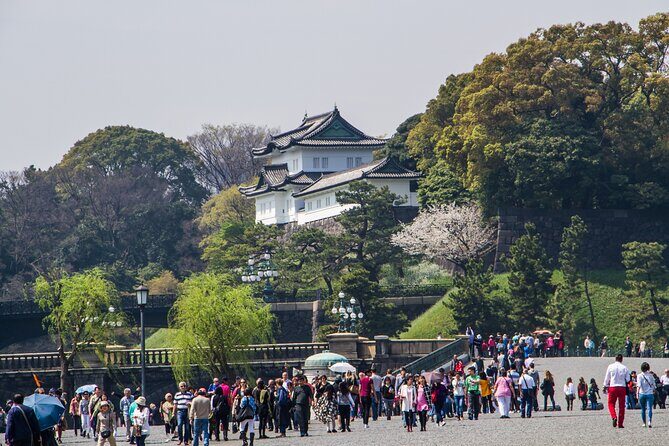
Next you’ll head to the Imperial Palace, with a 30-minute stop for admiring and photographing the official residence exterior. The palace interior is not included, so you won’t be going inside—this is an exterior sightseeing moment.
The good news is that 30 minutes is usually enough for photos and orientation. If you’re curious about Tokyo’s history and the imperial era, this stop gives you a reference point. The trade-off is exactly that: you’re not getting the deeper “inside” access you might see on other tours.
Plan around weather. This is more open space time, so wind or rain can affect comfort more than it would at an indoor museum.






Akihabara: electronics and pop-culture streets between temples
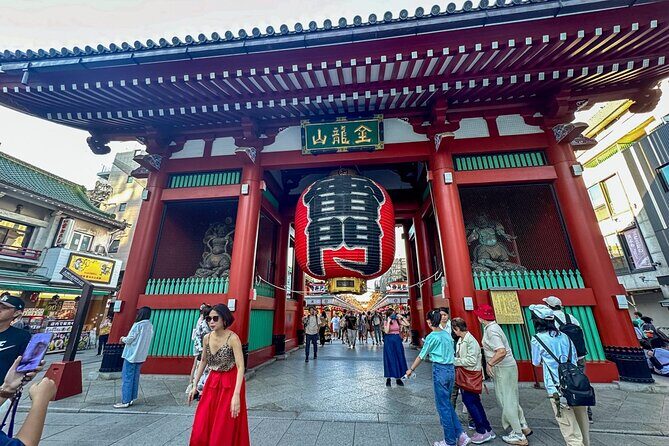
After the palace exterior photos, you’ll head to Akihabara, the Tokyo hub for electronics, anime, and pop culture. The itinerary gives you a stop that focuses on the lively neighborhood itself, including free time to walk the streets and explore.
Akihabara can be polarizing if you’re not into shopping or pop culture. But even if you’re not a gamer or anime fan, it’s still worth seeing because it shows Tokyo’s commercial identity in a way that feels very specific. It’s also a useful contrast after quieter spiritual sites and the Imperial Palace area.
What you’ll likely appreciate most: the chance to wander with fewer logistics worries. You’re not trying to plan where to eat or what store to enter; you can simply look, step into a shop if you want, and keep moving with the group.
Small caution: this is one of the easiest places to lose track of time if you get absorbed in shopping. The guide’s pacing matters here—so don’t treat free time as unlimited.
Asakusa and Senso-ji: the old-meets-new core
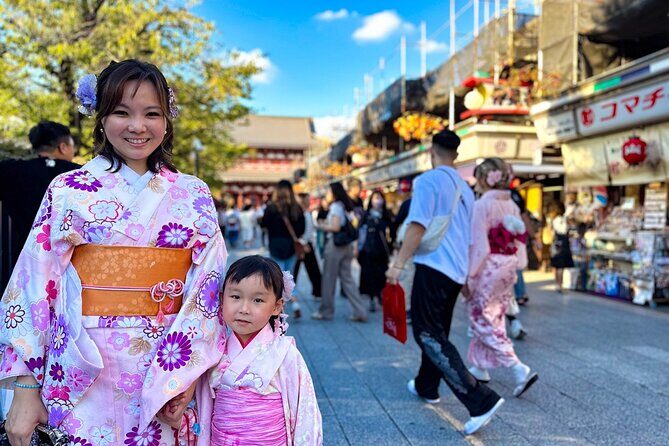
Stop 3 is Asakusa, including Senso-ji, with 2 hours of free time and admission free. This is one of Tokyo’s most historic sightseeing districts, and it’s where the city’s older streets feel easiest to experience.
You’ll have time for:
- Sightseeing around Senso-ji
- Shopping in the neighborhood
- A traditional lunch if you selected the meal option
This stop is valuable because it doesn’t just show you a temple. It gives you the chance to slow down and actually wander. The extra time buffer matters here because Asakusa is made for browsing. If you want postcards, snacks, souvenirs, or just a longer look at the area’s rhythm, two hours gives you space to do it.
Practical tip from how these tours run: wear shoes you trust. This is the point in the day where fatigue can sneak in, and Asakusa rewards relaxed wandering, not rushing.
Tokyo Skytree: the finish line with city views
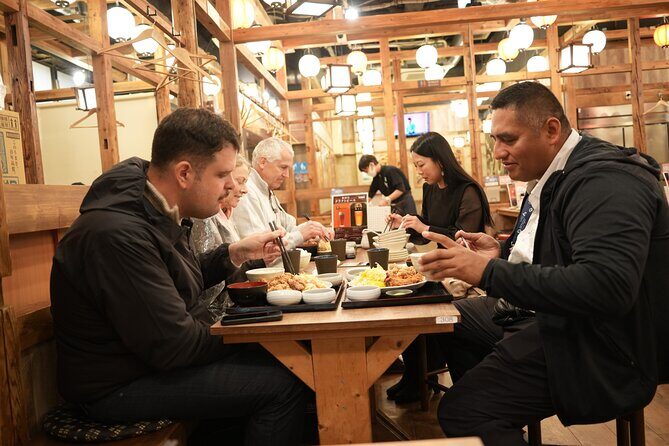
The tour ends at Tokyo Skytree (1-chōme-1-2 Oshiage, Sumida City). You get 30 minutes at the top, and Skytree entrance is included.
This is a strong ending choice. After a day moving through different neighborhoods, Skytree gives you a big-picture view. You can look out and connect what you saw earlier—Shibuya, the river/area geography, and the sprawl that makes Tokyo feel like it never ends.
Keep in mind two practical points:
- The tour concludes at Skytree, and the guide will accompany you to the entrance, then your tour is done.
- There’s no return by bus to the original meeting point, so you’ll need to plan your own way onward.
Group size, pace, and what to wear
The group size caps at 20 travelers, which is big enough to feel lively but small enough that you’re not constantly searching for your guide. The day includes both walking and multiple train rides, and the most common practical feedback is simple: expect to walk.
That means:
- Wear comfortable shoes with good grip.
- If you’re visiting in winter or shoulder seasons, dress for wind. One traveler specifically noted the winter cold and wind.
Also, since the tour starts at 8:00 am, you should plan for an early start routine. Tokyo can feel fast even when it’s quiet, so having water and a light snack strategy helps.
Who this tour suits best (and who should rethink it)
This tour fits best if you want:
- A guided, structured day that covers multiple top neighborhoods
- Clear navigation without map stress
- A mix of spirituality, big-city icons, and classic sightseeing
- A chance to decide later what to revisit on your own
It may not be ideal if:
- You hate walking and want low-movement sightseeing
- You only care about one or two neighborhoods and would rather go deep instead of wide
- You need a tour that ends near your hotel (this one ends at Skytree)
Should you book this Tokyo highlights day?
If you’re trying to do a lot with limited time, I think this tour is a smart purchase. You’re paying a fair price for guided navigation, included train transfers, and Skytree admission, while still seeing the iconic blend of Tokyo—modern flash (Shibuya, Akihabara) and tradition (Meiji Jingu, Asakusa).
Book it if you’re in your first days in Tokyo and want your bearings fast. If you prefer a slower, more customized pace, or you’re not interested in areas like Akihabara, you might be happier choosing a narrower tour.
Either way, it’s the kind of day that helps you map out what you want to return to.
FAQ
What time does the tour start?
The tour starts at 8:00 am.
Where do I meet the guide?
You meet at the Hachiko Statue in Shibuya (2 Chome-1 Dogenzaka, Shibuya, Tokyo 150-0043, Japan).
When does the tour end?
The tour ends at Tokyo Skytree (1-chōme-1-2 Oshiage, Sumida City, Tokyo 131-0045, Japan).
How long is the experience?
It runs for about 7 hours.
Is the guide bilingual?
Yes. The guide is bilingual in Spanish and English.
Are train tickets included for the transfers?
Yes. Train tickets are included for all transfers between the itinerary points.
Is Tokyo Skytree admission included?
Yes. Entrance to Tokyo Skytree is included.
Are there any meals included?
A meal is included only if you choose the option. Drinks are not included.
Will I enter the Imperial Palace?
No. You’ll have a stop to admire and photograph the exterior, but you won’t enter the palace itself.
Can I cancel for a full refund?
Yes. You can cancel for a full refund if you cancel at least 24 hours before the experience’s start time.