REVIEW · TOKYO
Mount Fuji (Mt. fuji) private tour by car with pickup from Tokyo
Book on Viator →Operated by Season for Tours · Bookable on Viator
Mount Fuji days can be a stress test. This private car tour keeps things simple, with Tokyo pickup and a customizable route to the best spots around Fujisan.
I like the flexibility most. You can build your day around what you care about—temples, lakeside views, short nature walks, or classic photo stops—without being stuck on a fixed bus schedule.
One thing to plan for: weather and traffic. If clouds move in or you start too late, you may have to swap or skip some optional stops to keep the day comfortable.
In This Review
- Key highlights worth knowing
- From Tokyo to Fuji by car: where this tour wins
- The “choose your stops” system (and how to use it)
- Chureito Pagoda and Arakura Sengen Shrine: the classic Fuji photo stop
- Oshino Hakkai: eight ponds fed by Fuji snowmelt
- Kitaguchi Hongu Fuji Sengen Jinja: the spiritual side of Fuji
- Lake Kawaguchiko: a flexible base for lunch and views
- Oishi Park: short stop, strong payoff
- Saiko Iyashi no Sato Nemba: traditional houses and crafts
- Mt. Fuji 5th Station: the height experience (not just the view)
- Lava tubes and caves: Fugaku Wind Cave and Narusawa Ice Cave
- Narusawa Ice Cave (optional)
- Fugaku Wind Cave (optional)
- Kogamasao Memorial Park and Tenku no Torii: calmer photos and a framed Fuji moment
- Itchiku Kubota Art Museum: kimono art near the lakes
- Shopping and soaking: Gotemba Premium Outlets and Fuji Chobo-no-yu Yurari Onsen
- Gotemba Premium Outlets (optional)
- Fuji Chobo-no-yu Yurari Onsen (optional)
- One practical warning: check what’s truly open
- Timing tips that can make or break your day
- What the experience feels like with different guides
- Value for money: when $465 per group makes sense
- Who this tour is best for (and who should look elsewhere)
- Should you book this Mount Fuji private car tour?
- FAQ
- How long is the Mount Fuji private car tour from Tokyo?
- Is this tour private, and do you get pickup from Tokyo?
- What’s the price for this tour?
- Are admission fees included for all stops?
- Is lunch included in the tour price?
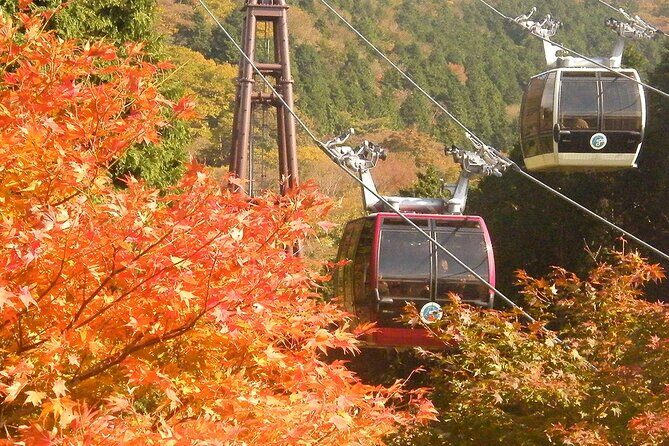
- What about ropeway or ship cruise near Lake Kawaguchiko?
- What happens if the weather is poor or I need to cancel?
Key highlights worth knowing
- Private door-to-door pickup: You start from your Tokyo hotel or apartment, then ride with your own car.
- You control the route: Stops are adjustable so you can prioritize views, culture, shopping, or a cooling-off cave.
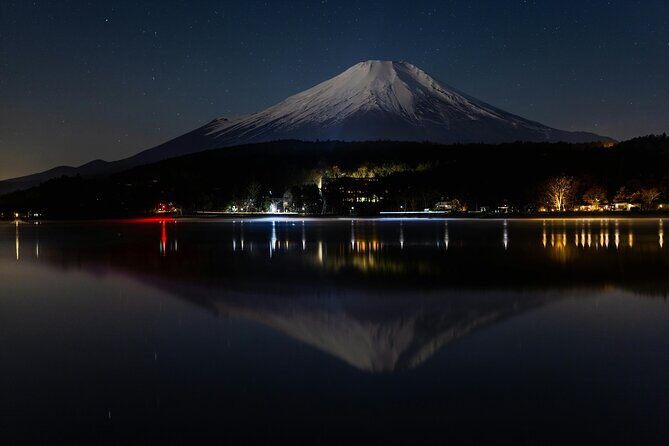
- Strong Mount Fuji odds with smart timing: Clear weather makes the difference, and the tour includes multiple viewpoints.
- Many stops are free: Several major sights have no admission cost (though some optional extras do).
- Optional add-ons can cost extra: Cruises, ropeways, onsen, and caves may require separate tickets.
- Guides can make a big difference: Names you may get include Attary, Faisal, Umar, Ali, and Faizyan, each focused on comfort and good timing.
From Tokyo to Fuji by car: where this tour wins
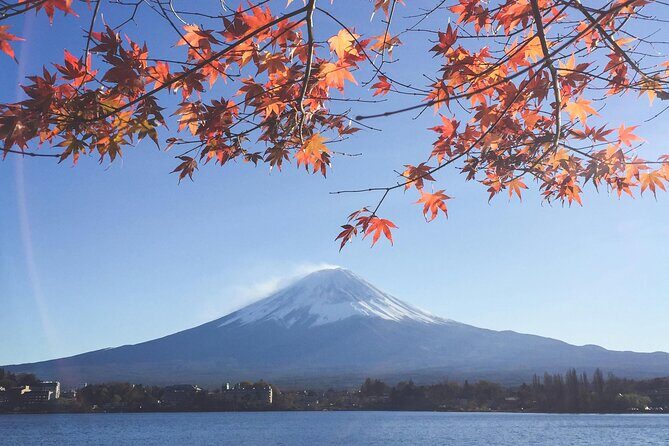
This is a private day trip built for people who want Mount Fuji without the hassle of trains, buses, and tight connections. You get an air-conditioned vehicle and an English-speaking driver, plus highway tolls are included. For many visitors, that combo matters more than any single viewpoint, because it turns the day into a calm drive with intentional stops.
The other big win is the customization. Even though there’s a menu of sights, the tour is designed so you can choose what fits your mood: a shrine with a mountain legend, ponds fed by Fuji snowmelt, lakeside time, or a break underground in a lava cave. You’re not stuck sharing the ride or negotiating crowded vehicles.
Price-wise, it’s listed as $465 per group up to 3. That’s usually where the math works best if you’re traveling with at least one other person. If you’re solo, you’ll feel the cost more—but if you value a direct pickup, English help, and a no-stress plan for a long day, it can still make sense.
You can also read our reviews of more private tours in Tokyo


The “choose your stops” system (and how to use it)
Your itinerary is a mix of core stops (with free admission in many cases) and optional stops that may require separate tickets. The tour runs about 8 to 10 hours, so what you include should be decided up front.
Here’s a practical way to think about it:
- If you care most about the iconic photos, prioritize the spots with the clearest visibility windows and short walking.
- If you care about culture and traditions, anchor your day with the shrines and the traditional village.
- If you want a break from crowds or heat, add one of the lava caves—those can feel cooler even in summer.
- If you want downtime, swap in a park or an onsen late in the day.
The tour is designed to keep things moving, but you still need realistic expectations. Golden Week crowds can slow driving, and then you’ll likely have to cut down on optional stops. If you want maximum success, plan your day around traffic and light, not around checking every box.
Chureito Pagoda and Arakura Sengen Shrine: the classic Fuji photo stop
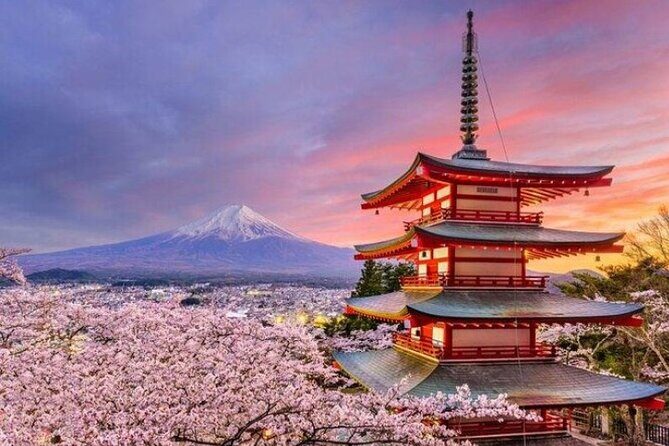
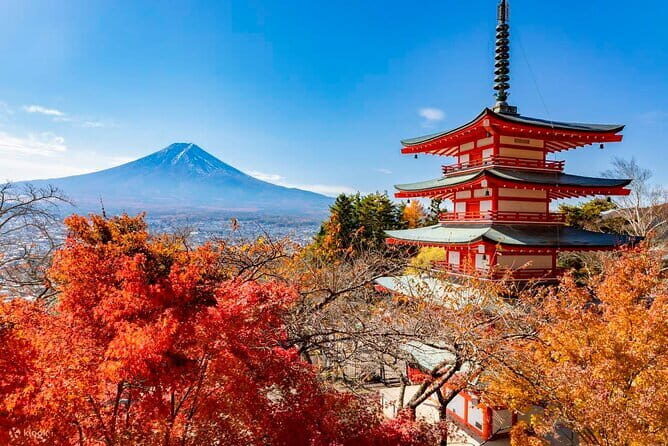
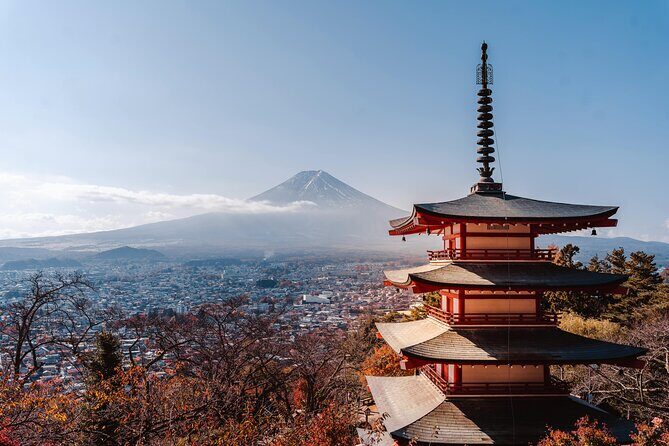
The day often begins (or quickly centers) on Chureito Pagoda, a five-storied pagoda on the mountainside above Fujiyoshida City with Mount Fuji in the background when weather cooperates. It’s part of Arakura Sengen Shrine, and it was built in 1963 as a peace memorial. You’ll climb around 400 steps from the shrine’s main area to reach the viewpoint.
Why it’s worth it:
- This is one of the most recognizable compositions in the region.
- The stop is short enough to fit early in the day without exhausting you.
One consideration:
- You’ll be dealing with steps. Wear shoes you can walk in comfortably, because you don’t want to lose momentum when you’re trying to time the best views.
If you’re lucky with visibility, this can kick off your day with the big Fuji moment.
Oshino Hakkai: eight ponds fed by Fuji snowmelt
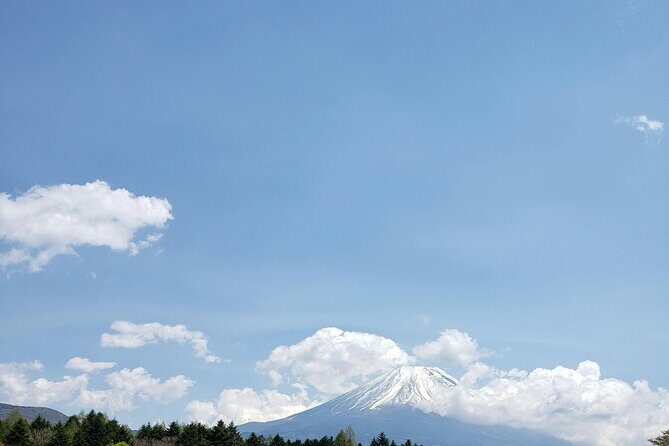
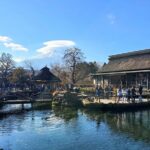
Next is Oshino Hakkai, a set of eight ponds in the Fuji Five Lakes area. It’s in a small village between Lake Kawaguchiko and Lake Yamanakako. The story here is part of the appeal: the ponds are fed by snowmelt that filters through porous lava layers for years, producing very clear water.
What you’ll like:
- The water is a nice contrast to the mountain backdrop.
- On clear days, you can often see Mount Fuji very closely from this area.
- It’s free to enter, which makes it an easy win.
What to watch:
- It can feel touristy and busy, so keep your pace calm and don’t over-plan photo time if you’re trying to reach later viewpoints.
The stop is short (about 30 minutes), so I treat it as “arrive, look around, then move,” rather than trying to linger too long.
Kitaguchi Hongu Fuji Sengen Jinja: the spiritual side of Fuji
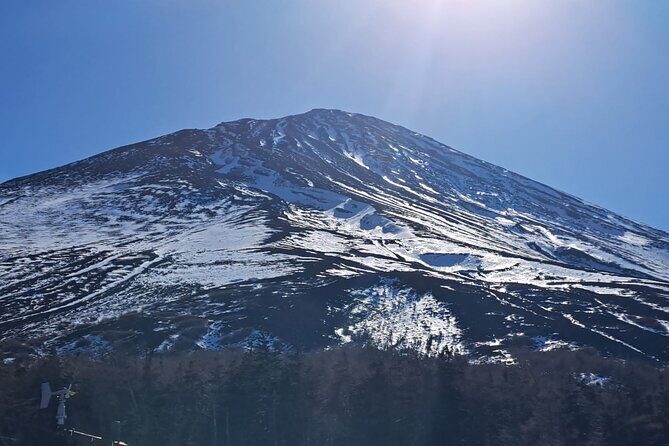
Then you’ll head to Kitaguchi Hongu Fuji Sengen Jinja (also called Fujiyoshida Sengen Shrine). This is the main Sengen Shrine on the north side of Mount Fuji. It’s said to date back to CE 100 and honors Konohanasakuya-hime, the Shinto goddess associated with Mount Fuji.
Why it helps your day:
- It adds real context to why Mount Fuji is treated as more than a photo subject.
- It’s a quieter kind of stop compared with the ponds, and it gives your eyes a break.
Time is about an hour, so you can actually slow down, read what you can, and enjoy the atmosphere without feeling rushed.





Lake Kawaguchiko: a flexible base for lunch and views
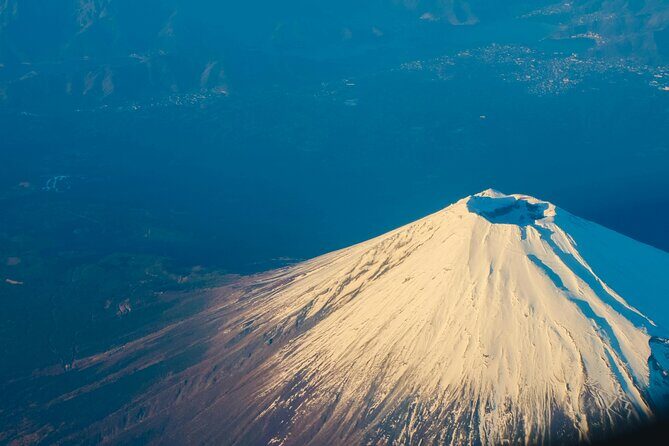
Lake Kawaguchiko is where the tour gives you room to breathe. If you want lunch, this area has lots of restaurants. The lake sits at around 830 meters elevation, which is why summers can feel cooler and winters can be icy.
You also have options here:
- Ship cruise and a ropeway/cable car are available, but those rides cost extra (the tour lists 1000 yen per person).
- Admission at the lake itself is free, so your spending here is mostly your choice.
This is a key “control” moment for you. If you’re still chasing a clear Fuji view, you’ll want to spend enough time to adapt to shifting cloud cover. If the weather is gray, use this stop for a comfortable break and set up for later viewpoints.
Oishi Park: short stop, strong payoff
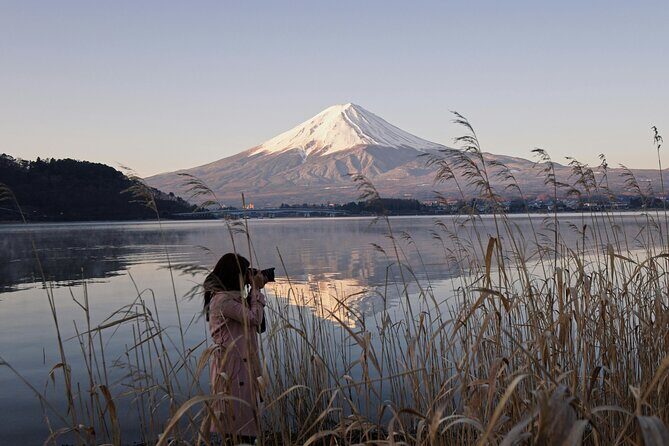
If you add it, Oishi Park is a classic lakeside viewpoint spot on the north shore. The goal is simple: see the lake and Mount Fuji at the same time. Time is limited (about 30 minutes), which is great for a quick photo stretch.
Who should add it:
- You want a Fuji viewpoint but don’t want an all-day commitment.
- You’re balancing multiple stops and need one more great view.
Saiko Iyashi no Sato Nemba: traditional houses and crafts
Saiko Iyashi no Sato Nenba is a small step away from pure scenic stops and more toward cultural atmosphere. You’ll see old Japanese houses with straw roofs (and craft-focused activity). The tour also mentions rentals like kimonos and samurai armor, plus time to meet local artists and browse crafts.
Why this stop works on a Fuji day:
- It gives your photos texture beyond mountains and lakes.
- It’s a good midday or late-afternoon add-on because it feels slower and more human.
One practical note:
- Admission is not included here, so decide early if you want to pay for this kind of cultural time.
Mt. Fuji 5th Station: the height experience (not just the view)
The Mt. Fuji 5th Station is optional, but it’s one of the main reasons many people do a day trip. It sits around 2,300 meters above sea level and functions as a gateway to the Yoshida Trail, the most popular route to the summit. You’ll also find a shrine, shops, and restaurants up there.
If you add it, treat it as a short “high-altitude taste,” not a summit plan. Even with a brief time window (about 30 minutes), it changes the way Fuji feels. The air is cooler, the views can be dramatic, and the vibe is very different from the lakeside.
What to consider:
- It’s optional and not included for admission, so it adds cost if you’re paying ticket fees.
- If weather isn’t clear, the value drops fast, since a lot of the appeal is visibility.
Lava tubes and caves: Fugaku Wind Cave and Narusawa Ice Cave
If you want a break from open-air crowds or you’re traveling in warm weather, the cave options are smart.
Narusawa Ice Cave (optional)
This is a lava tube in the Aokigahara forest at the Narusawa Village area. It’s one of the larger caves at the northern foot of Mount Fuji. The big selling point is that it can feel cool even in summer.
Time is around 45 minutes, which is enough for a proper sightseeing loop without turning it into a half-day detour.
Fugaku Wind Cave (optional)
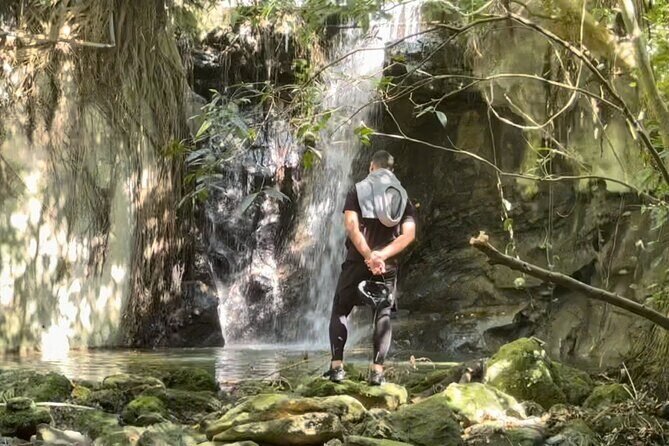
Fugaku Wind Cave is the more science-nerd option, in the best way. The cave sits in the Aokigahara Jukai forest. Once inside, it’s pleasantly cool with an average temperature listed at 3℃. Historically, it was used as a refrigerator to store silkworm eggs until the early Showa era.
A few details that make it memorable:
- The cave is listed as about 201 meters long and 8.7 meters high.
- It doesn’t produce audible echo, because the basalt walls absorb sound.
- During a roughly 15-minute sightseeing portion, you can see lava shelves, rope-like lava, and ice pillars that don’t melt even in summer.
If you add one cave, I’d lean toward this one unless you specifically want the ice cave style experience.
Kogamasao Memorial Park and Tenku no Torii: calmer photos and a framed Fuji moment
These are smaller stops that can work well if you’re feeling good after the main viewpoints.
Kogamasao Memorial Park is optional and described as peaceful with Fuji views. It’s known for cherry blossoms in spring, making it a nice photo target during the right season. It’s also the type of place where you can stretch your legs for a short walk.
Tenku no Torii is another optional photo stop: a torii gate placed on a hillside that frames Mount Fuji. It’s especially popular for sunrise and sunset photography, but you may still get a great framed view depending on light and weather. Plan this stop with timing in mind—if skies are clear, it’s a win.
Itchiku Kubota Art Museum: kimono art near the lakes
If you want something cultural with a bit of artistic wow-factor, the tour lists Itchiku Kubota Art Museum as an optional stop near Lake Kawaguchiko. It’s centered on kimono artworks by Itchiku Kubota and highlights the revival of the lost Tsujigahana dyeing technique.
It also mentions:
- serene gardens
- unique architecture
- intricate textile designs
The tour lists admission as free for this museum stop, which is a nice bonus if you’re choosing between optional paid experiences.
Shopping and soaking: Gotemba Premium Outlets and Fuji Chobo-no-yu Yurari Onsen
Gotemba Premium Outlets (optional)
If you’re in the mood for shopping, Gotemba Premium Outlets is listed as one of Japan’s larger outlets near Mount Fuji. The tour notes over 200 stores, mix of luxury and Japanese retailers, plus dining and views.
It’s a good choice when Fuji views are partly blocked and you still want a satisfying use of time.
Fuji Chobo-no-yu Yurari Onsen (optional)
This optional hot spring is a relaxing option near Mount Fuji with indoor and outdoor baths, including an open-air rotenburo with panoramic Fuji views. The tour also lists private baths, a sauna, and a restaurant.
If you add it, I’d aim to place it later in the day. It turns a long travel day into a recovery session, not just another stop.
One practical warning: check what’s truly open
One item in the optional list is Fuji-Q Highland, and it’s marked as permanently closed in the provided details. If your driver suggests replacing it, ask what you’ll do instead so you don’t lose time expecting a place that isn’t operating.
Timing tips that can make or break your day
Because Mount Fuji visibility depends heavily on weather and light, timing is everything.
A helpful tip shared by someone who did this day trip: leaving Tokyo early helps you avoid traffic, and they suggested planning to leave before about 15:30 to beat congestion. Another timing detail shared is that getting from central Tokyo to the first spot can take about 1 hour 40 minutes depending on where you start and traffic patterns. Treat that as a rough guide, not a guarantee—but it’s a good reminder: start early.
Also, keep your stop order flexible. If the weather suddenly clears, the driver will often be able to adjust which viewpoint gets your best timing.
What the experience feels like with different guides
What people tend to love most in this kind of private tour is not only the sights—it’s how the day flows. With this tour, your driver can shape the experience with planning and on-the-spot decisions.
From guide names you might encounter:
- Attary: described as attentive and professional, and able to adapt to preferences like breakfast and lunch location choices.
- Faisal: praised for making the day comfortable and for having Arabic spoken in at least one instance.
- Umar: helpful with advice around timing and traffic and keeping things comfortable across multiple viewpoints.
- Ali: noted for friendly guidance and helping with photos by bringing you to strong viewing spots.
- Faizyan: appreciated for comfort and smooth shuttling between sites.
If you have preferences, say them early: do you want more time at lakes, less walking on steps, more photos, or a longer rest stop?
Value for money: when $465 per group makes sense
For a private Mount Fuji day trip, $465 per group up to 3 is often strongest value when:
- you have two or three people splitting the cost
- you want hotel pickup and an English-speaking driver
- you prefer fewer headaches over squeezing onto public transport
Your inclusions are meaningful: private transportation, air-conditioning, highway tolls, and the driver’s English support. Petrol/gas is included too. Lunch is not included, but Lake Kawaguchiko is the likely place to eat since the tour notes many restaurant options there.
Where costs can creep up:
- optional cave tickets
- ropeway or ship cruise at Lake Kawaguchiko
- onsen and museum choices that aren’t marked free
- any shopping you decide to do
So I’d build a budget that assumes some extras if the weather is good and you want to maximize your day.
Who this tour is best for (and who should look elsewhere)
This tour is a strong fit if you:
- want a stress-free Mount Fuji day from Tokyo
- care about convenience and a private ride
- like mixing culture (shrines and traditional houses) with views
- don’t want to plan transport between far-apart spots
You might choose a different style if you:
- are traveling solo on a tight budget
- want a very strict schedule with no flexibility
- are set on only paid add-ons (caves, onsen, rides) and might be surprised by extra tickets
Should you book this Mount Fuji private car tour?
I’d book it if your top priorities are comfort, flexibility, and maximizing Fuji viewpoints in one day. The private setup from Tokyo hotel pickup is a real quality-of-life upgrade, especially with long driving distances and variable weather.
I’d be a little more cautious if you’re traveling in peak congestion periods or you’re hoping to hit every optional stop. The smart move is to pick your must-dos (for example: one major shrine stop, one lakeside window, and one cave or 5th Station), then let the driver handle the rest based on conditions.
If you want a day that feels guided rather than hurried, this is the kind of tour that can turn Mount Fuji from a logistical problem into a genuinely smooth highlight.
FAQ
How long is the Mount Fuji private car tour from Tokyo?
It runs about 8 to 10 hours.
Is this tour private, and do you get pickup from Tokyo?
Yes. It’s a private tour/activity with only your group, and pickup is offered from your Tokyo hotel or apartment.
What’s the price for this tour?
The price is $465.00 per group (up to 3).
Are admission fees included for all stops?
Some stops are listed as admission free (like Chureito Pagoda, Oshino Hakkai, Kitaguchi Hongu Fuji Sengen Jinja, Lake Kawaguchiko, Oishi Park, and Itchiku Kubota Art Museum). Other optional stops list admission tickets as not included.
Is lunch included in the tour price?
No. Lunch is not included. The tour notes many restaurant options at Lake Kawaguchiko.
What about ropeway or ship cruise near Lake Kawaguchiko?
The tour mentions ship cruise and ropeway/cable car as extra options, with the ropeway/ship cruise pricing listed at 1000¥ per person.
What happens if the weather is poor or I need to cancel?
The experience requires good weather. If it’s canceled due to poor weather, you’ll be offered a different date or a full refund. There is free cancellation, and you can cancel up to 24 hours in advance for a full refund.