REVIEW · KYOTO
Bento Box Cooking Class
Book on Viator →Operated by Cooking Sun · Bookable on Viator
Bento boxes feel personal in Kyoto. In this small bento box cooking class at Cooking Sun Kyoto, you watch expert technique, then build your own lunch box with close help from an English-speaking instructor. It is a fun way to turn the idea of Japanese convenience food into something you can actually recreate at home.
I especially like the hands-on supervision. The class is run with a low headcount (up to 8), so you are not stuck just watching from the sidelines, and the instruction stays clear. I also love that you get recipe copies at the end, so your Kyoto memories don’t vanish the moment you get back home.
One thing to plan around: the cooking takes time, and you won’t eat until the end. If you skip breakfast, you may feel it. The class is also adjusted every three months with seasonal ingredients, so the menu can vary.
In This Review
- Key Points Before You Go
- Cooking Sun Kyoto Bento Class: What You’re Really Paying For
- Getting to the Studio and Starting on Time
- A Typical Session: How the Class Flows From History to Lunch
- Bento Box Staples You May Cook (And Why They Matter)
- The Hands-On Part: How Small Groups Keep You from Feeling Lost
- Lunch at the End: Eat What You Made, Then Take It Home
- Dietary Needs and Allergies: What You Should Do
- Price Check: Is $71.35 Worth It?
- Who Should Book This Bento Box Cooking Class
- Should You Book It? My Straight Answer
- FAQ
- How long is the Bento Box Cooking Class?
- Where does the class meet in Kyoto?
- What is included in the price?
- Is lunch included or do I need to pay for food?
- Can the class accommodate dietary requirements or allergies?
- How big are the groups, and is it near public transportation?
Key Points Before You Go
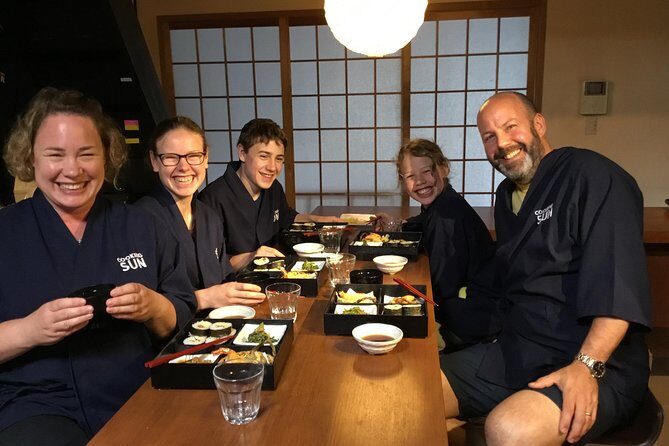
- Small groups (up to 8) make it easier to get personal help when you need it
- Chef-led demos first, then you cook your own bento staples during the session
- Seasonal menu changes every three months, so dishes can shift with what is available
- Lunch is included and you eat what you make, right after cooking
- Recipe handouts to take home help you repeat the dishes for friends and family
- Dietary needs are accommodated if you tell the team when booking
Cooking Sun Kyoto Bento Class: What You’re Really Paying For
At $71.35 per person for about 3 hours (often listed as 3 to 3.5 hours), this is priced like a solid, practical Japanese cooking experience rather than a quick food tour. You get the studio time, an English-speaking cooking instructor, all ingredients, and lunch included. You also get an apron, which sounds small, but it signals you are not doing a DIY snack—this is set up like a real class.
You are also paying for something intangible: structure. Bento can look simple until you try it—then you realize it is part technique, part timing, and part visual design. The way this class is laid out helps you learn those pieces without feeling overwhelmed.
There are also value perks that can matter if you are traveling with someone. The offering includes group discounts, and you get a mobile ticket. That is useful if your schedule in Kyoto is packed and you want fewer paper hassles.
You can also read our reviews of more cooking classes in Kyoto
Getting to the Studio and Starting on Time
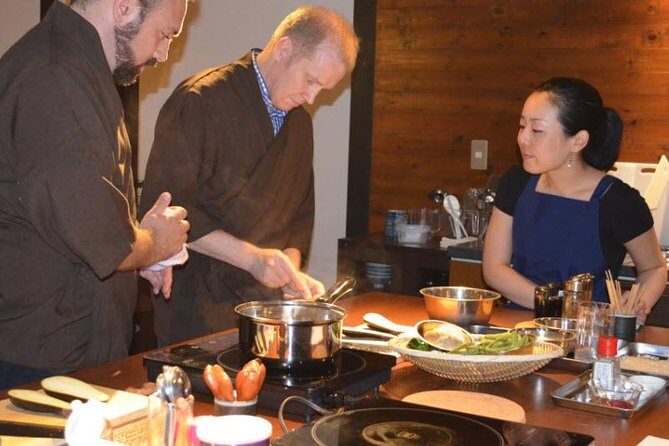
The class starts at 9:30 am at Cooking Sun, located at 679 Funayachō, Shimogyo Ward, Kyoto. It ends back at the meeting point. That matters because you can plan your morning around one clear location, rather than bouncing between stops.
The studio is near public transportation, so you should be able to reach it without stressing over parking. And because there is no hotel pickup or drop-off, you will want to give yourself a little buffer to arrive on time.
One more practical tip: show up fed. The cooking is hands-on and you typically eat after you finish. Several people specifically recommend not skipping breakfast, since you will be working up an appetite.
A Typical Session: How the Class Flows From History to Lunch
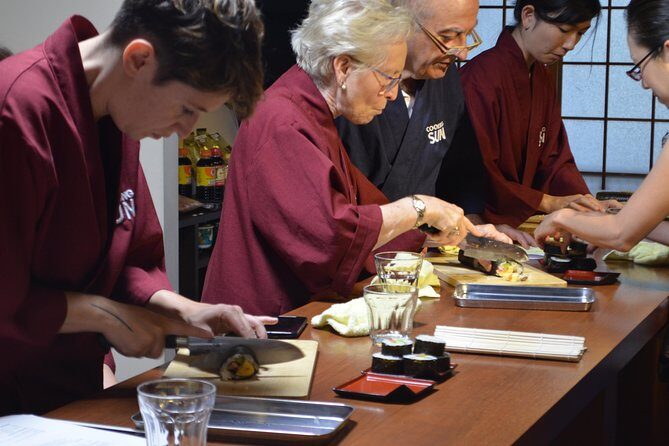
This course is designed like a cycle: learn, practice, then eat. You start with background on bento—its origin and why it became such a beloved Japanese way to pack and share food. The bento story reaches back to the 13th century, when the word bento appeared in older usage tied to convenience. You do not need to be a Japan history buff to enjoy this part; think of it as the why behind what you’re cooking.
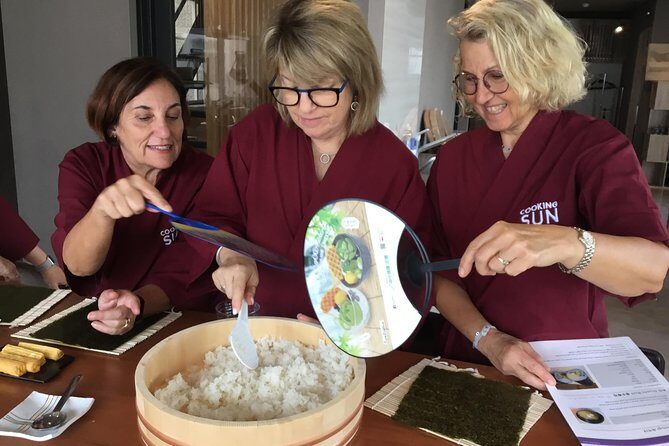
Then you shift to technique. A Japanese master chef demonstrates cooking methods you will use in your bento box. After that, you get hands-on guidance from the class leader. In a small group, you are more likely to ask questions in the moment and get corrections before a dish goes off track.
Finally, you eat your own bento lunch. The class includes lunch, and the lunch is the meal you make. It is one of the best parts because you get the satisfaction of turning effort into a plated, portable-style meal.
Bento Box Staples You May Cook (And Why They Matter)
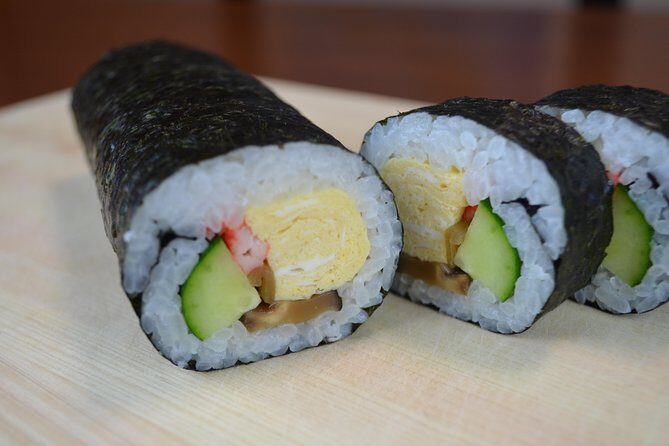
Bento is not one recipe. It is a collection of components that work together. This class teaches you several staples, and the exact menu can change with the seasons (it is adjusted every three months).
From the information provided, you can expect techniques tied to dishes like:
- Miso soup
- Tempura vegetables
- Egg rolls (a bento classic, and a favorite for school lunches)
- A menu that can also include popular items mentioned in past classes such as teriyaki chicken, spinach-sesame salad, tempura shrimp and vegetables, and sushi roll
You may also get focused practice on things like:
- rolling and shaping, such as sushi rolling and a maki-style sushi roll
- trickier texture work like a rolled egg technique
Why this combination is valuable: you learn variety. Bento is about mix-and-match flavor and texture—soupy, crisp, savory-sweet, and fresh/bright. If you want Japanese home cooking at its best, this is a useful spread because you are not only learning one dish. You are learning how Japanese meals build balance.
The Hands-On Part: How Small Groups Keep You from Feeling Lost
A maximum of 8 travelers per booking is a big deal here. That headcount helps instructors watch what you do—especially during technique-heavy steps like frying tempura or rolling sushi components.
In reviews, people repeatedly mention close supervision and that the instructors were patient and clear while guiding hands-on work. One review even highlighted that a small group (12 people supervised by 3 chefs) were individually guided. Even if your class size differs, the theme stays the same: you are cooking, not just standing around.
What I like about the teaching style is the balance of explanation and action. You learn what to do, then you do it. That reduces guessing and helps you build confidence. If you have cooked at home before, you’ll still pick up new methods and little shortcuts; if you are brand new in the kitchen, the structure helps you follow along without fear.
A few more Kyoto tours and experiences worth a look



Lunch at the End: Eat What You Made, Then Take It Home
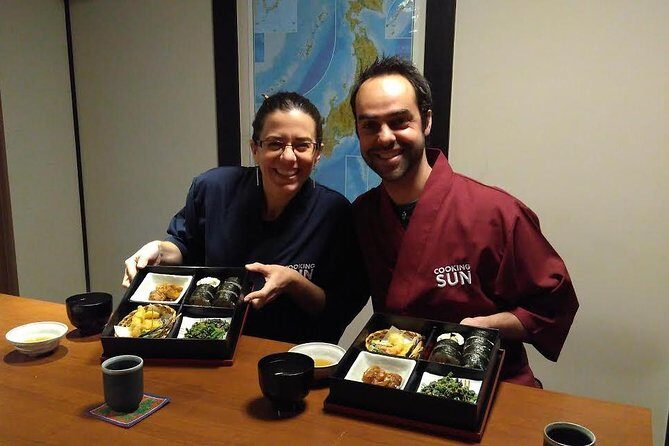
When you finish cooking, you sit down with the other class participants and enjoy what you made. This is not a token tasting. You are eating a complete bento meal you assembled.
After lunch, you receive copies of the session recipes. That is one of the highest-value parts for me, because Japanese cooking works best when you can reproduce it with the right proportions and steps. Recipe sheets also help you remember details you might forget, like timing and how specific elements are assembled in a bento-style layout.
Also, even though this is a bento class, it naturally teaches meal-making logic: how to coordinate components so they end up ready when it is time to eat.
Dietary Needs and Allergies: What You Should Do
The class asks you to advise specific dietary requirements at booking. And multiple reviews highlight that staff handled food allergies carefully and explained things clearly while being kind and helpful.
Here is how I’d approach it as a practical traveler:
- Tell the operator about allergies as early as possible during booking
- Specify what you cannot eat, not just general preferences
- Ask for confirmation of how ingredients are handled before cooking begins
If you are used to cooking with substitutions, you can bring that mindset. But for allergies, it’s smarter to let the team guide you using what they have prepared.
Price Check: Is $71.35 Worth It?
For Kyoto, a cooking class around the $70 range can either be a fun demo or real instruction. This one leans toward real instruction because:
- lunch is included
- all ingredients are provided
- the group is capped at 8
- you get an English-speaking instructor
- you take recipe copies home
Where the price feels especially fair is when you compare it to the cost of trying to recreate the same results on your own. Sushi ingredients, dashi components, sauces, and proper frying practice can add up quickly. This class bundles the ingredients and teaches technique so you spend less time guessing.
Also, because the menu rotates with seasons, you are not stuck learning something that feels outdated. You get a version of bento that matches what is seasonally available.
Who Should Book This Bento Box Cooking Class
This class is a great fit if:
- you want a hands-on Japanese cooking lesson in Kyoto without a huge time commitment
- you like eating what you cook, right away
- you want recipes you can realistically use at home
- you prefer small groups where you can ask questions
It is especially good for couples and families who want an activity that is active but not stressful. Several reviews mention the experience working well for different ages, including people traveling with a teenage daughter and others cooking together as a pair.
If you dislike cooking tasks or want a mostly passive food experience, you might find it too hands-on. Bento is practical by design—your hands do the work.
Should You Book It? My Straight Answer
Yes, I’d book this if you want a Kyoto activity that leaves you with real skills and real recipes, not just photos. The combination of chef demos, small-group supervision, lunch included, and take-home recipe copies makes it feel like good value for the time.
I would only hesitate if you are extremely sensitive to scheduling and timing. You cook first, eat later, so plan your morning accordingly—grab breakfast before you go. And if you have allergies or strong dietary restrictions, be proactive with the booking notes so the team can plan the class safely.
FAQ
How long is the Bento Box Cooking Class?
It runs for about 3 hours (approx.), with some listings noting 3 to 3.5 hours depending on the session.
Where does the class meet in Kyoto?
The meeting point is Cooking Sun, 679 Funayachō, Shimogyo Ward, Kyoto, 600-8466, Japan.
What is included in the price?
Lunch, all ingredients for cooking, an English-speaking cooking instructor, and an apron are included.
Is lunch included or do I need to pay for food?
Lunch is included, and you eat your handmade bento box at the end of the class.
Can the class accommodate dietary requirements or allergies?
You should advise any dietary requirements at the time of booking. The class also states that it is allergy friendly, and staff are careful and helpful when handling food allergies.
How big are the groups, and is it near public transportation?
There is a maximum of 8 people per booking, and the activity is near public transportation. Service animals are allowed.