REVIEW · TOKYO
Tokyo Castle, Imperial Palace, Shogun & Garden Walking Tour
Book on Viator →Operated by Sunrise Adventure · Bookable on Viator
A palace in Tokyo that you can’t really walk into? That’s the point. This guided stroll focuses on what is accessible—gardens, stonework, and the Edo-era stories that explain how power shaped modern Tokyo. You’ll get a clear route, strong context, and practical photo help along the way.
I especially loved the small group size (kept tight so questions don’t get lost) and the way guides like Mika and Natsumi connected today’s quiet paths to the Shogun-and-Emperor power system behind them. I also liked that the tour leans on real on-site clues—like the Ōtemon Gate area and garden design—so the place feels logical instead of random.
One possible drawback: the main Imperial Palace buildings aren’t for public viewing, so you’re not coming for dramatic interiors. A couple of reviews noted the structures aren’t rebuilt after historical fires, so the value is mostly in interpretation and atmosphere, not big “wow” buildings.
In This Review
- Quick take: what makes this Imperial Palace walk worthwhile
- Meeting at Wadakura Fountain Park and getting your bearings fast
- Ōtemon Gate area: the power entrance you can actually see
- Guardhouse ruins and Edo Castle clues (not just pretty stones)
- Ninomaru Garden: calm scenery plus meaningful details
- East Gardens stroll: how the route becomes a story
- What you should expect from the guides (and why it’s a big deal here)
- Timing, pace, and weather reality check
- Price and value: what $31.84 buys you
- Who this tour is best for (and who should skip it)
- Should you book this Imperial Palace East Gardens tour?
Quick take: what makes this Imperial Palace walk worthwhile
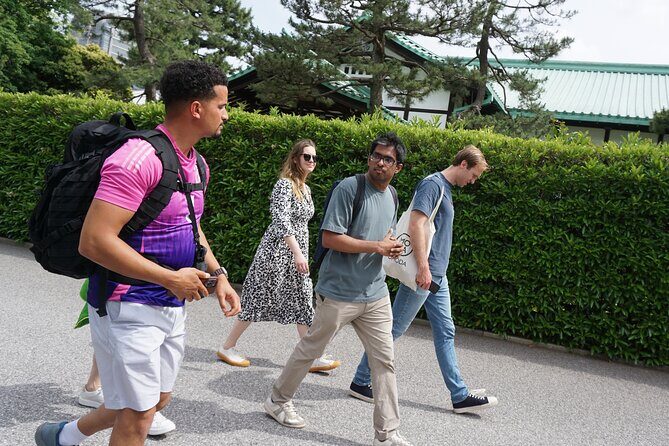
- Tight small group so you can ask questions and get better directions on the grounds
- East Gardens + Edo Castle ruin context, especially around Ōtemon and Ninomaru Garden
- Photo spots guided, including viewpoints people can miss without local eyes
- Shogun-era to modern Tokyo connections, explained in plain English
- Garden time that feels calm, even when Tokyo outside is moving fast
- Realistic expectations: you’ll see grounds and remnants, not the inner palace
Meeting at Wadakura Fountain Park and getting your bearings fast

The tour starts at Starbucks Coffee in Kokyo Gaien Wadakura Fountain Park (3-1 Kōkyogaien, Chiyoda City). It’s a smart meeting choice because you’re already near the Imperial Palace area, and you don’t waste time figuring out the entrance maze on your own. You’ll also end back at the same meeting point, which keeps the day simple.
From the start, the format is practical: you’ll have a guide to lead you step-by-step across the grounds you can access. That matters here because the Imperial Palace area is huge, and it’s easy to wander for an hour and come away with photos but no understanding. With a guide, you get a route plus reasons for each stop.
This is also a tour built for different travel styles. If you like walking at a relaxed pace, you’ll be comfortable. If you’re the type who wants the “why” behind the “what,” this setup helps a lot.
You can also read our reviews of more walking tours in Tokyo

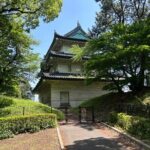

Ōtemon Gate area: the power entrance you can actually see
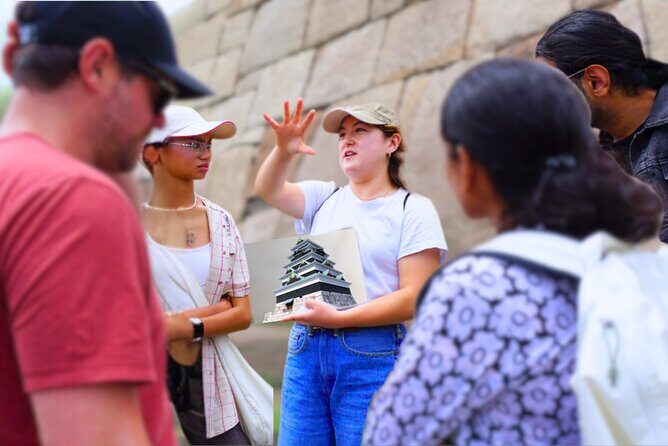
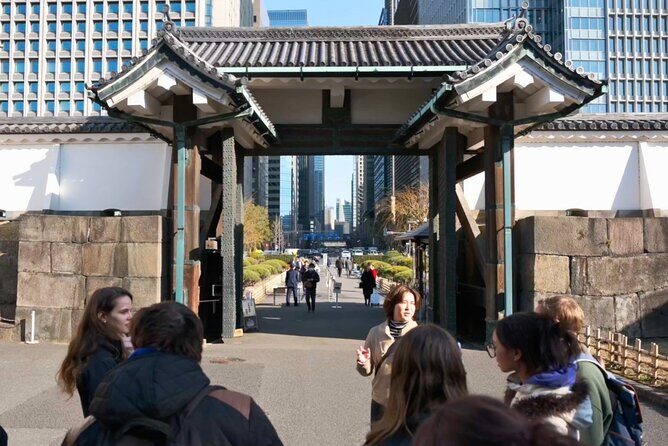
Your first big “anchor” moment is heading toward the main gate area—the Ōtemon Gate—as you enter the accessible Imperial Palace grounds. The guide’s job here is to help you read what you’re seeing: gates and guard spaces weren’t decoration. They were control points, built into the flow of authority.
One review highlight that keeps coming up is the way guides explain Edo-era defenses and how the architecture fits the system. Even if you’re not a “fortifications” person, it’s interesting because it reframes the space. Instead of thinking, Pretty garden and pretty walls, you start noticing how people moved, where barriers mattered, and why certain areas were designed the way they were.
You’ll also hear stories that connect samurai-era structure to modern Tokyo’s political center. The English is consistently described as easy to follow, which matters on a historical site where random facts can feel like homework. Here, the guide turns the site into a timeline you can carry in your head.
Guardhouse ruins and Edo Castle clues (not just pretty stones)
A key part of this walk is the focus on what remains from the Edo Castle era—often in the form of stonework and guardhouse ruins rather than rebuilt palaces. This is where your expectations need to be set correctly. The main palace buildings aren’t open to the public, and historically, what visitors might imagine seeing wasn’t preserved.
But that doesn’t mean it’s empty. If you pay attention, the grounds give you clues. The edges of areas, the way stone and boundaries are placed, and the location of gate-adjacent zones all hint at earlier defensive layouts. One of the best review takeaways was practical: you learn about castle defenses in a way that makes the place make sense, not just sound impressive.
The trade-off is simple: this isn’t a “walk past six restored buildings” kind of tour. It’s more like learning how to read a historic map using what’s still here. If you like that kind of experience, you’ll get a lot out of your time.
Ninomaru Garden: calm scenery plus meaningful details
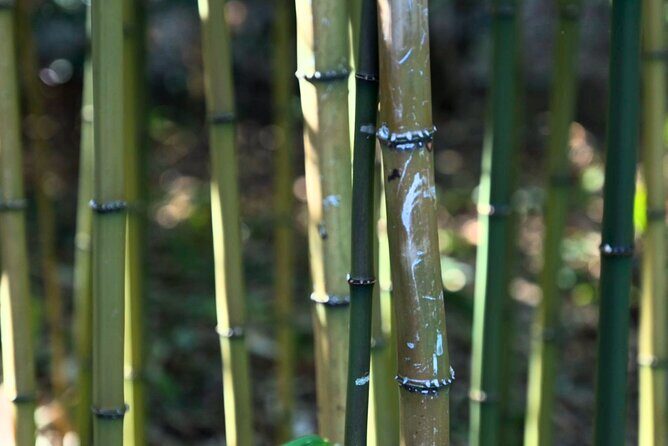
Later in the route, you’ll reach Ninomaru Garden, one of the highlighted stops. This is a different mood than the gate area. The garden sections are where the tour gets gentler and more reflective—especially on clear days, and even more so if it’s winter and the walking stays manageable.
Garden highlights mentioned in the reviews include koi, plus lots of lush green when the weather cooperates. The guide helps you notice design choices and explains how the spaces were used and valued. That transforms the garden from scenery into a story about how leadership, ceremony, and daily life were shaped by the property.
If you’re thinking, I’m here for photos, that’s fair. You’ll likely get help spotting viewpoints that are more flattering than the obvious ones. And because the group is small, you can usually stop without feeling like you’re blocking half the internet.
East Gardens stroll: how the route becomes a story
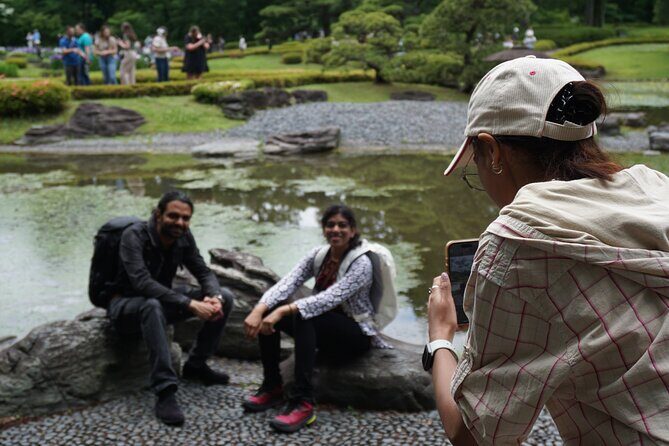
The heart of the tour is your East Gardens of the Imperial Palace walk, including the Edo Castle ruin context threaded throughout. This is where the guide’s pacing matters. You’re not racing; you’re moving at a speed that supports questions and photo breaks.
Expect stops built around points of interest, plus short explanations that connect different eras. Reviews specifically mention learning how the Edo period, samurai rule, and Shogun influence relate to modern Japan. In other words: you’ll see the physical grounds, then you’ll get the narrative that makes those grounds feel purposeful.
The other reason I like this format is how it reduces the “what am I looking at?” problem. Without a guide, it’s possible to walk a beautiful area and still feel like you learned very little. With a guide, you’re building a mental picture of the palace complex’s role—without needing a graduate seminar.






What you should expect from the guides (and why it’s a big deal here)
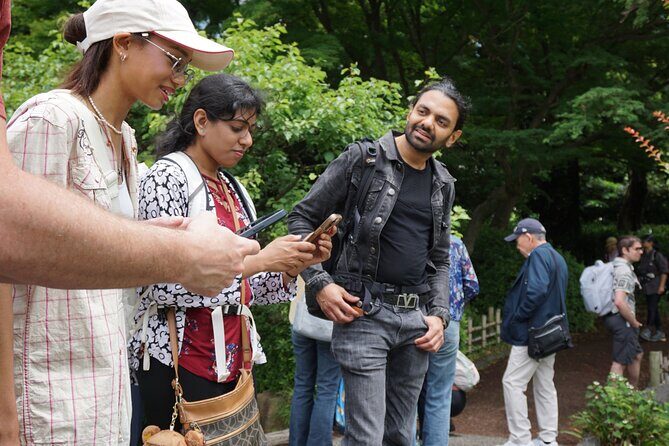
The quality of the guide is a huge part of the value on this tour. The Imperial Palace grounds are serene, but the site itself can be confusing if you don’t know what to look for. Guides like Mika and Natsumi come up repeatedly in reviews, often for clear English and engaging explanations.
I also appreciate that guides don’t just talk history like it’s a textbook. Reviews mention guides finding photo spots, sharing local restaurant/shrine tips, and keeping the group interested—even with teenagers along. That’s a good sign for most adults too. If your guide can explain the Shogun and Emperor relationship in a way that works for kids, they’ll likely work for you.
Also, the tour includes practical little adjustments: you’ll learn where to stop, what to focus on, and how to ask follow-up questions without feeling rushed.
Timing, pace, and weather reality check

This tour runs about 2 hours. That’s a sweet spot for getting a guided overview without turning your afternoon into an endurance event. It’s long enough to build a story and walk meaningful sections of the grounds, but short enough that you won’t feel trapped if you’re jet-lagged.
Weather matters here because it’s mostly outdoors. The provider notes the experience requires good weather, and if it’s canceled due to poor weather, you’ll be offered a different date or a full refund. On a rainy or windy day, the gardens can still be interesting, but your enjoyment may depend on your tolerance for walking in damp conditions.
If you’re traveling in hot seasons, plan to take water breaks and wear shoes you can trust. This area is large, and even at a relaxed pace, you’ll be walking more than you might expect.
Price and value: what $31.84 buys you
At $31.84 per person, the price isn’t about paying for fancy tickets. It’s paying for interpretation and direction. The tour includes guided access to areas you can enter, plus stops such as Ōtemon Gate, guardhouse ruins, and Ninomaru Garden, with admission to those parts noted as free.
So the real “cost” you’re paying is time—2 hours outdoors—and the real benefit is context. If you want to see the Imperial Palace area and leave with clear understanding, the guide helps justify the spend. If you only want broad sightseeing, you might feel like the experience is pricey compared with wandering on your own.
Here’s how I’d frame it: this is good value if you want a guided explanation of how Shogun rule and Edo Castle layout connect to what you’re standing in today. It’s less of a value match if you’re specifically chasing access to the inner palace buildings (not included, and not open to the public for visitors).
Who this tour is best for (and who should skip it)
This works well for first-timers in Tokyo who want a high-impact history stop without spending hours researching. It also fits families, because guides often keep explanations lively rather than stiff.
You’ll likely love it if you’re the type who enjoys learning how places work: why gates existed, how gardens were designed, and how authority shaped city life. It’s also a strong choice if you want calm walking with a structured route.
I’d be cautious if your main goal is to see the Imperial Palace buildings up close. The tour focuses on the grounds and accessible garden areas, and you won’t get inner palace access.
Should you book this Imperial Palace East Gardens tour?
Yes, if you want a guided way to understand Tokyo’s political center without getting lost or guessing what you’re looking at. The small-group format, the focus on Ōtemon and Ninomaru Garden, and the repeated emphasis on photo help and clear explanations make this a smart pick for most visitors.
Skip it (or pair it with other options) if you came expecting grand palace interiors or lots of restored structures to photograph. This one rewards curiosity. It’s less about spectacle and more about meaning—stone, gardens, and the stories that make them feel connected.
If that sounds like your kind of trip, this is an excellent use of a morning or half-day in Tokyo.