REVIEW · KYOTO
Kyoto: Ramen, Gyoza, and Onigiri Cooking Class
Book on GetYourGuide →Operated by Friendship Adventures Co., ltd · Bookable on GetYourGuide
Ramen in Kyoto, taught hands-on. In just 90 minutes, you learn broth-building you can redo at home, then you get solid practice with gyoza wrapping until it looks right. It’s one of those classes where the payoff is immediate because you finish by eating a full meal of what you made.
My favorite part is how focused the instruction is. The team stays on top of timing and station flow, and you come away with clear steps you can follow later with kitchen basics. One caution: the class is not set up for special dietary needs beyond the stated vegetarian option, and it’s aimed at participants who can cook with minimal help.
If you’re learning for yourself, or for a future home “ramen night,” this fits really well. The group is small (limited to 8), English is the working language, and you’ll be using real ingredients and equipment rather than watching from the sidelines.
In This Review
- Key Things I’d Mark on Your Checklist
- Why This Class Is Great for Home Cooks (Not Just Foodies)
- Finding the Classroom: B1 of Life Building (Sanjo Keihan Area)
- Ramen in 90 Minutes: Broth, Toppings, and Two Kyoto-Style Directions
- What the Broth Teaches You (So You Can Rebuild It)
- Gyoza Mastery: Filling Balance and Wrapping That Actually Seals
- Pan-Fried Gyoza Energy
- Onigiri Shaping: Rice Balls You Can Make Without Losing the Form
- What You Eat at the End (And Why It Feels Like a Real Meal)
- Bring Appetite, Not Just Curiosity
- Price and Value: What $90 Actually Buys You in Kyoto
- Who This Cooking Class Is Best For (And Who Might Feel Frustrated)
- The Teaching Style: Friendly, Fast, and Built for Small Groups
- Quick Tips Before You Go
- FAQ
- FAQ
- What dishes are included in this cooking class?
- How long is the class?
- Is there a vegetarian option?
- Can you accommodate vegan, gluten-free, or other special diets?
- Is the class English-taught?
- Where do I meet the class in Kyoto?
- Who is this class not suitable for?
- Should You Book This Kyoto Ramen, Gyoza, and Onigiri Class?
Key Things I’d Mark on Your Checklist
- Broth-first ramen: you learn the soup base even though you won’t make the noodles
- Miso and shoyu options: two ramen styles with toppings that balance the broth
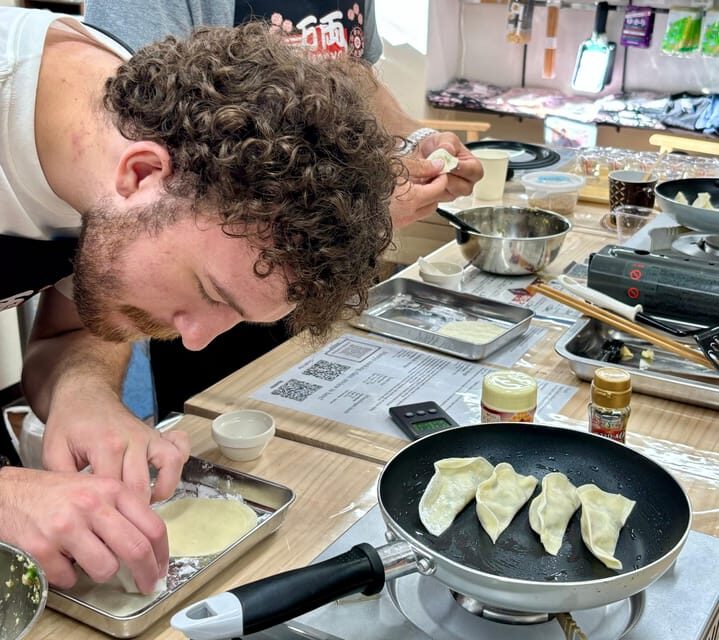
- Gyoza shaping practice: filling, wrapping, sealing, and getting a clean result
- Onigiri technique: you learn how to form rice balls that actually hold together
- Small-group English teaching: instruction is fast because you’re not waiting for a big crowd
- You eat what you cook: coffee and tea are included, and the portions feel like a real lunch or dinner
Why This Class Is Great for Home Cooks (Not Just Foodies)
This isn’t a tasting tour where you nibble and move on. You’re making the three things that people actually eat as quick comfort food in Japan: ramen broth, gyoza, and onigiri. That matters because it gives you a repeatable skill set, not just memories.
I like that the ramen portion is broth-centered. In most places, you can easily find ramen noodles back home, but the soup base is the hard part. Here, you build the foundation using ingredients like miso or soy sauce, then top it with simple, restaurant-style add-ons.
The gyoza part is also practical. If you’ve ever tried to fold dumplings and ended up with open seams, you’ll appreciate learning the wrapping and sealing technique step-by-step. And since you leave with recipes, you’re not stuck guessing later.
A small downside: you’re not customizing for every diet. The class states it cannot accommodate vegan, pescatarian, gluten-free, or any other special diets, and the only alternative menu is vegetarian with pork replaced by tofu.
You can also read our reviews of more cooking classes in Kyoto
Finding the Classroom: B1 of Life Building (Sanjo Keihan Area)
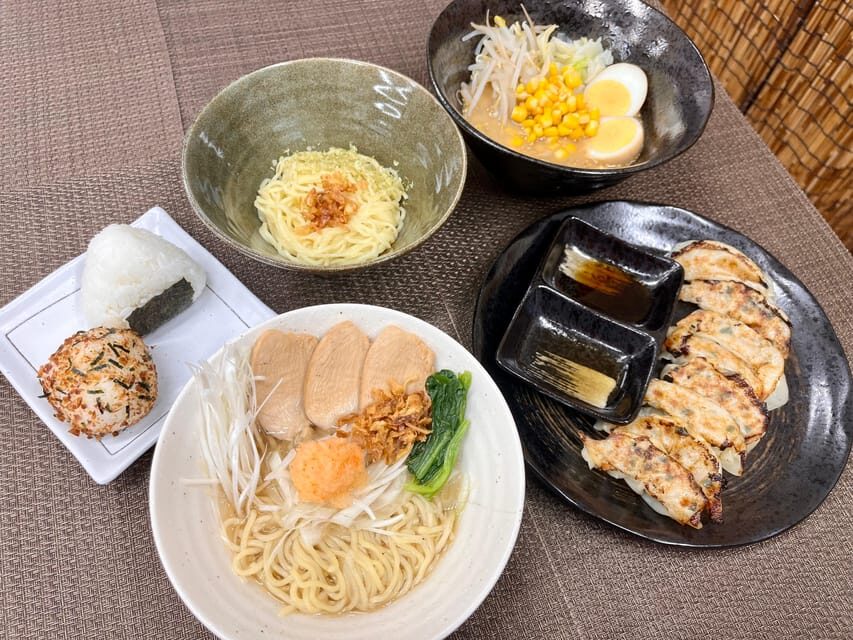
Location in Kyoto can be the difference between an easy start and a stressful one, and this class is tucked away rather than on a main drag. The meeting point is B1 of Life Building. It’s one street down from the main street, so check Google Maps before you go.
If you’re taking a cab, get off in front of Family Mart at Sanjo Keihan. It’s a short walk from there, and it’s one of the easiest landmarks to match your driver’s route.
One practical tip from recent class experience: aim to arrive a little early so you’re not rushing at the last minute. The cooking format is fast, and once you start, you’ll want to be fully settled.
Ramen in 90 Minutes: Broth, Toppings, and Two Kyoto-Style Directions
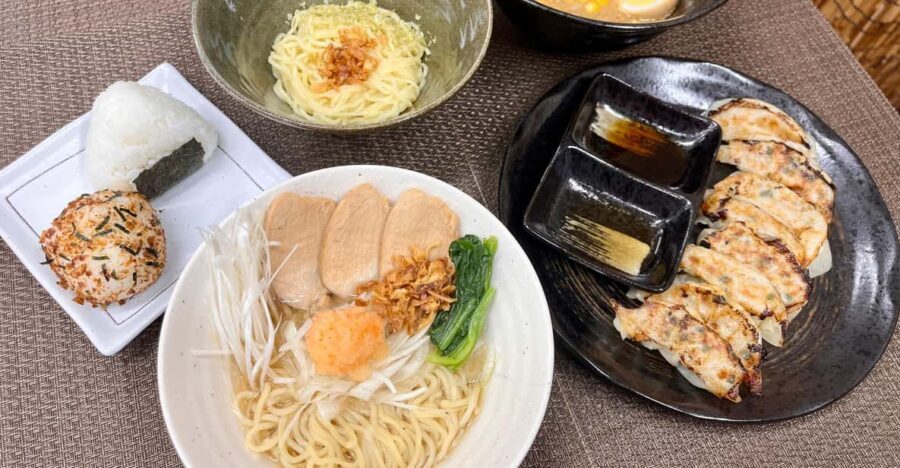
Here’s the deal: you don’t make noodles in this class. Instead, you focus on making authentic Japanese ramen broth with ingredients and seasonings you can find at home. That’s a smart trade. Noodle-making is fiddly and timing-heavy; broth is where the flavor personality lives.
You’ll work with two broth directions:
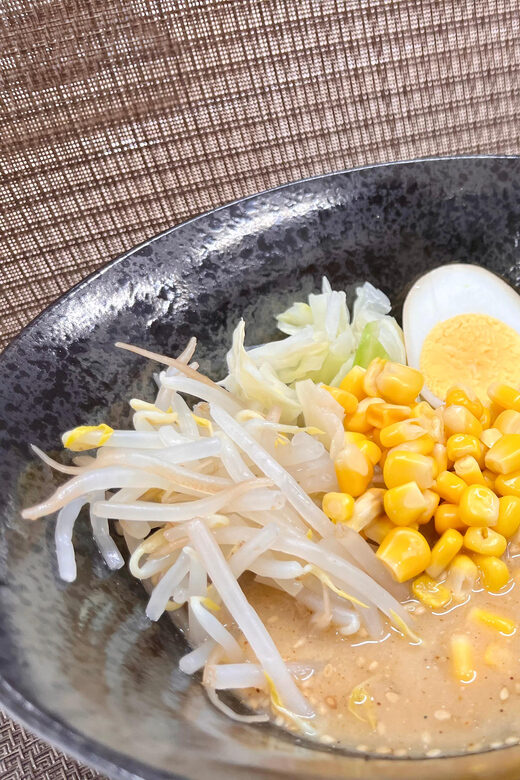
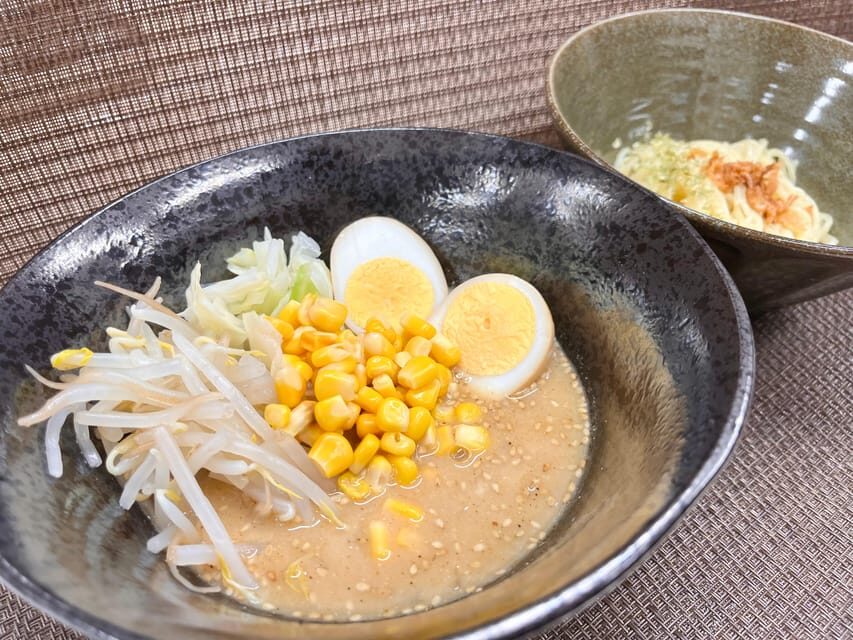
- Miso ramen toppings: boiled egg, bean sprouts, green onions, and sweet corn
- Shoyu ramen toppings: chicken, bamboo shoots, and green vegetables
Even better, the class philosophy is clear: toppings shouldn’t fight the broth. You get vegetables and simple add-ons, so your bowl tastes balanced instead of chaotic.
What the Broth Teaches You (So You Can Rebuild It)
You’ll use a mix of familiar pantry items and Japanese-style staples. The ingredient list includes things like soy sauce, miso, mirin, garlic, ginger, sesame oil, cooking sake, and salt and pepper. It also includes items that signal depth—chicken stock powder, oyster sauce, and fish powder—plus options like chili oil depending on the flavor profile you’re working with.
The practical takeaway is this: you learn how to combine salty, savory, and aromatic components into something that tastes layered. Once you understand that structure, you can adjust later, like using different vegetables or dialing spice.
Gyoza Mastery: Filling Balance and Wrapping That Actually Seals
Gyoza is where many cooking classes stay vague. Not this one. You get focused practice until you understand how to form gyoza wrappers with the right shape and seal.
The class teaches gyoza from the inside out:
- Make the filling with a balance of meat, vegetables, and seasonings
- Portion and wrap so you aren’t guessing amounts
- Seal it properly so it holds during cooking
From what you’ll work with, you can expect ingredients that fit the ramen ingredient set too: ground pork, onion, cabbage, chives, garlic, ginger, and seasonings like black pepper and chili oil. That overlap is helpful. It means your ramen and gyoza flavor worlds feel connected instead of random.
A few more Kyoto tours and experiences worth a look
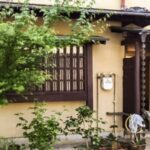

Pan-Fried Gyoza Energy
One reason gyoza feels special is texture. It’s not just “dumplings in a pan.” It’s the crisp edge and tender filling together. Recent participants specifically called out the gyoza as pan-fried, which matches the usual end goal for Japanese-style gyoza.
If your gyoza in the past has been pale, soggy, or misshapen, this is the class to fix that. With smaller group sizes, you can correct issues quickly while your hands are still learning the motion.
Onigiri Shaping: Rice Balls You Can Make Without Losing the Form
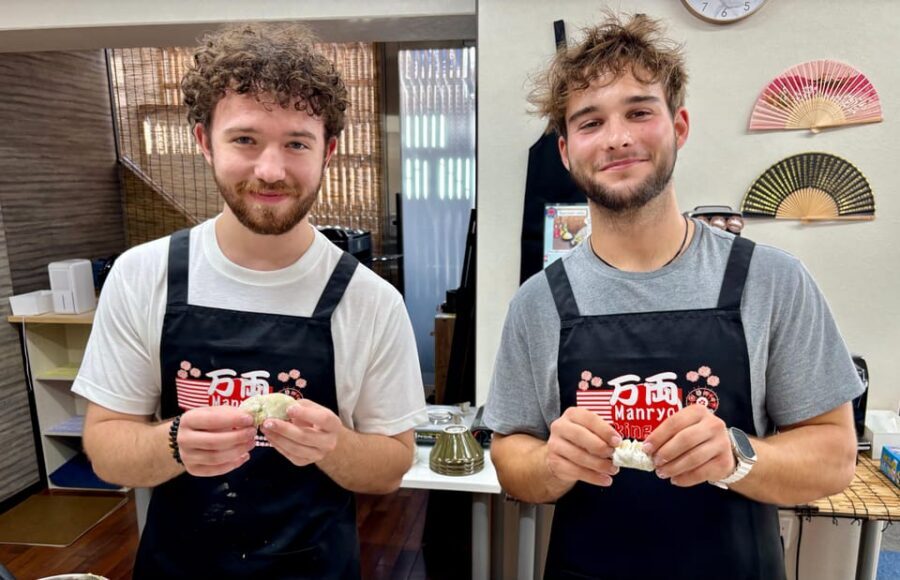
Onigiri sounds simple until you try it and end up with rice rubble. This class teaches you how to make rice balls that hold together with the right technique and shape.
You’ll learn:
- how to shape rice into a clean, snack-sized form
- how to add filling options and get an onigiri that looks like it belongs in a convenience store
The class describes onigiri as a quick snack and a fun lunch alternative to sandwiches. That’s exactly how onigiri works in Japan: grab-and-go, filling, and easy to customize.
Even if you don’t consider yourself a “rice person,” the instructions make it doable. The key is consistency in handling and pressure—small movements that add up to a good result.
What You Eat at the End (And Why It Feels Like a Real Meal)
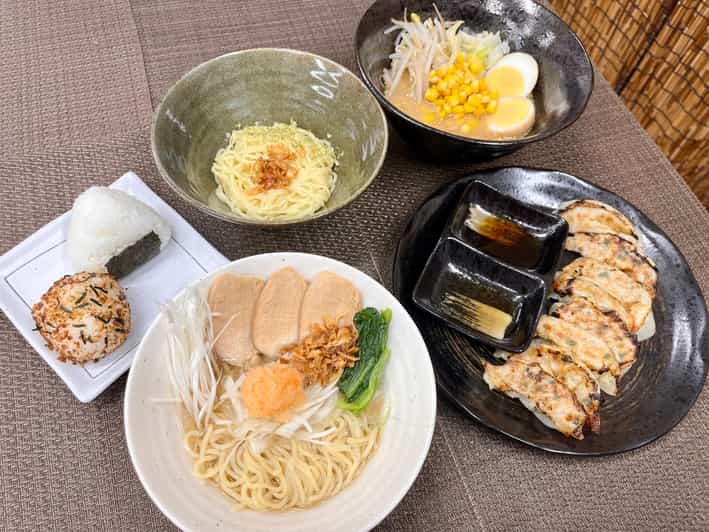
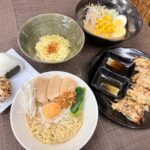
This class ends with a full eating experience because you prepare the dishes yourself. The ramen isn’t just a cup of broth; it’s ramen-style with the toppings matched to the broth type you made.
You’ll also eat the gyoza you wrapped. That’s usually where the satisfaction spikes, because you can compare what you made with what you’ve eaten in restaurants. Finally, you get to enjoy the onigiri as a practical finish—something light enough to feel like lunch, filling enough that you don’t leave hungry.
Coffee and tea are included. And if you want a more “Kyoto night” vibe, some participants mention being able to purchase beer after the meal if it’s available.
Bring Appetite, Not Just Curiosity
Multiple participants emphasized coming hungry because you make a lot in a short window. That tracks with the format: small group, multiple dishes, eat immediately. Plan for a late morning lunch slot or an early dinner slot, not a time when you’ll need to dash out afterward.
Price and Value: What $90 Actually Buys You in Kyoto
$90 for 90 minutes sounds straightforward, but the value is in the specifics.
You’re paying for:
- English instruction with hands-on coaching
- all ingredients and equipment
- the food you make
- recipes for ramen and gyoza
- free coffee and tea
- a small group limited to 8, which means you’re not just waiting your turn
For many cooking classes, you either watch too much or leave with half-usable recipes. Here, the ramen portion teaches broth structure, the gyoza portion trains a skill you can repeat, and the onigiri portion helps with everyday shaping. That’s why it’s easier to justify the cost: you’re leaving with tools you’ll use again.
Also, the class has only two menu paths: regular and vegetarian. Vegetarian means pork is replaced with tofu, while other ingredients remain the same. If that fits you, great. If you need something else—vegan, gluten-free, pescatarian—the class states it can’t accommodate.
Who This Cooking Class Is Best For (And Who Might Feel Frustrated)
This is a strong fit if you:
- want real technique you can recreate at home
- like cooking in short, structured bursts
- enjoy Japanese comfort food and want the “why” behind the flavors
- learn well with hands-on stations and quick feedback
It’s also a good choice for couples and small families because the group stays small and the team can respond when your hands stall.
It may not feel right if:
- you need vegan, pescatarian, gluten-free, or other dietary accommodations beyond the stated vegetarian option
- you’re expecting a fully wheelchair-friendly setup (the class lists wheelchair users as not suitable)
- you’re dealing with recent surgery (also listed as not suitable)
On age: the class description says participants must be 13 and able to cook by themselves without staff help, while the listed guidance says children under 12 are not suitable. If you’re near that boundary, I’d treat it as an “ask ahead” situation rather than assuming.
The Teaching Style: Friendly, Fast, and Built for Small Groups
The vibe comes through in how people describe the instructors and assistants. Names that show up often include Nori and Kairi, and you may also meet Aoi, Ayuna, and Riho depending on the day. The consistent theme: clear guidance, patience, and humor.
That sounds fluffy, but it matters because dumpling and rice-shaping skills are hand-based. If someone corrects your fold or explains the pressure point for sealing, you’ll move forward fast. Participants also liked that the stations are organized so you’re not stuck waiting while the next step starts.
The class also provides printed recipes, which is a big deal. In Japan, you’ll see lots of “how to cook” experiences, but having a recipe you can follow at home makes the learning stick.
Quick Tips Before You Go
A few small things will make the experience smoother:
- Wear comfortable shoes and clothes for standing and moving between stations.
- Don’t plan a heavy meal right before; this class is designed so you eat what you make.
- If you have questions about menu fit, check in before booking since diet options are limited.
FAQ
FAQ
What dishes are included in this cooking class?
You’ll learn and make homemade ramen broth (miso or shoyu style toppings), gyoza, and onigiri. The class focuses on broth; you do not make noodles.
How long is the class?
The class lasts 90 minutes.
Is there a vegetarian option?
Yes. The vegetarian menu replaces pork with tofu. Other ingredients remain the same.
Can you accommodate vegan, gluten-free, or other special diets?
No. The class states it cannot accommodate vegan, pescatarian, gluten-free, or any other special diets.
Is the class English-taught?
Yes. The instructors speak English.
Where do I meet the class in Kyoto?
The classroom is located at B1 of Life Building. It’s not on the main street; it’s one street down. If you arrive by cab, get off in front of Family Mart at Sanjo Keihan and walk about 2 minutes. Search for Manryo cooking class on Google Maps.
Who is this class not suitable for?
It’s not suitable for children under 12 years, wheelchair users, vegans, people with gluten intolerance, and people with recent surgeries.
Should You Book This Kyoto Ramen, Gyoza, and Onigiri Class?
If you want a Kyoto experience that turns into a home skill, I think this is an easy yes. The biggest reasons: broth-first ramen so you can recreate restaurant flavors, gyoza wrapping practice so you stop guessing, and the fact that you eat what you make.
Book it if you fit the diet and participation requirements and you like hands-on cooking with quick feedback in a small group. Skip or reconsider if your diet is vegan, pescatarian, or gluten-free, or if you’re not able to cook independently with minimal assistance.
If your goal is a fun afternoon with real technique and a very satisfying meal, this is the kind of class that earns its place on a Kyoto itinerary.