REVIEW · KYOTO
Kyoto Ramen and Gyoza Cooking Class with Professional Chefs
Book on Viator →Operated by MagicalTrip Inc. · Bookable on Viator
Making ramen in Kyoto feels like a small superpower. You’ll learn hands-on ramen and gyoza from pro chefs, with the kind of step-by-step guidance that turns a restaurant craving into a kitchen skill you can repeat. I especially like that you’re not just watching; you’re doing the kneading, cutting, wrapping, and topping, and you finish with a real meal plus two drinks included.
One important consideration: the ramen uses pork broth, and the class can’t accommodate vegetarian, vegan, or gluten-free requests. So even if you skip meat toppings, the base flavor is still not vegetarian-friendly.
In This Review
- Quick hits before you go
- What’s so special about a ramen-and-gyoza cooking class?
- What you’ll cook: ramen noodles, gyoza dumplings, and fried rice
- Where it happens and why the setting matters
- How the 2.5 hours typically flow, without the guessing game
- Drinks and the full-meal finish: why it feels worth the money
- The pork broth reality check (and why it’s not a dealbreaker for everyone)
- Your guides: translators who actually help you succeed
- Hands-on skill level: beginner-friendly, but your hands will learn
- Price and value: $86.22 isn’t cheap, but it’s not just a snack
- Who should book this class (and who should skip it)
- Tips so you get the most out of your ramen and gyoza night
- Should you book the Kyoto ramen and gyoza cooking class?
- FAQ
- What dishes will I make and eat?
- How long is the cooking class?
- Are drinks included?
- Is this class vegetarian or vegan-friendly?
- Can the class handle gluten-free needs?
- Do I need prior cooking experience?
- Is it suitable for kids?
- How big is the group?
- Where do I meet for the tour?
Quick hits before you go
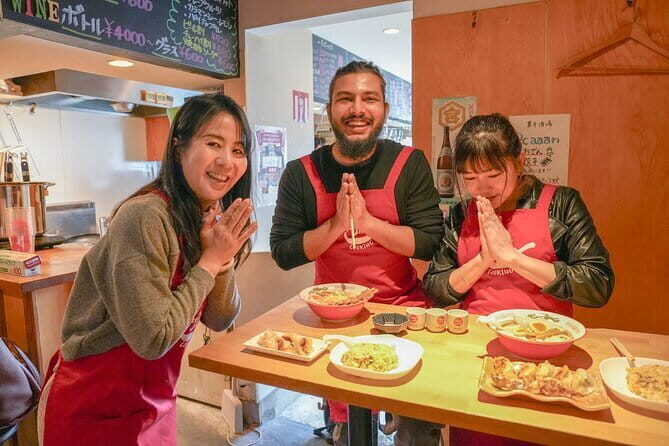
- Small group size (max 8) means you get hands-on time and fewer bottlenecks at the prep stations.
- Pro chef + translator guides (I’ve seen guides like Rina, Ayuri, Emi, Yuki, and Rika) help you nail technique, not just the end result.
- You eat what you make: ramen, gyoza, and fried rice as a full meal, not a tiny tasting.
- Two drinks are included, typically beer or sake, which makes the gyoza pairing feel intentional.
- Take-home recipes let you recreate the flavor back home, even if your kitchen has different cookware.
What’s so special about a ramen-and-gyoza cooking class?
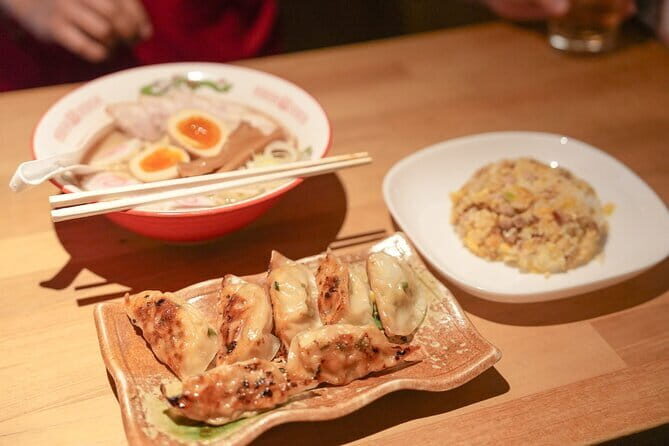
Kyoto has plenty of places to eat ramen and dumplings. This class is different because you go behind the scenes and learn how the dishes come together.
Ramen looks intimidating, but the class breaks it into teachable chunks. You’ll knead and work with noodles, then top them in a way that makes sense once you’ve done it. Gyoza also gets demystified fast. Once you’ve wrapped them yourself, you’ll understand why good gyoza feel lighter and crispier rather than just filled.
And because you’re making a full set—ramen, gyoza, plus fried rice—the meal ends up feeling complete. Not a snack. Not a gimmick.
You can also read our reviews of more cooking classes in Kyoto
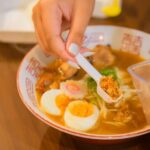
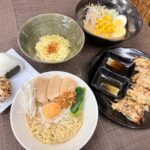
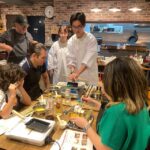
What you’ll cook: ramen noodles, gyoza dumplings, and fried rice
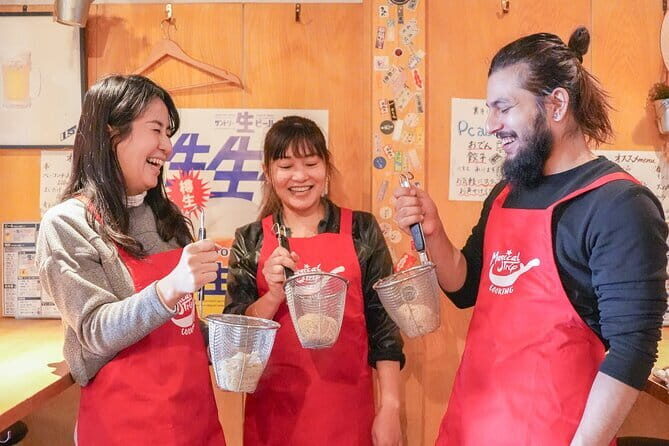
This is a full meal class, not a “maybe we’ll get to it” situation. You’ll make:
- Ramen from scratch: knead, cut, and top your noodles
- Gyoza: wrap the dumplings and cook them to enjoy right away
- Fried rice: part of the same lunch-style spread you’ll eat at the end
That combination matters. Ramen can be a whole event by itself, and gyoza can easily steal the show. Fried rice rounds it out with comfort food energy and gives you another texture to compare against the gyoza and noodles you just made.
You also get insight into the dishes beyond technique. The class includes history and context about Japanese food, so your meal isn’t just tasty—it’s placed in the culture of everyday eating.
Where it happens and why the setting matters
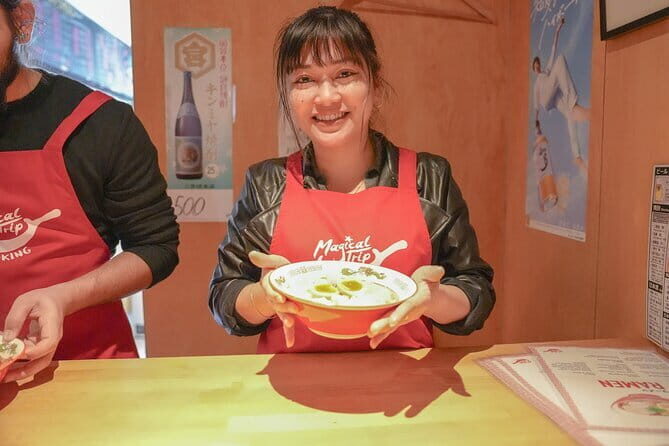
Classes like this can feel sterile if they’re in a generic studio. Here, the cooking happens in a real local setup described as a cozy kitchen in a former restaurant space. That matters more than it sounds.
You’re surrounded by the workflow of making food, not by a classroom layout. It helps you focus on what your hands should do next. And it’s also just easier to keep your confidence up when you see how normal the kitchen rhythm feels.
Because the space is an activity venue with multiple levels, you should plan your movement carefully. If stairs and uneven steps are a concern, you’ll want to think twice, since the tour is not recommended for people with mobility issues.
How the 2.5 hours typically flow, without the guessing game

The total time is about 2 hours 30 minutes, and the session starts on time. Late arrivals can’t join, reschedule, or get a refund, so I’d treat arrival time like it matters. In Japan, it often does.
Here’s the practical rhythm you can expect:
- Meet at the starting point in Kyoto (near public transportation).
- Get instructions and station setup so you’re ready before knives and dough appear.
- Ramen prep: you work the dough into noodles, then you’ll be guided to cut and assemble toppings.
- Gyoza wrapping: you fold and wrap the dumplings at your station, with a chef coaching technique.
- Cooking and final assembly into a full meal format.
- Eat, drink, and compare notes with your group while your dish is fresh.
The class is paced for different skill levels. All cooking levels are welcome, so you won’t be left behind if you’ve never worked with dough.
Drinks and the full-meal finish: why it feels worth the money
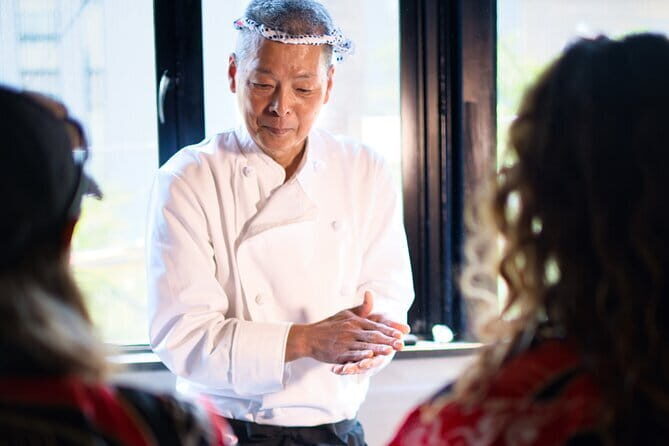
A lot of cooking classes hand you a single small bite and call it a day. This one gives you a full meal: ramen, gyoza, and fried rice.
Then there are the two included drinks. They’re typically beer or sake, and that pairing makes sense with gyoza’s salty-savory flavors and ramen’s rich broth base. You can keep it light and just enjoy the vibe, or you can take the pairing seriously and compare tastes dish-to-dish.
Portions tend to be generous. The experience is designed so you’re leaving full, not hovering over a post-class vending machine.
A few more Kyoto tours and experiences worth a look


The pork broth reality check (and why it’s not a dealbreaker for everyone)
This is the one detail that can completely change your expectations. The ramen uses pork broth. The class also explicitly can’t accommodate vegetarian, vegan, or gluten-free requests.
So even if you skip meat toppings, the broth base is still pork-based. That’s also why this isn’t the best choice if your dietary rules are strict. If your diet is flexible and you’re okay with pork ingredients, you’ll be fine.
Allergy care also has limits. Food is prepared in non-class kitchens, and they can’t guarantee allergy-free meals. If allergies affect you, you’ll need to check what’s safe for you before booking.
Your guides: translators who actually help you succeed
Cooking classes rise or fall on communication. This one does well because the guidance includes translators who make the chef’s instructions understandable.
You might get guides such as Rina, Ayuri, Emi, Yuki, Rika, MIU, or others listed with the experience team. What stands out is not just friendliness, but clarity—so you can keep up when your hands are busy.
In practical terms, translation helps with technique cues like:
- how to handle dough so it doesn’t fight back
- how to fold gyoza so it seals properly
- how to assemble ramen so toppings and noodles get along
One review also pointed out that base ingredients can be prepared ahead of time. That’s normal for a class that needs to fit into a 2.5-hour window. Just know you’re learning the dish-making steps, not recreating a slow, all-day broth ritual from raw bones.
Hands-on skill level: beginner-friendly, but your hands will learn
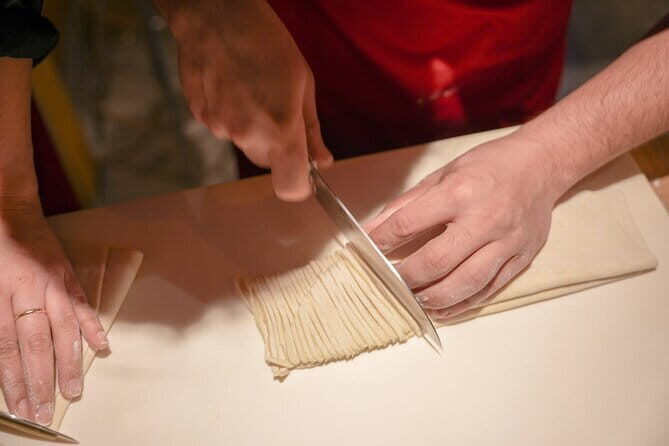
The class is designed for all levels. That’s a big deal in ramen. Noodle work can feel fussy until someone shows you what “good enough” looks like.
For gyoza, wrapping is where beginners feel the most difference. Your first few may look a bit uneven. That’s fine. The chef’s guidance is there for a reason: technique matters, but perfection isn’t the goal.
And if you’re a confident home cook, you’ll still enjoy it. You’ll come away with a new reference point for how ramen and gyoza components fit together in one meal.
Price and value: $86.22 isn’t cheap, but it’s not just a snack
At $86.22 per person, this isn’t the lowest-cost activity in Kyoto. But it’s also not paying for a single taste.
You’re paying for:
- professional chef instruction
- all ingredients provided (so you don’t chase specialty items)
- a full meal you made yourself
- two drinks included
- a recipe guide to recreate the food later
In value terms, it makes sense if you like cooking, want a memorable hands-on evening meal, or you’re traveling with someone who enjoys food as much as sightseeing.
If you’re the type who only wants quick bites and zero kitchen work, then yes, you might decide it’s not worth it. But if you enjoy learning how dishes work, the cost starts to feel fair fast.
Who should book this class (and who should skip it)
I think this is a great fit if you:
- want a hands-on food activity in Kyoto that ends with a real meal
- like Japanese flavors and want to bring home skills, not just photos
- are traveling as a couple, small group, or family with older kids
Children aged 6 and above are welcome, with adult supervision required when kids handle knives or potentially dangerous steps. So if you’re bringing kids, be ready for supervision and patience.
I’d consider skipping if you:
- need vegetarian/vegan/gluten-free accommodations
- have mobility constraints that make stairs and multi-level spaces hard
- have strong allergy needs that require strict kitchen separation
Tips so you get the most out of your ramen and gyoza night
A few practical things make a big difference:
- Plan your meal timing. This is a full meal, so don’t arrive starving and then immediately realize you also booked a late dinner.
- Arrive early enough to avoid the no-late-arrivals rule.
- Wear comfortable clothes and shoes for working at a station.
- Bring curiosity. The history and dish context are part of the point, not an extra lecture.
Should you book the Kyoto ramen and gyoza cooking class?
If you want one Kyoto experience where the payoff is both fun and edible, this class is a strong yes. You’ll leave with technique, not just a memory, and the hands-on ramen + gyoza structure makes it feel genuinely like skill-building.
Book it if you’re comfortable with pork broth, you want a meal experience that lasts about 2.5 hours, and you like the idea of going home with recipes you can actually use.
Skip it if your diet is vegetarian/vegan/gluten-free, or if allergies require guaranteed allergy-free handling. Also skip if mobility is a concern for you, since the venue involves levels and walking.
FAQ
What dishes will I make and eat?
You’ll make ramen, gyoza, and fried rice, and you’ll eat the meal at the end of the class.
How long is the cooking class?
It lasts about 2 hours 30 minutes (approx.).
Are drinks included?
Yes. The experience includes two drinks, typically beer or sake.
Is this class vegetarian or vegan-friendly?
No. The ramen uses pork broth, and the class cannot accommodate vegetarian or vegan requests.
Can the class handle gluten-free needs?
No. The class cannot accommodate gluten-free requests.
Do I need prior cooking experience?
No. All cooking levels are welcome, and the chef gives step-by-step guidance.
Is it suitable for kids?
Participants aged 6 and above are welcome, but children must be supervised by an accompanying adult when handling knives or doing potentially dangerous steps.
How big is the group?
The tour has a maximum of 8 travelers.
Where do I meet for the tour?
The start point is 北緯35物語 木村光佑Shincho, Shimogyo Ward, Kyoto, 600-8001, Japan, and the activity ends back at the meeting point.