REVIEW · KYOTO
Kyoto: Afternoon Japanese Izakaya Cooking Class
Book on GetYourGuide →Operated by Cooking Sun · Bookable on GetYourGuide
Kyoto cooking feels like a local cheat code. You get a two-round, cook-then-eat rhythm that keeps the class moving, plus clear English guidance and a recipe set you can realistically follow later.
I love the mix of Izakaya-style conversation and home-dish technique. In this 3-hour session, you’re not just watching—you’re cooking at the station, eating what you made, then going again.
One consideration: it’s not a slow, scenic cooking stroll. This is a fast-paced, multi-dish class, so if you hate prep work (chopping, stirring, tasting), you’ll want to mentally brace for that.
In This Review
- The Point of This Class (And Why It Works)
- Key Takeaways Before You Go
- Kyoto Izakaya Cooking: What You’re Really Learning in 3 Hours
- Two Rounds of Cooking: Cook, Eat, Cook Again
- Dishes You Might Cook: Okonomiyaki, Dashi Basics, and a Dessert Finish
- The Take-Home Recipe Set: Why It’s Real Value, Not Souvenir Paper
- Price and Value: $67 for a Real Skill Session
- Meeting Point in Shimogyo Ward: Getting There Without Stress
- Who Should Book This Kyoto Izakaya Class
- Should You Book This Kyoto Afternoon Izakaya Cooking Class?
- FAQ
- How long is the Kyoto Afternoon Japanese Izakaya Cooking Class?
- What is included in the $67 price?
- How many dishes will I cook during the class?
- Is the class taught in English?
- Do I get recipes to take home?
- Can dietary requirements be accommodated?
- Where is the meeting point?
- Is it wheelchair accessible?
- What is the cancellation policy?
- Do I have to pay right away?
The Point of This Class (And Why It Works)
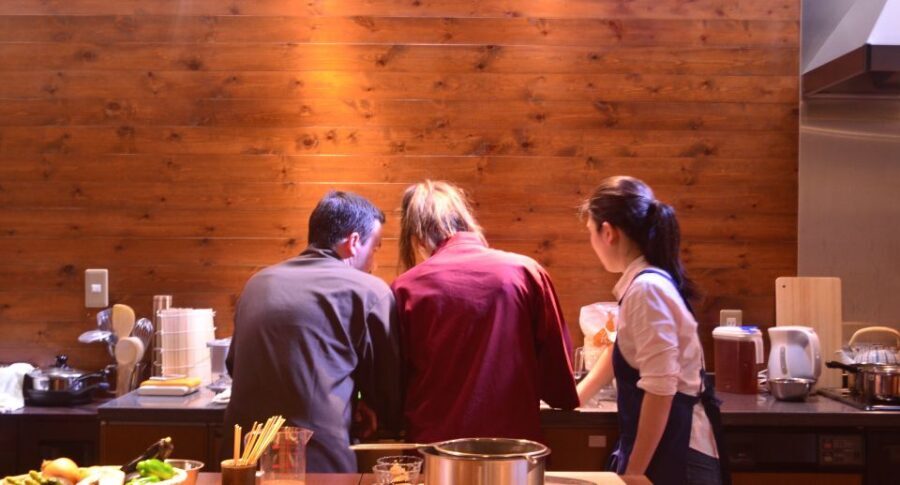
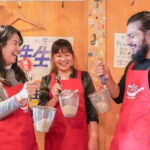
This afternoon class at Cooking Sun in Shimogyo Ward is built for people who want Japanese food culture in their hands, not just on a plate. You’ll be using provided tools and an apron, cooking together with the chef and helpers, and sharing the table experience right after each cooking round.
And yes, even if you’re not a confident cook, you’re still in the game. The instruction is set up so beginners can follow along, while more experienced cooks still pick up useful basics like how Japanese flavor building actually starts.
Key Takeaways Before You Go
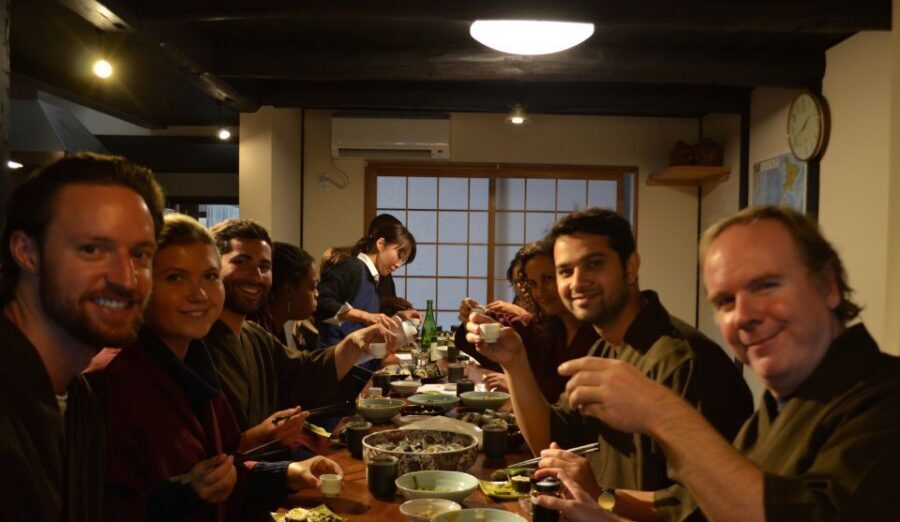
- Two-round cooking flow: cook 2–3 dishes, eat, then cook 2–3 more and eat again
- English instruction with friendly guidance from the team (including instructors named Yumi and Yumiko)
- Izakaya feel at the counter: expect to talk with the chef while cooking and eating
- You leave with step-by-step recipes that make home cooking much easier
- Dietary requirements can be handled if you tell the supplier during booking
- A full food payoff: multiple savory dishes and typically a dessert
You can also read our reviews of more cooking classes in Kyoto
Kyoto Izakaya Cooking: What You’re Really Learning in 3 Hours
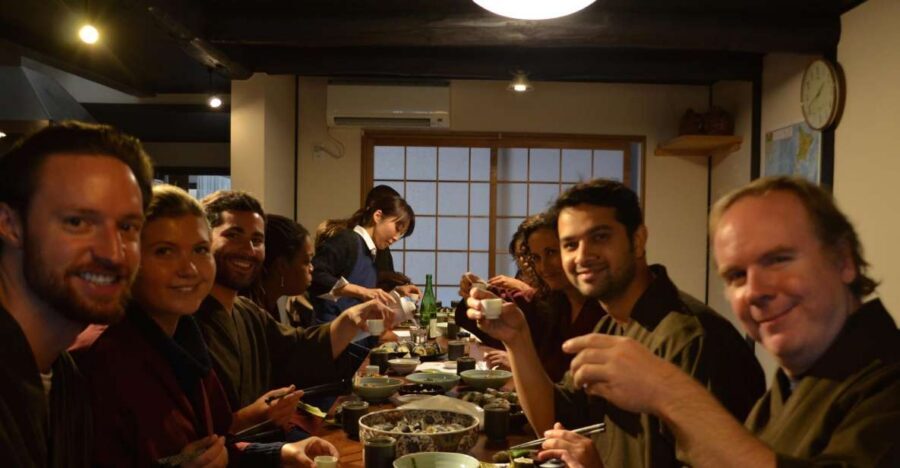
This class is about Japanese home cooking, not only the famous stuff. The Izakaya angle matters because it explains a way of eating and sharing: small dishes, lots of conversation, and food that’s meant to be enjoyed right where it’s prepared and plated.
In practice, you’ll learn core techniques you can reuse—how to combine ingredients into sauces and seasonings, how to balance taste as you cook, and how Japanese flavors build. That’s why the format is so effective: you don’t spend the whole time waiting for the next step. You cook, taste, and adjust in real time.
Also, the English instruction is a big deal. When the chef’s explanations are easy to follow, you can focus on doing the technique correctly instead of translating in your head. From the way the program is run, you’re expected to ask questions while you work, especially during the cooking and eating moments.
Two Rounds of Cooking: Cook, Eat, Cook Again
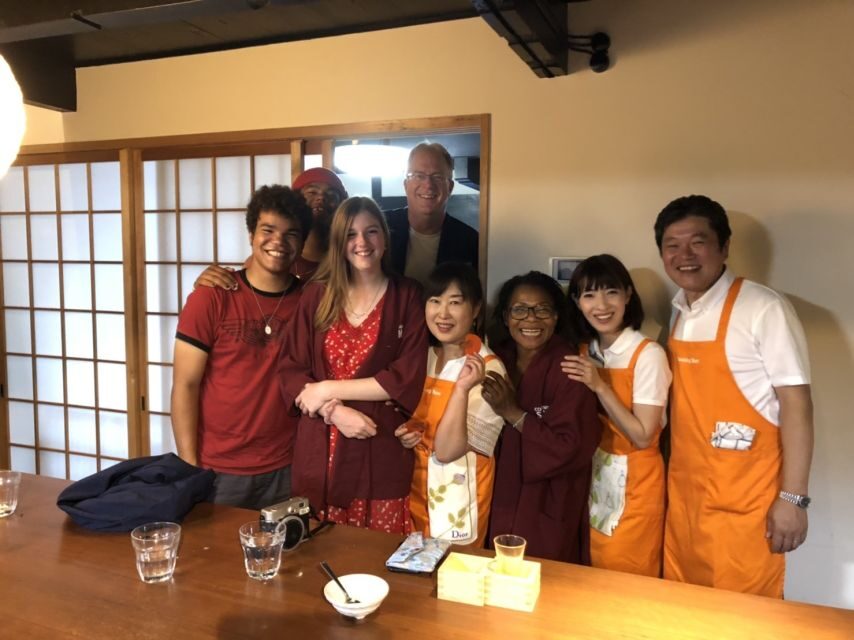
The class is structured in two clear parts, and that flow keeps it from turning into a confusing blur of recipes.
Part 1: Cook together, then eat.
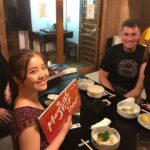
You’ll cook 2 or 3 dishes with the chef and your group. You’re hands-on at the station with ingredients and the tools provided, and you’ll be encouraged to talk while you cook and eat. This is where you learn the basics of the dish quickly—enough to get something delicious in front of you without getting stuck.
Then you return to eating what you made. This isn’t a “demo first” setup. You’re tasting your results while the process is still fresh in your mind.
Part 2: Return to the kitchen, cook 2–3 more dishes.
After that first meal, you cook 2 or 3 additional dishes, again with instruction and support. This second cooking round is often where you feel more confident, because you already understand the rhythm: what the chef needs you to do, how timing works, and how the flavors are supposed to come together.
The overall timing.
It lasts 3 hours, so the pace is intentional. Reviews frequently highlight how organized the process feels, but you should still treat it like a “get ready to work” activity, not a casual afternoon tea.
Dishes You Might Cook: Okonomiyaki, Dashi Basics, and a Dessert Finish
The exact menu can vary, but the class experience is built around a mix of satisfying home dishes. One standout example that shows up in this kind of class is okonomiyaki—several participants mention it specifically as the best they’ve had.
You may also see deeper fundamentals on the food side. One clear example from earlier sessions is making your own dashi (the broth base that shows up across Japanese cooking). Learning that kind of foundation is gold because it’s not only about one dish—it’s how Japanese flavor turns from “tasty” into “Japanese.”
Most sessions include multiple savory dishes, and there’s typically a dessert included as part of the final meal. That dessert component matters because it finishes the class as a full “dinner arc,” not just a snack tour.
Finally, the class can accommodate different needs. If you have dietary requirements, you’re expected to tell the local supplier when you book. Participants report that adjustments can involve using separate utensils and pans when needed—so it’s not a situation where you have to guess your way through.
The Take-Home Recipe Set: Why It’s Real Value, Not Souvenir Paper
This is one of those rare experiences where the “memory” is also useful.
You’ll get a well-documented set of recipes (step-by-step) that matches what you cooked. Multiple participants point out that the recipes are designed for repeat cooking at home—simple enough to succeed, detailed enough to stop you from improvising at the wrong moment.
That matters because Japanese home cooking often depends on a few key ingredients and a few repeatable techniques. Once you’ve made them once under guidance, the recipe book becomes a translator for flavor.
People also mention practical pantry takeaways—things like mirin and dashi coming home as new essentials. Even if you already love Japanese food, it helps to know what you’re actually building with.
You can also read our reviews of more drinking tours in Kyoto




Price and Value: $67 for a Real Skill Session
At $67 per person for 3 hours, you’re paying for more than food. You’re paying for:
- instruction in how to cook Japanese home dishes
- ingredients for multiple dishes
- aprons and utensils
- a recipe set you can use later
It’s value-heavy if your goal is to leave with skills, not just photos. If you’re the type who cooks occasionally, you’ll get more mileage out of this than a single meal where you eat and walk away.
If you only want one “tasting experience” with zero kitchen time, this may feel like more work than you expected. But if you like learning by doing, the math starts to make sense fast.
Meeting Point in Shimogyo Ward: Getting There Without Stress
The meeting point is Cooking Sun, Funayacho, Shimogyo Ward, Kyoto, Kyoto 600-8466. Shimogyo Ward is a practical base area for getting to many city sights without being in the thickest tourist crush.
Because this is an afternoon class, you’ll likely be fitting it between other activities. The key is to plan your day so you arrive ready to cook—this is not the kind of class where you want to sprint across Kyoto at the last second.
Also, since the instruction is English, you don’t need to worry about finding your way through the language barrier once class starts. That makes the experience smoother right from the first dish.
Who Should Book This Kyoto Izakaya Class
This works especially well if you fall into any of these groups:
- Beginners and non-cooks: the program is structured so you can follow tasks without needing advanced skills
- Food lovers who want technique, not just taste
- People who want a break from sightseeing while staying fully inside a cultural activity
- Families: sessions have handled everything from adults to teenagers comfortably
It also suits people with experience. One participant even described being a chef for decades and still learning from the basics and process. So this isn’t only for novices—it’s for anyone who wants Japanese home cooking done the correct way, step-by-step.
If you’re sensitive to pace and prefer slow experiences, this is the one point to watch. The class is active, and you’ll be doing multiple tasks in a limited time.
Should You Book This Kyoto Afternoon Izakaya Cooking Class?
Yes—if your ideal Kyoto afternoon includes hands-on learning, a full meal you helped create, and recipes you can actually use again.
I’d especially recommend booking if:
- you want Japanese home dishes with an Izakaya flavor and social feel
- you value English instruction and clear step-by-step guidance
- you want to come away knowing what to buy and what to practice back home
Skip it if:
- you hate cooking pace and need a slow, sit-and-watch experience
- you’re looking for only a light snack experience (this is a multi-dish cooking session)
If you can handle an active 3-hour block, this class is the kind of Kyoto experience that turns into dinner plans later—when you’re back home and the flavors are still in your mind.
FAQ
How long is the Kyoto Afternoon Japanese Izakaya Cooking Class?
The class lasts 3 hours.
What is included in the $67 price?
The price includes the cooking class, ingredients, cooking for 2–3 dishes (and more within the session), and an apron and utensils.
How many dishes will I cook during the class?
You’ll cook 2 or 3 dishes in the first part, then 2 or 3 more dishes in the second part.
Is the class taught in English?
Yes. The instructor provides instruction in English.
Do I get recipes to take home?
Yes. The experience includes recipes you can use again later, designed to help you recreate what you cooked at home.
Can dietary requirements be accommodated?
Yes. If you have dietary requirements, you should let the local supplier know upon booking.
Where is the meeting point?
The meeting point is Cooking Sun, Funayacho, Shimogyo Ward, Kyoto, Kyoto 600-8466.
Is it wheelchair accessible?
Yes. The activity is wheelchair accessible.
What is the cancellation policy?
You can cancel up to 24 hours in advance for a full refund.
Do I have to pay right away?
No. You can reserve now & pay later, keeping plans flexible.