REVIEW · KYOTO
The Original Small-Group Sushi Making Class in Kyoto
Book on Viator →Operated by atelier SUSHI · Bookable on Viator
Sushi lessons in a calm Kyoto townhouse. This class hits the sweet spot of only 8 guests and English guidance from Kana, so you get real coaching while you shape nigiri and roll maki at a relaxed pace.
One possible drawback: there is no vegetarian or vegan option listed, so this may not fit everyone.
In This Review
- Key highlights at a glance
- Why this Kyoto sushi class feels like practice, not performance
- Finding Atelier SUSHI in Higashiyama: historic townhouse setting, easy transit
- How the class flows in 90 minutes: rice, nigiri, maki, then you eat
- Rice seasoning and shaping: the skill that makes sushi taste right
- Nigiri practice with Kana: hands-on feedback where it counts
- Rolling maki like a pro: tightness, alignment, and calm pressure
- Coffee or tea, then eat what you made: the meal part is a big deal
- The real value: take-home tools and notes that help you cook again
- Dietary needs: what’s included, what to ask about ahead of time
- Price and value: is $69.64 worth it?
- Who should book this Kyoto sushi workshop (and who should skip)
- Practical tips for your 90-minute class
- Should you book Atelier SUSHI’s Kyoto sushi-making class?
- FAQ
- FAQ
- How long is the sushi-making class?
- What is the group size limit?
- Is the class taught in English?
- What sushi will I learn to make?
- Does the price include food?
- Are there vegetarian or vegan options?
- What should I do about allergies?
- Where does the class meet?
- What is the cancellation window?
Key highlights at a glance
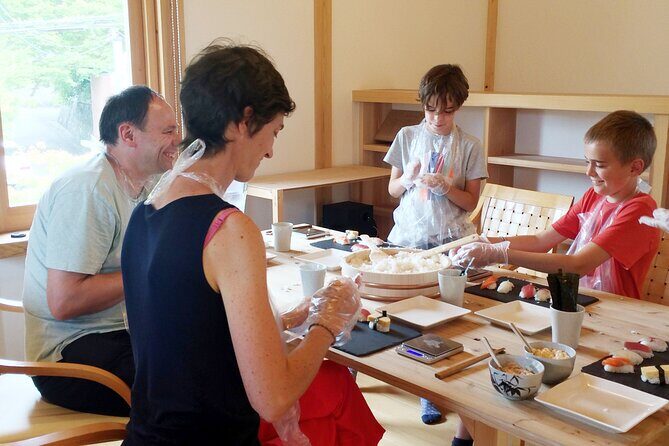
- 8-person limit means you’re not competing for attention
- English-led instruction helps you actually understand the why, not just the steps
- Nigiri + maki practice covers the core sushi skills you’ll use at home
- A restored historic townhouse near Kiyomizu-dera and Gion keeps things calm and atmospheric
- Hands-on tools and take-home keepsakes make the class stick after you leave
- Tea or coffee and a full sushi meal keep your energy up through the lesson
Why this Kyoto sushi class feels like practice, not performance
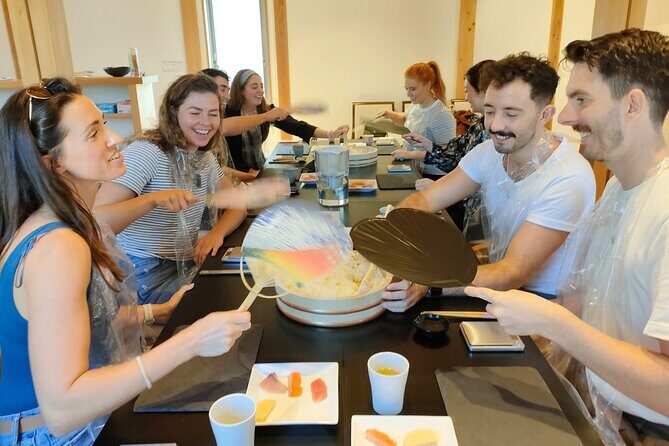
Kyoto has enough sushi to keep you busy for days. But learning sushi-making is a different trip. This workshop is built around one idea: do the motions yourself, then get corrected while your hands are still warm.
I like that it’s not a lecture. With a maximum of 8 guests, the teacher can slow down when someone struggles with rice seasoning, finger technique, or the tightness of a roll. You’re also not stuck waiting while the group moves on, which is the usual problem with larger classes.
Another big win is Kana’s English instruction paired with patient, hands-on guidance. Multiple reviews highlight that she stays encouraging even when your first attempt looks… optimistic. That matters, because sushi technique is mostly about small details: how the rice cools, how you shape without crushing, and how you manage pressure when rolling.
The classroom pace also leaves room for questions. That’s not just polite. When you understand the logic behind each step—especially rice—you stop copying and start cooking. It’s the difference between making one nice piece on day one and being able to repeat it later.
A few more Kyoto tours and experiences worth a look


Finding Atelier SUSHI in Higashiyama: historic townhouse setting, easy transit
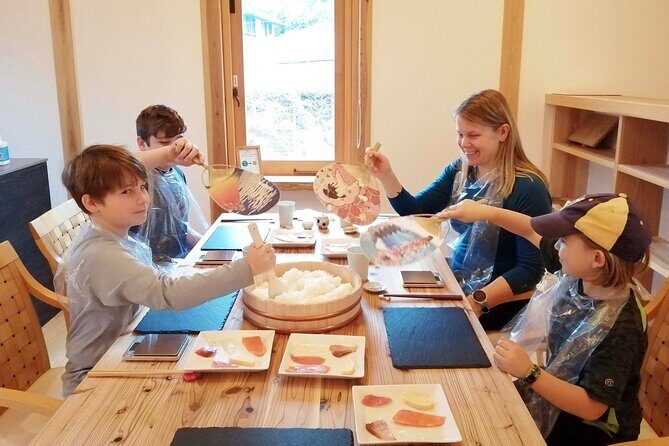
The experience meets at Atelier SUSHI (311-1 Kitatōryōchō, Higashiyama Ward, Kyoto 605-0918). It’s in the Higashiyama area, close to the sights most people plan around Kiyomizu-dera and Gion. That location is helpful because you can build your day with less backtracking.
The setting is a beautifully restored historic townhouse, and you’ll feel it as soon as you walk in. Instead of a hotel classroom vibe, you’re in a quiet, refined space that suits food work. The tone stays calm. That helps when you’re doing precise tasks like forming nigiri or aligning maki.
Also, you’re near public transportation, so you’re not forced into a complicated taxi puzzle. And you’ll get a mobile ticket, which is one less thing to manage on vacation.
One small practical note: this is a hands-on cooking experience. Plan to arrive with enough time to settle in. If you show up frazzled, you’ll lose the calm that makes the class feel so smooth.
How the class flows in 90 minutes: rice, nigiri, maki, then you eat
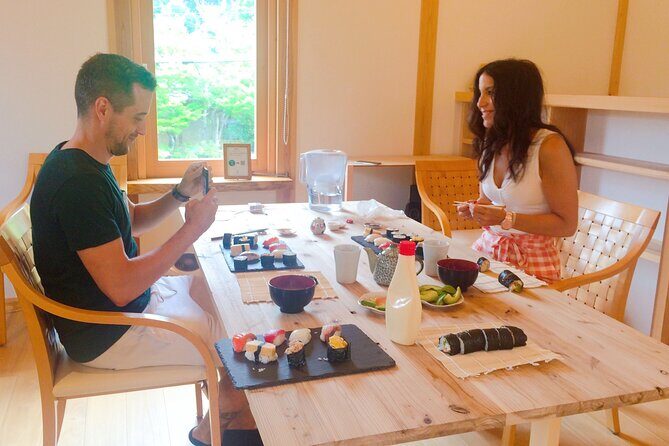
The duration is about 1 hour 30 minutes, and the structure is straightforward. You start with preparation and foundational skills, move into making nigiri and rolling maki, and finish by eating what you made. The included sushi meal is served as lunch or dinner depending on workshop time, so you’ll either stop early enough to build the rest of your day or wrap your evening with a satisfying finish.
Here’s the practical idea behind the timing: rice technique needs focus. If you rush it, everything after looks uneven. So the workshop gives rice attention first, then you get into shaping and rolling while the skills are fresh.
Many reviews also mention that some things are prepped in advance. That’s common in cooking classes, but the key is that you still do the core work yourself. You won’t just watch someone else build sushi while you hold a plate.
Rice seasoning and shaping: the skill that makes sushi taste right
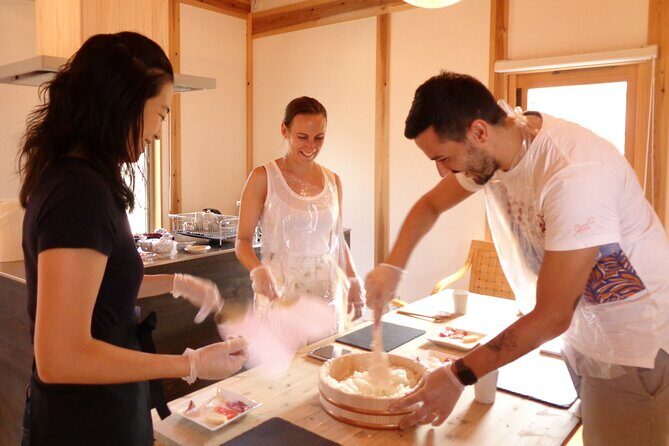
Sushi begins before you touch fish. In this class, you’ll learn to season properly cooked sushi rice, and that one step explains why homemade sushi can taste dramatically better than takeout-grade attempts.
In real life, rice is the backbone of texture. Too wet or too dry and the sushi collapses. Seasoning that’s off by even a little changes the balance between sweetness, acidity, and salt. That’s why the class focuses on rice as a skill, not as a background step.
Kana’s coaching style shows up in the details: she guides you through handling the rice without turning it into mush. You learn how the rice should feel, how to work efficiently, and how to keep consistency between pieces. Multiple reviews stress that the instructions are clear enough that people feel confident recreating nigiri and maki later.
If you want to impress yourself at home, this is the part to pay attention to. You can always find ingredients. It’s harder to find the right rice method unless someone shows you and corrects your technique.
Nigiri practice with Kana: hands-on feedback where it counts
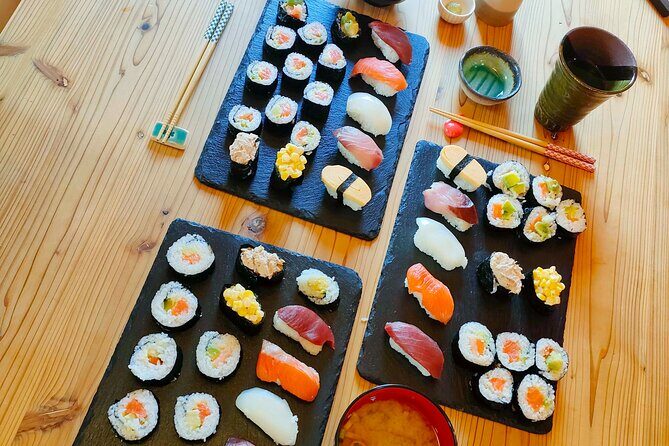
Nigiri sounds simple until you try it. The basic idea is easy: shape rice, top it with fish, and serve. The hard part is shaping the rice so it holds together cleanly without becoming dense, and placing topping with the right balance.
In this workshop, you’ll make nigiri and a variety of sushi pieces with Kana guiding your technique. Reviews consistently mention she is patient and encouraging, and that the pace gives you time to get it right. One common theme: people leave with the feeling that they now understand how to replicate the method at home, not just how to finish the class.
You’ll also see how much freshness matters. The class uses premium fresh fish and carefully selected local ingredients, and the final pieces show it. Several reviews point out that the sushi is filling and delicious, and that people who were hesitant about raw fish found it surprisingly approachable when it’s properly handled and paired.
Also, don’t underestimate the benefit of learning in a small room with a teacher watching your hands. Sushi is tactile. You can’t fully learn it from watching videos. Having a real person adjust your grip, pressure, or timing is what turns a beginner attempt into something you’d actually serve.





Rolling maki like a pro: tightness, alignment, and calm pressure
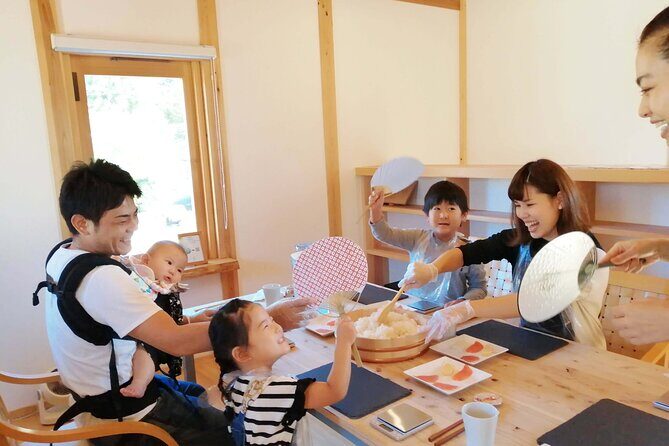
Maki rolls are where you notice skill gaps fast. Too loose and they fall apart. Too tight and the texture turns firm and uneven. The goal is consistent pressure and clean alignment.
You’ll learn to roll maki as part of the class, and you’ll use the materials provided. Reviews mention that the class includes a sushi mat and that participants are given the tools and guidance to roll correctly, not just to follow a guess-and-check rhythm.
The way the workshop is structured helps here. Since you already practiced rice handling, your workflow improves. And because the group is small, you’re not stuck waiting for a teacher to circle back after they finish correcting someone else.
When you eat at the end, the difference shows. A good roll tastes balanced and holds together for each bite. A sloppy roll tastes fine but looks messy. The workshop is clearly aiming for the first one.
Coffee or tea, then eat what you made: the meal part is a big deal
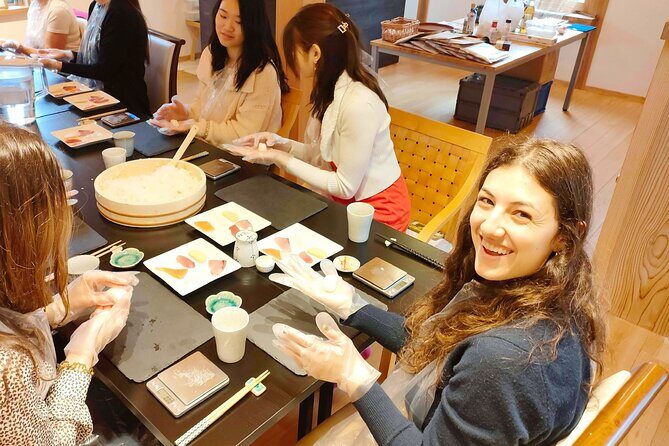
The class isn’t just a cooking demo. It includes a sushi meal, served as lunch or dinner depending on your session time. That is genuinely helpful for planning: you don’t need to find a meal afterward, and you get to enjoy your work while it’s fresh.
You’ll also have coffee and/or Japanese tea, which helps reset after you’ve been focused on technique. Small details like this matter in short classes. They keep you from getting that end-of-class slump where you’re too tired to enjoy what you made.
The quantity gets mentioned a lot. Reviews say you make a lot of sushi, and that you won’t leave hungry. That’s consistent with the small-group model: you’re not rushing to make a token bite. You’re building multiple pieces and a roll, which naturally adds up.
Also, the meal is part of the learning cycle. Eating your own sushi gives you instant feedback. You notice texture, seasoning balance, and whether your rice thickness or roll tightness worked. That’s how you improve next time.
The real value: take-home tools and notes that help you cook again
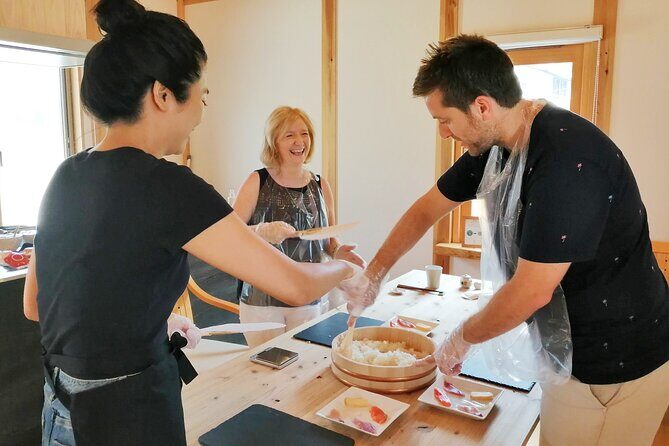
One reason people rate this class so highly is what happens after you leave. You don’t just get a memory. You get tools.
Reviews specifically mention a sushi mat and chopsticks in a souvenir or gift bag, plus class notes. Some reviewers also mention they received recipes or instructions for the rice. That’s the practical part: your vacation ends, but your notes and tools keep the method alive.
If you’ve ever taken a cooking class and then forgotten the steps two weeks later, you’ll appreciate this structure. The workshop gives you the physical items to repeat the technique and the written reminders to stop you from guessing.
The best part is that the feedback you receive during class helps you understand the notes. You’re not reading instructions like a mystery. You already made the sushi, so the explanation makes sense in your hands.
Dietary needs: what’s included, what to ask about ahead of time
Two points matter here: what is explicitly stated as not included, and what the hosts have managed in real situations.
The workshop listing says there is no vegetarian or vegan option. If that’s your dietary reality, this may not work.
On the other hand, multiple reviews mention the staff was accommodating with gluten and shellfish allergies. That doesn’t mean every allergy is guaranteed, and it doesn’t replace asking questions before you go. But it’s a strong sign that the team understands how to handle common restrictions when they can.
If you have celiac disease, a shellfish allergy, or another restriction, message ahead when you book. Ask what can be safely used and what ingredients are involved. For sushi, that’s especially important.
Price and value: is $69.64 worth it?
At $69.64 per person, this isn’t a bargain-basement food activity. But it also isn’t just paying for a pastry-sized taste.
You’re paying for:
- A small-group class capped at 8
- English-led instruction from Kana
- Hands-on practice making nigiri and maki
- Premium fresh fish and local ingredients
- A full sushi meal plus Japanese tea/coffee
- A take-home gift with tools like a sushi mat and chopsticks, plus notes
For many people, the real cost question is simpler: would I rather spend this amount on another sushi meal, or spend it on skills I can use later? This workshop leans toward the second option.
It’s also good value because the group size limits wasted time. When you don’t have to wait for attention, every minute of the 90 minutes matters.
If you love food, enjoy learning, and want something that feels specific to Kyoto (not just another generic cooking class), this is priced like an experience designed for quality instruction and real output.
Who should book this Kyoto sushi workshop (and who should skip)
Book it if you:
- want a hands-on sushi class with an instructor who works with your technique
- like the idea of making nigiri and maki instead of just one
- want a calm, high-quality setting near Gion and Kiyomizu-dera
- care about take-home notes and tools so the class doesn’t fade fast
You might skip it if:
- you need a vegetarian or vegan option (none is listed)
- you’re looking for a purely sightseeing experience. This is food craft first, and the cultural talk is supportive, not the main event
- you want a super-long workshop. This is 90 minutes, so it’s focused rather than drawn out
Also consider taking it early in your Kyoto trip, if your schedule allows. Several reviews suggest booking early because the hosts share useful advice and you can apply what you learn right away.
Practical tips for your 90-minute class
A few small choices can make your session smoother:
- Come hungry. You’ll make and eat a lot of sushi, and multiple reviews mention it’s genuinely filling.
- Bring curiosity. Ask why the rice seasoning matters and how to shape without pressing too hard. That’s the stuff you’ll remember later.
- Dress for hands-on cooking. You’ll wear apron and gloves, but your clothes will still be near food work.
- Be ready to move. Even with prepped elements, you’ll actively make sushi pieces and roll maki.
- If you have allergies, ask early. Reviews mention gluten and shellfish allergy support, but you should confirm details for your own needs.
The class ends back at the meeting point, so you can plan your next stop without a complicated route.
Should you book Atelier SUSHI’s Kyoto sushi-making class?
If you want sushi in Kyoto, you’ll find plenty of places to eat. But if you want sushi skills, this workshop is one of the most direct ways to get them. The combo of 8-person size, Kana’s English guidance, and a class that ends with you eating what you made is the winning formula.
I’d book it when you can fit a 90-minute session in your schedule and you’re excited about learning technique. If you need vegetarian/vegan food, you’ll want to choose another option. For everyone else, this is the kind of Kyoto experience you can carry home in your hands.
FAQ
FAQ
How long is the sushi-making class?
The class lasts about 1 hour 30 minutes.
What is the group size limit?
The workshop is limited to a maximum of 8 travelers.
Is the class taught in English?
Yes, the instructor provides guidance in English.
What sushi will I learn to make?
You’ll learn to make sushi including nigiri and maki rolls, plus how to season the sushi rice properly.
Does the price include food?
Yes. A sushi meal is included, served as lunch or dinner depending on the workshop time, and coffee and/or Japanese tea is also included.
Are there vegetarian or vegan options?
No vegetarian or vegan option is listed.
What should I do about allergies?
The info does not list a specific allergy policy, but reviews mention accommodations for gluten and shellfish allergies. It’s best to ask ahead when you book.
Where does the class meet?
The meeting point is Atelier SUSHI, 311-1 Kitatōryōchō, Higashiyama Ward, Kyoto 605-0918, Japan.
What is the cancellation window?
You can cancel for a full refund if you cancel at least 24 hours before the experience’s start time.