REVIEW · TOKYO
Tea Ceremony Experience in a Private Tea Room in Shibuya
Book on GetYourGuide →Operated by EAST GREEN MATCHA · Bookable on GetYourGuide
A quiet tea room in noisy Shibuya is pure magic. I love the private, calm setting and the fact that you get hands-on matcha making plus wagashi. One thing to plan for: the tea room has no toilet, so go before you arrive.
You’ll start near The OneFive Tokyo Shibuya and end there too, with the whole experience led in English (and Japanese). I also like that you’re not just tasting—you’re learning how matcha is produced and how the ceremony works, including how to drink it properly. If you’re sensitive to caffeine, note that matcha contains it.
In This Review
- Key highlights you’ll feel right away
- Why a Shibuya tea room feels like a time-out
- Meeting at The OneFive Tokyo Shibuya and finding Tea Room Kakoi
- The pre-ceremony chat: matcha history and how the ritual works
- EAST GREEN MATCHA and the 2% harvest detail
- Wagashi and the first sip: tasting matcha the correct way
- Hands-on matcha making: you’ll actually do the work
- Tea room etiquette that you can use next time
- Price and value: what you’re really paying for at $30
- The not-so-glam details: caffeine and the no-toilet rule
- Should you book this private tea ceremony in Shibuya?
- FAQ
- Where do I meet the guide for the Shibuya tea room experience?
- What matcha brand is used in the ceremony?
- What’s included besides the matcha?
- Can I purchase matcha or tea tools as souvenirs?
- Is the tea room wheelchair accessible or does it have a toilet?
- What languages will the host speak?
- Is this experience suitable for children or pregnancy?
Key highlights you’ll feel right away
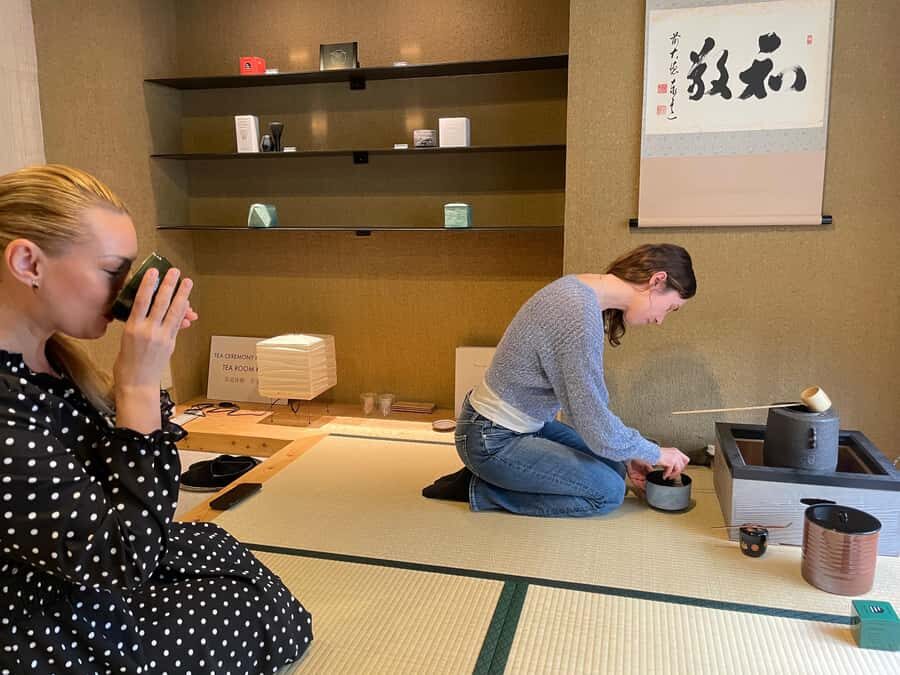
- A real tea room experience in central Shibuya: calm, intentional, and a break from the streets.
- EAST GREEN MATCHA organic matcha: high grade organic matcha tied to a rare 2% harvest detail.
- Wagashi served with your matcha: traditional sweets from a long-established shop with 200+ years of history.
- You whisk too: guided matcha-making session, not a passive show.
- Tatsuya’s style: patient pacing, clear explanations, and a personal tone around matcha and tea rituals.
- Souvenir options: you can purchase matcha and original tea tools if you want to keep the ritual going.
Why a Shibuya tea room feels like a time-out
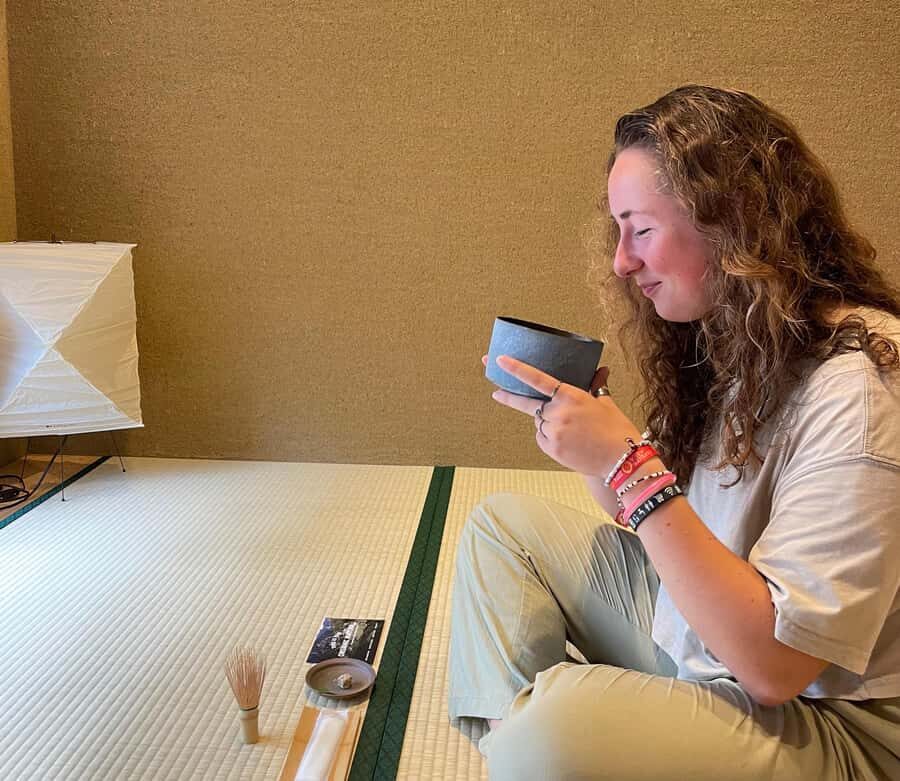
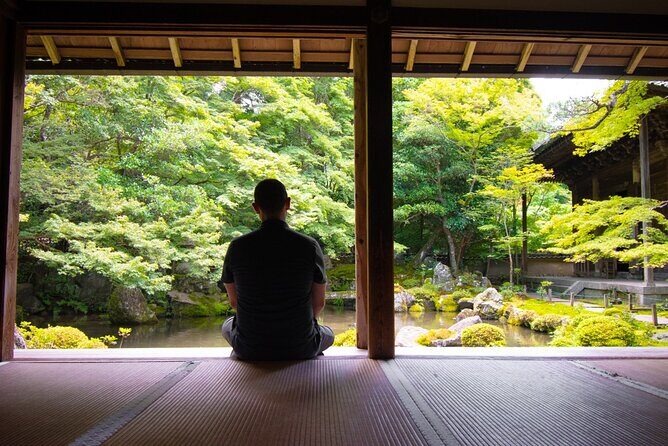
Shibuya is fast. Loud. Full of neon energy and people doing their best main-character walk. Then you step into a tea room where the pace changes. The whole point is focus: on the smell of matcha, the sound of the whisk, and the way you hold yourself while you participate.
I like that this experience doesn’t treat tea as a museum piece. You learn why every step matters, then you do the steps yourself. That turns matcha from a drink you’ve tried into something you actually understand.
There’s also a strong cultural angle here. You’re not just learning facts—you’re learning the rhythm of Japanese tea culture: respect for tools, attention to preparation, and a formal way of receiving the tea.
You can also read our reviews of more private tours in Tokyo



Meeting at The OneFive Tokyo Shibuya and finding Tea Room Kakoi
Your meeting point is practical and easy to locate: the front of The OneFive Tokyo Shibuya hotel (1-8-11, Jinnan, Shibuya-ku). Your guide holds a sign for TEA ROOM KAKOI, so you know what you’re looking for before you even start walking.
The location is also convenient. You can reach this area in about an 8-minute walk from Shibuya Station, and the neighborhood gives you classic Tokyo contrast. You can walk off the scramble of Shibuya, then slow down fast once you find the right entrance.
One small “read this first” note: this isn’t a big hotel ballroom setup. Expect a more compact, apartment-block style experience once you arrive. At the start, that can feel surprising—then it clicks, because the tea room itself is where the calm happens.
The pre-ceremony chat: matcha history and how the ritual works
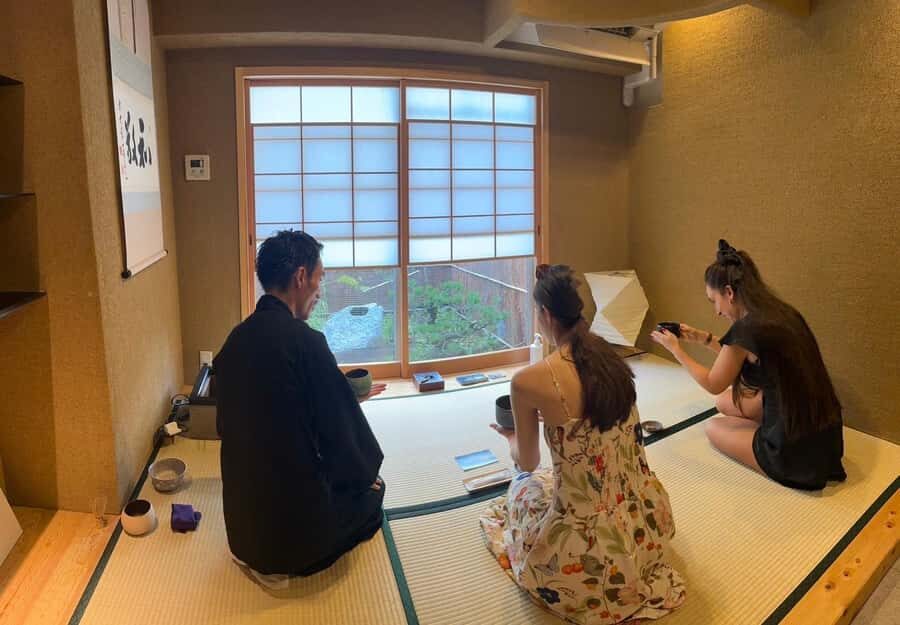
Before you whisk, you’ll get a structured explanation from the host, often referred to as Tatsuya (with some people shortening it to Tatsu). The flow is simple and helpful. You learn about the traditional tea ceremony, then you learn about matcha—how it’s produced and why it matters.
This part is valuable because matcha can seem like just a trendy green powder. In the ceremony context, it becomes something else: a product grown with a specific purpose, prepared with care, and served with manners. When you understand that, the tasting isn’t just about flavor. It’s about intention.
You’ll also learn what you’re about to do, step by step. That means when it’s time to make your own matcha, you aren’t guessing or copying motions blindly. You’re doing it with reasons.
EAST GREEN MATCHA and the 2% harvest detail
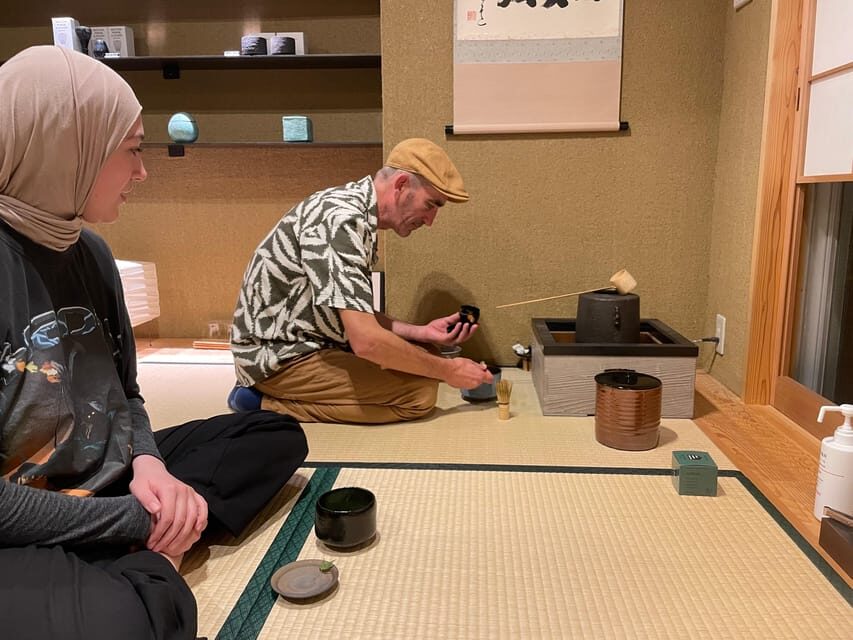
The matcha brand used here is EAST GREEN MATCHA, and the experience focuses on rare, high-grade organic matcha. The key detail you’re given is that this matcha makes up only 2% of the harvest in Japan—a way of framing how selective and limited the supply can be.
That matters because quality shows up in your cup. You’re not paying just for the ceremony aesthetics. You’re paying for the ingredient experience too: organic matcha meant for ceremonial preparation.
And you’ll taste it in context. Matcha is served alongside traditional sweets, and you learn how the matcha texture and bitterness balance change depending on how it’s whisked. This is one reason the host’s guidance sticks with you. You’re not only told what to do—you see the effect.
Also, quick practical note: matcha has caffeine. If you’re sensitive, timing matters. You may want to avoid scheduling this too late in the day.
Wagashi and the first sip: tasting matcha the correct way
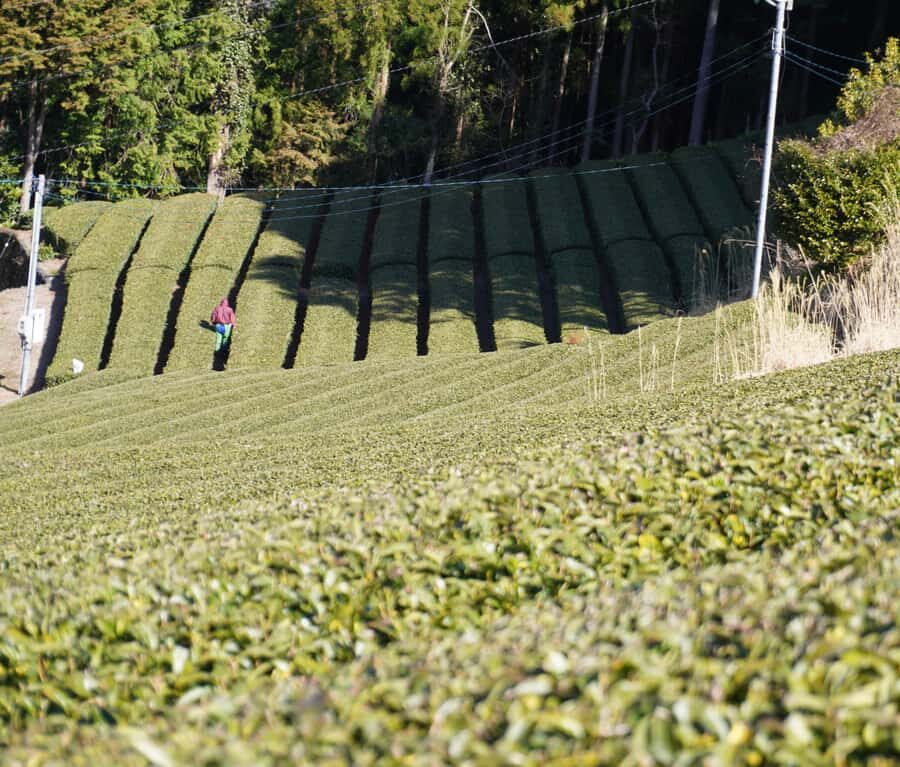
Once the explanation is done, the ceremony portion starts. You prepare to receive a properly made cup, and you also get traditional wagashi sweets. The sweets are from a long-established wagashi shop with over 200 years of history, which adds a real sense of craft to the tasting.
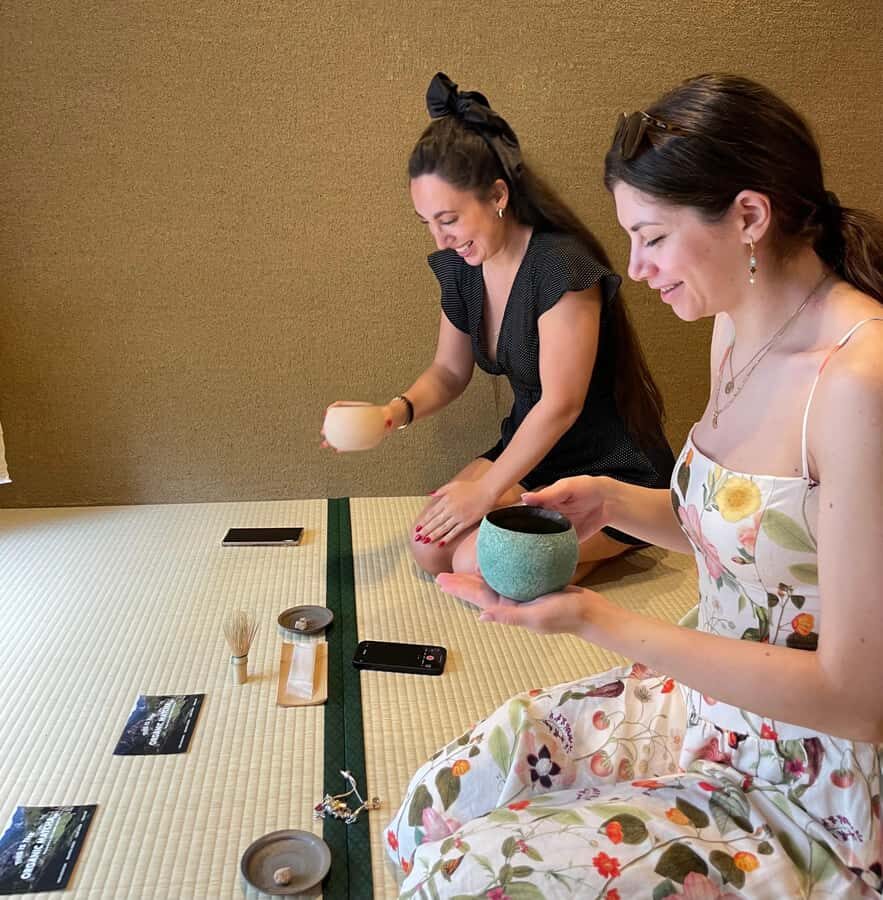
Then comes the moment: your matcha is prepared in a formal style and served to you. You’ll get a chance to notice texture, froth, and balance. The host also guides you on how to drink it—because in tea culture, the method is part of the respect.
This is one of the most praised parts for a reason. When the host talks you through it patiently, you’re not left with a half-meaningful sip. You know what you’re looking for: the right smoothness, the right froth, and how the sweetness and matcha interact.






Hands-on matcha making: you’ll actually do the work
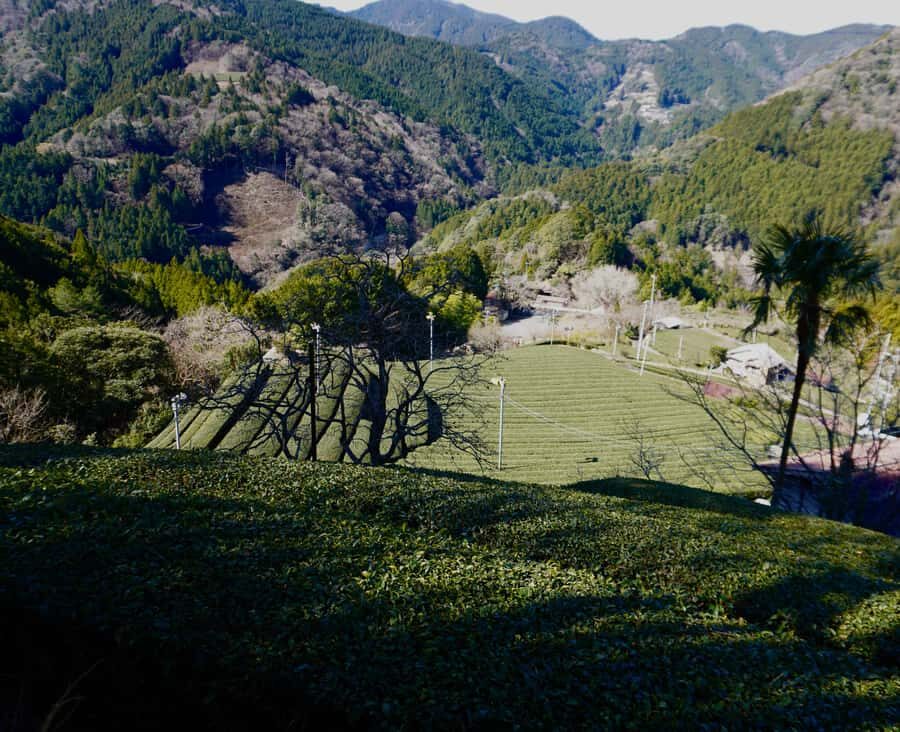
The best value in this experience is that it’s not just watching. You participate in a guided matcha-making session. The host walks you through techniques and significance, then you make your own matcha.
I appreciate this format because it turns learning into muscle memory. The whisking technique matters. The water temperature and whisking method affect the foam and consistency. When you do it yourself, you understand why ceremonial matcha isn’t “just stir and go.”
During your session, you’ll also get time to ask questions. That Q&A piece helps you fill in gaps based on your own curiosity—whether it’s production, equipment, or how different matcha styles behave.
If you’re the type who wants to remember things later, this is the part to lean into. Take your time, ask one question, and get one technique down. That’s how you leave with more than photos.
Tea room etiquette that you can use next time
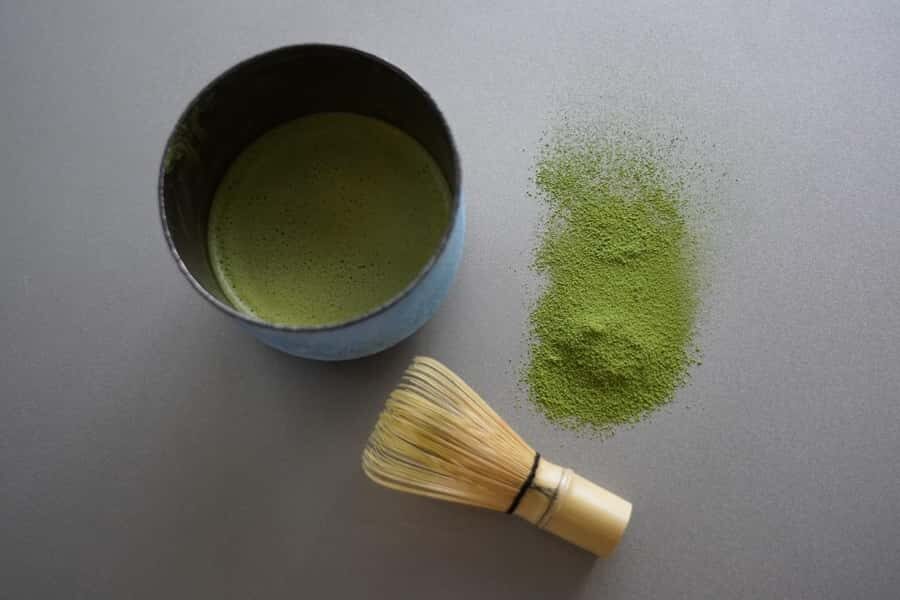
The ceremony has rules, but they’re not meant to intimidate you. They’re meant to slow things down and keep the focus on the act of making and sharing tea.
In practice, the host encourages respect for the objects used during the ceremony. You’ll likely be guided on how to handle the tea tools properly and how to participate with a calm attitude that matches the room.
This is where the private setting shines. In a small, quieter space, you can actually follow along without the stress of a crowd. You can observe the steps, absorb the meaning, and then repeat what you learned during your own matcha-making.
And yes, you’ll probably take more photos than you expect. The tea room is decorated and peaceful enough that your pictures look good without you trying too hard.
Price and value: what you’re really paying for at $30
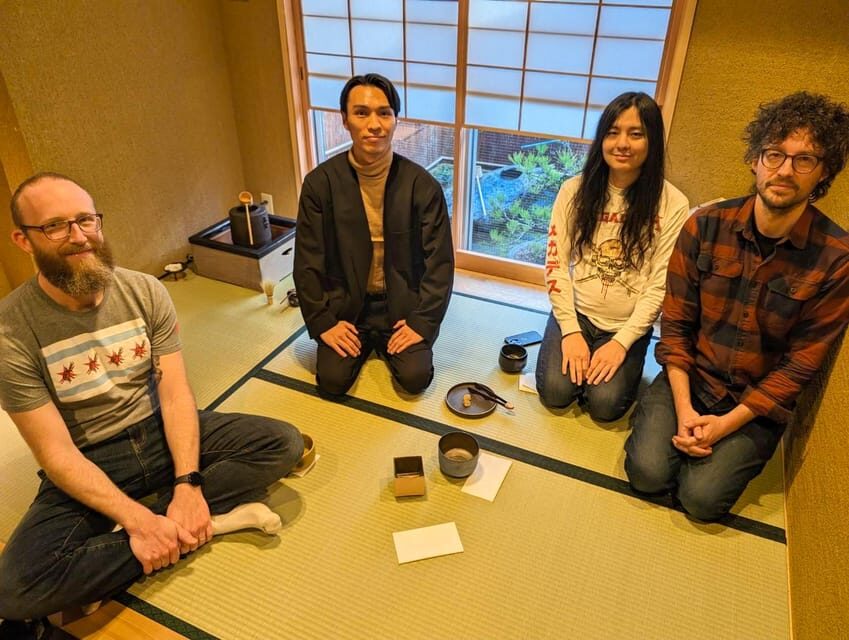
At about $30 per person, this is positioned as an affordable entrée into ceremonial matcha culture in one of Tokyo’s most expensive areas.
Here’s what you’re getting for that price, based on the experience details:
- Premium organic matcha from EAST GREEN MATCHA
- Wagashi sweets
- A guided matcha-making session
- Everything you need for the activity is included
The value comes from the mix: ingredient quality plus instruction plus participation. Many “food and drink” experiences in Tokyo are either tasting-only or shopping-only. This one does both learning and making.
It’s also worth thinking about this as a cultural “time purchase.” Shibuya is full of fast experiences. This one buys you a slower, more careful hour where you learn how to do something small and repeatable back home.
The not-so-glam details: caffeine and the no-toilet rule
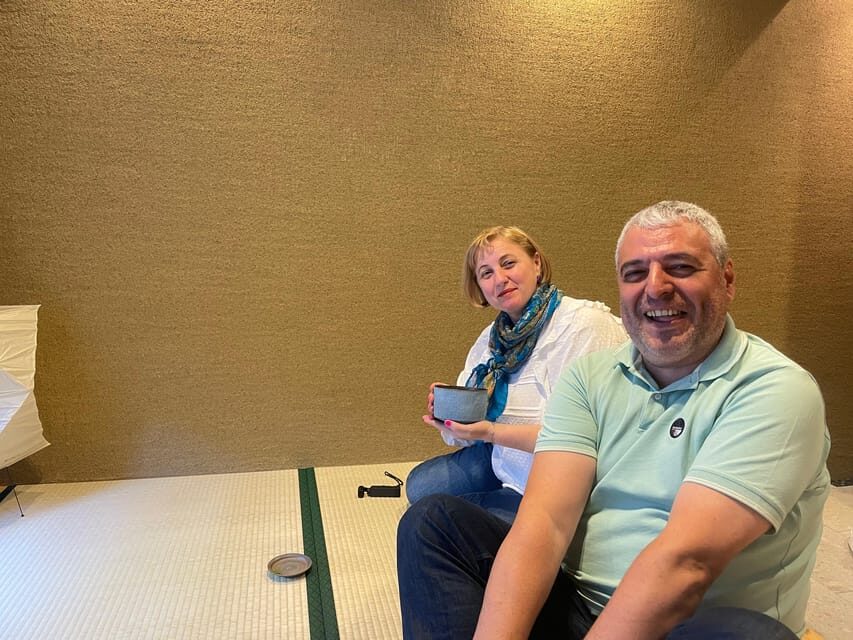
Let’s keep it practical. The matcha contains caffeine, so plan around your own tolerance.
The bigger logistics note is honest: there is no toilet in the tea room. That means you should use facilities before you go, and keep water timing in mind. In a ceremony setting, you don’t want to interrupt the flow mid-experience.
Also, this experience isn’t suitable for:
- Children under 10 years
- Pregnant women
- Babies under 1 year
No pets are allowed either (assistance dogs are allowed). If you fall into any of the age or pregnancy categories, you’ll save yourself disappointment by checking alternatives.
Should you book this private tea ceremony in Shibuya?
I’d book it if you want a real change of pace in Shibuya and you like your Tokyo experiences with a bit of craft. The private tea room setting, the hands-on matcha-making, and the use of EAST GREEN MATCHA make this feel more like learning an art than buying a souvenir.
Skip it if you need lots of amenities on-site (no toilet) or if caffeine is a big issue for you. Also skip if the format won’t work for your situation given the age/pregnancy limits.
If you’re trying to do Shibuya plus something meaningful in the same day, this is a strong move. It’s close enough to the main hub to fit easily, and it gives you a calm counterweight to all the city noise.
FAQ
Where do I meet the guide for the Shibuya tea room experience?
You meet at the front of The OneFive Tokyo Shibuya hotel at 1-8-11, Jinnan, Shibuya-ku, Tokyo. The guide will hold a sign that says TEA ROOM KAKOI.
What matcha brand is used in the ceremony?
The ceremony uses EAST GREEN MATCHA organic matcha.
What’s included besides the matcha?
You’ll also get traditional Japanese sweets (wagashi) and a guided matcha-making session. Everything you need for the experience is included.
Can I purchase matcha or tea tools as souvenirs?
Yes. At the end of the experience, you can purchase high-quality organic matcha and original tea tools if you want.
Is the tea room wheelchair accessible or does it have a toilet?
The tea room has no toilet. Accessibility details beyond that aren’t provided in the information here.
What languages will the host speak?
The experience is available in English and Japanese.
Is this experience suitable for children or pregnancy?
It is not suitable for children under 10 years, babies under 1 year, or pregnant women.
If you want, tell me your travel dates and time of day you’ll be in Shibuya, and I’ll suggest a simple nearby day plan that pairs well with a calm tea ceremony break.