REVIEW · KYOTO
Kyoto Customized Private Tour: See Top Attractions in 1 Day
Book on Viator →Operated by Japan Wonder Travel · Bookable on Viator
Kyoto hits different when you plan it. This private tour lets you stitch together Kyoto’s biggest-name stops like Kinkaku-ji and Fushimi Inari, then swap in the neighborhoods and temples that match your pace and interests. I like the custom itinerary and the included hotel pickup/drop-off, because it removes the hardest part of a first day in Kyoto: figuring out what order to do things. One caution: entrance fees, local transport costs, and lunch are not included, so your total day cost can creep up if you add paid sites.
You can choose a half-day plan (about 2–3 stops) or a full-day plan (about 3–4 stops), with a moderate amount of walking and a rain-or-shine schedule. You’ll start at the Kyoto Tourist Information Center Kyo-Navi inside Kyoto Station and end back at the same meeting point.
In This Review
- Key reasons this private Kyoto day tour works
- Price and what you actually get for $132.65
- How the half-day vs full-day format helps you avoid a “Kyoto blur”
- Start point: Kyoto Station area and why pickup matters
- Stop 1: Kinkaku-ji (Golden Pavilion) and how to plan for it
- Stop 2: Fushimi Inari-taisha and the torii choice you should make
- Stop 3: Ryoan-ji Zen garden time (and why 30 minutes can be enough)
- Stop 4: Arashiyama Bamboo Grove and the 45-minute reality check
- Stop 5: Gion and Kiyomizu area walks without turning it into a photo marathon
- Higashiyama lanes: Sannenzaka and Ninenzaka (plus a smart shopping stop)
- Stop 6: Nijo Castle and the payoff of slower looking
- Optional night vibes: Pontocho along the Kamo River
- East Kyoto add-ons: Tenryu-ji, Nanzen-ji, Ginkaku-ji, Philosopher’s Path
- Price and logistics reality: admissions, transport, and lunch
- Crowd control and guide quality: what to look for
- Should you book this Kyoto customized private day tour?
- FAQ
- How long is the Kyoto customized private tour?
- How many places will I visit in half-day vs full-day?
- Is this tour private?
- What’s included in the price?
- Are entrance fees and lunch included?
- Can I cancel for a full refund?
Key reasons this private Kyoto day tour works
- You pick the stops: Half-day is typically 2–3 places; full-day is usually 3–4, so you can avoid overload.
- Hotel pickup saves time: Less transit wrangling, more looking up at temple details.
- You get real Kyoto context: Guides like Hiro, Naomi, Saeko, and Takuma are repeatedly noted for explaining Shinto/Buddhist meaning, not just dates.
- Crowd-smart pacing: Multiple guides are praised for timing and routing to reduce peak-stress.
- You’re not locked into a script: If you want a food-focused day, you can build around Nishiki Market; if not, you can steer toward temples and quieter streets.
- The paid sites are clear upfront: Many highlights are free (like Fushimi Inari and Gion), but several major temples are not included in the price.
Price and what you actually get for $132.65
At $132.65 per person, this tour sits in the “worth it if you value time” category. What you’re really paying for is not just walking with someone—it’s having a private guide to connect the dots between sights, manage the order, and keep your day moving without you constantly checking maps.
The key thing to understand before you book: entrance tickets, local transportation costs, and lunch for you and the guide are not included. That doesn’t make the tour “bad value,” but it does mean you should mentally budget an extra amount depending on which paid attractions you choose (for example, Kinkaku-ji and Nijo Castle are listed as places where admission applies).
A couple of practical math tips:
- If you choose mostly free stops (Fushimi Inari, Gion, Sannenzaka/Ninenzaka, Nishiki Market), you’ll likely spend less on top of the tour price.
- If you pack in multiple paid castles/temples, your day cost rises—still often reasonable if the guide helps you avoid wasting time on wrong turns and crowd dead-ends.
Also, the tour is popular (it’s been booked 10+ times recently) and it holds a strong 4.9 rating with a 97% recommendation score, which usually tracks with consistent guide quality and smooth logistics.
You can also read our reviews of more private tours in Kyoto


How the half-day vs full-day format helps you avoid a “Kyoto blur”
Kyoto can overwhelm you fast. This tour’s structure helps because it forces choices.
Half-day (about 2–3 stops) is best when:
- You want a concentrated hit of iconic sights without museum-like rushing.
- You arrive mid-day or need energy left for dinner in Gion or Pontocho.
- You’re traveling with someone who doesn’t want long walks.
Full-day (about 3–4 stops) works when:
- You want both temple highlights and a neighborhood wander (think Kiyomizu area + Gion, or Arashiyama + a second district).
- You’re okay with a moderate walking day and want more “Kyoto texture” instead of only the big ticket photo spots.
Guides repeatedly get praised for flexibility—people note that schedules can be adjusted for mobility needs, preferred walking pace, and even personal interests. That matters because the difference between a great day and a stressful one is often the route, not the sites.
Start point: Kyoto Station area and why pickup matters
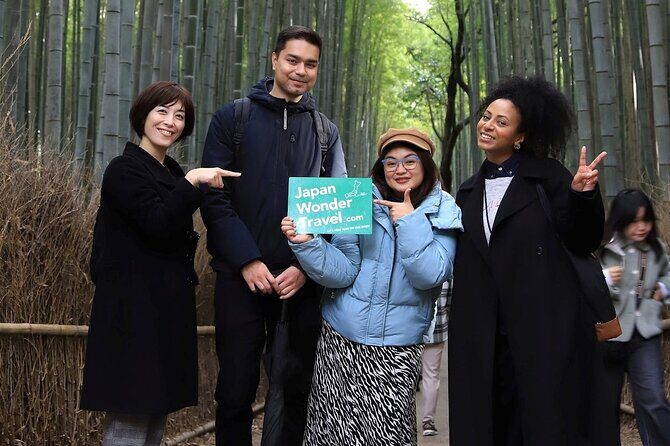
You meet at the Kyoto Tourist Information Center Kyo-Navi in Kyoto Station’s building (2nd floor). That’s a smart starting point for first-timers because:
- You’re already in the rail hub, so it’s easier to anchor your day.
- It’s simple to connect your tour to trains you take later.
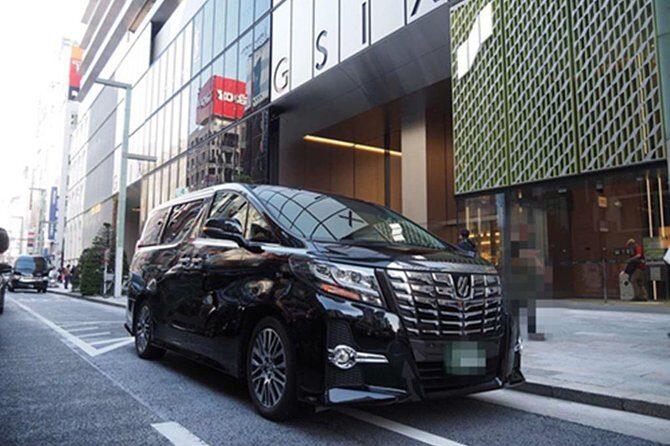
Hotel pickup and drop-off are included (when offered), which can be a real quality-of-life improvement if you’re staying outside the station area or if you’d rather not navigate Kyoto streets with luggage or jet lag.
Practical note: the tour ends back at the meeting point, so plan your day around that. If your hotel is far from Kyoto Station, pickup/drop-off can be the difference between a smooth day and a long, tiring “after” walk.
Stop 1: Kinkaku-ji (Golden Pavilion) and how to plan for it
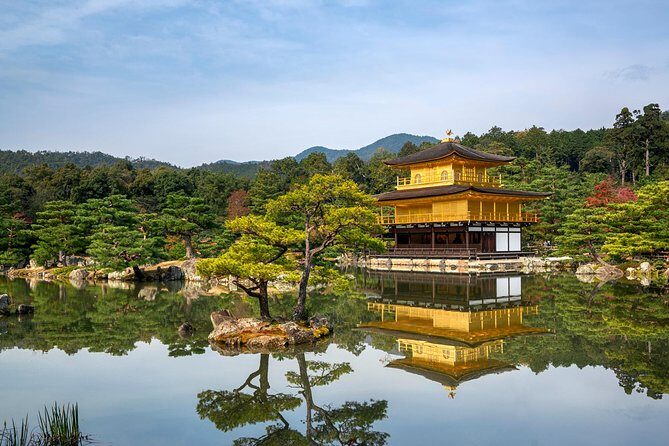
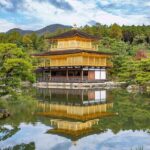
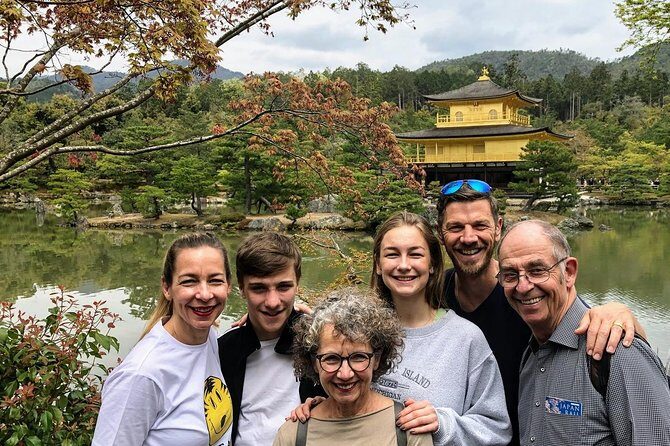
Kinkaku-ji is often the first Kyoto temple people want to see, and for good reason: it’s famous for a reason, and your guide can help you get the most out of a limited time window.
In the sample timing, this stop is about 30 minutes, and admission is not included. That combination is why choosing the right amount of time matters:
- If you only have half a day, Kinkaku-ji can still be worth it—but don’t pair it with too many other high-demand stops back-to-back.
- If you choose full day, Kinkaku-ji pairs well with a second major site or with a transition toward eastern Kyoto.
One tip you can use immediately: treat Kinkaku-ji as a “slow looking” assignment. Even if your time is capped, spend a few minutes just observing the pavilion setting and surrounding reflections—this is the kind of detail where a guide’s pointing-out skills can be worth it.
Stop 2: Fushimi Inari-taisha and the torii choice you should make
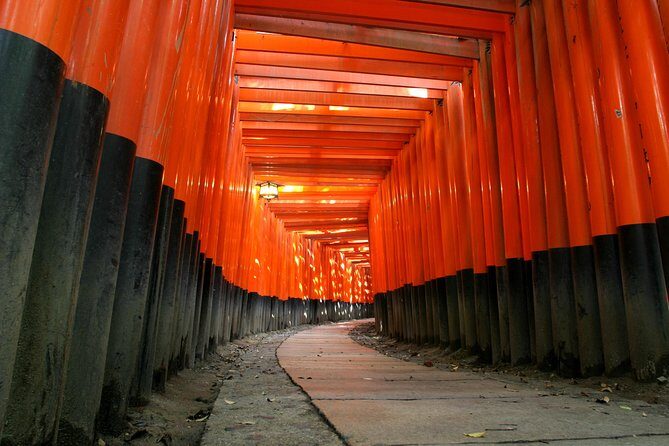
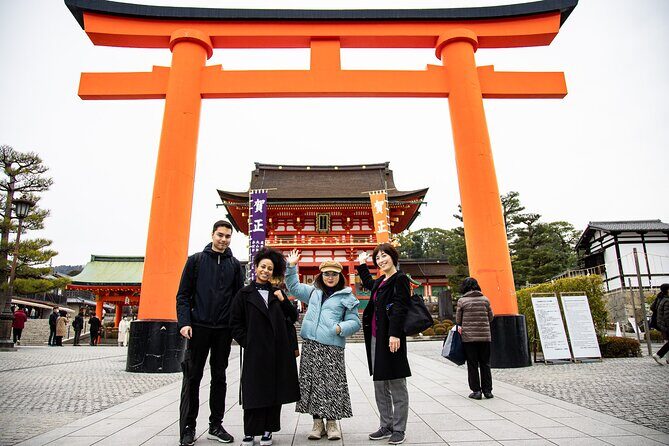
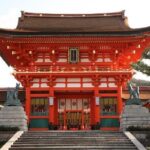
Fushimi Inari-taisha is included as a core highlight, and it’s free to enter. The sample visit is about 45 minutes.
The biggest decision here isn’t whether to go—it’s how far up you want to climb the torii steps. A good private guide helps you match the walk to your energy:
- Want the classic photo experience only? Aim for a strong viewpoint and turn back.
- Want more walking and a quieter stretch? Keep going farther, but don’t let it eat your whole day.
This is one of those Kyoto places where the “best route” isn’t fixed. It changes based on your fitness and how many other stops you added that day. In the tour feedback, people mention guides helping them avoid stressful timing—this is the same principle at work.
A few more Kyoto tours and experiences worth a look


Stop 3: Ryoan-ji Zen garden time (and why 30 minutes can be enough)
Ryoan-ji is a Zen temple highlight with a dry landscape garden. The listed visit time is about 30 minutes, and admission is not included.
Why a private guide helps here: the garden’s meaning can feel abstract if you’re staring without context. A guide can help you read it—how the layout and rock placement are meant to be viewed—so your short visit feels complete, not like a quick drive-by.
If your itinerary is already heavy on paid sites, this is the one where you should decide whether you want “one more ticket” or “one more quiet moment.” Thirty minutes is workable for most people.
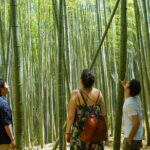
Stop 4: Arashiyama Bamboo Grove and the 45-minute reality check
The Bamboo Forest Street in Arashiyama is on the list with a sample time of about 45 minutes, and entry is free.
This is where planning beats luck:
- Bamboo areas can get crowded.
- The best experience often comes from knowing where to walk and how to time your photo stops.
In feedback, Naomi-led days are noted for pairing bamboo with other high-value temple stops like Tenryu-ji. That pairing works because bamboo gives you the nature moment, and the nearby temples give you the architectural and garden payoff.
Wear shoes with solid grip. Even when the official walk is short, Kyoto’s paths can be uneven or slippery after rain.
Stop 5: Gion and Kiyomizu area walks without turning it into a photo marathon
Gion is listed as a free stop with about 30 minutes. Kiyomizu-dera is a major temple stop with about 30 minutes, and admission is not included. In most schedules, these are the places that turn a “temples checklist” day into a Kyoto-feeling day.
Here’s what to expect:
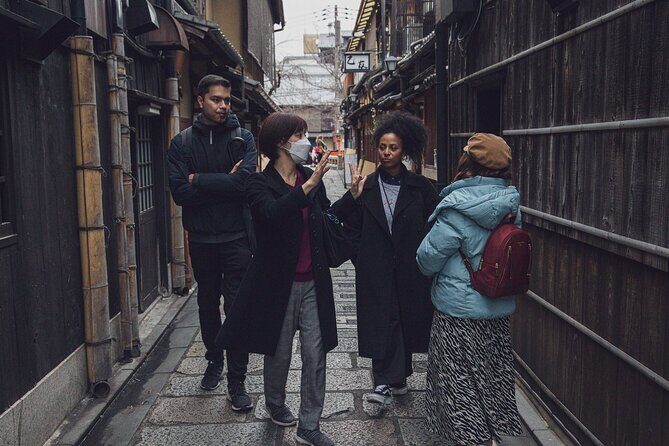
- Gion gives you the historic streets, traditional machiya houses, and the vibe of Kyoto’s old-town culture. Even if you don’t chase geisha sightings, the neighborhood itself is the point.
- Kiyomizu-dera gives you the bigger temple sightlines and panoramic views. It’s a paid site, so plan for ticket cost and time.
Pairing tip: If you’re choosing a half-day itinerary, you might not want both Kiyomizu-dera and Fushimi Inari unless you’re aiming for a “greatest hits” sprint. For full day, it becomes easier to include both and still have time to slow down.
Higashiyama lanes: Sannenzaka and Ninenzaka (plus a smart shopping stop)
Sannenzaka and Ninenzaka are classic old-street lanes with about 45 minutes in the plan, and they’re free to enter.
They’re important because they break up the day between major temples and “where do we eat?” moments. You get traditional wooden streetscapes, tea shops, and that steep Kyoto walking feel—though it does mean your legs will notice the stairs and slopes.
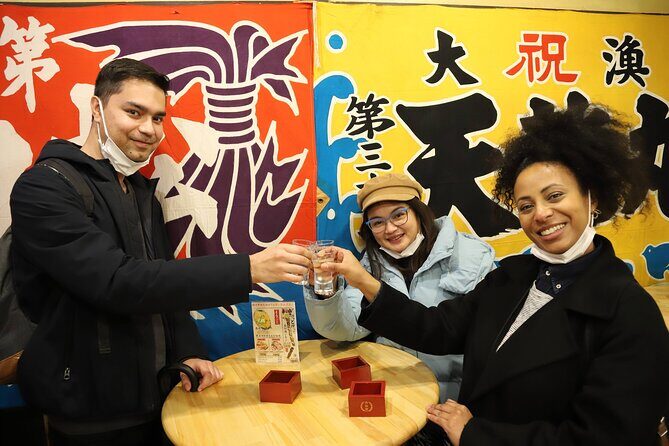
Then there’s Nishiki Market Shopping District (about 45 minutes, free). The market is essentially a food-focused wander—Kyoto’s kitchen in street form. Since lunch is not included in the tour price, Nishiki is a natural place to snack strategically rather than commit to a long sit-down meal during peak times.
If you’re a food-first person, build more time around Nishiki and consider trimming one paid temple elsewhere. If you’re more culture/architecture focused, use Nishiki for short taste-and-walk stops, not a full shopping detour.
Stop 6: Nijo Castle and the payoff of slower looking
Nijo Castle is listed with about 45 minutes and admission not included. It’s a samurai-era site with spectacular artworks and gold-leaf ceilings.
This stop is a good “balance act” against the religious/ceremonial sites. Instead of thinking about shrines and garden meanings, you’ll be thinking about power, court life, and artistry.
In plain terms: Nijo Castle rewards people who let time pass. If you treat it like a photo-only stop, you might miss why it feels special. With a guide, you can do the “quick scan” and still catch the key details.
One caution from the broader feedback pattern in this tour: if you end up feeling rushed, the issue is usually the day plan—not the site. So choose fewer major ticket stops if you want museum-style attention.
Optional night vibes: Pontocho along the Kamo River
Pontocho is included as a possible stop, described as a historic dining district along the Kamo River.
Even though it’s often associated with evenings, you can still use it to end the day with atmosphere. If you’re not ready to commit to dinner right away, consider it a landmark neighborhood to walk through on your own after the tour ends.
In practice, it’s a useful add-on if your tour schedule ends near central Kyoto. It helps you get from “we saw temples” to “we feel like we’re in Kyoto.”
East Kyoto add-ons: Tenryu-ji, Nanzen-ji, Ginkaku-ji, Philosopher’s Path
The tour can also include several eastern Kyoto cultural stops, depending on your selections.
Common picks on the list:
- Tenryu-ji Temple: a Zen temple and UNESCO World Heritage site (admission not included).
- Nanzen-ji Temple: a Zen temple and training center tradition (admission not included).
- Ginkaku-ji Temple (Silver Pavilion): known for elegant Zen gardens (admission not included).
- Philosopher’s Path: a scenic, peaceful canal-side walk near Ginkaku-ji.
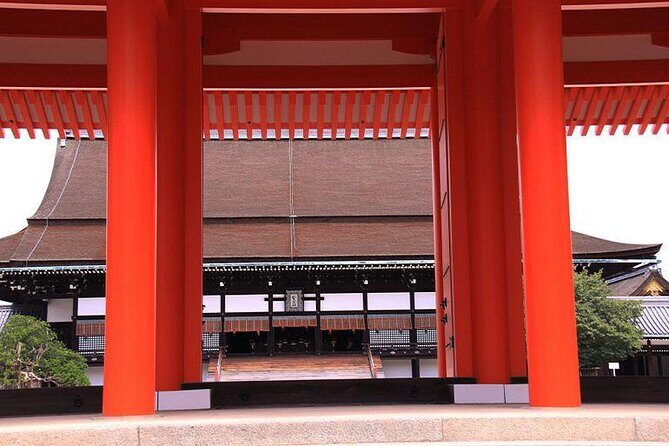
- Kyoto Imperial Palace: a free stop (admission free as listed).
Why these are valuable: they diversify your day. Instead of repeating the same “icon temple photo, move on” pattern, you get garden pacing and walking routes that feel more Kyoto-ordinary, less stage-managed.
If your half-day is already packed with Kinkaku-ji, Fushimi Inari, and Kiyomizu-dera, you’ll probably feel better choosing only one “east Kyoto” add-on for full-day.
Price and logistics reality: admissions, transport, and lunch
This tour clearly excludes:
- Entrance fees for sites where tickets apply (for example Kinkaku-ji and Nijo Castle are listed as not included)
- Transportation fees (local transit costs)
- Lunch (you and the guide)
In practical terms, that means your tour day budget depends on your stop mix. Free stops like Fushimi Inari, Gion, and Nishiki Market can keep costs down. Paid stops add up, but you’re also buying time efficiency and interpretation.
One more logistics point to keep you from surprise-frustration: some schedules may involve paying for a guide’s transport between far-apart areas. This is not unusual in city touring, but it’s exactly the kind of detail you should confirm before you finalize your day plan—especially if you’re trying to keep costs tight.
If you want the day to feel smooth, choose your stops with one question in mind: do I want to spend my limited time viewing, or do I want to spend it moving?
Crowd control and guide quality: what to look for
The strongest signal from guide performance is consistency:
- Guides like Hiro are repeatedly praised for explaining Shinto and Buddhist practice and tying sites to what you’re seeing.
- Naomi is noted for smart additions like recommending another temple and keeping the day flowing.
- Saeko stands out in feedback for tailoring pace around mobility needs without killing the fun.
- Mishima is mentioned for navigating train schedules and helping with the practical flow of getting from place to place.
- Takuma gets credit for balancing history with enough time to absorb sights, and even helping with photography.
- Kenji and Kiyoto are repeatedly associated with planning that maximizes sites while helping visitors avoid the worst lines.
- Toshi is mentioned for organizing the day and keeping crowds down as much as possible.
- Yuka is highlighted for using time efficiently with multiple transit modes.
You don’t need to hunt for a specific person, but you should ask yourself whether you want:
- a history-heavy day (great if you like meaning and context),
- a walking-and-photo day (great if you want help with timing and viewpoints),
- or a flexible, comfort-first day (great if mobility or stamina matters).
This is where private touring is worth it: the guide can match your style.
Should you book this Kyoto customized private day tour?
If you’re doing Kyoto for the first time and you want your day to feel organized without feeling scripted, this tour is a strong bet. The biggest reason to book is the stop customization paired with hotel pickup/drop-off—that combo makes a one-day plan actually workable.
I’d book it if:
- you want a guided hit of Kinkaku-ji, Fushimi Inari, and at least one neighborhood like Gion or Higashiyama,
- you’d rather pay a guide than lose hours figuring out routing,
- you like the idea of choosing between temples, walks, and food.
I’d think twice if:
- you’re on a strict budget and plan to add several paid temples,
- you hate walking or steep stairs, since the itinerary has a moderate walking component,
- you’re the type who wants a long, slow “stay forever” visit at every major site.
FAQ
How long is the Kyoto customized private tour?
It runs for about 4 to 8 hours, depending on whether you choose a half-day or full-day itinerary.
How many places will I visit in half-day vs full-day?
For a half-day plan you’ll typically select 2 to 3 spots. For a full-day plan you’ll typically select 3 to 4 spots.
Is this tour private?
Yes. It’s a private tour/activity, and only your group participates.
What’s included in the price?
Hotel pickup and drop-off are included, along with the guided experience. The tour also offers mobile tickets and group discounts.
Are entrance fees and lunch included?
No. Entrance fees, transportation fees, and lunch (for you and the guide) are not included.
Can I cancel for a full refund?
Yes. You can cancel up to 24 hours in advance for a full refund. If you cancel less than 24 hours before the start time, the amount you paid won’t be refunded.