Kyoto feels different once you leave the city grid. This private tour strings together Wazuka tea fields and Kyoto classics with real tea-country stops, plus a guide who makes the history click, not just recite dates. I love how you get private pickup comfort and then land in those sweeping green rows that photograph beautifully all year, even in winter, while also tasting matcha desserts and shopping for premium tea at city-busting prices.
The only real catch is cost-additions and some walking. Temple admissions for Byodo-in (¥600) and Shoju-in (¥1,000) are not included, and you should expect short walks plus stairs at the temple areas.
In This Review
- Quick hits from Wazuka and beyond
- Why Wazuka tea country feels like a different Kyoto
- Pickup, ride comfort, and how to think about timing
- Stop 1: Byodo-in Phoenix Hall and the Pure Land connection
- Stop 2: Wazuka-cha cafe for matcha you can taste, not just brag about
- Stop 3: Ishitera tea plantation and the photo-workout of the day
- Stop 4: Ujitawara-cho and tea-field walking for the best kind of souvenir
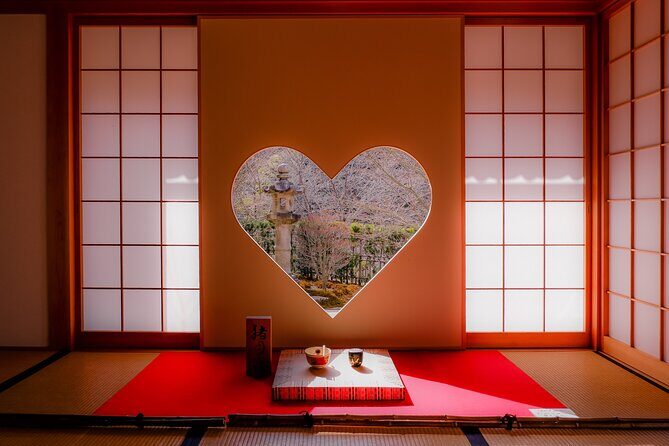
- Stop 5: Shoju-in and the heart-window tea room view
- Tea shopping value: why the prices matter after you taste
- Daiki as a guide: history that stays human
- Price and value: $250.38 for up to 6 people
- Who this tour suits best
- Should you book this hidden Kyoto tea country tour?
- FAQ
- What’s included in the tour price?
- Are temple admission fees included?
- How long is the tour?
- What vehicle will I ride in?
- Is the tour private?
- Can I cancel for a full refund?
Quick hits from Wazuka and beyond
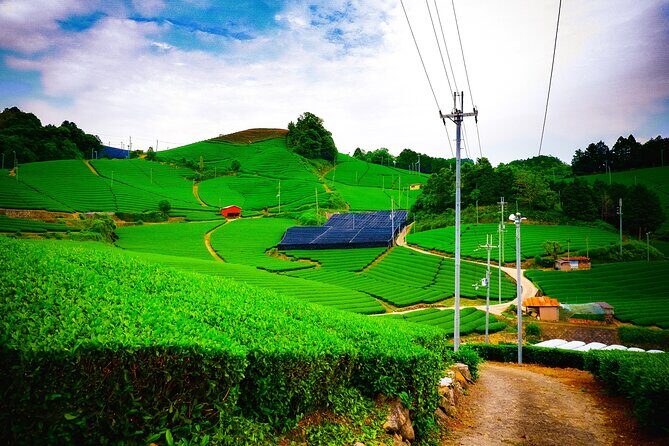
- Wazuka tea fields with sky-high views: geometric rows that stay stunning in any season.
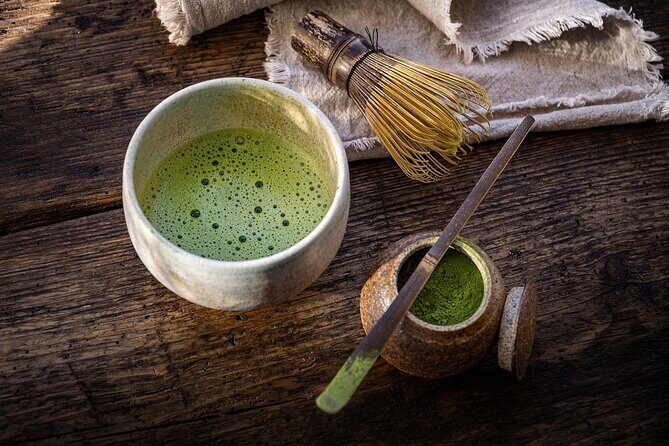
- Matcha tasting that’s built for flavor: you’ll stop at a Wazuka-cha cafe for high-quality green tea and matcha.
- Byodo-in Phoenix Hall, the 10-yen coin temple: a major cultural anchor for the day.
- Photo walks at Ishitera and Ujitawara-cho: short field time where you can stretch your legs and shoot great pictures.
- Shoju-in with the heart-window view: a side-temple stop that rewards the drive out of central Kyoto.
- Daiki’s calm, patient pacing: the guide’s focus on tea and history, with plenty of time for photos.
Why Wazuka tea country feels like a different Kyoto
Wazuka is Kyoto’s tea powerhouse, but it doesn’t feel like a theme park. You’re out where tea farmers and small cafes shape the day, and the scenery is the star: those manicured, geometric tea slopes look crisp and orderly in spring, mellow in summer, and still dramatic when the light hits the rows in winter.
What I like most is how the tour balances “see it” with “taste it.” The tea culture isn’t treated like trivia. You get the visuals, then you get the actual cup, plus time to compare products in a tea-shop context that makes sense for what you just saw.
Also, the ride matters. This is a private format with an air-conditioned vehicle for groups, and the route is built around getting you out of the downtown traffic rhythm so you can actually enjoy the countryside pace.
You can also read our reviews of more private tours in Kyoto

Pickup, ride comfort, and how to think about timing
Your tour starts at 1:00 pm, and it runs about 5 hours 30 minutes total. That’s long enough to feel like a full day trip, but short enough that you’re not stuck in the car until dinner.
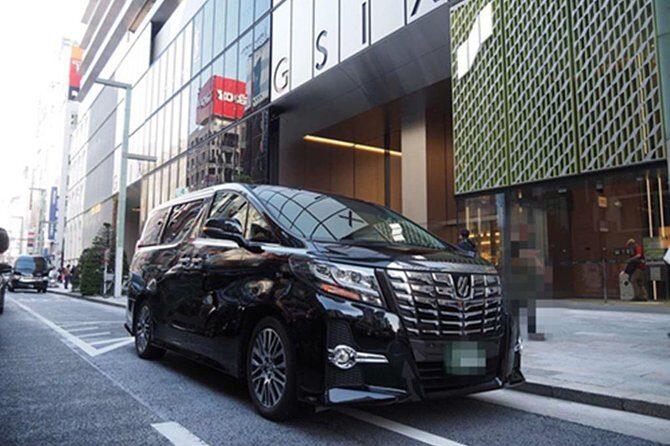
If you’re in a group of 2–6, you ride in an air-conditioned Nissan van. If you’re solo, you may travel in a Mini Cooper convertible, which is honestly a fun way to read the landscape as it changes. Either way, the driver handles fuel and highway fees, and you can set different pickup and drop-off points within the service area.
Important for your expectations: Shoju-in requires an hour drive from Kyoto downtown. So you’re paying with time and energy for that extra-special temple view, and it’s worth it if you want something quieter than the headline sites.
Stop 1: Byodo-in Phoenix Hall and the Pure Land connection
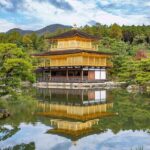
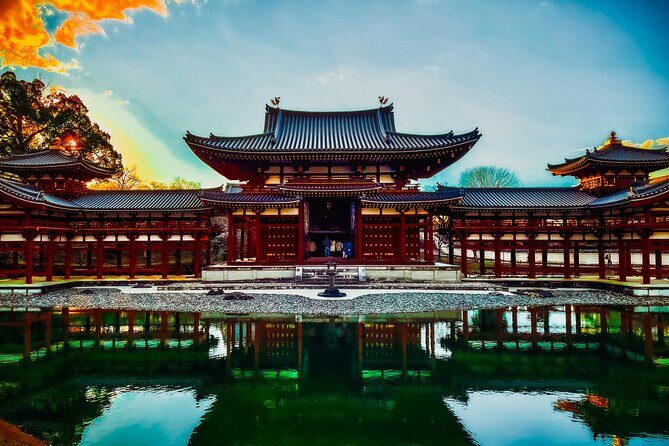
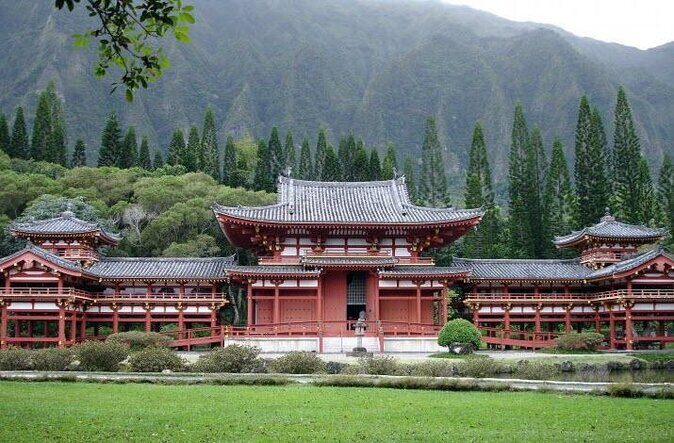
Byodo-in Phoenix Hall is one of Japan’s most famous temple scenes, and you’ll know it instantly if you’ve seen the 10-yen coin imagery. The tour gives you two hours here, which is the right amount of time to slow down instead of sprinting for photos.
What makes this stop land well on a tea-country day is the theme. Byodo-in represents the Buddhist Pure Land idea of paradise on Earth, and that spiritual framing helps you understand why tea culture became more than a beverage. Tea wasn’t just for wakefulness; it was tied to temple life and discipline, where ritual and everyday calm overlap.
Practical note: admission is not included for this stop (¥600 per person), and there are short walks and stairs involved in the overall tour day. Build in buffer energy, especially if you’re sensitive to steps.
Stop 2: Wazuka-cha cafe for matcha you can taste, not just brag about
Next comes the part most people are secretly most excited about: tasting. At the Wazuka-cha cafe, you sample green tea and matcha, with the focus on quality that goes beyond what you might expect from a standard tea shop.
This stop is also where you learn how to think about matcha. Even if you don’t become a tea critic by the end of the afternoon, you start to notice the difference between what’s sold as matcha and what’s actually made to taste like matcha. The tour is careful about pacing here too—one hour gives you time to sip, ask questions, and reset after the temple.
One more bonus: this is also the moment when the day’s theme turns practical. After you’ve tasted tea at its source, you’re much more likely to buy the right kind later, instead of guessing based on packaging.
Stop 3: Ishitera tea plantation and the photo-workout of the day
Ishitera is built for those classic tea-field photos: rows that stretch and climb, with the kind of “green reaches to the sky” feeling you usually only see in postcards. You get about 30 minutes here, which is short on paper, but the whole point is to let your eyes adjust and then shoot a few keeper frames without turning the walk into a hike.
This is a good stop for solo travelers and couples alike because it’s flexible. If you want to wander slowly, you can. If you only want the big-view shot and then a quick rest, you can do that too. The tour’s value here is the timing and route selection; getting to the right field view takes more effort than most people realize if they’re traveling independently.
No admission fee for this field stop, which helps keep your day’s add-on costs from ballooning.



Stop 4: Ujitawara-cho and tea-field walking for the best kind of souvenir
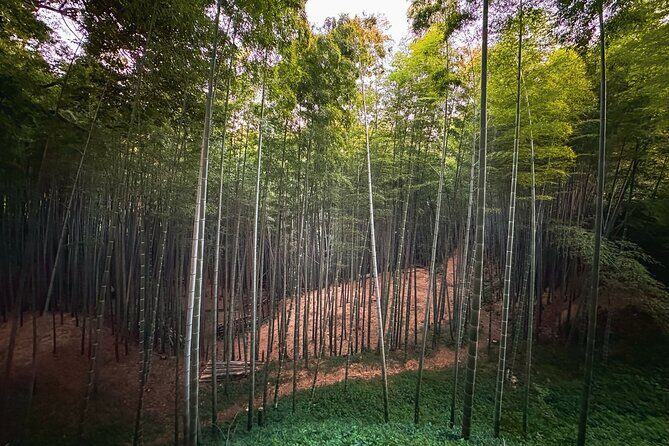
Ujitawara-cho is known as one of Japan’s major green tea production areas, and the tour includes a beautiful tea field where you can walk in one farm and take a magical photo. That’s exactly the kind of practical “yes, bring your camera” moment you want in the middle of a driving day.
You’ll also get a sense of why this region matters historically. Tea wasn’t invented here for Instagram points; it’s tied to Japanese cultivation and how matcha developed over time. Even with a short stop, the day’s earlier context makes this feel less random.
Because it’s only 30 minutes, I treat this portion like a reset button. Hydrate, stretch a minute, grab your photos, and then you’ll be ready for the temple finish.
Again, no admission fee is listed for this stop, which is nice when you’re comparing total value across the day.
Stop 5: Shoju-in and the heart-window tea room view
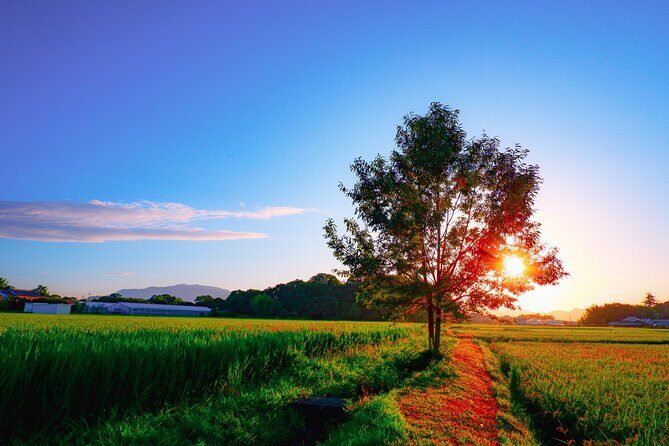
Shoju-in is the long-drive payoff. The tour schedules about 1 hour 30 minutes, and it’s specifically known for the heart-shaped window view in the tea room. This kind of detail matters because it gives you a scene that feels intentional and personal, not just scenic.
This stop is also a chance to slow down in a quieter setting. The countryside shift from the tea fields to the temple atmosphere helps the day feel like a true arc: morning calm, midday tasting, field photography, then a gentle temple finale.
Admission is not included here (¥1,000 per person). If you’re watching your budget, treat this as your biggest predictable add-on besides Byodo-in.
Tea shopping value: why the prices matter after you taste

The tour includes time to shop for tea, and the pitch is specific: you can find premium tea at about 1/2 to 1/3 of city prices. That’s the kind of claim you should verify based on what you’re looking for, but the logic makes sense once you’ve tasted locally.
Here’s the practical way I’d use the tea-shop time: buy based on what you actually drank. If you liked the matcha dessert or the smoothness of the tea at the cafe, that’s your map. If you’re unsure, ask questions. A good guide can help translate product labels into what the tea tastes like in a cup.
Also, private touring changes shopping behavior. You’re not squeezed by a group timeline, so you can compare options without feeling rude or rushed.
Daiki as a guide: history that stays human
A standout in the feedback is the guide name: Daiki. The theme in the comments is consistent—his pacing is calm, he’s patient with picture-taking, and he connects tea culture to Japanese history in a way that feels like a conversation, not a lecture.
That matters because tea-country days can turn into a checklist. With Daiki, the day has flow: you look at fields, then you get the cultural story behind why monks, samurai, and even ninjas were part of the tea world. He also helps with real timing, even dropping you off near a restaurant so you can get straight to dinner after the tour ends.
If you care about the why behind the scenery, Daiki’s approach is the difference between seeing tea fields and understanding why they matter.
Price and value: $250.38 for up to 6 people
The price is listed as $250.38 per group (up to 6) for about 5.5 hours. On the surface, that can sound high if you compare it to public transit. But you’re not paying for transport alone. You’re paying for:
- A private route out to Wazuka-area tea fields and into temple stops that aren’t easy without a car
- Pickup and drop-off flexibility with pinpoint service and the ability to set start and goal points
- Included fuel and highway fees
- Guide time focused on tea and local history
- Scenery + tasting in the countryside that you can’t easily stitch together in half a day
For a group of 4–6, this can work out to a surprisingly reasonable per-person day, especially once you factor in how much driving and planning it would take on your own. For couples or solo travelers, it’s still often a smart spend if you want comfort plus a guided tea experience rather than spending the whole day figuring out buses.
Just plan around the non-included temple admissions: Byodo-in ¥600 and Shoju-in ¥1,000. Also budget for whatever you choose to buy in the tea shops and what you drink if you want extra beverages beyond what’s included.
Who this tour suits best
This private tour is a strong fit if you want:
- A tea-and-temple day that feels connected, not random stops
- Real countryside scenery without the stress of transportation planning
- Photo time that doesn’t feel like a sprint
- A guide who can explain tea culture with stories that make sense
It’s also a good option for couples, small families, and friend groups who can split the group price. If you’re solo, the convertible Mini Cooper option can be a fun bonus, and private pacing means you can linger at the exact field views that catch your eye.
If you hate steps or you’re walking-limited, note that short walks and stairs are part of the experience. It doesn’t say it’s inaccessible, but it does mean you should go in with realistic expectations.
Should you book this hidden Kyoto tea country tour?
I’d book it if you want Kyoto that feels less crowded and more lived-in. The combination of Wazuka tea fields, matcha tasting at a local cafe, and a classic temple anchor at Byodo-in makes the day feel complete. The garden-view details at Shoju-in add a memorable ending that feels different from the usual temple circuit.
Skip it only if you’re trying to travel ultra-budget with zero add-ons, because temple admissions are extra and you’ll likely want to buy tea once you taste it. Also, if your idea of a great day is zero driving and lots of wandering, the countryside drive and temple stairs might feel like more effort than you want.
Overall, this is the kind of tour where value comes from the whole package: the route, the tasting, the photo-ready fields, and a guide like Daiki who keeps the day moving at a human pace.
FAQ
What’s included in the tour price?
Pickup and drop-off are included, along with the ride (air-conditioned Nissan van for 2–6 people, or a Mini Cooper convertible for 1 person), fuel and highway fees. The tour also includes the scheduled stops for tea and sightseeing, and you have a mobile ticket.
Are temple admission fees included?
No. Shoju-in is ¥1,000 per person and Byodo-in is ¥600 per person. Tea or coffee fees for what you buy or drink are not included either.
How long is the tour?
The duration is about 5 hours 30 minutes.
What vehicle will I ride in?
For 2–6 people, it’s an air-conditioned Nissan van. For solo travelers, it may be the open-air Mini Cooper convertible.
Is the tour private?
Yes, it’s private. Only your group participates.
Can I cancel for a full refund?
You can cancel for a full refund up to 24 hours before the experience start time. If you cancel less than 24 hours before, the amount paid is not refunded.