REVIEW · TOKYO
Kimono and Tea Ceremony in Asakusa Private Food Tour With Guide
Book on Viator →Operated by japan local and fun experiences · Bookable on Viator
Wear a kimono, then eat your way through Asakusa. I love the way this tour gets you dressed properly for the moment, with help choosing a traditional or modern kimono, plus an obi sash and wooden sandals. I also love that the experience is food-forward, with a tea ceremony and stops that include an A5 wagyu beef experience, ice cream, and local desserts.
One consideration: you’ll need to show up ready to dress the part, since the point is to avoid looking out of place in jeans and sneakers, and there’s no hotel pickup. Also, if you want extra polish like hairstyling or an overnight kimono rental, plan for an added cost.
In This Review
- Key things to know before you go
- Asakusa in a kimono starts with the right launch point
- Getting dressed: kimono and obi for photos and real etiquette
- Stop 1: Sensō-ji Temple without the clutter rush
- Nakamise Shopping Street: snacks, souvenirs, and pacing yourself in sandals
- Kaminarimon: the lantern gate photo you’ll actually want to keep
- Tea ceremony plus included food: what you’re really paying for
- A guide who adds story, not just directions
- Small group size: why eight people changes the tour
- Price and value: is $290 really fair for this setup?
- Timing and how to plan the rest of your afternoon
- Who this tour fits best
- Should you book this Kimono and Tea Ceremony in Asakusa tour?
- FAQ
- What time does the tour start, and how long is it?
- Where do we meet, and where does the tour end?
- How big is the group?
- What’s included in the tour price?
- Are alcoholic drinks included?
- Is there free cancellation?
Key things to know before you go
- Small-group vibe (max 8) means more questions, more photo help, and less waiting around.
- Kimono dressing is built in, with obi sash and wooden sandals included as part of the look.
- Tea ceremony + sweet stops aren’t an add-on; they’re the core of the schedule.
- A5 wagyu beef experience and extra treats (ice cream, local desserts, soft drinks) give you real value.
- You get a half-day window starting at 11:00 am, so you still have the rest of the afternoon free.
- Guide flexibility is a real perk—your guide can adjust timing if you’d rather swap or skip something.
Asakusa in a kimono starts with the right launch point
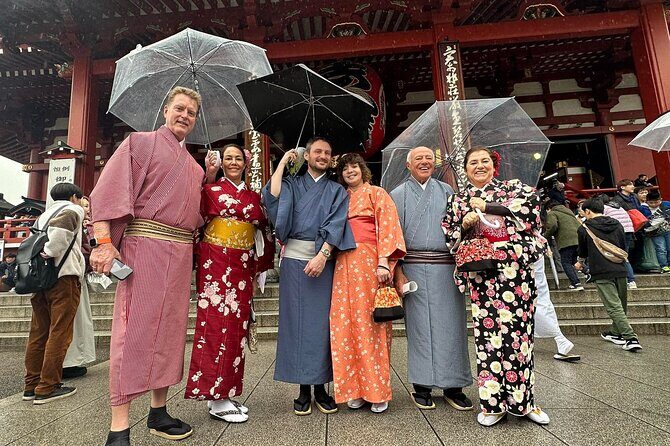
This tour starts at 11:00 am at the Asakusa Culture Tourist Information Center near the Kaminarimon area, and it ends back at the same meeting point. Since it’s a walking-focused route, you’ll want shoes you can wear before the kimono dressing and then switch into the wooden sandals during the tour.
You’ll also use a mobile ticket, which is handy for a smooth start. The tour is near public transportation, so you’re not locked into a long commute or a complicated transit puzzle.
A small but important detail: you’re not spending the day trying to spot where to go. The schedule is tight enough that you can focus on enjoying Asakusa instead of building an itinerary from scratch.
You can also read our reviews of more food & drink experiences in Tokyo

Getting dressed: kimono and obi for photos and real etiquette
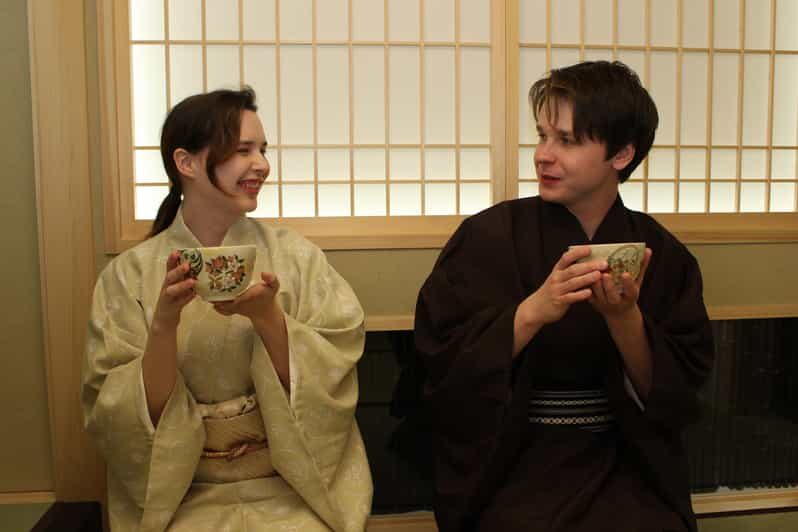
The dressing part is one of the biggest reasons this tour feels like more than a typical food walk. You get help choosing between traditional and modern kimono styles, then help with the obi sash and wooden sandals so you look right—and feel like you belong in the space.
This isn’t just for pictures. In Asakusa, dressing traditionally changes how people treat the moment around you. You’ll find it easier to take your time at temples and along the shopping streets because you’re not rushing to correct your outfit or stand out for the wrong reasons.
If you care about hair, ask about the extra options. Hairstyling and overnight kimono rental are available for an additional fee, which can be worth it if you want a more complete look before you head out for the rest of the day. And yes, plan ahead: kimono life is different. Moving slowly at first is normal while you get used to the fit.
Stop 1: Sensō-ji Temple without the clutter rush
Your first major stop is Sensō-ji Temple, one of Tokyo’s most important temples and the city’s oldest. You’ll spend about one hour here, and admission for this stop is free.
This is a classic Asakusa anchoring point for a reason. Sensō-ji isn’t just a pretty landmark; it’s the center of a long religious and cultural tradition in the neighborhood. The guide’s role matters because you’ll get context that helps you read what you’re seeing instead of just checking boxes.
The main practical win: having a structured hour at the temple means you can enjoy the atmosphere without turning it into a full-day temple marathon. It’s also a good time to get your kimono photos done early, when you’re still fresh and the group is settled.
Nakamise Shopping Street: snacks, souvenirs, and pacing yourself in sandals
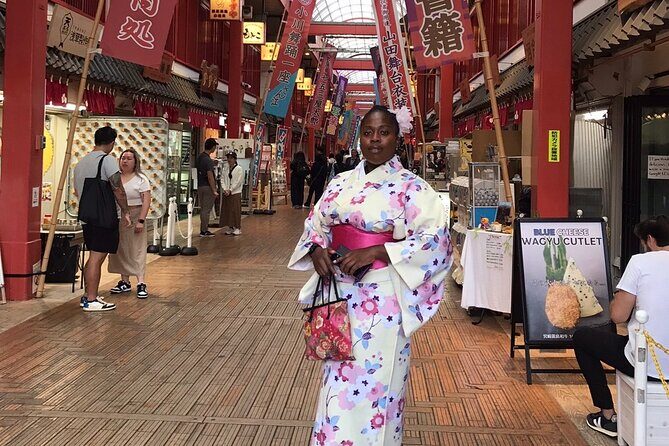
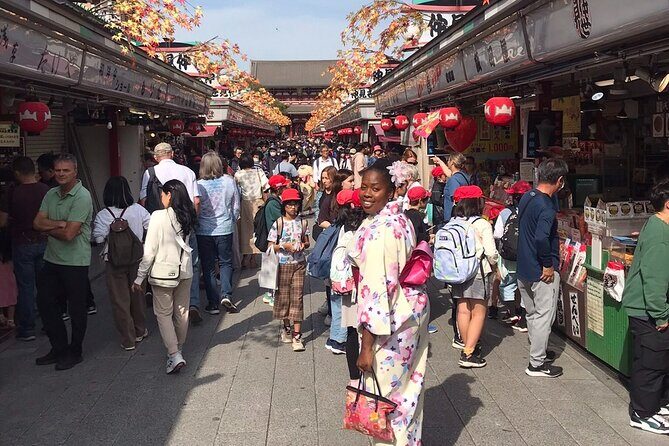
Next is Nakamise Shopping Street, the famous approach lined with shops and snack stands. This stop takes about two hours, and it’s free to enter.
Nakamise runs roughly 250 meters on the main approach to Sensō-ji, so it’s not a quick glance. You’ll have time to browse traditional souvenirs and try food along the way, which is especially fun in kimono because the area feels like a living street-market scene.
A reality check though: wooden sandals can slow you down if you’re not used to them. I’d keep your pace easy here. If something catches your eye, stop. If you get tired, sit for a minute and re-set.
Also, this part of the tour pairs well with the food theme. Even though you’re not eating every second, you’re walking in a way that builds anticipation—then the included tastings later feel earned, not random.
Kaminarimon: the lantern gate photo you’ll actually want to keep
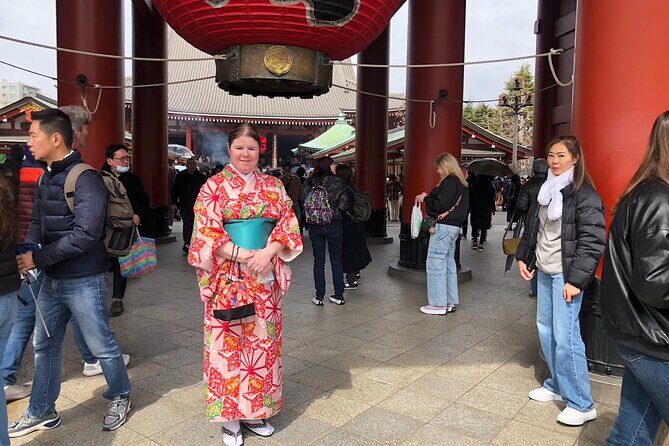
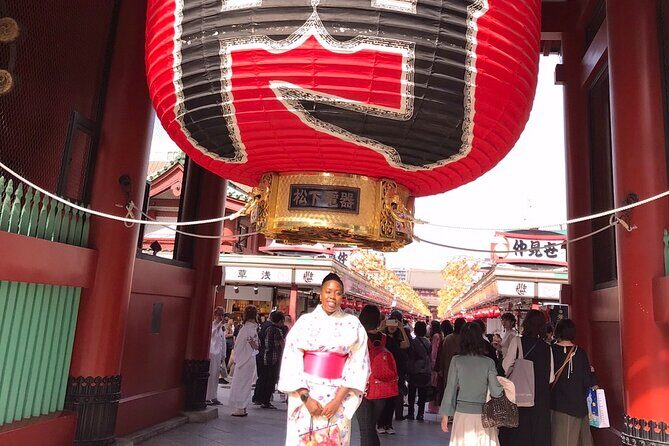
The last listed landmark stop is Kaminarimon, the outer gate with the lantern and statues that most people associate with Asakusa. You’ll spend about one hour here, with free admission.
This gate is famous for a reason. It’s big—around 11.7 meters tall—and it’s the kind of scene that looks slightly different depending on the time of day and where you stand. When you have a guide, you also get help choosing angles that work, especially when you’re dressed up and want photos that don’t look awkward.
Why end here? It keeps the trip feeling complete. You start with the temple’s spiritual center, move through the shopping street buzz, and then finish at the gate that ties the whole Asakusa story together.
A few more Tokyo tours and experiences worth a look


Tea ceremony plus included food: what you’re really paying for
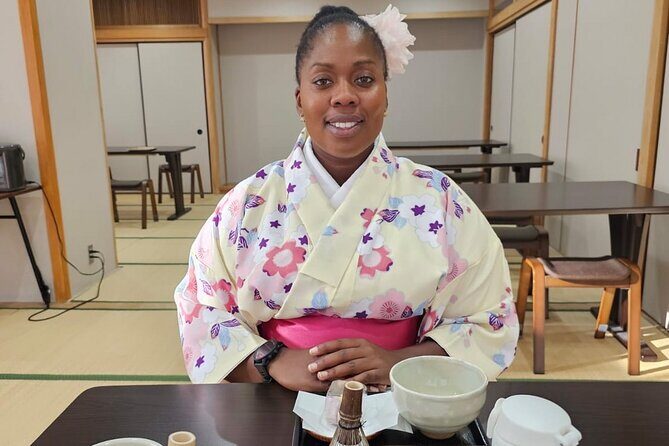
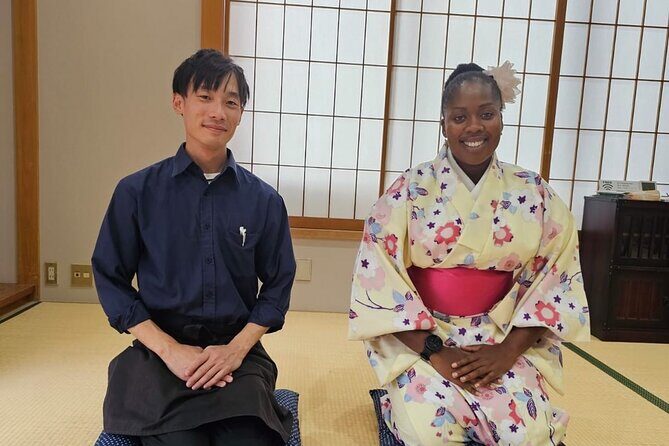
The tea ceremony experience is the heart of the tour, and it’s not done as a quick photo-op stop. You’ll also have tea along with soft drinks and water, plus ice cream and local desserts.
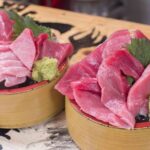
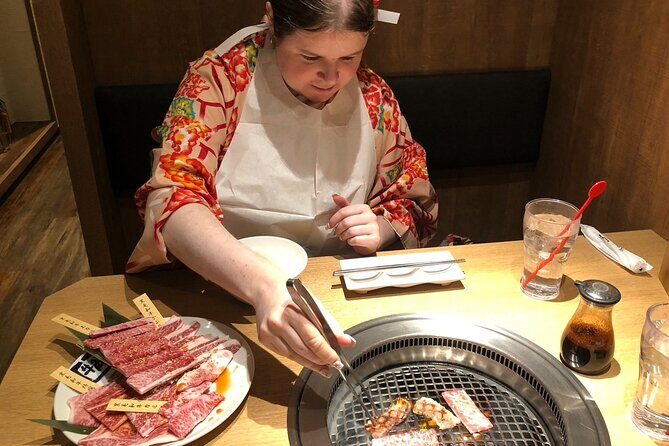
The included food list is what makes this tour feel like real value at this price point. You don’t just get tea. You get a line-up of Japanese snacks and sweets, and you also get an A5 wagyu beef experience included in the package.
That wagyu detail matters because it moves the tour from cultural “light bites” into full-on food attention. If you’re coming to Asakusa for taste as much as sights, that included meal component is a major part of the value.
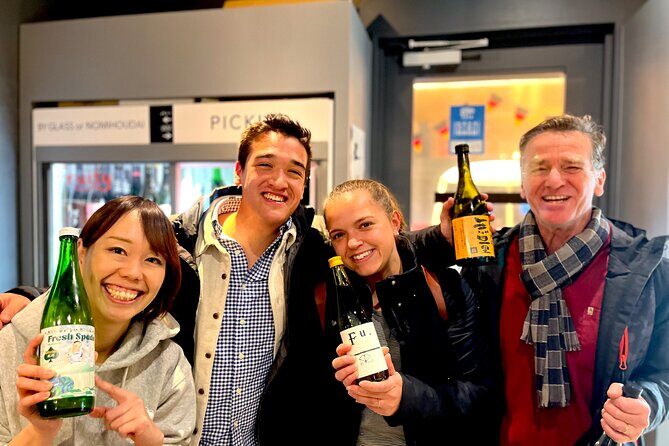
One more practical note: alcoholic drinks are not included, though they can be purchased on-site for people 18 and older. If you’re planning to drink, you’ll need to budget separately.
A guide who adds story, not just directions
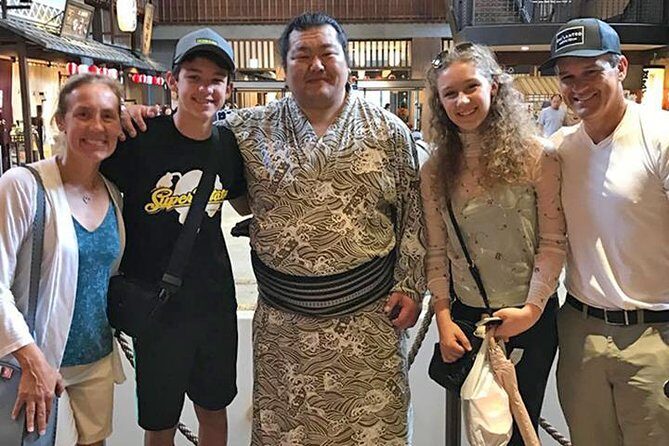
A standout theme in the feedback is the guide’s ability to connect daily details to Japan beyond the tourist script. Adam comes up again and again in the reviews for his storytelling and the small, useful facts—things like how people live, how certain traditions make sense in context, and how to spot what’s important as you walk.
That kind of guidance is especially useful in a place like Asakusa, where it’s easy to get distracted by shopping and photos. When the guide explains what you’re looking at, your time feels sharper.
The other nice bonus: flexibility. One review noted that the guide adjusted the plan when someone skipped an onsen so they could use that time elsewhere. Even if you don’t plan to change anything, it’s reassuring to know the day isn’t a rigid conveyor belt.
Small group size: why eight people changes the tour
This tour is capped at eight travelers, which is the right size for a “private-feeling” day. With a group like that, you’re less likely to be stuck behind someone slower with photos, and the guide can actually keep track of what everyone needs.
It also helps with the kimono logistics. Dressing, adjusting the obi, and getting everyone ready at the start can take time. A small cap keeps that process calm, so you’re not scrambling.
And if you’re traveling solo or as a couple, this size makes the tour feel social without getting chaotic. You’ll still feel like you’re with a group, but not in a big herd.
Price and value: is $290 really fair for this setup?
At $290 per person, this isn’t a budget tour. But it’s priced like a package day: kimono dressing support, guided walking, a tea ceremony, and multiple food items all included.
Here’s where the value really shows up for you:
- You’re getting proper kimono assistance (not just a “wear this and go” situation).
- You’re getting a structured tea ceremony experience, not a vague suggestion to find a shop.
- You’re getting a meaningful food component, including A5 wagyu plus sweets like ice cream and local desserts.
If you tried to do this on your own, you’d likely spend money and time piecing it together: rental, transportation, finding the right tea ceremony format, and coordinating meals. This tour compresses all of that into one half-day with a guide and a manageable route.
One caution: if you’re only after temple photos and don’t care about the tea ceremony or the full food lineup, the price may feel steep. But if you want the full “Asakusa day with a kimono” formula, it can feel like a straightforward spend.
Also, book early if you can. The average booking lead time is about 67 days, which usually means popular times fill.
Timing and how to plan the rest of your afternoon
The tour is about 4 hours and starts at 11:00 am, returning you to the meeting point afterward. That’s a great setup because you can treat the rest of the day as flexible time—another neighborhood walk, a different meal, or even just a slow recovery after the kimono.
If you’re doing other plans later (like a second museum or a long dinner reservation), build in extra cushion. Kimono sandals and walking can add up, even if you keep a relaxed pace.
Who this tour fits best
This is a great fit if you:
- want a kimono experience that includes real dressing help
- care about food beyond snacks
- prefer a small group with a guide who tells you what you’re seeing
- like structured time so you don’t spend your vacation solving logistics
You might want to skip or rethink it if you:
- hate wearing restrictive clothing (kimono takes getting used to)
- want a casual, jeans-and-sneakers sightseeing day
- don’t want included food or tea ceremony content
Since most travelers can participate, it’s generally accessible in spirit—but your comfort in kimono and the walking time will matter more than anything.
Should you book this Kimono and Tea Ceremony in Asakusa tour?
I’d book it if you want a classic Asakusa day that feels intentional: kimono first, then temple and shopping street, then tea ceremony and the included tastings. The biggest selling points are the small group cap and the way the meal plan is built into the experience, including A5 wagyu and a spread of sweets.
If you’re just looking for the cheapest way to do Asakusa, this won’t be that. But if you want the kind of day you’ll remember because it blends culture, food, and the right outfit in one smooth route, this is a strong choice—especially with Adam’s story-driven guiding style.
FAQ
What time does the tour start, and how long is it?
It starts at 11:00 am and lasts about 4 hours. The activity ends back at the meeting point.
Where do we meet, and where does the tour end?
You meet at the Asakusa Culture Tourist Information Center at 2-chōme-18-9 Kaminarimon, Taito City, Tokyo 111-0034, Japan. The tour ends back at the same meeting point.
How big is the group?
The tour has a maximum of 8 travelers, which keeps it intimate.
What’s included in the tour price?
The tour includes the tea ceremony, a culture walking tour and kimono experience, 2 soft drinks and water, an A5 wagyu beef experience, plus ice cream and local desserts.
Are alcoholic drinks included?
Alcoholic drinks are not included, but they are available to purchase for people 18 and older.
Is there free cancellation?
Yes. You can cancel for a full refund if you cancel at least 24 hours before the experience start time.