REVIEW · TOKYO
Tokyo: Tea Ceremony in Shibuya Tokyo
Book on GetYourGuide →Operated by Legalis · Bookable on GetYourGuide
A quiet ritual in the middle of Shibuya. A private Japanese tea ceremony in a prestigious tea room is a surprisingly good reset button after hectic Tokyo streets, and it is led by English-speaking teachers who know how to explain the details without rushing you. I like the full flow: history and etiquette up front, then Otemae step-by-step, and finally you make matcha yourself. One thing to consider: you need clothing that covers your knees, and while wrap skirts or long pants are lent to you, it is still worth planning how you will fit in.
This class is small and personal, with your group staying together (no mixed sessions), and you will also get a chance to slow down with Japanese traditional sweets before you whisk your own matcha. You might even spot fun souvenirs along the way, including Pokemon made from kimono material. If you are hoping for a fast photo-op, this is not that. It is a practiced, calm ritual where the point is to pay attention.
In This Review
- Key Highlights at a Glance
- Why Shibuya Works for a Traditional Tea Ceremony
- Private, English-Led, and Actually Personal
- The Flow: History, Etiquette, Otemae, Then Your Own Matcha
- Japanese Sweets Before Tea: Why That First Bite Matters
- Souvenirs and the Kimono Detail (Including Pokemon)
- Clothing Tips: Knee Coverage and Optional Kimono
- Price and Value: What You Get for $81 Per Person
- Who This Shibuya Tea Ceremony Fits Best
- My Booking Checklist Before You Go
- Should You Book This Tokyo Tea Ceremony in Shibuya?
- FAQ
- How many people can be in a private booking?
- Is the tea ceremony taught in English?
- What happens during the tea ceremony class?
- Do I need to bring anything or follow a dress code?
- What does the price include?
- Can I reserve without paying immediately?
Key Highlights at a Glance
- Private 1 to 4 person booking with no mixed sessions
- English-speaking tea teachers guiding you through etiquette and technique
- Hands-on matcha making after the Otemae demonstration
- Tea plus tasting of traditional Japanese sweets
- Souvenir time, including Pokemon made from kimono material
- Knee-cover clothing guidance, with loaned options if needed
Why Shibuya Works for a Traditional Tea Ceremony
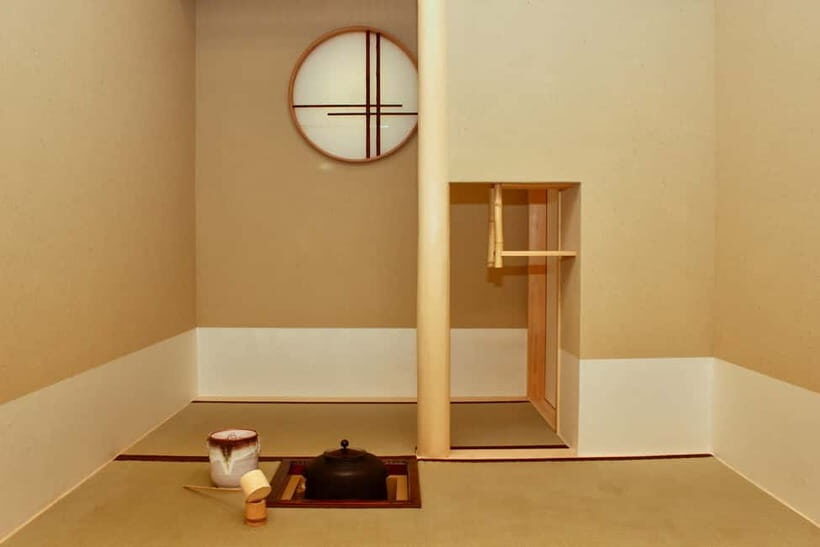
Tokyo tea culture can feel like something you would have to hunt for in quiet neighborhoods far from the action. Here, you get the opposite: you are in Shibuya, but the experience is set up like a pause button. The tea room is described as prestigious, and in practice that means the space is meant to feel deliberate, not temporary. You show up, lower your pace, and follow the rhythm of a tradition that has rules for how you move, how you hold objects, and even how you sit.
I also like that the class is not built only around performance. You get context first: what tea ceremony is, where it comes from, and what etiquette matters. Then the teacher demonstrates Otemae, which is the prepared sequence of gestures and steps used to make tea. By the time you start making matcha, it is not just hands-on. It is hands-on with meaning, which changes how you experience it.
One practical note: because this is in Shibuya, you can pair it with other nearby plans. That is useful if you only have a day in the area and you want one cultural activity that feels special without a long trek.
You can also read our reviews of more tours and experiences in Tokyo.



Private, English-Led, and Actually Personal
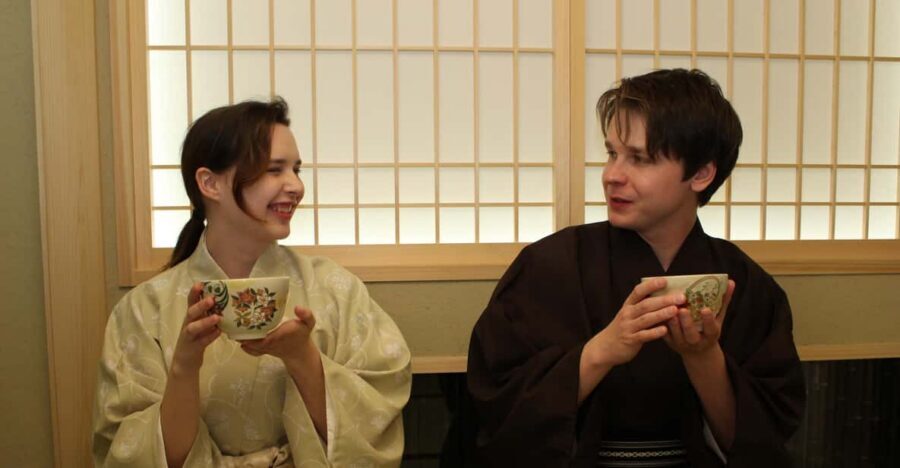
The biggest quality-of-life feature is the group size. Each booking is private for your party, from 1 person up to 4 people. That matters more than you might think. In a mixed class, you sometimes spend half your brain decoding what others are doing and when it is your turn. Here, you can focus on the teacher’s instructions and take your time with the steps.
The instruction is in English, with English-speaking teachers experienced in tea. That is great if you do not speak Japanese or if you want to understand what you are doing rather than just copy motions. It also makes the etiquette part more useful. Tea ceremony has small details, and those details only land if you know what they mean.
This personal setup shows up in the kinds of feedback the experience gets. People mention the welcome and the environment, and they highlight learning without feeling rushed. If you are going as a couple, a family group, or a small set of friends, this is the kind of activity that feels like it is designed for you rather than for a crowd.
The Flow: History, Etiquette, Otemae, Then Your Own Matcha
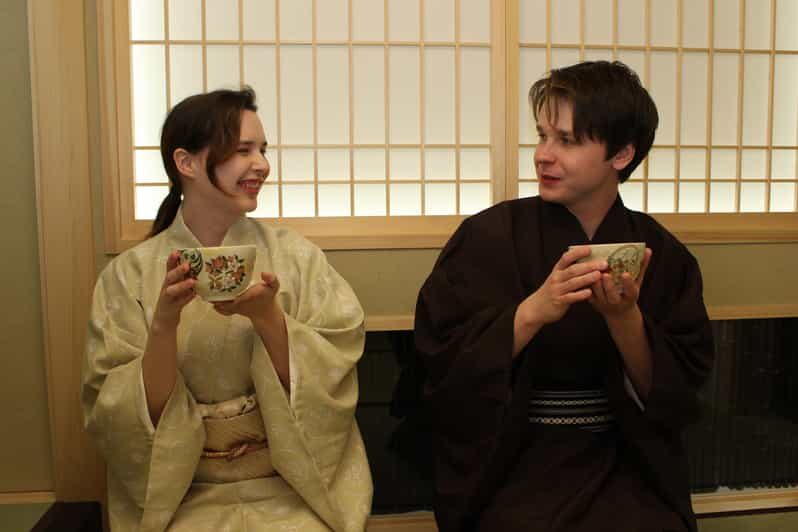
Here is what the class is structured to do, in the order it matters.
1) Tea ceremony history and etiquette
You start with an explanation of the tea ceremony’s history and the etiquette around it. This is not filler. Etiquette is where the ritual becomes understandable. Things like timing, gestures, and how tea is presented all have a social purpose. You will get that grounding before you touch anything.
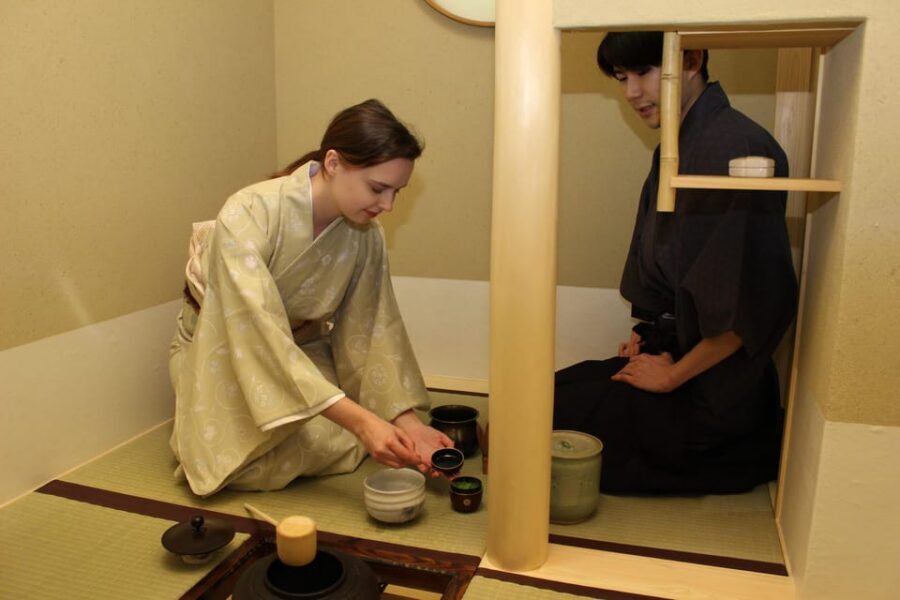
2) Otemae demonstration
Next comes Otemae: the teacher demonstrates the tea preparation. This is where you watch the steps and see how everything connects. If you are the type who learns best by watching first, you will appreciate this. It also helps you avoid common matcha mistakes, like whisking too aggressively or missing key steps in how the tea is prepared.
3) Make your own Matcha
After the demonstration, you get to make your own matcha. In other words, you do not just taste and leave. You participate. The goal is to create your bowl and experience the process, not to speedrun it.
4) Taste your matcha and Japanese sweets
Before you make your tea, the plan includes tasting traditional Japanese sweets. After that, you taste your matcha tea. This sequence is smart. The sweets help set your palate, and then the matcha gives you contrast.
One small but important detail: the experience is described as private and focused on quality time with family and friends. That usually translates to a calmer pace. Your teacher can adjust explanations to your group’s questions without having to keep a whole room moving.
Japanese Sweets Before Tea: Why That First Bite Matters
The class includes a tasting of traditional Japanese sweets before you make your matcha. That might sound like a snack thrown in for convenience, but it actually improves the experience.
Matcha can feel intense—bright, grassy, and sometimes slightly bitter. If you taste sweets first, you are more likely to notice how the flavors interact. You also get a window into wagashi, the traditional sweets that often pair with tea. Even if you do not know the technical background, you can feel the design: sweetness, texture, and presentation all help set a mood for the tea ceremony.
If you are planning your evening, this is also helpful. You get a cultural treat that is not random. It is not just sugar. It is tied directly to the tea ritual, so it feels like part of the same story.
Souvenirs and the Kimono Detail (Including Pokemon)
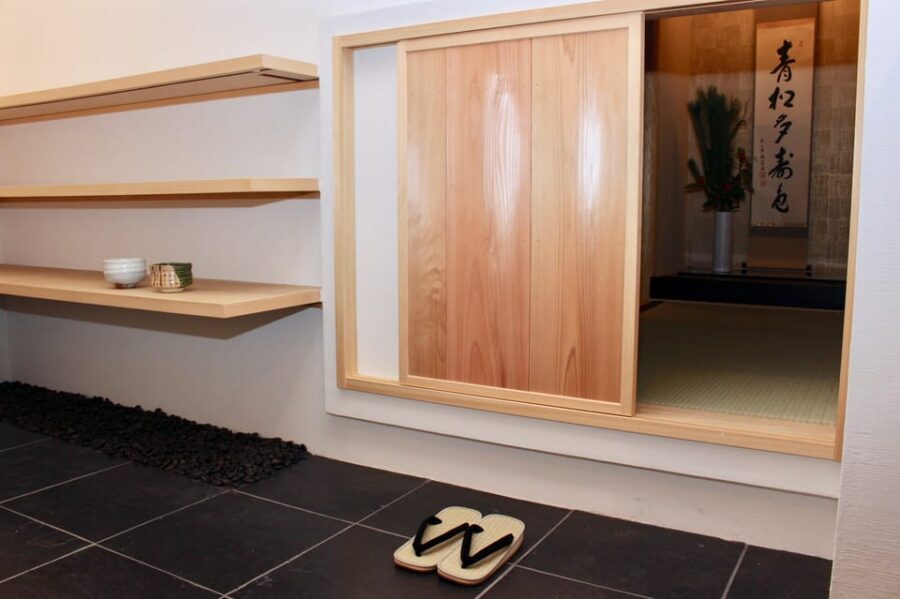
Tea rooms can sometimes feel like a one-way street: you do the ceremony, then you head out. Here, you also get souvenir time. One highlight mentioned is Pokemon made from kimono material. That is the kind of crossover you would expect in a city like Tokyo, where tradition and pop culture share space.
I like having something small and tangible to bring home, especially after an activity like this. When you buy a tea set or a themed item, it is not just shopping. It is a reminder of what you learned and tasted while you were there.
In one account, someone bought a tea set at the end after the ceremony. If that idea appeals to you, plan a little extra budget for it so you do not feel rushed at checkout.






Clothing Tips: Knee Coverage and Optional Kimono
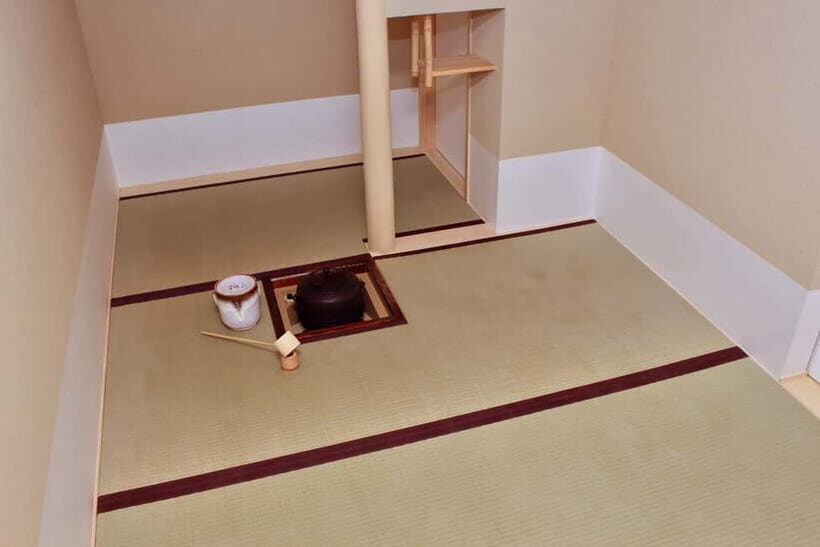
Tea ceremonies often have dress expectations, and this one is no different. You do not need to bring anything specific, but you should wear skirts or pants long enough to cover your knees. If your outfit does not meet that, you can borrow suitable pants or a wrap skirt for free.
That is a relief, especially if you are out in Shibuya wearing summer styles or cropped looks. You can focus on the ceremony instead of scrambling for last-minute clothing.
Some participants also mention getting to wear kimono during the experience, with an additional charge. If you want that photo-worthy moment and you love traditional fashion, this is a good option to consider. Just know it may cost extra beyond the base price.
Price and Value: What You Get for $81 Per Person
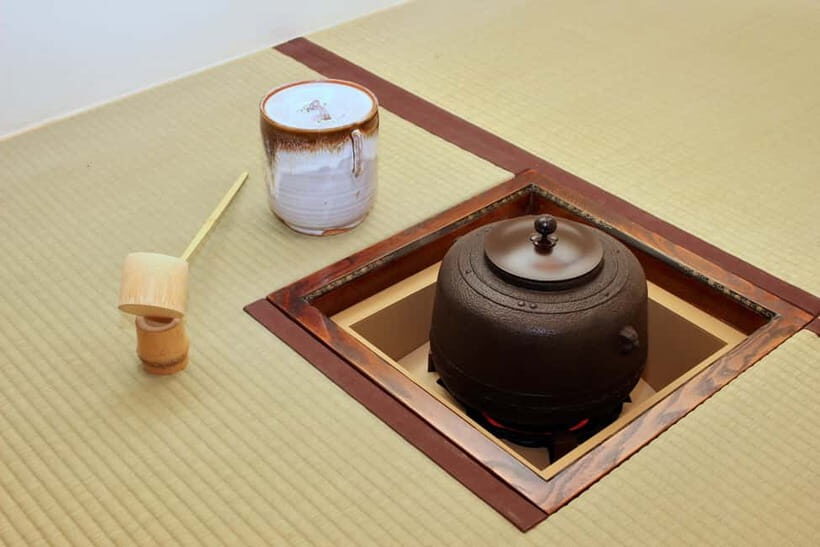
The price is listed at $81 per person. For Tokyo, that can be a fair-to-good value depending on what you compare it to. What makes it feel worth considering is the combo of things included:
- Tea and sweets fees, plus facility charges and taxes
- A private class for your group (not a mixed session)
- English instruction
- Optional pickup service if needed
So you are not paying just for a sip of matcha. You are paying for an organized cultural lesson with a guide who explains etiquette and teaches the process. In a private setting, you also pay for attention. That matters, especially if you are a beginner and you want to understand what you are doing at every step.
Is it cheap? No. But you are also not dealing with the hidden costs that pop up in some experiences, since the base price is described as covering the ceremony-related fees. If you want a single activity that feels both cultural and hands-on, this is the kind of ticket I would look at.
Who This Shibuya Tea Ceremony Fits Best
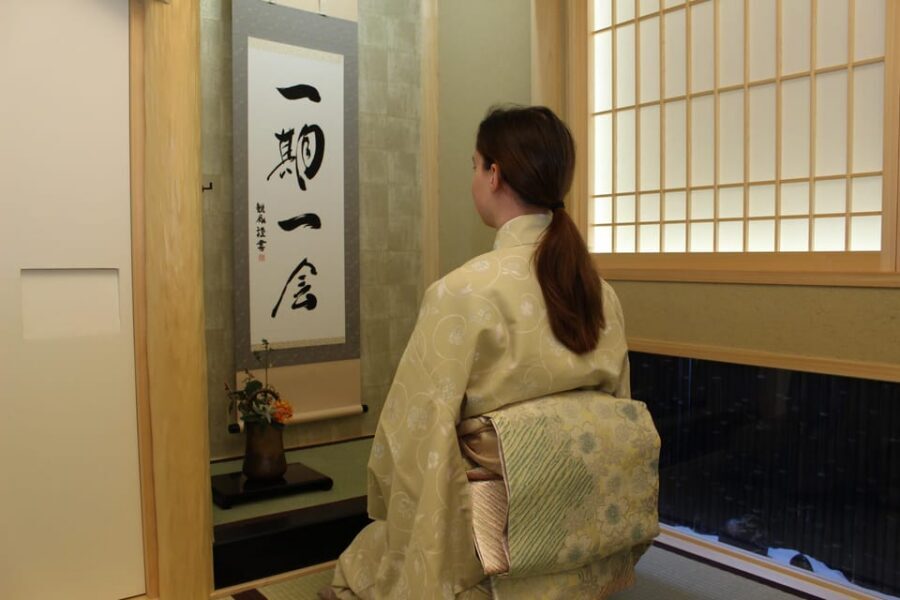
This experience is a strong match if you want a calm, structured cultural activity in Tokyo.
You will likely enjoy it if:
- You want something hands-on, not just a museum-style tour
- You care about food details and tea taste, not only photos
- You are traveling with family or a small group and want private time
- You prefer English guidance so you can ask questions and understand etiquette
- You enjoy traditions that have clear steps you can learn and repeat later
It is also a good choice for first-timers. The class is designed to explain what you are seeing, and then you practice it. That is the easiest way to avoid feeling lost.
On the other hand, if you want a high-energy activity or a lot of sightseeing, this will feel slower than some other Tokyo options. The point here is attention and repetition, not a fast itinerary.
My Booking Checklist Before You Go
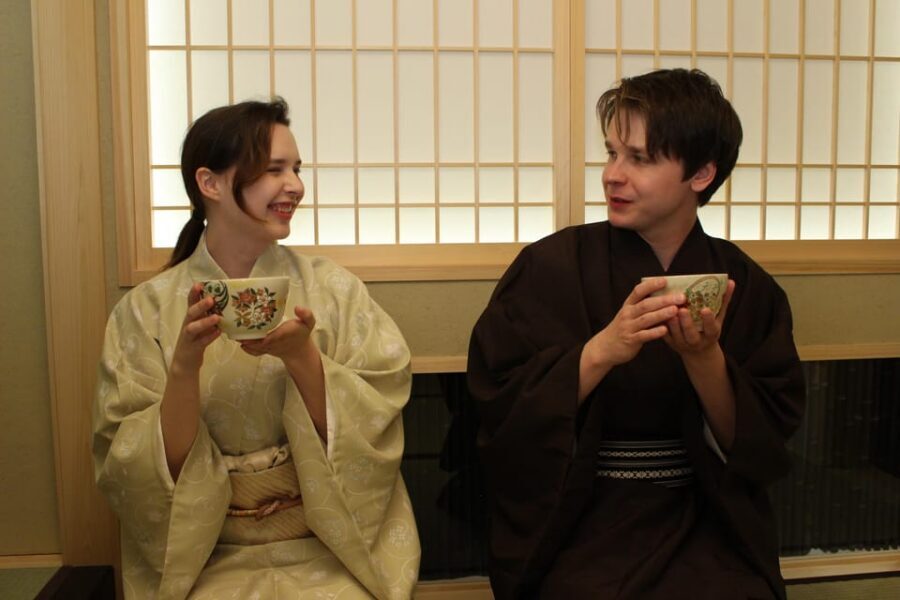
If you want this to go smoothly, here are the practical things I would do before booking.
- Plan your clothing so your knees are covered. If not, know that loaned wrap skirts or pants are available.
- Decide whether you want a shorter session or a standard one, since a 1-hour option is mentioned in one account.
- Think about your group size. Private does not just mean quiet. It often means better explanations.
- If you want a kimono, ask about any additional charge beforehand.
- If you want a souvenir tea set or matcha-related items, bring a bit of extra cash or card room in your budget.
Should You Book This Tokyo Tea Ceremony in Shibuya?
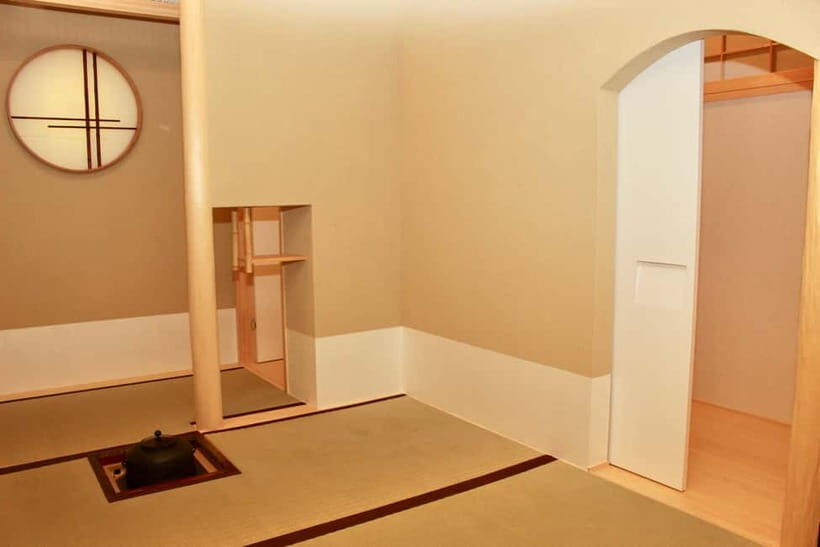
Yes, if you want a private, English-led way to experience Japanese tea culture without guessing. The combination of etiquette context, a clear Otemae demonstration, and the chance to make and taste your own matcha makes this more than a performance. It is practice, plus a calm food pairing with Japanese sweets.
I would skip it only if you are looking for something fast, loud, or heavily focused on sightseeing. This is a slow ritual. If you can match that pace, you will likely leave feeling like you learned something you can actually use.
And if you are lucky enough to have a teacher like Mako-san mentioned in one account, you will also get that extra layer: warmth, patience, and explanations that make the tradition feel approachable while still respectful of the form.
FAQ
How many people can be in a private booking?
Your booking is private for your group, with a minimum of 1 person up to 4 people per booking. Mixed sessions are not arranged.
Is the tea ceremony taught in English?
Yes. The classes are led by English-speaking teachers experienced in tea.
What happens during the tea ceremony class?
You will get an explanation of the tea ceremony, including history and etiquette, then an Otemae demonstration of tea preparation. After that, you can make your own matcha and taste your matcha along with traditional Japanese sweets.
Do I need to bring anything or follow a dress code?
No special items are required. You should wear skirts or pants long enough to cover your knees. If not, you can borrow suitable pants or a wrap skirt for free.
What does the price include?
The price includes tea and sweets fees, facility charges, and taxes. Pickup service is included if needed.
Can I reserve without paying immediately?
Yes. There is a Reserve & Pay Later option, so you can book and pay nothing today.