REVIEW · TOKYO
Tokyo/Nagano: private Tour with Snow Monkey Park & Temples
Book on GetYourGuide →Operated by Wonder land · Bookable on GetYourGuide
Snow monkeys in hot springs change your day. This private Tokyo-to-Nagano tour is built around that kind of Japan you do not get in a quick city hop, with temple and food stops that make the long drive feel earned. I like the door-to-door private vehicle setup, and I love how the day pairs Jigokudani wildlife with Zenkoji and miso. The one drawback: it is a full 10–12 hour day, so you trade convenience for a lot of commuting.
If you want a break from Tokyo’s rush, this route gives you variety without decision fatigue. You get a scenic push into Nagano, a walk through snowy valley air to see the macaques, a major temple visit, then onsen-town strolling and a real look at how miso is made. Winter conditions can slow things down, but that is also when the Snow Monkey experience feels most magical.
In This Review
- Quick hits before you go
- Why Nagano Works as a Private Tokyo Day Trip
- Riding Out From Tokyo: Timing, Comfort, and Winter Reality
- Jigokudani Snow Monkey Park: The Hot-Spring Show You Came For
- Zenkoji Temple and Nakamise Street: Old Faith Meets Street Snacks
- Kamakura Snow Dome Village and Yamanouchi: A Winter Add-On That Helps the Flow
- Shibu Onsen Town: Cobblestones, Yukata Vibes, and Warm Snacks
- Obuse and the Miso Factory: How Fermentation Becomes Comfort Flavor
- Matsushiro Castle Ruins: Historical Intrigue Without the Museum Fatigue
- Price and Value: Is $412 Worth It for Your Group?
- What to Bring (and Wear) So the Day Feels Easy
- Drivers and Small Details That Make a Private Day Work
- Should You Book This Tour?
- FAQ
- How long is the Nagano private tour from Tokyo?
- What is the price and group size?
- Are meals included?
- Are entry tickets included?
- Where is pickup available?
- What should I bring for the trip?
- Is this tour suitable for everyone?
- Can I request changes to the plan?
Quick hits before you go
- Hot-spring macaques up close at Jigokudani, reached via a 25-minute forest walk
- Zenkoji Temple plus Nakamise Street for snacks and shopping time
- Obuse miso focus with a visit to how miso ferments and ages in wooden barrels
- Shibu Onsen stroll for that classic winter-on-mountains mood, even if you skip bathing
- Private door-to-door transfers so you are not hunting trains all day
Why Nagano Works as a Private Tokyo Day Trip
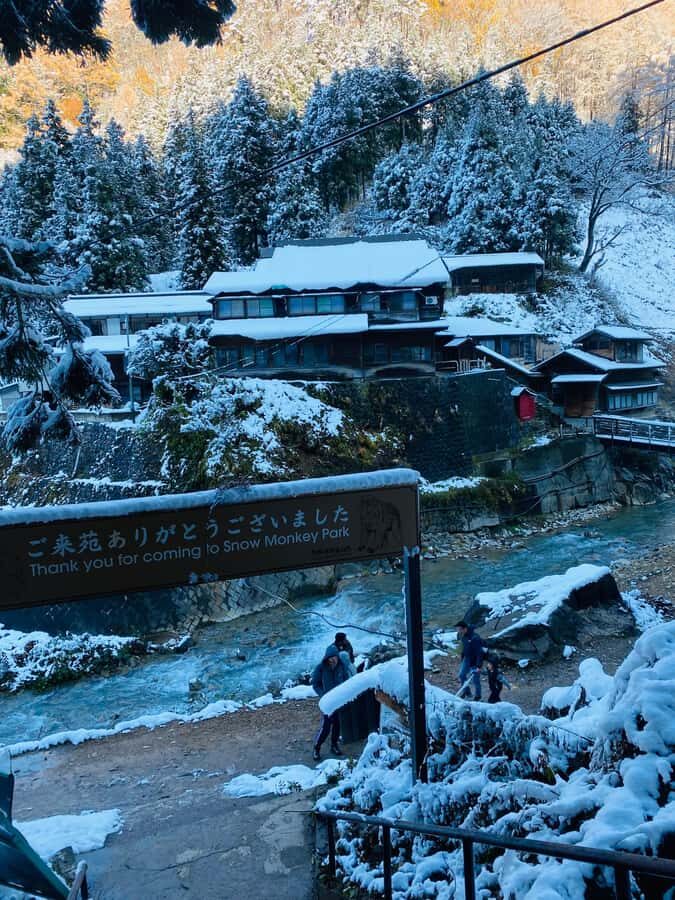
Nagano is the kind of place that makes Tokyo feel extra loud. In one day, you shift from metro life to valleys, temple gates, and winter steam rising from an onsen street. What I like here is that the tour structure does not ask you to be a planner. You ride, you stop, you walk, and you get time at the places that matter.
This is also a smart choice if you hate the usual day-trip trap: long rides plus constant schedule anxiety. Here, you get a private group (up to 6 per group) and door-to-door pickup in Tokyo’s 23 wards. That alone reduces stress, because you are not juggling transit changes with cold hands and a camera bag.
The day is also built for variety. You are not only doing one thing well. You do wildlife first, then spirituality, then food production, then an onsen town walk. If you want a single day that feels like several different trips, this hits that goal.
You can also read our reviews of more private tours in Tokyo

Riding Out From Tokyo: Timing, Comfort, and Winter Reality
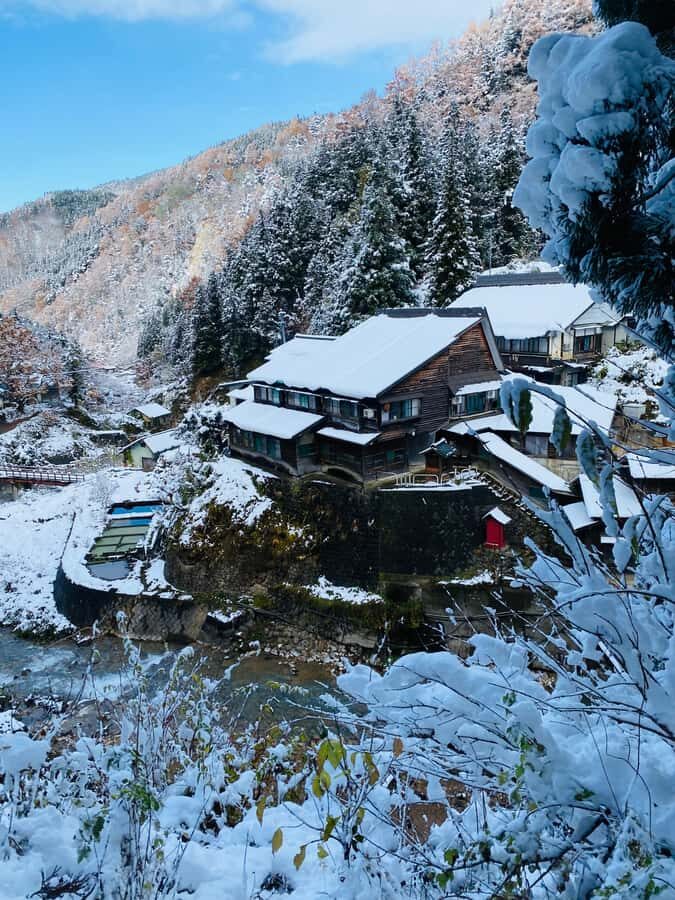
The tour runs about 10–12 hours total, including commuting. In practical terms, that means you should treat this like a big day, not a casual outing. The drive is about 3.5 hours each way, depending on traffic, and in winter you should expect conditions to affect timing.
The transport is a Jeep/SUV with a private driver who also acts as your English-speaking guide. You get bottled water, and coffee is included, which sounds small until you are halfway through a long ride and trying to stay awake for the next stop. There is also WiFi if you need it, plus parking and fuel are covered.
One more comfort point: you get pickup at your hotel or accommodation in Tokyo’s 23 wards (Chuo, Chiyoda, Minato, Shibuya, Shinjuku, and the rest of the listed areas). Pickup is not offered from airports or ports, so you will want to start from a city hotel or Airbnb.
Jigokudani Snow Monkey Park: The Hot-Spring Show You Came For
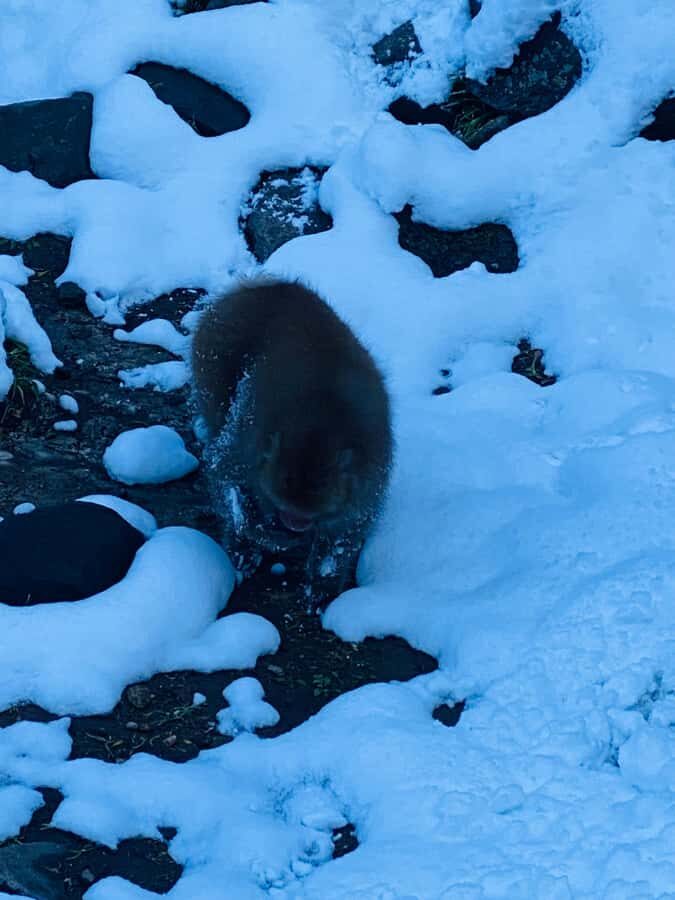
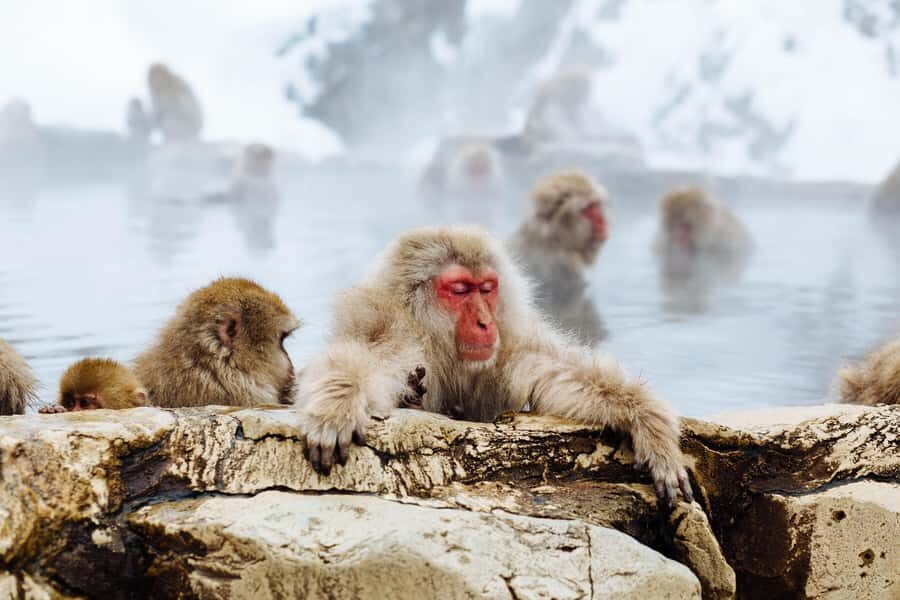
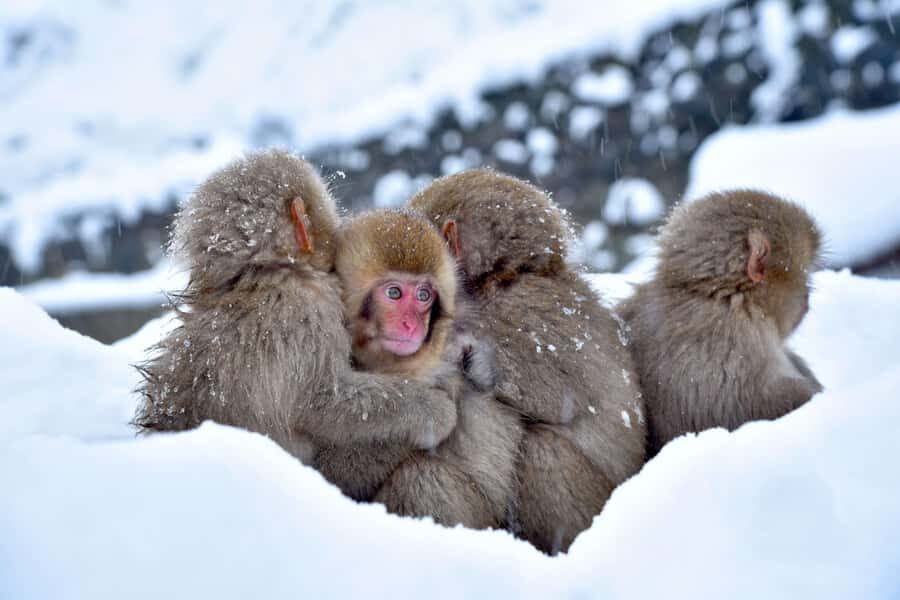
Jigokudani is the main event. You are going to see wild Japanese macaques soaking in hot springs in a snowy valley. The approach is part of the experience: there is a scenic 25-minute forest walk to reach the onsen area, and that walk helps you settle into the atmosphere before you see the monkeys.
Once you arrive, the value is in watching real behavior, not staged feeding tricks. You get the chance to observe monkeys soak, play, and move around as if it is the most normal thing in the world. The tour plan is built around photo opportunities and sightseeing at the park, so you can slow down and capture the moments that look like they are frozen in time.
A key practical note for your comfort: this is winter sightseeing with outdoor walking. Wear warm layers and comfortable shoes you can trust on slippery paths. If you want the best photos, keep your camera ready, but also plan for a bit of waiting while monkeys drift to the edge of their steaming pools.
From the overview information, these are the only wild monkeys known for bathing in hot springs, which is why the park became a global must-see. Even if you have seen snow monkey videos before, seeing them in person in real steam and real cold air is a different feeling.
Zenkoji Temple and Nakamise Street: Old Faith Meets Street Snacks
After the monkey park, the day pivots into culture with a visit to Zenkoji Temple. This is one of Japan’s most important temples and is over 1,400 years old. You get time for photo stops and walking, plus a look at the big wooden gates and the bell sounds that frame the visit.
One of the most interesting parts here is the dark underground passage associated with enlightenment. The tour does not push you into a long lecture, but it does put you in the right mindset: walk through, take in the atmosphere, and let the scale and age of the site do the work.
Then you shift from quiet interiors to the human energy of Nakamise Street, where souvenirs and local snacks are easy to find. The plan specifically calls out Nagano apple sweets and freshly steamed dumplings. This matters because it turns the temple visit into something you can actually enjoy with your hands and taste buds, not just your eyes.
If you want an easier time at Zenkoji, go in ready to walk slowly. Winter lighting, crowds around popular photo angles, and the fact that you are coming from a different kind of attraction can all affect how fast you move. This stop feels best when you give it space.
Kamakura Snow Dome Village and Yamanouchi: A Winter Add-On That Helps the Flow
The route includes a winter special stop at Kamakura Snow Dome Village. You get a photo stop and a guided tour, then about 30 minutes of time to walk around. This is the kind of stop that keeps the day from feeling like a long straight line: monkeys, then temple, then onsen town.
It also gives you a change of pace. Instead of only walking outdoors toward one main point of interest, you get a guided window where you can reset and warm up as needed, depending on what you choose to do on-site.
Next is the Yamanouchi area, scheduled with a guided tour plus free time and a safety briefing. The day is long, so I like that there is a specific moment for practical guidance. When you are doing multiple stops across hilly terrain and winter walking, a quick safety talk can prevent little mistakes that waste time later.
A few more Tokyo tours and experiences worth a look

Shibu Onsen Town: Cobblestones, Yukata Vibes, and Warm Snacks
Shibu Onsen is where you get to slow down and feel the pace of a small hot-spring town. The tour schedule gives you about one hour of visit time plus free time, shopping, and walking.
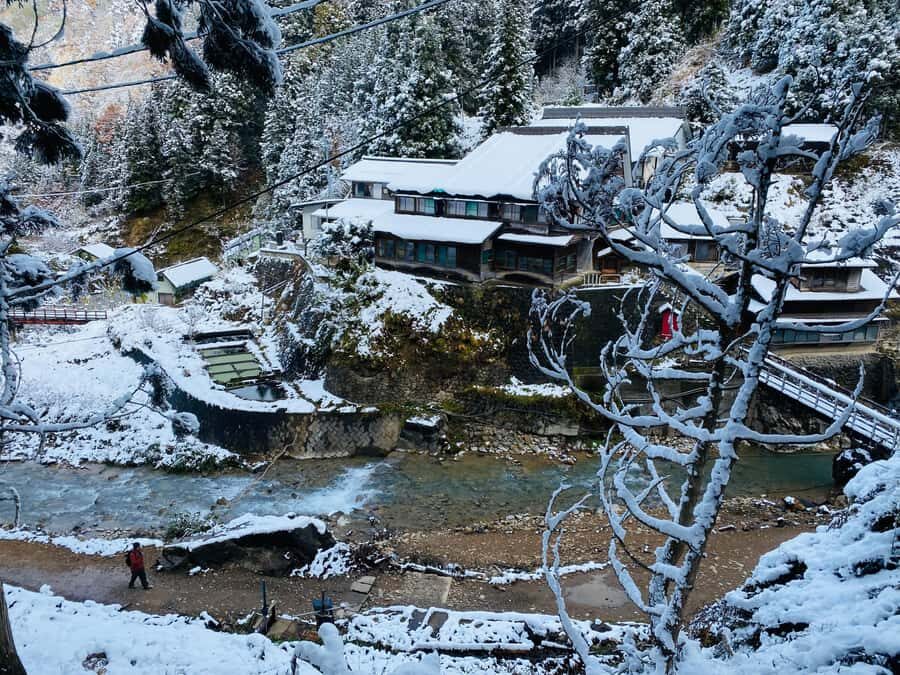
What makes this stop enjoyable is the atmosphere: narrow cobblestone streets, traditional wooden inns, steam rising from baths, and locals drifting around in yukata when weather and timing line up. Even if you do not soak, the walk itself is part of the fun. You get the sense that this is a place built around daily comfort, not just tourism.
The info provided suggests trying an onsen manju snack or sipping local sake. You should treat this like a win-win stop: you can keep it simple (walk and snack) or you can add more if you choose. Just remember meals are not included, so you may want to plan how you want to handle lunch and calories during the day.
Obuse and the Miso Factory: How Fermentation Becomes Comfort Flavor
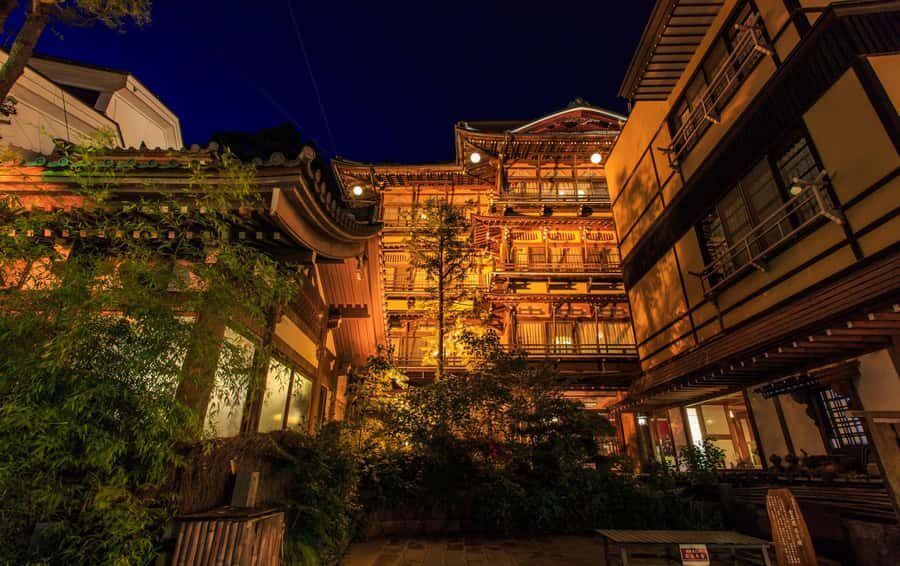
Obuse is one of the stops that gives this tour something many snow-day itineraries miss: food with a story. You will visit a local miso factory to learn about how soybeans ferment and age in wooden barrels. Then you taste different kinds of miso, from lighter and sweeter styles to richer, more savory types.
This is not just shopping. When you see the process, the flavors make more sense. Miso stops being a jar you recognize in a supermarket and becomes a craft you can understand with your senses. The description of the aroma being powerful is also a good hint: you will likely remember the smell long after you leave.
You also get a visit to Obuse, known for its traditional miso. Even with a relatively short time, this stop can be a highlight if you like food that feels tied to place.
Practical tip: miso tasting and factory time can take longer than you expect if you get curious, so do not schedule anything else for the exact same day. Let this be one of your slower moments.
Matsushiro Castle Ruins: Historical Intrigue Without the Museum Fatigue
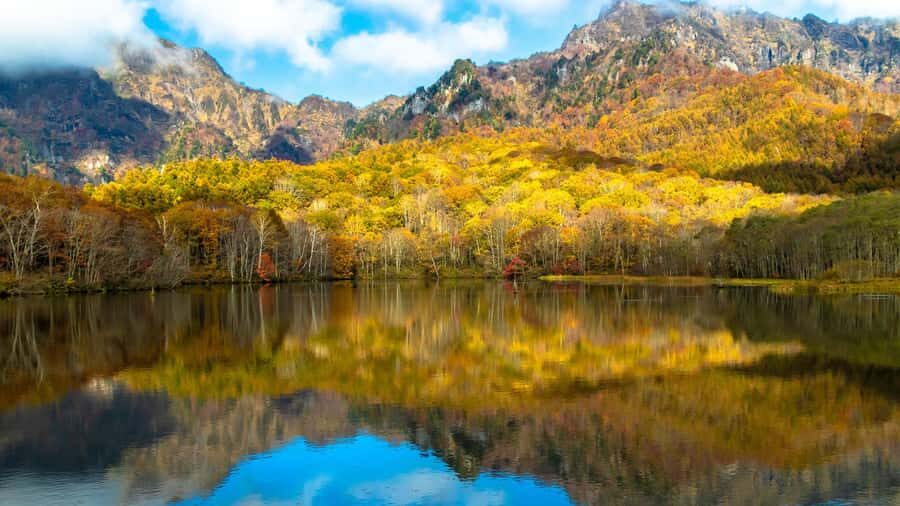
After onsen and snacks, the tour swings toward history with Matsushiro Castle Ruins. You get a photo stop and then about one hour for visiting and sightseeing.
Ruins are underrated on day trips because people expect only shiny buildings. Here, the value is in historical atmosphere. You are looking at a site with intrigue, and because it is outdoors, the visit feels more like a walk through history than a museum that demands your attention for every minute.
This stop also helps balance the day. Wildlife is emotionally intense, temples are reflective, and miso is sensorial. A castle-ruins visit brings a different kind of focus—walking, looking, and imagining.
If winter weather is harsh, ruins can be cold and slippery, so stick with your warm clothing plan and move carefully.
Price and Value: Is $412 Worth It for Your Group?
The price is $412 per group up to 6 people for a 10–12 hour day. That is how private tours usually work in Japan: you pay for time, not just admission tickets.
To judge value, look at what is included:
- Pickup and drop-off at your hotel in Tokyo (within the listed wards)
- Professional fluent English-speaking driver
- Parking and fuel charges
- Bottled water and coffee
- Video or picture-making assistance if needed
- WiFi if needed
Not included:
- Entry tickets
- Meals
So the real question is whether you want to pay to remove transit stress and time waste. If you are traveling with family or friends and can fill the group cap, the cost per person can feel reasonable compared to piecing together train schedules and hiring a guide separately for multiple stops.
Where the price may feel steep is if you are going solo and not filling the group. But even then, the door-to-door part can be worth it because Tokyo-to-Nagano routing is not simple, and winter day-trip fatigue is real.
What to Bring (and Wear) So the Day Feels Easy
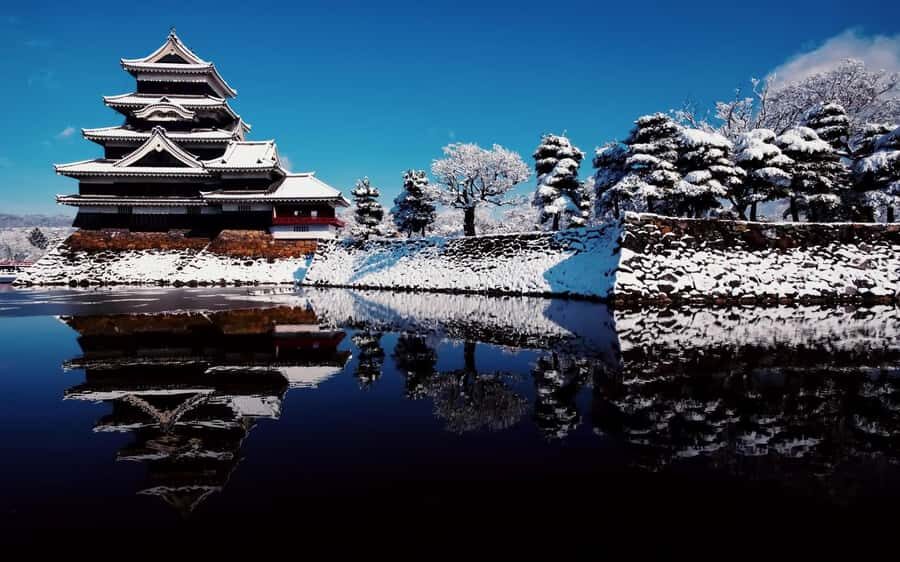
The tour is wheelchair accessible, but it is not suitable for pregnant women and people with back problems, likely due to outdoor walking and winter terrain. Keep that in mind when you plan your level of mobility for the day.
For what to pack, the provided list is exactly what you want:
- Passport
- Comfortable shoes (for outdoor winter walking)
- Warm clothing
- Camera
- Some cash
- Charged smartphone
Also think about layers. You have multiple outdoor segments: walking to the monkey park, temple grounds, onsen-town streets, and ruins. The day will mix hot stops and cold air. If you can adjust your layers easily, you will enjoy the timing more.
For rules onboard, the tour notes no oversized luggage and no large bags. Alcohol and drugs are not allowed, and no alcoholic drinks are allowed in the vehicle. Plan to keep the day simple and travel-light for comfort.
One more practical note: your driver will contact you the afternoon before the activity to reconfirm pickup details. If you prefer, communication may be through WhatsApp using the local supplier contact they provide. Also plan to be ready in the lobby at least 10 minutes before pickup. Drivers wait no longer than 60 minutes after the scheduled pickup time.
Drivers and Small Details That Make a Private Day Work
The strongest pattern in the experience data is the driver quality. Names that came up include Ali and Kashif, and in one case Mirza. What people praised was not only punctuality, but also safe, careful driving and a willingness to help with photos.
That matters because a private day trip is part logistics and part responsiveness. When the route is long, small delays can snowball. A driver who is calm, communicative, and willing to stop for photos helps you feel in control rather than rushed.
There is also evidence that the team can handle special requests when possible. For example, one booking asked to focus on the Snow Monkey Park and Togakushi cedar trees/shrine as the key goals, and they made that work even with heavy snow conditions. You should treat that as a maybe, not a guarantee, but it is a good sign if you have something specific you want.
Should You Book This Tour?
Book this tour if you want:
- Snow Monkey Park in winter with the walk and viewing time handled for you
- A temple visit that includes time for exploring and snack browsing afterward
- A miso factory stop that adds real food meaning, not just shopping
- Door-to-door comfort from Tokyo for a day that would be tiring to plan on your own
Skip or reconsider if:
- You do not want a long commuting day (this is a full 10–12 hours)
- Your group needs frequent rest with minimal walking
- Anyone in your party is pregnant or has back problems (the tour is marked not suitable)
If your idea of a good day is practical sightseeing plus memorable sights—steam, monkeys, temple bells, and miso smells—this is a strong choice.
FAQ
How long is the Nagano private tour from Tokyo?
It runs about 10–12 hours total, including commuting time.
What is the price and group size?
The price is $412 per group for up to 6 people.
Are meals included?
No. Meals are not included.
Are entry tickets included?
No. Entry tickets are not included.
Where is pickup available?
Pickup is provided to accommodations (including Airbnb) in Tokyo’s 23 Wards listed by the tour operator. Pickup is not provided at airports or ports.
What should I bring for the trip?
Bring a passport, comfortable shoes, warm clothing, a camera, cash, and a charged smartphone.
Is this tour suitable for everyone?
It is not suitable for pregnant women or people with back problems. The tour also notes wheelchair accessibility. If you have specific mobility concerns, it is best to contact the provider in advance.
Can I request changes to the plan?
You can share special requests or assistance needs in advance. The tour notes that you should let them know, and one past booking included a request to focus on Snow Monkey Park plus Togakushi cedar trees/shrine.