REVIEW · TOKYO
Nagano Snow Monkey 1 Day Tour with Beef Sukiyaki Lunch from Tokyo
Book on Viator →Operated by H.I.S.Co., Ltd. · Bookable on Viator
Snow monkeys are worth the long bus day. This Nagano Jigokudani day trip brings you from Tokyo to Japan’s famous hot-spring setting for red-faced Japanese macaques, with an English guide and plenty of built-in comfort. I like that the tour pairs the wildlife moment with a warm beef sukiyaki lunch, so you are not freezing on an empty stomach. Guides such as Yoshi and Shin have helped make the ride informative and fun in the way only good Japanese day tours can.
The tradeoff is time and footing. Plan for a long day with winter walking that can get icy and tiring, and you may need crampons (sold onboard when available) to stay steady.
In This Review
- Key Things to Know Before You Go
- Nagano Snow Monkeys in One Day: How the Trip Really Works
- Price and Logistics: What $151.96 Gets You (and Why It Can Be Worth It)
- Shinjuku to Jigokudani: The Bus Ride, the Stops, and the Timing
- Shinshu Fruitsland Lunch: Beef Sukiyaki That Fuels Winter Walking
- Jigokudani Snow Monkey Park: Hot Springs, Red Faces, and Winter Rules
- Optional Kamakura Snow Huts: When the Late-January Magic Happens
- What to Pack for Icy Steps: Shoes, Crampons, and Warm Layers
- Who This Tour Fits Best (and Who Should Rethink It)
- Should You Book This Nagano Snow Monkey Tour from Tokyo?
- FAQ
- How long is the Nagano Snow Monkey 1 Day Tour from Tokyo?
- Where do you meet in Tokyo?
- What time does the tour start?
- What is included for lunch?
- How far do you walk to reach Jigokudani Yaen-koen?
- Are the snow monkeys guaranteed to be in the hot springs?
- Is there an additional stop to see the Kamakura snow huts?
- Do I need crampons?
- Is dinner included?
Key Things to Know Before You Go
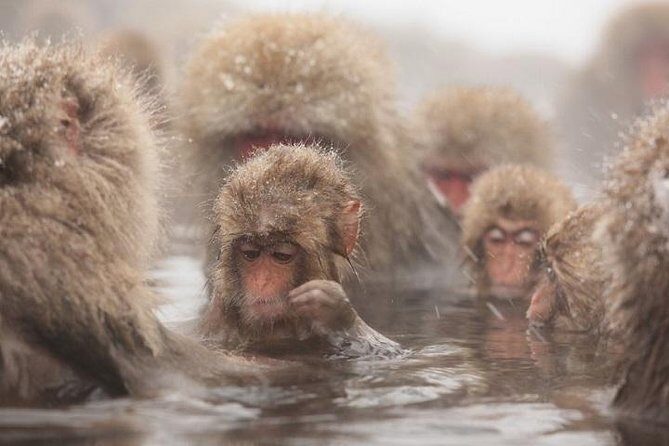
- You’re going for hot-spring behavior, not a guaranteed monkey show: conditions affect what you see.
- Lunch is beef sukiyaki at Shinshu Fruitsland, with vegetarian and vegan options if you request them.
- Walking is real: it takes more than 30 minutes from the parking area to Jigokudani Yaen-koen, and winter can make it slower.
- It’s a whole-day rhythm: depart Shinjuku at 8:00 am, return around the evening, with scheduled time at each stop.
- Group size stays small-ish: the tour caps at 45 travelers, which helps keep things moving.
- Optional Kamakura snow huts show up only during a set winter window in late January to late February.
Nagano Snow Monkeys in One Day: How the Trip Really Works
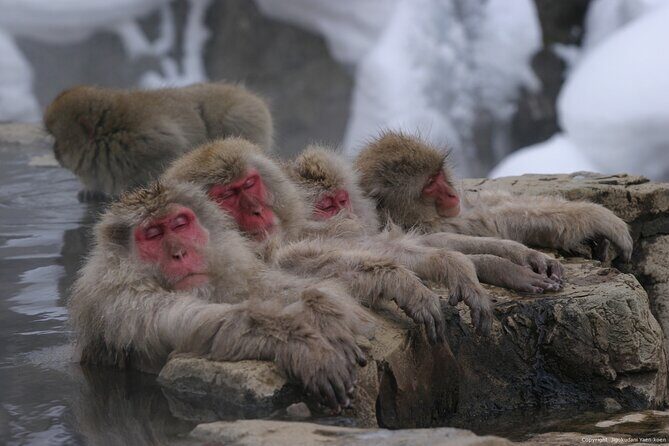
This is a classic Tokyo-to-Nagano winter outing built around one main goal: seeing Japanese macaques at Jigokudani Monkey Park. Instead of wrestling with trains, you ride a climate-controlled bus from Shinjuku to Nagano, get guided commentary on the way, and then return the same day.
You also get a lunch stop that does more than feed you. It breaks up the drive, gives you a warm start for winter walking, and keeps you on schedule so you are not losing daylight. The day feels structured, which matters because the monkey park visit is time-sensitive and the weather can change quickly.
A few more Tokyo tours and experiences worth a look

Price and Logistics: What $151.96 Gets You (and Why It Can Be Worth It)
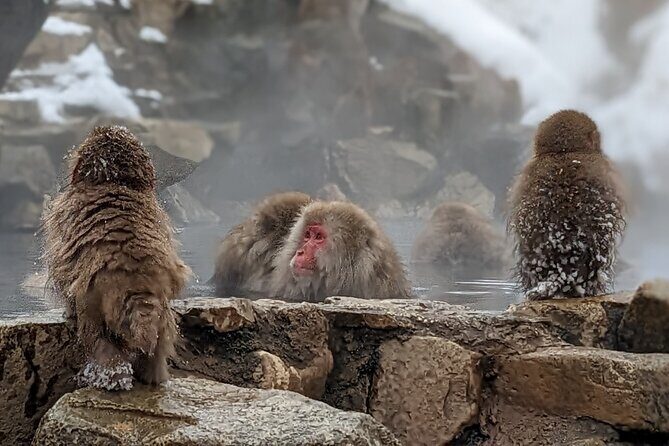
At $151.96 per person, you are paying for the big-ticket parts of a difficult day trip: long-distance transportation, an English guide, and a provided lunch. You are also buying a low-stress plan for something that can be surprisingly time-consuming to organize on your own, especially when winter conditions add friction.
What you do not get is dinner. You’ll have chances to buy snacks on the return journey, but heavy traffic can limit how much time there is for stopping. Also, optional equipment like crampons is not automatically included, so plan that extra cost might come up if the bus staff sells them onboard.
In practice, the value hits hardest if you want to maximize your time at the snow monkey site and keep the logistics handled. If you love designing your own routes and you are comfortable with winter travel, you might be able to DIY it for less, but this tour is for people who want it simple.
Shinjuku to Jigokudani: The Bus Ride, the Stops, and the Timing
The day begins in Shinjuku. You meet at the Robert Indiana Sculpture called LOVE at 6-chōme-5-1 Nishishinjuku, and the start time is 8:00 am. The bus is described as comfortable and climate-controlled, which is a big deal when temperatures are low and you may be wearing layers on layers.
The drive is long, and the tour breaks it up with a restroom stop and scheduled activities. Even with breaks, this still reads as a full 13-hour day, so it helps to settle in for a slow pace. One theme that shows up clearly in feedback is that the ride can feel long, but the guide commentary helps pass the time, including cultural notes about Japan.
A practical tip: treat this as a day where you conserve energy. After the bus, you still have walking time and stair-like footing around snowy paths. If you show up tired, the park visit can feel rushed instead of relaxed.
Shinshu Fruitsland Lunch: Beef Sukiyaki That Fuels Winter Walking
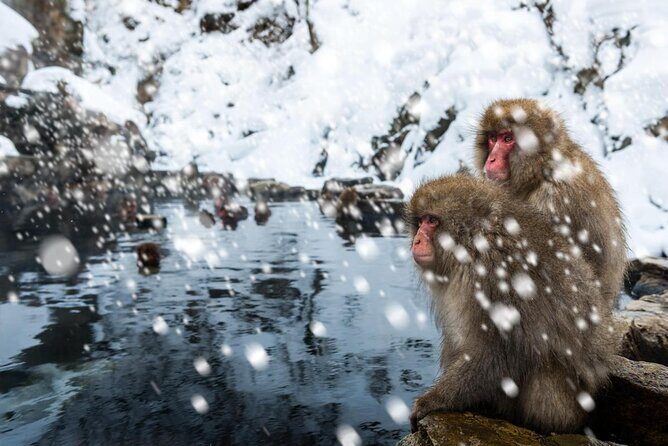
Before you reach Jigokudani, you stop at Shinshu Fruitsland for lunch. This is where you get the included meal: beef sukiyaki (hot pot). You can swap beef for pork, and you can request vegetarian options that include egg and dairy, or a vegan option that is 100% plant-based.
Why this matters: sukiyaki is a heat-and-salt kind of meal that helps you handle cold walking. It also keeps the day on track. One review praised how sukiyaki was waiting for them, and another called the lunch yummy and warming, which lines up with why this stop is placed early enough to matter.
What to keep in mind: the menu can vary depending on supplies. It is still sukiyaki, just not always the exact same version. If you have a strong dietary need, request your preference when booking so you get what you expect.
Jigokudani Snow Monkey Park: Hot Springs, Red Faces, and Winter Rules
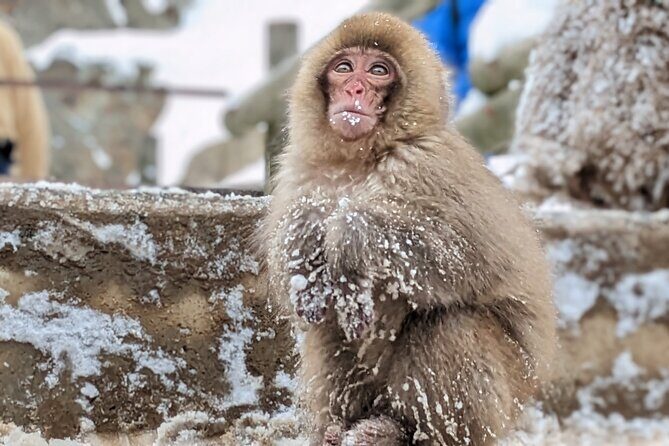
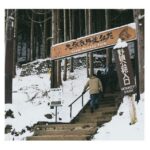
This is the main event. After arriving at the foot of the area, you make your way up toward Jigokudani Yaen-koen. The walk from the parking area takes more than 30 minutes, and winter footing can slow you down. Plan for non-slip shoes, and consider crampons if they are offered onboard.
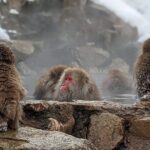
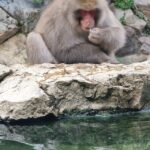
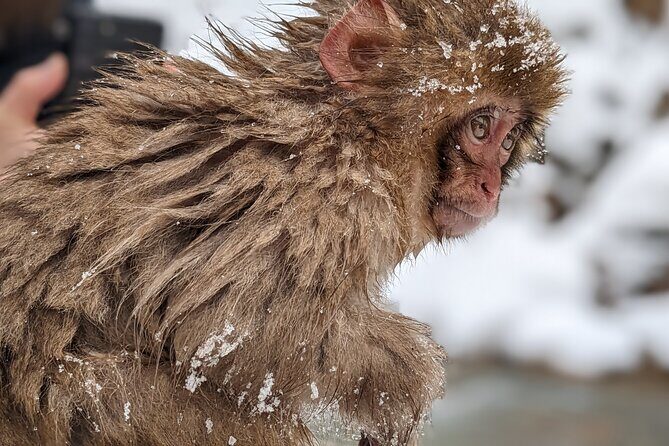
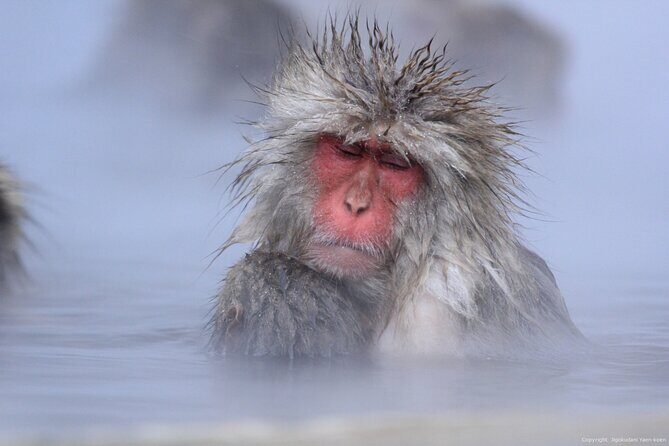
Once you reach the park, you look for Japanese macaques bathing in steaming hot springs. This is the signature moment people come for: the red-faced look of snow monkeys against steam and snow. However, the tour information is honest about the limits. The monkeys are wild, and they do not spend all their time in the water. Also, from mid-March they may not enter the hot springs depending on the weather that day.
So what does a good visit feel like? It’s part sightseeing, part wildlife observation. You explore the snow-smothered area, take photos when it makes sense, and keep a respectful distance. The tour rules are clear: do not engage with the monkeys and do not stare them in the eye, since animals can get defensive.
There’s another timing reality. Several people said the walk is more intense than they expected, sometimes describing it as a serious slog (with one mention of about 6 kilometers on icy paths). If you are prone to slipping, you’ll want to move slowly and keep your attention on your feet rather than rushing for the first steam you see.
A few more Tokyo tours and experiences worth a look
Optional Kamakura Snow Huts: When the Late-January Magic Happens
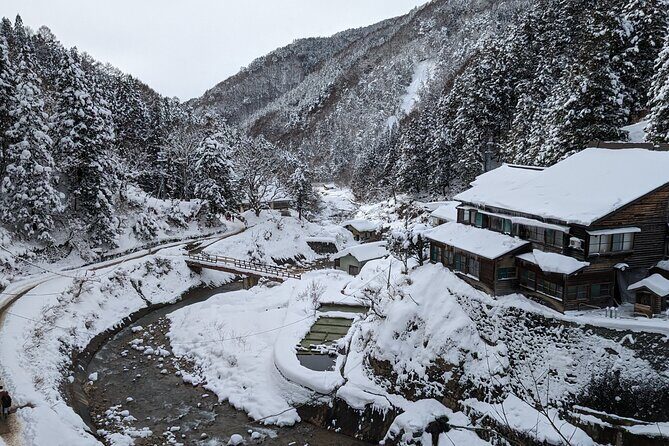
Between certain dates, the tour adds a stop at Kamakura no Sato to see snow huts lit up. The winter window is late January through late February in the tour description, and the festival opening is specifically noted as Jan 23 to Mar 1, 2026.
This stop is short, about 30 minutes. That means it is more of a quick seasonal bonus than a full separate attraction. If you are traveling in late January or February, this extra visual contrast is a nice payoff: after the snowy park experience, you get something more festive and human-made.
If you are not traveling in that date range, don’t expect the illuminated huts. This tour is still worth it for the monkey park, but this part is truly conditional.
What to Pack for Icy Steps: Shoes, Crampons, and Warm Layers
This tour does not feel like a strolling day. It’s a winter walking day with slippery surfaces. The guidance is to wear non-slip shoes, and crampons are sold onboard the bus if available.
In real terms, I’d pack for the worst-case scenario, not the best-case scenario. Think warm layers you can move in, socks that stay dry if snow gets kicked up, and gloves you actually want to wear. A hat can help too, because cold air and wind make you want to move faster, which increases the chance of missteps.
Also consider how you’ll handle your time inside the park. You’ll likely be standing around looking for monkeys in steam and snow. That takes patience and heat management. If you get too hot indoors at stops, you’ll want layers that let you adjust quickly.
Who This Tour Fits Best (and Who Should Rethink It)
This is a strong choice for nature lovers who want a guided, organized path to Jigokudani without messing around with long-distance logistics. The English guide and ride commentary can make the bus time enjoyable, and the lunch keeps you warm enough to handle the walk.
It also suits people who can handle moderate physical effort. The tour calls for moderate fitness, and the walk plus snow footing is the main physical demand. If you have balance issues, mobility limitations, or a low tolerance for icy ground, you might want to reconsider or ask whether your walking pace will be accommodated on the day you go.
If your goal is only casual sightseeing, this may feel like too much effort for too little time at the monkey site. A few comments pointed out the day can feel rushed once you get there, which makes sense when you have a long drive and a winter hike. If you want more unhurried time, that’s a reason to consider alternative options.
Should You Book This Nagano Snow Monkey Tour from Tokyo?
I’d book it if you want one day that hits the big highlights cleanly: snow monkeys in hot springs, a warm included lunch, and a guided plan from Tokyo that removes the hardest parts of planning. It’s also a good fit if you are traveling in winter and want the steam-and-snow atmosphere that’s hard to recreate on your own schedule.
I would think twice if you are traveling only for a short, easy outing or if slipping on snow worries you. The footing can be treacherous in winter, and the walking time from parking to the park area is real. Even with crampons available, you should assume you will need to move carefully.
If you go, aim for a mindset of patience: the monkeys are wild animals, and the best viewing is when you keep your distance and let the scene happen.
FAQ
How long is the Nagano Snow Monkey 1 Day Tour from Tokyo?
The tour runs for about 13 hours.
Where do you meet in Tokyo?
You meet at the Robert Indiana Sculpture called LOVE at 6-chōme-5-1 Nishishinjuku, Shinjuku City.
What time does the tour start?
The start time is 8:00 am.
What is included for lunch?
Lunch is beef sukiyaki. You can also choose pork, vegetarian (with egg and dairy), or vegan (100% plant-based) options if you request it when booking.
How far do you walk to reach Jigokudani Yaen-koen?
It takes more than 30 minutes by walking from the parking area to Jigokudani Yaen-koen.
Are the snow monkeys guaranteed to be in the hot springs?
Not always. The monkeys are wild and may not be present, and they do not spend the majority of their time in the water. In some weather conditions, especially from mid-March, they may not enter hot springs.
Is there an additional stop to see the Kamakura snow huts?
Yes, it is only included for late January to late February, and the Kamakura no Sato festival is noted as open from Jan 23 to Mar 1, 2026.
Do I need crampons?
Crampons are optional and sold onboard the bus when available. You should come prepared with non-slip shoes.
Is dinner included?
No. Dinner is not included, though you can purchase snacks at service areas during the return journey. Heavy traffic can limit time for stops.
![[Miyako Island/Full Day] Sea Turtle Snorkeling & SUP or Canoe - SUP vs canoe in Miyakojima’s clear water (and which one fits you)](https://images.thejapantraveler.com/wp-content/uploads/miyako-island-full-day-sea-turtle-snorkeling-sup-or-canoe.jpg)