REVIEW · TOKYO
Tokyo: Sumo Experience and Chanko Nabe Lunch
Book on GetYourGuide →Operated by H.I.S. Co Ltd(TIC) · Bookable on GetYourGuide
Sumo becomes understandable when you’re close enough. This experience turns a famously hard-to-read sport into something you can explain after the session, taught in English by former pros and built around hands-on fun. I love the tight setup for a small group of up to 6, which makes it easier to ask questions and actually get involved. I also like that lunch is not an afterthought: you get chanko nabe prepared by the wrestlers themselves.
One watch-out: the event does not include pick-up or drop-off, so you’ll need to plan your own route to the exact meeting point shown on your voucher map.
In This Review
- Key Things That Make This Sumo + Chanko Experience Worth Your Time
- Sumo Up Close: Former Pros, English Explanations, and a Playful Bout
- Where You Go in Tokyo: Asakusa Mondays and Ryogoku Thursdays
- The 1 PM Rhythm: How the 2 Hours Usually Unfold
- In the Ring: Rituals, Technique, and Your Chance to Try
- Chanko Nabe Lunch: Wrestlers Cook the Fuel
- Food and Timing: Why the Lunch Piece Adds Real Value
- Practical Tips That Make or Break the Experience
- Who This Is Best For (and Who Might Prefer Something Else)
- Should You Book This Sumo and Chanko Nabe Experience?
- FAQ
- What time does the sumo experience start?
- How long is the experience?
- Is the workshop taught in English?
- What size is the group?
- Is lunch included, and what do you eat?
- Do I need to arrange pick-up or drop-off?
- Is the venue wheelchair accessible?
- Can you accommodate vegetarian or Halal meals?
- What is the cancellation policy?
Key Things That Make This Sumo + Chanko Experience Worth Your Time
- English coaching from former professional wrestlers, so the rituals and rules make sense fast
- Playful in-ring participation, not just watching from the sidelines
- Wrestler-made chanko nabe hot pot, served as the main meal
- Small group size (6 max), which keeps the atmosphere personal
- Plenty of photo time, plus an optional costume moment for some participants
- Two-day locations in Tokyo, with Asakusa on Mondays and Ryogoku on Thursdays
Sumo Up Close: Former Pros, English Explanations, and a Playful Bout
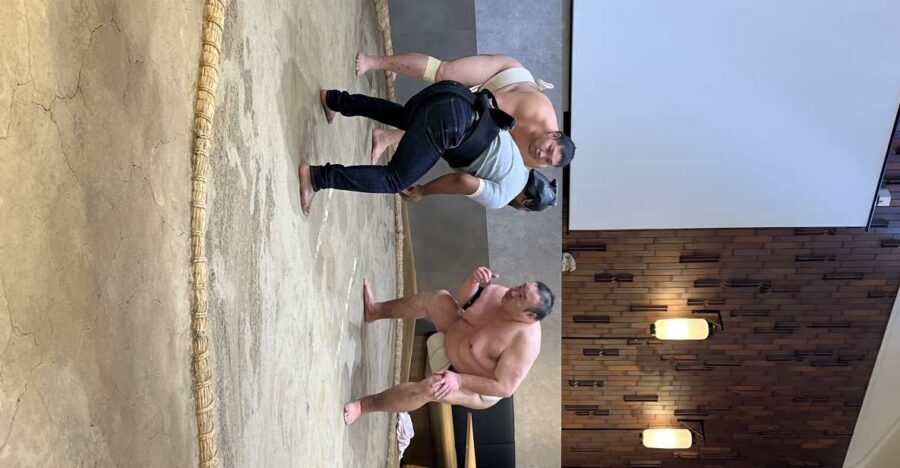
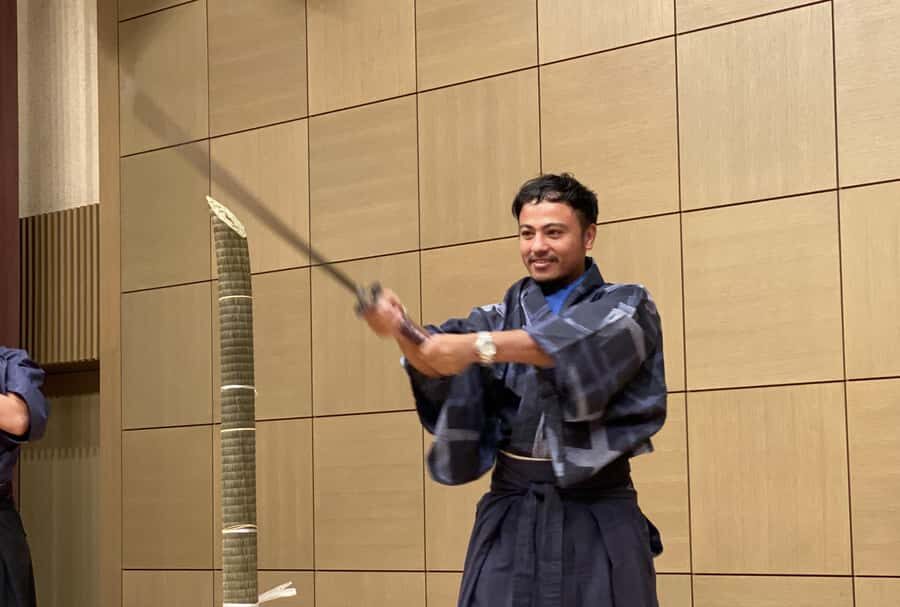
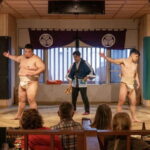
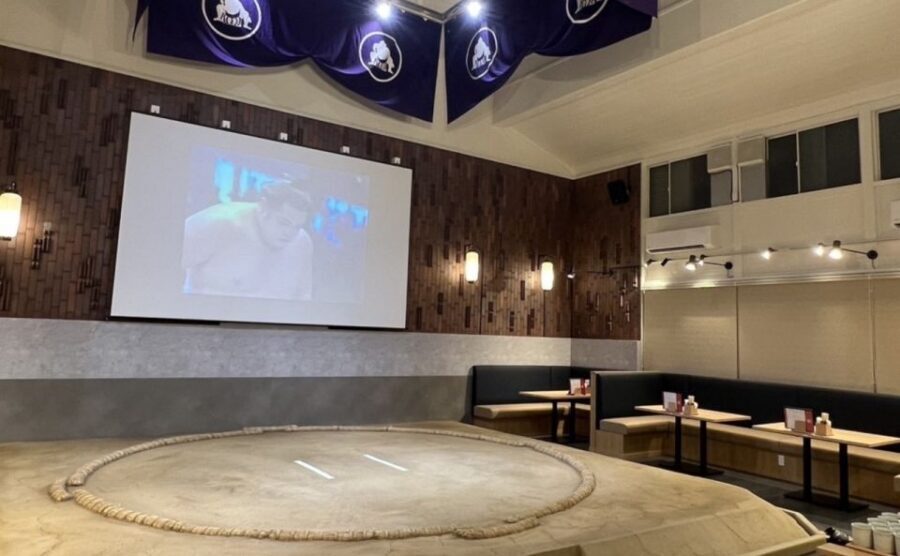
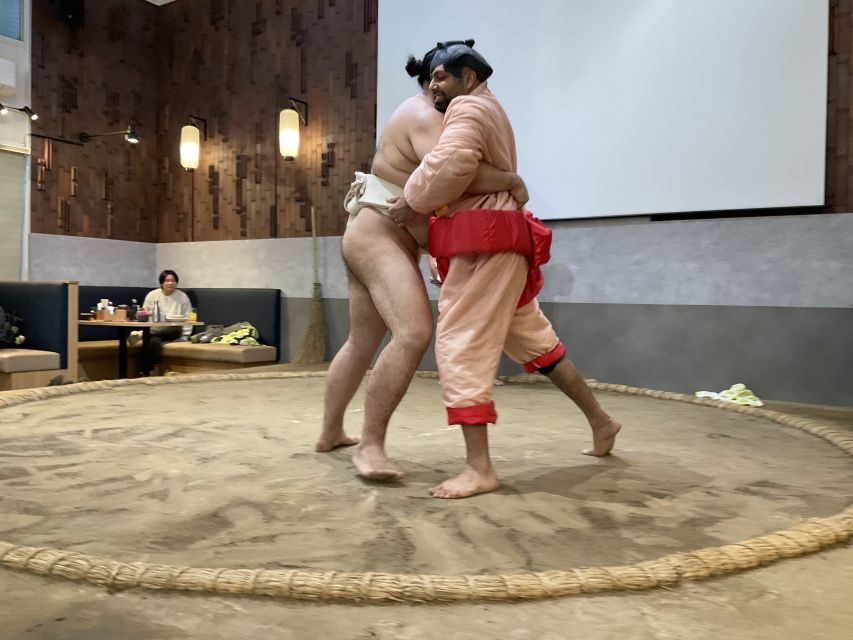
This is not a passive show. It’s a workshop-style sumo experience led by former professional wrestlers who explain what you’re seeing, then invite you into the action in a playful, non-scary way. You’ll learn why sumo is treated like a national sport in Japan, and more importantly, you’ll get the practical context that makes the ceremonies and match rules click.
I’m a fan of experiences like this because sumo can feel distant if you only see the big moments. Here, the goal is comprehension. You’ll hear the meanings behind the rituals and how the training mindset shapes the way wrestlers move, compete, and even present themselves.
There’s also a clear lighter side. Several parts of the session are designed to make you laugh while you learn, including the interactive demonstration where you might face the wrestlers yourself. In other words: you’re not just watching strength—you’re getting a feel for how that strength works.
A few more Tokyo tours and experiences worth a look


Where You Go in Tokyo: Asakusa Mondays and Ryogoku Thursdays
Your schedule controls the neighborhood. On Mondays, the activity takes place in Asakusa. On Thursdays, it’s in Ryogoku. That matters because these are not interchangeable sides of Tokyo.
Asakusa is often where visitors start for classic street energy and old-town sights, so this makes a great “culture plus food” stop during a day there. Ryogoku, on the other hand, is the sumo-shaped part of Tokyo. Even if you’ve never followed the sport before, being in the right neighborhood helps you sense why sumo is such a big deal.
Your meeting point isn’t guesswork. You’ll receive a voucher with a map of the exact place, and the activity ends back at the meeting point. That simplicity reduces stress, especially in Tokyo where locations can be a bit tricky if you’re arriving on your own.
The 1 PM Rhythm: How the 2 Hours Usually Unfold
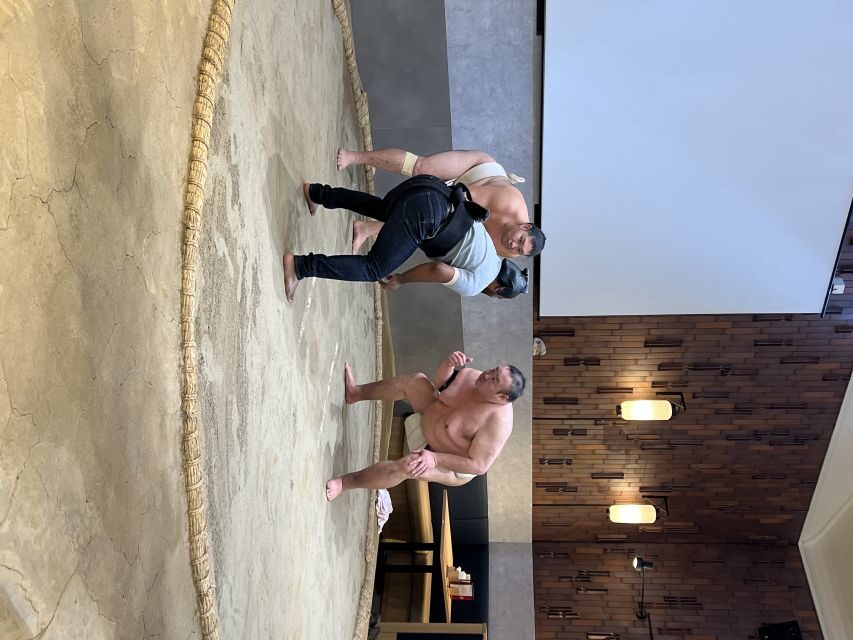
The session is 2 hours long and starts on time at 1:00 PM. You’ll want to arrive before that; the doors open at 12:40. For a lot of people, that pre-arrival window is helpful because you can settle in, get your bearings, and be ready when the explanations start.
Because the group is small, the pacing stays friendly. You’re not stuck waiting for a huge tour group to shuffle into place. It also means the instructors can manage the attention—teaching in English, then quickly moving into demonstration and audience participation.
Think of the experience as three layers:
1) What sumo is and why it looks the way it does (history and rules explained clearly)
2) What wrestlers do in practice (demonstrations, then your chance to try)
3) Chanko nabe lunch (the fuel that fits sumo training culture)
Even in 2 hours, it feels like a real mini-day with a beginning, middle, and end, not a rushed ticket into a seat and back out again.
In the Ring: Rituals, Technique, and Your Chance to Try
One reason sumo can feel confusing is that the action is wrapped in ritual. This workshop tackles that head-on. You’ll learn what you’re looking at—how wrestlers enter, how the rules shape behavior, and why the ceremonies matter to the sport.
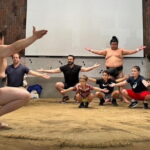
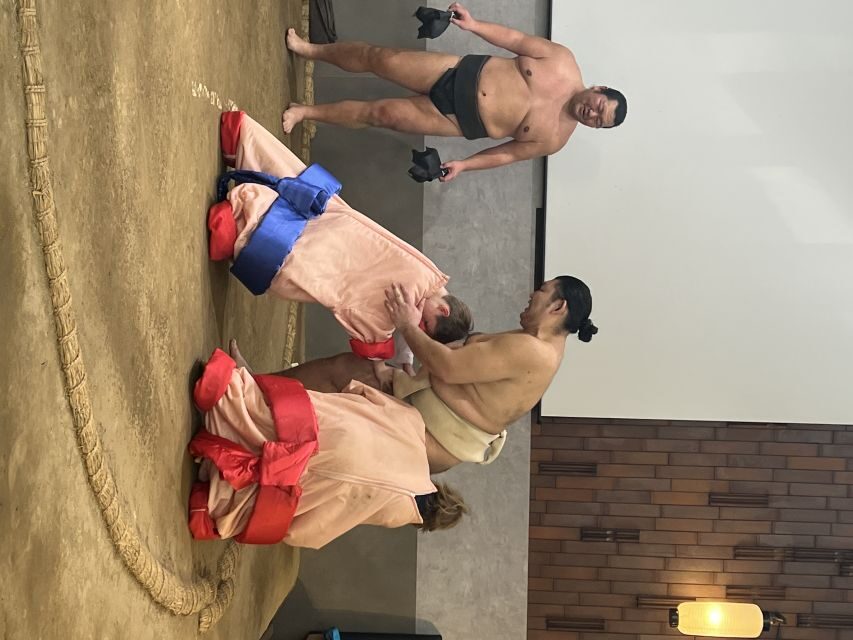
Then you get the fun part: interactive participation. The experience is designed so you can face sumo wrestlers in a playful duel. This is usually the moment people remember most, because it turns “I watched sumo” into “I got a sense of how it works.”
A few details are worth knowing:
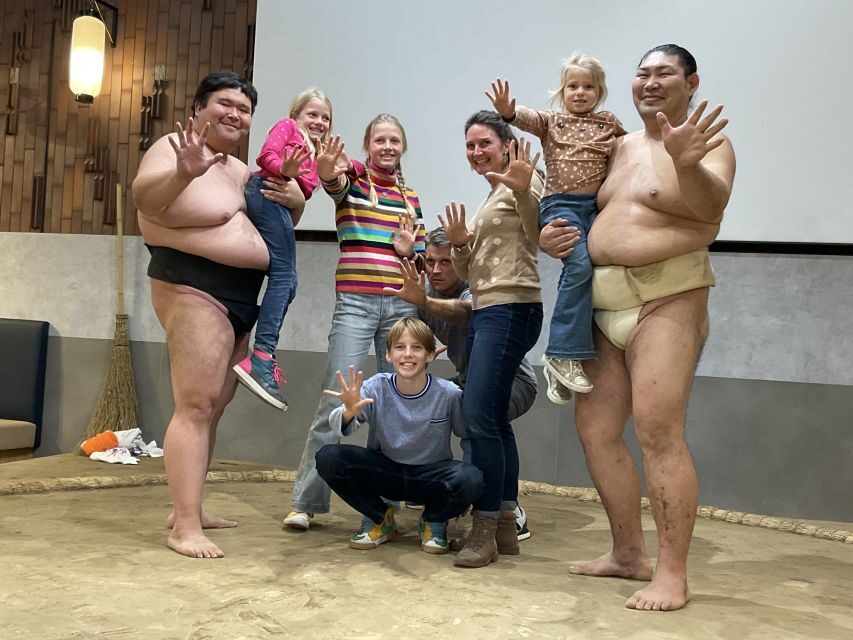
- Not everyone will be selected for optional costume-style help in demonstrations. Some participants may be invited to wear a sumo wrestler costume to assist, but selection isn’t guaranteed.
- You’ll likely have time for photos during the session.
- The instructors keep the energy light. The aim is laughter plus learning, not intimidation.
Also, since the teaching is in English, you’ll spend less time decoding body language and more time connecting it to meaning. I especially like that you’re not left on your own after a quick overview. You get help translating what you see into rules and training logic.
You might also hear instructors named Audrey and Jumbo referenced in recent sessions. That’s a nice touch because it makes the experience feel like a real class taught by real people, not a faceless performance.
Chanko Nabe Lunch: Wrestlers Cook the Fuel
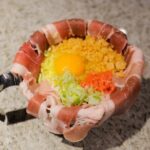
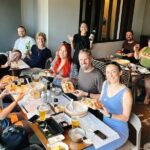
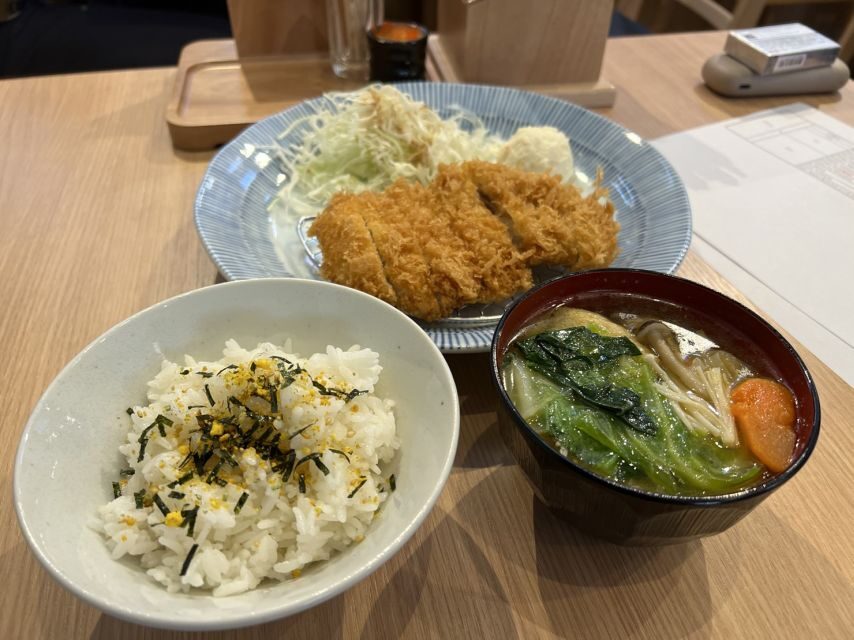
After the sumo portion, lunch is served: chanko nabe, a Japanese hot pot associated with sumo. In training culture, chanko nabe is often described as food that helps build stamina, and that idea is front and center here.
What I like is that this isn’t generic restaurant comfort food. The hot pot is prepared by the wrestlers themselves. That detail matters because it connects your meal to the sport you just learned about. It’s a whole experience in one package.
Chanko nabe is hearty and warming by design. In a Tokyo winter, it’s a lifesaver. In warmer months, it still works because it’s comforting and satisfying, not delicate. And since it’s served as part of the session, you’re not trying to hunt down lunch at the exact moment hunger hits.
Some feedback also points to a fuller lunch service feel, with the meal being more than just the hot pot. You may find that the lunch experience includes additional parts like drink and dessert as part of the overall service.
If you have dietary needs, plan ahead. The experience can accommodate vegetarian or Halal meals if you note it during your reservation or contact them by email at least 2 days before. It’s the kind of request that’s easy to handle early, and painful to scramble late.



Food and Timing: Why the Lunch Piece Adds Real Value
Many Tokyo food experiences are either a cooking class or a dinner reservation. This one blends food with the sport’s culture in a way that makes the price make more sense.
Here’s why it feels like value rather than just paying for a meal:
- You’re getting instruction + interaction, not only a seat for watching
- Lunch is included, so you’re not adding extra Tokyo meal costs afterward
- The lunch is tied directly to sumo, so it reinforces what you learned
At $95 per person, the price is not “cheap,” especially for solo travelers. But in this setup, you’re paying for trained instruction in English, the in-ring participation element, and a hot-pot lunch that is part of the show’s identity.
If you’re trying to choose between a sumo-only activity and something that also feeds you, this one usually wins because the meal lands as a conclusion, not a separate task.
Practical Tips That Make or Break the Experience
A few small planning points can save you from frustration.
1) Bring yourself for participation.
The workshop is designed for audience involvement. If you’re on the shy side, you can still watch and learn, but you’ll have the most fun if you’re willing to try the playful sumo segment.
2) Handle your transport.
Pick-up and drop-off aren’t included. You’ll be meeting at the exact place shown on your voucher map, then ending back there. Plan your route ahead of time so you’re not sprinting across stations at 12:50.
3) If dietary needs matter, act early.
Vegetarian or Halal accommodations require you to note it in your reservation or contact them by email at least 2 days ahead. Don’t leave this to the day-of.
4) Arrive before 1:00 PM.
Doors open at 12:40, and the activity starts on time. Treat it like a workshop class, not a casual drop-in.
5) Expect a mix of serious and silly.
You’ll learn rituals and rules, but you’ll also get comic relief. That balance is a big part of why the experience works for first-timers.
6) Wheelchair access is supported.
The activity is listed as wheelchair accessible, which is reassuring if mobility is a concern for your group.
Who This Is Best For (and Who Might Prefer Something Else)
This is a strong fit if you’re:
- New to sumo and want the sport explained in English
- Visiting Tokyo and want a hands-on, culturally grounded experience
- Traveling with family, since the setup is friendly and interactive
- Interested in food that has a story behind it
It may be less ideal if you:
- Want a strictly quiet, observation-only museum-style experience
- Dislike any chance of participation or costume-style volunteering (even though selection is optional)
- Need a tour with pick-up/drop-off convenience
Overall, the small group format makes it feel like a real class. You get explanations, then you get to try the sport’s basics in a controlled, playful way.
Should You Book This Sumo and Chanko Nabe Experience?
Yes—if you want sumo that you can actually understand, plus a lunch that feels connected to the sport. The combo of English instruction, hands-on participation, and wrestler-prepared chanko nabe is a rare pairing in Tokyo where you usually have to choose one or the other.
Book it especially if your trip includes a day in Asakusa or Ryogoku, since the location ties the experience to the city’s sumo identity. And if you’re a first-timer, you’ll likely leave with a clearer picture of both the rituals and the competition side—without needing to already know the sport.
If you do want to double-check fit, focus on one question: are you okay with playful participation in a small group? If yes, this is one of the most fun ways to spend a couple of hours learning sumo and eating something worth the seat.
FAQ
What time does the sumo experience start?
The activity starts on time at 1:00 PM. You’re expected to arrive before start time; the doors open at 12:40.
How long is the experience?
The duration is 2 hours.
Is the workshop taught in English?
Yes. The instructor provides the experience in English.
What size is the group?
It’s a small group, limited to 6 participants.
Is lunch included, and what do you eat?
Lunch is included. You’ll be served chanko nabe, a Japanese hot pot prepared by the wrestlers.
Do I need to arrange pick-up or drop-off?
Pick-up and drop-off are not included. You’ll go to the meeting point shown on your voucher map, and the activity ends back at the meeting point.
Is the venue wheelchair accessible?
Yes, the activity is wheelchair accessible.
Can you accommodate vegetarian or Halal meals?
You can request vegetarian or Halal meals when you reserve, or by contacting them via email at least 2 days before the participation date.
What is the cancellation policy?
Free cancellation is available up to 10 days in advance for a full refund.