REVIEW · TOKYO
From Tokyo: Snow Monkey Park and Miso Production Day Tour
Book on GetYourGuide →Operated by Travel Cottage · Bookable on GetYourGuide
Snow monkeys are only half the story. This private day trip strings together Nagano Prefecture culture, food history, and winter wildlife in one smooth run.
I like the door-to-door private setup with a professional driver, Wi‑Fi, and coffee/tea/water waiting for you. Another win is the tight pacing—about one hour at most stops—so you don’t waste the day in transit.
One thing to plan for: it’s a long day from Tokyo (about 10 hours including commuting), and winter walking at Jigokudani can get steep and icy.
In This Review
- Key things I’d pencil into your plan
- Tokyo-to-Nagano by Private Luxury Van: what that buys you
- Jigokudani Monkey Park: seeing snow monkeys without scrambling
- Zenko-ji Temple in Nagano: one hour that still feels complete
- Matsushiro Castle Ruins: feudal Nagano without the big-city crowds
- Obuse and miso production: where food history becomes a real stop
- Shibu Onsen finish: the calming end after snow and temples
- How the timing and customization actually work
- Price and value: $455 for up to 6 people, and why the math can work
- Who this tour fits best (and who should look elsewhere)
- Should you book it?
- FAQ
- How long is the tour?
- What’s included in the price?
- Are entry tickets and meals included?
- Where do the pickups and drop-offs happen?
- Is this a private tour?
- Can you customize the itinerary during the day?
- What should you bring?
- Is it suitable for pregnant travelers or people with back problems?
- What’s the cancellation policy?
Key things I’d pencil into your plan
- Private, door-to-door transfers with hotel pickup inside Tokyo’s 23 wards plus set drop-off options
- Jigokudani Monkey Park time on the ground (about 2 hours) with safety briefing and guided support
- Zenko-ji in one focused hour—photo stop, visit, guided tour, then free time to wander
- Obuse miso town visit with guided time (about 1.5 hours) to match food with history
- Shibu Onsen finish in a historic hot spring village for a slower, relaxing end
- Guides praised for safe driving and timing, including Ali, Sarfraz, Surfy, Veer, Hamza Ali, and Ahmed
Tokyo-to-Nagano by Private Luxury Van: what that buys you
The biggest value here isn’t just the destinations. It’s the fact that you’re not fighting trains, transfers, and timetables while hauling winter gear. You get pickup from your Tokyo accommodation (inside the 23 wards) and then a direct, door-to-door ride into Nagano area—plus a proper driver who’s comfortable handling snowy roads.
Vehicles can be higher-end models like the Toyota Vellfire and Crown, or Land Cruisers, depending on your group. You also get onboard Wi‑Fi and complimentary coffee, tea, and bottled water. In reviews, the vehicle is repeatedly described as clean and comfortable, and several people specifically called out how safe the driving felt in winter conditions.
A practical heads-up: pickup is from accommodations, not airports/ports. You’ll want to be ready—your guide asks you to wait about 10 minutes in the hotel lobby, and they’ll wait no longer than 60 minutes after the scheduled pickup time. The day runs about 10 hours including commuting, so it helps to keep expectations realistic: this is a full-day “get it done well” plan.
A few more Tokyo tours and experiences worth a look
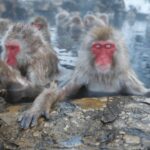
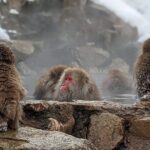
Jigokudani Monkey Park: seeing snow monkeys without scrambling
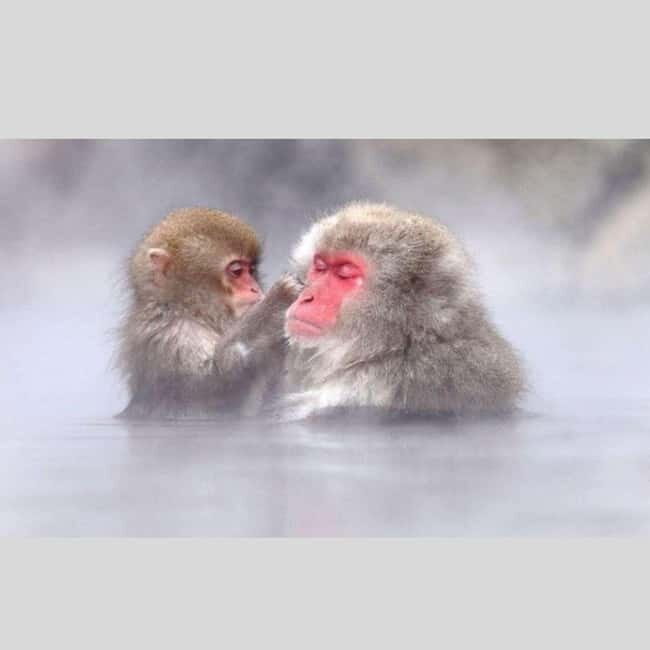
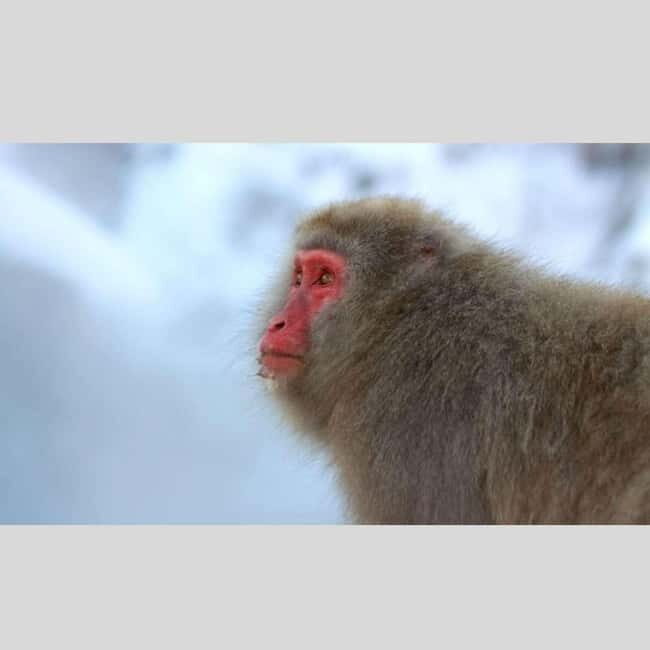
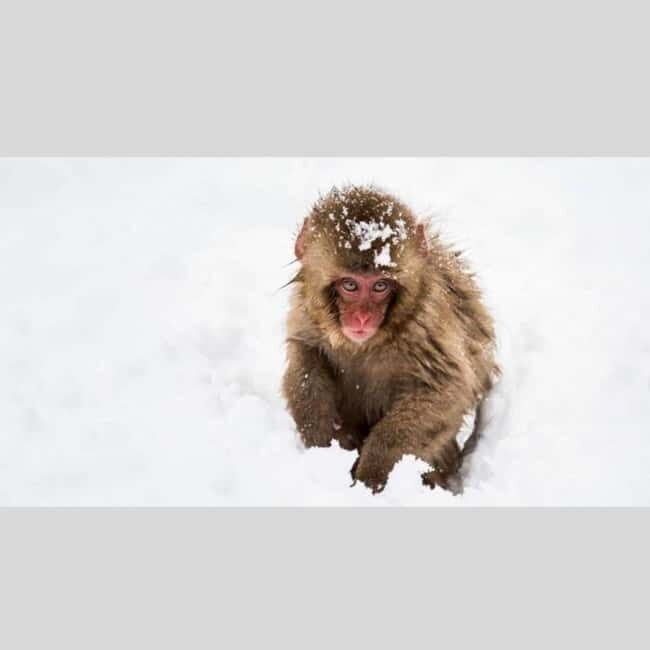
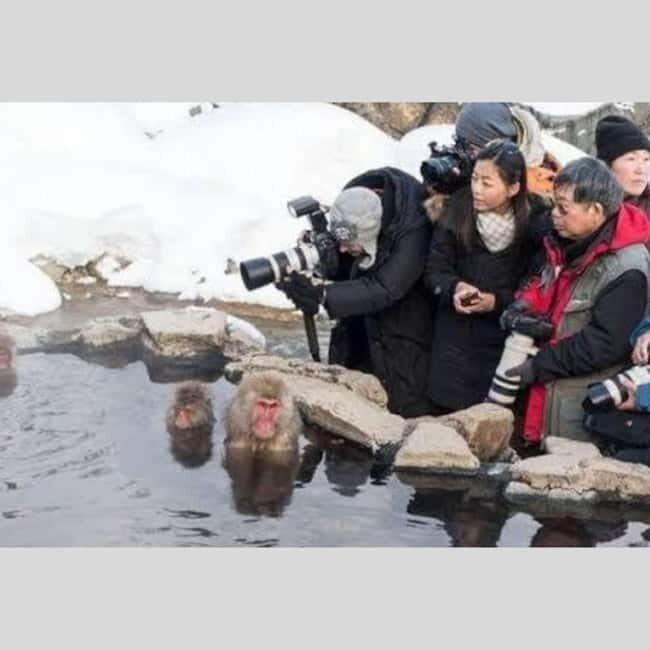
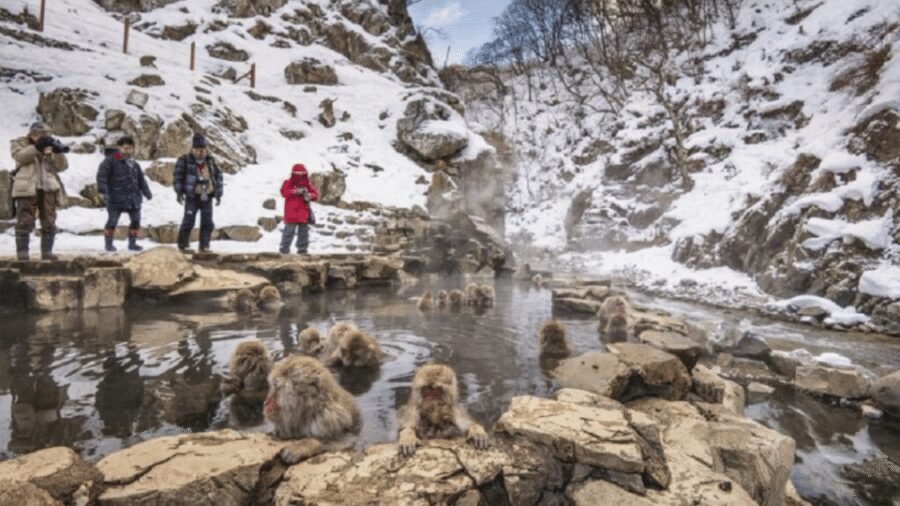
Jigokudani Monkey Park is the headline, and the time allotment is smart: you get about 2 hours dedicated to the park, including walking, a guided portion, and free time. You’ll start with photo opportunities, then a visit and wildlife viewing, with a safety briefing along the way.
What makes this stop special is the way the monkeys are framed by their environment. Jigokudani is famous for wild snow monkeys bathing in natural hot springs, and your guide helps you time your viewing so you’re not just walking around hoping for a good moment.
Now the key practical detail: winter footing matters. In reviews, people strongly recommend buying spike attachments on-site because the walk can be steep and icy. If you show up in regular sneakers, you’ll feel it. Wear comfortable shoes and bring warm layers, because you’ll be outside more than you think.
Entry tickets aren’t included, so you’re responsible for that part. Reviews also suggest prebooking to skip long queues—one person reported a 2-hour wait when they didn’t have tickets sorted in advance. The lesson: if you want the day to stay on pace, handle the ticket timing before you arrive.
Zenko-ji Temple in Nagano: one hour that still feels complete
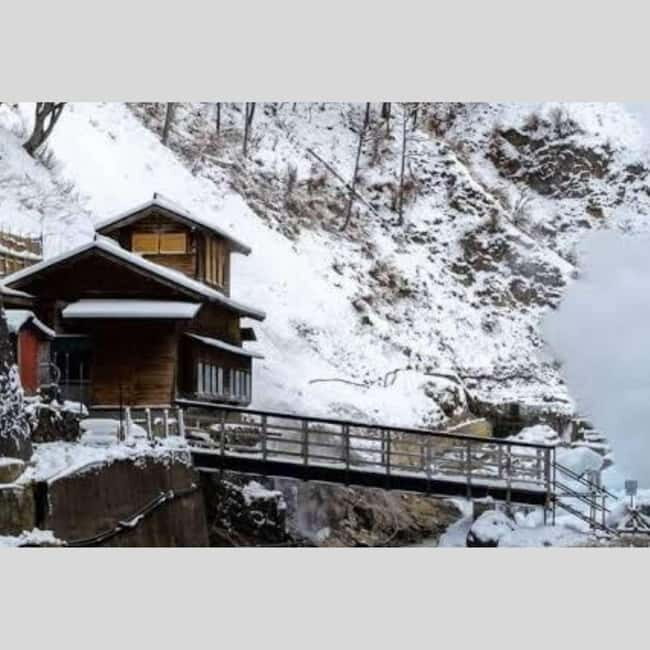
After the winter excitement, Zenko-ji Temple gives you a totally different pace. You’ll have about 1 hour here, including a break time, photo stop, visit, and a guided tour, followed by free time to look around on your own.
This is one of Japan’s major pilgrimage sites, so it’s not just a “pretty temple stop.” The value of having a guide is that you’re not left guessing what you’re seeing. You get context in real time—what it means, how people treat it, and what to notice as you walk through.
The practical flow matters too. Since the schedule is designed to keep you moving, you’ll get enough structure to feel oriented without turning it into a rushed blur. And because you’ll have free time after the guided portion, you can step back for photos or quiet wandering when the crowd shifts.
Matsushiro Castle Ruins: feudal Nagano without the big-city crowds
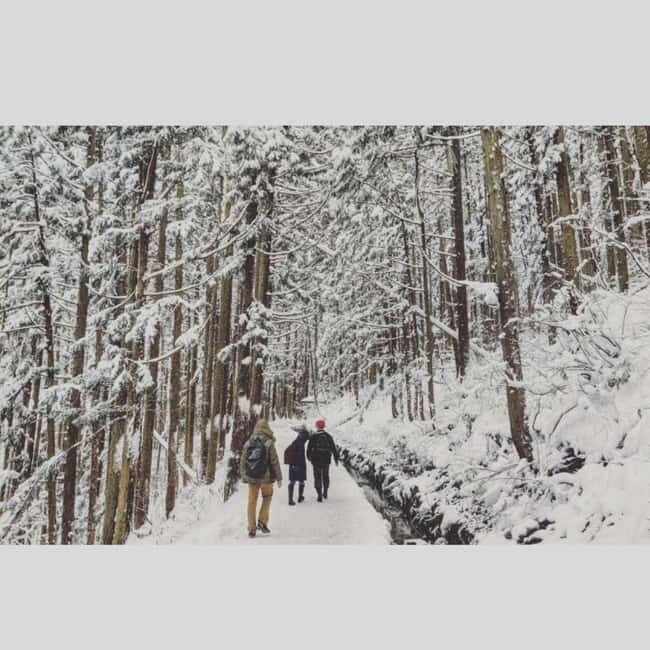
Matsushiro Castle Ruins is the kind of stop I love for balance. It’s not as famous as Tokyo sights, and it doesn’t pretend to be. You’ll spend about 1 hour, with a photo stop, guided tour, and time to walk around.
The payoff is atmosphere. Castle ruins give you a physical sense of Japan’s feudal past, and you’ll get guided explanation while still having room to explore at your own speed. Because it’s a smaller stop in a long day, it also works as a mental reset between high-energy sights.
If you’re the type who likes historical context but doesn’t want museums and lectures, this is a good fit. Also, the “walk and look” format is generally easier to manage than something with complicated timed entries.
Obuse and miso production: where food history becomes a real stop
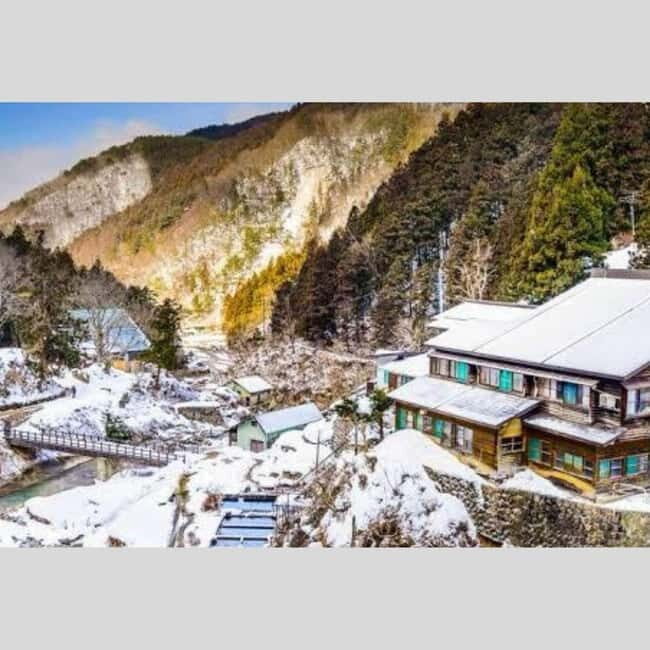
Obuse is where the day turns flavorful. You’ll have about 1.5 hours here, including photo stop, visit, and guided time. Obuse is known for traditional miso production and historical significance, and this stop is ideal if you want a Japan experience that isn’t only about scenery and monuments.
Why it works well on a private tour: you can ask your guide questions as you walk through town. You’re not trapped inside a bus schedule, and you get time to look around rather than doing a quick drive-by.
One more reason I like this stop in winter itineraries: it breaks up the cold. Even if it’s chilly outside, a town stop gives you chances to warm up while you keep moving through the day.
If you care about food souvenirs, this is also the part of the day where you’ll likely find the most relevant shopping options—just remember meals aren’t included, so plan how you’ll handle lunch on your route.






Shibu Onsen finish: the calming end after snow and temples
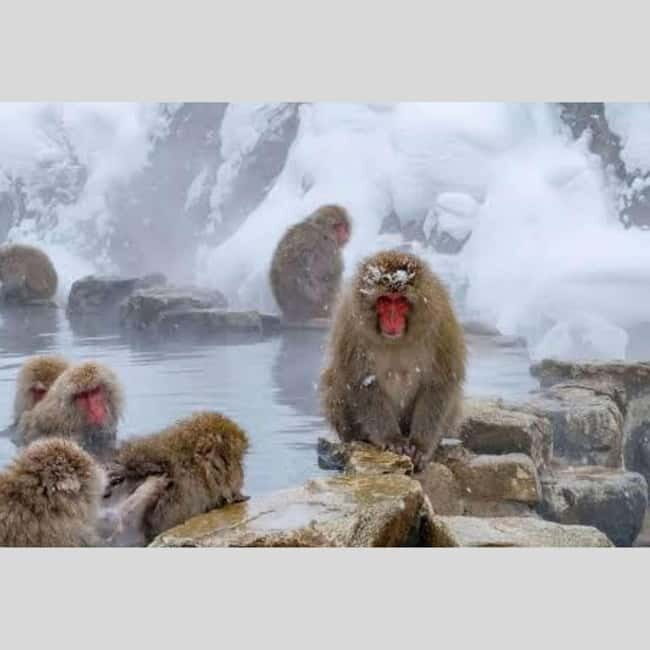
The day ends at Shibu Onsen, a historic hot spring village with traditional architecture. You’ll spend about 1 hour here with a break/photo stop, visit, and sightseeing time.
This is a smart closing choice. After Jigokudani’s cold-weather intensity and the earlier temple and historical stops, onsen villages naturally slow the pace. Even if you’re not doing a long soak, the village vibe and hot-spring setting give you that “final exhale” feeling.
In reviews, people also mention guides helping with timing and suggestions for local food when needed—useful because meals aren’t included in the tour price. If you want a simple plan for the evening, you’ll have a guide who can point you toward practical options near where you finish.
How the timing and customization actually work
The schedule is designed around a clean rhythm: roughly one hour per stop at most locations, with Jigokudani getting about two hours. That structure is a big reason people don’t feel “railroaded.” You get enough time to see things, but not so much time that you lose daylight or get stuck in long lines.
Customizing is also part of the deal. The tour is built as a private experience, so you can adjust the flow to better match what you care about—within reason. In reviews, guides like Sarfraz and Sarfy are praised for flexibility, including adding extra stops when requested.
You can even see how the “timing” logic plays out. One guide advised starting about an hour earlier to dodge traffic delays, and it turned into bonus time on the itinerary. That’s the kind of small decision that makes a long day feel less stressful.
In practice, you’ll get the best experience if you:
- Tell your guide what you want most (monkeys vs. temples vs. food stops)
- Ask about the best order if your day is winter-heavy
- Build in realistic walking time—especially at Jigokudani
Price and value: $455 for up to 6 people, and why the math can work
The price is $455 per group up to 6, which is how private tours from Tokyo often work: you’re paying for the vehicle, driver, and the time it takes to reach Nagano. If you fill the vehicle, the cost becomes far more reasonable than paying individual train tickets plus separate transfers plus guide time.
A quick value sense:
- Full group of 6: about $76 per person for the whole day of pickup/transport and guiding support
- Smaller group: it costs more per person, but you still get the convenience of door-to-door logistics, not just sightseeing
And you’re not only buying transportation. You also get a professional fluent English-speaking driver, plus a national government-licensed interpreter. Drinks and Wi‑Fi are included, and there’s support for photo/video making if you need it.
The “value” part also shows up in reviews: multiple people mention that the private setup avoids the cramped feeling of bus tours, and that the day stays calmer and more personal. Safety and punctuality are repeated themes too—especially with winter mountain roads.
Restrictions are worth noting. Alcohol and drugs aren’t allowed, and alcoholic drinks aren’t allowed in the vehicle. And the tour isn’t suitable for pregnant travelers or people with back problems, which likely ties to long driving time and walking segments.
Who this tour fits best (and who should look elsewhere)
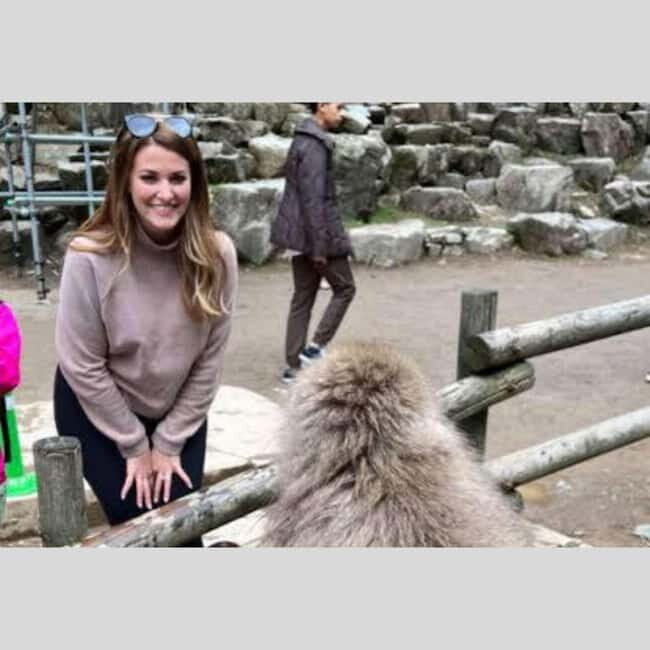
This is a great match if you want a snow monkey day trip without turning it into a logistics puzzle. It’s especially good for:
- Families with kids who need a calmer, organized pace
- Couples who want private guiding and fewer crowd frustrations
- People who value safe winter driving and clear timing
It may be less ideal if:
- You’re not comfortable with winter walking (especially the steep/icy parts near the monkey park)
- You or someone in your group has mobility or back issues (the tour is listed as not suitable for back problems)
- You’re hoping for a short day. This is closer to a full-day outing than a quick hit.
Should you book it?
I’d book this if your priorities are convenience, safety, and seeing a lot without rushing. The private vehicle, the licensed interpreting support, and the stop-by-stop pacing make it feel controlled, not chaotic. And the guides—people specifically name Ali, Sarfraz, Surfy, Veer, Hamza Ali, and Ahmed—come through in reviews for timing, friendliness, and careful driving.
I’d think twice if you want a very relaxed day with lots of independent wandering, or if your group can’t handle winter walking surfaces. Also, because entry tickets and meals aren’t included, you’ll want to plan those parts so the day stays smooth.
FAQ
How long is the tour?
The tour is about 1 day, and the total time is approximately 10 hours including commuting.
What’s included in the price?
Pickup and drop-off at your accommodation, a professional fluent English-speaking driver, a national government-licensed interpreter, onboard Wi‑Fi, coffee/tea/water, parking fees and fuel charges, and assistance with video or picture-making if needed.
Are entry tickets and meals included?
No. Entry tickets and meals are not included.
Where do the pickups and drop-offs happen?
Pickup includes options in Tokyo (Tokyo 23 wards) plus Saitama, Nagano, Obuse, Yamanochi, Hakuba, and Nozawaonsen. Drop-off includes Yamanochi, Hakuba, Nozawaonsen, Nagano, Tokyo, Obuse, and Saitama.
Is this a private tour?
Yes. It’s a private group experience with only your group participating.
Can you customize the itinerary during the day?
Yes. The tour notes that you can customize the itinerary to maximize enjoyment and keep the day personalized.
What should you bring?
Bring comfortable shoes, warm clothing, and a camera.
Is it suitable for pregnant travelers or people with back problems?
No. It’s listed as not suitable for pregnant women and people with back problems.
What’s the cancellation policy?
Free cancellation is available up to 24 hours in advance for a full refund.