REVIEW · TOKYO
Tokyo: Family Sumo Workshop & Live Wrestling Show with Lunch
Book on GetYourGuide →Operated by Alva Japan Tours🇯🇵 · Bookable on GetYourGuide
Tokyo is a city of huge sights—this one is small.
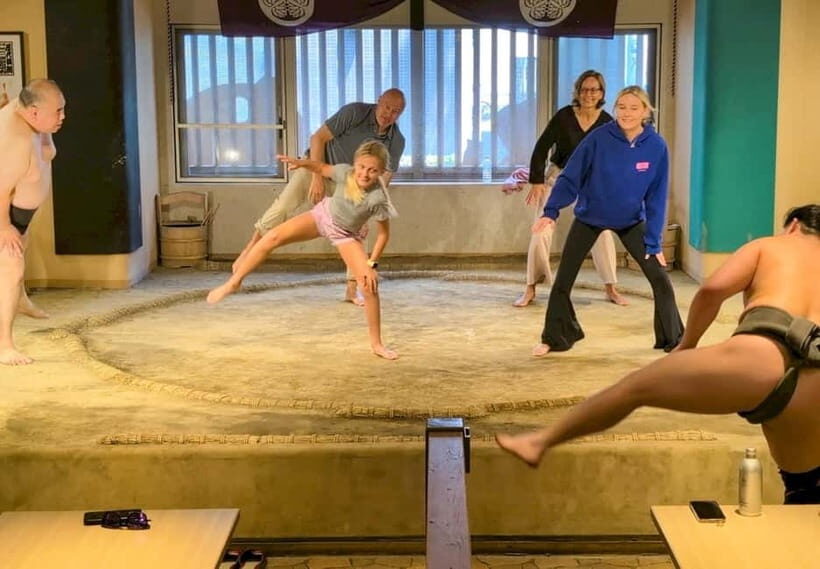
In Ryogoku, you get ring access and face former pros up close, with a bilingual MC turning old rituals into something you can actually use. I love the chance to learn real basics as a family (the footwork and leg stomps you see in sumo), and I especially like the built-in mini chanko nabe lunch, which keeps the whole morning from feeling like just a show. One thing to consider: if you’re expecting an official, full-schedule sumo tournament day, this is shorter and more hands-on than ceremonial observance.
You’ll still get the full drama: a fast exhibition match, then a chance to challenge a wrestler in the dohyo with padded equipment. Hosts like Yo, Rio, Alyssa, Alisa, and other English instructors keep the pace moving, and ex-pro wrestlers such as Kai and Ede (and others you may meet on the day) add humor plus skill. Main drawback for some families: the ring activities are physical, and volunteer challengers must be in good health, with children under 5 needing meal details handled by the booking rules.
In This Review
- Quick reasons this Ryogoku sumo session hits
- Ryogoku Ring Time: Why This Feels Different From a Typical Tokyo Tour
- Learning Shiko, Teppo, and Suri-ashi With Ex-Pros
- The Exhibition Match and Your Chance to Challenge in the Dohyo
- How the Training Stays Fun Yet Safe
- Mini Chanko Nabe Lunch: Comfort Food With Athlete Roots
- Price and Value: Why $60 Often Feels Reasonable Here
- Family-Friendly Notes: Kids, Photos, and What to Wear
- Getting There in Ryogoku: Meeting Point, Timing, and a Simple Plan
- Should You Book This Tokyo Sumo Workshop?
- FAQ
- What’s included in the workshop?
- How long is the experience?
- Can kids participate?
- Is the lunch vegan or allergy-friendly?
- Is there a halal guarantee?
- Is it physical and is the challenge required?
Quick reasons this Ryogoku sumo session hits
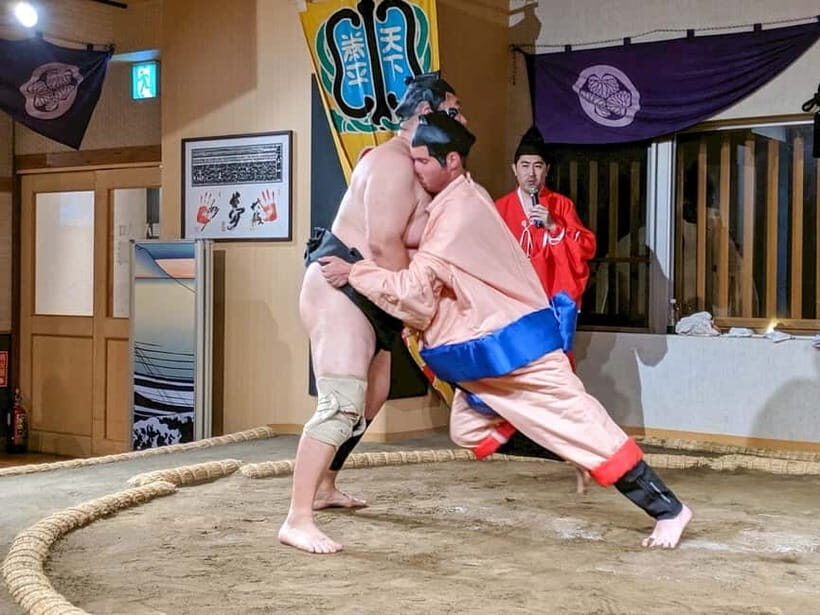
- Actual dohyo ring time with former professional wrestlers in Ryogoku
- Family drills you can name: shiko (leg stomps), teppo (forearm thrust), and suri-ashi (sliding footwork)
- A real exhibition match at full speed, plus a chance to challenge the pros
- Free photo time using your own camera or phone with wrestlers
- Chanko nabe lunch that fits the group, including vegan and allergy-friendly options on request
Ryogoku Ring Time: Why This Feels Different From a Typical Tokyo Tour
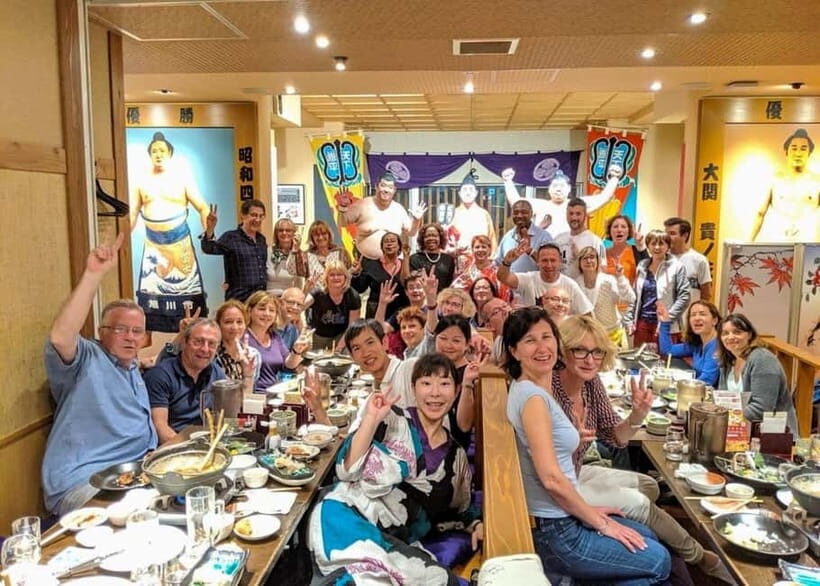
Ryogoku is where sumo belongs in Tokyo. This workshop is set up to make you feel that fact fast. Instead of watching from far away, you step into a ring space where you can hear the slap of contact, feel the seriousness of the rituals, and then jump right into training basics.
What I like is the balance between tradition and play. The MC explains the meaning behind what you’re seeing, then you do the parts that matter. You’re not stuck in a long lecture, and you’re not only taking photos either. The structure makes it easy for families and groups to stay engaged.
One more practical win: you get a 105-minute morning plan that includes lunch. You won’t have to hunt down a meal after you’re done, and you can keep the rest of your day open for other Tokyo essentials.
A few more Tokyo tours and experiences worth a look


Learning Shiko, Teppo, and Suri-ashi With Ex-Pros
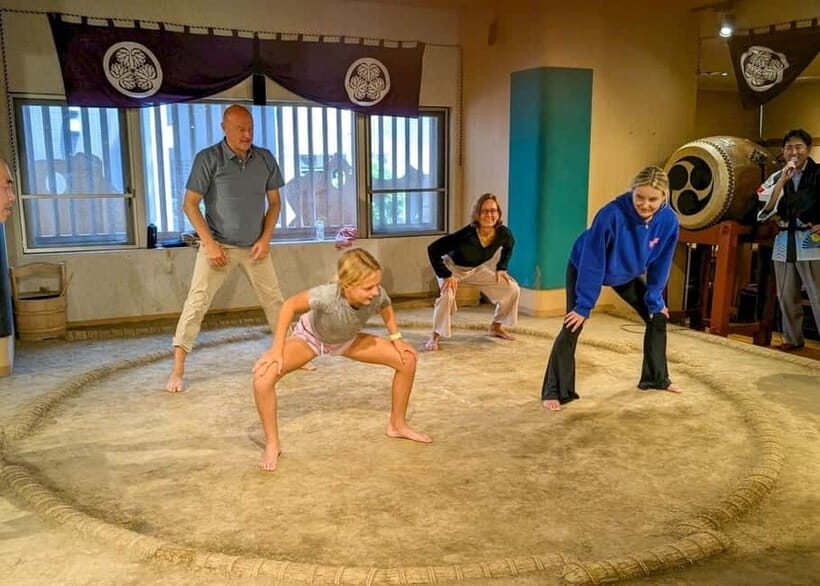
This is the part that turns sumo from TV into something physical. You start by stepping into the ring area and meeting the former pro wrestlers who guide the drills. Expect a clear, hands-on pace: watch a move, try a simplified version, then repeat until it clicks.
Here’s what you’ll work on:
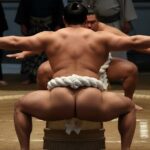
- Shiko: the signature leg stomps. It looks theatrical, but you’ll feel how grounded it makes you.
- Teppo: the forearm strike/thrust movement. It’s about control and direction, not just power.
- Suri-ashi: the sliding footwork. This is where you learn how wrestlers keep balance while moving in tight space.
The best part for most families is that you can participate at your comfort level. Ring drills are optional, and spectators can remain seated and film. So if your child wants to watch or you want calmer engagement first, you can still enjoy the training section without pressure.
And yes, the wrestlers keep it funny. Multiple sessions highlight that the pro athletes are interactive, which matters because sumo training can feel intimidating if you only see it from a distance. Here, it’s more like learning choreography from someone who’s done it for real.
The Exhibition Match and Your Chance to Challenge in the Dohyo
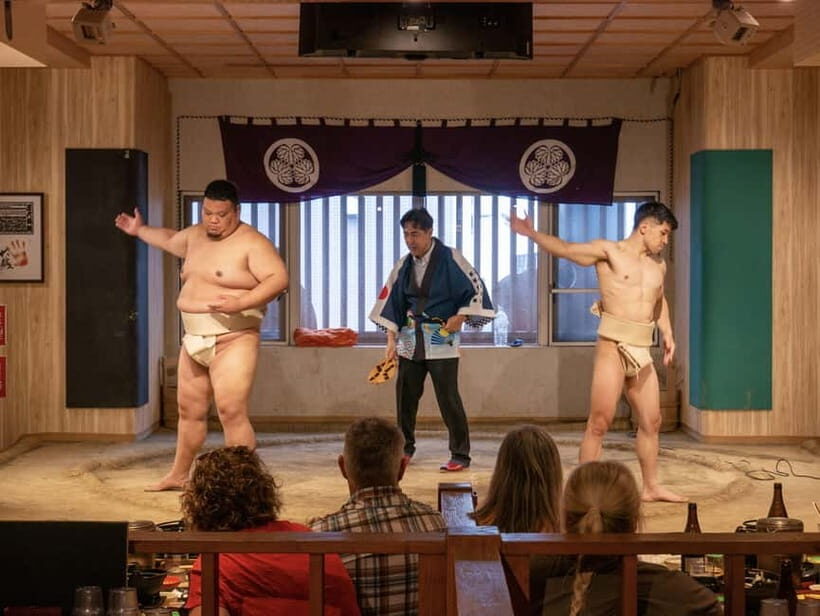
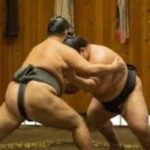
After the drills, the pace shifts into a full-speed exhibition match. This is where you see what the training is preparing you for. The movement is faster, contact is heavier, and the wrestlers show why sumo isn’t just strength. It’s timing, balance, and foot placement.
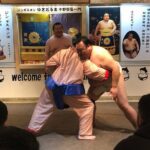
Then comes the moment a lot of people remember: challenging a wrestler in the ring. You’ll have padded training equipment for safety. The goal isn’t to beat a 160kg giant of course. It’s to feel what that kind of force does when you push into real resistance.
This part is also why the workshop works as a family activity. Parents and kids get to share the same wow moment. Even if only some people step in, everyone gets the story afterward because you can literally see who tried what and how it went.
If you’re bringing younger kids, plan for them to participate in the way that fits their energy. The event is designed so not everyone needs to fight to enjoy the show.
How the Training Stays Fun Yet Safe
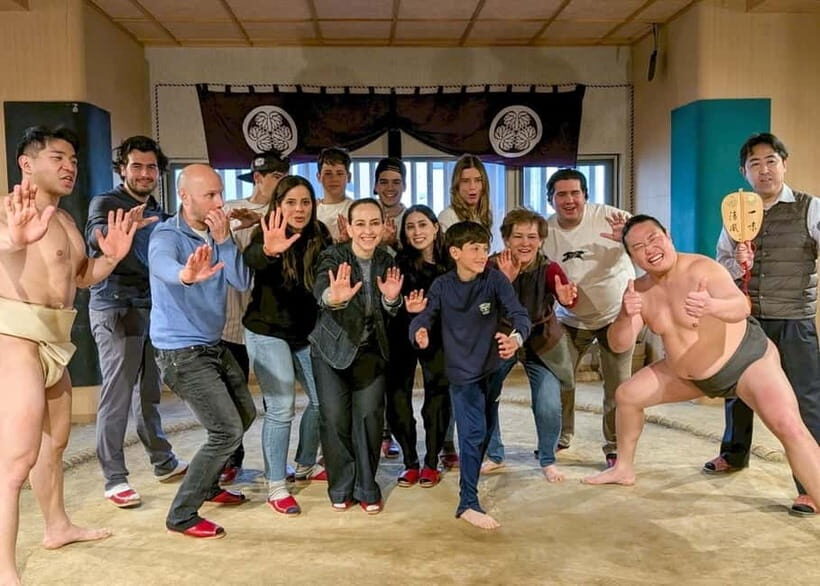
Sumo looks simple until you try it. That’s why guidance matters. You don’t just run in and freestyle. The pros demonstrate, then help you attempt the basics. Even the challenge segment uses padded gear to keep it silly and controlled.
A few safety and comfort notes that you should take seriously:
- Volunteer challengers must be in good health.
- Loose sportswear helps, because you’ll be moving in and around the ring space.
- Shoes are removed once you’re in the ring area, so wear something you can slip into and out of easily.
Also, the challenge section is optional from a spectator perspective. If you’d rather film and cheer, you can. That makes this a good choice when different family members have different comfort levels with physical stuff.
Mini Chanko Nabe Lunch: Comfort Food With Athlete Roots
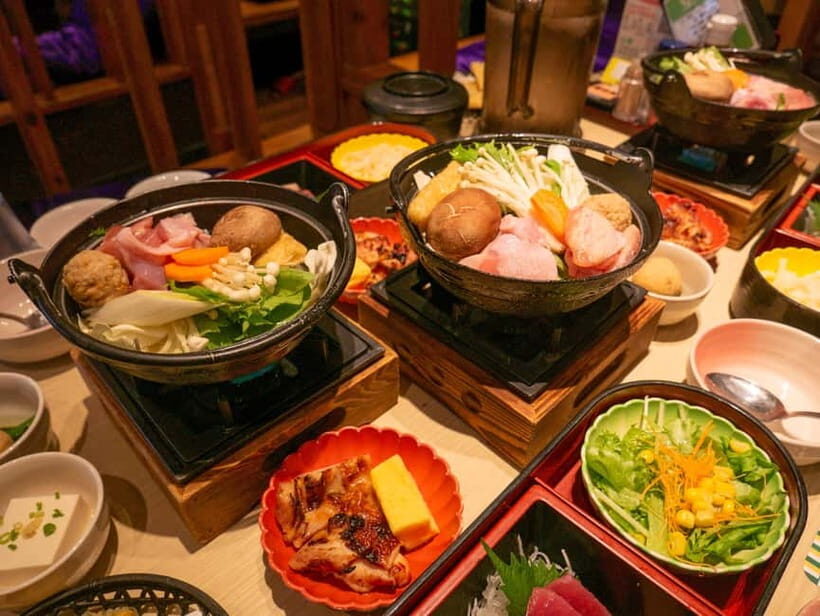
After the ring, lunch lands exactly when you want it. Chanko nabe is associated with sumo training diets, and here you get a mini hotpot lunch that’s filling without turning into a full meal marathon.
The flavor profile is classic comfort: a hot pot that brings together protein and vegetables. You’ll get a hearty bowl, and it’s enough that many people end up eating more slowly than planned because there’s just more food than you expect.
The practical advantage: they can do vegan and allergy-friendly options on request. You need to advise dietary needs at least 48 hours before the tour, and they can handle alternatives like vegan or allergy considerations so the whole group can eat together without splitting up.
Halal note: they don’t mention official halal certification. They can ensure no pork or alcohol is used, but they also state they can’t meet strict cross-contamination avoidance. If that’s a must for your family, you’ll want to think carefully before booking.
Bottom line: the lunch isn’t an afterthought. It’s part of the sumo story, and it gives you a satisfying closing to the morning.
A few more Tokyo tours and experiences worth a look
Price and Value: Why $60 Often Feels Reasonable Here
$60 per person is not nothing, especially in Tokyo where you can find cheaper attractions. The value comes from the mix of what you receive.
You’re paying for:
- Ring access (not a viewing gallery experience)
- Former professional wrestlers guiding you and performing
- Interactive drills and audience challenges with equipment
- A full stop-and-eat lunch included with the session
- Time for photos with the wrestlers using your own phone or camera
This is also a smart way to spend time if you want one standout activity rather than juggling multiple smaller tickets. The whole thing is designed to run in a tight 105-minute window, which makes it easier to plan than half-day tours.
If you’re on a budget, the best comparison isn’t another $20 museum ticket. It’s an experience ticket that includes instruction, performance, and food, all in one location.
Family-Friendly Notes: Kids, Photos, and What to Wear
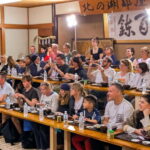
This workshop is a solid family pick, especially for kids who get bored by lectures. The structure keeps everyone in the action loop: watch, learn a drill, cheer the match, and then see who goes into the ring for the challenge.
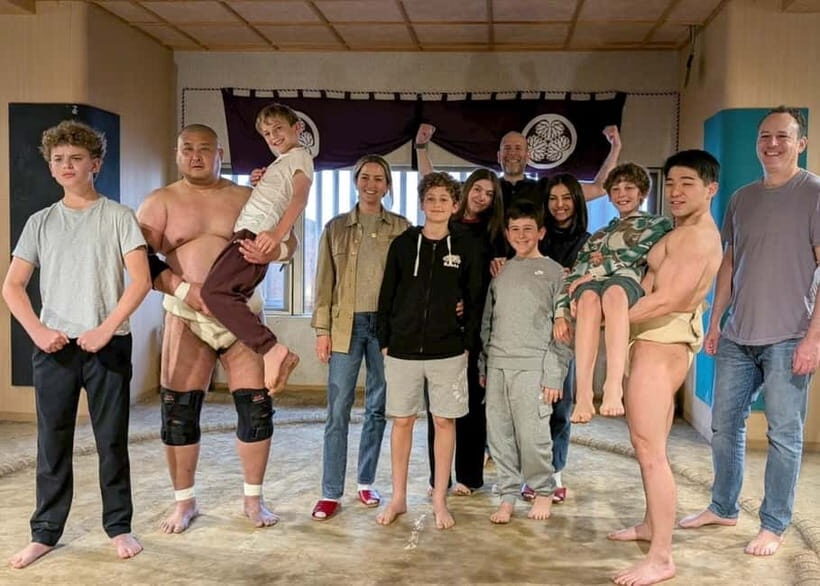
From the sessions described, kids generally enjoy the participation side, and parents like that the staff keeps it friendly and inclusive. There’s also a free photo moment, which means you don’t have to buy anything to remember the day.
Packing and clothing tips that actually matter:
- Bring loose sportswear you can move in.
- Expect no shoes in the ring area.
- Wear layers if you run cold easily, since you’ll be in an active room and then seated for lunch.
One more detail: booking rules around young children can affect whether lunch is provided. Children under 5 aren’t provided meals under the child rate, and if your child needs a meal, the booking rules say to book at the adult rate. If you’re traveling with kids, check ages carefully before you pay.
Getting There in Ryogoku: Meeting Point, Timing, and a Simple Plan
Transport isn’t included, so you’ll need to handle your own ride to Ryogoku. The meeting point is straightforward: meet in front of the face-in-hole photo board at the shop, and look for the guide holding a smartphone showing AlvaJapan.
Timing matters more than people expect. They ask you to wait outside and not enter until 10:00 AM. If you’re early, chill nearby; if you’re running late, don’t guess. Use the WhatsApp contact they provide if you get lost.
Also remember: ring activities are optional for those who want to watch and film. That means you can arrive with a plan for how your family wants to engage, rather than deciding on the spot.
Should You Book This Tokyo Sumo Workshop?
Book it if you want a short Tokyo experience that feels real: you’ll get ring access, hands-on sumo basics, a lively exhibition, and lunch that keeps everyone together. It’s especially worth it for families because the format works even when not every child wants to challenge the pros.
Don’t book it if your top priority is watching sumo in the full tournament style with long rounds of formal tradition. This is more training-and-participation than spectator-only.
If you’re deciding between this and another Tokyo morning activity, I’d lean toward this one when you want one memorable story from Japan that includes movement, photos, and a meal to close it out.
FAQ
What’s included in the workshop?
Admission to the sumo venue with ring access, former professional wrestlers with English/Japanese commentary, interactive training (including padded suit challenge equipment), mini chanko hotpot lunch, and free photo time with the wrestlers.
How long is the experience?
It runs about 105 minutes total.
Can kids participate?
Children can join the experience, and ring drills are optional for those who would rather watch and film. There are specific booking and meal rules for children under 5 and child age rates, so check ages carefully when you book.
Is the lunch vegan or allergy-friendly?
Vegan and allergy-friendly lunch options are available on request if you advise them at least 48 hours before the tour. Strict cross-contamination avoidance isn’t guaranteed.
Is there a halal guarantee?
They do not state official halal certification. They can ensure no pork or alcohol is used, but they also note they cannot provide for strict cross-contamination avoidance.
Is it physical and is the challenge required?
The training and challenge are optional from a spectator standpoint. If you want to be a volunteer challenger, you need to be in good health, and you’ll use padded equipment.