REVIEW · TOKYO
Private Car Tour to Mt. Fuji Lake Kawaguchiko or Hakone
Book on Viator →Operated by Japan Star Travel Agency · Bookable on Viator
Mt. Fuji looks different when you chase it smart. This private day trip puts you on the most famous viewing angles around Mt. Fuji and Lake Kawaguchiko—or, if you prefer, shifts the day to Hakone with ropeway views, volcanic Owakudani, and a Lake Ashi cruise. It’s built around a car-first plan, so you spend less time wrestling trains and more time where the photos (and culture) actually happen.
I really like two things here. First, you’re not stuck in a rigid bus schedule; the day is fully customizable, with help from your guide to pick the best stops for your interests. Second, the guides are local Japanese staff who bring context you can’t get from a phone audio app—things like why the shrines matter, what the World Heritage Center teaches, and how the mountain’s traditions connect to what you see up close.
One drawback to plan for: weather. If clouds roll in, Mt. Fuji can hide fast, and the tour notes that the schedule may still run even when some spots aren’t fully visible. Add in Tokyo-to-country traffic on weekends, and you’ll want a calm, flexible mindset for a long day.
In This Review
- Key things that make this tour work
- What a private Tokyo car day really buys you
- Fuji viewpoint circuit: Arakura Fuji Sengen Shrine and the pagoda shots
- Lake Kawaguchiko icons: Oishi terrace, lavender park, and old-house village
- Ropeway views and Aokigahara caves: quick adventure between big stops
- 5th Station reality check: the toll, the time cost, and seasonal closures
- When Mt. Fuji hides: how guides handle clouds and how you should too
- Yamanashi season tricks: flowers, fruit, sake, and even snow/ski
- If you choose Hakone instead: ropeway, Owakudani, torii, and Lake Ashi cruising
- Price and logistics: what $1,286.89 is buying you
- Who should book this, and who should skip it
- Should you book this private Mt. Fuji Lake Kawaguchiko or Hakone day?
- FAQ
- How much does the tour cost?
- How long is the private tour?
- What’s included in the price?
- Are tickets, lunch, or hot spring fees included?
- Can I customize which stops we visit?
- Is Mt. Fuji 5th Station included?
- Do guides speak multiple languages?
- What happens with weather or cancellation?
Key things that make this tour work
- Private pickup + air-conditioned minivan: You start and end in Tokyo with round-trip transportation, which is a big deal when you’re doing multiple scenic areas in one day.
- A guide who can reshape the plan: In feedback, guides like Ken and Hiroko are praised for adjusting the route based on conditions so you don’t just “show up and hope.”
- Real cultural stops, not only photos: Shrines tied to Fuji’s worship and a World Heritage learning stop give the day meaning, not just scenery.
- Optional adventure breaks: Aokigahara cave stops (Ice Cave, Wind Cave, Bat Cave) and short ropeway rides break up viewpoint time nicely.
- Seasonal adds in Yamanashi: Flower fields, strawberries, sake tasting, and even snow/ski options show up depending on when you go.
- Hakone is a full second storyline: If you choose Hakone, you get ropeway views, Owakudani volcano sites, torii at Hakone Shrine, and Lake Ashi cruises.
What a private Tokyo car day really buys you
This is a group tour, but it’s still private in the best sense: only your group rides along. Pricing is per group (up to 8), so the value can swing depending on your headcount. You’re paying for three things together: door-to-door pickup, a professional guide in your language, and a driver who handles the roads without you micromanaging every turn.
The tour includes round-trip transport by air-conditioned minivan plus hotel pickup/drop-off. You also get one bottled water per person and a mobile ticket (useful when you’re moving quickly between sights). The guide support matters most when you’re choosing among many possible stops—because this day can easily become either “too much” or “just right,” based on what you pick.
Two planning realities from the tour info: entrance fees and lunch aren’t included, and the schedule may shift because of weather or traffic. Also, the tour specifically notes it won’t be cancelled or refunded if some spots aren’t fully visible due to weather. In other words: you’ll still go, but visibility isn’t guaranteed.
You can also read our reviews of more private tours in Tokyo


Fuji viewpoint circuit: Arakura Fuji Sengen Shrine and the pagoda shots
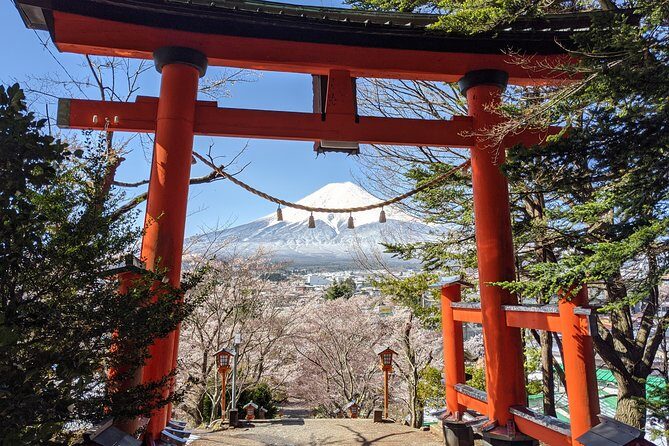
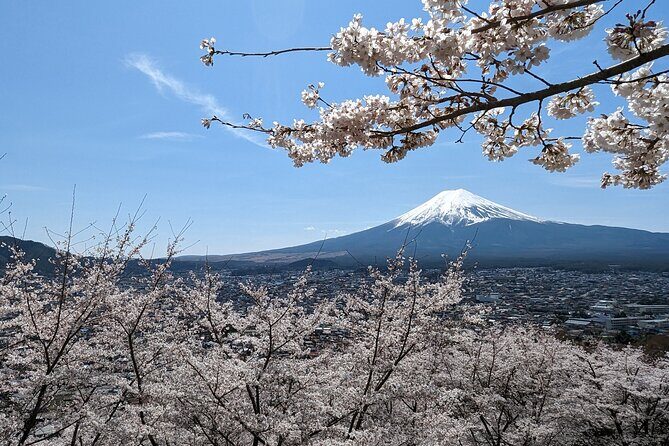
If you want iconic Mt. Fuji angles without spending the day guessing where the best photos happen, this is where the tour begins. The day’s core is the Arakura area, centered on Arakura Fuji Sengen Shrine, known for Fuji symbolism and its famous pagoda view.
Here’s what makes this stop worth your time:
- You’re positioned for the classic shrine + pagoda composition that many people travel to Japan specifically for.
- You get short blocks of time at Chureito Pagoda and Arakurayama Sengen Park, which are basically photo-focused checkpoints.
- Admission is free at these shrine/park stops, so it’s pure time efficiency.
A practical tip: plan for quick “arrive, shoot, move” timing. Your guide can help you pick the best viewpoints inside the area based on the light and crowd levels. In real-world experience feedback, guides like Ken are praised for getting you to key view points early enough to have options if clouds build.
Between these viewpoints you’ll also hit the Mt. Fuji World Heritage Center, which is less about a photo and more about context. Expect a video and learning about local rituals connected to Fuji. It’s a nice break when you want the day to feel cultural, not only visual.
Lake Kawaguchiko icons: Oishi terrace, lavender park, and old-house village
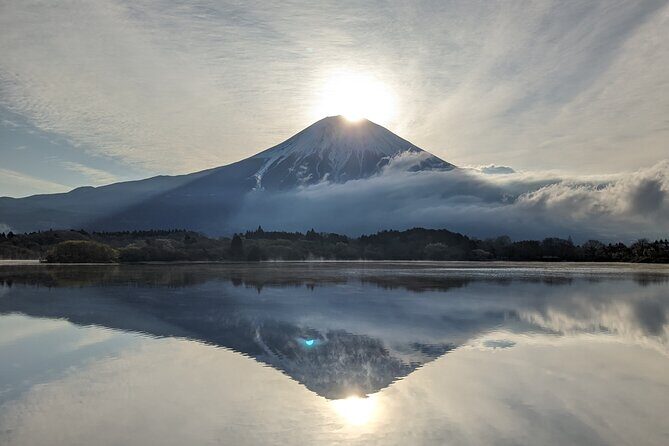
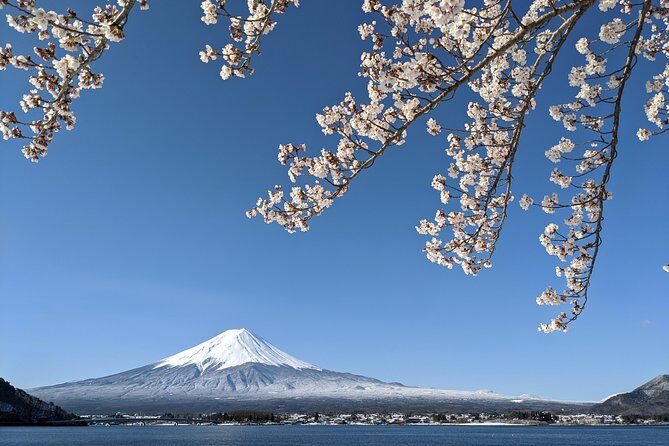
Once you move from shrine viewpoints to the lakeside zone, the trip becomes more “slow and Japanese.” Lake Kawaguchiko is where you’ll likely spend the most time depending on your selected stops, because it concentrates many different styles of experiences close together.
If you include Fuji Oishi Hana Terrace and Oishi Park, you’re doing two things at once: shopping/souvenirs and seasonal gardens. Oishi Park is known for having many different flowers through the year and is especially noted for its lavender. This is also a good area for a rest after parking-and-walk viewpoints earlier in the day.
A standout optional stop here is Saiko Iyashi no Sato Nemba. It’s an old Japanese village setting with straw-roof houses and craft-focused atmosphere. You can even reserve rental kimonos or samurai-style armor to dress the part—great if your group wants something more playful than another viewpoint.
Other Kawaguchiko-side options you might add, depending on your interests:
- Oshino Hakkai: eight ponds fed by Mt. Fuji snowmelt, tied to the World Heritage Fujisan Cultural Site. It also has food and shopping around it.
- Oshino Shinobi no Sato: a ninja show with rental ninja costumes. This is the kind of stop that can quietly win over families with kids.
- Kawaguchiko Music Forest Museum: a European-style theme space focused on old automatic musical instruments, plus seasonal flowers. It’s not for everyone, but if your group likes music details, it’s memorable.
The value of these lakeside stops is pacing. You get variation: flowers, crafts, small cultural scenes, and photo backdrops—all without the day becoming one long climb.
Ropeway views and Aokigahara caves: quick adventure between big stops
When you want something different from the shrine-and-lake rhythm, the tour offers cave visits in the Aokigahara forest area: Narusawa Ice Cave, Fugaku Wind Cave, and Saiko Bat Cave. These are timed to be short—roughly 15 to 30 minutes each—so they can fit without swallowing the day.
What I like about these stops for planning is how they change the texture of your memories. You go from open-air Fuji compositions to a darker, cool, “how did this form” kind of experience. Also, since these are short, you can pick just one or two if you’d rather save energy.
If you add Mt. Fuji Panoramic Ropeway, you get another fast viewpoint option. The ride places you above Lake Kawaguchiko and is timed around 30 to 90 minutes depending on queue. It’s a good “big view, low effort” choice when your group doesn’t want a long hike.
Practical caution: keep your expectations realistic. Caves and ropeways are weather-independent in a way that outdoor viewpoints sometimes aren’t, which can actually be comforting if Fuji is hiding behind cloud layers.
5th Station reality check: the toll, the time cost, and seasonal closures
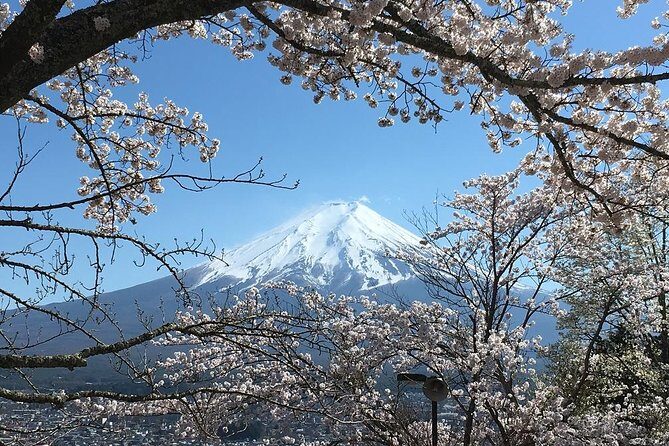
The tour lists a 5th Station option, described as the closest point to the summit you can reach by car, at about 2,300 meters. This is where planning matters, because details cost time and money.
- You need to pay a toll fee of 2,100 yen on the spot (not included).
- The activity typically takes about 2 hours.
- Access is closed from July to mid-September (climbing season for climbers) and also in winter.
So, if you’re traveling during shoulder seasons when it’s open, it can be a big “we actually went high” moment. But if your dates fall into closures, or if your group wants maximum view chances around lakeside viewpoints, your guide can help you decide whether the time trade makes sense.
In short: 5th Station is a worthy goal when it’s available, but don’t treat it like a guaranteed win. It’s one tool for the day, not the whole day.
A few more Tokyo tours and experiences worth a look
When Mt. Fuji hides: how guides handle clouds and how you should too
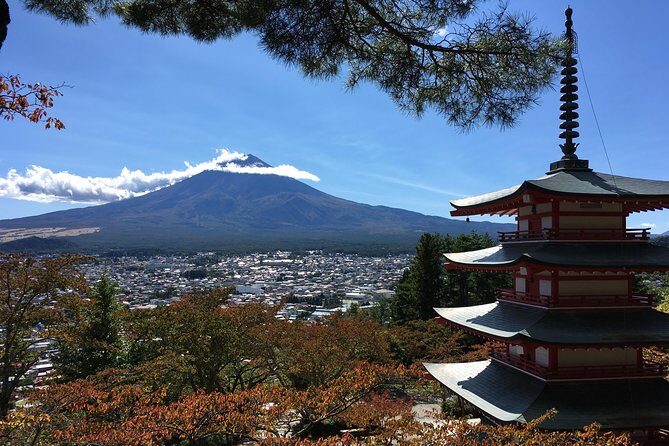
Mt. Fuji visibility is famously unpredictable. That’s why this tour emphasizes flexible selection and on-the-ground decisions. Your schedule may still run even if some spots aren’t fully visible, and your tour notes explain that weather can impact what you see.
In feedback from real trips, guides like Ken are credited with route adjustment—getting Mt. Fuji-focused stops done early enough to improve the odds before the mountain vanishes behind clouds. That’s the right approach.
For you, the smart move is mindset and clothing:
- Wear layers. Conditions near viewpoints can feel cooler or windier than you expect.
- Keep water and snacks in mind, since lunch isn’t included.
- Expect the biggest stress point to be return traffic. One family described nearly four hours of drive time back into Tokyo on a holiday, even with a smooth plan overall.
If you go into the day expecting a mix of views and learning—and not only a perfect Fuji photo—you’ll enjoy it more.
Yamanashi season tricks: flowers, fruit, sake, and even snow/ski
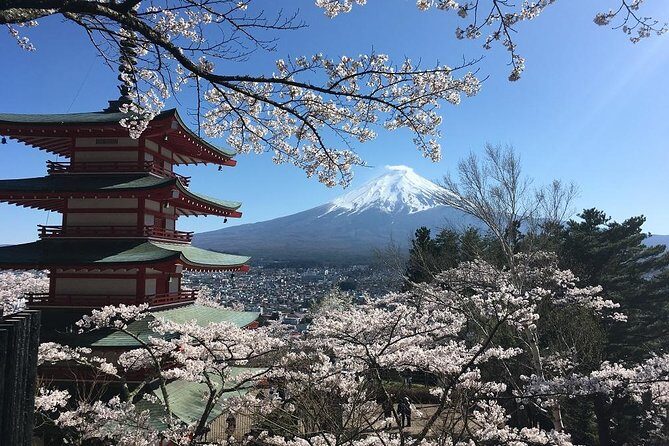
A big part of the tour’s appeal is that it doesn’t treat Fuji as a one-season photo. Depending on when you travel, you can add food and seasonal experiences around Yamanashi prefecture.
Some options listed include:
- Shibazakura (moss phlox) around mid-April to end of May at the Fuji Motosu resort—timed for a very photogenic bloom season.
- Fruit tasting: Yamanashi is described as the kingdom of fruits, with seasonal produce like strawberries, cherries, peaches, and Shine Muscat. The tour notes reservations are needed for some fruit experiences, so ask your guide early.
- All-you-can-eat sweet Japanese strawberries for about 30 minutes (time-limited, but fun).
- Sake at Ide Sake Brewery using Mt. Fuji snowmelt water: tasting or a guided tour, but the guided tour is reservation-based and scheduled from 3 pm in the information provided.
- Over 80 wineries in Yamanashi: you just need to tell the team if you want to add a visit and tasting.
And then there’s the bold seasonal option: snow and ski on Mt. Fuji for about 1 to 2 hours, with an easy course listed for beginners and rentals (ski, snowboard, sled) available depending on your requests.
The practical takeaway: if you want this day to feel like a “seasonal festival,” tell your guide what you love—flowers, fruit, or active fun—and they’ll steer your selection.
If you choose Hakone instead: ropeway, Owakudani, torii, and Lake Ashi cruising
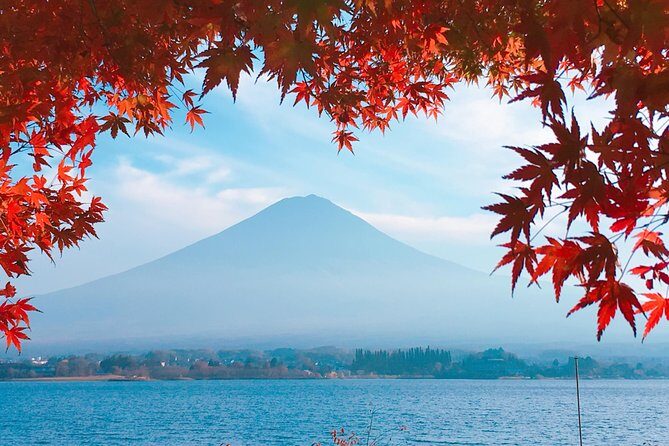
This experience isn’t only Mt. Fuji. It also includes an alternate storyline that’s very different: Hakone. If your group prefers hot springs, volcanic views, and lake cruising, the Hakone route can be the better fit.
Hakone highlights you can add include:
- Hakone Ropeway: a viewpoint-focused ride (with timing that depends on queue). It’s especially good if you want airborne views of Mt. Fuji in the Hakone area.
- Owaku-dani Valley: volcanic activity and the famous black eggs experience, plus views on clear days.
- Hakone Shrine / Kuzuryu Shrine: a powerful shrine area built about 1,260 years ago, and known for a very Instagrammable torii gate (as described in the tour info).
- Hakone Open-Air Museum: outdoor sculptures and lots of photo-friendly spaces.
- Lake Ashi sightseeing cruise: you can choose the pirate ship option for the famous look, or the regular cruise ship if your group would rather avoid crowd energy.
Other Hakone add-ons listed include Odawara Castle (with samurai armor and swords in the museum), Hakone Sekisho and its museum (Edo period checkpoint and samurai duty context), Onshi Hakone Park (Imperial family garden history and seasonal cherry blossoms/red maples), and Mishima Skywalk (Japan’s longest suspended pedestrian bridge, with Mt. Fuji expected on clear days).
If you like art stops, the tour also lists several museum and craft-style options, including a large masterpieces collection in Atami, glass art events, and a samurai weapon museum with the chance to try real armor for photos.
Bottom line: Hakone is for you if you want a day that mixes nature drama (volcano and lake) with Edo-era storytelling and an easy cruising rhythm.
Price and logistics: what $1,286.89 is buying you
This tour costs $1,286.89 per group for up to 8 people, and it’s often booked around 62 days in advance. Duration is 10 to 11 hours.
Here’s the value math that matters: if you fill the van with a group, the per-person cost drops a lot. If it’s just two people, it’s more expensive per head—but you’re still paying for the guide plus private transport plus time savings versus piecing it together on your own.
Also note what’s not included:
- Entrance fees
- Food and drinks, including lunch
- Mt. Fuji 5th Station (and the toll fee is listed as an on-the-spot payment)
- Gratuity is suggested at 5 to 20% but not included
One detail that’s easy to overlook: the tour states the price remains the same with or without the vehicle. That implies you’re paying for the service level and guide, not only the car.
So yes, it costs real money. But it can be smart money if you want a guide-led day that hits the right spots without turning into an exhausting navigation project.
Who should book this, and who should skip it
This tour is a great fit if:
- You want a private guide who can tailor the day and help you choose among lots of possible stops.
- Your group includes mixed ages (kids, grandparents, everyone in between), because the stop durations are typically short and adjustable.
- You care about both iconic sights (Fuji shrines, lakes) and less-straightforward experiences (Aokigahara caves, ninja village, music instruments).
You might want to look elsewhere if:
- You hate long car days. It’s 10 to 11 hours, and traffic can stretch the ride time.
- Your schedule is so tight that you can’t handle the possibility of clouds reducing Fuji visibility.
Should you book this private Mt. Fuji Lake Kawaguchiko or Hakone day?
If your priority is seeing more than the usual highlights while avoiding transit stress, I’d book it—especially for families and groups up to 8. The biggest advantage is the control: you’re not trapped. You can build a day from viewpoints, lakeside culture, and seasonal fun, or switch to Hakone’s volcanic and lake story.
Before you pay, do two things:
1) Pick your 4 to 6 priorities early so your guide can build a sensible route.
2) Ask what to do if Fuji is cloudy on your date—because the tour notes visibility can change, and the best guides plan for that reality.
If you go in with flexibility and a “good day, not just perfect photos” attitude, this is the kind of day you’ll remember in full color, not just as a single mountain shot.
FAQ
How much does the tour cost?
The price is $1,286.89 per group, up to 8 people.
How long is the private tour?
It’s about 10 to 11 hours.
What’s included in the price?
Hotel pickup and drop-off, round-trip private transportation by air-conditioned minivan, a private guide (English, French, Spanish, Chinese, Korean professional guides available), and one bottled water per person.
Are tickets, lunch, or hot spring fees included?
No. Entrance fees (hot spring, museums, and other admissions), food and drinks, and lunch are not included.
Can I customize which stops we visit?
Yes. The plan is presented as a list of possible sites, and you select around 4 to 6 sites. You can ask for advice after booking.
Is Mt. Fuji 5th Station included?
No. Access to the 5th Station is listed as an optional activity, and you would need to pay a toll fee of 2,100 yen on the spot. It’s closed from July to mid-September and also in winter.
Do guides speak multiple languages?
Yes. The tour lists professional guides available in English, French, Spanish, Chinese, and Korean.
What happens with weather or cancellation?
The tour requires good weather. If the experience is cancelled due to poor weather, you’ll be offered a different date or a full refund. The tour also notes the schedule may change due to weather or traffic, and it will not be cancelled or refunded if some spots aren’t fully visible due to weather.