REVIEW · TOKYO
Tokyo Private Sightseeing Tour by Car- English speaking chauffeur
Book on Viator →Operated by Glocal Japan · Bookable on Viator
A private car through Tokyo saves time and stress fast. This tour is built for a smooth, first-day-friendly loop through icons like Senso-ji, the Skytree area, and Shibuya Crossing, with an English-speaking chauffeur who talks as you drive. I like the comfort of an air-conditioned vehicle and the fact that you get drop-offs at easy-access points. I also like that the itinerary can be adjusted on the fly. One thing to consider: this is not a walk-around guide at each site, so you’ll do some exploring on your own at the stops.
The payoff is simple: you avoid the mental load of routing trains and navigating transfers, and you still hit a lot of Tokyo in one day. In real life terms, it feels less like a “tour lecture” and more like a well-planned drive with helpful context and smart routing—especially with drivers like Lookman, Asi, John, and Adam mentioned by name in past bookings.
If your group likes a fast sampler day, this works well. If you want deep, stop-by-stop guiding while you’re on the ground, plan to ask your chauffeur lots of questions before you exit—or add a separate walking guide.
In This Review
- Key things to know before you go
- Why a private car is the smartest way to see Tokyo in one day
- The 9-hour loop: Tsukiji to Shibuya, with a classic Tokyo spread
- Stop 1: Tsukiji Outer Market (about 1 hour)
- Stop 2: Senso-ji Temple (about 1 hour)
- Stop 3: Imperial Palace (about 1 hour)
- Stop 4: Tokyo Skytree (about 1 hour; admission not included)
- Stop 5: Tokyo Tower (about 30 minutes; admission not included)
- Stop 6: Ginza (about 30 minutes)
- Stop 7: Takeshita Street (about 1 hour)
- Stop 8: Odaiba District (about 1 hour)
- Stop 9: Shibuya Crossing (about 30 minutes)
- Stop 10: Omotesando (about 30 minutes)
- How much time you actually get at each stop (and how to use it)
- Tickets, viewpoints, and what you should plan to pay for
- Drivers make or break the experience (names you’ll want to ask about)
- Comfort and crowd strategy you can feel in real life
- Price and value for a group up to 4
- Who this tour suits best (and who should look elsewhere)
- Should you book this Tokyo private car tour?
- FAQ
- How long is the Tokyo private sightseeing tour by car?
- What’s the group size for this private tour?
- Is pickup included?
- Does the tour include an English-speaking chauffeur?
- Is there a walking guide at each stop?
- Are admission tickets included for Tokyo Skytree and Tokyo Tower?
- What time does the tour start?
- Will I get mobile tickets?
- What is the cancellation policy?
Key things to know before you go
- Private car, not a group bus: only your group rides, in a sedan up to 4 people or a van for 5–9.
- In-car commentary, self-exploration at stops: the chauffeur provides intro info while you’re driving, then you explore during the stop time.
- Skyline tickets are on you: Tokyo Skytree and Tokyo Tower observation access isn’t included, so budget for that.
- Your driver can shape the day: multiple drivers are described as flexible, helpful with parking, and ready with suggestions (including lunch ideas like ramen).
- Weather can matter: the tour requires good weather, with a different date or a full refund if it’s canceled for poor conditions.
Why a private car is the smartest way to see Tokyo in one day
Tokyo can feel like a puzzle made of rails, stations, exits, and crowds. On a first visit, that can steal your energy. This private car approach keeps you moving with less friction. You get picked up, ride in an air-conditioned sedan/van, and let your chauffeur handle route timing and traffic decisions.
What I like most is how it fits travelers who want both structure and breathing room. You have a set flow of major stops, but you’re not locked into tiny, rigid time slots where you’re constantly rushing to catch the next thing. That matters because Tokyo attractions can be crowded, and walking can add up fast.
A second practical win: the driver can park and drop you at convenient points, which can be the difference between enjoying a place and wasting time figuring out where to walk once you’re out of the car. In past experiences, chauffeurs like John and Koda are credited with efficient navigation through traffic and crowd-heavy areas.
You can also read our reviews of more private tours in Tokyo


The 9-hour loop: Tsukiji to Shibuya, with a classic Tokyo spread
This is designed as a highlights route. Expect a day that mixes food streets, major temples, royal-history landmarks, skyline viewpoints, and the pop-culture/fashion zones Tokyo is famous for.
Stop 1: Tsukiji Outer Market (about 1 hour)
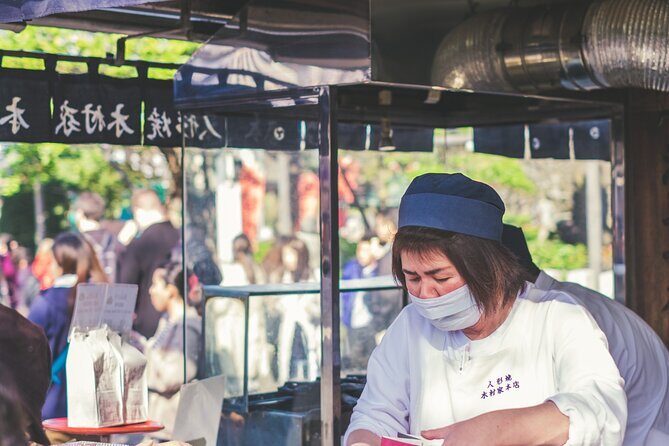
This is your “food town” moment. Tsukiji Outer Market is where you can browse a mix of wholesale and retail stalls, plus restaurants along the streets. The Outer Market vibe is part history, part snack-hunting, part modern Japan. If your group likes sampling small bites, this is the easiest place to do it without committing to one formal meal.
Practical tip: because you’ll also have shopping stops later, decide early if you want Tsukiji as pure browsing or as a lunch pickup.
Stop 2: Senso-ji Temple (about 1 hour)
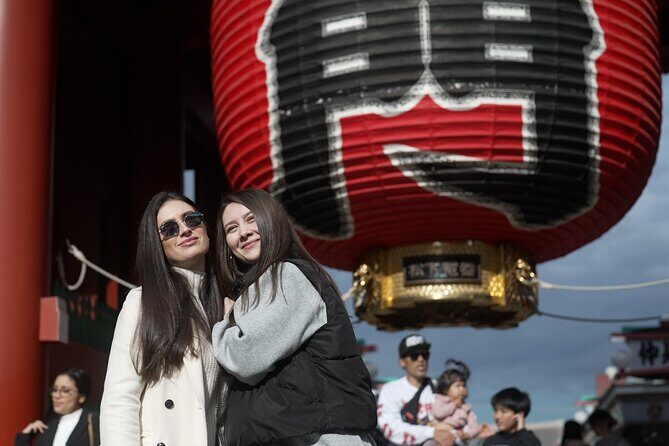
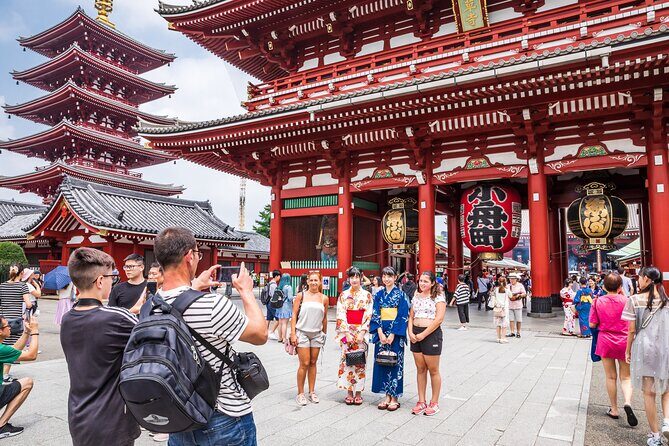
Senso-ji is described as an iconic, ancient Buddhist temple in Tokyo, with 20 million+ visitors and roughly 1,400 years of age. That’s the kind of scale that turns a simple visit into a sensory event. Give yourself enough time to walk the approach and take in the temple setting without trying to do everything at speed.
Here’s the tradeoff: it’s popular, so it can feel dense. Going earlier in the day helps, and your private transport keeps you from losing time.
Stop 3: Imperial Palace (about 1 hour)
The Imperial Palace served as the residential place for successive emperors since 1868, including the Imperial Residence and the Imperial Palace complex. This stop is less about shopping and more about grounding yourself in Tokyo’s modern center while seeing a place tied to Japan’s imperial history.
If you’ve only got one day, this stop does a good job of balancing the loud, crowded neighborhoods you’ll see later.
A few more Tokyo tours and experiences worth a look

Stop 4: Tokyo Skytree (about 1 hour; admission not included)
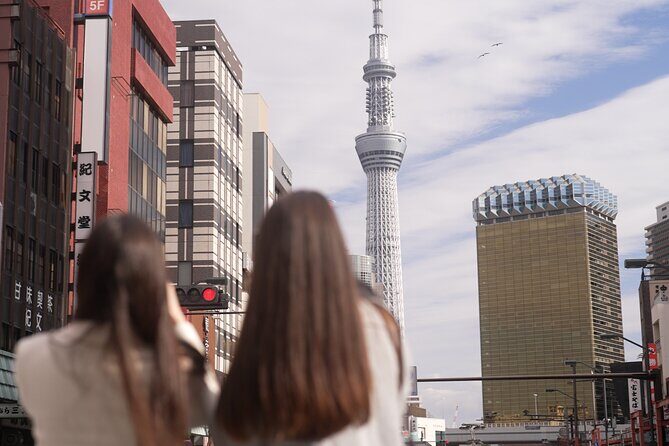
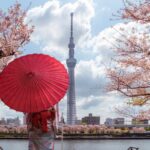
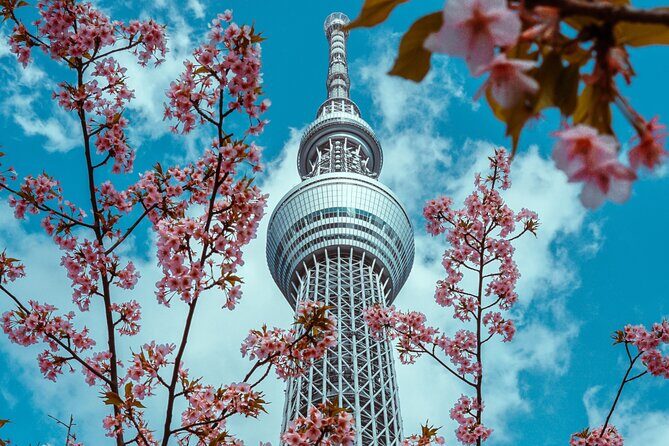
Skytree is the tallest freestanding tower in the world at 634 meters. It has enclosed observation decks at about 350 and 450 meters. This stop is a clear “Tokyo from above” payoff, and it’s also the one that can change the feel of your day depending on visibility.
Because observation access isn’t included, you’ll want to plan ahead so you’re not stuck figuring out tickets while the rest of your schedule ticks along. Some groups mention that drivers help with ticket guidance and timing.
Stop 5: Tokyo Tower (about 30 minutes; admission not included)
Tokyo Tower was built in 1958 and stands 333 meters tall. It’s described as a symbol of post-war recovery. This is a shorter stop than Skytree, and that makes sense: you’re getting the iconic viewpoint energy without turning the entire day into one long observation-deck session.
If you’re the type who already has a lot of photos from other cities’ towers, you may treat this as a quick “check the box” and move on.
Stop 6: Ginza (about 30 minutes)
Ginza is the upmarket shopping district. Think luxury brand shopping more than quirky local boutiques. The time here is short on purpose, so you’re not trapped in one expensive block for too long.
This is best for window-shopping, a quick browse, and maybe picking up small gifts.
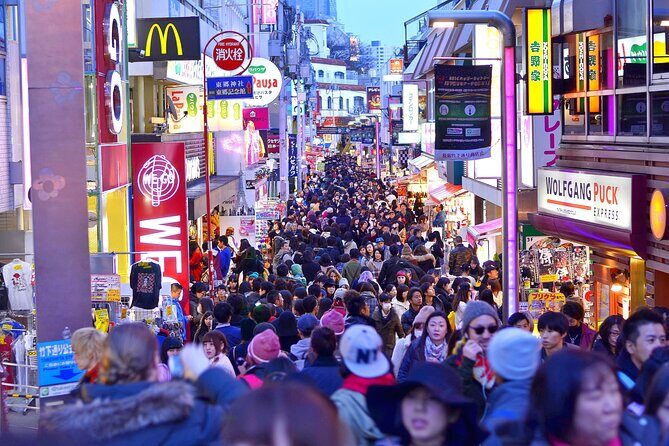
Stop 7: Takeshita Street (about 1 hour)
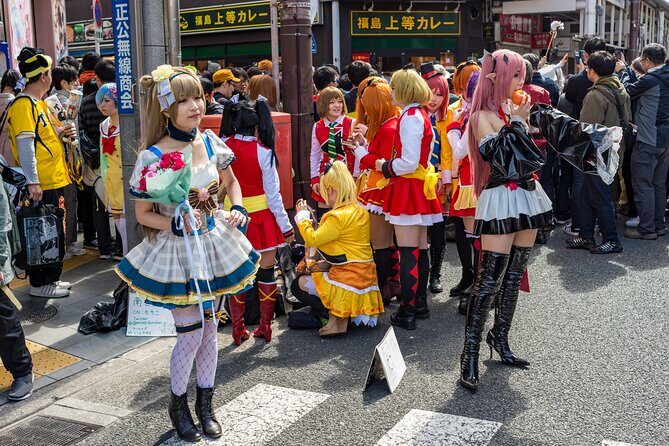
Takeshita-dori is 350 meters of Japanese pop culture. Expect youth-driven shops, colorful fashion and accessories, plus a strong sweets culture. If your group wants that playful, slightly chaotic Tokyo energy, this is the place for it.
One caution: it can be crowded and noisy. If your group wants photos, go slow and pause. If you’re shopping, bring a simple plan so you don’t lose 45 minutes inside one store.
Stop 8: Odaiba District (about 1 hour)
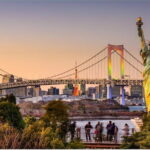
Odaiba is a man-made island in Tokyo Bay. It’s known for shopping, amusement facilities, parks, and a coastline feel. The itinerary notes it takes about 40 minutes by car to reach—so you’ll likely arrive ready to stretch your legs and walk a bit.
Odaiba is a nice change of pace after the dense temple and shopping zones earlier.
Stop 9: Shibuya Crossing (about 30 minutes)
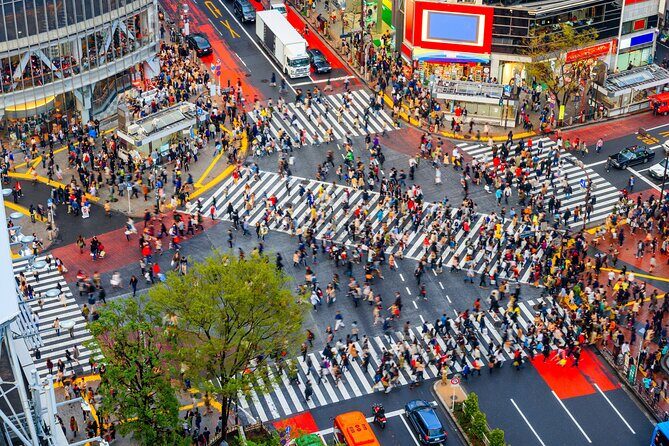
Shibuya Crossing is famous as the busiest intersection in the world. The area around it is packed with shops, restaurants, and nightlife energy. This is one of those “Tokyo movie scene” stops.
You’ll likely treat this as a timed photo-and-walk segment. Even with only 30 minutes, it’s enough to feel the scale and then keep moving.
Stop 10: Omotesando (about 30 minutes)
Omotesando is known as a cafe area in Tokyo. It’s also highlighted as a key early entry point when overseas coffee chains were considering Japan. In a schedule this packed, Omotesando works as a calm landing zone—coffee, a short sit, and people-watching.
How much time you actually get at each stop (and how to use it)
The total duration is about 9 hours. Stop times range from 30 minutes to around 1 hour, which means the day is structured but not lazy. This is the big benefit of private driving: you gain time by reducing travel friction, but you still need to treat each stop like a visit, not a whole-day hangout.
My advice: decide what each stop means to your group before you leave the car. For example:
- One photo goal per skyline stop (Skytree or Tower).
- One browsing goal per market or street (Tsukiji or Takeshita).
- One calm moment so the crowds don’t grind you down (Omotesando cafe time fits well).
Also, remember that the chauffeur provides introductory info in the vehicle, but at the stops you’re mostly on your own. That’s why how interactive your driver is can matter. One past booking called out a shy driver who still provided small bits of info without being chatty, while another booking criticized a driver who didn’t share much unless prompted. Either way, you can fix it: ask specific questions as you approach each location.
Tickets, viewpoints, and what you should plan to pay for
Two stops list admission as not included: Tokyo Skytree and Tokyo Tower. That’s a big deal for budgeting, because you don’t want your day to stall at the ticket counter when you could be enjoying the views.
Everything else listed is shown as free admission for the visit times (Tsukiji Outer Market, Senso-ji, Imperial Palace, Ginza, Takeshita Street, Odaiba, Shibuya Crossing, and Omotesando). That doesn’t mean “no cost,” but it does mean your main planned expense for attractions is mostly the observation decks.
One more factor: the tour requires good weather. If it’s canceled due to poor conditions, you’ll be offered another date or a full refund. For a skyline day, I’d treat this as real advice. Clear visibility makes those towers worth the ticket cost.
Drivers make or break the experience (names you’ll want to ask about)
This is a private service, so you’re putting a lot of your day in your chauffeur’s hands. The best experiences focus on two things: efficient navigation and helpful context.
Past drivers mentioned include:
- Lookman (described as super-nice, helpful, and good at finding parking)
- Asi/ASI (described as warm, friendly, and explaining things clearly)
- John (described as very knowledgeable and helpful with lunch suggestions)
- Adam (described as organized, flexible, and making adjustments)
- Koda (described as prompt, easy to understand, and skilled at navigating traffic)
- Jonny (described as super helpful and accommodating)
- Yannick (described as polite and prompt, sharing helpful information)
Notice the pattern. The day doesn’t just run on the route. It runs on how well the driver manages arrival points, parking, timing, and the small explanation moments that help you know what you’re seeing.
Also, flexibility shows up a lot in the better outcomes. One booking specifically noted that their group passed on Tokyo Tower because they were staying nearby, and chose to adjust to another stop. That’s the kind of benefit you can actively use if you have a personal priority.
Comfort and crowd strategy you can feel in real life
You’re in an air-conditioned vehicle for the long stretches between stops. That matters when Tokyo is hot, humid, or just crowded enough to drain you. The private setup also reduces walking time between locations compared to hopping between train lines with luggage, snacks, and energy.
Crowds are still part of the story at places like Senso-ji and Shibuya Crossing. The win is that you arrive when your car drops you at the right access point, instead of trying to route yourself through the sea of people.
One smart habit for the day: treat the car rides as your planning buffer. Use that time to:
- confirm the next meeting point for pick-up
- ask what to look for as you exit
- request a quick snack or bathroom stop if needed (only if your chauffeur can accommodate, of course)
Some chauffeurs have also helped with photo positioning. If photos matter to your group, mention it early, because it’s harder to solve once everyone is walking around.
Price and value for a group up to 4
The price is $268.61 per group (up to 4), for about 9 hours. That’s the core value math: you’re paying for a private vehicle plus a private English-speaking chauffeur, along with fuel/parking/toll fees.
If you split it four ways, it can work out to roughly $67 per person for the private day. That’s not pocket change, but in Tokyo it can compete well with the hidden costs of time, stress, and logistics—especially if your group includes people who don’t love public transportation on a tight schedule.
What to watch: observation deck tickets for Skytree and Tower are not included. Also, if you need pickup or drop-off at Haneda, Narita, or Yokohama, there’s an extra charge noted as ¥10,000 cash per booking. If you’re starting from a central hotel or meeting point, that extra can be avoidable.
Overall, this is strong value when you want maximum highlights coverage without living inside a subway timetable.
Who this tour suits best (and who should look elsewhere)
This tour fits best if you:
- want a first-time Tokyo highlights day
- prefer short walks over long self-guided journeys
- travel with family members, older relatives, or anyone who benefits from less transit hassle
- want an English-speaking chauffeur to handle the driving while you focus on enjoying stops
You might want a different setup if you:
- want a detailed, on-foot guide at every attraction
- plan to spend long, unstructured hours at just one neighborhood
- dislike paying separately for major observation deck tickets
If your priority is to cover a lot of iconic spots efficiently, this private car day is a great match.
Should you book this Tokyo private car tour?
I’d book it if you want a stress-reduced highlights day where the route makes sense and the logistics are handled. It’s especially worth it for groups of up to four, because the price is set per group, not per person.
Do book with eyes open on two points. First, you’ll do most on-site exploring yourself, so come with a short plan for what you want to see at each stop. Second, budget for Skytree and Tokyo Tower tickets, and pay attention to weather since the tour needs good conditions for the day to really deliver.
If you can, message your chauffeur ahead of time with your must-sees and any preferences (shopping vs. photos, temple time vs. skyline time). In past experiences, the drivers who adapt to the group tend to create the best days.
FAQ
How long is the Tokyo private sightseeing tour by car?
The tour runs for approximately 9 hours.
What’s the group size for this private tour?
It’s a private tour for your group only. A sedan fits up to 4 passengers, and a van fits 5–9 passengers.
Is pickup included?
Pickup is offered, but pickup or drop-off at Haneda, Narita, or Yokohama has an extra cash charge of ¥10,000 per booking.
Does the tour include an English-speaking chauffeur?
Yes. You’ll have a private English-speaking chauffeur.
Is there a walking guide at each stop?
A walking guide is excluded. The chauffeur provides introductory information in the vehicle while you’re driving.
Are admission tickets included for Tokyo Skytree and Tokyo Tower?
No. Admission for Tokyo Skytree and Tokyo Tower isn’t included, so you’ll need to handle those tickets separately.
What time does the tour start?
The start time is 9:00 am.
Will I get mobile tickets?
Yes, a mobile ticket is included.
What is the cancellation policy?
Free cancellation is available up to 24 hours in advance for a full refund. The tour also requires good weather; if it’s canceled due to poor weather, you’ll be offered another date or a full refund.