REVIEW · TOKYO
Tokyo: Meiji Shrine, Asakusa, Skytree Bus Tour and Cruise
Book on GetYourGuide →Operated by Japan Panoramic Tours · Bookable on GetYourGuide
Tokyo in ten hours needs stamina. This full-day coach loop hits Meiji Shrine, Asakusa, and the Tokyo Skytree Tembo Deck in one go, with a guide handling the timing while you focus on sights and photos. You’ll also get built-in context as you pass through places like Harajuku and Omotesando, so the neighborhoods start making sense fast.
I love the combo of a real matcha experience in Asakusa and a lunch that feels like Japan, not a tourist snack. Guides such as Aya, Sora, Hiro, and Lovely are the kind who keep the day moving without turning it into a blur, aided by multilingual audio headsets on the bus. The one trade-off: it’s a long day with a lot of walking, so wear shoes you can trust, especially if you’re counting steps.
In This Review
- Key highlights worth planning for
- Tokyo’s Big Hits, One Managed Coach Day
- Starting in Shinjuku and Settling In (Fast)
- Meiji Shrine: Forest Calm in the Middle of Tokyo
- From Harajuku Windows to Imperial Palace Edges
- Akihabara, Ueno, and Kappabashi: Tokyo’s Food and Gadget Streets
- Asakusa Nakamise: Your “Tokyo Postcard” Hour (Plus Food Time)
- Premium Matcha in Asakusa: What You’re Actually Paying For
- The Izakaya-Style Lunch Add-On (If You Select It)
- Tokyo Skytree Tembo Deck: The “Get It Over the City” View
- Odaiba and the Bay Cruise to Rainbow Bridge
- Tuesday Alternatives: Hamarikyu Garden or Fukagawa Edo Museum
- Walking, Timing, and When the Day Feels Tight
- How the Guide Makes This Tour Worth It
- Price and Value: Is $122 a Smart Use of One Tokyo Day?
- Who This Tour Is Best For
- Should You Book This Tokyo Highlights Tour?
- FAQ
- How long is the Tokyo tour, and where does it start?
- Is lunch included?
- What does the lunch include if I select it?
- What dietary options are available for lunch?
- Do I need to buy Tokyo Skytree tickets separately?
- How high is Tokyo Sky Tree Tembo Deck?
- Is the Tokyo Bay Cruise included every day?
- What happens if the cruise is canceled due to tide or maintenance?
- What languages are available for the audio headsets?
- Is the tour suitable for people with mobility impairments?
- Is there Wi-Fi on the bus?
Key highlights worth planning for
- Skip-the-line entry to the Tokyo Skytree Tembo Deck at 350 meters
- Meiji Jingu set inside a forested shrine approach that cools your head immediately
- Asakusa Nakamise photos at Kaminari-mon, plus matcha tasting options
- Izakaya-style lunch add-on featuring karaage and tofu sets (with set dietary options)
- Tokyo Bay Cruise to Rainbow Bridge on most days, with Tuesday and weather substitutions
- English live guide plus audio headsets in Spanish, French, Italian, German, Portuguese, and Ukrainian
Tokyo’s Big Hits, One Managed Coach Day
If your Tokyo days are short, this kind of tour is a practical lifehack. You get a tight route across the city with a professional guide, air-conditioning on the bus, and Wi-Fi to help you map the next stop later.
The real value is that it’s designed for flow. You’re not spending your precious morning figuring out trains, entrances, and timing while everyone else does the easy part.
You can also read our reviews of more boat tours in Tokyo

Starting in Shinjuku and Settling In (Fast)
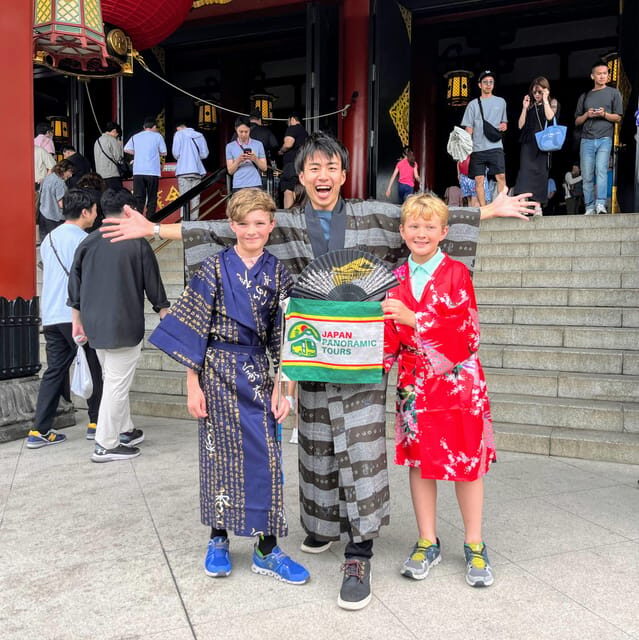
The day typically begins in central Tokyo, either around Matsuya Ginza or at the Love statue meeting spot in Shinjuku. From there, the coach moves through major districts so you get a visual overview without getting lost.
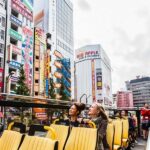
Even before you stop anywhere, the route is part of the experience. You’ll pass through areas like Kabukicho, and that helps you understand the Tokyo mix: neon streets nearby, then suddenly calmer lanes and major landmarks.
Meiji Shrine: Forest Calm in the Middle of Tokyo
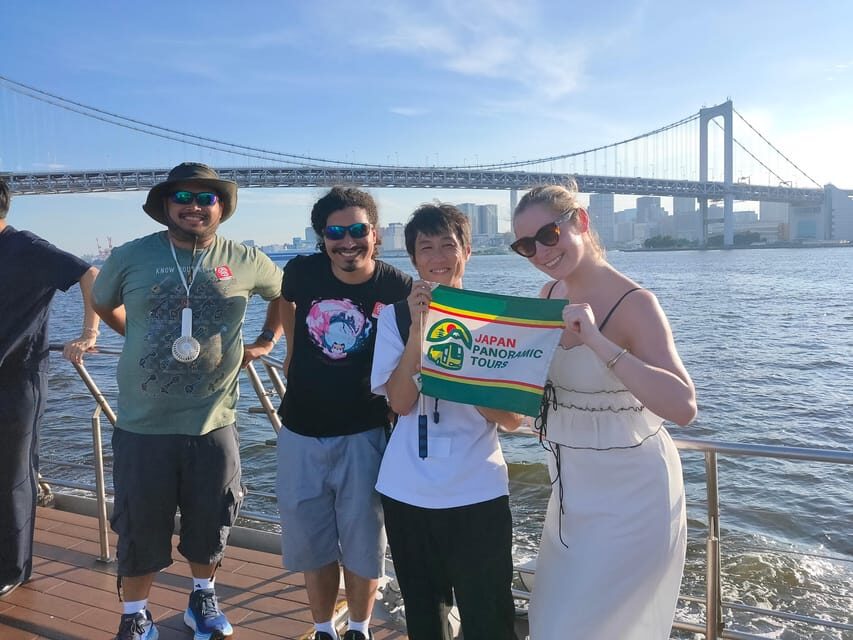
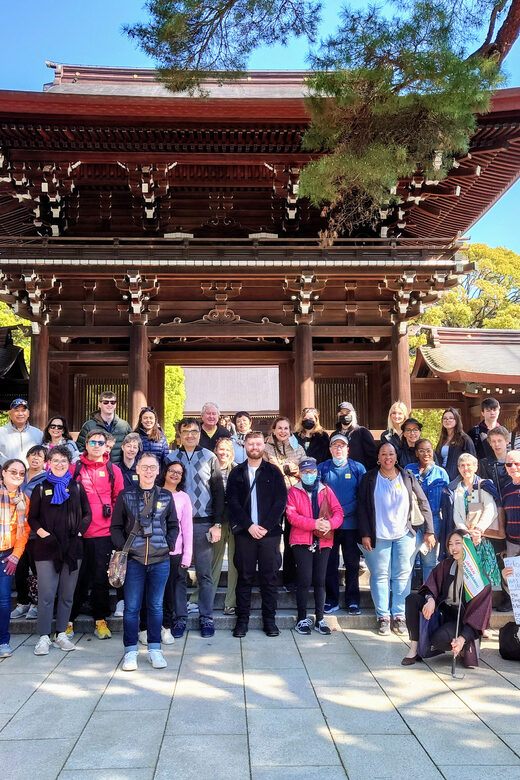
The morning stop is Meiji Jingu (Meiji Shrine), one of Japan’s best-known Shinto shrines. The approach is surrounded by trees, and it genuinely feels like you stepped away from traffic and crowds.
You’ll spend about an hour here, which is enough time to walk the main grounds, take the classic photos, and understand the basics of what you’re seeing. The guide’s narration matters, because it explains the shrine setting beyond just pointing at buildings.
A smart tip: arrive with your camera ready early. Once the group flow builds, it gets harder to pause without feeling rushed.
From Harajuku Windows to Imperial Palace Edges
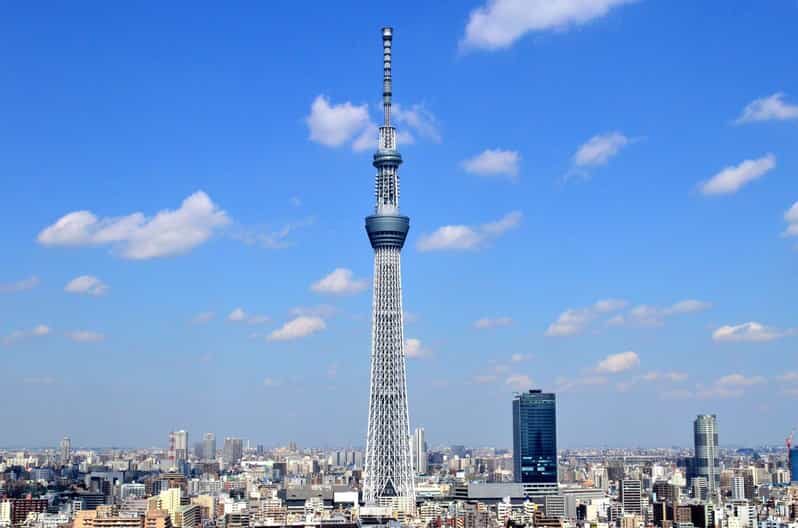
On the way through the city, you’ll get passes by Harajuku, Omotesando, and the National Diet Building area. These aren’t long stops, but they’re helpful for orientation if you want to explore on your own later.
Then you reach the Imperial Palace area for a quick look around. The tour either visits the East Garden or the Niju-bashi Bridge in the Outer Garden, depending on conditions. Either way, it’s a good reset after the shrine, because the vibe shifts from religious quiet to historical city structure.
Akihabara, Ueno, and Kappabashi: Tokyo’s Food and Gadget Streets
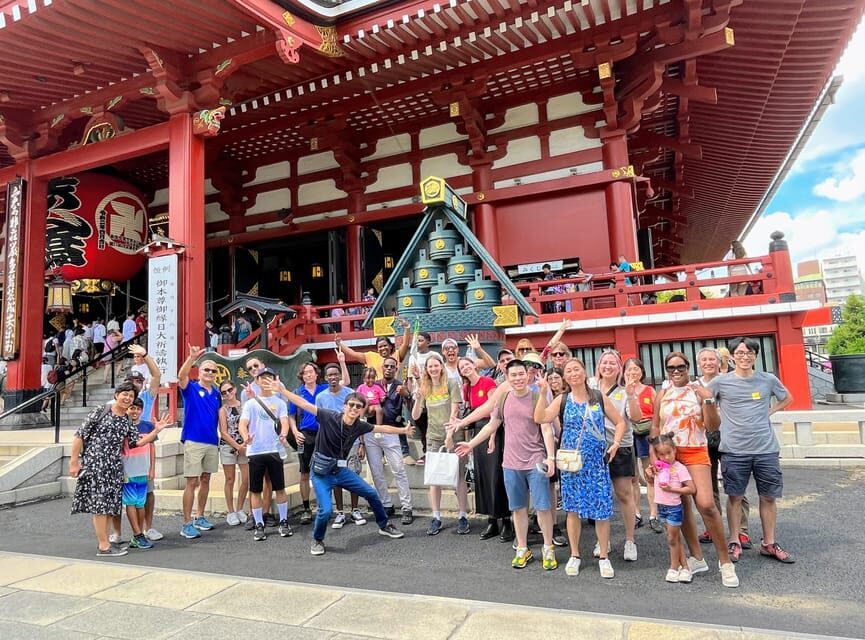
After the palace area, the coach drives through Akihabara and Ueno, then heads toward Kappa-bashi (the kitchen-focused shopping street). This stretch is great for browsing, even if you don’t plan to buy.
Look closely and you’ll see the appeal: knives, kitchen tools, and very real-looking food replica displays that look so convincing they almost trick you. The point of this stop is not shopping pressure. It’s a quick way to understand how Tokyo turns daily life into craft.



Asakusa Nakamise: Your “Tokyo Postcard” Hour (Plus Food Time)
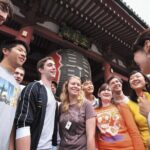
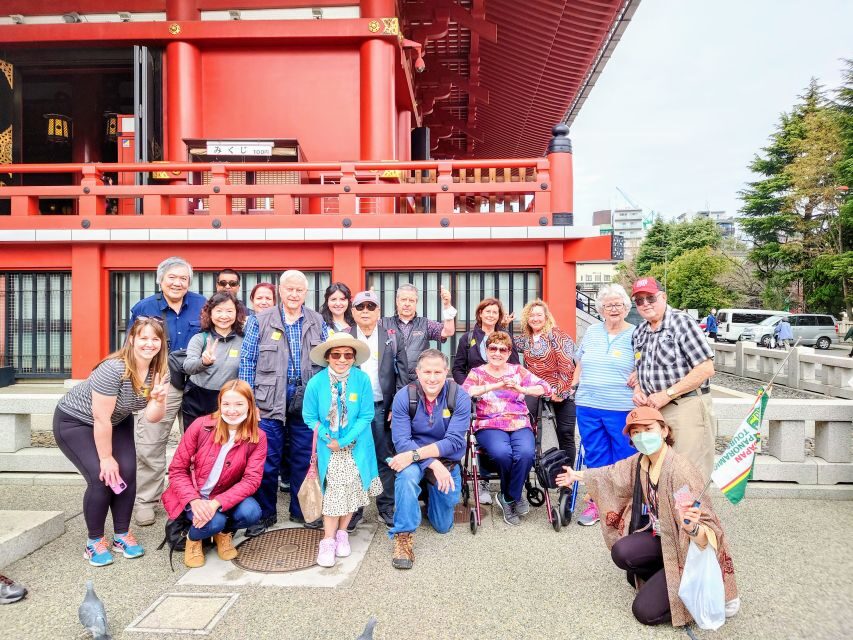
Asakusa is one of the easiest places to fall in love with, especially if you like street-level Tokyo. The tour stops at Nakamise Avenue and you’ll have time for photos at Kaminari-mon, the iconic red lantern gate.
You get an initial food tasting window first, then the chance to choose a lunch add-on. After that, there’s also free time, which is where you can slow down and wander at your own pace instead of following the group like a metronome.
If you want a successful Asakusa visit, plan to treat this as a “sample and orient” stop. You’ll likely learn where to return later for a deeper second visit.
Premium Matcha in Asakusa: What You’re Actually Paying For

This tour includes a matcha tasting option that’s meant to feel like more than a sweet break. The standard matcha experience uses Uji, Kyoto first-flush tea (the guide calls it Ichibancha) served as a non-bitter style labeled as premium matcha.
There are also alternative matcha options, such as sweet matcha gelato or matcha beer, depending on the selection. The point isn’t just caffeine. It’s tasting matcha in a way that helps you recognize quality and difference from the powdery stuff that shows up on shelves.
One practical note: the matcha store is listed as closed on May 14, and in that case the tour provides matcha souvenirs as a substitute for the in-store experience.
The Izakaya-Style Lunch Add-On (If You Select It)
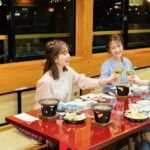
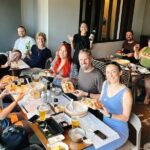
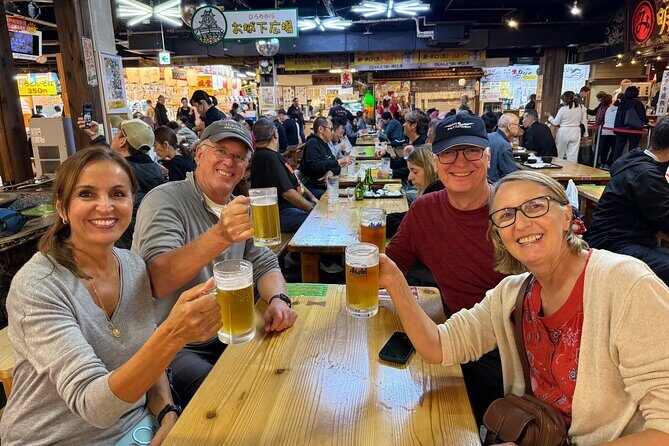
If you choose lunch, the tour includes an izakaya-style set meal in Asakusa. Expect a meal centered on karaage (Japanese fried chicken) and tofu sets, with locally produced soybeans used for the tofu.
It’s also diet-aware, but not fully flexible. Vegetarian and gluten-free meal options are offered, and you’re instructed to indicate your choice at booking time. For example, gluten-free is described as grilled chicken, rice, and tofu.
Important limits: the notes say no pork and no seafood, but dashi stock contains fish broth. Also, there are exclusions for serious allergies, and it specifically states that Muslim-friendly meals, lactose-free meals, and allergy-friendly meals aren’t available. If your dietary needs are complex, it’s safer to book without lunch rather than gamble.
Tokyo Skytree Tembo Deck: The “Get It Over the City” View
Then comes the big skyline payoff: Tokyo Skytree. You’ll go up to the Tembo Deck, listed at 350 meters, and you get skip-the-line admission for that observation deck.
This is one of those times where the tour’s structure matters. Skip-the-line isn’t just comfort; it’s time saved that lets you enjoy the view rather than waiting for it.
You’ll have about 1.5 hours at Sky Tree, which is enough for photos, a slow scan of the city grid, and a chance to orient yourself for future neighborhoods. If you’re only in Tokyo for a few days, this is the moment that helps you “read” the city afterward.
Odaiba and the Bay Cruise to Rainbow Bridge
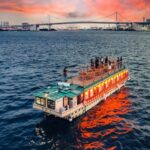
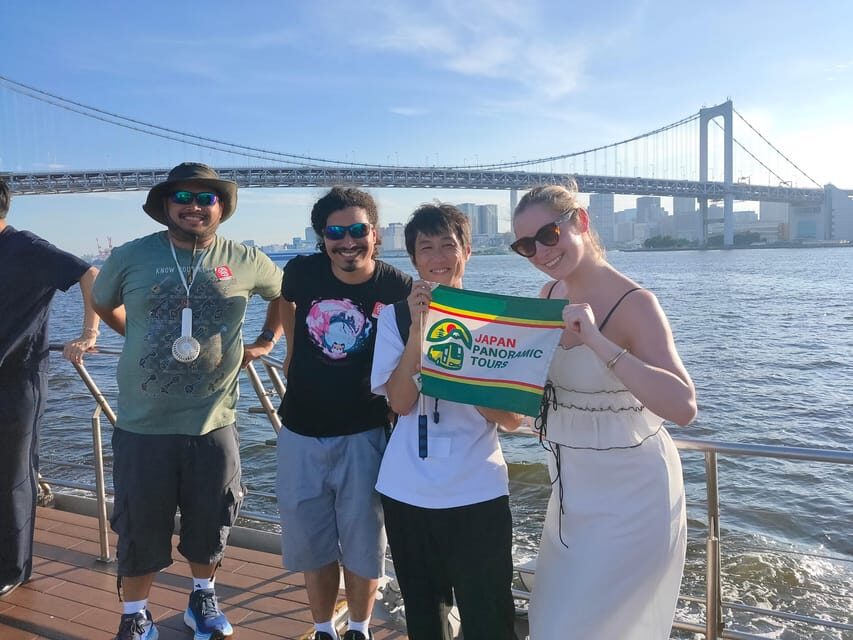
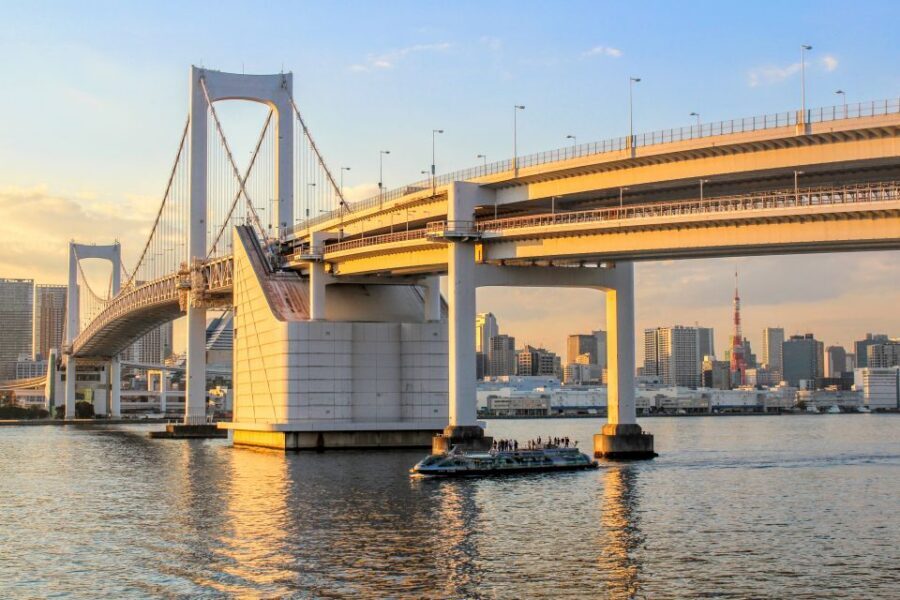
From Skytree, the tour heads to Odaiba, and this is where the Tokyo gets sleek. If the cruise is running, the plan includes a Tokyo Bay Cruise plus sightseeing, including passing under the Rainbow Bridge and seeing the skyline across the water.
The cruise is listed as about 20 minutes, so it’s short on paper but memorable in timing. Late-day light off the water is exactly the kind of photo moment you don’t recreate as well from streets.
There are two substitution rules you should know up front. First, the Tokyo Bay Cruise is except on Tuesday. Second, sometimes there’s no cruise due to high tide or technical maintenance, and then the tour switches to Hamarikyu Garden or the Fukagawa Edo Museum with no refund noted for that scenario.
If you hate surprises, prioritize days when the cruise runs, but don’t assume the water will always cooperate. Tokyo is a real place with real tides.
Tuesday Alternatives: Hamarikyu Garden or Fukagawa Edo Museum
On Tuesday, the cruise is replaced by a museum or garden option. The tour uses either Fukagawa Edo Museum or Hamarikyu Garden, which keeps the day from turning into a generic “shopping only” fallback.
Hamarikyu is a good choice if you want a break from concrete and crowds, while Fukagawa gives you a more culture-and-era angle that’s different from shrines and modern towers. Either way, Tuesday still has structure.
Walking, Timing, and When the Day Feels Tight
This is the part that can make or break your experience. The schedule covers a lot of ground and the tour includes multiple stops with walking, so comfortable shoes are mandatory, not optional.
Some people may clock a high step count. One note in the provided information says a guest hit 11,000+ steps, which is a helpful warning sign that you shouldn’t plan to wear sandals or brand-new sneakers. You’ll be moving for most of the day, even with the coach between stops.
Also, the tour is not suitable for people with mobility impairments, and the notes mention you handle loading and unloading luggage yourself, including strollers or wheelchairs.
How the Guide Makes This Tour Worth It
The guide isn’t decoration on this itinerary. The best guides use the bus time to explain what you’re about to see and how the landmarks fit into Tokyo’s bigger story.
From the names tied to top ratings—Aya, Sora, Hiro, Lovely, Levin, Yuta, Tsubasa, Lisa, Yui, Momo—the common theme is clear: they keep the day organized, answer questions, and help you make smart choices at stops. If you enjoy friendly instruction and practical directions, this is exactly what you want.
Audio support helps too. You get live English plus audio headsets in multiple languages, so if you tune out for a minute, you still have a way to catch up.
Price and Value: Is $122 a Smart Use of One Tokyo Day?
At $122 per person for a 10-hour day, the price looks steep until you break it down. You’re paying for a professional guide, a comfortable air-conditioned coach, Wi-Fi, transportation between multiple neighborhoods, and entry to Tokyo Skytree Tembo Deck.
You’re also paying for the structure that saves you from planning and ticketing on your own. Skip-the-line at Sky Tree alone is the kind of convenience that can be worth a lot when you’re on a tight schedule.
Add in the included matcha tasting, and potentially the lunch add-on (and the Bay Cruise when available), and the tour becomes a bundle. If your main goal is to see the biggest icons without spending your vacation time on logistics, this feels like good value.
If your goal is deep wandering with lots of downtime, you might find it fast-paced for the price.
Who This Tour Is Best For
This tour fits best if you:
- want a big Tokyo overview in one day
- like history and context, not just photos
- prefer guided logistics across far-apart neighborhoods
- want a Sky Tree viewing experience without standing in long lines
It’s less ideal if you:
- hate walking or have mobility constraints
- want ultra-flexible timing at each stop
- have complex dietary needs beyond the listed options
Should You Book This Tokyo Highlights Tour?
I’d book it if you’re trying to make Tokyo work on limited time. The mix of Meiji Shrine, Asakusa, Skytree skip-the-line, and a water-and-sky finale in Odaiba is a strong set of experiences, especially when the guide keeps everything coordinated.
I’d think twice if you’re sensitive to long days or you’re not comfortable with heavy walking. In that case, you might prefer a slower, more neighborhood-focused plan and add Sky Tree separately.
If your ideal Tokyo day is well-paced icons with snackable culture and big-city views, this one hits the target.
FAQ
How long is the Tokyo tour, and where does it start?
The tour lasts about 10 hours and starts in central Tokyo with options around Matsuya Ginza or the Love statue pickup area in Shinjuku.
Is lunch included?
Lunch is included only if you select the lunch option. The default inclusions include matcha tasting, Sky Tree entry, and the tour experience itself.
What does the lunch include if I select it?
The lunch option is a set meal featuring karaage and tofu. The notes say there is no pork and no seafood, but dashi stock contains fish broth.
What dietary options are available for lunch?
You can request vegetarian or gluten-free meals at booking. The information also notes that Muslim-friendly meals, allergy-friendly meals, and lactose-free meals are not available, and it suggests booking without lunch if allergies are serious.
Do I need to buy Tokyo Skytree tickets separately?
No. Tokyo Sky Tree Tembo Deck entry is included, and it includes skip-the-line admission.
How high is Tokyo Sky Tree Tembo Deck?
The Tembo Deck is listed as 350 meters.
Is the Tokyo Bay Cruise included every day?
It is included except on Tuesday. The tour also notes that sometimes there’s no cruise due to high tide or technical maintenance, and then an alternative like Hamarikyu Garden or Fukagawa Edo Museum is visited.
What happens if the cruise is canceled due to tide or maintenance?
If the cruise can’t operate, the tour switches to Hamarikyu Garden or Fukagawa Edo Museum, and no refund is given for that case.
What languages are available for the audio headsets?
Audio headsets are available in Spanish, French, Italian, German, Portuguese, and Ukrainian, along with an English-speaking live guide.
Is the tour suitable for people with mobility impairments?
The provided information says it is not suitable for people with mobility impairments.
Is there Wi-Fi on the bus?
Yes, Wi-Fi is included on the bus.

![[Niseko] Winter Fixed-Duration Service: Take a Private Car Between New Chitose Airport and Niseko!One way - The ride itself: what “2 to 3 hours” means in winter reality](https://images.thejapantraveler.com/wp-content/uploads/niseko-winter-fixed-duration-service-take-a-private-car-between-new-chitose-airport-and-nisekoone-way.jpg)