REVIEW · TOKYO
Tokyo: Hakone Fuji Day Tour w/ Cruise, Cable Car, Volcano
Book on GetYourGuide →Operated by GORYO TRAVEL CO. LTD. · Bookable on GetYourGuide
A day that mixes Fuji views with volcano steam can feel unreal. This Hakone Fuji tour strings together Lake Ashi pirate cruising and the Hakone Ropeway so you see Mount Fuji from water level and then again from up high.
I especially liked the switch in angles: one stop frames Fuji through the lake haze, and the next gives you a new viewpoint with mountain air. The drawback to keep in mind is simple—weather controls visibility, and strong wind can also affect whether the ropeway or cruise runs.
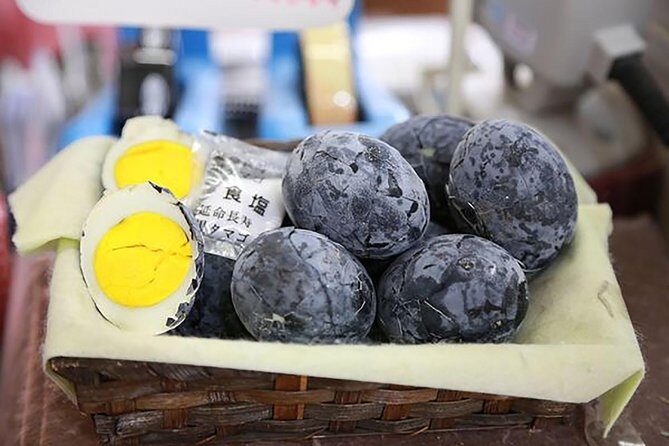
What I like even more is the way the tour turns Hakone into a full sensory day. Owakudani’s volcanic world, including Kuro Tamago (black boiled eggs), is a fun legend-meets-reality moment, and guides like Tina (and others such as Jeff, Vicky, and Ivan, depending on your departure) help the day move smoothly and clearly in English. The only real tradeoff: you’re in a fixed schedule with limited time at each stop, so you’ll want to choose whether Fuji photography, onsen time, or outlet shopping is your main goal.
In This Review
- Key points to know before you go
- Tokyo to Hakone: why this day trip is a smart value
- The morning bus run: comfortable ride, real time limits
- Lake Ashi pirate cruise: Fuji from water level
- Hakone Ropeway to Mt Hakone: second chances for Fuji photos
- Owakudani Great Boiling Valley: volcano steam and Kuro Tamago
- Gotemba Premium Outlets: Fuji view plus practical shopping time
- Gotemba Onsen Kaikan: the reset after volcano heat
- Guide impact: why the English explanations matter on a fast day
- Timing, weather, and closures: how to protect your expectations
- Who this tour fits best (and who should consider something else)
- Should you book this Hakone Fuji day tour?
- FAQ
- How long is the Tokyo Hakone Fuji day tour?
- What does the $98 per person price include?
- What isn’t included?
- What languages is the tour guide available in?
- What should I bring, and what can I bring for bags?
- Is the tour suitable for people with health issues?
Key points to know before you go
- Lake Ashi pirate boat cruise: Fuji viewing from the water, not just from roads and viewpoints.
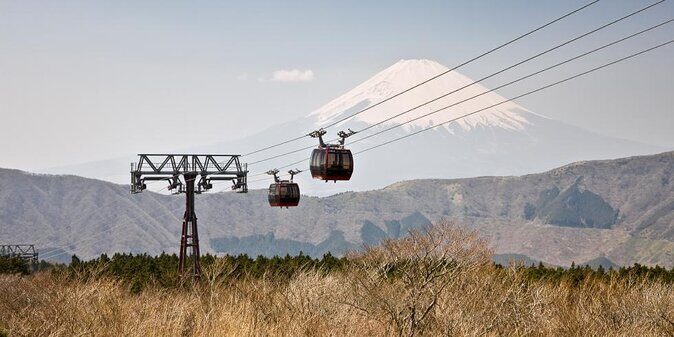
- Hakone Ropeway time at Mt Hakone: a second angle on Fuji if the clouds cooperate.
- Owakudani Great Boiling Valley: photo stop plus a real volcanic atmosphere with sulfur activity.
- Kuro Tamago legend: try the black boiled egg tied to the seven-years story.
- Gotemba add-on options: swap between outlet shopping and a soak at Gotemba Onsen Kaikan (or split time).
- Air-conditioned coach all day: a long day is still comfortable, even with lots of driving.
Tokyo to Hakone: why this day trip is a smart value
Hakone is one of those places that feels like it belongs to another planet—lake water, steep volcanic slopes, and the ever-present threat of a cloud curtain hiding Mount Fuji. This tour is built for people who want the highlights without becoming a part-time logistics manager.
At about $98 per person for a 10-hour day, the value comes from what’s included. You get transportation by air-conditioned bus, a live guide, plus the big “hard to stack on your own” tickets: the Lake Ashi sightseeing cruise and the ropeway. You still pay for your own meals and any hot spring extras, but you’re not starting from scratch.
Also, you don’t just see Hakone—you get a full arc. You start with the lake, climb for higher views, hit the volcanic zone, then finish with either shopping or a soak (often both, depending on how your time shakes out). It’s a rare mix: nature spectacle plus something relaxing at the end.
If you want a trip where the structure helps you, not one where you race between stations, this works well.
You can also read our reviews of more boat tours in Tokyo

The morning bus run: comfortable ride, real time limits
You leave Tokyo from the Shinjuku area, with meeting points that can vary by booking option (one listed option is Matsuoka Central Building near Yaesu). Expect a long drive—typically around 2 hours each way—so the bus matters. Many departures are praised for being comfortable, with time to settle in and enough comfort for a full day.
This is not a “pop out for an hour” outing. You’re committing a full day, and the bus is part of the deal. The upside is that you don’t have to translate route changes, juggle local transit, or worry about missed connections. Your guide handles timing with the group and keeps you moving.
One caution: road conditions can shift travel time. If traffic gets ugly, your stop order and exact minutes may adjust. The tour also notes that if the weather is severe, the whole schedule can change and some segments may close—especially the cruise and ropeway when wind is strong.
In other words: go into it with flexibility, and you’ll feel a lot less annoyed if Fuji hides behind clouds.
Lake Ashi pirate cruise: Fuji from water level
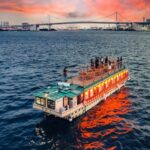
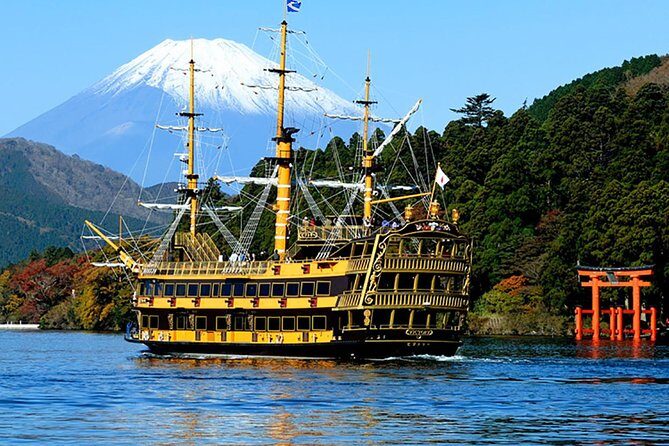
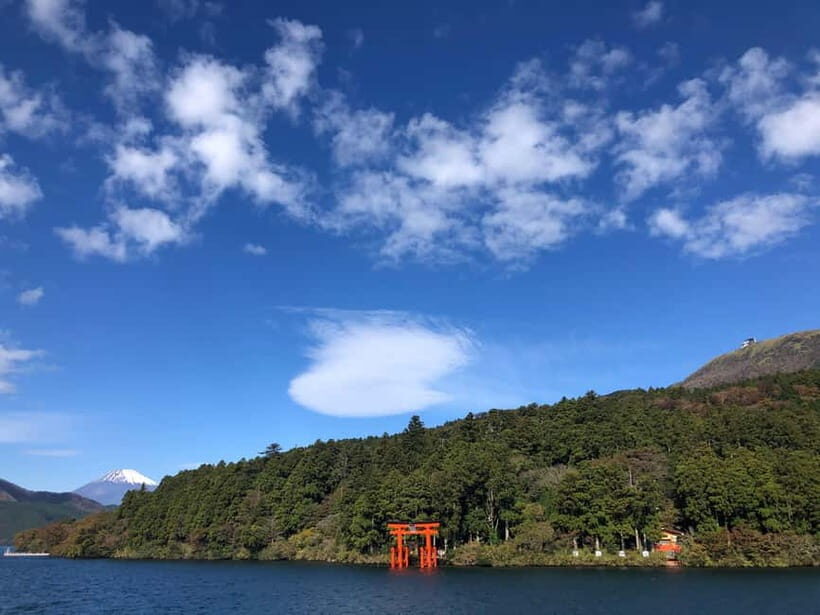
The star opening scene happens at Lake Ashi (Lake Ashinoko). You board a decorated pirate-style boat for about 30 minutes of cruising and sightseeing. It’s not a long ride, but it’s timed well because the view is the product. If Mount Fuji appears, you’ll usually notice it faster here than from many shore viewpoints—because the lake acts like a cleaner frame.
This boat stop also works as a pace reset. After the bus, you stand, look, and breathe. You’re not climbing stairs or holding a ticket scanner at every turn. You’re just letting the view do the work.
The downside is the same rule for all Fuji viewing: visibility depends on weather. Even on good days, clouds can roll in. Some groups report Fuji peeking through clouds late in the cruise, which is exactly why that short, scenic window is worth protecting in your head.
Practical tip: wear comfortable shoes, since you’ll be moving on and off the boat and walking around the lake area. Also, bring warm layers. Lake air can feel cooler than Tokyo, especially when the day starts.
Hakone Ropeway to Mt Hakone: second chances for Fuji photos
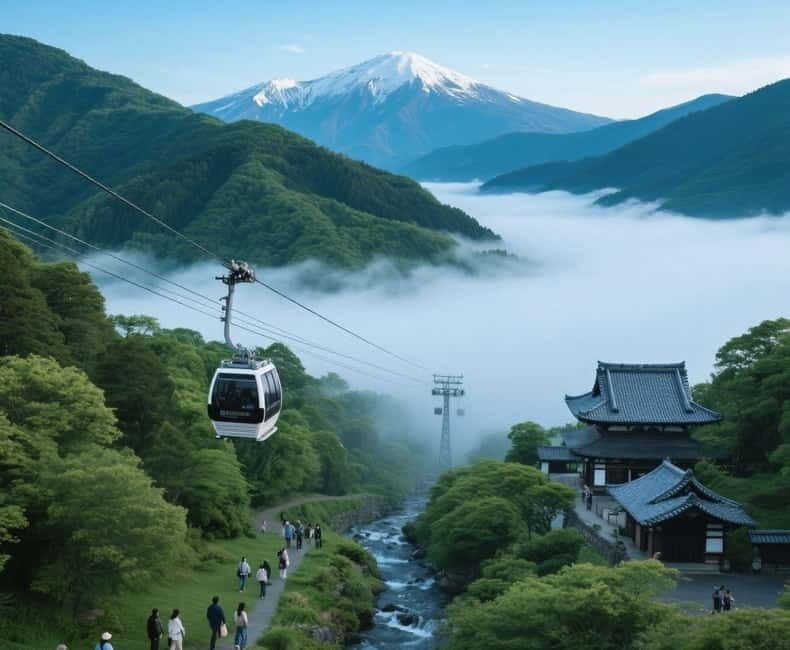
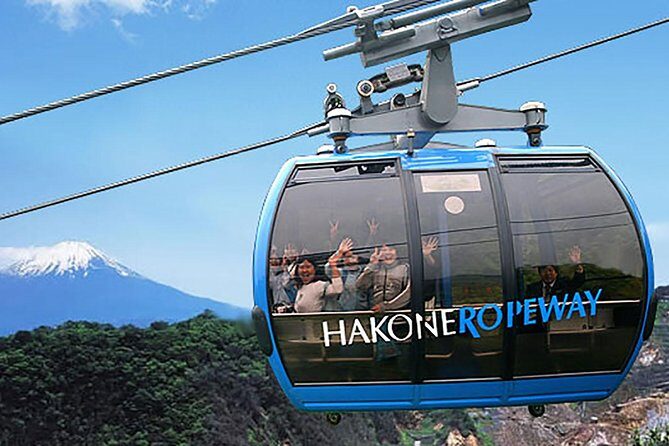
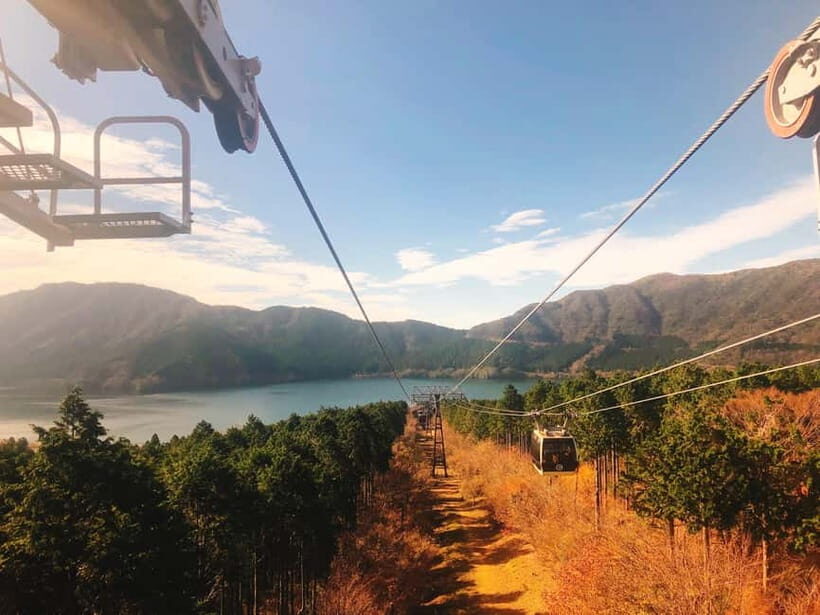
After the cruise, you take the Hakone Ropeway (about 20 minutes) up toward Mt Hakone. This is the tour’s “try again from above” moment. If Fuji was partly hidden at the lake, you may get a different angle with clearer visibility from higher ground—or at least a stronger sense of the mountain’s shape against the sky.
The ropeway is short, but it changes your view fast. And because it’s timed after the lake cruise, it builds momentum: you’re not just touring—you’re stacking angles.
Weather is still the wildcard. The tour explicitly warns that strong wind can lead to closures and itinerary adjustments. So if the ropeway doesn’t run, don’t assume it’s a mistake by the operator. It’s a safety issue, and the guide will adapt.
If Fuji is your priority, this ropeway stop is where you’ll feel it most. Many day trips fail because you only see Fuji from one direction. Here, you get a second shot with the ropeway.
Owakudani Great Boiling Valley: volcano steam and Kuro Tamago
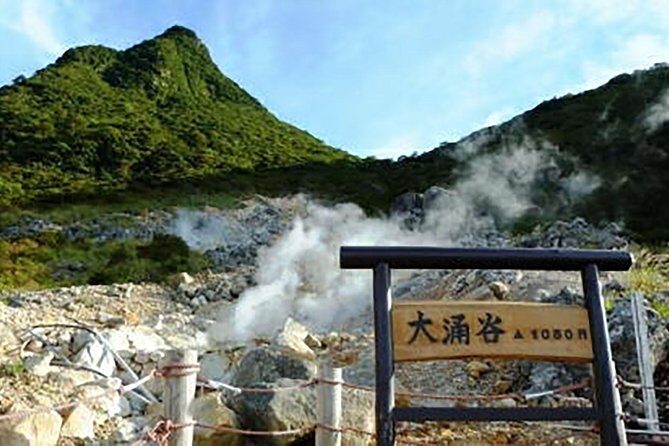
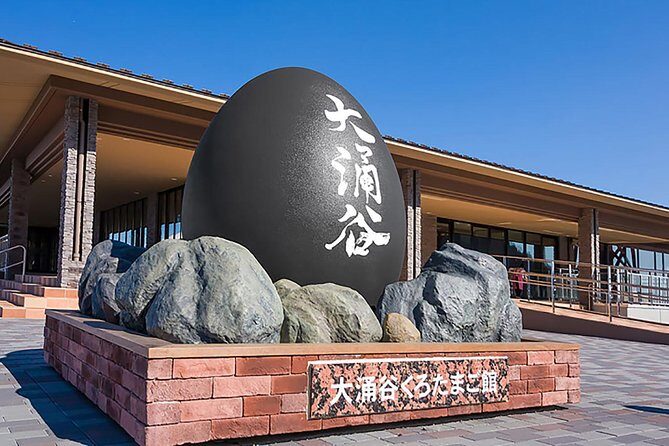
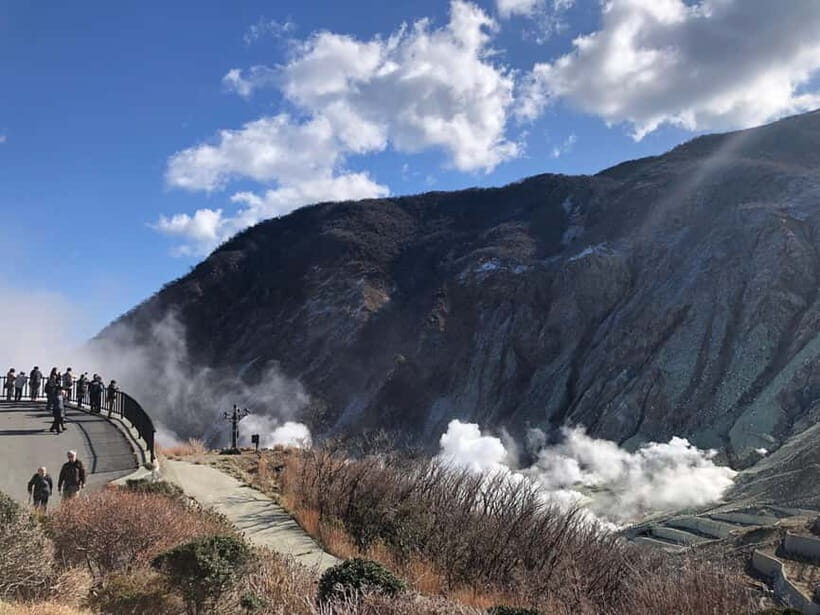
Next comes the most dramatic stop: Owakudani (Great Boiling Valley). You get about 75 minutes, including photo time, sightseeing, lunch time, and some local shopping.
This is the part of Hakone that feels most real. You’re standing near an active volcanic environment, and the tour describes white sulfur escaping, with Owakudani tied to an eruption thousands of years ago. The smell is part of the experience, and so is the constant visual reminder that the earth here is still working.
Then there’s the food legend that everyone ends up talking about: Kuro Tamago, the black boiled egg. The tour frames it as a “does it really add seven years?” legend tied to volcanic cooking. Even if you treat the math as fun folklore, the egg itself is a memorable snack with a very specific Hakone identity.
A balanced tip: give the egg a fair shot, but don’t let it swallow your whole stop. Use the 75 minutes for both photos and a quick bite. If clouds move in, prioritize the viewpoints that look open first—because you may not get another clean window.
Also, dress for warmth and comfort. Volcanic areas can feel breezy, and you’ll do more standing than you think.





Gotemba Premium Outlets: Fuji view plus practical shopping time
In the afternoon you swing toward Gotemba Premium Outlets for about 2 hours of shopping time. This is where the tour becomes more than sightseeing: it becomes a reward.
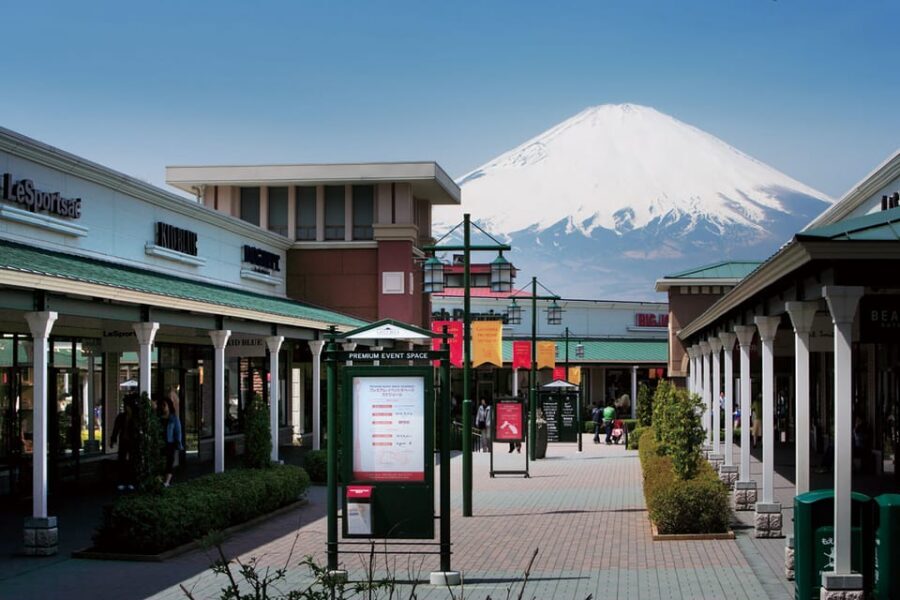
Gotemba is one of Japan’s larger outlet areas, and the tour notes that you can even see Mount Fuji from inside the outlet. That matters. Even if your earlier Fuji views were cloudy, you might catch a view during the shopping break—especially when the sky clears between Hakone and Gotemba.
A reality check: outlets are hit-or-miss depending on your style. If you love deals, this stop can feel like a good payoff for the travel day. If shopping isn’t your thing, you may feel the time pressure, because the itinerary is designed to keep the day moving.
What I recommend: set a simple goal before you arrive, like shoes, a jacket, or specific brands you’ve been eyeing. If you just wander without a target, you’ll burn time and end up tired, not fulfilled.
For photographers, keep an eye on your timing. People sometimes focus only on stores and forget that Fuji can show up in the background of the open areas inside and around the outlet complex.
Gotemba Onsen Kaikan: the reset after volcano heat
The tour can include a soak at Gotemba Onsen Kaikan for about 1 hour. The big draw is the classic Japanese hot-spring culture, plus the chance to relax with views of Mount Fuji, depending on how the conditions line up.
Important practical note: the tour states the hot spring ticket and towel aren’t included. That means you’ll need a little extra cash or preparation on the day. Some groups also do onsen first and shop later, while others split their time depending on the day’s pacing and preferences.
This onsen slot is a smart choice if your legs are feeling it. After the boat, ropeway access, and walking around Owakudani, hot water is the kind of payoff that makes the whole day feel less exhausting.
One caution: the tour notes the experience is not suitable for people with heart problems or respiratory issues. Hot springs aren’t automatically hard, but they can raise heart strain for some visitors. If that applies to you, check with a medical professional first, or consider skipping the soak.
For everyone else, go with the basics: take your time, follow onsen rules you’re given by staff, and don’t rush. The hour is enough if you’re relaxed about it.
Guide impact: why the English explanations matter on a fast day
On a day trip like this, the guide isn’t a bonus. The guide helps you see more, waste less time, and understand what you’re looking at.
This tour runs with a live guide in Chinese and English, and the reviews mention several guides by name—Tina, Jeff, Vicky, Ivan, and others. The common thread is that good guiding improves the whole pacing: you understand what to look for at each stop, when to move, and what to do if Fuji isn’t showing.
English quality can vary by guide and by group dynamics, and that’s worth noting if you rely on spoken detail. Some experiences cite that English was hard to understand with one guide. On the other hand, many cite clear explanations in English and helpful tips at each step.
Either way, you’ll get more out of the day if you show up ready to listen. Bring questions like:
- Where is the best viewpoint right now?
- What’s the fastest way to eat near the stop?
- If weather shifts, what part matters most for photos?
A strong guide answers those in real time and makes the day feel like a guided story instead of a checklist.
Timing, weather, and closures: how to protect your expectations
Mount Fuji is famous for being moody. The tour’s own info is upfront about this: visibility depends on weather conditions, and the itinerary may change if the cruise or ropeway closes due to strong wind.
So how should you plan your expectations?
- Assume Fuji might be partially hidden.
- Focus on the experience, not only the mountain silhouette.
- Use the fact that you visit multiple Fuji angles: water (Lake Ashi), higher elevation (ropeway), and possibly the onsen/outlet view.
Also, remember that the tour runs on a fixed route with morning departure and return to Shinjuku by around 6:00 PM. If traffic is rough, you may lose minutes at each stop. The guide and bus driver still manage it, but you’re not in control.
Another practical constraint: the tour states only one hand carry bag is allowed, and luggage or large bags aren’t permitted. That matters if you’re traveling with shopping bags. Keep your day bag compact so you don’t feel stuck once you hit the outlets or need to carry water and layers.
Finally, the tour mentions that if a spot isn’t normally operated, the itinerary may change without refund. That’s rare, but it’s part of how real-world tours handle fixed schedules and seasonal operations.
Who this tour fits best (and who should consider something else)
This is a good match if you want:
- A structured day trip from Tokyo with minimal planning
- Fuji views from multiple angles
- A volcanic stop that feels more than just a viewpoint
- A comfortable bus ride for a long day
- Either outlet shopping or a hot spring soak (or both, depending on pacing)
It’s less ideal if:
- You hate tight time windows and prefer lingering
- You’re shopping-only and would rather design your own route
- You need frequent breaks or have mobility limits that make stairs and standing difficult
- You have heart problems or respiratory issues, since the tour explicitly lists this as not suitable
If you’re traveling solo, this kind of guided day trip can also reduce stress. You get a plan, you don’t get lost, and you still get to decide what matters most in each stop.
Should you book this Hakone Fuji day tour?
Book it if you want the classic Hakone hits in one day: Lake Ashi cruise, Hakone Ropeway, Owakudani volcano, and a finish that feels either relaxing (onsen) or useful (outlets). It’s good value because the big transportation and attraction tickets are included, and the guide helps you get oriented fast.
Think twice if Mount Fuji is your only goal. You might get clear views, but weather can hide the mountain. The tour can’t control that. If Fuji is the single non-negotiable, consider building in a backup day or choosing a plan that gives you more time on the mountain-view side.
My bottom line: if you like variety in one day—water, air, steam, then either hot soak or shopping—this tour is a solid, efficient way to do Hakone from Tokyo without turning your trip into a spreadsheet.
FAQ
How long is the Tokyo Hakone Fuji day tour?
The tour duration is listed as 10 hours, with return to Shinjuku by around 6:00 PM.
What does the $98 per person price include?
It includes the ticket for the Lake Ashi sightseeing cruise, the ticket for the Hakone Ropeway, transportation in an air-conditioned bus, and a live guide.
What isn’t included?
Food or drink, personal expenses, and the ticket and towel for the hot spring are not included.
What languages is the tour guide available in?
The guide is listed as available in Chinese and English.
What should I bring, and what can I bring for bags?
You should bring comfortable shoes and warm clothing. Only one hand carry bag is allowed, and luggage or large bags are not permitted.
Is the tour suitable for people with health issues?
The tour is not suitable for people with heart problems or respiratory issues. The hot springs may also be a concern if you have health sensitivities.