REVIEW · KANAZAWA
Kanazawa: Samurai, Matcha, Gardens and Geisha Full-Day Tour
Book on GetYourGuide →Operated by Machinovate Japan Ltd. · Bookable on GetYourGuide
Kanazawa is a lot of walk and wonder. This full-day tour strings together Nagamachi Samurai District, Kanazawa Castle, Kenroku-en, and the geisha-side streets of Higashi-chaya, then slows down for a proper matcha experience. I like that the day mixes warrior life you can picture, plus garden design you can actually feel under your feet. The one drawback is simple: it is outdoors and you will walk a lot, so plan shoes and weather gear.
You start at Kanazawa Station, and the first wow moment comes fast: the Tsuzumi-mon gate is visible right when you head out. On past departures, guides like Gareth, Mike, and Akari have been praised for being friendly and for letting you go at a sensible pace, with time to ask questions.
The tea-house part is what makes this day more than a sightseeing checklist. At Gyokusen-an you get matcha with wagashi, served by kimono-clad staff, and the guide explains how to drink it. One small note: sometimes special events mean the matcha tasting location may shift.
In This Review
- Quick hits
- Meeting at Kanazawa Station and the Tsuzumi-mon Gate First Look
- Nagamachi Samurai District: Inside Modest Warrior Homes
- Oyama Shrine: Western Stained Glass, Koi Pond Calm
- Gyokusen-an Matcha Ceremony and Wagashi Etiquette
- Kanazawa Castle Grounds to Kenroku-en: Edo Garden Design in Motion
- Higashi-chaya Tea District and Shima Geisha House Visit
- Lunch Break, Shopping Stops, and How Free Time Works
- Walking Realities and Weather Prep for a Full Outdoor Day
- Price and Value: Why $156 Can Make Sense Here
- Should You Book This Kanazawa Full-Day Tour?
- FAQ
- Where do I meet the guide for this Kanazawa tour?
- What time does the tour start?
- Is the tour guided in English?
- What’s included in the price?
- Is lunch included?
- How long is the tour?
- What should I wear or bring for the day?
Quick hits
- Tsuzumi-mon gate first sight: See Kanazawa’s modern nod to tradition immediately after meeting.
- Nagamachi house access: You can step into homes tied to low-ranking samurai life.
- Oyama Shrine crossover appeal: Western-style stained glass meets a Japanese koi-pond setting.
- Gyokusen-an tea ceremony: Matcha plus wagashi, with etiquette cues from your guide.
- Kenroku-en + castle pairing: Garden walking with big-stone castle backdrops.
- Higashi-chaya to Shima: Tea district streets plus an inside look at a geisha house.
Meeting at Kanazawa Station and the Tsuzumi-mon Gate First Look
Your day begins at Kanazawa Station, outside the Shinkansen ticket gates, in front of the information center. If you are coming in from outside the station, you’ll find the sumo wrestlers near the East Entrance, which makes the meetup point easier to spot. The guide wears a Snow Monkey Resorts tour tag, so look for that before you assume you are at the wrong place.
What I like about this start is how quickly the tour gets you oriented. As soon as you leave the station building, the Tsuzumi-mon gate appears as a modern reinterpretation of a traditional gate style. It is a small moment, but it sets the theme for the whole day: old and new are not separate worlds in Kanazawa. They sit side by side.
Practical tip: arrive a bit early and do a quick check of your weather setup. This tour is weather-sensitive because it is mostly walking outside for hours. If rain is coming, bring an umbrella and rain gear you can actually move in.
A few more Kanazawa tours and experiences worth a look

Nagamachi Samurai District: Inside Modest Warrior Homes
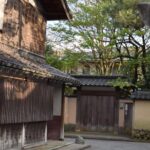
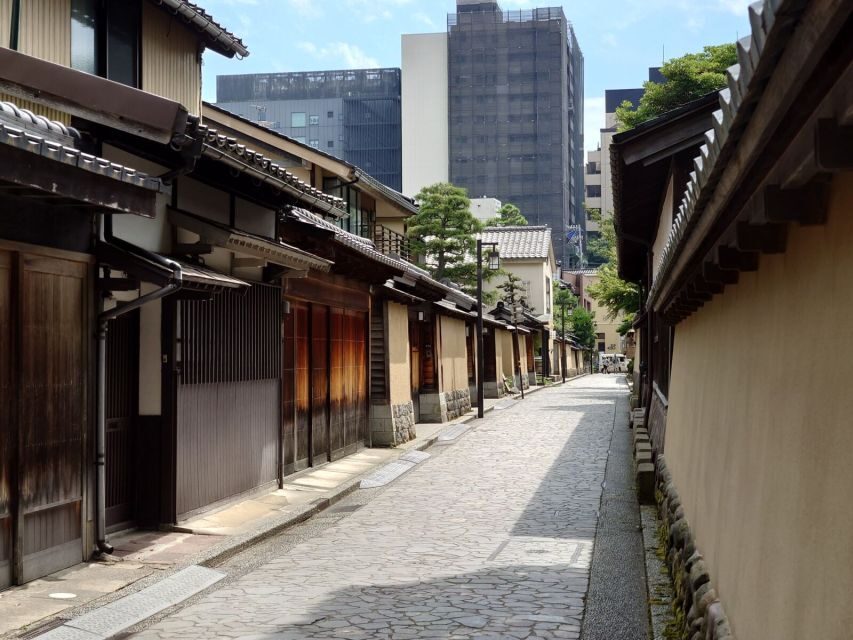
Nagamachi Samurai District is the place where Kanazawa stops being “a city with sights” and becomes a lived-in story. You walk toward the district along side streets with local residences and the occasional wooden temple, which helps you feel the neighborhoods instead of just hitting a museum stop.
The tour centers on homes that once belonged to low-ranking samurai—people who were part of the warrior class, but not the top tier you see in blockbuster history. That matters, because it shifts the focus from dramatic battles to daily routines: what spaces looked like, how homes were arranged, and how modest households fit into the social structure of the time. You may also get chances to enter these houses, which makes the whole area click in a more physical way.
Once inside the district, you walk down the crooked main street, the kind of street layout that makes it harder to rush. With free time built in, you can pause to browse small local crafts and wares. That part is underrated. When a neighborhood is preserved, the local shops often reflect that careful approach too.
The consideration here is stamina. You will be moving steadily through streets and small distances between stops. If you know you tire easily on uneven sidewalks, choose shoes with good grip and bring a light layer you can remove as you warm up.
Oyama Shrine: Western Stained Glass, Koi Pond Calm
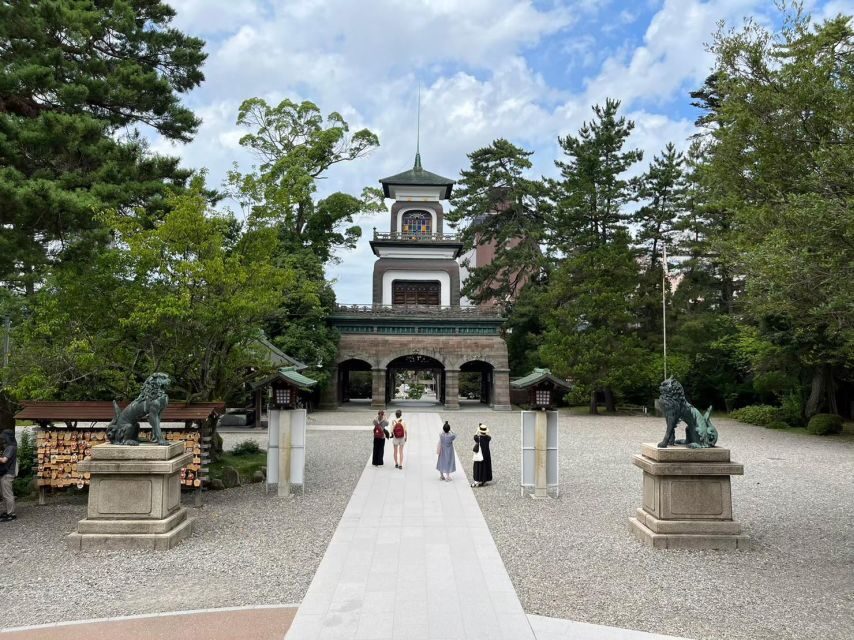
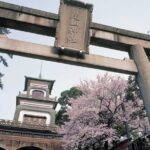
After the samurai streets, you head to Oyama Shrine, a fascinating mix of Japanese and Western influences. The shrine is described as a fusion that reflects 19th-century history, and one of its standout features is the western-style stained glass. Even if you are not a stained-glass person, the effect tends to be memorable because it reframes what you think a shrine should look like.
Then comes a calmer, greener side of the visit. If you go to the back of the shrine area, you’ll find a koi pond and a small garden, plus a path that leads to a big wooden bridge. This is a good breather in the schedule: the day is busy, and this stop gives you a moment to slow down and look.
What I like is that Oyama Shrine works on two levels. It is visually different enough to feel like a special detour, and it also fits the Kanazawa theme of blended eras. You’re not leaving the old-world vibe behind—you are seeing how the city’s past handled outside influence.
Gyokusen-an Matcha Ceremony and Wagashi Etiquette
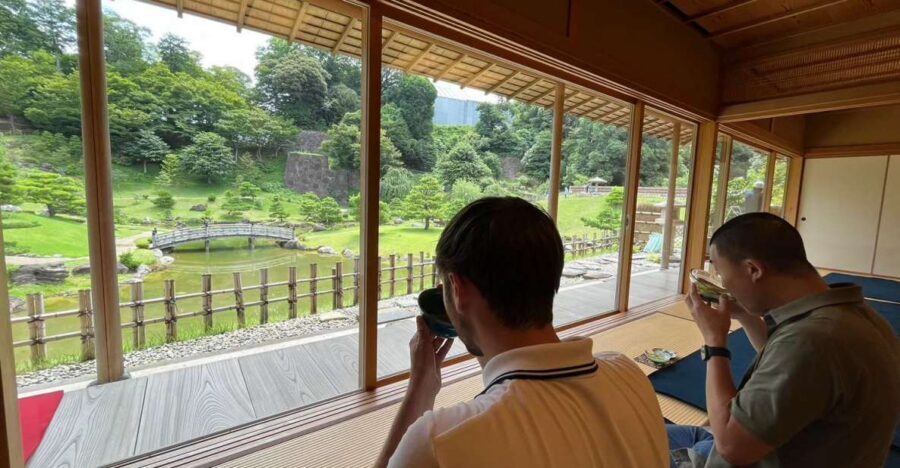
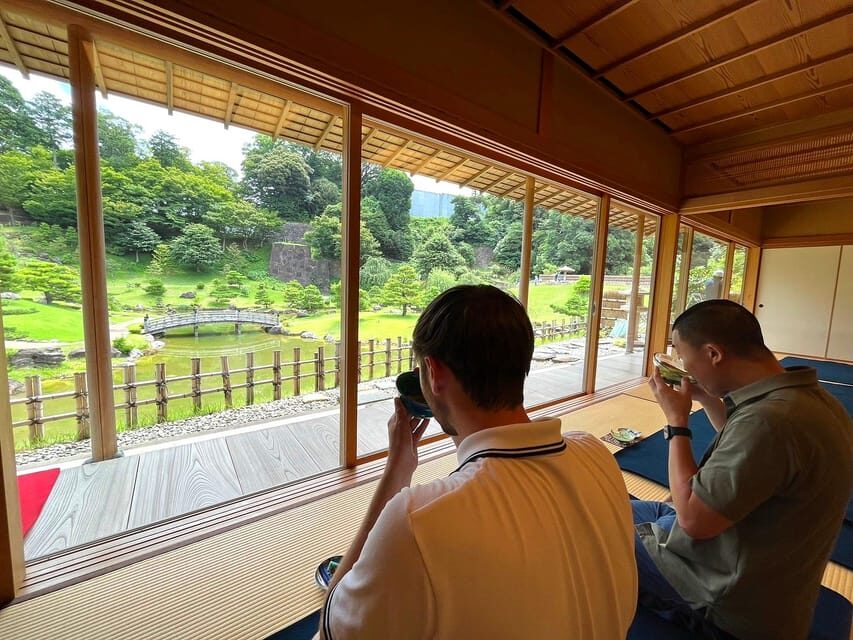
Next you’ll take a break at Gyokusen-an, a tea house with views over a garden at the base of the castle’s enormous stone walls. The setting matters because it changes matcha from a quick drink into a small ritual. Even the interior is described as purely Japanese, with a refined, elegant feel that matches the tea ceremony mood.
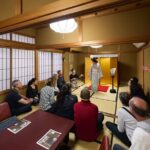
The matcha experience includes tea plus artistic wagashi sweets. Staff in kimono bring it out, and your guide shows you the proper way to drink matcha. This is not just performance. The “how” part helps you enjoy the flavor instead of treating matcha like another beverage you sip and move on.
One practical note: occasionally special events are held at Gyokusen-an. When that happens, the guide adjusts the matcha tea tasting location. So if you think you might skip because you saw one photo online, don’t. The tea part is designed to happen during your tour window.
After the ceremony, you’ll feel the usual best part of a break like this: your brain resets. Then the schedule moves on to more walking—so that calm, measured tea moment is doing real work for the rest of the day.
Kanazawa Castle Grounds to Kenroku-en: Edo Garden Design in Motion
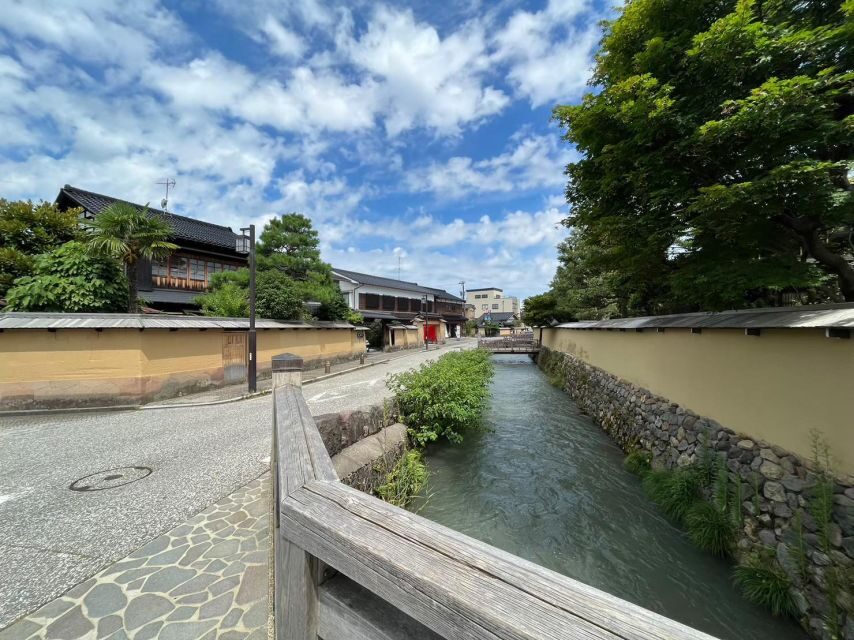
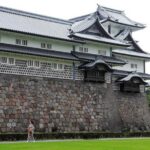
From Gyokusen-an, you continue through the Kanazawa Castle grounds before heading into Kenroku-en. The castle side is partially restored, and that is exactly why it pairs so well with the garden. You get the sense of scale from those huge stone walls, then you shift to the human-sized patience of garden design.
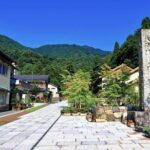
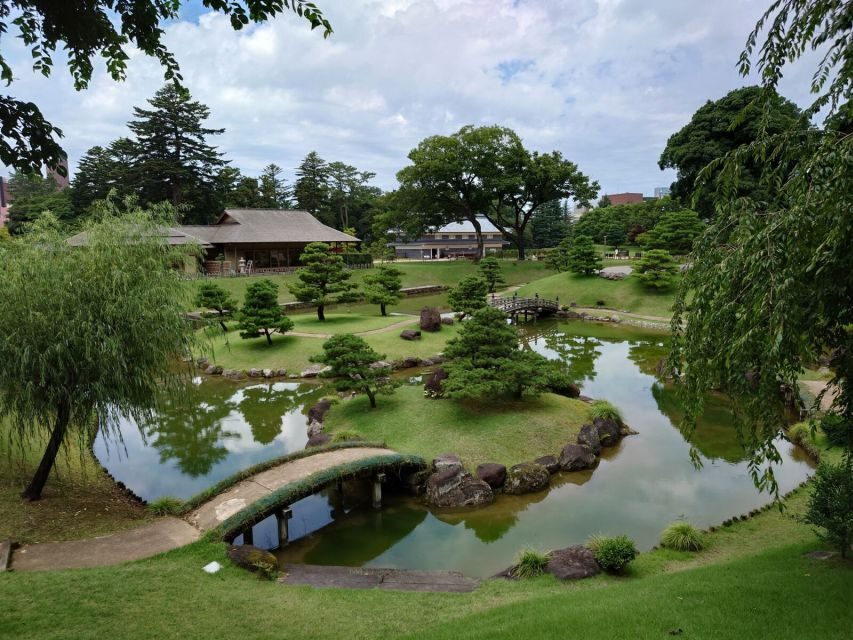
Kenroku-en is often listed among Japan’s best gardens, and the experience here is built around guided context. Your guide explains how it was created over 200 years ago on the order of the Lord of Kanazawa Castle. That makes a difference when you walk through—suddenly the paths, water features, and sightlines feel intentional instead of random scenic stops.
The biggest value of this section is time. You get a guided walk through the garden for about 1.5 hours, which is long enough to notice changing angles and different kinds of views. Gardens look different when you slow down, and this tour forces that good habit.
Potential drawback: Kenroku-en is popular, and you will be outside walking the whole time. If it is raining or cold, you’ll want proper shoes and warmth. Also, if you have mobility issues, this is the part where you should think carefully about whether you want this much outdoor walking.



Higashi-chaya Tea District and Shima Geisha House Visit
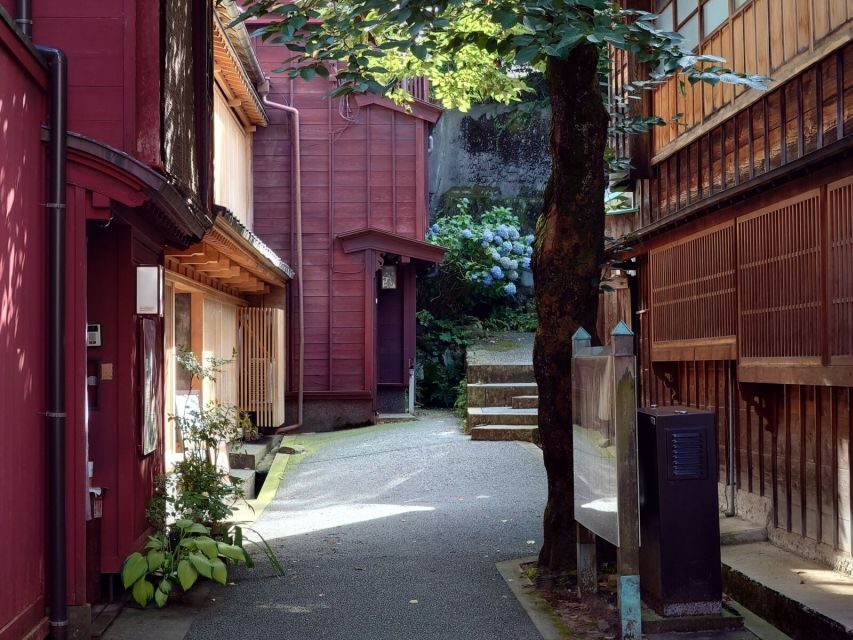
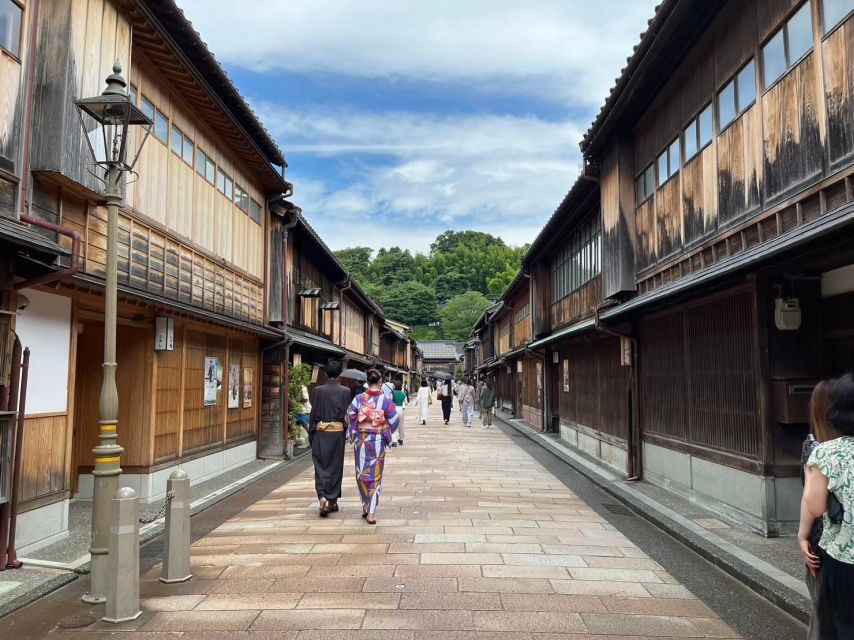
Higashi-chaya is Kanazawa’s famous geisha tea district, and it’s a key reason this tour feels distinct. The streets are lined with tall, two-story wooden tea houses, and some are painted red—a design feature described as unique to Kanazawa. That red shows up in photos, but it hits differently in person because the buildings are close enough to see details in the woodwork and layout.
Your guide helps you read the district. You are not just walking for pretty architecture—you learn about tea houses and the culture surrounding them. Then you move into Shima, a geisha house where you can take a guided look inside. The included entry matters here because it is the difference between watching from the sidewalk and actually understanding how these spaces function.
I especially like the pacing. You get a guided component, then you get a stretch of time to stroll and shop on your own. That free time is useful because it lets you slow down for small things: a shop window, a craft item, or simply the way the street feels at a walking pace.
If you want photos, this is where you’ll want to be ready. You may want to keep your phone protected in rain, since wooden streets and tea-district alleys can mean puddles and damp surfaces.
Lunch Break, Shopping Stops, and How Free Time Works
Lunch is not included, but the structure still gives you a decent chance to eat well. The tour includes time to explore markets and grab a bite along the way. Then later, there is a lunch break nearby, and your guide can recommend places based on what you like.
Here’s the practical way to use this: don’t overthink lunch choices early in the day. Wait until your guide gives the options when you’re already close. That keeps you from wandering across town when you are already tired from walking.
Shopping can happen during the free time in Nagamachi and again later in Higashi-chaya. This is when you can pick up local crafts and wares without turning it into a frantic market sprint. If you are trying to buy matcha-related souvenirs or small food gifts, this is usually the moment to do it—before the day slips into late afternoon.
One small rhythm tip: take breaks even if you think you should push through. The tour includes multiple guided stops, but your enjoyment depends on your energy too. If you wait until you feel wiped out, it gets harder to appreciate the gardens and the tea district.
Walking Realities and Weather Prep for a Full Outdoor Day
This is a full-day walking experience outdoors. You should plan comfortable shoes and socks you trust. The tour guidance also specifically asks for warm clothing, weather-appropriate layers, an umbrella, and rain gear.
In winter, temperatures can be below 10°C, with mornings and evenings close to or below 0°C. There may also be snow and ice on the road or sidewalk. That means your shoes need traction, not just cushioning.
If you’re wondering how much walking this is in real terms, people have described around 12 km and even 27,000 steps on the day. That does not mean you need to treat it like a workout, but it does mean your body should be prepared. You will likely spend long stretches moving, with short stops for tea, shrine time, and guided explanations.
My honest advice: pack like you’ll be outside longer than you think. A light heat layer, a rain shell you can move in, and blister-prevention socks go a long way. Your legs will remember your preparation more than your brain remembers the lecture.
Price and Value: Why $156 Can Make Sense Here
At $156 per person for a one-day tour, this is not a budget-only option. But it does include several cost items that matter on the ground: a live English guide, the matcha experience, entry fee for Kenroku-en, and entry fee for Shima.
Lunch is the main non-included item. So if you pay $156 and then spend another chunk on lunch, you still need to plan for that total. Still, the value comes from how many paid and guided elements are bundled into one route. Gardens and historic districts are great, but entry fees and guided access add up when you book each thing separately.
The guide also changes what you get out of the day. You’re not just seeing Nagamachi, Oyama Shrine, the castle grounds, and Kenroku-en. You’re hearing why these places look the way they do, and what to notice while you walk. That helps you feel like you understood Kanazawa instead of just checking boxes.
If you enjoy guided pacing—plus the freedom to explore during free time—this price tends to be fair. If you hate tours and prefer to wander without a schedule, you might feel constrained. For people who want structure but still want moments to shop and pause, it usually lands well.
Should You Book This Kanazawa Full-Day Tour?
Book it if you want one day that covers Kanazawa’s most distinctive “old Japan” textures: samurai neighborhood life, castle-and-garden design, and tea district culture with a matcha ceremony. It’s especially good for first-timers who want to make sense of where everything fits together without spending hours planning.
Skip it or rethink it if walking for several hours outdoors is a stress point for you. This route is paced around walking between sights, and the winter weather guidance shows they expect outdoor time even when conditions are cold or icy.
One more deciding factor: guides matter here. The tour has a strong reputation for friendly, patient guidance, and in some cases guides have even helped with practical needs like train ticket adjustments. If you like learning as you go—and you want that matcha + garden + tea district mix—this tour is a solid way to spend your limited time in Kanazawa.
FAQ
Where do I meet the guide for this Kanazawa tour?
Meet outside the Shinkansen ticket gates in front of the information center. Look for four large sumo wrestlers next to where the guide meets the group. If you are coming from outside the station, the sumo wrestlers are immediately inside the East Entrance of Kanazawa Station. The guide wears a Snow Monkey Resorts tour tag.
What time does the tour start?
The tour starts at 9:00 AM.
Is the tour guided in English?
Yes, it includes a live tour guide in English.
What’s included in the price?
The price includes the guide, the matcha experience, entry fee for Kenroku-en garden, and entry fee for Shima (the geisha tea house).
Is lunch included?
No, lunch is not included.
How long is the tour?
It is a full-day tour (1 day). Starting times are listed by availability.
What should I wear or bring for the day?
Bring comfortable shoes, warm clothing (especially in winter), socks, an umbrella, and rain gear. In winter temperatures can drop below 10°C and morning/evening can approach or go below 0°C, with possible snow or ice, so use non-slippery footwear.