REVIEW · OSAKA
Ancient Capital Tour: Kyoto and Nara Highlights from Kyoto/Osaka
Book on Viator →Operated by LIMON Tours · Bookable on Viator
Kyoto and Nara in one smooth day. I love the Arashiyama atmosphere (bamboo walk and river views) and the chance to see Kinkaku-ji with its garden setting. One watch-out: this is a highlights route, so the pace can feel a little tight if you want long, slow wandering.
The format works well for people who hate figuring out trains and transfers. You get an English-speaking guide, a bus with free Wi-Fi, and clear checkpoints. Still, there’s a fair bit of walking, so good shoes matter.
You also need to pick the right departure point. Osaka and Kyoto departures run on different dates, with different meeting times, so double-check where your group starts.
In This Review
- Key things I’d bet on
- Arashiyama Bamboo Walk and Togetsukyo Views
- Kyoto’s Golden Pavilion Stop: Kinkaku-ji Without Transit Headaches
- Nara Park Deer Time and Todaiji’s Great Buddha
- Bus Comfort, Wi-Fi, and the Real Logistics That Can Make or Break It
- Lunch Option: Worth It on the Day, or Skip It and Wander
- How Much Time You Really Get at Each Stop
- Best-Fit Traveler: Who This Tour Is Made For
- Should You Book This Kyoto–Nara Combo Day Trip?
- FAQ
- Where do I meet the group in Osaka and Kyoto?
- How long is the tour?
- Are entry tickets included for Kinkaku-ji and Todaiji?
- Is lunch included?
- Do you have Wi-Fi and air-conditioning on the bus?
- How big is the group?
Key things I’d bet on

- Arashiyama first: bamboo path + Katsura River area makes a strong start
- Kinkaku-ji Golden Pavilion: gold-leaf shine and a garden layout that dates back to the 1300s
- Nara Park deer time: feed them with shika-senbei and enjoy the bowing behavior
- Tickets mostly handled: Kinkaku-ji and Todaiji entry are included on most options (not all)
- Small-ish group: max 42 people, with schedules guided from start to finish
Arashiyama Bamboo Walk and Togetsukyo Views
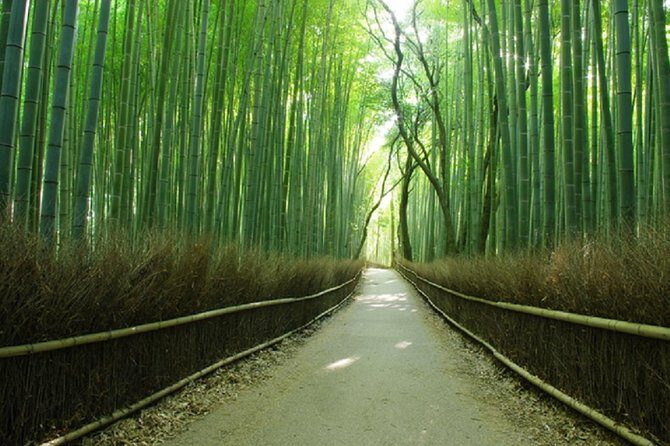
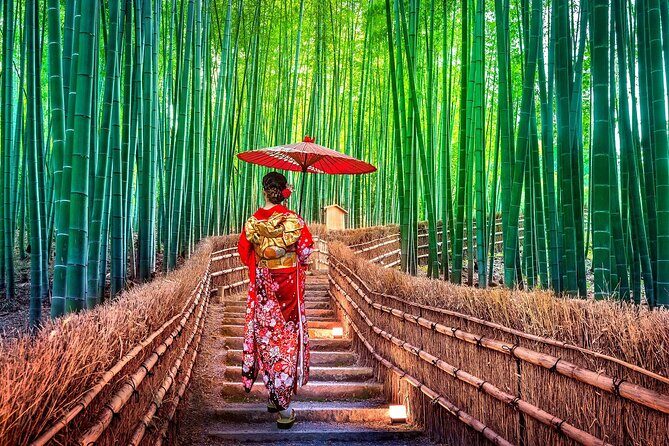
This day trip starts in Arashiyama, Kyoto’s famous riverside neighborhood. The mood here changes by season: in April you can catch cherry blossoms, in November you may see fall colors, and in summer there’s cormorant fishing to look out for. Even if you’ve seen photos, being there in person feels different because the whole area is built around nature and quiet movement.
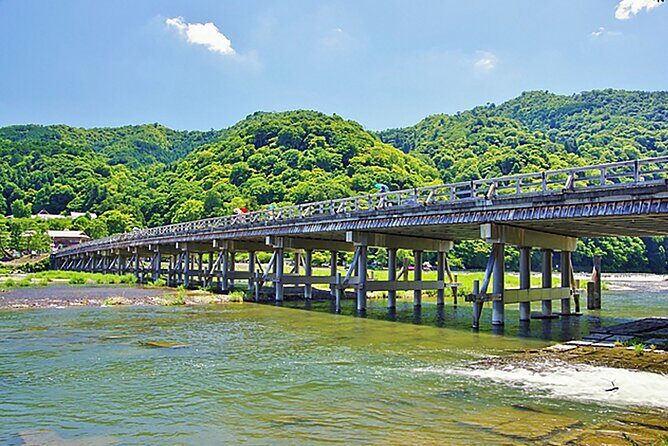
A big reason I like the Arashiyama start is the variety packed into the first stop. You get time to walk the Sagano Bamboo Forest area (the bamboo path near Tenryuji), and you can also spot Togetsukyo, the moon-crossing bridge over the Katsura River. If your travel style is “show me the icon spots without the stress,” this is a good opener.
Expect some walking here, but it’s the easy kind—slow paths, river air, and a lot of photo chances. One practical note: you’ll want to bring your most flexible walking gear, because bamboo areas tend to have uneven ground and crowds can move in waves.
A guide can make this section feel more meaningful by pointing out what to look for. In past groups, names like Yuki, Haru, and Riku popped up in the reviews for being especially good about setting expectations and keeping people on schedule. That matters in Arashiyama because the views are the point, and you don’t want to waste daylight waiting around.
You can also read our reviews of more tours and experiences in Osaka.
Kyoto’s Golden Pavilion Stop: Kinkaku-ji Without Transit Headaches
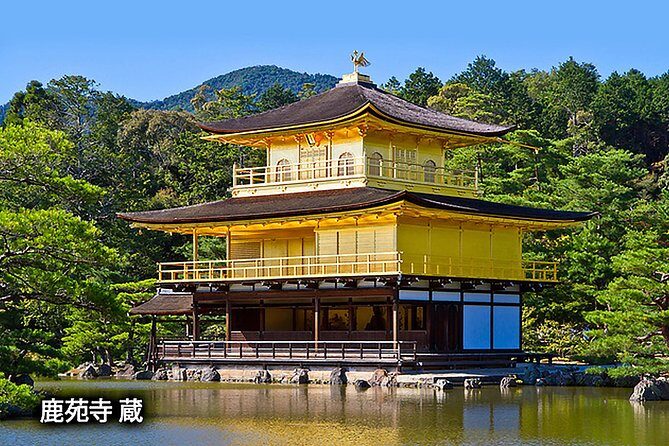
After Arashiyama, the tour moves you into Kyoto proper for Kinkaku-ji (the Golden Pavilion). This is one of those places where your brain goes quiet for a second. The temple’s gold-leaf surfaces catch sunlight, and the mirror-like pond gives you those classic reflection photos without you hunting for the exact angle for hours.
What I think makes Kinkaku-ji worth including on a combo day is the garden design. You don’t just see the pavilion. You also get time to wander the grounds, which keep their original layout from the 14th century. That timing also helps—45 minutes can’t cover everything, but it’s enough to see the main pavilion and still feel like you did more than a quick snapshot.
Tickets are handled on most options, but there’s an important detail. If you book a last-minute option, entry tickets for Kinkaku-ji may not be included. So when you book, check the option wording carefully, because that one line can change your out-of-pocket cost later.
Photos are the natural mission at Kinkaku-ji. If you want better results, think about your timing and patience. Move slowly around the pond edge, pause for reflections, then step back so you’re not stuck in the tightest crowd spots. You’ll get more “keeper” shots if you take a breath instead of firing off everything at once.
Nara Park Deer Time and Todaiji’s Great Buddha
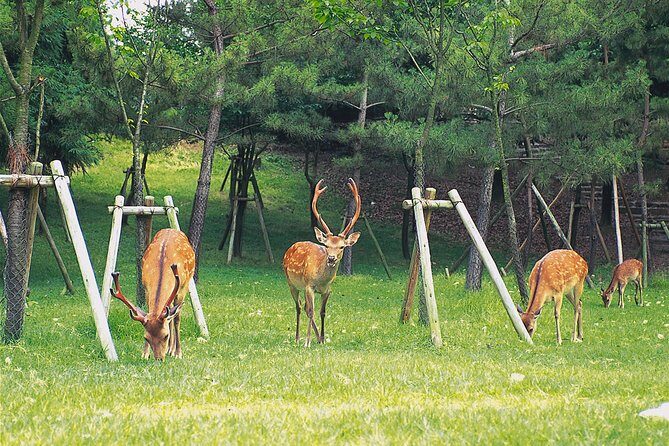
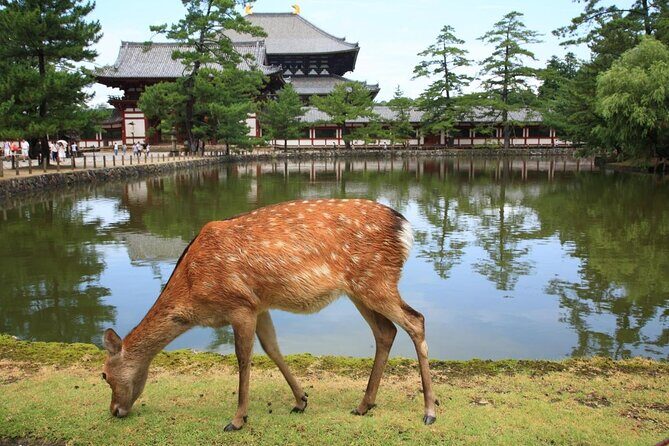
Then it’s off to Nara, where the vibe switches from bamboo calm to playful animal chaos. Nara Park is famous for about 1,200 wild deer roaming freely. It’s an odd mix: serene park grounds, but with lots of deer activity right near the paths.
The tour gives you the chance to buy shika-senbei, deer snacks, and that’s the key to getting the best experience here. When you feed them, you’ll often see their bowing behavior—part of what makes Nara so memorable. Just be ready for deer to be confident. If you’re the type who doesn’t like animals getting close, keep a little distance and treat feeding as a short moment, not a long event.
Within Nara Park you also reach Todai-ji Temple, home to one of Japan’s three titanic Great Buddha statues. This stop is where the day becomes more than scenic—it turns into a serious cultural visit. The scale can hit you fast, even when you don’t go deep into every detail. If you only have limited time, this is still one of those “yes, I’m really here” moments.
Timing is the balancing act. You get about 1 hour 30 minutes here, which is workable if you prioritize:
1) deer and feeding, then
2) the Great Buddha area.
Trying to do both with a slow wander can cut into your experience, so decide what matters most to you before you start moving.
Bus Comfort, Wi-Fi, and the Real Logistics That Can Make or Break It
Let’s talk about the part of the day you can’t see in photos: the logistics. This trip runs around 9 hours and uses an air-conditioned vehicle with free Wi-Fi. For a full-day combo, that’s a real perk. You’re not just paying for sightseeing—you’re paying to eliminate the stress of coordinating buses or trains between Kyoto and Nara.
The meeting points are specific, and I’d treat them like appointments. If you’re starting from Osaka, you meet at Namba, OCAT 1F (near Daiso) at 8:50 AM. If you’re starting from Kyoto, you meet at Kyoto Station Hachijo Exit in the tourist bus parking area at 9:05 AM.
Check in about 10 minutes early. The bus departs on schedule, and late arrivals are non-refundable. That’s the big rule. In a few comments, people flagged confusion around meeting times or which side of a building to use. So if you show up early and verify the exact pickup point, you remove 90% of the risk.
One small but helpful detail: look for guides wearing yellow. That tip came up from prior participants and it’s the kind of thing that saves time at the start.
Also remember: schedule can shift due to traffic or weather for safety. That doesn’t mean chaos—it just means you should keep your expectations realistic. When the weather shifts, you’re better off letting the guide handle it rather than trying to optimize your own plan minute by minute.
Lunch Option: Worth It on the Day, or Skip It and Wander
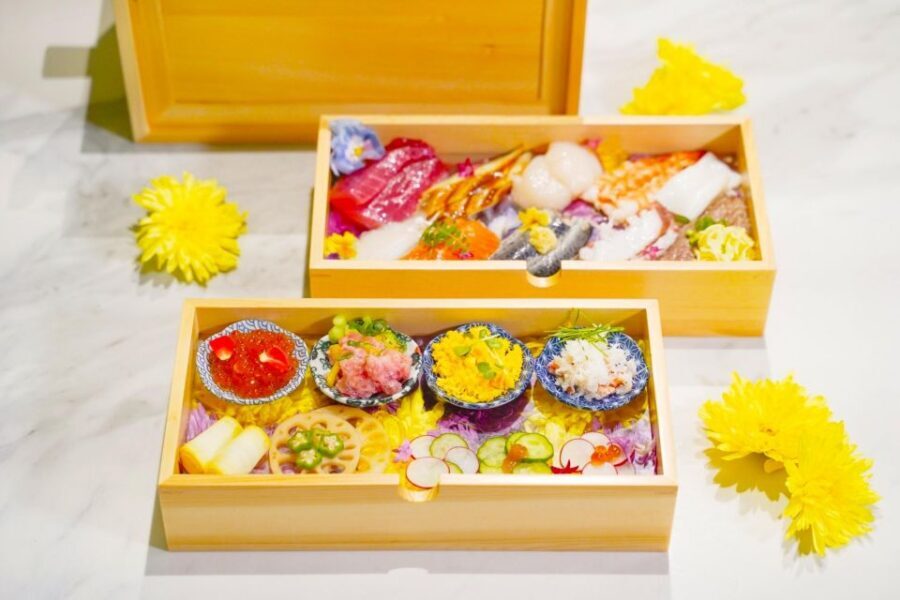
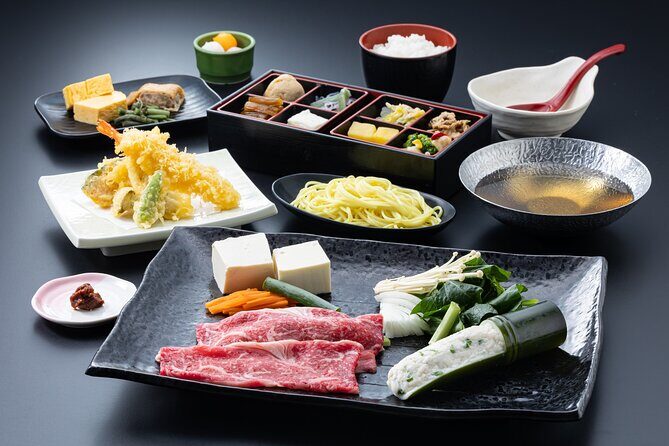
Lunch is optional here, and you’ll decide based on how you like to travel. If you choose the lunch option, you’ll get a traditional Japanese meal with seasonal Kyoto specialties. It’s convenient because it prevents you from losing time hunting for food right at peak hours.
That said, I wouldn’t automatically treat the lunch add-on as mandatory value. Several people suggested skipping the lunch option because there are many good places to eat around the main streets. If you like flexibility—snack breaks, quick ramen detours, and choosing a restaurant based on what’s open right then—skipping lunch may be better for your style.
There are also food limits you should know. The tour notes it can’t provide vegan or halal meals. Vegetarian requests can be handled, but you need to contact the operator at least 3 days in advance.
My practical take: if you have dietary needs beyond standard vegetarian and you don’t want to gamble, choose the option that matches your requirements with care. Otherwise, consider whether the cost of lunch is worth the time saved.


How Much Time You Really Get at Each Stop
This is the trade-off of any “Kyoto and Nara highlights in one day” tour. You’re not doing slow travel. You’re doing best-of planning.
Here’s the practical rhythm:
- Arashiyama: about 2 hours
Enough for bamboo paths and river-area views, plus lunch if you chose the option.
- Kinkaku-ji: about 45 minutes
Enough to see the Golden Pavilion and do a meaningful walk through the grounds.
- Nara Park and Todai-ji: about 1 hour 30 minutes
Enough for deer/snack time and a Great Buddha visit, but you’ll want to keep moving.
Some people found the day paced so tightly it felt rushed, especially if they wanted deeper history early on. Others felt the pacing worked and that the day felt relaxing even with three major stops. Where you land probably depends on your expectations: do you want the highlights fast, or do you want to linger?
If you tend to want context as you go, arrive with a mindset of scanning the “big picture” first. Then you can dig deeper afterward on your own time in Kyoto or Nara.
Best-Fit Traveler: Who This Tour Is Made For
This tour works best if you want three things at once: major sights, minimal transport hassle, and a guided structure that keeps you from missing the obvious icons.
I’d especially recommend it if:
- you’re short on time and want Kyoto + Nara in one day
- you’re not excited about figuring out bus/train routes in two cities
- you like having entry tickets included on most booking options
- you enjoy nature and culture as a blend, not a single-theme day
If your dream is a slow, detailed tour of one neighborhood, you might find the combined plan too compact. In particular, Arashiyama and Nara both deserve longer visits if you’re the type who loves history talks, side streets, and multiple photo loops.
Should You Book This Kyoto–Nara Combo Day Trip?
Book it if you want a practical day with clear structure and the heavy lifting done for you. For $90.75, the best value comes when your option includes entry tickets to Kinkaku-ji and Todai-ji, plus the guided bus and English-speaking support. The air-conditioned coach and Wi-Fi also make a long day easier.
I’d think twice if:
- you hate walking and want lots of unstructured time
- you’re extremely focused on learning deep history at the beginning of each site
- you have dietary needs beyond what the tour can provide
If you book, choose your departure point carefully (Osaka or Kyoto), show up early to the meeting area, and keep your shoe choice sensible. Also, double-check whether your booking option includes the temple entry tickets, since last-minute choices may not.
If your goal is to check Kyoto’s Golden Pavilion and Nara’s deer-and-Great-Buddha combo off your list without turning your day into a transit project, this is a strong pick.
FAQ
Where do I meet the group in Osaka and Kyoto?
In Osaka, you meet at Namba, OCAT 1F (near Daiso) at 8:50 AM. In Kyoto, you meet at Kyoto Station Hachijo Exit in the tourist bus parking area at 9:05 AM.
How long is the tour?
The tour runs about 9 hours.
Are entry tickets included for Kinkaku-ji and Todaiji?
For most package options, Kinkaku-ji and Todai-ji entry tickets are included. For a last-minute option, they may not be included.
Is lunch included?
Lunch is included only if you select the lunch option. If you choose the last-minute option, meals are not included. Vegan and halal meals are not available, and vegetarian requests require contacting the operator at least 3 days ahead.
Do you have Wi-Fi and air-conditioning on the bus?
Yes. The vehicle has air-conditioning and free Wi-Fi.
How big is the group?
The tour has a maximum of 42 travelers.