REVIEW · TOKYO
Full-Day Private Tour to Discover The Best of Tokyo
Book on Viator →Operated by Tour Japan · Bookable on Viator
Tokyo can feel like a maze. This private tour turns it into an efficient, air-conditioned day with a private driver-guide who keeps things moving. I like the mix of big-name sights (Senso-ji, Skytree, Ginza) plus neighborhood texture (Akihabara, Ameyoko, Ueno Park). One caution: a few past reviews mention issues like late pickup or time getting rushed, so you’ll want to set expectations and confirm timing in advance.
For your group of up to six, you get spacious private transport (plus hotel pickup) and a planned route meant to maximize sightseeing during a ~10-hour window. If you’re trying to see a lot without the hassle of transfers, this is built for that. If you’re booking for a tight schedule, bring patience—Tokyo routes can still take time.
In This Review
- Key tour takeaways you can actually use
- How a 10-Hour Private Tokyo Route Keeps You Sane
- Sensō-ji in Asakusa: The Best First-Stop Energy
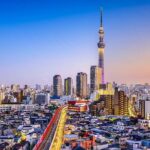
- Tokyo Skytree: Views Plus a Shopping Reset
- Tsukiji Fish Market: What This Stop Really Delivers
- Imperial Palace Grounds: A Calm Pause in the Middle of Tokyo
- Akihabara Electronics and Anime: Short Walk, Big Personality
- Ginza: High-End Shopping Without the Whole-Day Commitment
- Ameyoko Shopping Street and Ueno Park: Two Ways to Feel Local
- Ameyoko Shopping Street
- Ueno Park
- Price and Logistics: Is $425 Worth It?
- Private Driver-Guide Quality: The Real-Life Difference
- Who This Tour Fits Best (and Who Might Not Love It)
- Should You Book This Full-Day Tokyo Highlights Tour?
- FAQ
- How long is the Tokyo private highlights tour?
- How many people are in each private group?
- Is hotel pickup included?
- Is the tour private?
- Do I get a mobile ticket?
- Are admission tickets included for all stops?
- What are the main stops on the itinerary?
- Is the tour dependent on weather?
- Can I cancel and get a full refund?
- Is the tour suitable for most travelers?
Key tour takeaways you can actually use
- You get a route that links Asakusa → Skytree → Tsukiji → Imperial Palace → Akihabara → Ginza → Ueno/Ueno Park, so you spend less time figuring out logistics.
- Stop times are realistic for photos, browsing, and a quick orientation (often around 45–60 minutes at major districts).
- Skytree and Imperial Palace aren’t included on the listed admissions, so plan on those separate costs.
- Guides vary, and quality shows up in the details—on-time pickups, good English, and whether the day feels rushed.
- Markets and shopping districts are part of the experience, but you’ll want simple expectations: quick walks, key streets, and first-hand atmosphere.
How a 10-Hour Private Tokyo Route Keeps You Sane
Tokyo is brilliant, and also very dense. The point of a private full-day tour is that you don’t have to stitch together trains, elevators, station exits, and transfer time while you’re already jet-lagged.
This one is designed for a smooth day. You’ll start with Senso-ji in Asakusa, then work your way through central Tokyo and on into areas that feel different from each other—electronics/anime (Akihabara), luxury shopping (Ginza), bargain chaos (Ameyoko), and the park side (Ueno Park). Because it’s private for up to six, you also avoid the common problem of feeling herded or stuck at the back of a group.
Transport matters. With air-conditioned private vehicles and hotel pickup, you’re trading “where is the nearest station exit?” for “where do we park?” That’s a big win if anyone in your group gets tired easily. One review praised a guide for accommodating an older aunt who needed breaks.
The other thing I like: the tour is basically a highlight sampler with enough time at each stop to orient yourself. You’re not trying to do ten things in 30 minutes. You’re doing fewer things well—walk streets, take in landmarks, and then move on.
You can also read our reviews of more private tours in Tokyo

Sensō-ji in Asakusa: The Best First-Stop Energy
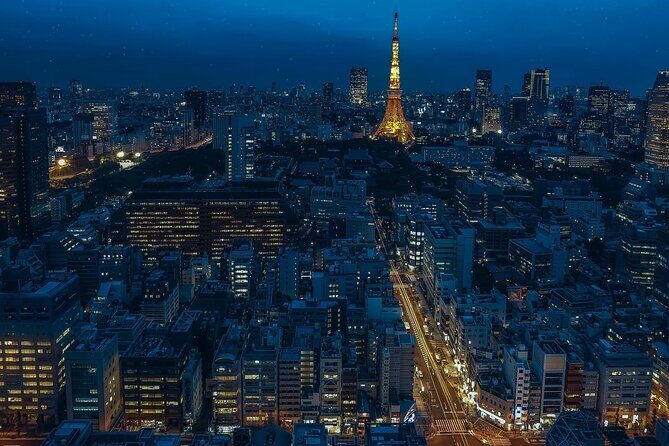
Sensō-ji is Tokyo’s oldest temple, and it’s a strong way to start your day because the area wakes you up fast. Expect the classic Asakusa feeling: temple grounds, photos, and that old-meets-new Tokyo vibe right away.
You’ll spend about 1 hour here, with admission listed as free. That’s enough time to do the basics without racing. I’d treat this as your “get your bearings fast” stop:
- Take a couple of photos early, before you get pulled into souvenir street browsing.
- Walk calmly through the approach, then slow down near the main temple area.
One practical tip: Asakusa is a popular entry point for tourists, so even if you don’t arrive at some secret off-hour, you’ll still want to keep your pace steady. Your guide can help you avoid the worst crowd-flow points during your walk.
This is also the moment where a good driver-guide earns their fee. Some guides have a way of explaining what you’re seeing—why the temple matters, how the neighborhood developed, and what to notice as you move deeper into the grounds. Reviews reflected that kind of helpful storytelling from guides like Abdul (noted for perfect English) and others praised as friendly and on time.
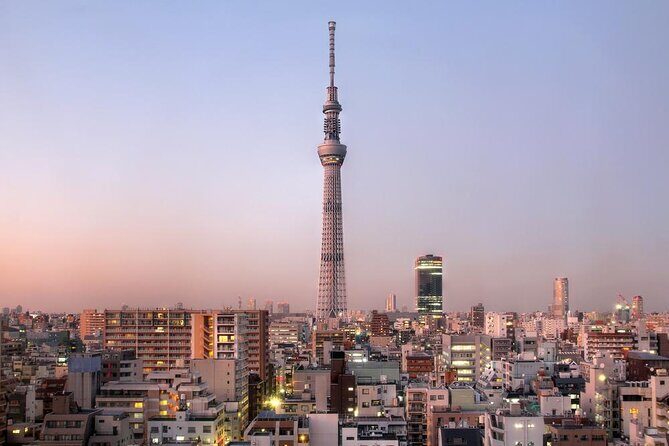
Tokyo Skytree: Views Plus a Shopping Reset
After Asakusa’s temple energy, Skytree gives you a clean viewpoint shift. You’re going from streets to skyline—always a good rhythm change.
The plan is about 1 hour at Tokyo Skytree, and here’s the key detail: observatory admission is not included. So treat this as a “book and pay the view” moment in your own budget.
Skytree works well mid-day because it’s indoors/controlled and easy to manage. If you’ve been walking a lot, you’ll appreciate the structure of a timed visit:
- Use the time for skyline photos and a quick look around the complex.
- If the day is hot or rainy, this stop can feel like a pressure-release valve.
If you’re traveling with kids or anyone who isn’t into shopping streets, Skytree is still a win. It’s also a good way to confirm Tokyo’s scale—once you see the city from up high, the rest of your ground-level wandering makes more sense.
Tsukiji Fish Market: What This Stop Really Delivers

Tsukiji Fish Market is one of those names that makes people feel like they should know what they’re doing. You don’t. That’s what your guide is for.
The schedule gives about 1 hour, and the market stop is listed as free admission. You’ll get the sense of an old-school wholesale environment—seafood, produce, and the working-energy around stalls and eateries.
Here’s how I’d approach it so it doesn’t feel like a checklist:
- Walk with your eyes first. Learn the layout and pick one or two areas to focus on rather than trying to see everything.
- If you want to eat, keep it simple. A market is great for quick bites, not a long sit-down meal.
You’re not just there for the seafood mythos. You’re also there for the everyday Tokyo hustle—how produce and goods move, how people shop, and how food culture shows up in the middle of the city.
One more thought: Tsukiji can be crowded in bursts. With a private tour, you can slow down or speed up depending on what your group wants, and you’re not trapped behind a coach bus flow.
Imperial Palace Grounds: A Calm Pause in the Middle of Tokyo
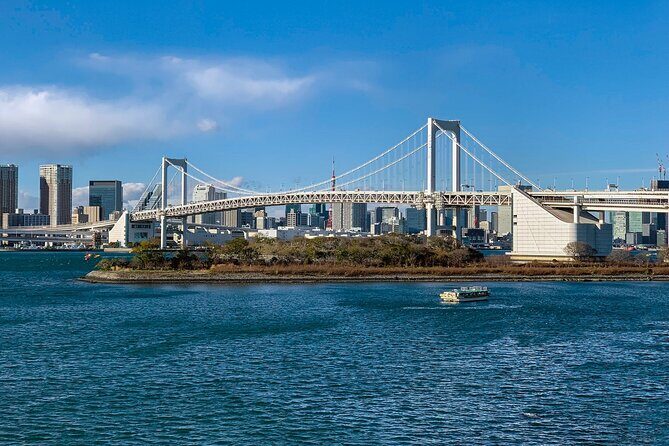
Next comes the Imperial Palace area. This is a very different Tokyo beat from the market and the tower.
You’ll have about 1 hour here. Admission is listed as not included, so you’ll want to treat it as another paid entry item depending on what’s available during your visit.
This stop is valuable because it breaks the shopping-and-streets rhythm. Even if you don’t spend your time in one historic structure, the overall feel matters. Think of it as a green, spacious contrast point—Tokyo’s version of stepping back and breathing.
If your group tends to get overwhelmed by dense crowds, the palace park vibe is often the relief you didn’t know you needed.
A few more Tokyo tours and experiences worth a look

Akihabara Electronics and Anime: Short Walk, Big Personality
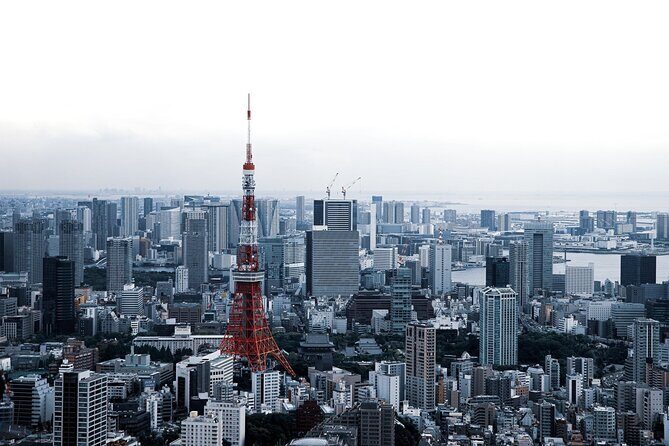
Akihabara is famous for electronics, plus manga/anime and all the niche obsession that makes it fun to wander.
Your stop is about 45 minutes, and admission is listed as free. That time window is ideal if you treat it like a neighborhood orientation:
- Pick one or two streets or shop corridors to explore.
- Don’t try to “win” Akihabara by seeing every store. You’ll burn your energy and still miss things.
This is also where a guide helps. Even if you’re not into anime, a good driver-guide can point out what’s worth noticing—what areas are mostly consumer electronics, where you’ll see more character-related shops, and where the walking flow is smoother.
If you like Tokyo’s pop culture side but you also want the day to stay balanced, Akihabara fits perfectly as a focused, shorter stop.
Ginza: High-End Shopping Without the Whole-Day Commitment
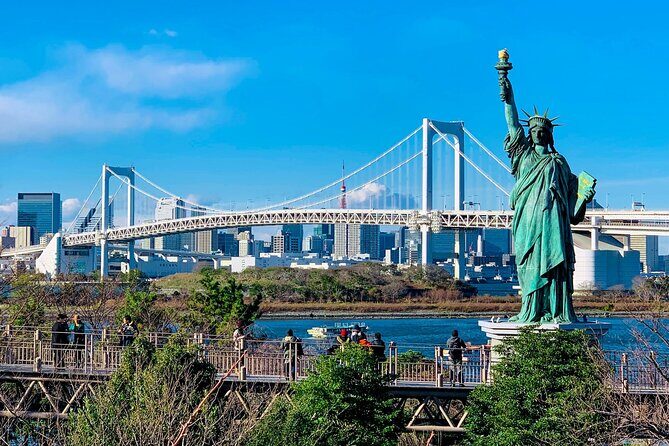
Then you roll into Ginza, which changes the mood again. Ginza is where Tokyo shows off its polished shopping style—upmarket boutiques, department stores, and a “planned and sleek” feel.
You get about 1 hour here and admission is listed as free. That’s enough to browse and people-watch without turning this into your entire day.
I like Ginza after the more chaotic markets because it feels like a reset. If you’re shopping, you’ll find plenty to browse. If you’re not, it’s still a useful contrast zone—architecture, big-store energy, and wide streets that make photos easier.
Ameyoko Shopping Street and Ueno Park: Two Ways to Feel Local
This is where the itinerary gets especially Tokyo. You don’t just do one “market stop.” You do a street market vibe first, then a park mood.
Ameyoko Shopping Street
Ameyoko in Ueno is an open-air market area with lots of variety: fashion, cosmetics, medicines, and even fresh food. Your time here is about 45 minutes, and admission is listed as free.
If you’ve ever wondered what “buying local” feels like in Tokyo, this area is a strong answer. It’s not a museum. It’s a place where people are actually shopping.
Ueno Park
Next: Ueno Park for about 1 hour. Admission is listed as free, and the itinerary notes Ueno Park as a famous cherry blossom spot in spring.
Even if you’re not traveling during cherry blossom season, the park stop still works. It slows your pace down right when you might be tempted to keep rushing. It’s a good place to regroup before the day ends.
Price and Logistics: Is $425 Worth It?
The price is $425 per group (up to 6) for a full day of private transport with a driver-guide. That’s not cheap, but it’s also not random—this cost can make sense if you factor in what you avoid.
You’re paying for:
- Less time lost to transfers and station navigation
- A driver-guide who can keep the route efficient
- A private vehicle that’s more comfortable than packing into trains
- A day plan that links distant neighborhoods
For a couple, the price may feel steep. For a small family or a group of friends sharing the vehicle cost, it starts to look better fast. If you can spread the cost across multiple people, you’re buying convenience and stress reduction.
Then there’s the “hidden value” part: time. Tokyo is full of great places, but fitting them together takes planning. If you’re using this tour as your one big “see the essentials” day, it can be a smart trade.
Private Driver-Guide Quality: The Real-Life Difference
This is the part I’d pay attention to before you book, because private tours live or die on execution.
Most of the positive feedback points to guides who were:
- Friendly and approachable
- On time for pickup
- Good at explaining each stop
- Willing to accommodate needs
Names that show up in the praise include:
- Abdul, praised for English and for hitting Tokyo highlights with great information.
- Maz, described as awesome and for going above and beyond for requests.
- Shahzad, mentioned as providing a best-custom experience that included pickup and drop-off and visits to major sites like Senso-ji, Tsukiji, Skytree, Akihabara, and Ginza.
Now for the caution based on the less-positive experiences: a small number of reviews reported problems like late arrival (one mentioned about 1 hour 20 minutes), limited English from the driver, skipped itinerary points, and a rushed pace.
What should you do with that? Simple and practical:
- Confirm your pickup expectations clearly before the day.
- If you have must-do moments (a specific food stop, a photo spot, a shopping focus), send them in advance so they’re part of the plan.
- Build in some buffer time in your own schedule. A “10-hour day” isn’t the same as a guaranteed “exactly 10 hours without traffic.”
With good communication and realistic expectations, the private aspect becomes a genuine upgrade, not just a luxury.
Who This Tour Fits Best (and Who Might Not Love It)
This tour is a great match if you want a first-draft Tokyo day—temples, markets, towers, and shopping neighborhoods—without the stress of planning every transfer.
It’s especially good for:
- First-time visitors who want major highlights plus a few local-feeling districts
- Small groups (up to six) who value comfort and time
- Travelers who prefer a guide’s help in navigating what to see and how to move through areas efficiently
It might not be the best match if you:
- Want long, slow stays in just one area (you’ll likely feel time pressure with stop-by-stop routing)
- Hate shopping districts and markets (even though you can simply browse, those areas are part of the itinerary’s identity)
- Are extremely sensitive to lateness. A few reviews suggest it can happen.
If you travel with flexible energy and a “let’s see Tokyo fast and well” mindset, you’ll probably love this format.
Should You Book This Full-Day Tokyo Highlights Tour?
I’d book it if you’re looking for a private, time-saving Tokyo day that covers a lot of ground without turning your trip into logistics homework. The itinerary hits high-impact stops—Senso-ji, Skytree, Tsukiji, Imperial Palace, Akihabara, Ginza, Ameyoko, and Ueno Park—with time blocks that let you actually enjoy each place.
I’d pause and plan extra carefully if your group has very tight timing, strong language needs, or you’re depending on the day to include specific extras beyond what’s listed. The tour seems to perform best when the guide is communicative, on time, and attentive—some reviews make that clear.
If you want a smooth first-day Tokyo blueprint and you can share the group cost to keep value strong, this tour is a solid choice.
FAQ
How long is the Tokyo private highlights tour?
It runs for about 10 hours (approx.).
How many people are in each private group?
The tour price is per group for up to 6 people, so you’ll travel only with your group.
Is hotel pickup included?
Yes, pickup is offered, and the day is designed around convenient hotel pickup.
Is the tour private?
Yes. It’s a private experience, with only your group participating.
Do I get a mobile ticket?
Yes, mobile ticket is listed as a feature.
Are admission tickets included for all stops?
Not all admissions are included. Tokyo Skytree and the Imperial Palace are listed as admission not included. Several other stops are listed as free admission.
What are the main stops on the itinerary?
The tour includes Senso-ji Temple, Tokyo Skytree, Tsukiji Fish Market, the Imperial Palace, Akihabara, Ginza, Ameyoko Shopping Street, and Ueno Park.
Is the tour dependent on weather?
Yes. The experience requires good weather. If it’s canceled due to poor weather, you’ll be offered a different date or a full refund.
Can I cancel and get a full refund?
You can cancel for a full refund if you cancel at least 24 hours before the experience’s start time.
Is the tour suitable for most travelers?
Yes, it states that most travelers can participate.