REVIEW · NAGANO
Snow Monkeys & Best of Nagano: Togakushi, Zenko-ji and more
Book on GetYourGuide →Operated by Omotenashi-travel · Bookable on GetYourGuide
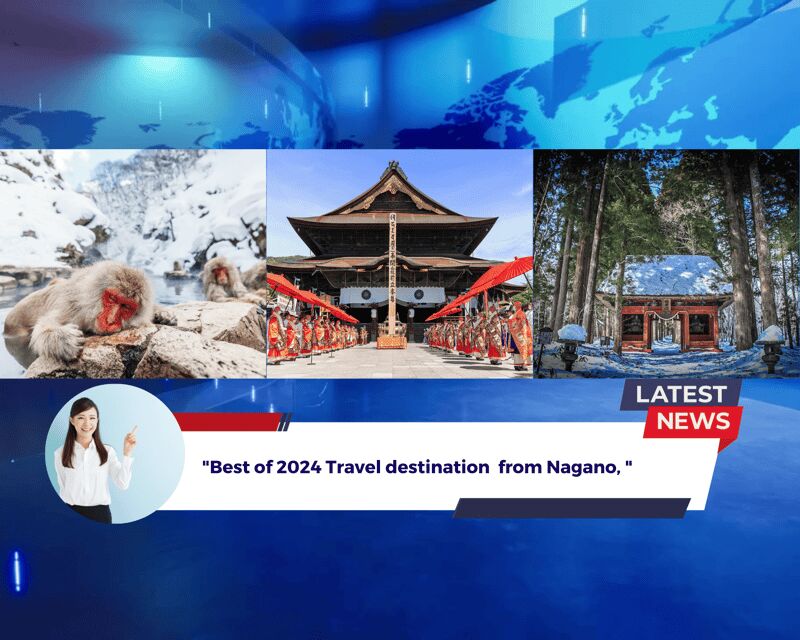
Jigokudani snow monkeys are a magnet for your whole family. This Nagano day trip is built around the Jigokudani Monkey Park experience, with a private local route by car and options that go beyond the usual checklist.
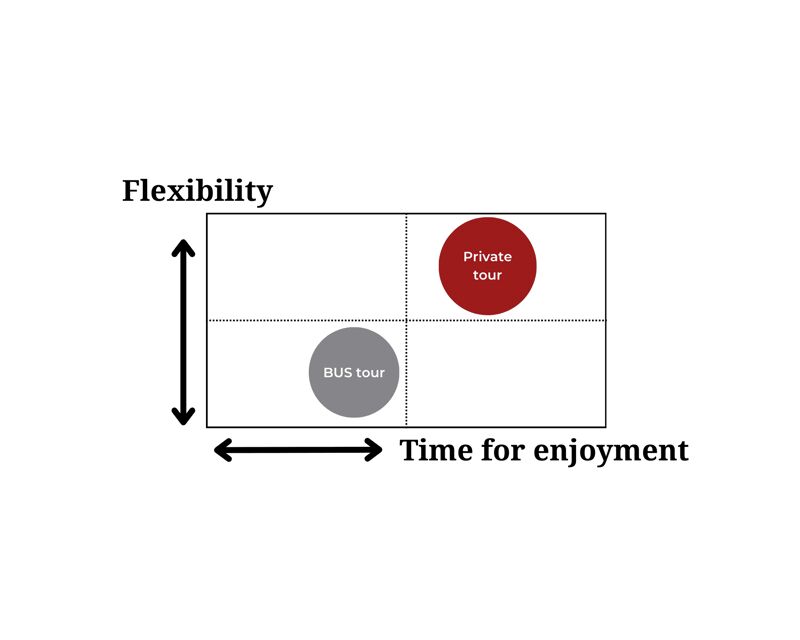
What I like most is the smart, stress-light way you get there: hotel or station pickup plus a comfortable vehicle and a guide who keeps the day moving. I also love the flexibility—after the monkeys, you can tailor your afternoon to what you actually want, from shrine forests to onsen towns.
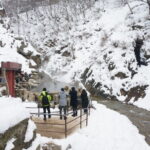
One consideration: you do need comfortable shoes and you should be ready for a 30–40 minute walk to reach the viewing area, which can feel slippery in winter.
In This Review
- Key things that make this Nagano snow monkey day work
- Why Nagano Feels Easier When You Skip the Public-Transport Shuffle
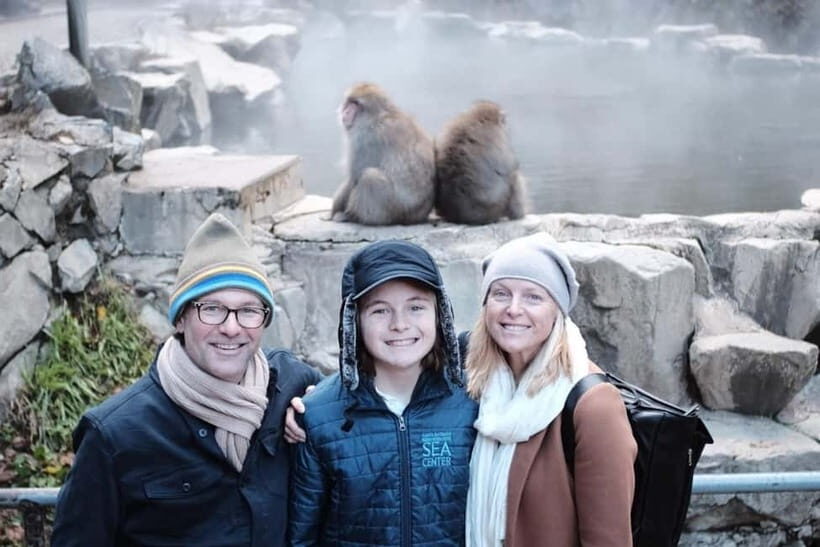
- Jigokudani Snow Monkey Park: The Walk, the Timing, and What You’re Actually Watching
- Getting Oriented in Nagano with a Lunch Stop That You Can Control
- Togakushi Shrine Okusha: That Cedar-Forest Feel and Why It’s Worth the Detour
- Shibu Onsen vs Obuse vs Zenko-ji: Choose the Afternoon by Mood
- Shibu Onsen: Old-school onsen charm and warm-town pacing
- Obuse Town: Art, miso and sake, and chestnut sweets
- Zenko-ji: Big history, plus the calmer backstreets around it
- Seasonal Options: Sakura at Garyu Park and Summer-Nature at Shiga Kogen
- April sakura: Garyu Park and the long walk-in-color
- May through October: Shiga Kogen UNESCO Forest and an emerald lake
- Family Photo Service: A Small Extra That Makes the Day Less Forgettable
- Pickup and Drop-off: How the Logistics Turn Into Extra Time
- Price and Value: What $126 Covers, and What You’ll Pay On-Site
- What I’d Pack (and Why It’s Not Just Cute-Sounding Advice)
- Who This Trip Fits Best, and Who Should Think Twice
- Real Guide Energy: English Help That Feels Personal
- Should You Book This Snow Monkeys & Best of Nagano Day Trip?
- FAQ
- How long is the tour?
- Is pickup available from Nagano Station?
- Can I get pickup from a hotel?
- What languages are available for the guide?
- Is lunch included in the price?
- Do I need to pay admission fees at each site?
- When can I see the snow monkeys?
- How far do I have to walk at the monkey park?
- Is this tour wheelchair accessible?
- What should I bring?
Key things that make this Nagano snow monkey day work
- Private car with local timing: less waiting, more time looking.
- Jigokudani’s hot-spring macaques: peak wildlife viewing depends on season.
- Plus-alpha afternoon choices: Togakushi, Shibu Onsen, Obuse, Zenko-ji, and seasonal scenery.
- Family photo service: someone handles the camera so everyone is in the frame.
- Turn transit into sightseeing: pickup and drop-off locations can match your schedule.
Why Nagano Feels Easier When You Skip the Public-Transport Shuffle
Nagano is one of those places where things are close on a map, but not always close in real travel time. I like that this trip treats your day as a route problem solved: pickup, a private vehicle, and an English-speaking guide who helps you keep momentum.
The result is a calmer experience. You spend less energy figuring out connections and more energy doing the part you came for: watching snow monkeys and exploring places like Togakushi or Zenko-ji at a pace that doesn’t feel rushed.
You’re also given control. After the monkey park, the “choose your own afternoon” setup matters because not everyone wants the same kind of Japan day—shrines, onsen nostalgia, art towns, or nature/scenery all fit here.
A few more Nagano tours and experiences worth a look


Jigokudani Snow Monkey Park: The Walk, the Timing, and What You’re Actually Watching
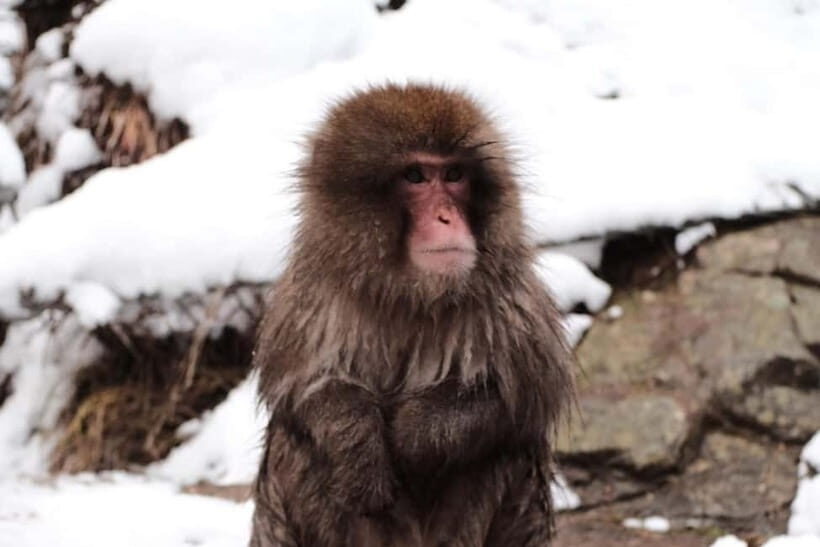
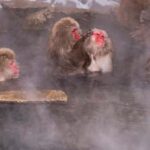
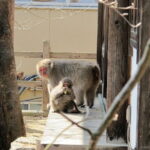
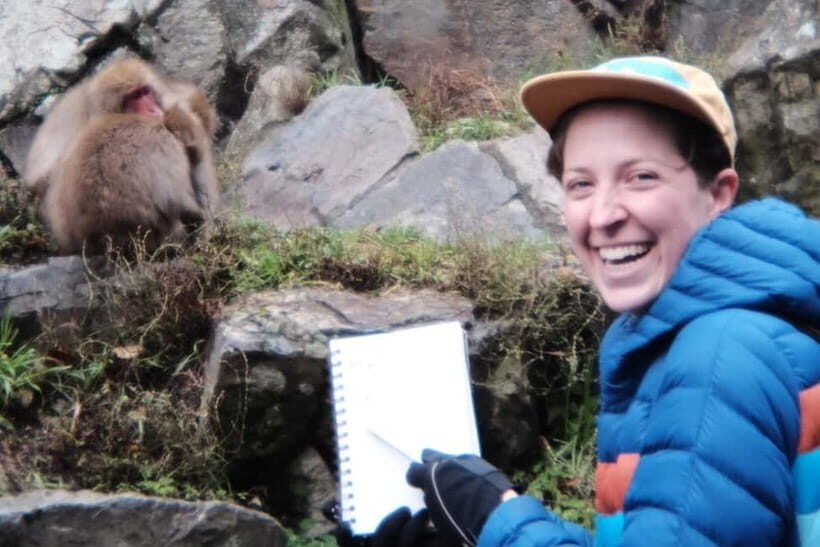
The big event is Jigokudani Monkey Park, where wild Japanese macaques visit the hot-spring area. The tour builds in time for sightseeing—about 3 hours—so you’re not glued to a clock while you wait for monkey activity.
Here’s the practical part: reaching the viewing area requires a 30–40 minute scenic walk. In winter, the ground can be icy, and one guide (Chris, in one of the trips) even helped people stay steady; another review noted crampons were available and could help on slick paths. If you know your feet get wobbly, wear grippy shoes and plan for a slower pace.
Now the seasonal timing. The macaques typically show up from late November to July. From November onward, you’re more likely to see them starting their winter routine, descending from higher areas as temperatures drop. From April to July, life is more active—June is the standout month for newborn sightings, and that’s when you can sometimes witness the raw, close family behavior that makes this park unforgettable.
One more reality check: wildlife doesn’t do announcements. Your best shot for memorable viewing is going in prepared—water, layers, good footwear—then staying present while the guides help you find strong viewing spots.
Getting Oriented in Nagano with a Lunch Stop That You Can Control
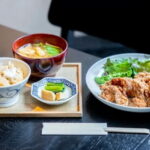
Between the monkeys and your next destination, there’s a lunch window in Nagano. The guide includes about 1 hour for lunch, and the lunch isn’t included in the tour price, which means you can pick what fits your taste and budget.
This is a small detail, but it matters. In a day trip like this, being forced into a fixed lunch can ruin the flow for picky eaters or anyone who has dietary needs. Here, your guide recommends options based on preferences and availability, and you keep your own decision-making power.
I also like that you’re not bouncing straight from one activity to another. The lunch stop gives you a chance to reset, warm up if you’re coming from a cold walk, and regroup before your next “plus-alpha” choice.
Togakushi Shrine Okusha: That Cedar-Forest Feel and Why It’s Worth the Detour
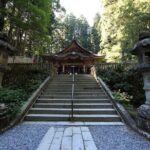
If you want something spiritual and atmospheric after the monkeys, Togakushi is a strong match. The tour includes a guided visit to Togakushi Shrine Okusha and Zuishinmon, with about 3 hours for the experience.
The selling point isn’t just the shrine. Togakushi is famous for a sacred “forest bath” through 400-year-old cedar avenues, and that’s exactly the kind of place where a guide helps you slow down. Walking among older trees changes your pace—less rushing, more noticing light, cool air, and the sense of ceremony that comes with centuries of worship here.
Food also gets a mention for a reason. Togakushi soba is described as being made with pure mountain spring water, and having that connection—place to taste—makes the meal feel earned, not random. If you choose Togakushi, I’d plan to eat the noodles rather than treating it as optional.
Shibu Onsen vs Obuse vs Zenko-ji: Choose the Afternoon by Mood
This is where the tour stops being one-size-fits-all. After Jigokudani, you can pick from several “plus-alpha” directions, each with a different flavor of Nagano.

Shibu Onsen: Old-school onsen charm and warm-town pacing
Shibu Onsen is guided and timed for about 2.5 hours. The vibe is nostalgic—often compared to the mood of an animated story—with time to hop between foot baths, plus a local craft beer brewery stop if it matches your interests.
What you’ll likely enjoy here is the small-town rhythm. Instead of trying to pack in sights like a checklist, you get a more human-scale visit: steam, sidewalks, short walks, and local stops guided by someone who knows what’s worth your attention.
Obuse Town: Art, miso and sake, and chestnut sweets
Obuse is another guided 2.5-hour option, and it leans toward flavor and creativity. You can visit traditional miso and sake breweries, explore Hokusai’s art, and end with premium chestnut sweets.
If you like Japan that feels artisanal—small producers, craft, and food you can taste without a hard sell—Obuse is a great pick. It’s also ideal if your group includes people who want culture but not necessarily another long temple walk.
Zenko-ji: Big history, plus the calmer backstreets around it
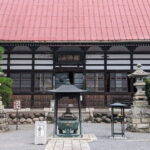
Zenko-ji Temple is a 1,400-year-old National Treasure, and the tour includes guided time with a focus that goes beyond the main site. You get a chance to explore hidden alleys where you might find renovated warehouse cafes, modern matcha shops, and artisan boutiques.
This is a good choice when you want a mix: a major temple landmark plus “in-between” wandering time that feels more local than tourist-only.
Seasonal Options: Sakura at Garyu Park and Summer-Nature at Shiga Kogen
Nagano changes fast by season, and this tour reflects that with specific seasonal add-ons. If you plan your timing around nature instead of just dates on a calendar, you’ll get more out of the day.
April sakura: Garyu Park and the long walk-in-color
For April only, you can add a Sakura viewing outing at Garyu Park (about 2.5 hours). Early April highlights include 1,000 cherry trees reflecting on the lake. Mid-April onwards brings a 4 km tunnel of yaezakura blossoms plus yellow canola flowers along the river.
This option works well if your group likes gentle scenic wandering and wants photos that feel like a season, not just a single snapshot. Just make sure you keep your shoe comfort high—scenic routes are still routes.
May through October: Shiga Kogen UNESCO Forest and an emerald lake
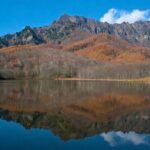
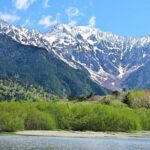
For May to October only, you can choose Shiga Kogen UNESCO Forest (guided, about 5.5 hours). The description points to a UNESCO biosphere reserve with an “acid emerald lake,” and the chance to see seasonal wildlife in a pristine natural habitat.
This is the choice for people who want space and cooler air, especially if you’re traveling during warmer months. It can also be a nice “energy shift” after the monkey park—switching from animal viewing to nature-scale silence.
Family Photo Service: A Small Extra That Makes the Day Less Forgettable
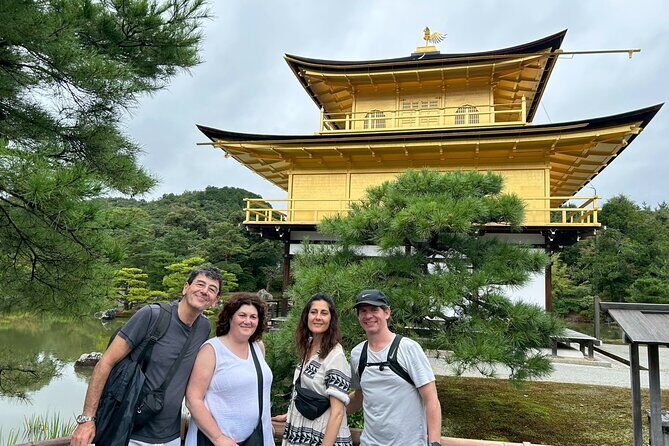
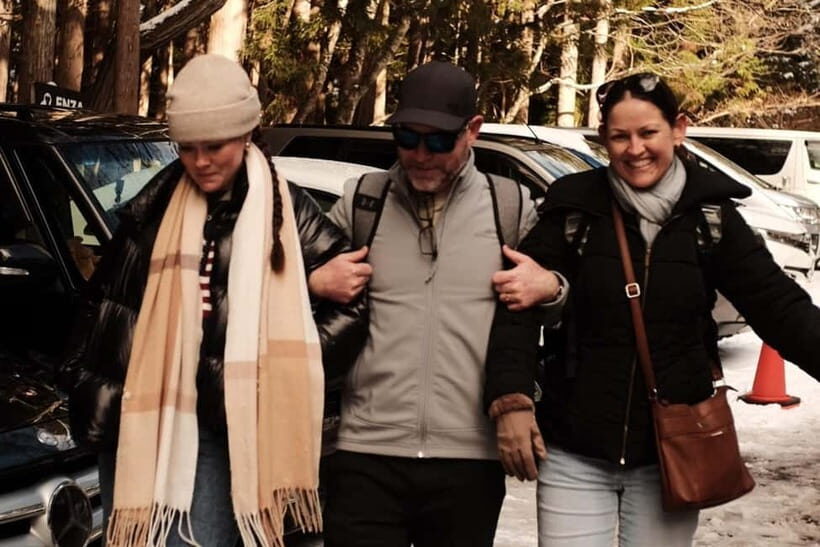
Not every day trip thinks about families. This one does, with a photo gift designed to capture everyone together. The guide uses your camera to document your genuine smiles so you’re not stuck with one person constantly behind the lens.
I like this because it solves a common problem. When you’re traveling with kids or multiple relatives, it’s easy for the “real memories” to end up as random phone shots or missing faces. By putting the photo moment into the plan, you’re more likely to end the day with something you’ll actually want to frame.
Pickup and Drop-off: How the Logistics Turn Into Extra Time
This tour includes hotel pickup and drop-off in Nagano City and neighboring towns like Suzaka, Chikuma, Shinano, and more. You can also start from major points like Nagano Station, with a specified meet-up spot: the taxi stand by the police box at the Zenkoji Exit.
There are also multiple pickup/drop-off zones listed, including Joetsu, Nagano, Kamiminochi District, Nozawaonsen, Myoko, and Togakushi. That matters because it can reduce backtracking.
One of the smartest notes in the setup is that you can turn transit time into sightseeing. If you’re traveling onward by train, you can still do the day trip and then drop at the station with luggage left in the car—no chaotic “rush and catch” scramble.
Price and Value: What $126 Covers, and What You’ll Pay On-Site
The price is listed as $126 per person for a day that runs from about 5 hours up to longer options depending on your choices. You get a private English-speaking guide and a comfortable private vehicle with driver, plus parking, highway tolls, fuel, and vehicle insurance.
That’s where the value comes from. For many people, getting to Jigokudani and then splitting off to a second area (Togakushi, Shibu Onsen, Obuse, Zenko-ji, or a seasonal nature spot) is exactly where public transport becomes inconvenient. Paying for a private route can be cheaper in time and sanity, especially for families or mixed-age groups.
What’s not included: admission fees, lunch, and on-site meals you choose. Admission is paid on-site, with listed amounts of 800 yen for adults and 400 yen for children (free for kids under 6).
If you’re budgeting, plan on your own lunch decision during the Nagano break and factor in paid admissions as needed. The upside is you avoid extra online ticket fees, and the guide can help you pick what’s easiest to access that day.
What I’d Pack (and Why It’s Not Just Cute-Sounding Advice)
Bring comfortable shoes first. You’ll be doing a scenic walk to reach the monkey viewing area, and winter paths can be slick. Second, bring water—even if you think you won’t need it, you’ll be glad you have it after time outdoors.
Layering helps too, because you’re moving between cold air outdoors and warmer spaces when you head into towns or shrine areas.
Who This Trip Fits Best, and Who Should Think Twice
This works best if you want wildlife plus culture without turning the day into a transit puzzle. It’s especially strong for families—one of the recurring wins is that everyone can be in the frame, and pickup/drop-off options reduce the stress of coordinating multiple people.
It also suits travelers who like flexibility. You’re not locked into only one afternoon. You can choose Togakushi for cedar-shrine atmosphere, Shibu Onsen for onsen-town pacing, Obuse for art and food, Zenko-ji for temple-plus-streets exploring, or seasonal nature options in the right months.
One clear limitation: it’s not suitable for wheelchair users. That’s based on the walking involved to reach the monkey viewing area and the overall structure of the route.
Real Guide Energy: English Help That Feels Personal
A private day trip lives or dies on the guide. The experiences here highlight English-speaking guides who share history and local context during the drive, and who handle the day with confidence.
Names that show up across bookings include Dai, Graham, Graeme, Chris, and others. Multiple accounts praise guides for being thoughtful and helpful—one guide helped with slippery footing and even assisted during falls, and another made the pickup-and-monkey-park logistics run smoothly from Nagano Station.
That “calm competence” is exactly what you want in winter conditions near Jigokudani. You’re not just buying a ride—you’re buying a guide who helps you feel steady while you explore.
Should You Book This Snow Monkeys & Best of Nagano Day Trip?
If your goal is snow monkeys plus one more meaningful Nagano experience without stress, I’d book it. The private car approach is the difference between enjoying the day and spending your energy on timing, lines, and connections.
I’d especially consider it if you’re traveling with kids or a group with different interests, because the afternoon choice lets you tailor the day to everyone’s mood—shrines, onsen town, art and sweets, or seasonal nature scenery.
Skip it (or rethink) if you’re not comfortable with a moderate walk and potentially icy conditions. If that part sounds hard, ask yourself whether you can handle the 30–40 minute scenic approach with good footwear and a slower pace.
If you’re ready for a memorable, well-timed Nagano day built around wild macaques, this is a smart way to do it.
FAQ
How long is the tour?
The tour duration is listed as 5 hours to 570 minutes depending on the chosen route and timing.
Is pickup available from Nagano Station?
Yes. The station pickup meeting point is at the taxi stand by the police box at Nagano Station’s Zenkoji Exit.
Can I get pickup from a hotel?
Yes. Accommodation pickup is available within Nagano City and neighboring towns, and you share lodging details by the day before.
What languages are available for the guide?
The tour includes a live English-speaking guide.
Is lunch included in the price?
No. Lunch is not included, and you’re free to choose where to eat. The guide recommends options and checks availability.
Do I need to pay admission fees at each site?
Yes. Admission is paid on-site. The listed fees are 800 yen for adults and 400 yen for children (free for children under 6).
When can I see the snow monkeys?
The macaques usually visit the park from late November to July. You can see different behavior patterns depending on the month.
How far do I have to walk at the monkey park?
A 30–40 minute scenic walk is required to reach the viewing area at Jigokudani Snow Monkey Park.
Is this tour wheelchair accessible?
No. It is listed as not suitable for wheelchair users.
What should I bring?
Wear comfortable shoes and bring water.