REVIEW · NAGANO
Nagano: Snow Monkeys, Zenkoji Temple & Sake Day Trip
Book on GetYourGuide →Operated by Machinovate Japan Ltd. · Bookable on GetYourGuide
Snow monkeys and Zenko-ji in one long winter day. I love the guided visit to Zenko-ji Temple, one of Japan’s most important older Buddhist sites, and I also love the chance to watch snow monkeys bathing in hot springs at Jigokudani. The only real watch-out is the wintery forest trail: plan for a decent walk and slippery footing, plus some days the monkeys may not come down.
The day runs with a local English-speaking guide who keeps the stops moving and makes history and food feel practical, not academic. People highlight guides like Dylan, Kevin, and Hiroshi for their clear explanations, and the lunch is often described as plentiful and surprisingly memorable for a day trip.
You’ll also fit in sake tasting, which is fun even if you’re not a big alcohol person. Just know it’s a full 8–12 hours, with meeting at Nagano Station around 9:35 AM (or earlier Hakuba winter shuttles), and you’ll be back at Nagano Station by about 17:30 (or later if you started from Hakuba).
In This Review
- Key moments that make this day trip worth your time
- Planning your day: why this mix works so well
- Starting at Nagano Station (and Hakuba winter shuttles)
- Zenko-ji Temple: the calm focus before the winter chaos
- The short food stop and the lunch that powers the cold walk
- Sake tasting: how to enjoy it without turning it into homework
- Jigokudani Monkey Park: hot springs, close encounters, and a snowy walk
- The walk you can’t ignore
- Photo tips that actually help
- Comfort, pace, and the real-world tradeoffs
- Value check: why $135 can be a good deal
- Should you book this Nagano snow monkey day trip?
- FAQ
- How long is the Nagano: Snow Monkeys, Zenkoji Temple & Sake Day Trip?
- Where do I meet the tour guide if I’m starting from Nagano Station?
- Is there a shuttle from Hakuba in winter?
- What’s included in the tour price?
- Can under-20 guests still take part in the sake tasting?
- How much walking is involved at Jigokudani Monkey Park?
- Is the inner sanctuary of Zenko-ji Temple included?
- What if the monkeys do not come down that day?
Key moments that make this day trip worth your time
- Zenko-ji Temple in 90 minutes: guided time at one of Japan’s oldest major temples, with lots to see beyond just the main halls
- A half-hour secret stop for food tasting: a short break that adds local flavor between sightseeing chunks
- Lunch designed for Nagano: vegetarian options available, and dishes like miso soup show up as warm, solid fuel
- Sake tasting with non-alcoholic options: you can taste different styles, and under-20 guests can still join
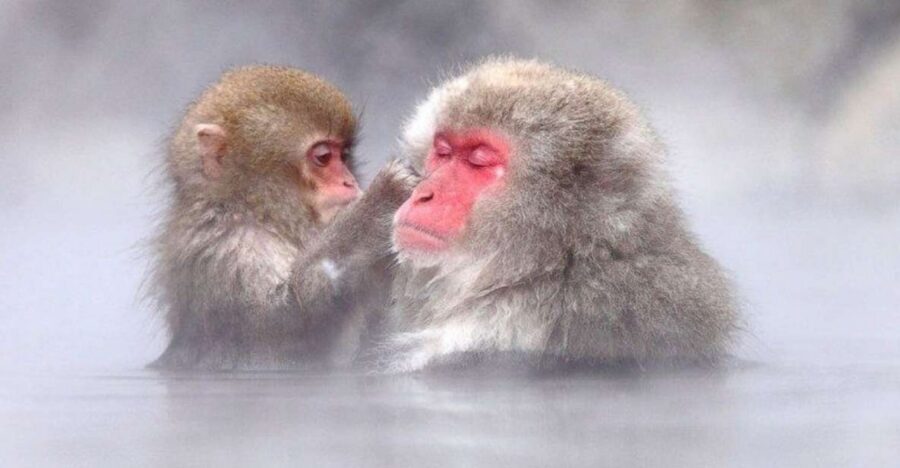
- Jigokudani Monkey Park’s hot-spring theater: monkeys close up, plus the snowy forest walk that makes it feel like a real winter scene
Planning your day: why this mix works so well
This is one of those days that feels packed, but not messy. You’re not bouncing around random spots. The flow makes sense: a major cultural anchor at Zenko-ji, then food and drink, then the big winter “show” at Jigokudani Monkey Park.
What you’re really buying here is structure. The guide handles timing, and transportation links the whole arc so you don’t waste your day figuring out routes. At $135, the real value is that the trip bundles entry, guiding, lunch, and tasting—things that add up fast if you piece them together yourself.
You can also read our reviews of more food & drink experiences in Nagano

Starting at Nagano Station (and Hakuba winter shuttles)
Meet time depends on where you’re coming from, but the tour is built around a hard departure. For Nagano, the meeting is at 9:35 AM at Nagano Station. There’s also a winter-only shuttle option if you’re staying in Hakuba, with pickups that can begin as early as 7:40 AM from Hakuba Tokyu Hotel (Wadano area) or 7:55 AM from Hakuba Happo Bus Terminal.
Two small details matter for your comfort:
- Be at the pickup point early. The tour must depart on-time.
- If the 9:35 Nagano slot is full, there can be an additional 9:00 AM start. Double-check the timeslot on your booking so you’re not standing there wondering what happened.
The tour ends back at Nagano Station by about 17:30, or around 18:45 for winter guests joining from Hakuba.
This matters if you’re juggling ski schedules. Several people used this as a balance day—one good way to trade slopes for snow monkeys and temples without feeling like you abandoned your trip plan.
Also note one practical constraint: this is not a private tour. You can only be picked up and dropped off at the designated meeting points, and you won’t get custom door-to-door changes.
Zenko-ji Temple: the calm focus before the winter chaos
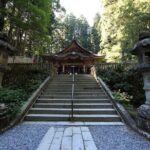
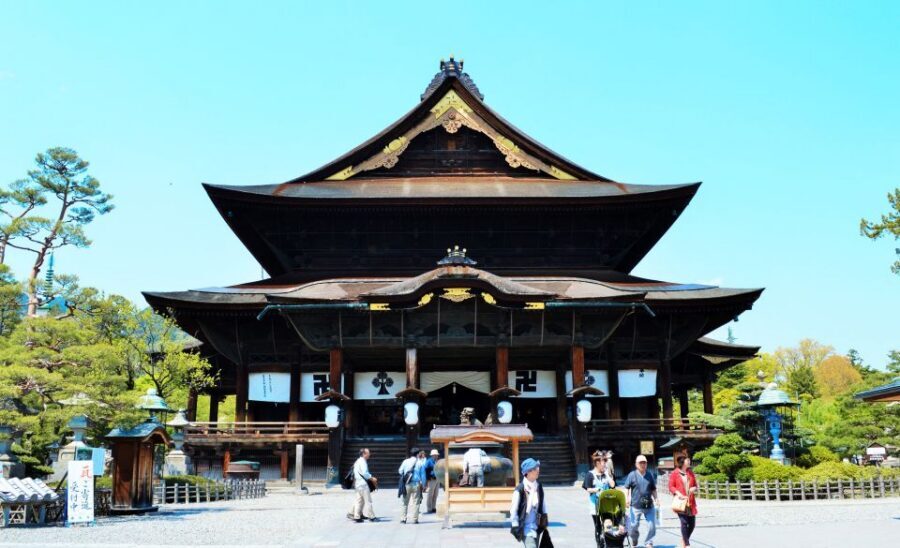
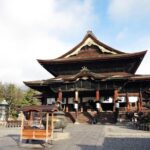
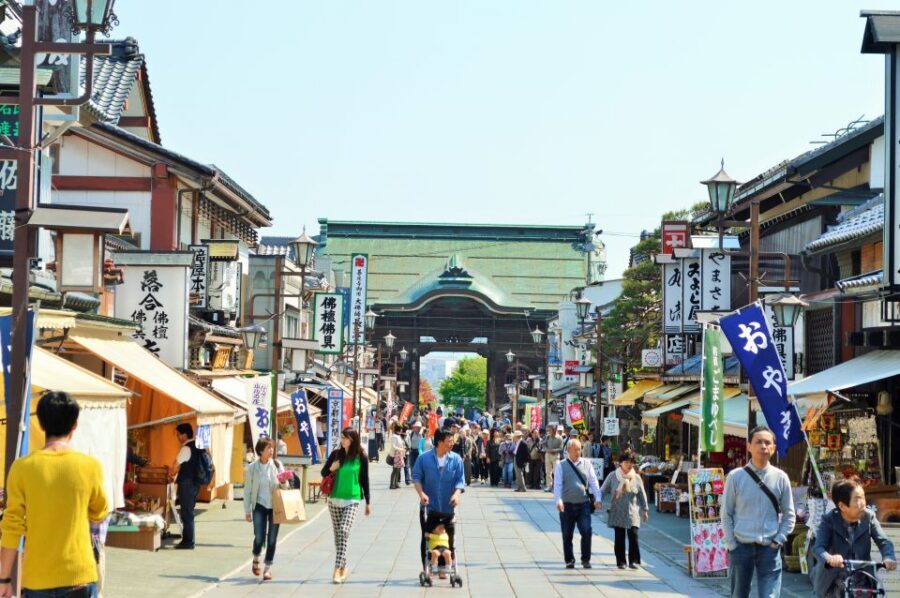
Your first real stop is Zenko-ji Temple, guided for about 1.5 hours. This is one of Japan’s most historically significant Buddhist temples, and the experience is more than just a quick photo stop. The guide’s narration usually makes the place click—why it matters, what you’re looking at, and how the temple fits into Nagano’s wider story.
In many Zenko-ji visits, you spend time walking through the temple grounds and the approach area. That walking portion is part of the atmosphere: you move from everyday street rhythm into old-temple stillness, with plenty of places to pause and look up.
A couple of specifics to keep expectations realistic:
- Inner sanctuary access is optional and not included in the base package. You might choose to upgrade if you want the deepest access.
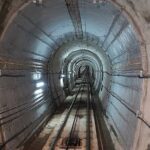
- Some departures can add extra temple experiences. One common example from past groups is an additional, very dark tunnel walk under the temple—cool if you like oddball sensory travel moments, and something you should be ready for if it appears.
For your comfort, wear shoes that handle uneven stone and cold weather. You’ll be walking through temple areas, not just sitting.
The short food stop and the lunch that powers the cold walk
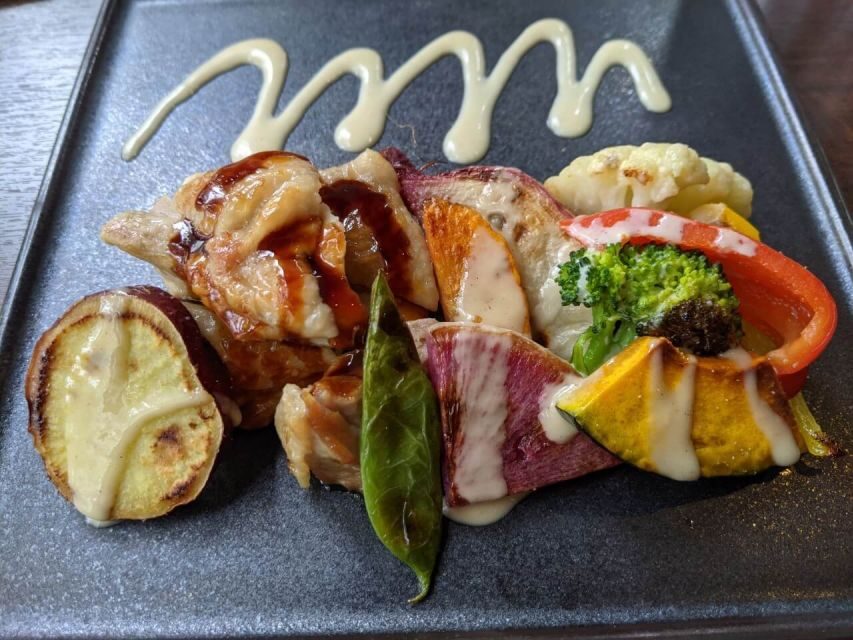
Between Zenko-ji and the monkey park, you get a short guided secret stop (about 30 minutes) with food tasting. It’s brief, but it breaks up the day so you don’t hit Jigokudani running on sightseeing adrenaline alone.
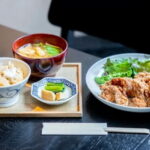
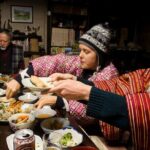
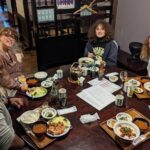
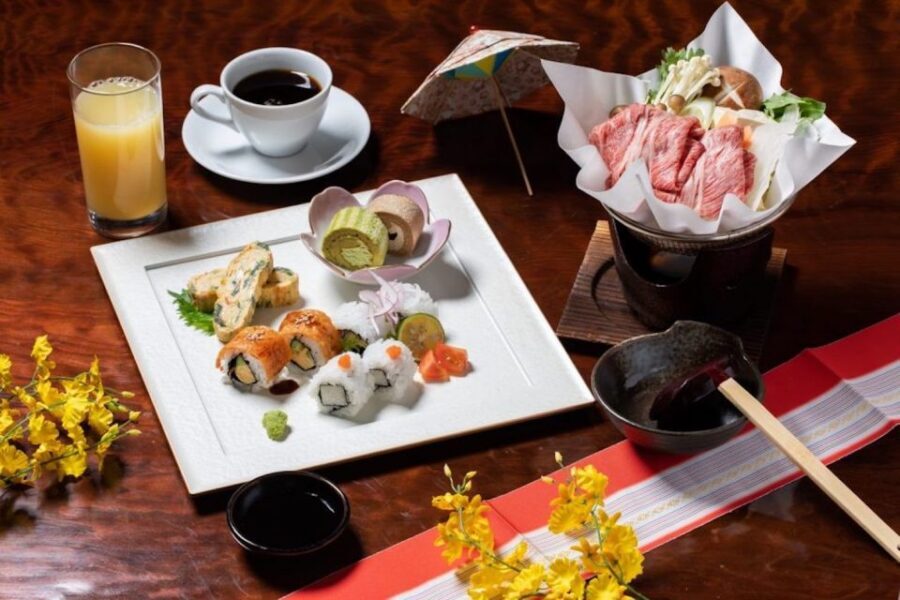
Then comes lunch at a local restaurant for about 1 hour. This is where the tour quietly wins over a lot of people. The lunch is often described as plentiful and very satisfying, not the usual “tour-bus meal” vibe.
What you can look forward to, based on common menu details:
- Miso soup is typically part of the meal.
- There are protein choices such as beef, seafood, or a vegetarian option.
- Dishes like tempura and sushi may show up depending on the set menu.
Vegetarian options are available, and you should tell the operator about any allergies in advance so they can arrange lunch accordingly.
One review example described lunch in an old mountain restaurant building over 150 years old. That’s not guaranteed everywhere, but it matches the overall feel: you’re not eating in a generic cafeteria. This is a real stop that serves real food you can taste.
Sake tasting: how to enjoy it without turning it into homework
After the lunch break—or sometimes paired with the earlier cultural portion—you’ll do sake tasting. The tastings are guided, and the goal is to help you understand what you’re sampling: different types, how they differ, and what to notice as you sip.
Japan’s drinking rules apply here: you must be at least 20 to consume alcohol. If you’re underage or you don’t drink, the tour provides non-alcoholic sakes, so you’re still part of the tasting moment.
A big value point: the tasting is not just random pours. With a guide’s explanations, you can actually connect the differences to the choices producers make. Even if you only like one style, you’ll leave with a better sense of what you enjoyed and why.
If you’re the kind of person who fears being stuck with an alcohol script, this is one of the better setups. It’s structured, it’s educational, and it’s short enough that you don’t feel pressured.
You can also read our reviews of more drinking tours in Nagano

Jigokudani Monkey Park: hot springs, close encounters, and a snowy walk
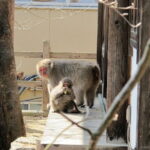
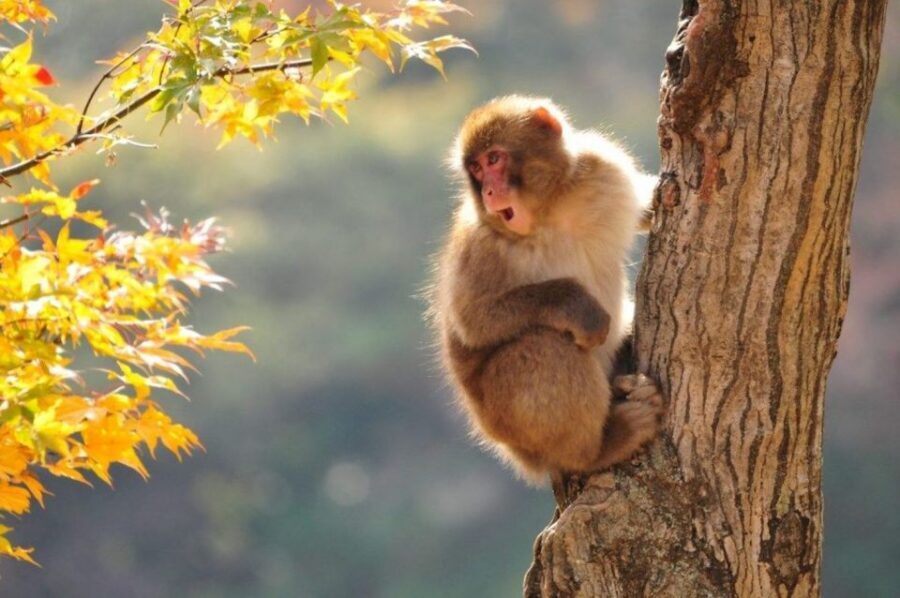
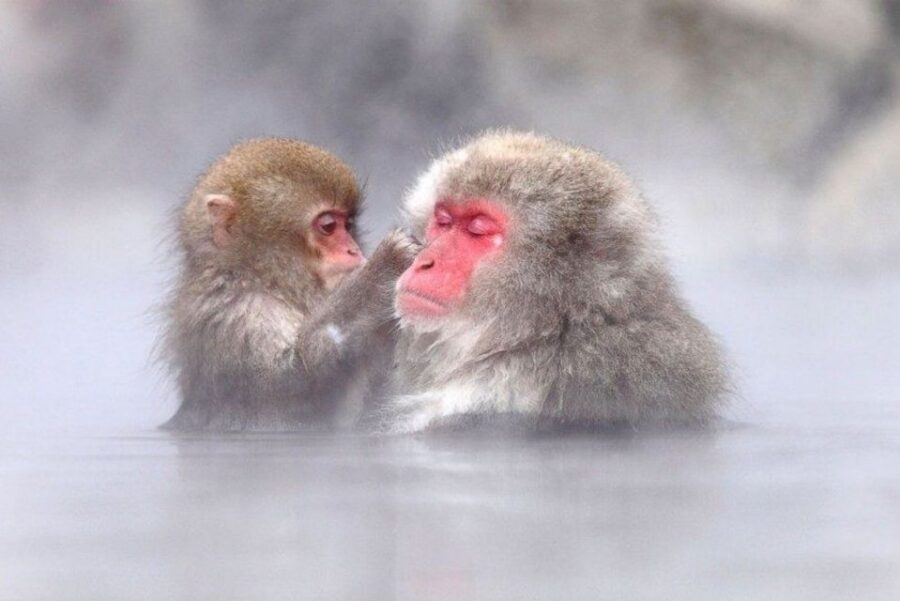
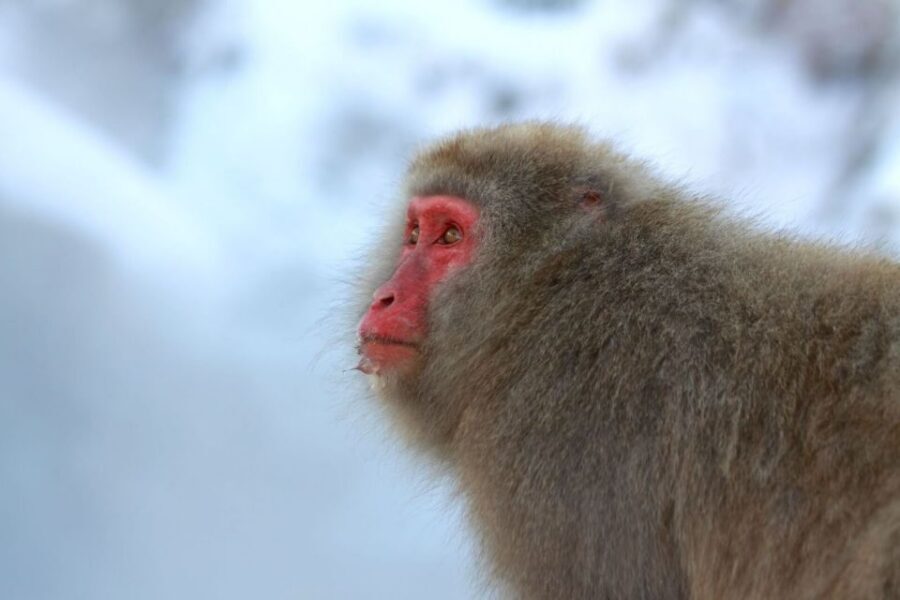
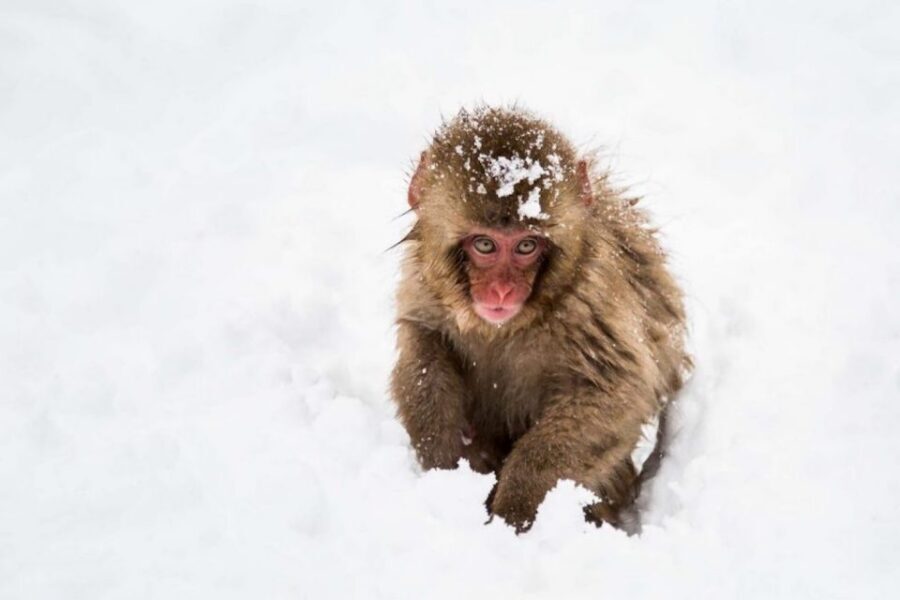
Now for the main event: Jigokudani Monkey Park. You get about 2.5 hours there, with time to walk, watch wildlife, and take photos. This is the famous place for one reason—these are the monkeys that are known for bathing in hot springs.
Expect a lot of motion. In good conditions, monkeys spread out, climb, eat, and settle back into the warm pools. The closeness is the whole point: you’re not watching from a far-off overlook. You’re in the zone.
But keep your expectations grounded in winter reality:
- There may be days when the monkeys don’t come down to the park. That’s not controllable, and it can change by season and conditions.
- A lot of the magic is tied to weather. Clear, calm days tend to feel more “postcard” than stormy ones.
The walk you can’t ignore
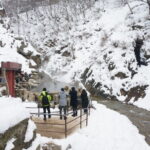
You’ll do a substantial walking portion: about 1.6 km total to and from the park. The forest trail can be slippery in winter. This is where preparation turns a good day into a safe day.
I strongly recommend you:
- Wear shoes made for traction (no heels, no sandals).
- Plan for a trail that may be icy or slushy.
- If you already have traction aids, bring them. Even if you don’t, it’s smart to consider them because some people have needed crampons for the icy sections.
The trip also doesn’t just discourage risky footwear—it explicitly says high-heeled shoes are not allowed. Follow that. It’s not a style suggestion; it’s a safety note.
Photo tips that actually help
If you’re photographing, arrive ready for changing light. The park is snowy and bright, but your best shots often happen around movement—monkeys reaching, settling, and soaking. Wear gloves or something warm enough that you can still adjust your camera in cold air.
Also: if you want tight shots, don’t freeze in one spot. Walk a bit along the safest paths and look for where monkeys are already congregating in the hot-spring area.
Comfort, pace, and the real-world tradeoffs
This is a non-private day trip, so you’ll be part of a group pace. Most people like that because it keeps things smooth: guided time at Zenko-ji, transport that handles the distance, then the structured park visit.
Still, there are a few comfort considerations:
- Expect a wintery day with walking. Even if the routes are generally manageable, the trail may be slippery.
- Bus comfort can be tight if you’re tall. One review specifically mentioned the coach can feel squeeze-y for very tall passengers.
- The day can shift depending on local events, weather, and restaurant availability. That flexibility is normal in real-world travel; it also means you should stay flexible in your expectations.
Value check: why $135 can be a good deal
Here’s how I think about the pricing. On paper, $135 isn’t cheap for “a bus day.” In practice, it often works because you’re bundling:
- Transport between locations
- An English-speaking guide
- Snow monkey park entry
- Lunch (with vegetarian options)
- Sake tasting
And you’re doing it from Nagano or from Hakuba with a shuttle option in winter. If you tried to cobble together everything yourself—getting to Jigokudani, arranging a guided temple visit, and timing lunch—you’d spend time you don’t have, and you’d likely pay similar money once entry and meals are included.
A common sentiment from past groups is that having direct transport and a guide is worth it, even though you could technically go on your own. When your day is limited, structure saves you from friction.
Should you book this Nagano snow monkey day trip?
I’d book it if:
- You’re going to Nagano/Hakuba in winter and want snow monkeys without turning your day into logistics.
- You care about getting cultural context at Zenko-ji, not just checking a temple off a list.
- You like having guided food and drink moments, especially the sake tasting (with non-alcoholic options available).
I might skip it (or at least think hard) if:
- You hate walking on icy trails or you’re not steady on slippery surfaces.
- You want a fully customizable itinerary. This one has fixed meeting and drop-off points.
- You’re visiting during a period when you worry the monkeys won’t show as expected. Some days they don’t come down, and no one can promise the perfect monkey lineup.
If you’re prepared with traction-ready shoes and you’re okay with a full day, this is one of the more satisfying ways to get Nagano highlights in a single sweep.
FAQ
How long is the Nagano: Snow Monkeys, Zenkoji Temple & Sake Day Trip?
The total duration is listed as 8 to 12 hours, depending on starting times and winter pickup options.
Where do I meet the tour guide if I’m starting from Nagano Station?
The standard meeting point is Nagano Station at 9:35 AM. There may also be an additional 9:00 AM start if the 9:35 option is fully booked.
Is there a shuttle from Hakuba in winter?
Yes. Winter-only shuttle pickup options include Hakuba Tokyu Hotel (Wadano area) at 7:40 AM and Hakuba Happo Bus Terminal at 7:55 AM.
What’s included in the tour price?
Included items are transportation between activities, an English-speaking guide, Snow Monkey Park entry, lunch (vegetarian options available), sake tasting, and Hakuba shuttle service (winter only).
Can under-20 guests still take part in the sake tasting?
Sake consumption requires you to be at least 20. For underage guests or those who do not drink, non-alcoholic sakes are available.
How much walking is involved at Jigokudani Monkey Park?
There is about a 1.6 km walk to and from the park. The forest trail can be slippery in winter, so you’ll want proper footwear.
Is the inner sanctuary of Zenko-ji Temple included?
No. Optional entry to the inner sanctuary is not included in the tour price.
What if the monkeys do not come down that day?
The information notes there are a few days each year when the monkeys might not come down to the park. That can affect what you see during your visit.