REVIEW · KYOTO
Kyoto: Hop-on Hop-off Sightseeing Bus Ticket
Book on GetYourGuide →Operated by Myojo bus Co. · Bookable on GetYourGuide
Kyoto hits you fast.
This hop-on hop-off bus gives you panoramic open-top views and a simple way to hit major sights without wrestling trains. I especially like the freedom of unlimited rides for your ticket window and the fact you can plug into a stop-by-stop route that lines up well with Kyoto’s most famous neighborhoods.
You’ll also get pre-recorded audio in 7 languages, which makes the ride feel like a guided overview rather than just transportation. The main drawback is real: the bus is open to the sun, so you’ll want a strategy for heat, glare, and sudden rain.
In This Review
- Key Stops and Practical Wins
- Why This Hop-on Hop-off Loop Works in Kyoto
- Price and Time: Getting Value from 1 vs 2 Days
- Starting at Kyoto Station Without Wasting Morning Time
- The Open-Top Ride: Views, Sun, and Weather Reality
- Route Overview: What Makes Each Stop Worth It
- Kyoto Station (your anchor stop)
- Nishihonganji (near Kyoto Tokyu Hotel)
- Shijo Karasuma / Nishiki-ichiba Market (city-center energy)
- Nijo-jo Castle
- Kitano-tenmangu Shrine / Kamishichiken
- Kinkakuji (Golden Pavilion)
- Daitokuji Temple
- Kyoto Imperial Palace (near Doshisha University)
- Ginkakuji (Silver Pavilion)
- Heian-jingu Shrine / Okazaki Park
- Gion (Kotowa-Kyoto Yasaka)
- Gojozaka (Kiyomizu-dera Temple / Gion)
- Sanjusangendo / Kyoto National Museum (near Hyatt Regency Kyoto)
- Audio Commentary and Onboard Comfort: What You Should Expect
- Timing Tips: Crowds, Bus Gaps, and How to Stay in Control
- Who This Bus Trip Fits Best
- Should You Book This Kyoto Hop-on Hop-off Bus?
- FAQ
- Where can I board the bus?
- How long is the ticket valid?
- Does the ticket include audio commentary?
- Is Wi-Fi available on the bus?
- Is the upper deck covered?
- What items are not allowed on board?
- What should I know about weather?
Key Stops and Practical Wins
- Kyoto Station pick-up is easy: look for the bus stop by the Isetan area at the north central exit
- Unlimited hop-on hop-off rides over 1 or 2 days so you can slow down (or sprint)
- 7-language audio helps you understand what you’re passing and what’s worth stepping out for
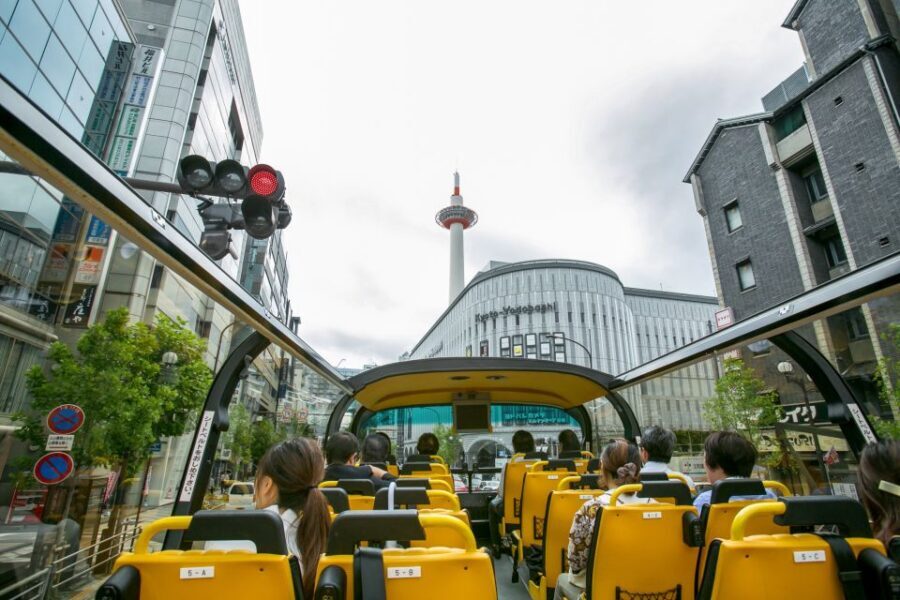
- Open-top double-decker panoramas give you Kyoto’s layout fast
- Major World Heritage names along the route (Nijo Castle, Kinkakuji, Kiyomizu-Dera Temple areas)
- Weather support exists: raincoats are provided, but you’ll still feel the elements
Why This Hop-on Hop-off Loop Works in Kyoto
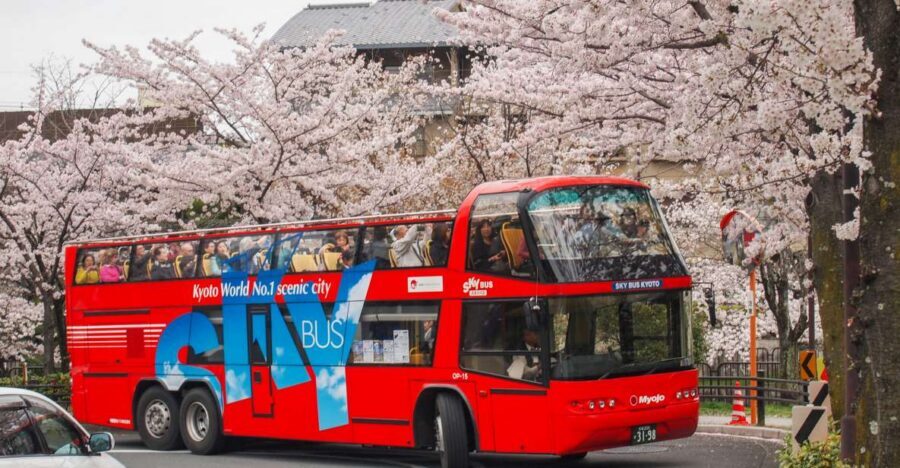
Kyoto is gorgeous, but it can also be a time tax. Sights are spread out, routes can be confusing at first, and you can easily waste an hour just getting from one temple area to another. This bus is built for exactly that problem: it strings together many of the must-sees into one practical loop.
The best part is how the day stays flexible. You can ride past a stop, decide you want more time there, then come back later within your valid day window. That matters in Kyoto, where one wrong assumption about crowds or walking distance can derail your plan.
Two other things help a lot. First, the route passes by major sites and UNESCO World Heritage locations, so you’re not guessing whether it’s worth your time to visit. Second, the audio gives you context while you’re moving—so your stops feel less random.
A few more Kyoto tours and experiences worth a look

Price and Time: Getting Value from 1 vs 2 Days
At about $27 per person for a 1–2 day option, this is one of those travel purchases that pays back in stress avoided. Kyoto taxis can burn money quickly, and trains plus multiple transfers can eat time—especially if you’re moving between temple districts and central shopping streets.
Here’s how to think about the day options:
- 1 day works if you want a hits-and-overview day and you’re willing to pick priorities fast.
- 2 days is better if you want to do more than just check boxes. Kyoto rewards lingering, and the hop-on hop-off setup lets you come back to a stop without re-planning everything.
I also like using the first day to get your bearings. After one loop, you’ll usually understand where you want to walk more, where you want shade breaks, and which stops are better earlier vs later.
Starting at Kyoto Station Without Wasting Morning Time
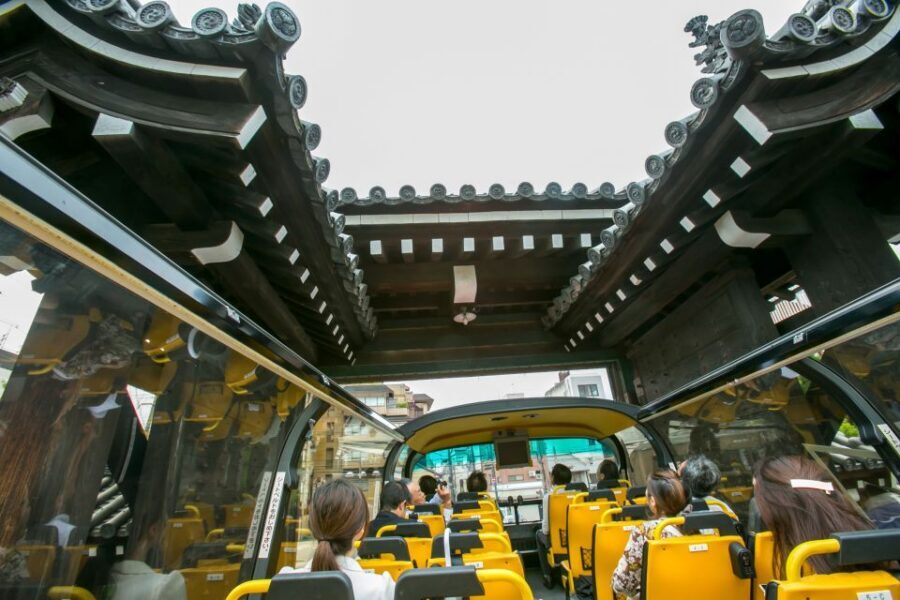
Your easiest starting point is Kyoto Station. Go to the north central exit and look for the sightseeing bus stop directly in front of the Isetan department store area.
This is a big deal for first-timers. Kyoto Station is where you’ll naturally end up for trains, airport transfers, and hotel logistics. If your day starts there, you don’t need a navigation headache before you even see your first temple.
Practical tip: treat the station stop like your anchor. Once you understand how the route runs and how long it takes to move between major areas, the rest of the day becomes simple.
The Open-Top Ride: Views, Sun, and Weather Reality
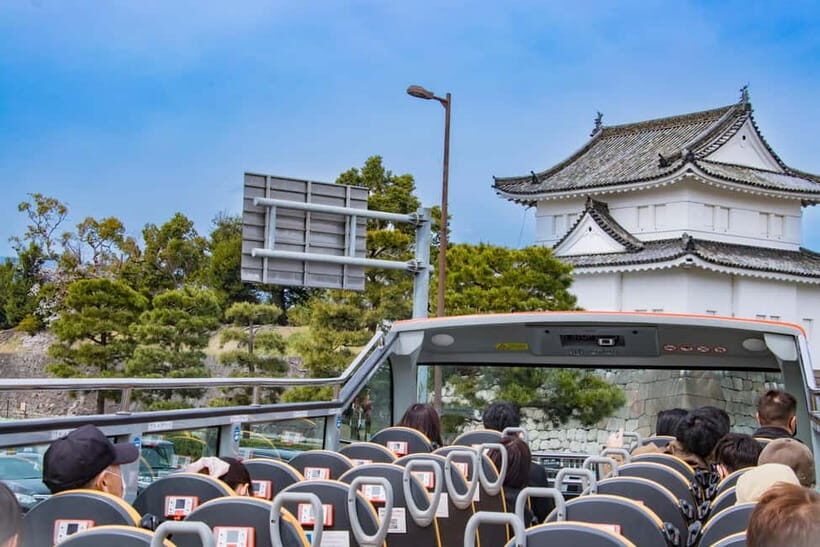
The bus is a double-decker with an open top, so you’ll get excellent city views. From up top, you’ll spot Kyoto’s shape and how neighborhoods connect—something that’s hard to understand from the inside of trains and stations.
But the comfort rules are clear:
- You’re in direct sunlight on the upper deck.
- Rain can happen without warning, especially depending on the season.
- Raincoats are provided in wet weather.
So plan for glare and warmth. Sunscreen and a hat help more than you think. On very hot or bright days, you’ll feel the difference between morning riding and midday riding.
Also note the onboard constraints: no smoking, no food, no umbrellas, no alcoholic drinks, and no selfie sticks. Those limits are normal for organized tour vehicles, but they do matter if you’re used to carrying everything you own.
Route Overview: What Makes Each Stop Worth It
The route is built around Kyoto’s classic zones—temples, palace grounds, and the historic streets where you’ll actually want to wander. Below is the practical way to think about each stop: what it’s good for, what can slow you down, and how to make the most of the time you get on and off.



Kyoto Station (your anchor stop)
Starting and ending near Kyoto Station is convenient because it’s where meals, convenience stores, and transport connections usually make sense. If you’re tired after a long day, this is also the best place to retreat to before you over-walk.
Nishihonganji (near Kyoto Tokyu Hotel)
This stop is a smart first move for the morning because it gets you into Kyoto’s temple-zone rhythm without jumping immediately into the most crowded areas. It’s also useful if you want a calmer start before you hit the big-ticket sights.
Shijo Karasuma / Nishiki-ichiba Market (city-center energy)
This is where your Kyoto day can turn from sightseeing into food-and-stroll time. Nishiki Market is famous for a reason, and this stop puts you within reach of central streets where you can snack and browse.
The main consideration: it can get crowded. If you’re sensitive to shoulder-to-shoulder walking, time your visit earlier or later rather than right at peak hours.
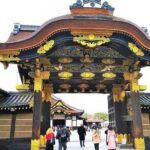
Nijo-jo Castle
Nijo Castle is one of the real anchors of a Kyoto highlights day. This is the kind of stop where you’ll feel why people plan Kyoto around historical sites.
Plan for walking inside the grounds and built-in time for looking around. It’s also a place where photos are only half the story—architecture and layout matter.
Kitano-tenmangu Shrine / Kamishichiken
This area helps break up the day. Instead of only hitting the most obvious tourist clusters, Kitano-tenmangu and nearby streets can feel like a different Kyoto mood—more local in pace.
If you’re trying to avoid fatigue, this is a good stop to take at a steadier speed rather than trying to cram it in like a checklist item.
Kinkakuji (Golden Pavilion)
Kinkakuji is a headline attraction, and it’s popular for a reason. Plan extra time here because crowds can be intense at peak hours. One important heads-up: the Golden Pavilion only accepts cash, and there may not be an ATM on premise.
So if you want to buy anything you’ll need at the site, keep your cash ready before you arrive.
Daitokuji Temple
This stop is great if you like temples that feel more spiritual and less like a photo line. Daitokuji can also give your day variety: a different temple atmosphere compared with the most famous single-site icons.
The tradeoff is that temple areas can involve more walking between spots, so keep your energy in mind.
Kyoto Imperial Palace (near Doshisha University)
This is a good mid-route palate cleanser. It brings you back to formal historical spaces and big grounds rather than only classic street-and-temple lanes.
If you prefer structured sightseeing, this stop fits. If you want maximum walking time in picturesque lanes, you might spend less time here and use it as a breather.
Ginkakuji (Silver Pavilion)
Ginkakuji is another name you’ll recognize instantly, and the stop placement makes it easy to see. It’s often quieter than Kinkakuji depending on timing, but it still draws crowds because it’s iconic.
Give yourself enough time to slow down. Kyoto’s temple experiences are often about small details and pacing, not sprinting from gate to gate.
Heian-jingu Shrine / Okazaki Park
This pairing works well because it gives you both shrine grounds and the park feel nearby. Okazaki Park also helps you reset after clustered temple stops.
If you like lingering, this is a good spot to spend a longer window rather than treating it like a quick photo stop.
Gion (Kotowa-Kyoto Yasaka)
Gion is where Kyoto’s atmosphere becomes instantly visible in the streets. This is one of those stops where even if you’re not doing a formal tour, just walking the area can be the point.
Consider timing. Early or later can be easier on your feet and mood than the busiest mid-day hours.
Gojozaka (Kiyomizu-dera Temple / Gion)
This stop is all about the famous Kiyomizu-dera area and the hillside approach. The big draw is the famous setting and the sense that you’re moving through a historic zone rather than arriving at a standalone landmark.
But you should expect crowds and stairs. If your legs are already tired, you can still enjoy the view and the vibe, but keep your walking goals realistic.
Sanjusangendo / Kyoto National Museum (near Hyatt Regency Kyoto)
This is a strong closing or mid-late stop because it can pair temple interest with museum time depending on your interests and energy level.
If you’re tired of temple walking and want a slower option, museum time can balance the day well. If you’re temple-focused, the Sanjusangendo stop gives you another major Kyoto spiritual highlight.
Audio Commentary and Onboard Comfort: What You Should Expect
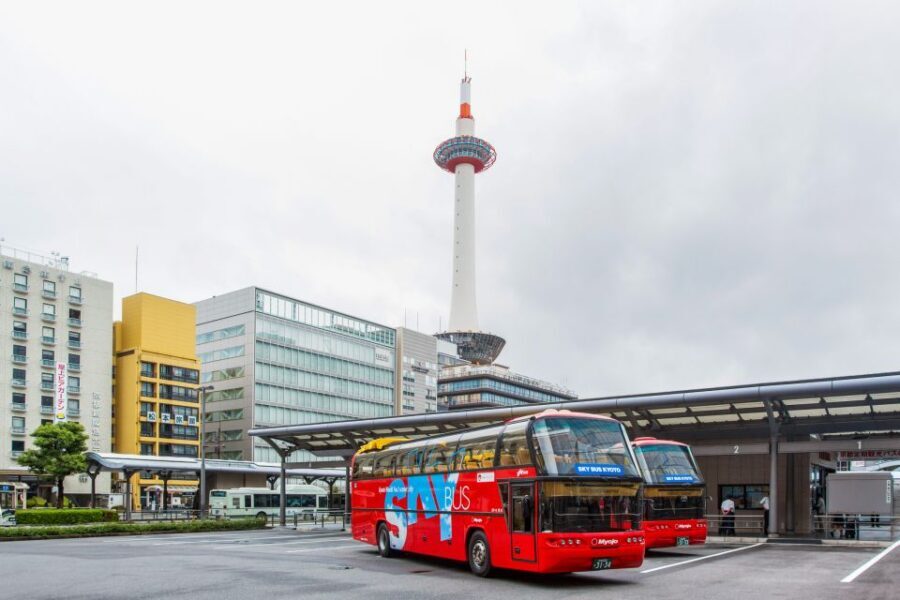
This bus includes pre-recorded audio in English, French, Japanese, Korean, Chinese, Spanish, and German. That’s genuinely useful because you’ll often hear what you’re seeing while you’re still on the move.
A couple of real-world notes from the experience:
- Some people found the narration could cut off as the bus approached a stop.
- One person suggested the voice volume sometimes competes with background music.
So I’d treat the audio as an orientation tool, not a full history lesson. Use it to decide what to step out for, then let the site itself do the storytelling.
Onboard Wi-Fi is listed as included, but it’s temporarily suspended. Plan like you won’t have it. That’s usually fine because you’ll mostly need your mobile voucher.
Timing Tips: Crowds, Bus Gaps, and How to Stay in Control
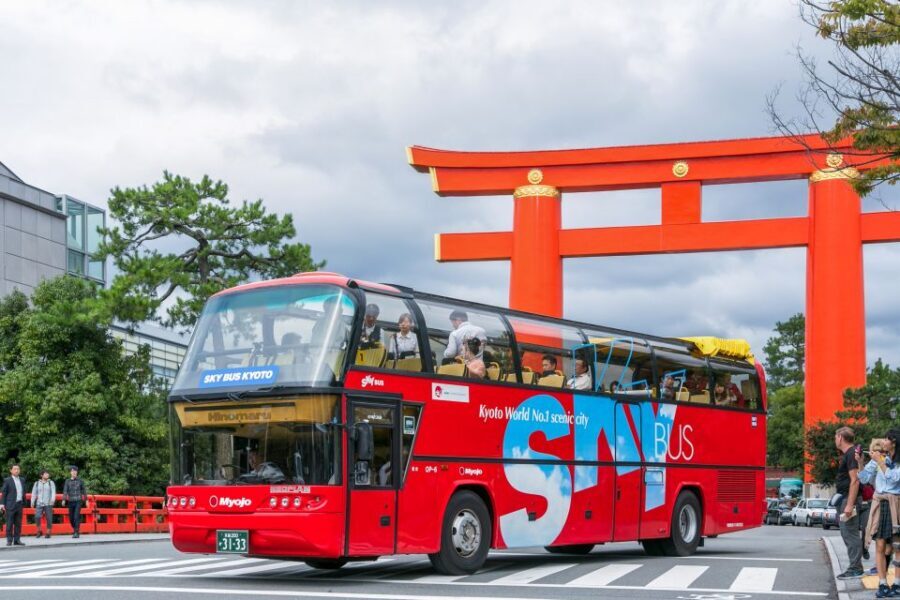
Kyoto is popular, and the bus helps you manage that popularity. Still, your day won’t be crowd-free.
A practical timing pattern:
- Start with one high-demand site early, then mix in calmer stops later.
- If you know a stop is cash-only or tends to have long lines, plan it when you’re fresh.
One more tip: bus gaps can happen. People reported periods where buses were less frequent, and if you miss one you might wait longer than you hoped. That doesn’t mean the service is broken—it means you should plan with a little slack.
A smart strategy is to treat each stop as a time box. Decide in advance if you’re doing 20–40 minutes or a longer linger. Kyoto rewards not over-staying everywhere.
Who This Bus Trip Fits Best
This experience is ideal if:
- you’re short on time and want a solid overview of Kyoto’s top areas
- you want flexible hop-on hop-off freedom without worrying about subway transfers
- you’re traveling with mixed interests and want a simple shared plan
- you prefer open-air views and a low-effort way to get around
It may not be your best choice if:
- you’re hoping to take lots of perfect photos from the bus while driving (not all sights are visible from the road)
- you want deep, site-by-site history from a guide rather than a high-level audio overview
- you’re sensitive to sun or glare on the open deck
Should You Book This Kyoto Hop-on Hop-off Bus?
If your goal is to see the big Kyoto hits without stress, I think you should strongly consider booking. The value is clear in the way the ticket gives you a practical framework: major temple zones, easy boarding at Kyoto Station, and audio in 7 languages that helps you navigate your day.
I’d especially recommend it if this is your first or second day in Kyoto and you want your legs to do the exploring, not your brain doing route math.
If you’re the kind of traveler who wants to stay extremely flexible and avoid transport stress, the hop-on hop-off format is a great match. If you hate crowds or you’re very heat-sensitive, go in the cooler parts of the day and be choosy with which popular stops you prioritize.
FAQ
Where can I board the bus?
You can board at any of the available stops along the route. The first stop is at Kyoto Station, at the north central exit, in front of the Isetan department store area.
How long is the ticket valid?
Your ticket is valid for 1 or 2 days, depending on the option you choose.
Does the ticket include audio commentary?
Yes. Audio commentary is included and available in English, French, Japanese, Korean, Chinese, Spanish, and German.
Is Wi-Fi available on the bus?
Wi-Fi is listed as included, but it is temporarily suspended.
Is the upper deck covered?
The bus has an open top, so you’ll be in direct sunlight from the upper deck.
What items are not allowed on board?
Smoking, selfie sticks, food in the vehicle, umbrellas, and alcoholic drinks are not allowed.
What should I know about weather?
Buses may not operate in severe weather like typhoons or thunderstorms. Raincoats are provided in wet weather.