REVIEW · KYOTO
Skip the lines Basic Ticket at SAMURAI NINJA MUSEUM KYOTO
Book on Viator →Operated by Maikoya · Bookable on Viator
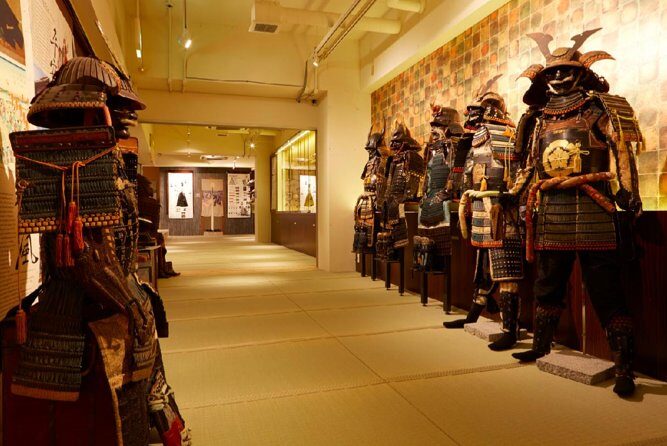
Kyoto’s sword-and-star hour flies by. This guided visit to Samurai Ninja Museum Kyoto blends feudal history talk with hands-on set pieces, including samurai armor and a ninja star throw. I love how the guide keeps things moving and makes culture make sense, and I love the photo ops with replica swords. One thing to consider: the museum is small, and on busy days it can feel rushed or a bit crowded.
You’ll meet your guide with a small group and get a ticket on your phone, then head inside to follow a guided route. The timing is tight—about an hour—so this works best as a focused stop rather than a long museum day. If you’re booking the optional sword/armor moments, it helps to arrive a few minutes early so you don’t feel squeezed.
In This Review
- Key Things I’d Book This For
- Entering Samurai Ninja Museum Kyoto: What the “Skip the Lines” Ticket Means
- Guided Route in a Tight 1-Hour Window
- Stop 1: Museum Highlights and the Main Hands-On Moments
- Samurai Armor Trial and Sword Handling (Optional)
- Ninja Star Throw Competition (Shuriken Throw)
- Replica swords and samurai house recreation
- The Learning Part: What the Guide Actually Covers
- Photo Opportunities Without the Photo-Op Stiffness
- Group Size, Crowds, and Why Timing Matters
- Price and Value: Does $28.52 Make Sense?
- Who This Tour Suits Best
- Quick FAQ for First-Time Bookers
- FAQ
- How long is the Samurai Ninja Museum Kyoto guided tour?
- What’s included in the ticket price?
- Is this a mobile ticket?
- Are there multiple time slots available?
- How many people are in a group?
- Is this good for families and kids?
- Is the museum near public transportation?
- Is an elevator available?
- Does weather affect the experience?
- Should You Book This Samurai and Ninja Experience?
Key Things I’d Book This For
- Hands-on armor and costume time that makes the stories feel real
- Ninja star (shuriken) throwing with friendly competition energy
- Guides who explain the culture with names you might hear like Naromi, Raito, Saku, Jasmine, and Nobu
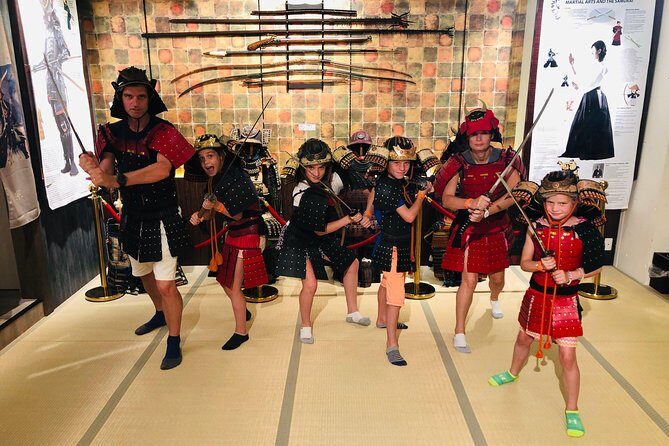
- Strong photo moments with traditional swords and replica setups
- A short, efficient 1-hour format that fits busy Kyoto days
Entering Samurai Ninja Museum Kyoto: What the “Skip the Lines” Ticket Means

This is sold as a Skip the lines Basic Ticket with a mobile ticket, so you should be able to show your reservation from your phone and get in faster than people who are buying onsite. In practice, a guided format still means you’ll likely enter in a group and start together. Think “faster start,” not “walk right in solo.”
The museum sits in the heart of Kyoto and is near public transportation, which matters because the stop is quick. Reviews describe it as laid out over a couple levels inside a shopping-arcade style space, so it’s not a huge stand-alone building. That’s good for saving time, but it also explains why the “museum feel” can vary from person to person.
Practical tip: have your directions ready. If you’re arriving on foot, the easiest win is simply not guessing—follow the in-app guidance so you don’t lose minutes.
A few more Kyoto tours and experiences worth a look


Guided Route in a Tight 1-Hour Window
The whole experience runs about 1 hour. That’s the big deal: you’re not paying for a long self-guided stroll through dozens of galleries. Instead, you’re paying for a guided walkthrough with a few signature “try it yourself” moments.
Your guide leads the group through samurai and ninja topics tied to Japan’s feudal era. Expect commentary about how samurai culture worked, how ninja roles fit into that world, and what you’re actually looking at when you see swords, weapons, and replicas. The pacing tends to match the group size—when it’s well managed, it feels fun and educational, not school-like.
Guides are a major part of the value here. People mention being especially impressed with hosts such as Naromi and Raito for clear explanations and a lively style. Others mention Saku, Jasmine, and Nobu as energetic and engaging, which tells me this tour succeeds when the guide keeps the room moving and the group focused.
Stop 1: Museum Highlights and the Main Hands-On Moments
This experience centers on one main stop at the Samurai Ninja Museum Kyoto. The visit typically includes a mix of guided explanation and hands-on interaction. Activities can vary, especially around health or safety situations, but the core “try these things” structure stays the same.
Here’s what you can plan around:
Samurai Armor Trial and Sword Handling (Optional)
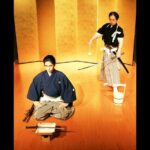
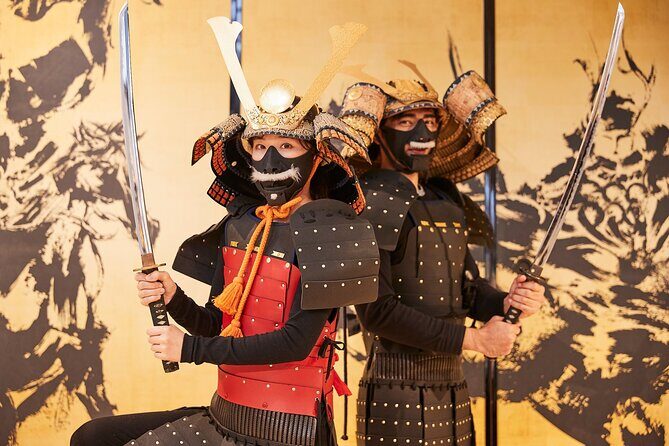
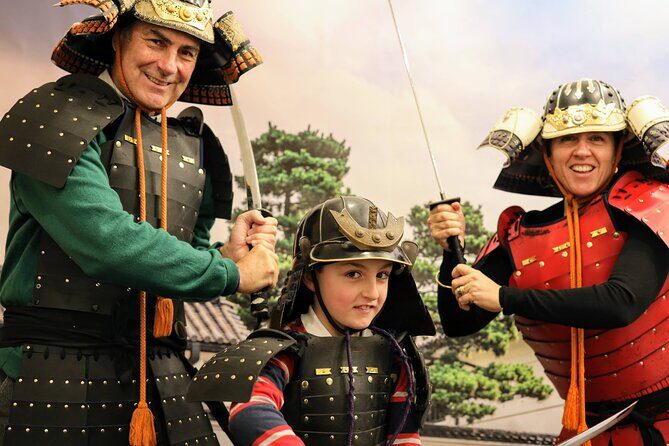
A standout part is being able to try on samurai costume/gear and, in some cases, do an armor trial with a katana or samurai sword (the sword/katana moment is listed as optional). Even if the gear is more “replica and stage-ready” than museum-grade weaponry, the act of wearing it changes how you connect with the story.
Why it’s worth it: when someone talks about samurai life, it can stay abstract. But once you’re in armor and holding a sword-like prop, the guide’s explanations land differently. It’s the difference between reading about the culture and acting inside it for a few minutes.
Photo note: those sword moments are designed for quick snapshots. Bring your phone charger backup if you’re the type who takes lots of pics, because you’ll use it a lot in a short hour.
Ninja Star Throw Competition (Shuriken Throw)
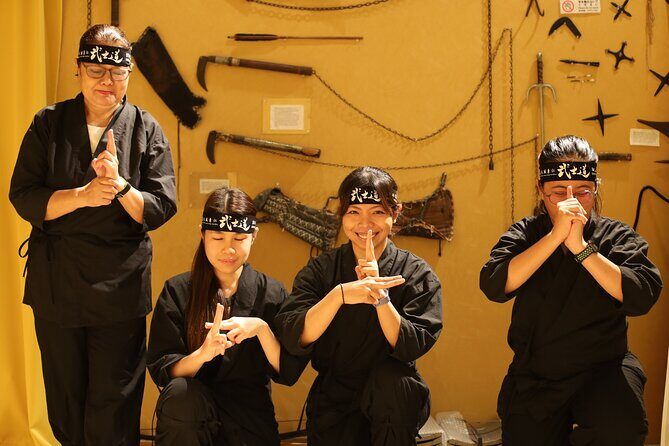
Next up is the ninja star throw. This is the activity many people remember first, and it’s easy to see why: it’s fun, it’s physical, and you can actually “do” something tied to ninja history.
The guides often run it like a mini competition, which keeps the group engaged even if some people are quieter at the start. Expect plastic replica shuriken style throwing and a set of rules from the guide.
If you care about photos, stand where the guide tells you. For best results, rotate who’s shooting: one person films/zooms while another focuses on aiming and timing.
You can also read our reviews of more museum experiences in Kyoto





Replica swords and samurai house recreation
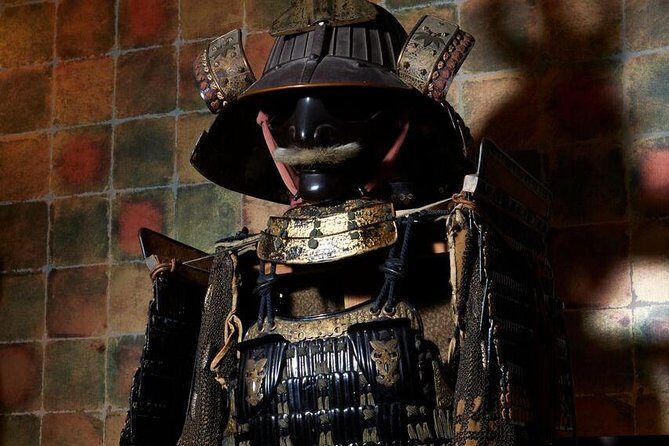
In addition to the hands-on pieces, you’ll see preserved items up close—plus a recreation of a samurai house and weapon displays. This is where you start getting context for what the guide is saying, especially around roles, status, and weapon culture.
A heads-up: the museum is described as small, and some visitors feel the “real artifact” portion is more limited than they expected. If you’re coming for a traditional museum with lots of glass cases and deep artifact catalogs, set your expectation to a guided, interactive experience instead.
The Learning Part: What the Guide Actually Covers

The tour doesn’t aim to be an academic lecture. It focuses on giving you the “why” behind samurai and ninja culture, using the displays and activities to explain the social and political sides of Japan’s feudal system.
You’ll hear stories that connect weapons to the world they came from: who samurai were expected to be, how rules and status worked, and how ninja roles fit into that same system. Even when you don’t know much going in, the structure helps you follow along because the guide points to objects, then connects them to the bigger picture.
What I like about this approach is how it balances facts with fun. When the guide is especially energetic—as people report with hosts like Naromi and Nobu—the group stays attentive without feeling dragged through a checklist.
And if you’re traveling with kids, the “do something” pieces matter. One parent noted their child loved the ninja star throwing and dressing up, and that kind of reaction makes sense: learning sticks better when your hands are involved.
Photo Opportunities Without the Photo-Op Stiffness
If you’re traveling to Kyoto for scenes—temples, gates, and historic streets—this is a different kind of scene. The museum gives you traditional samurai sword photo ops and costume/backdrop-style moments that are built for quick portraits.
The keys to good photos here are:
- Time your shots during costume and sword moments, not while everyone is listening
- Don’t block the throwing area when people are aiming
- Ask the guide where to stand if you want a clean background
Also, the museum layout over multiple levels can mean stair spots for group photos. If stairs are part of your travel rhythm, keep it simple: ask your guide where the best spots are when the group is split for the next activity.
Group Size, Crowds, and Why Timing Matters
The tour experience is capped, but the exact number is listed in two places: one notes up to 30 travelers, while another notes a max of 15 travelers for the activity. Translation: it’s designed to stay small, but capacity can vary by time slot.
Crowding is the main downside you’ll see in the feedback. When it’s busy, people mention the experience can feel crowded enough that you don’t get to take in the details, and the flow can feel rushed. Some also mention older props/costumes or the need to move quickly when there’s a line behind you.
My advice: if you hate crowds, pick a time slot that’s less popular. If the museum offers multiple start times, choose one that avoids the busiest part of the day in Kyoto for your schedule.
Price and Value: Does $28.52 Make Sense?
At $28.52 per person, you’re paying for more than admission. You’re paying for:
- A professional guide
- Costume/samurai outfit time
- Ninja star throwing competition
- Built-in structure that keeps the hour from dragging
That means this tends to be good value if you want a “Kyoto activity,” not just a museum checkbox. It’s also a strong deal for families because the kids get a real hands-on moment, not just a sit-and-watch stop.
It can feel less worth it if what you want is a deeper museum with lots of artifacts and slower viewing. Multiple comments point out the museum is short and small, so if you’re a serious collector-of-objects type, you may prefer a longer, more traditional exhibit elsewhere in Kyoto.
Who This Tour Suits Best
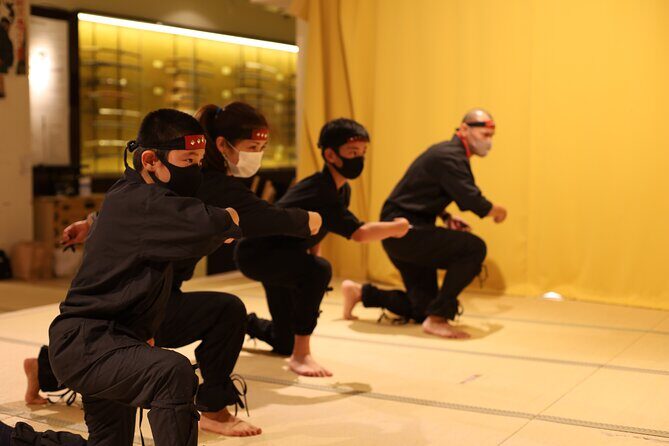
This is a great fit if you want:
- A short, fun guided stop in Kyoto
- Hands-on experiences like wearing samurai gear and throwing shuriken
- A guide who explains history in plain language and keeps the pace lively
It’s also a good first-timer activity. You get orientation to the topic quickly, and the costume/props give you a memorable “I did this” moment.
It may be less satisfying if you:
- Expect a large museum with tons of artifacts
- Want lots of quiet time to study displays
- Dislike experiences that move as a group
Quick FAQ for First-Time Bookers
FAQ
How long is the Samurai Ninja Museum Kyoto guided tour?
It runs for about 1 hour (approx.).
What’s included in the ticket price?
Included features are a professional guide, samurai costume, ninja star throw competition, and admission ticket included.
Is this a mobile ticket?
Yes, you’ll receive a mobile ticket.
Are there multiple time slots available?
Yes, there are multiple time slots available to fit your schedule.
How many people are in a group?
The info lists a maximum of 30 travelers for the activity, and it also notes a maximum of 15 travelers.
Is this good for families and kids?
Most people can participate, and children must be accompanied by an adult.
Is the museum near public transportation?
Yes, it’s listed as near public transportation.
Is an elevator available?
There’s a scheduled elevator out-of-service period: January 24, 2026 to February 19, 2026.
Does weather affect the experience?
Yes. This experience requires good weather; if canceled due to poor weather, you’ll be offered a different date or a full refund.
Should You Book This Samurai and Ninja Experience?
If you want an hour of Kyoto that mixes guided explanations with real, try-it-yourself moments—especially samurai armor and ninja star throwing—then yes, book it. The price is easier to justify when you value activities over slow gallery time.
But if you’re chasing a big, quiet museum where you can wander and study for hours, this is likely too short and too interactive. In that case, you might enjoy Kyoto more by pairing this with a longer stop elsewhere.