REVIEW · KYOTO
Kyomai Dance by Maiko Geiko and Visits of Gion Art Museum Kyoto
Book on Viator →Operated by Gion Kagai Art Museum -Kyomai Dance Performance by Maiko Geiko- Kyoto · Bookable on Viator
Kyomai turns Gion into a theater. You get a close-up live geiko/maiko performance, then you slow down in the Gion Kagai Art Museum to see the culture behind the costumes. It’s a smart first-night Kyoto stop when you want something authentic without losing hours to logistics.
I love two things most: first, the price covers admission plus the dance, so you don’t waste energy hunting tickets or timing the show. Second, the museum is built around real artifacts—think hand-painted kimono and seasonal hair ornaments—so the performance doesn’t feel like random stage magic.
One consideration: the dance itself is short, about 15 minutes (two songs). If you’re craving a long performance, you’ll want to plan this early and pair it with a bit of Gion wandering afterward.
In This Review
- Key things to know before you go
- Kyomai in Gion: a short, satisfying Kyoto stage moment
- Gion Kobu Kaburenjo Theater: the welcome that sets the tone
- Inside Gion Kagai Art Museum: the kimono and personal-item details that make it real
- Kyomai dance performance: what to watch in the 15 minutes
- Photo rules you should plan around
- Etiquette and logistics: shoe removal, timing, and how not to feel rushed
- Shoes
- Mobile ticket and short duration
- Meeting point reality
- Getting there
- Value check: why $20 can feel like more than a quick show
- Who should book this Kyomai + museum stop
- Should you book it? My practical take
- FAQ
- How long is the Kyomai dance and museum experience?
- What does the ticket price include?
- Are photos allowed during the dance?
- Where do we meet for this activity?
- Is there any dress or etiquette rule before entering?
- Can I cancel and get a full refund?
Key things to know before you go
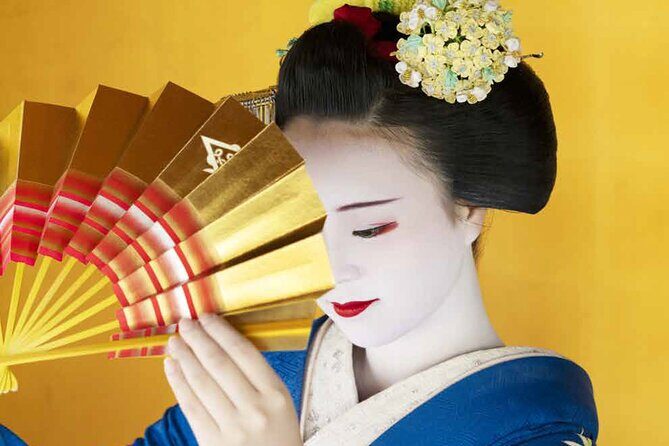
- A compact 15-minute Kyomai show with two songs, performed in the Inoue style by a geiko or maiko
- Admission + performance included in one stop, which helps you skip ticket-line stress
- Close viewing in a small room (the show seats are set up so you can see from up close)
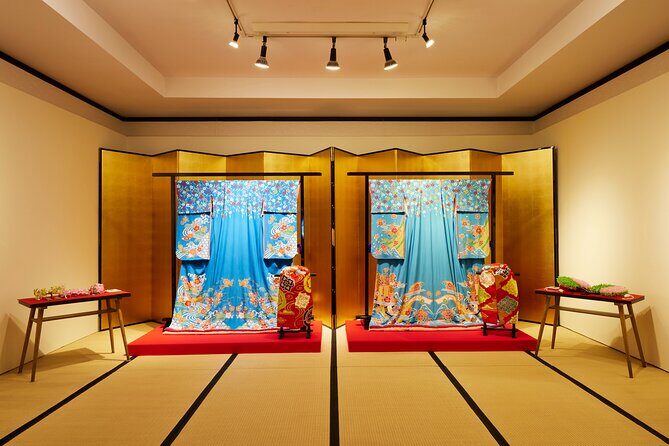
- Museum exhibits with tangible detail: Yuzen kimono, Nishijin brocade obi, maiko personal items, and seasonal kanzashi
- Shoe removal is part of the deal when you enter the museum building
- No casual dance photos—if you want photos of the dance, there’s a paid photo session (2,000 yen per group, up to 5 people)
Kyomai in Gion: a short, satisfying Kyoto stage moment
If Kyoto has a “watch this first” category, this is it. You’re stepping into Gion Kagai culture in a way that feels purposeful: a brief, staged Kyomai (Kyoto Mai) dance performance, plus time in a museum that explains what you just saw. It’s not a long evening production, and that’s exactly why it works.
The experience is built to fit real sightseeing schedules. The total duration is about 20 minutes, and the performance itself runs around 15 minutes with two songs. That means you’re not giving up a huge chunk of your day when Kyoto already has plenty of tempting distractions: shrine lights, snack stops, and the pull of Gion streets.
You can also read our reviews of more museum experiences in Kyoto

Gion Kobu Kaburenjo Theater: the welcome that sets the tone
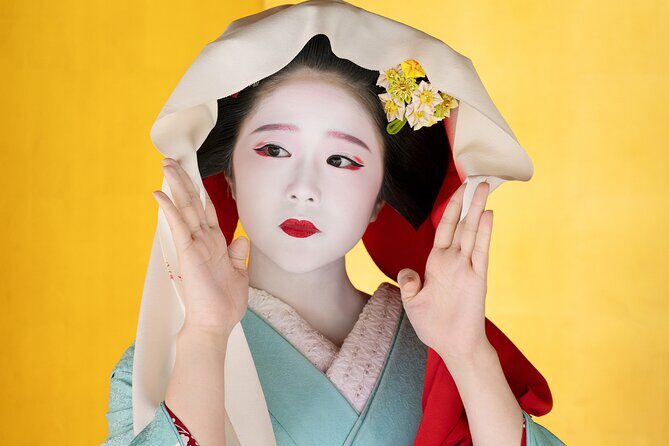
You start at Gion Kagai Art Museum (Yasaka club area), then the experience flows to Gion Kobu Kaburenjo Theater for the cultural introduction. The point here isn’t theatrics for theatrics’ sake. It’s context: you’re reminded that Gion’s geiko and maiko world is tied to centuries of practice, even though modern life changes everything around it.
This is also where the experience acts like a bridge. If you’ve only seen geisha culture from a distance—photos, movies, or postcards—this intro helps your brain switch gears. Instead of treating the dance like entertainment alone, you start looking for detail: posture, pacing, and how the performance connects to the artistry you’ll later see in the exhibits.
A practical note: group size stays modest. The activity caps at 25 travelers, so it feels more like a small cultural appointment than a mass attraction.
Inside Gion Kagai Art Museum: the kimono and personal-item details that make it real
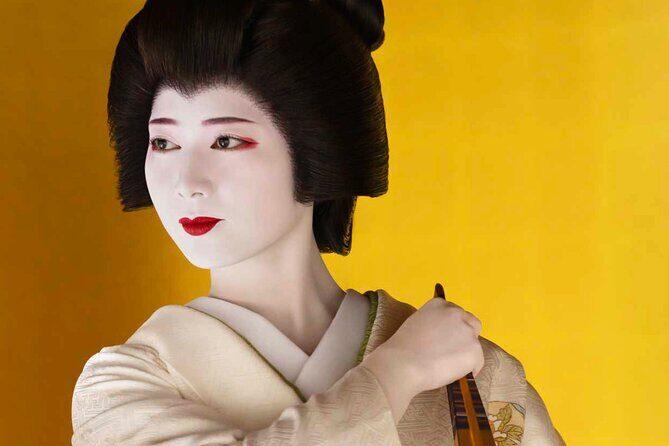
After the welcome, the museum becomes your “slow down and look” phase. This is what turns the whole evening from a quick show into something you can actually remember.
The permanent exhibit introduces geiko, maiko, and Kagai art culture through a range of objects. You’re not just looking at generic costume displays. You’ll see items that connect directly to how craft is made and worn—examples mentioned include:
- Yuzen kimono (hand-painted style)
- Nishijin brocade obi sashes
- Personal belongings and makeup used by maiko
- Seasonal kanzashi hair ornaments
- A black crested formal kimono that’s noted as rarely seen in the Gion quarter
One of the best ways to enjoy a short museum visit is to pick a “focus.” I like to zero in on one category, because then the performance later clicks. If you’re a fabric person, spend your museum minutes looking for how the obi and kimono patterns are meant to be seen as part of movement. If you’re more interested in identity and routine, watch how the items relate to season and formality.
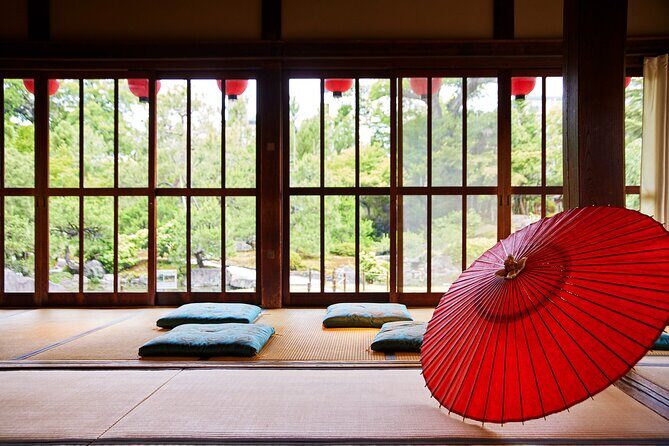
Also, the museum grounds have enough charm that you’ll likely want a little time just for the atmosphere. In the experience setup, there’s a garden that helps you transition from theater mode back to Kyoto wandering mode.
Kyomai dance performance: what to watch in the 15 minutes
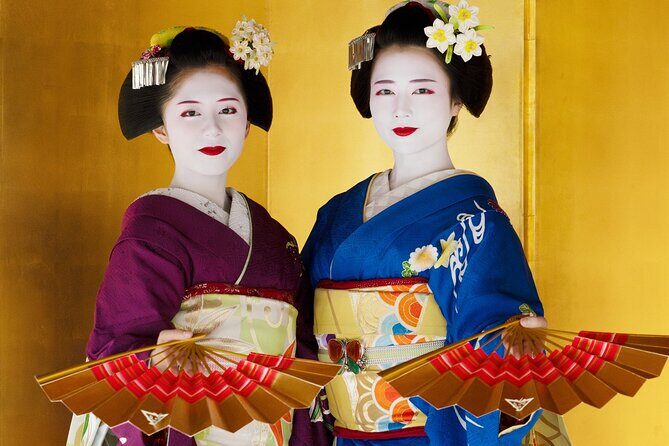
Now for the part most people come for: the live Kyomai dance.
Here’s what you can reasonably expect:
- It’s performed in the Inoue style
- It’s done by a geiko or maiko (not necessarily both in the same moment)
- Performance time is about 15 minutes, with two songs
What makes this worth your time is not length. It’s precision. In a short show, every gesture has to land. So while you’re watching, try not to think of it as a “full concert.” Think of it like seeing a page of classical writing performed with the body—small things matter.
Viewing is set up for closeness. One useful detail: the show can handle around 40–50 people, and the setup is designed so you can see the dancers from up close. That matters in Kyoto. Many cultural performances are either too far away or too rushed. Here, the layout is meant to keep the experience intimate enough to notice the craft.
Photo rules you should plan around
You’ll need to know the photo situation before you get annoyed mid-show. The dance itself doesn’t allow casual photos. If photos are important to you, there’s a photo session option available for 2,000 yen per group (maximum 5 people).
I treat this like a budgeting question. If you want a souvenir photo with the dancer, plan it ahead so it doesn’t feel like an impulse purchase at the wrong moment. If you’d rather keep your hands free and your attention fully on the performance, skip the photo session and just enjoy the live moment.




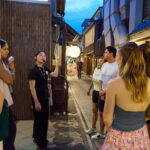

Etiquette and logistics: shoe removal, timing, and how not to feel rushed
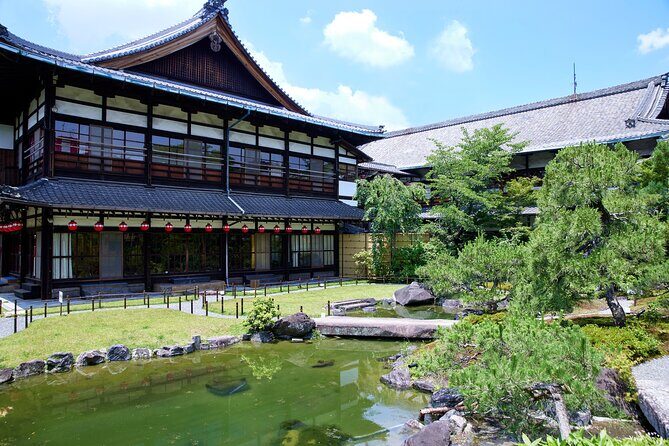
This is the kind of experience where small etiquette details can make your visit smoother.
Shoes
You’ll remove your shoes when entering the building. That’s easy, but it’s also why I suggest wearing comfortable socks you don’t mind staying on for a short time.
Mobile ticket and short duration
The ticket is mobile, and the experience stays compact. That’s a plus when Kyoto crowds hit. Instead of losing time to paper tickets and long entry lines, you focus on the moment.
Meeting point reality
Your start point is listed as Gion Kagai Art Museum (Yasaka club, 570-2 Gionmachi Minamigawa, Higashiyama Ward, Kyoto, 605-0074), and the activity ends back there. This matters because you won’t have to solve transportation from scratch afterward—you can head straight into nearby Gion.
Getting there
It’s near public transportation, and the experience is generally suitable for most travelers. Service animals are allowed.
Value check: why $20 can feel like more than a quick show
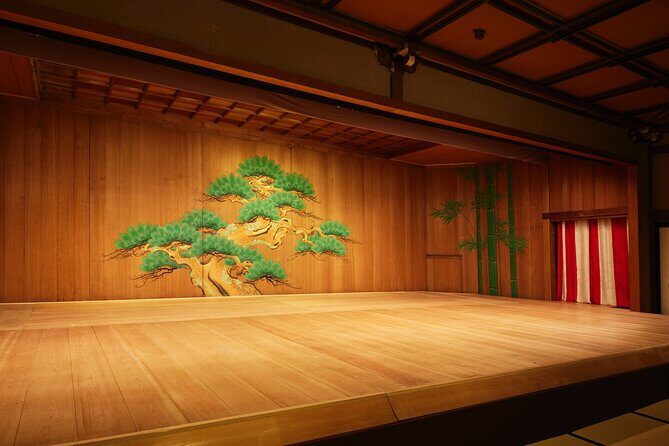
On paper, it’s only about 20 minutes. In practice, the value comes from the combination.
You’re paying for:
- Admission to the Gion Kagai Art Museum
- A live Kyomai dance performance
That mix is the secret sauce. A standalone dance show is great but sometimes leaves you with “nice… now what?” Here, the museum gives you a reason to care. When you look at materials like Yuzen kimono or Nishijin brocade obi and then see dance in motion, the cultural logic becomes clearer.
Also, the performance is short enough to fit into the first-night Kyoto rhythm. If you’re tight on time and don’t want to commit to a long evening, this gives you a strong taste without trapping your schedule.
Who should book this Kyomai + museum stop
This experience is a great match if you:
- Want a starter dose of geiko/maiko culture without spending half a day
- Prefer small, focused experiences over big-day “checklist” tours
- Like learning by seeing—where the museum artifacts make the dance mean more
- Are planning a first night in Kyoto and want something atmospheric in Gion
It can also be a decent choice for families, but with a realistic expectation. One helpful note from experience with kids: the dance may not hold attention for long afterward. Still, the museum setting and garden area give kids a place to reset and move around a bit after the show.
Should you book it? My practical take
If you want a short, high-impact cultural stop that pairs a live Kyomai performance with museum context, I’d book this. It’s one of those Kyoto experiences that makes you feel like you understood what you saw, not just that you watched something pretty.
I’d reconsider if your top priority is a longer performance or if you’re expecting a totally relaxed, time-flexible outing. This is designed to be compact. Come with the right mindset: enjoy the close-up show, then use the museum minutes to connect the dots.
If you’re on the fence, pick your strategy: book it on your first night in Kyoto so you can learn the language of what you’ll see in Gion afterward. Or book it earlier in your trip to give your eyes something to look for later—seasonal hair ornaments, kimono craft, and the discipline behind the performance.
FAQ
How long is the Kyomai dance and museum experience?
The experience is about 20 minutes total, with the dance performance lasting approximately 15 minutes (two songs).
What does the ticket price include?
The included price covers admission and the dance performance. The experience also notes that all fees and taxes are included.
Are photos allowed during the dance?
Photos of the dance are not allowed. If you want a photo, you can purchase a photo session for 2,000 yen per group (max 5 people).
Where do we meet for this activity?
The meeting point is at Gion Kagai Art Museum (Yasaka club, 570-2 Gionmachi Minamigawa, Higashiyama Ward, Kyoto, 605-0074, Japan). The activity ends back at the same meeting point.
Is there any dress or etiquette rule before entering?
Yes. You should expect to remove your shoes before entering the building.
Can I cancel and get a full refund?
Yes. Free cancellation is available if you cancel up to 24 hours in advance for a full refund. Canceling less than 24 hours before the start time is not refunded.